Flashlights
Workhorse TS10 Review: A 1,400-Lumen Pocket Flashlight That Outclasses Its Competition
The Workhorse TS10 packs 1,400 lumens, a highly customizable interface, auxiliary lights, and 90+ CRI output into a tiny 14500 body, all starting at $28.
Introduction
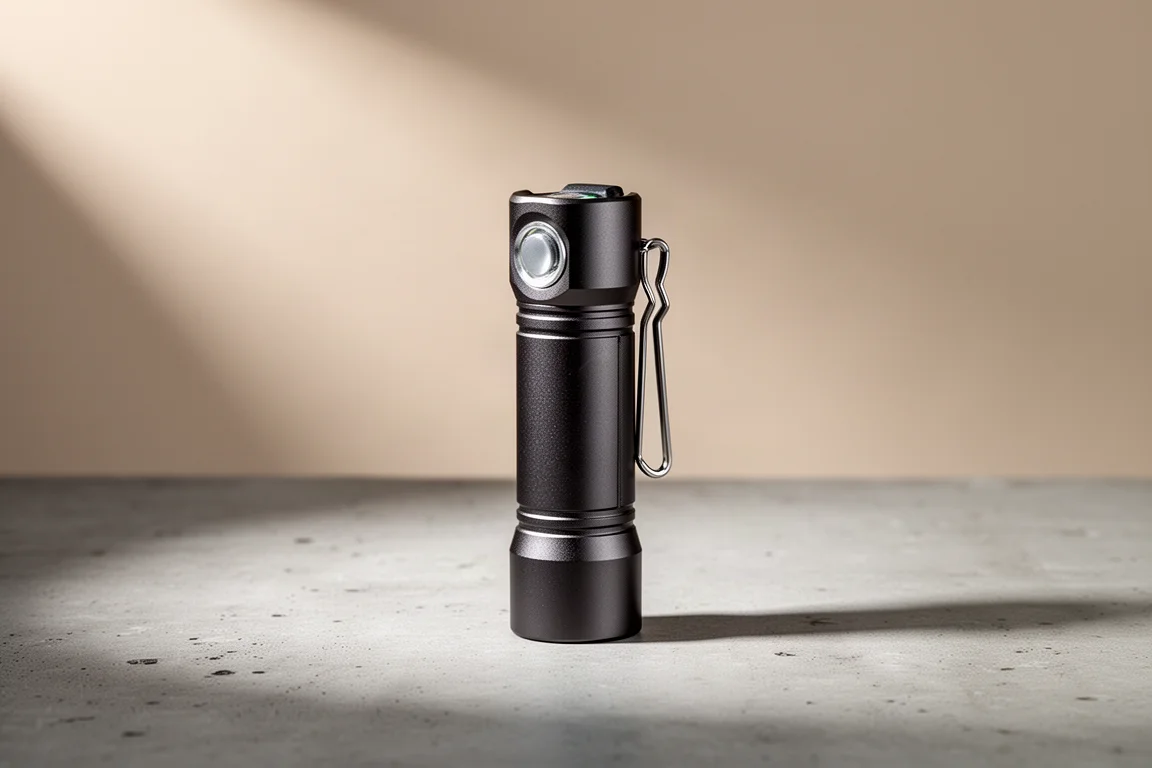
The Workhorse TS10 is a compact 14500 flashlight with a simple pitch: do everything its closest rival does, only better, and for less money. Starting at $28 (and frequently discounted below that), it delivers 1,400 lumens, a deeply customizable user interface, auxiliary emitters, 90+ CRI light, and IPX8 waterproofing in a body small enough to disappear into a pocket. After a week of daily carry, it is hard to find a category where it does not beat its nearest competitor. This review covers where it excels and what you should know before buying.
Build Quality and Feel
Nothing about the TS10 is flashy, but everything works the way it should. The button has a firm, confident press, the factory-lubricated threads cinch down cleanly, and the machining is consistent with a well-made production light. On a scale where hand-turned custom lights sit at the top, a solid three out of five for production quality is exactly where a good factory flashlight should land, and the TS10 earns it.
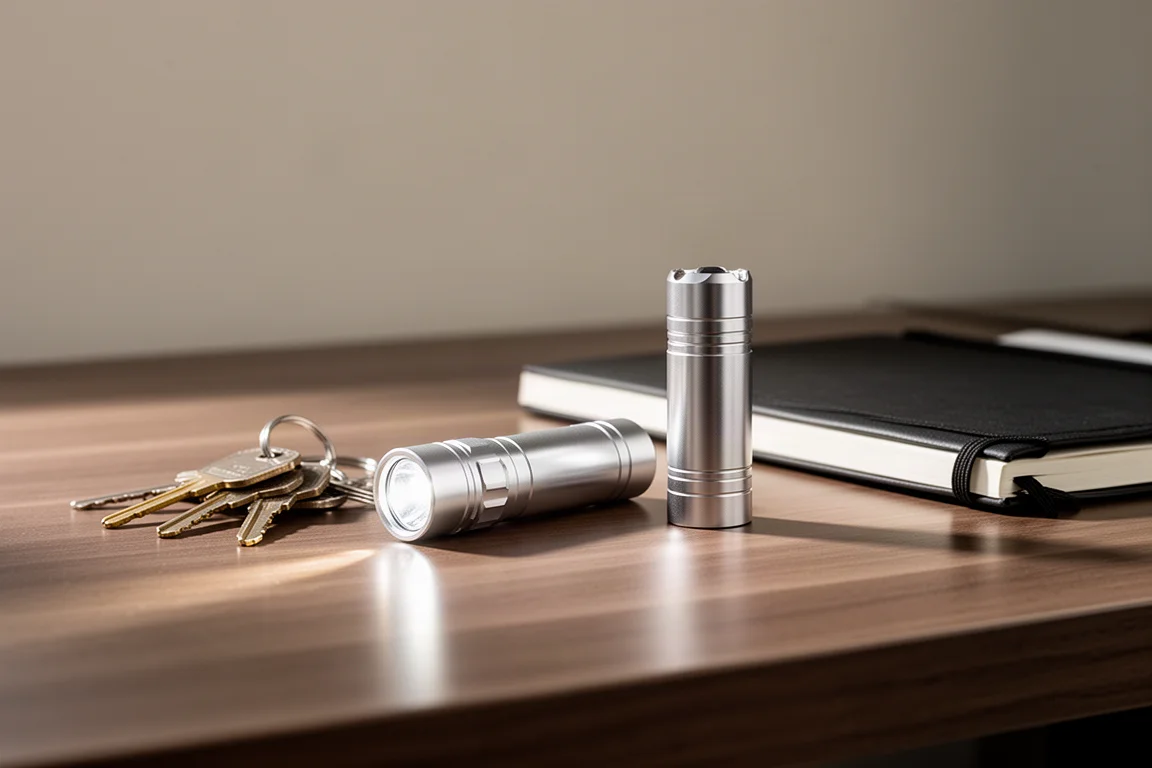
One detail worth calling out: the button. Compared with rivals like the Lumintop FW3A, whose short and soft switch can be pressed accidentally and sometimes sticks, the TS10’s switch requires a noticeably firmer and longer press. It also pairs with an automatic lockout after 30 seconds of being off, so accidental activation in a pocket or bag is not a concern.
User Interface: Powerful but Complicated
The TS10 runs Anduril 2.0, the same interface found on lights like the Noctigon KR4. This is a genuinely deep system: mode memory (or no memory), configurable ramping, and even thermal management you can tune yourself, adjusting the temperature at which the light ramps down its output under heat. You can strip it down to a single mode or shape it into whatever behavior you want.
The honest caveat is that Anduril 2.0 is complicated. Learning the full interface is a project in itself, and newcomers should expect a learning curve. But the payoff is an interface capable of becoming almost anything you want, which is why it earns top marks here.
Output and Beam Pattern
Turbo output is rated at 1,400 lumens, delivered through a very diffuse, wide beam. This is a flood light, not a thrower: anything within roughly 30 to 40 yards gets lit up completely, making it excellent for work up close. That output is genuinely impressive for the size, coming close to the 1,500 lumens of much larger lights like the Olight Warrior Mini 2.
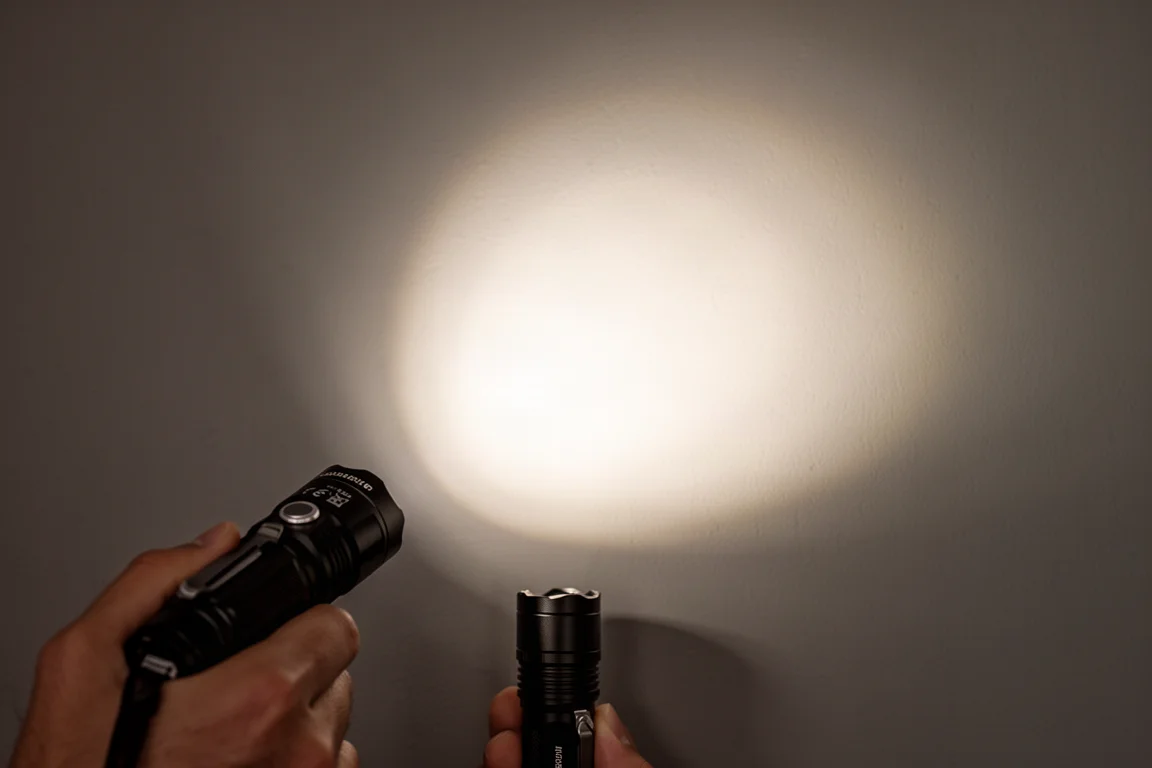
The trade-off is heat. Pushing 1,400 lumens through a small aluminum body generates enormous heat, so turbo is realistic for only around 15 seconds before thermal step-down begins. The light then ramps down automatically until output and heat reach equilibrium; in colder environments it holds high output longer, in warm ones it drops faster. The claimed maximum-runtime figure of one hour and 15 minutes should be read with that thermal behavior in mind.
Runtime is highly variable because the interface is programmable and the included 900 mAh battery can be swapped for higher-capacity cells (a 1,000 mAh cell runs longer). On ultra-low mode, runtime stretches into days, which matters more for everyday use than turbo endurance.
Auxiliary Lights and Everyday Use
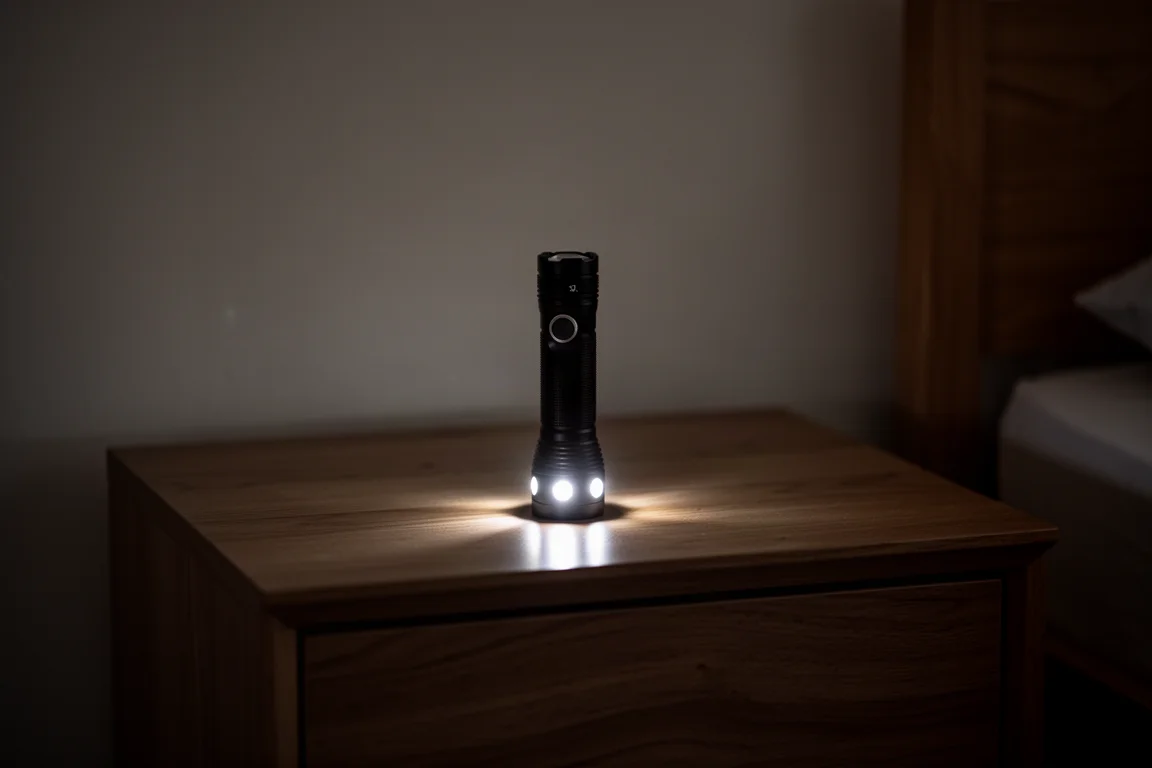
The auxiliary emitters are a small feature that quickly becomes essential. They can be set to different colors and brightness levels, dimmed, or switched off entirely, and they can flash or behave in various patterns. Leaving them on low makes the light easy to find on a nightstand in the dark, at the cost of a tiny trickle of battery.
The low modes deserve mention too. Ultra-low is accessible with a long press, turbo with a double click, and the low setting delivers genuinely long runtimes. For anyone who uses a flashlight primarily around the house or camp rather than for long-distance spotting, this distribution of output is exactly right.
Versatility and the Clip
With Anduril 2.0 comes a long list of tricks: candle flicker, SOS strobe, and far more configuration than most people will ever use, plus a red auxiliary light that is bright enough to navigate by in the dark. That flexibility earns the TS10 a strong versatility score.
The included pocket clip works, though its mounting tab is not the best design. The nice surprise is compatibility: the Olight S1R2 Baton (and S1R1 Eclipse) clip fits the TS10 perfectly, and it is a far superior clip that slips into a pocket without catching. Replacement clips are inexpensive, typically a few dollars, and similar clips are also available from Sofirn and Workhorse since the brands share an OEM and dimensions.
Value and What to Know Before Buying
This is where the TS10 wins outright. Its closest competitor, the Lumintop FW3A, runs around $40; the TS10 starts at $28, often sells for less, and includes the battery, a lanyard, and spare O-rings. It is IPX8 waterproof, uses 90+ CRI LEDs for light that is noticeably easier on the eyes in the dark, and frankly outclasses every comparably sized light at this price.
Before buying, know two things. First, it only accepts 14500 batteries, so you will need a quality bay charger; it is better to spend on a good charger than to skimp there. Second, this is an ecosystem: good batteries, a reliable charger, and a willingness to learn the interface. The upside is that the same charger handles 21700, 18650, and 18340 cells, so it carries over to lights from Noctigon, Lumintop, Sofirn, and many other brands.
Buying Advice
For anyone already familiar with 14500 lights, the math is simple: this is strictly better than the Lumintop FW3A, and the button is the single biggest improvement. For newcomers, the TS10 is arguably the best value currently available in this size class, provided you budget for a good bay charger and quality batteries. If you want a flood-style everyday carry light with near-custom-level customization at a production-light price, it is an easy recommendation.
Conclusion
The Workhorse TS10 is a rocket in your pocket: 1,400 lumens, high CRI, auxiliary lighting, and a best-in-class switch for $28. Its only real demands are a charger, batteries, and patience with a complicated interface, and in return it beats everything near it in price and size.
Product link
View more details for Workhorse TS10
This product is mentioned in the review. Check the specifications, options, and compatibility before buying.
View more details for Workhorse TS10Further reading
Related Reviews
Flashlights
Best Flashlights 2026: Brightness, Battery, and Value Compared
We tested 18 flashlights across a wide price range to find the best performers in brightness, battery life, and durability.
Flashlights
Nitecore LA10 Review: A Tiny 2-in-1 Lantern That Nails the Basics
The Nitecore LA10 pairs a pocket-sized lantern with a single AA battery, a magnetic tail cap and a five-year warranty. Here is where it shines and where it struggles.
Flashlights
Wuben G5 Review: A Compact Everyday Carry Flashlight
The Wuben G5 is a small, rechargeable flashlight with a pivoting head, magnetic base, and color modes. Here is how it performs as an everyday carry light.