Power Tools
Wish Makita 1000 Nm Knockoff Impact Wrench: Dyno Tested Against the Real Makitas
A $61 Makita clone claiming 738 ft-lbs goes on the dyno alongside the XWT14Z, XWT18Z, and DTW285. The results were not pretty.
Introduction
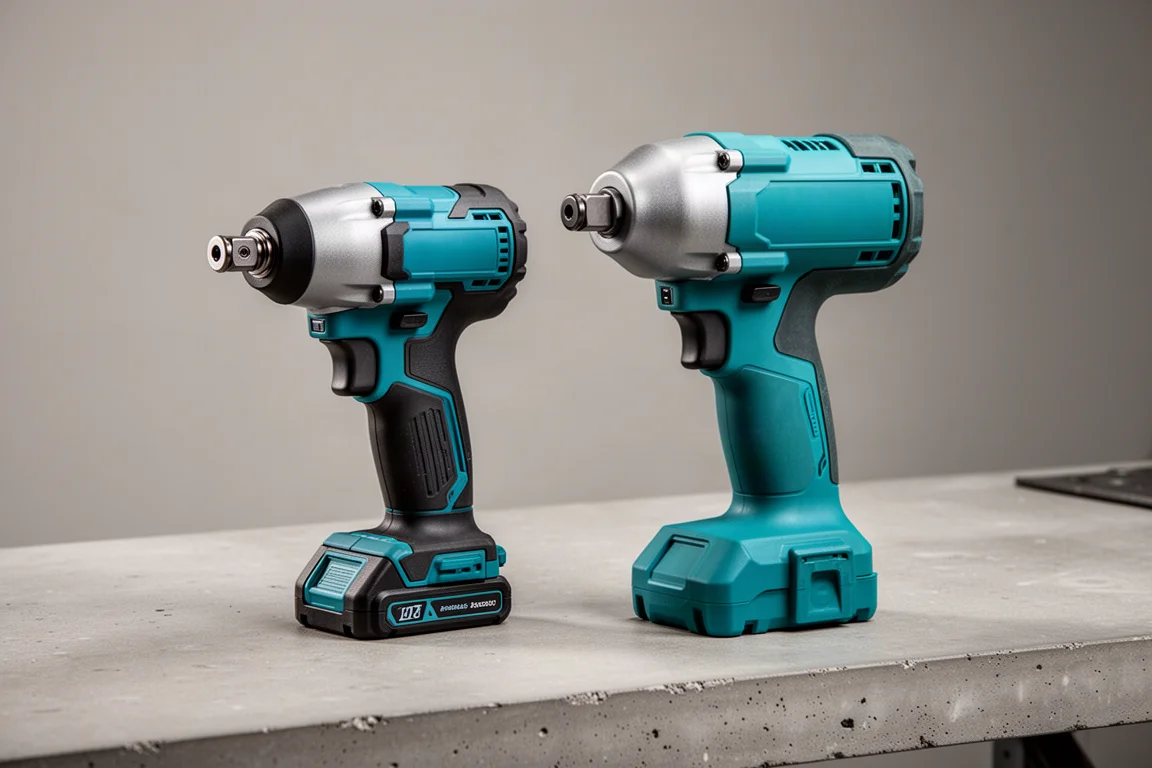
Counterfeit and knockoff power tools are everywhere on budget shopping apps, and the listings tend to lean on familiar names to make the sale. This one went further than most: an unbranded impact wrench sold through the Wish app under a Makita-style listing, claiming a full 1,000 Nm of torque, which works out to about 738 ft-lbs. For context, the legitimate Makita XWT14Z compact is rated at only 430 ft-lbs, and even Makita’s own mid-torque XWT18Z sits at roughly 1,000 Nm.
We put the knockoff on the dyno alongside several legitimate Makita tools to see whether a 1,000 Nm claim at a fraction of the price has any basis in reality. The short answer: it does not. But the full picture is worth reading before you spend money on either.
The Claimed Specs
The version we bought was the top-of-the-range 1,000 Nm listing, advertised at around $53 plus $12 shipping. Our total came to about $61, roughly one-third of the price of a genuine Makita DTW285 or XWT14Z. After a shipping wait of more than a month, the tool arrived with the familiar teal styling, a brushless motor (which it does genuinely have), and a Makita-style badge.
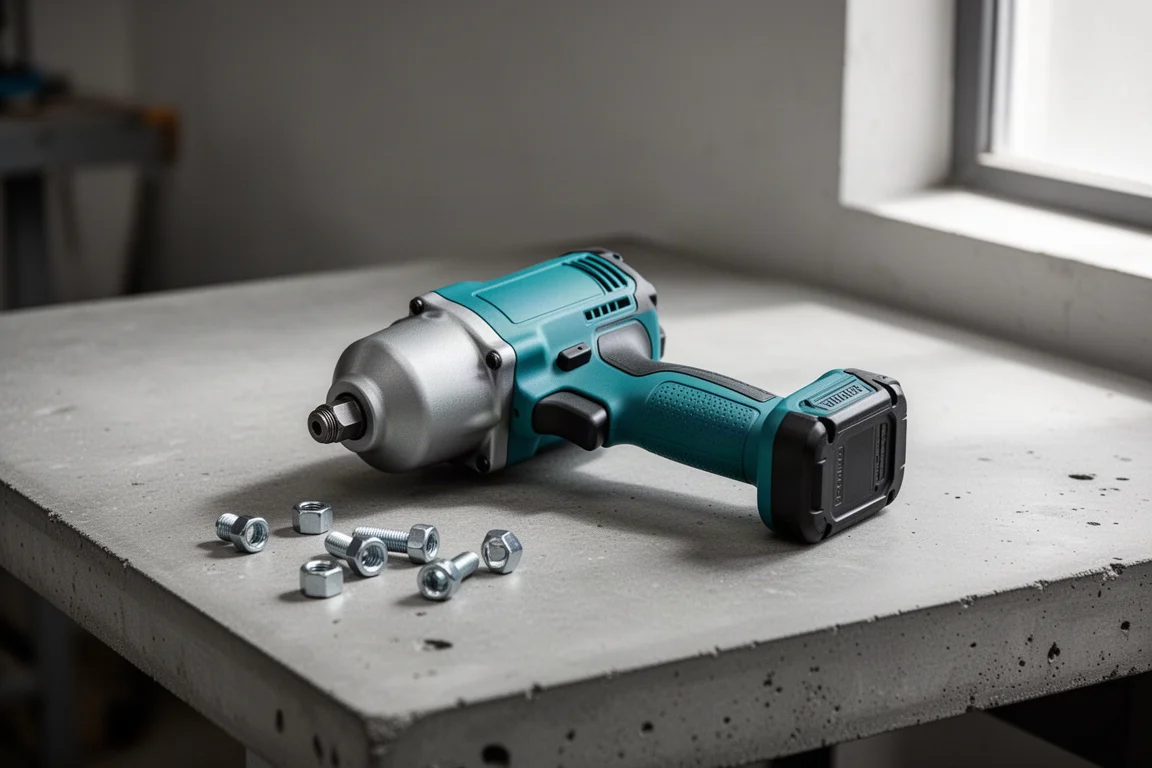
The claimed 738 ft-lbs would place this tool above Makita’s compact XWT14Z and essentially level with Makita’s mid-torque XWT18Z, rated by the brand at about 1,000 Nm or 740 ft-lbs. That is the benchmark this clone set for itself.
How It Performed on the Dyno
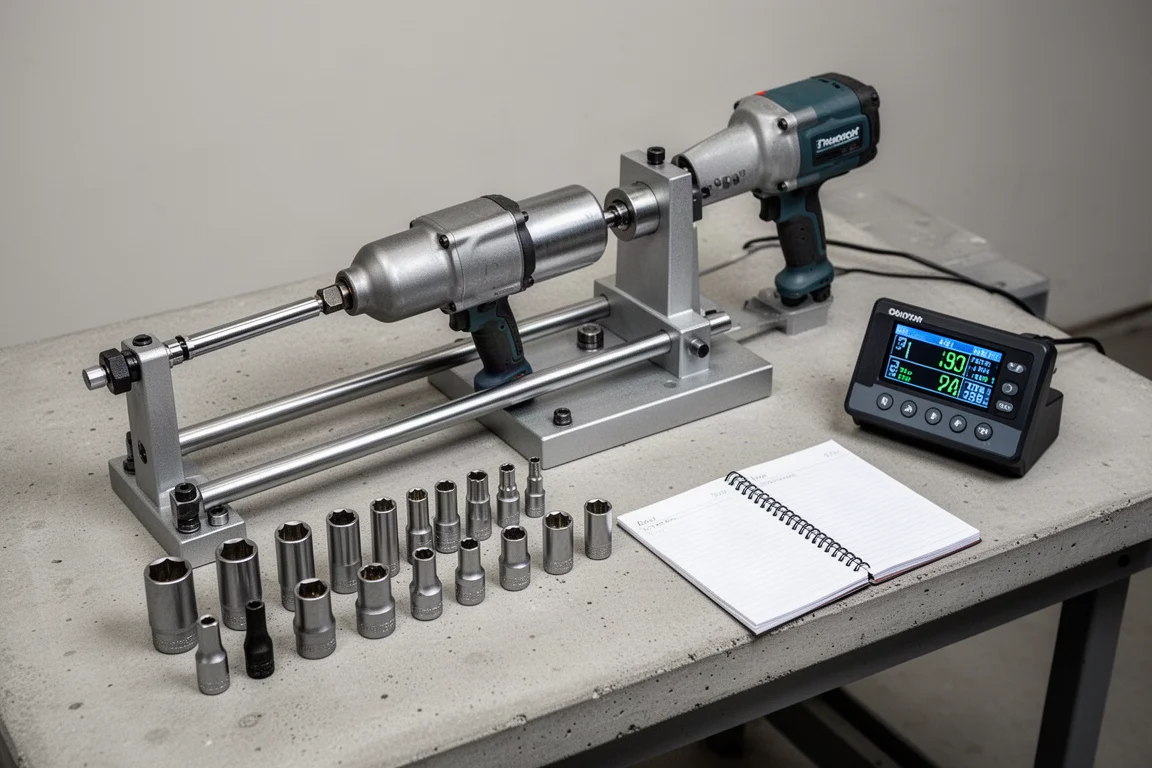
On our standard working-torque test, using a genuine Makita 5.0 Ah battery, the knockoff delivered exactly 100 ft-lbs. That is less than a Bosch Freak impact driver and a Ridgid subcompact, neither of which are record breakers in this class.
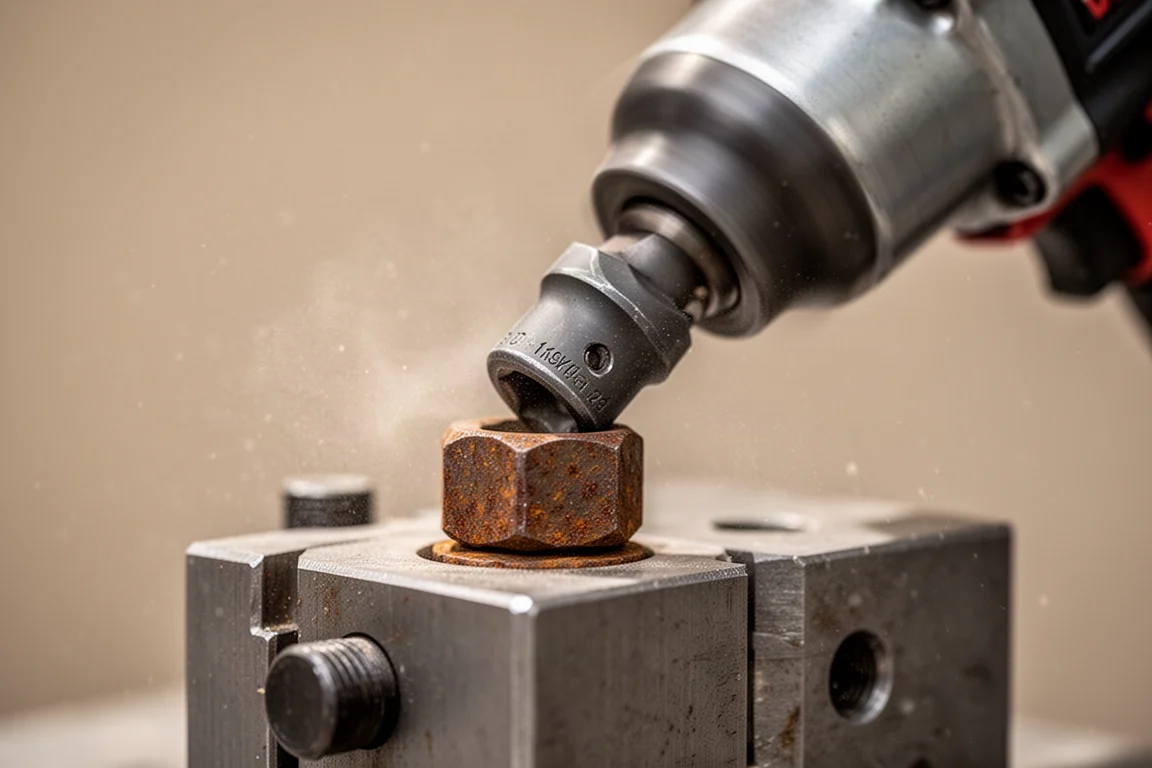
The reverse-torque test went better, but only in relative terms: 157 ft-lbs, still below the Makita impact driver and well below anything in Makita’s real impact wrench lineup. In the best-case scenario test it managed 175 ft-lbs, which was at least enough to beat the smallest Ridgid on the board. That is the ceiling of what this tool can do, against a claim of 738.
There are also reliability concerns. On its very first dyno run, the knockoff’s Makita badge fell off after about one second of running. During a later run, the battery actually detached from the tool mid-test. Most telling: across three power runs per test, its output dropped each time, with the first run always its strongest. If it degrades this quickly on a bench, real-world use over weeks would likely see even less performance.
The Battery Question
To give the clone every benefit of the doubt, we also bought the cheapest and the largest aftermarket Makita-compatible batteries we could find. The cheap one arrived as a 12 V pack despite being listed as 18 V, which says a lot about the aftermarket side of this market. The large 9 Ah pack, however, was genuinely bigger than anything Makita sells in 18 V.
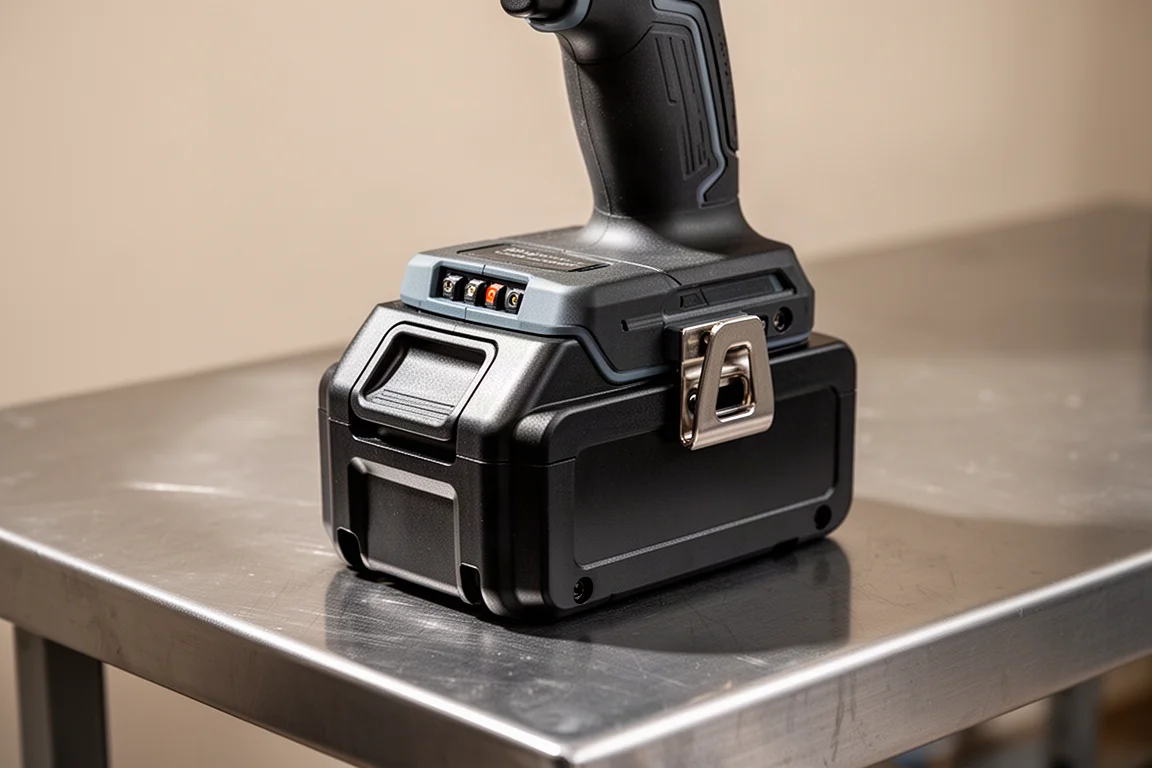
Strapped to a genuine Makita, the 9 Ah pack held torque steady and even added some low-end gains over the 5.0 Ah pack. On the knockoff, it was a different story: output dropped from 175 to 148 ft-lbs. The questionable battery did the questionable tool no favors.
Ranking the Results
Scored on our compact impact wrench ranking, which weighs power, size, and price, the knockoff landed in 10th place with a total of 142.7 points. Its 5.8-inch length gives it 30.2 ft-lbs per inch, and its low price gives it a decent ft-lbs-per-dollar figure, which is the main reason it landed closer to the Ridgid than expected. It claims 738 ft-lbs and delivered 175 at best, for 24 of its possible points in that column.
The Real Makita Alternatives
If 100 to 175 ft-lbs is not enough, Makita’s own lineup covers the range this clone pretends to fill. Each of these was dyno tested in the same session and delivered results the knockoff could not approach.
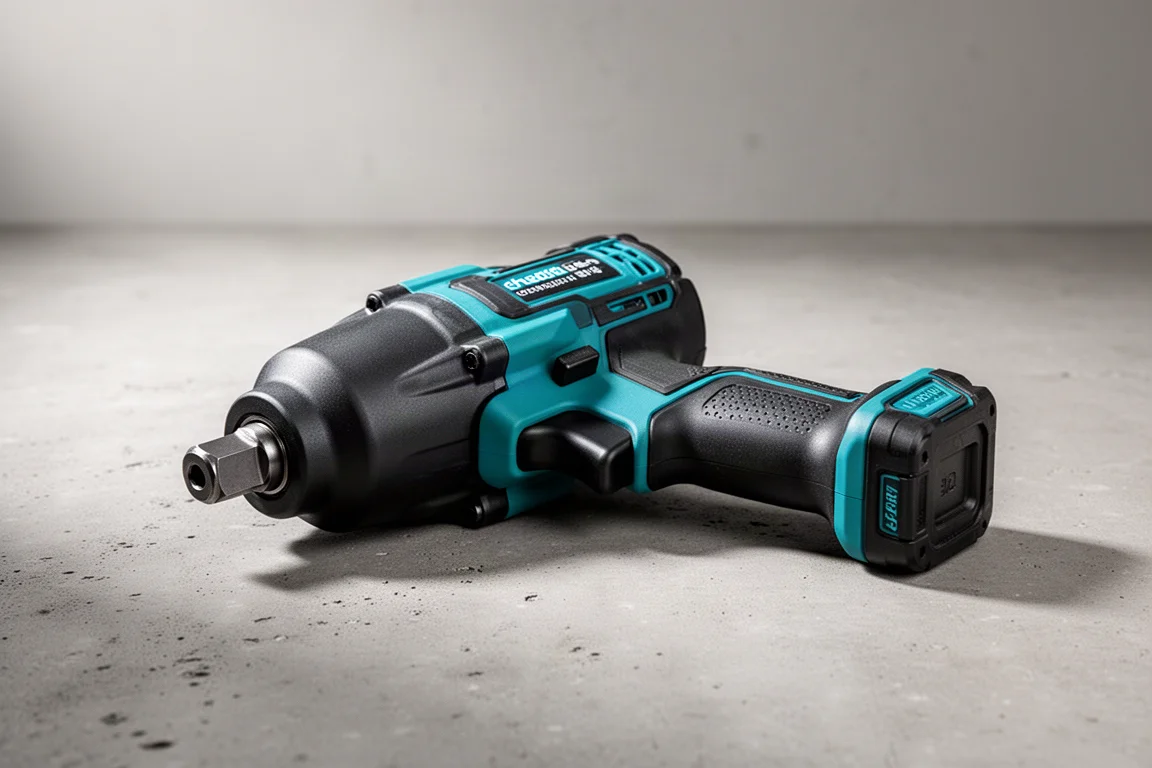
Makita XWT14Z
The Makita XWT14Z is a compact impact wrench rated at 430 ft-lbs, and it put up dramatic numbers against competing Ridgid, Milwaukee, and DeWalt tools in its class. Against the clone’s 175 ft-lbs best, there is simply no contest, and it does so in a compact body.
Makita XWT18Z
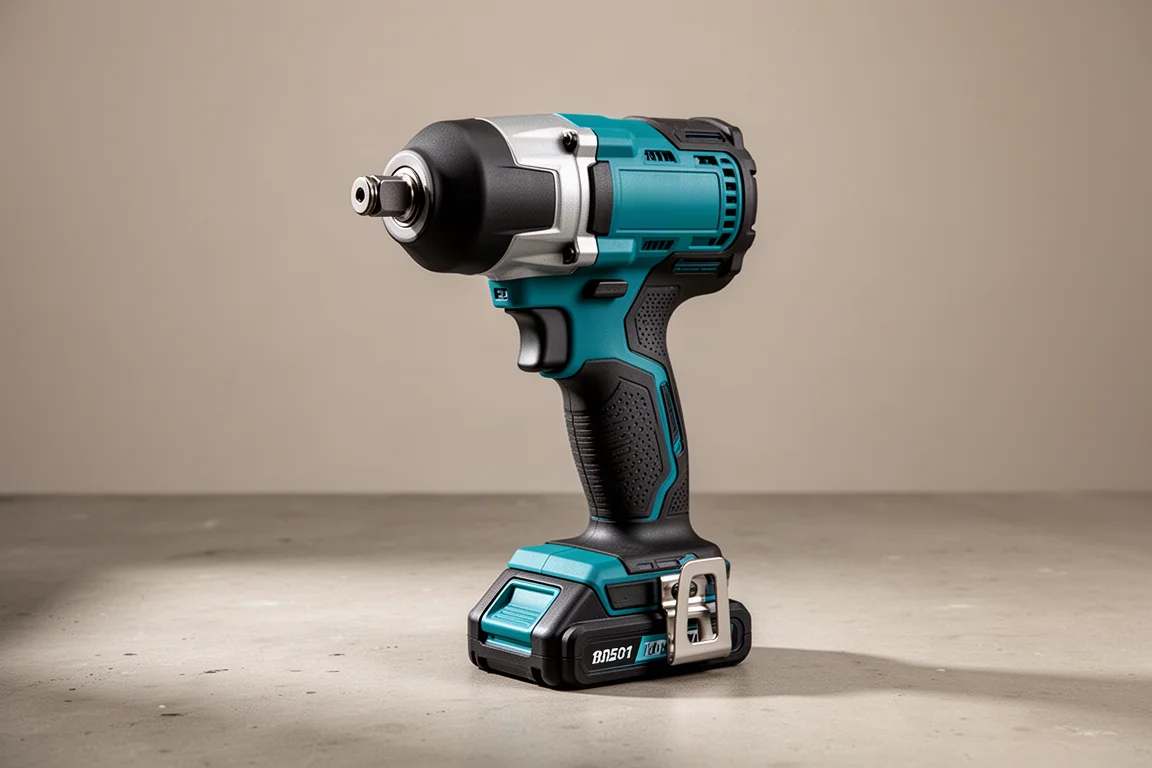
Makita’s newer mid-torque XWT18Z is rated by the brand at about 1,000 Nm, or 740 ft-lbs, which is precisely the figure the knockoff claims. It delivered roughly 337 ft-lbs on our working-torque dyno test with a 5.0 Ah pack, and the 9 Ah aftermarket pack held that output steady with some low-end gains. This is the closest legitimate equivalent to what the clone advertises.
Makita DTW285
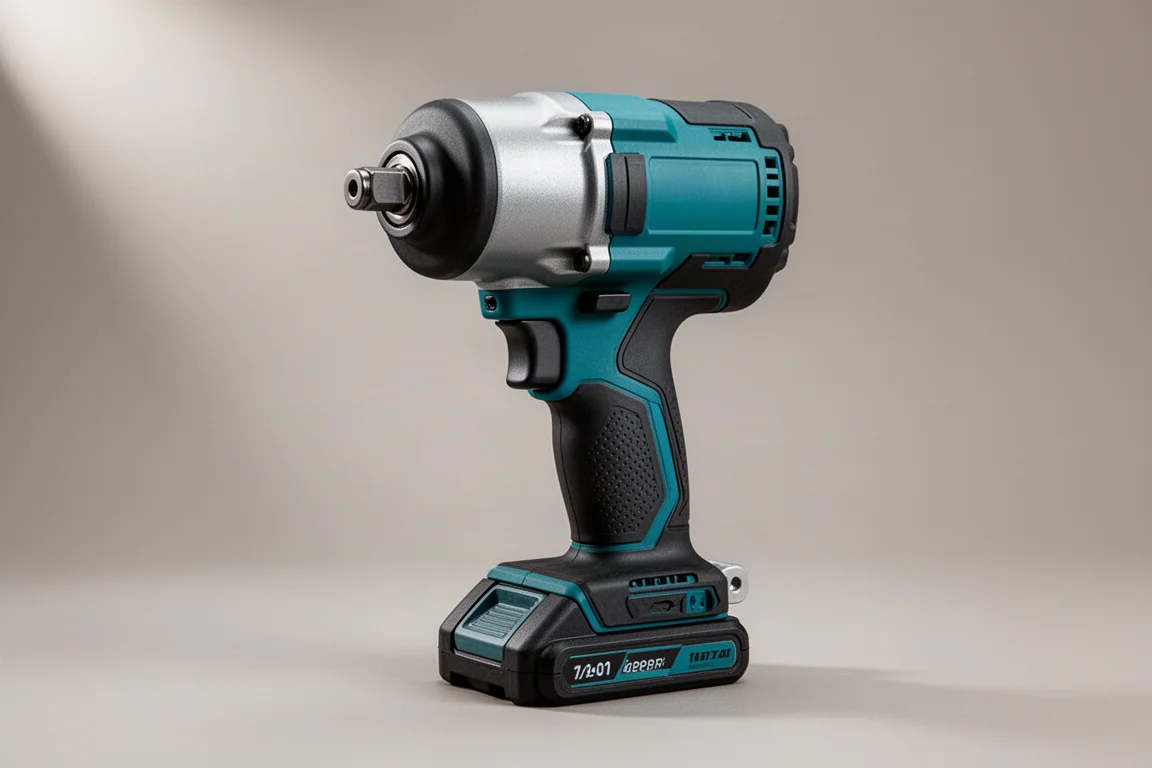
The Makita DTW285 is the established mid-torque benchmark here, and it costs roughly three times what the clone did. That price gap is exactly what knockoff listings exploit. But with the clone delivering a quarter of its claimed torque, the real tool’s price buys genuine, verifiable performance instead of a listing number.
Buying Advice
For the money, should you buy the knockoff? No. You should just not buy this tool. Its best dyno run was its first, its power declined on every subsequent run, its badge fell off within a second of its first use, and its battery latch let go mid-test. The only metric where it scores reasonably is foot-pounds per dollar, and even that is built on a torque figure that is fiction.
If your budget genuinely cannot stretch to a genuine Makita, a lower-powered but honest tool from a known brand will outperform this in practice, because the clone’s real output sits below impact drivers and subcompact tools. If you need the torque the listing claims, the XWT18Z is the tool that actually delivers it.
Conclusion
The Wish 1,000 Nm Makita knockoff turned out to be a sheep in no one’s clothing: a brushless motor in a teal shell producing 175 ft-lbs at best against a claim of 738, with build quality to match. The dyno data makes the choice straightforward. Buy the real thing for the performance class you actually need, and treat listings like this one as a cautionary tale rather than a bargain.
Further reading
Related Reviews

Power Tools
Best 1-Inch Pistol Impact Wrenches: Three Heavy-Duty Options Compared
We compare three 1-inch pistol impact wrenches, from a budget-friendly Harbor Freight model to a premium Caterpillar unit, to help you choose the right one.

Power Tools
Best 3/4-Inch Impact Wrenches 2026: Five Contenders Compared
We compare five 3/4-inch impact wrenches across price and performance, from a budget Amazon option to Snap-on's most powerful model yet.

Power Tools
Best Budget Cordless Tools 2026: Walmart Finds That Punch Above Their Price
We tested five cordless tools from Walmart, including a high-torque impact wrench that trades blows with Milwaukee and a $35 duster that outperforms its price class.