Audio Equipment
Wireless Microphone System for Video: Why You Need One and What to Look For
A practical guide to wireless microphone systems for content creators, with real-world testing in challenging environments and what makes a solid dual-channel setup worth the investment.
Why Wireless Microphones Matter
When recording video content outdoors or in unpredictable environments, audio quality often suffers from distance and background noise. A wireless microphone system solves this by placing the microphone close to the sound source, regardless of camera position.
The key advantage is proximity. A lavalier microphone clipped near the speaker’s mouth captures clear voice while rejecting distant environmental noise. This is fundamentally different from relying on a camera’s internal microphone or even a shotgun mic positioned at arm’s length. Distance dramatically affects signal-to-noise ratio, and wireless systems let you maintain optimal microphone placement while keeping the camera free to move.
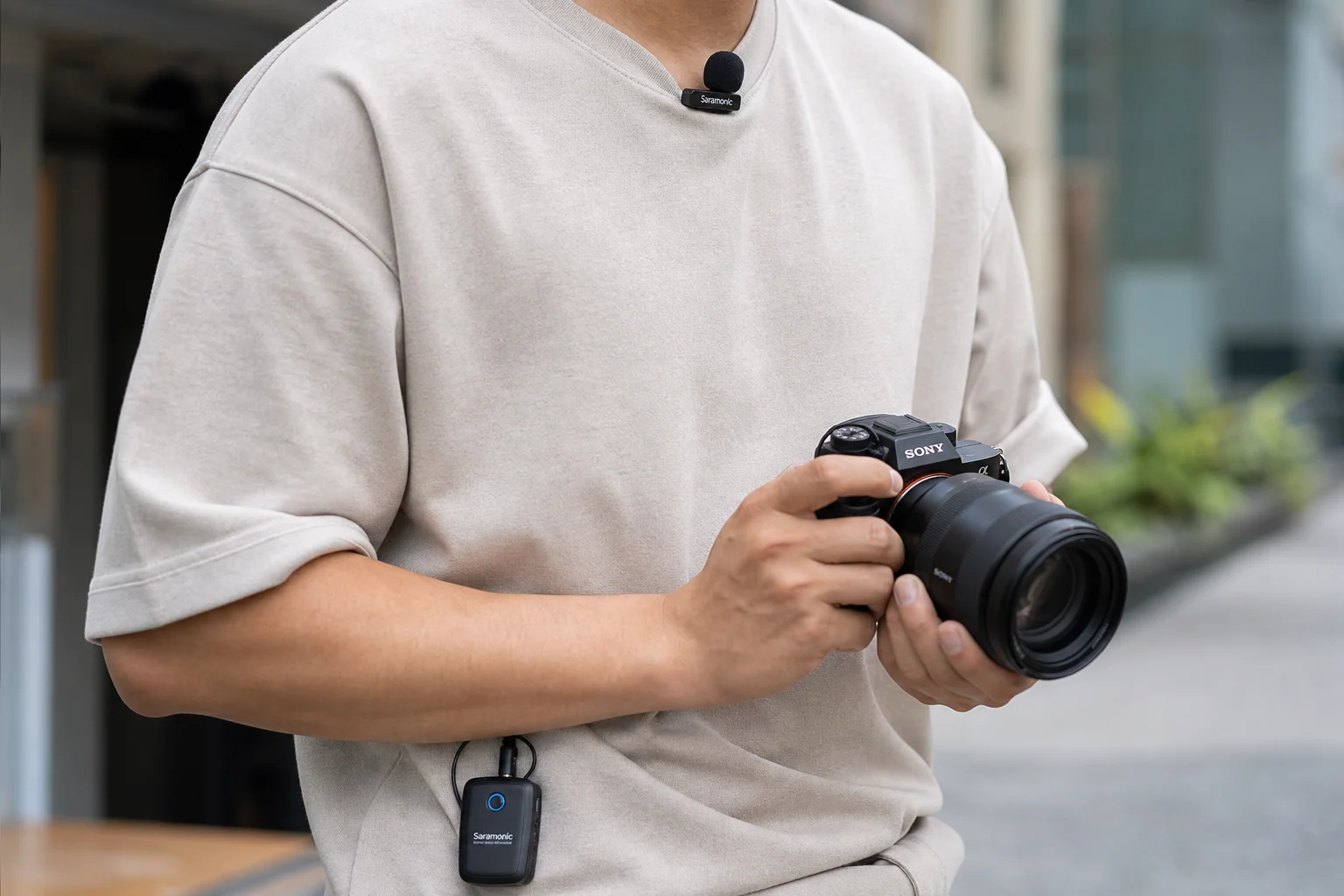
Wireless systems also offer flexibility. You can position the camera far from the subject, move around freely, or work in multiple locations without running cables. For solo creators or small crews, this versatility is invaluable.
Why Wireless Over Wired or Built-In Options
Internal camera microphones pick up excessive background noise because they sit far from the speaker. Shotgun microphones, while directional, still struggle when the camera is distant or when you need to move around. Wired lavalier systems work well but restrict movement and require cable management.
Wireless systems eliminate these constraints. The transmitter stays with the speaker, the receiver connects to the camera or recorder, and you maintain clean audio across varying distances and environments. Modern wireless systems are also compact enough that they don’t interfere with movement or on-camera appearance.
Key Features and Specifications
A quality wireless microphone system should include dual-channel capability, allowing two independent microphones to be recorded simultaneously. This is essential for interviews, panel discussions, or any multi-speaker scenario.
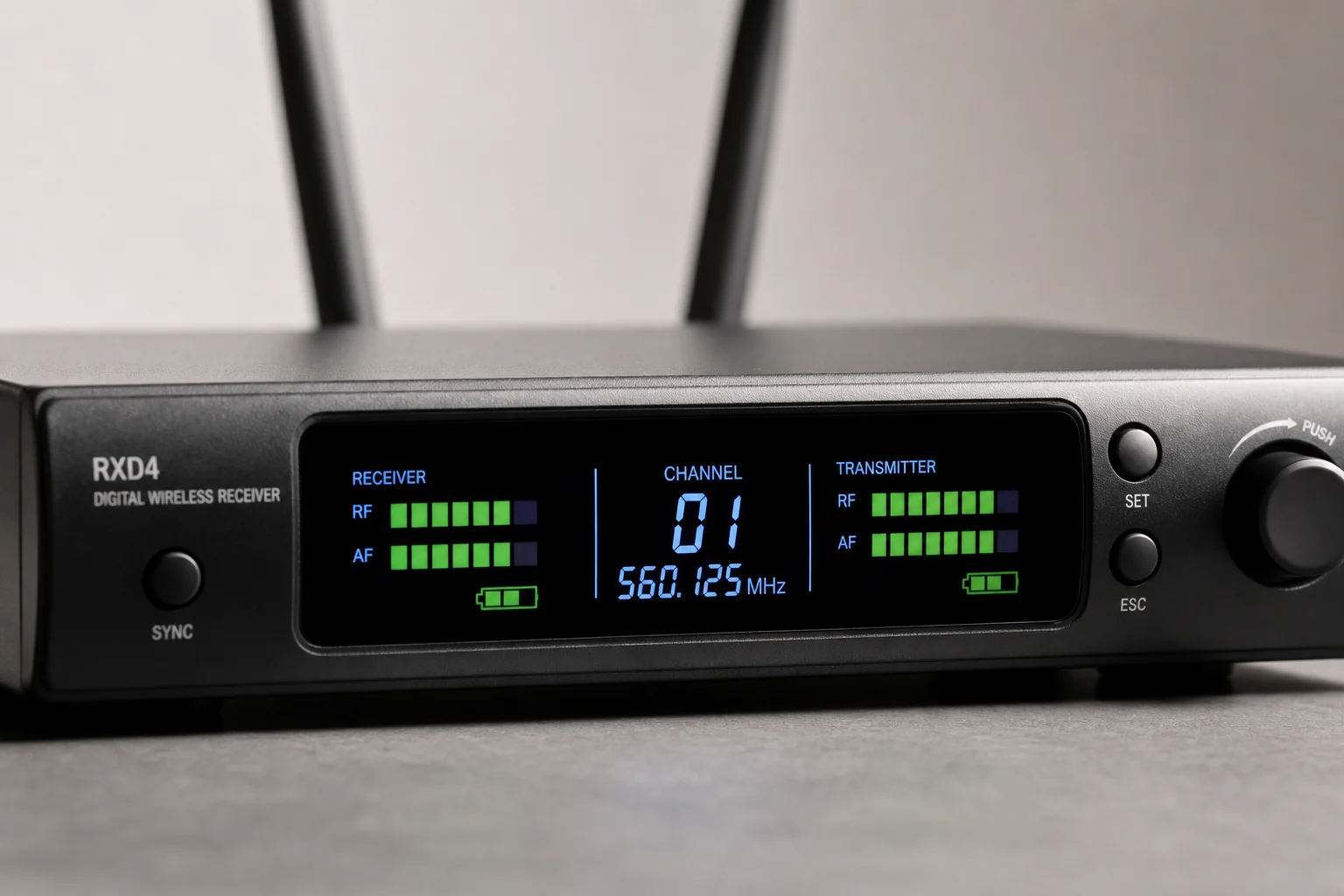
Battery life matters significantly. A receiver with 10 hours of battery and transmitters offering 8 to 11 hours (depending on internal recording settings) provides a full working day. A charging case that can recharge the entire system multiple times adds practical value, especially for creators who work long hours or travel frequently.
Internal recording on the transmitter is a useful safety feature. If wireless signal is lost, the microphone still records audio locally, protecting against data loss. Volume control on individual transmitters lets you balance levels between two speakers without post-production adjustment.
An LED display showing signal strength, battery status, and clipping indicators helps you monitor audio health in real time. A headphone jack on the receiver lets you listen to the mix, which is critical for catching problems before they ruin a take.
What Comes in the Box
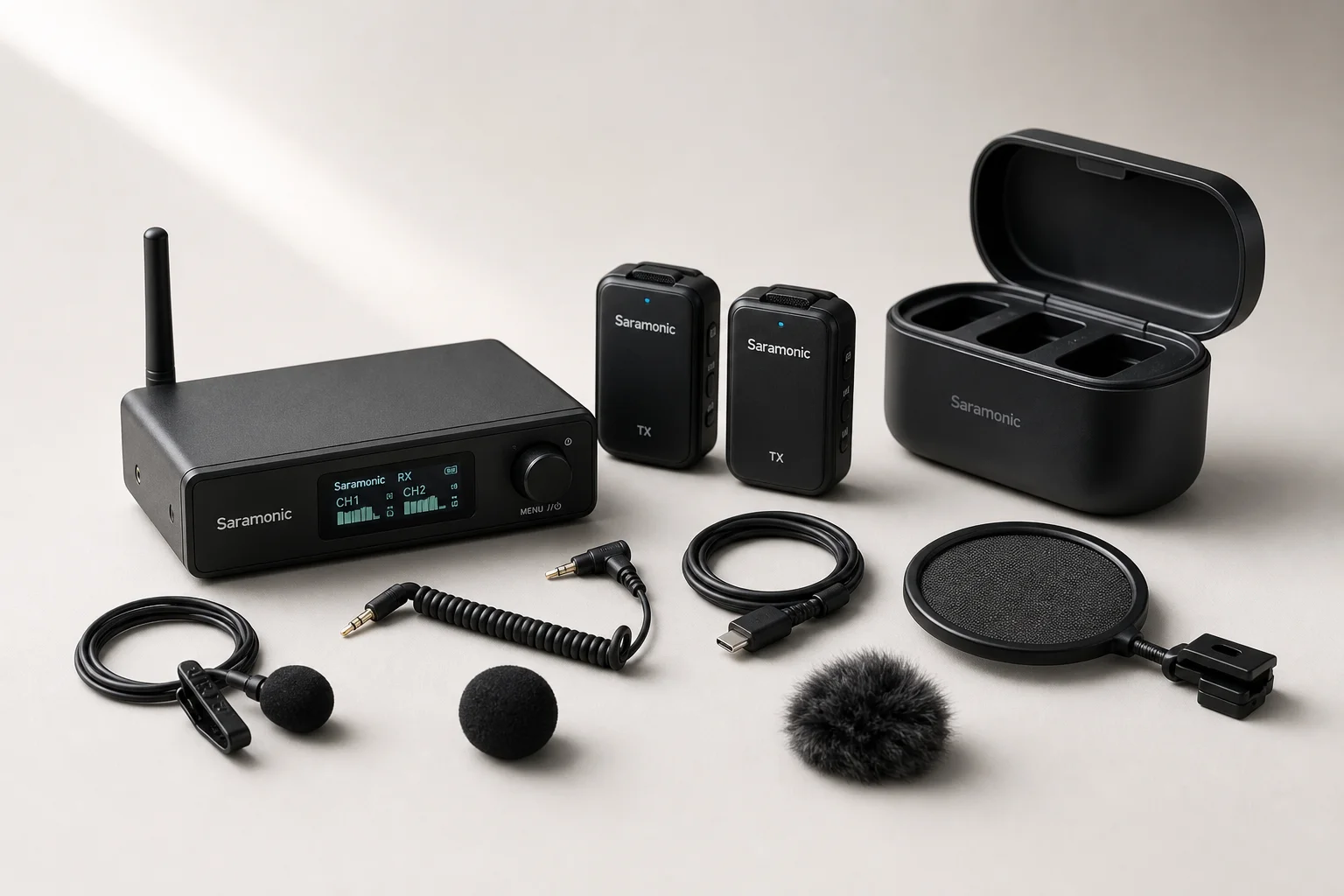
A complete wireless system should arrive with everything needed for immediate use. This typically includes a charging case, two lavalier microphones with windscreens, audio cables for both camera and smartphone connections, and a pop filter for wind noise reduction.
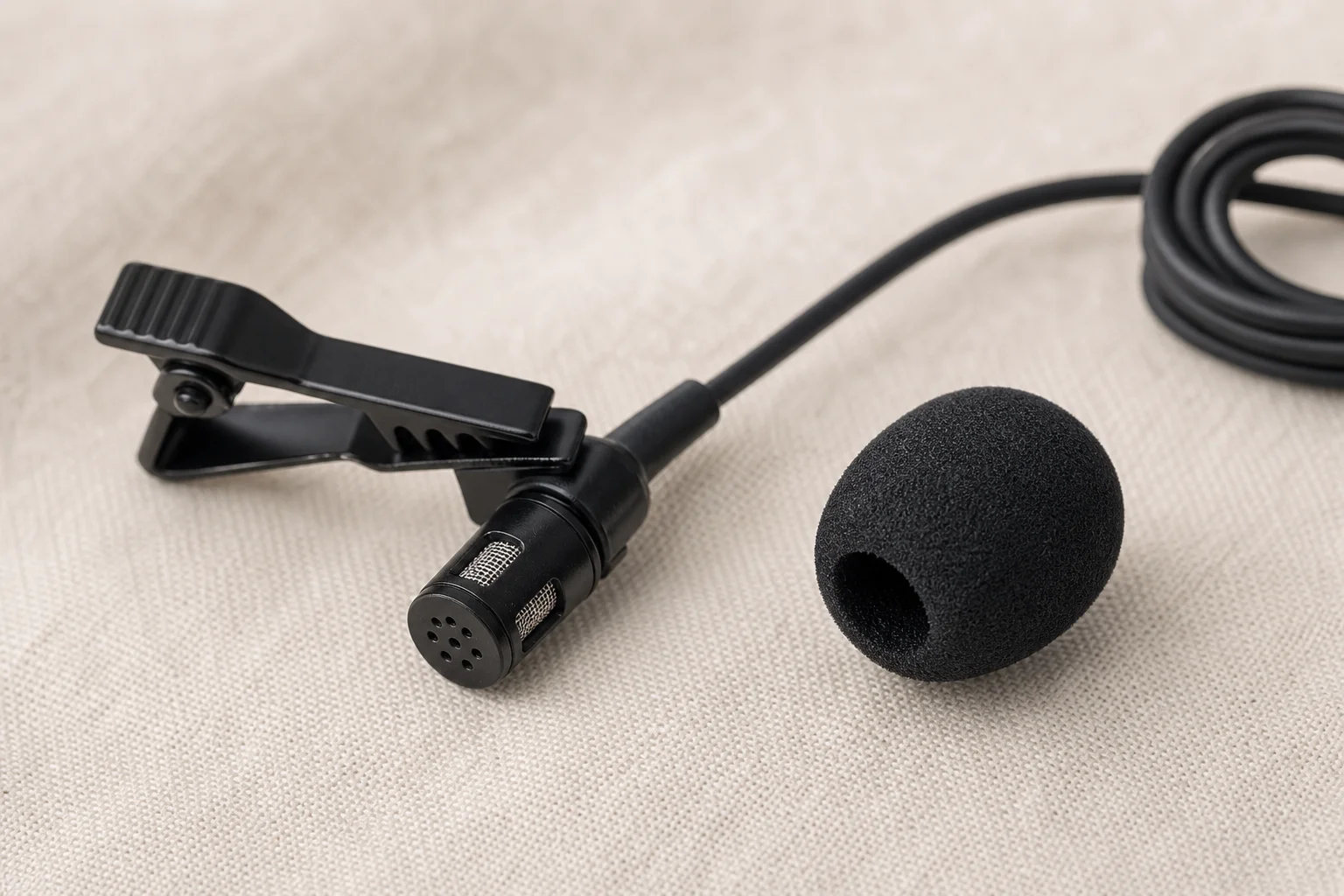
The inclusion of lavalier microphones is important. Quality lav mics cost 50 to 100 USD each, so a system that includes two represents significant value. Some competing systems omit lavaliers, forcing you to purchase them separately and inflating the total cost.
Adapter options matter too. USB-C and Lightning connectors on the receiver let you connect directly to modern phones, creating a compact setup for mobile content creation. A 3.5mm jack for traditional cameras ensures compatibility across devices.
The ability to switch between microphone and line-in modes is useful for specialized applications like wedding videography, where you might need to tap into a mixer or audio panel.
Real-World Performance Testing
Wireless systems are often tested in controlled environments like quiet countryside or empty fields. Real-world performance is different. A busy urban environment with heavy mobile phone traffic, WiFi networks, and Bluetooth interference provides a genuine stress test.

Testing in central London, with thousands of potential interference sources, showed that a quality wireless system maintains usable range and signal integrity. While the range may not be extreme, it covers the distances most creators actually use. Few situations require a microphone more than 30 to 50 meters from the camera.
The practical takeaway is that distance matters less than proximity to the speaker. A microphone clipped to clothing at arm’s length from the mouth will always outperform a distant microphone, regardless of wireless range. Real-world testing should prioritize signal stability in interference-heavy environments over maximum distance claims.
Value and Comparison
When comparing wireless microphone systems, price varies significantly. A dual-channel system with included lavalier microphones, charging case, and full accessory kit typically costs less than competing systems that omit lavaliers or charge extra for essential accessories.
Premium systems from established brands may cost 399 USD or more, often without including lavalier microphones. A well-specified system that includes quality lav mics, a charging case, and practical accessories at a lower price point represents better value for most creators.
The deciding factor is what’s included. A system that bundles lavaliers, cables, windscreens, and a charging case eliminates the need for additional purchases and provides a complete, ready-to-use solution.
Conclusion
A wireless microphone system is essential for anyone creating video content in variable environments. The combination of proximity to the sound source, freedom of movement, and real-world reliability makes wireless systems the most practical choice for modern content creators. Look for systems that include quality lavalier microphones, offer dual-channel recording, provide internal recording backup, and include a charging case. Test any system in realistic environments with actual interference, not in controlled settings. A well-chosen wireless system will improve your audio quality immediately and pay dividends across every project you produce.
Product link
View more details for Cemonic Brand 500 Pro X B2R
This product is mentioned in the review. Check the specifications, options, and compatibility before buying.
View more details for Cemonic Brand 500 Pro X B2RFurther reading
Related Reviews
Audio Equipment
Best Bookshelf Speakers Under $1,500: Six Standout Models for Every Priority
Six passive bookshelf speakers under $1,500 that deliver premium build quality, meaningful sound improvements, and real value across vocals, bass, home theater, detail, design, and overall performance.
Audio Equipment
Best Bookshelf Speakers Under $500: Six Versatile Options for Any Room
A practical guide to six bookshelf speakers under $500, each suited to different listening priorities and room setups, from compact desktop systems to home theater configurations.
Audio Equipment
Best Budget Bluetooth Speakers: 5 Models That Actually Sound Good
Five affordable Bluetooth speakers tested for real-world sound quality, durability, and value. From ultra-portable to feature-rich, find the right speaker for your budget and use case.