Running Gear
Winter Running Gear Guide: Shoes and Socks That Keep You Outside
Nine trail shoes, road shoes, and socks for running through snow, slush, and icy wind, with clear guidance on what works and what to leave at home.
Introduction
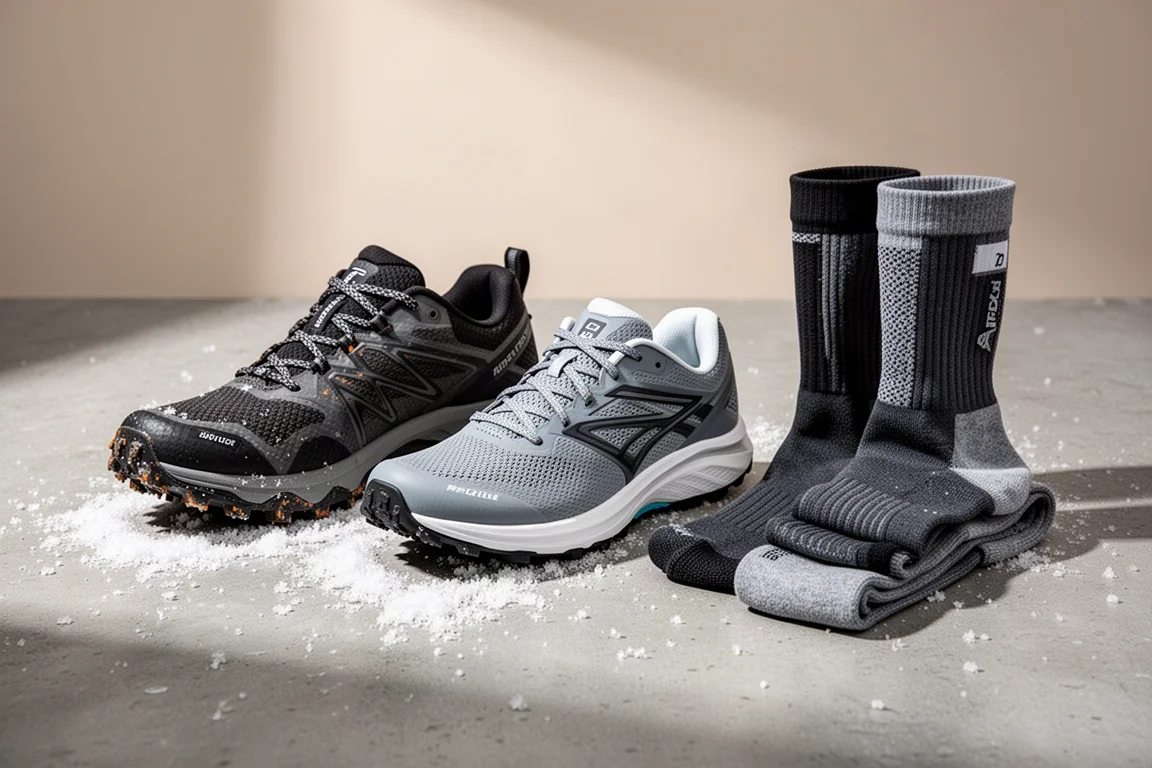
A cold, windy run is the best time to figure out what actually works for winter running. Picture a 10-mile effort at 23 degrees Fahrenheit with icy winds pushing past 18 mph, and you have the kind of day that exposes exactly which shoes and socks are up to the job and which ones are not.
The good news: most runners do not need to buy a completely different set of shoes for winter. If you do a lot of winter running for the first time, one extra pair may help, but your existing rotation can often carry you through with a few smart choices and maybe a new pair of socks.
What Makes a Good Winter Running Shoe
For city running on pavement, snow, slush, ice, and salted, plowed surfaces, the ideal pick is a Gore-Tex trail shoe. The lugs give you extra traction when things get slushy, and the waterproof membrane helps keep melting snow from getting inside the shoe. The longer your feet stay dry, the more comfortable you stay, because once your feet get wet it is only a matter of time before they get miserably, painfully cold.

If you do not have a Gore-Tex shoe in your rotation, the next best thing is a light trail shoe: not light in weight, but light in ambition. Think shoes built for access roads, dirt roads, and buffed-out trails rather than technical mountain terrain.
Trail Shoes for Snow and Slush
Two light trail shoes have been holding up well in the snow, and each has its own character.
Adidas Terrex Agravic Ultra
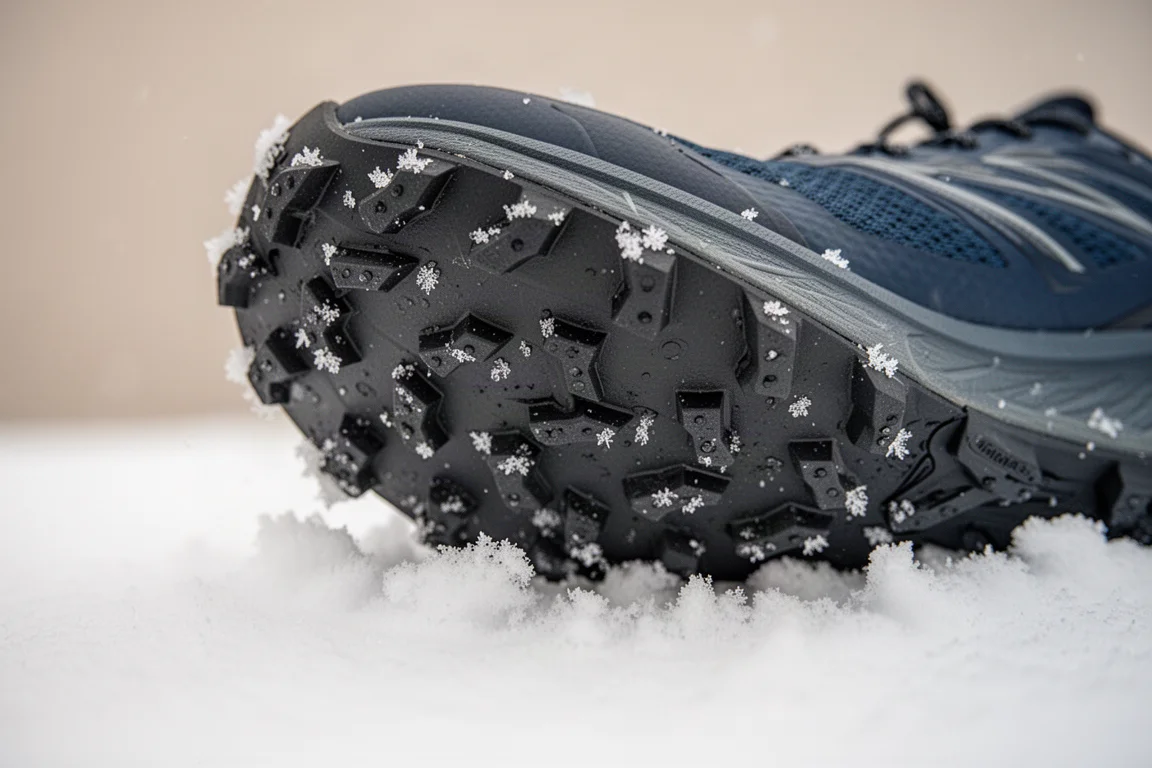
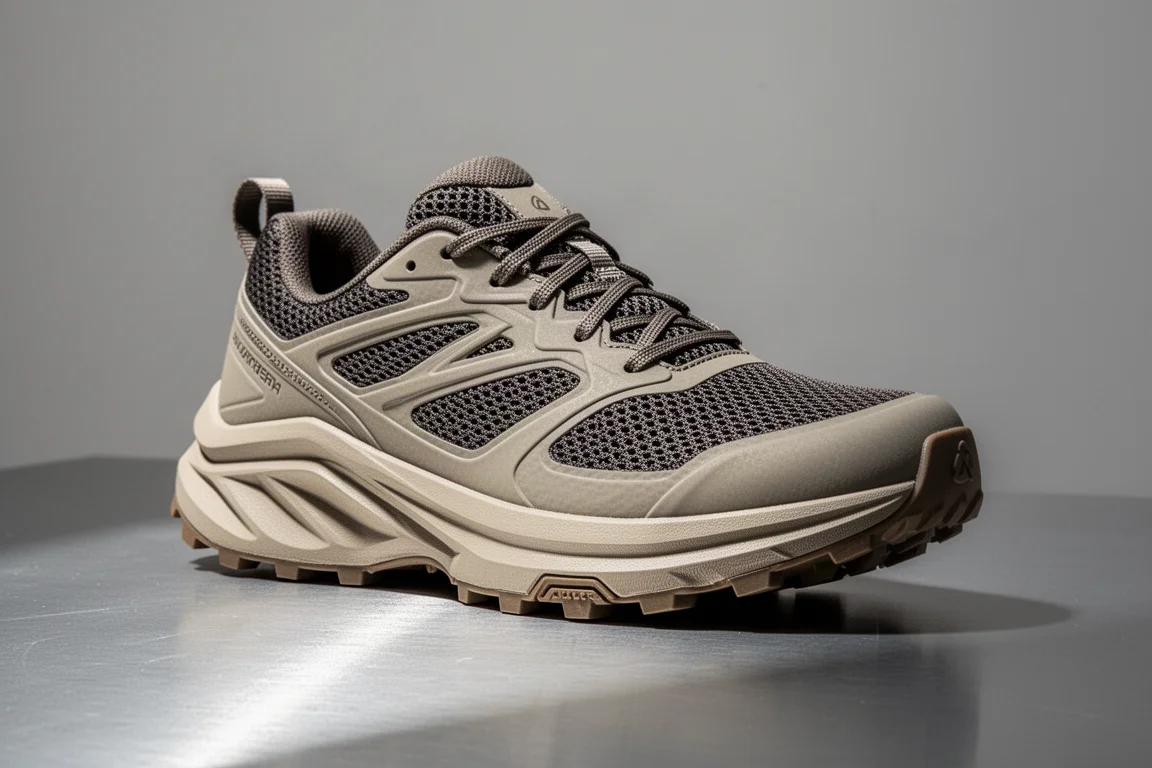
The Adidas Terrex Agravic Ultra is designed a bit more for rugged trails and longer adventures, which makes its lug pattern slightly overkill for urban snow running. That said, it has been genuinely fun to run in the snow with, and the extra bite is welcome when drifts appear.
Saucony Peregrine 12
The Saucony Peregrine 12 is essentially a stripped-down road running shoe with an aggressive rock plate and a lug-patterned outsole. It holds up well when a run mixes pavement and snow, delivering solid traction no matter what surface shows up. On manicured urban trails and snowy streets, the two trail shoes perform fairly similarly, so either is a dependable winter pick.
Road Shoes: What Works and What Doesn’t
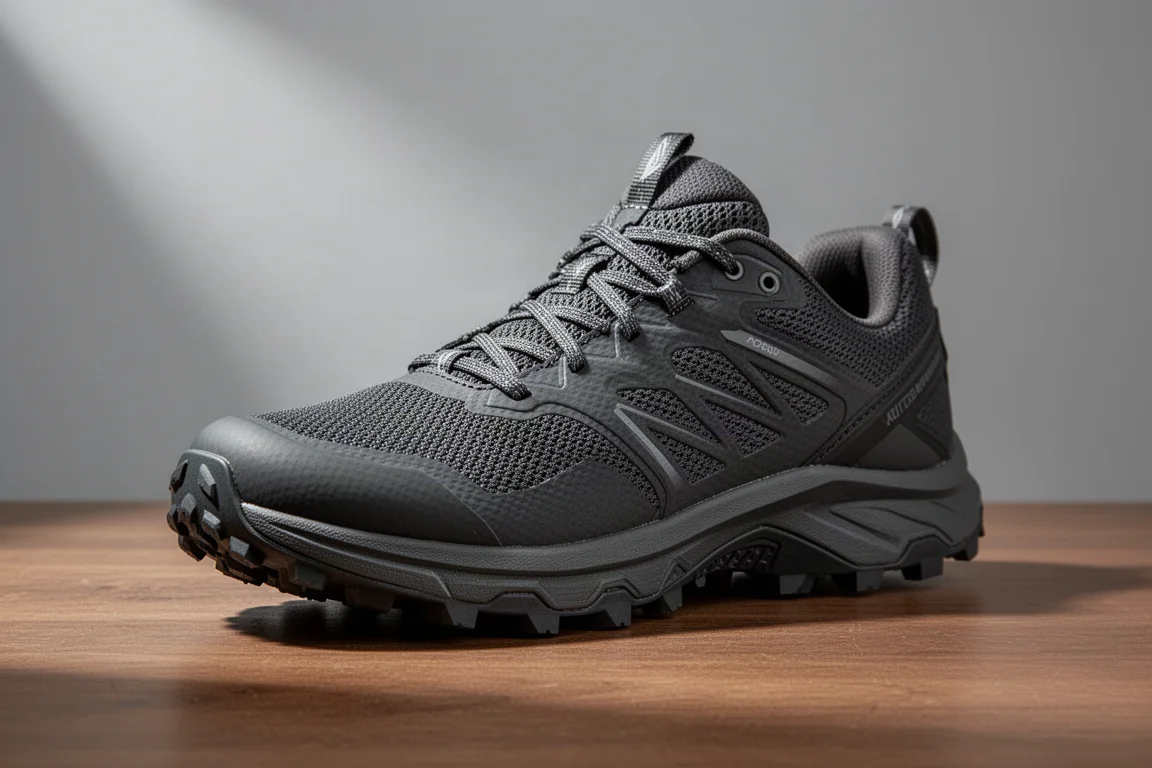
You can absolutely run in snow with regular road shoes; the key detail to check is outsole rubber coverage.
ASICS Nimbus 24
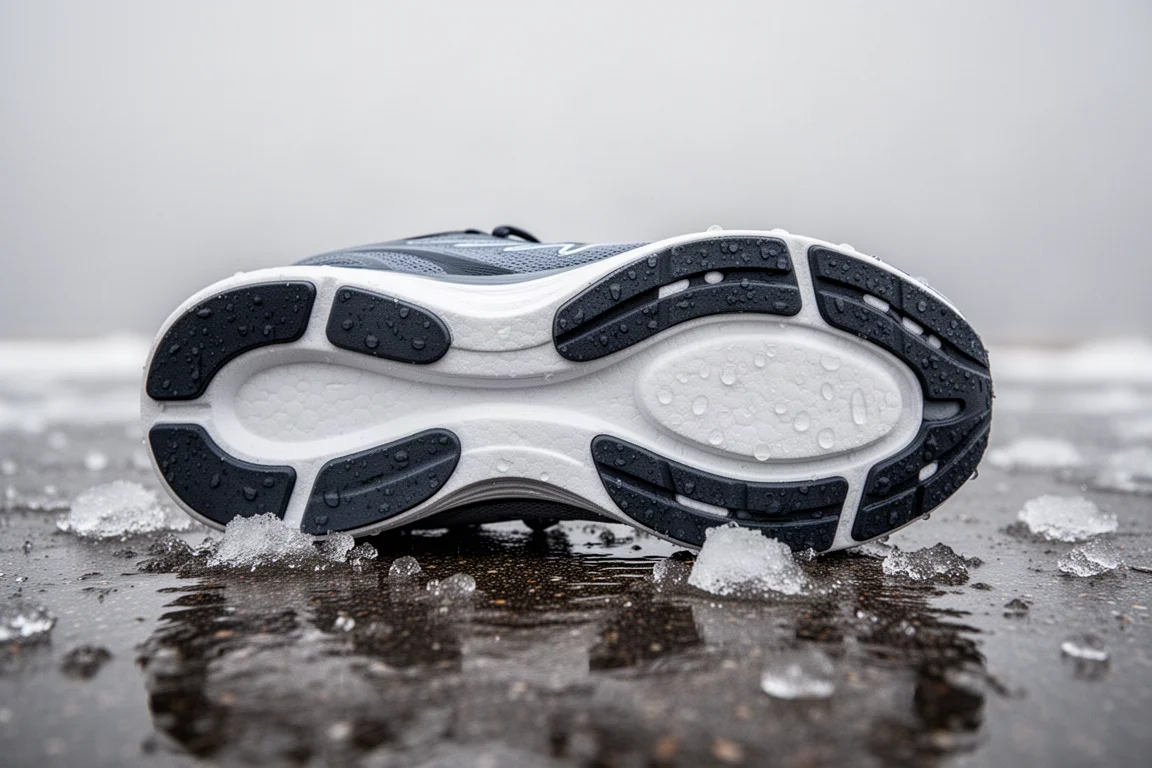
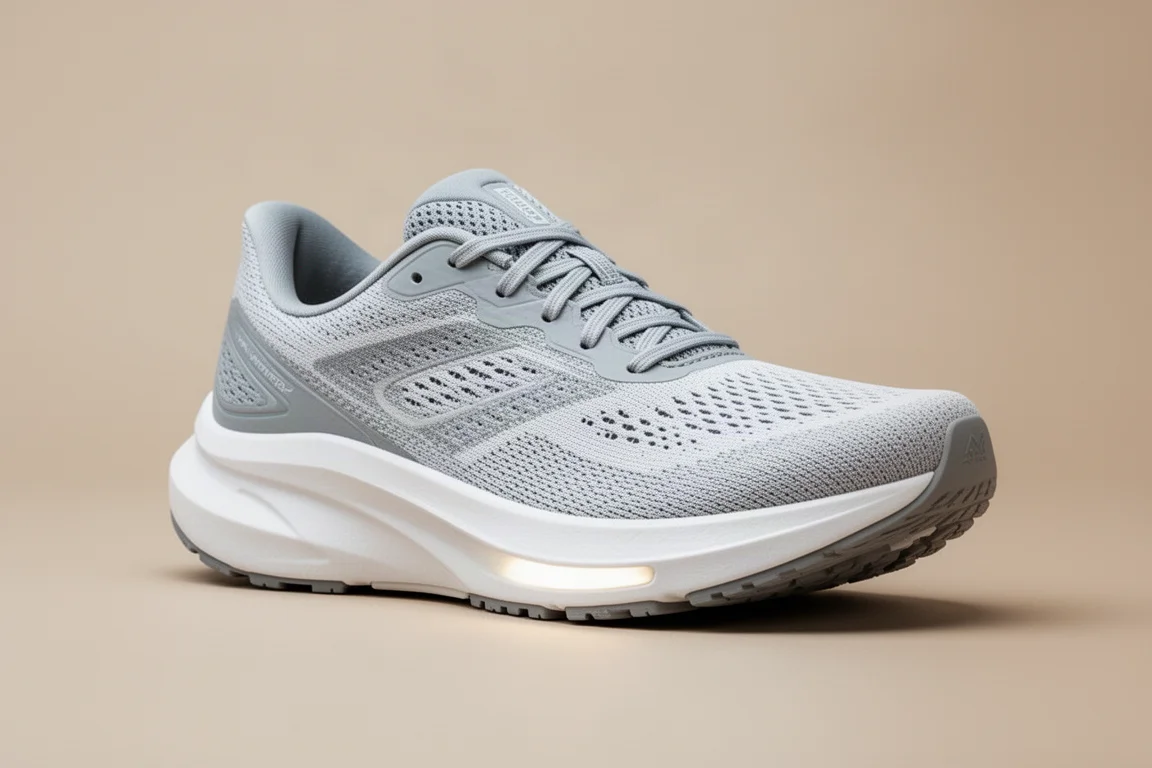
The ASICS Nimbus 24 keeps things lightweight by removing rubber that is not needed for that light, springy feel. The exposed foam is a slight disadvantage on snow, and there is a bit more slipping than with a trail shoe, but for an easy run on snowy streets it got through just fine and did a decent job overall. Any road shoe with more rubber coverage will do even better.
Hoka Rincon 3
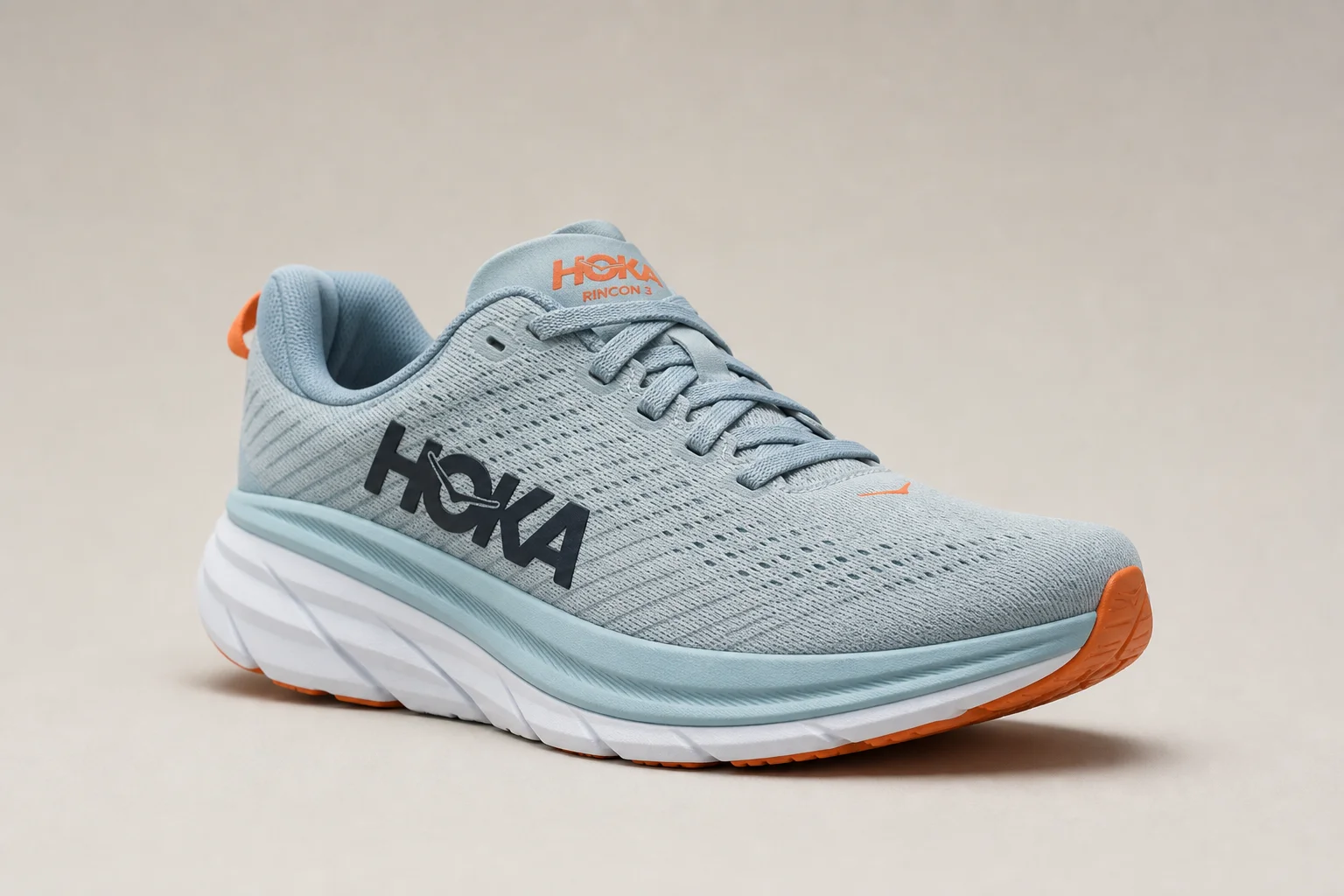
The Hoka Rincon 3 is a nice lightweight, quick shoe, but there is very little rubber on the outsole and plenty of exposed foam. That foam gets really slippery in snow, which makes it a shoe to leave at home in winter conditions.
Under Armour Flow Velocity Wind
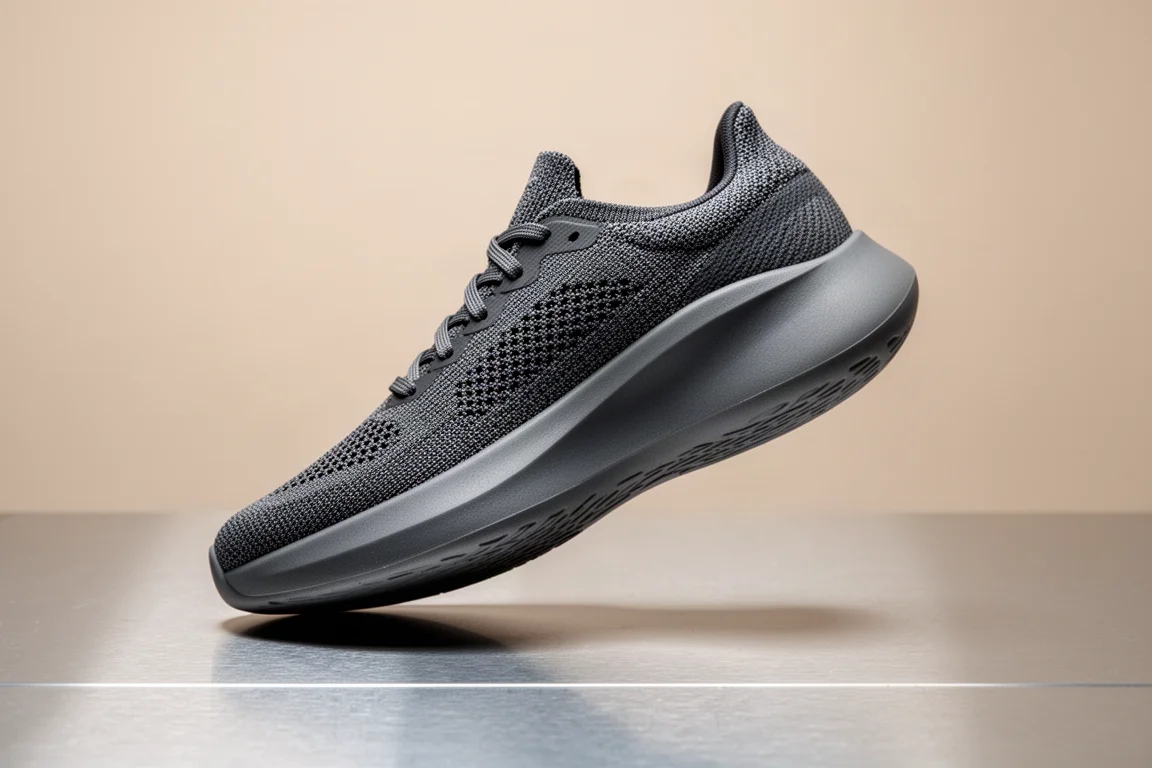
The Under Armour Flow Velocity Wind goes further still: no rubber on the outsole at all, just a tacky, grippy, highly durable midsole material. Excellent for summer road running, but with almost no tread for snow to grab, it is not a shoe worth reaching for in winter.
Waterproof Socks
Keeping feet dry is the other half of the winter equation, and waterproof socks are the most direct solution.
Showers Pass Waterproof Socks
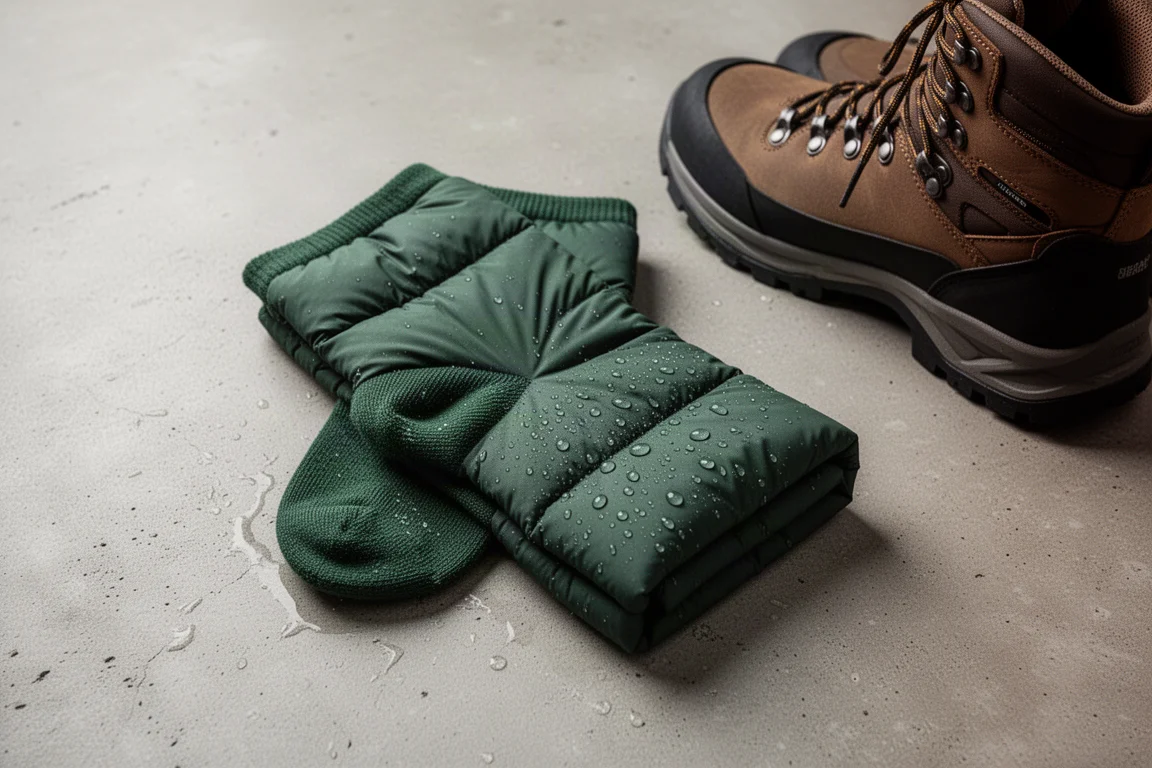
Showers Pass waterproof socks are very waterproof and do that job really well. They are, however, better suited to hiking boots than running shoes. They can bind the foot, feel cramped, and take up a lot of room inside the shoe, making shoes fit uncomfortably snug. For snow hikes and play days with the kids, they are great; for running, less so.
Leak Dry Waterproof Socks
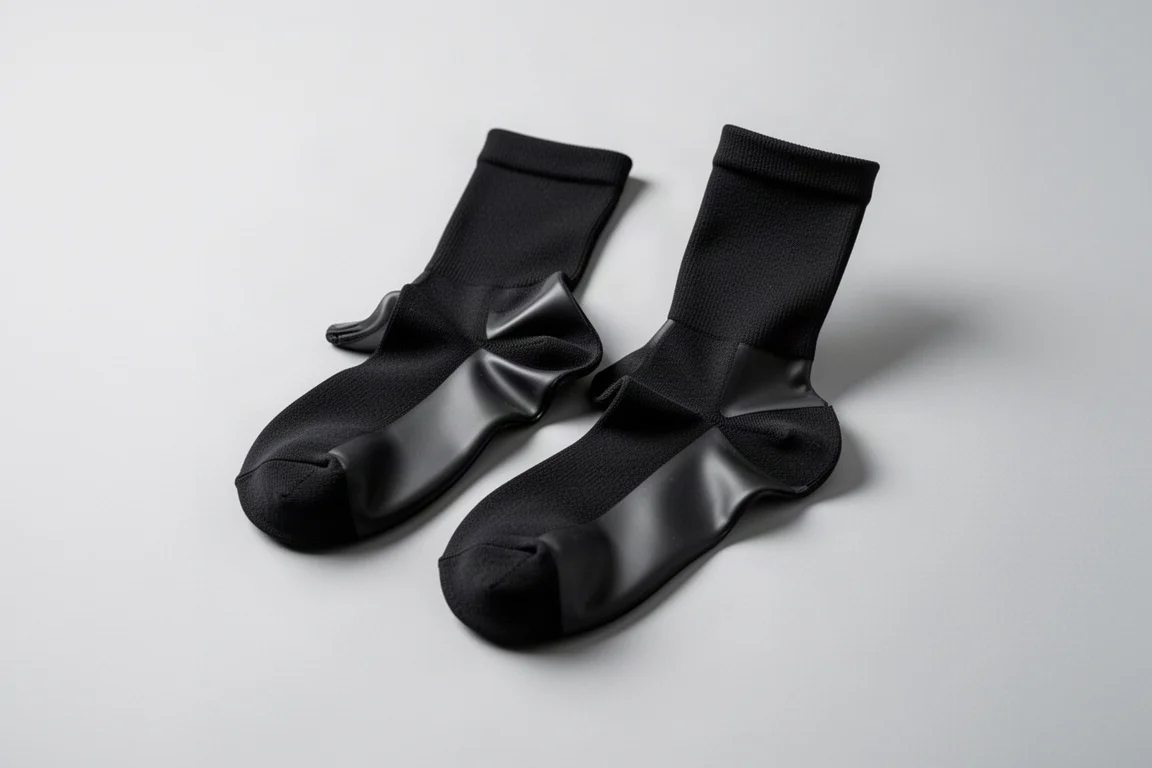
Leak Dry waterproof socks change the picture. They are stretchier, more flexible, more forgiving in the toe box, less thick, and fit well inside a running shoe. Tested through as many snowdrifts as possible, in a highly breathable, nearly see-through trail shoe that let a lot of water in, these socks kept feet dry the entire time. For the snowiest, nastiest days, they are the pick. The same company also makes a waterproof hat that proved surprisingly pleasant, since snow piling on a regular knit cap eventually melts and turns cold in the wind.
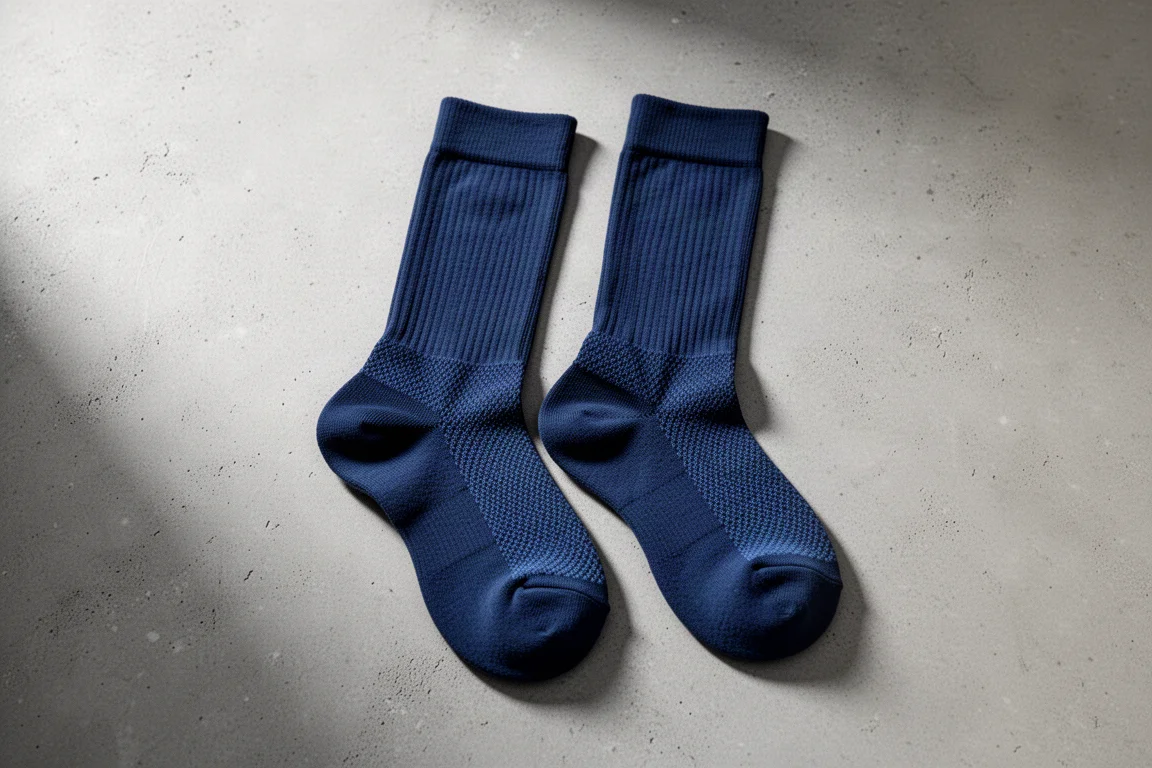
Warm Socks for Everyday Winter Runs
On days without much snow, warm non-waterproof socks are enough, and two pairs stand out.
Darn Tough Over-the-Calf Ski Socks
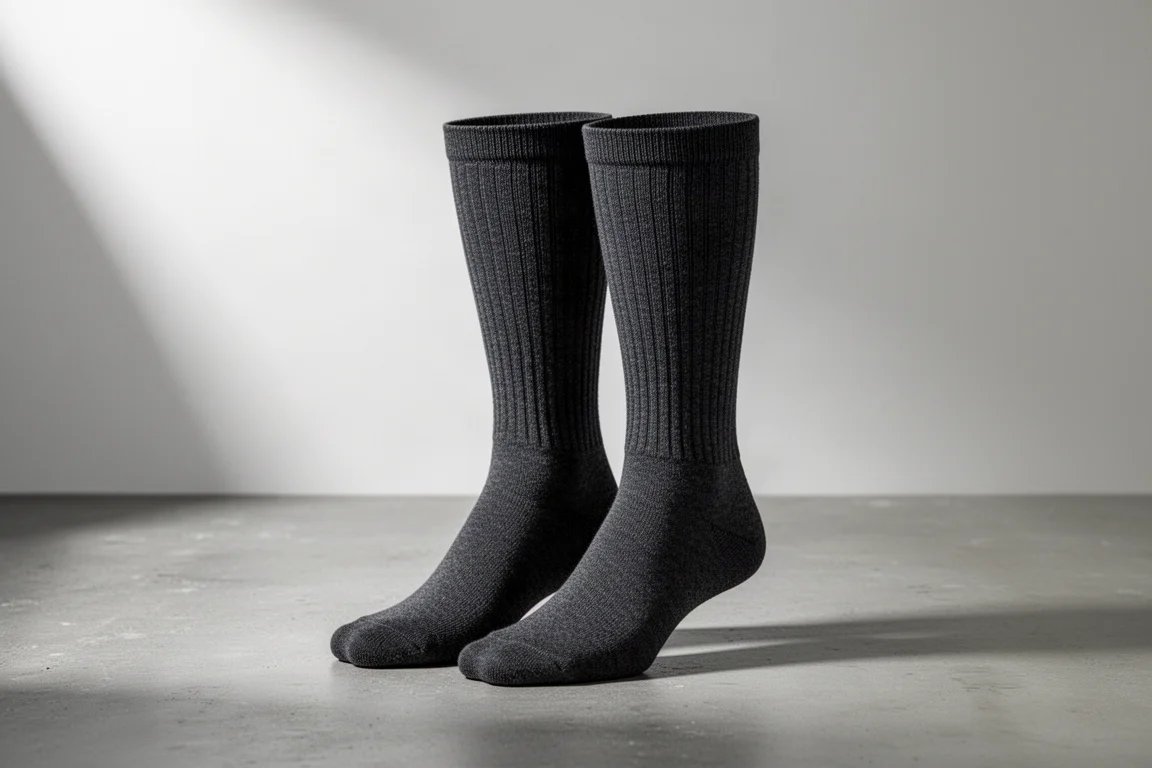
These Darn Tough socks, made in the US by a Vermont company with a very good guarantee, are designed for skiing but shine as a winter running option for workouts. They use Thermolite fibers that stay weightless while keeping feet incredibly warm, and they are very lightweight and thin despite the over-the-calf height.
Stance Winter Running Socks
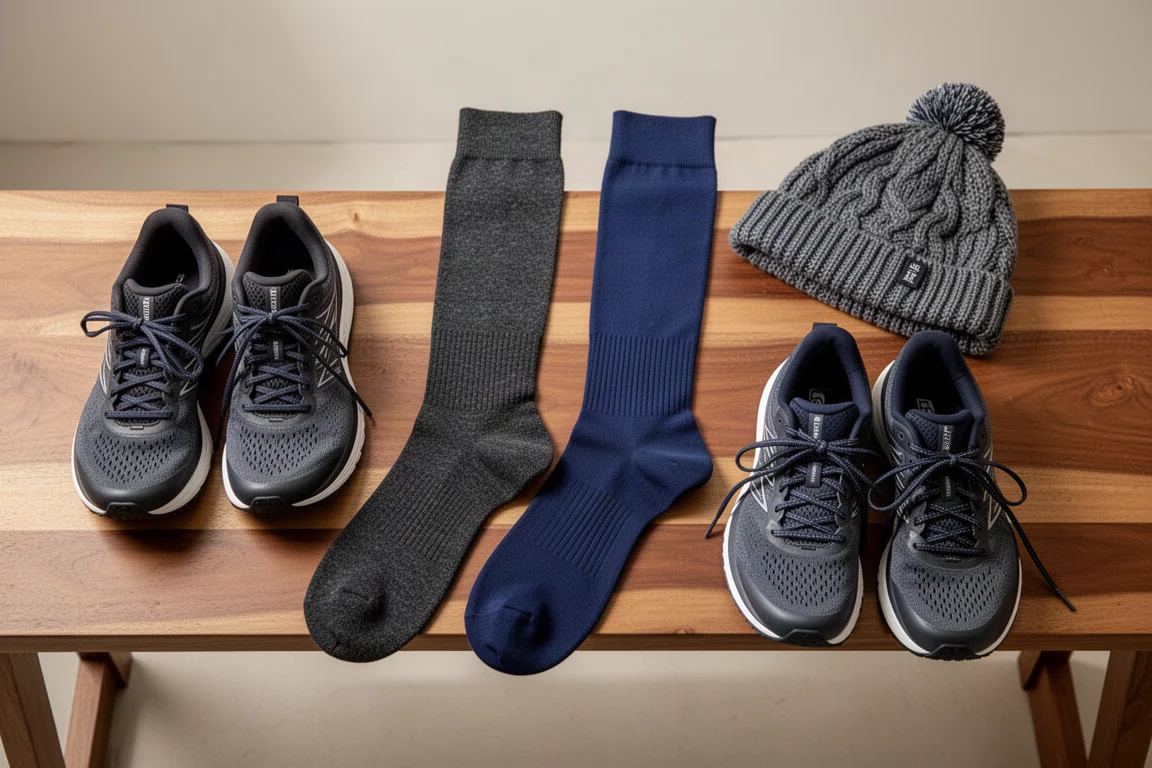
Stance winter running socks are a bit thicker, which is a departure from a preference for the thinnest sock possible, but the extra coverage over the ankle makes sense when snow is around. They are a strong favorite for easy winter runs in regular road or workout shoes when deep snow is not expected.
Overall Buying Advice
For most runners facing snowy streets and maintained trails rather than deep backcountry, your regular road shoe is probably fine, especially if it has decent rubber coverage. If you want an upgrade, a light trail shoe covers mixed pavement-and-snow days, and a Gore-Tex version keeps water out entirely. Extreme trail conditions in snow call for spikes or snowshoes, but that is a different situation than most city runners face.
For socks, choose waterproof options like the Leak Dry pair for the nastiest snowy days, and warm, tall options like the Darn Tough or Stance picks for ordinary cold-weather runs.
Conclusion
Winter running rarely demands a full gear overhaul. One pair of shoes with better traction or waterproofing, plus a thoughtful sock choice, is enough to keep you outside and running even when winter brings its worst.
Further reading
Related Reviews
Running Gear
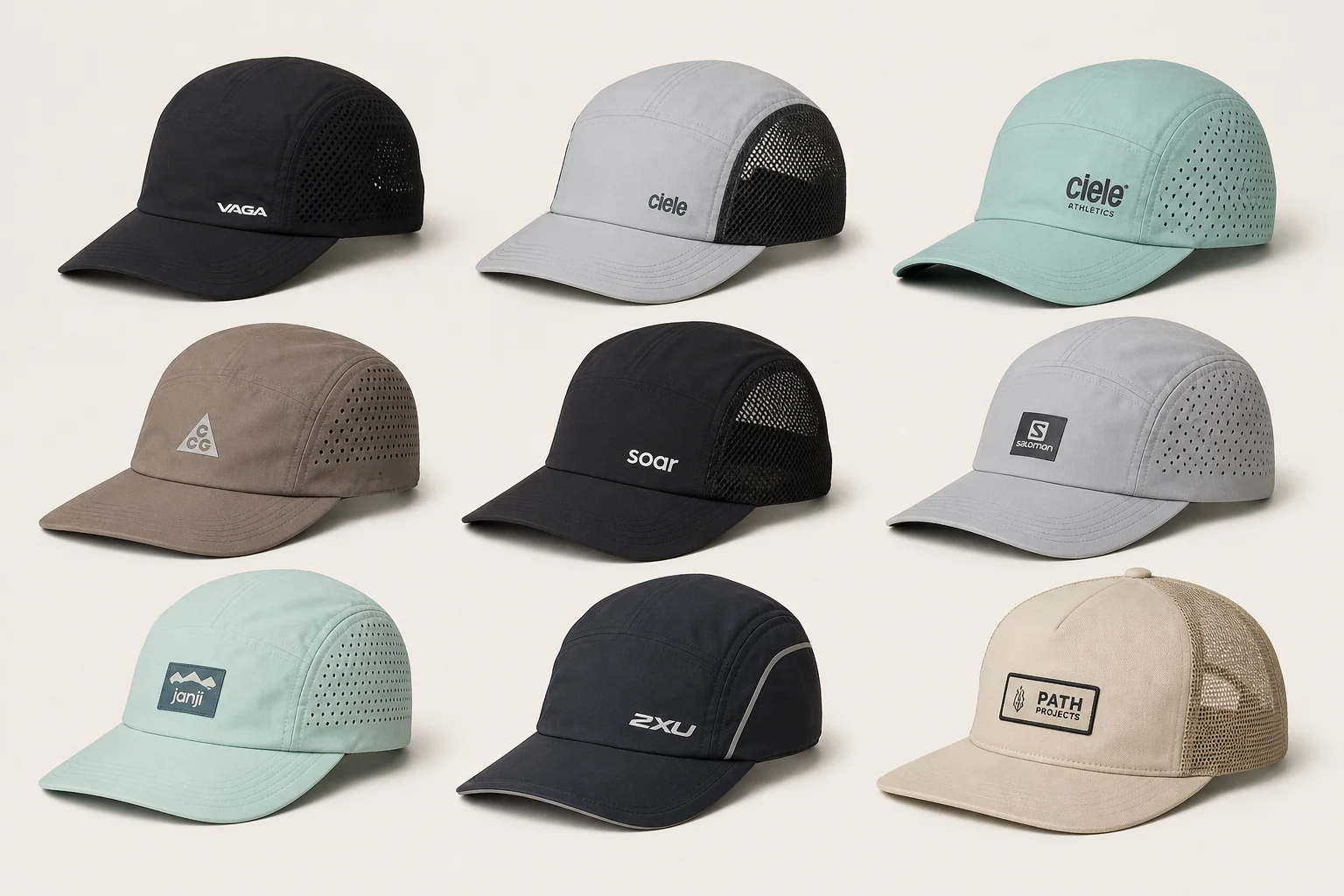
Best Running Caps 2026: Nine Tested Options for Summer and Winter
A comprehensive guide to nine running caps tested across different conditions, from lightweight summer options to waterproof winter choices.
Running Gear
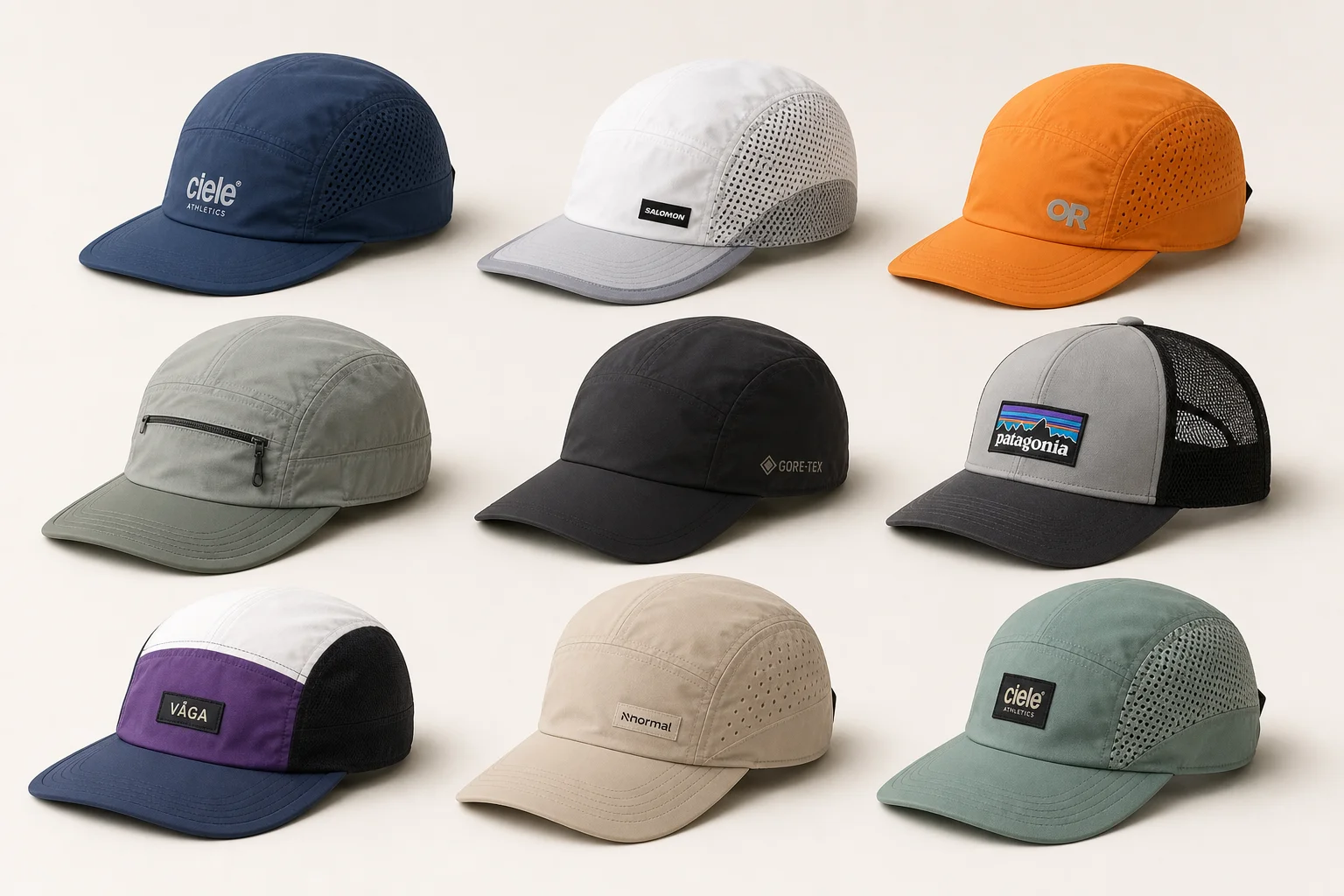
Best Running Caps: A Guide to Summer and Winter Options
A comprehensive review of nine running caps for different conditions, styles, and preferences, from lightweight summer options to waterproof winter choices.
Running Gear
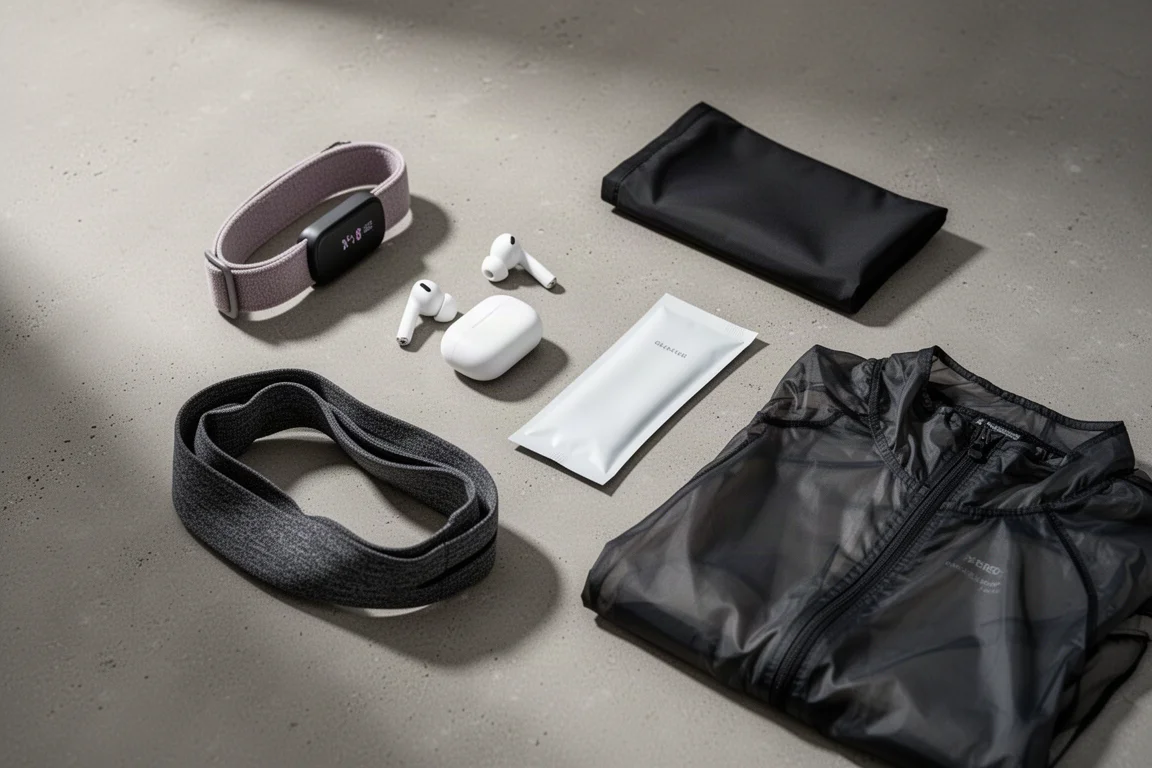
Best Running Gear 2026: Five Picks That Earn Their Place
Five running upgrades covering heart rate, audio, fuelling, carrying and weather protection, with the trade-offs worth knowing before you buy.