Running Gear
Winter Running Layering System Guide: The Gear That Keeps You Warm, Dry and Comfortable
A practical winter running layering guide featuring base layers, mid layers, waterproof jackets and one standout merino long sleeve for cold-weather runners.
Introduction
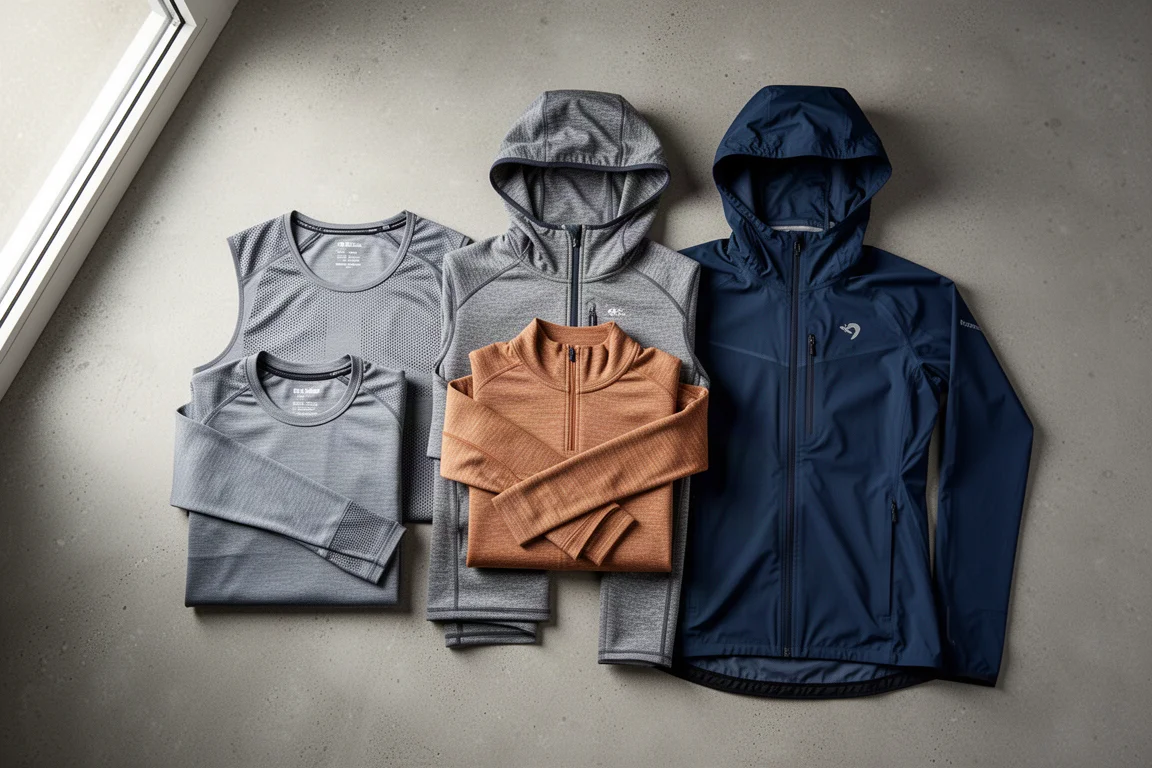
Getting winter running layers right is trickier than it looks. Some runners head out in kit that is far too warm, overheat within minutes and end up stopping to strip off layers. Others brave a freezing morning in little more than shorts and a vest and pay for it in shivers. A good layering system sits somewhere in the middle, and it is the single best way to stay comfortable through the coldest months.
This guide covers the fundamentals of a three-layer winter running setup: a base layer for moisture management, a mid layer for insulation, and an outer layer for protection from wind and rain, plus a few flexible extras and one base layer that has genuinely impressed us this season.
How a Winter Running Layering System Works
A layering system works by trapping air between each garment, and that trapped air becomes natural insulation. Just as importantly, it makes your outfit easy to adjust on the move, so you can adapt as your effort and the weather change.
How many layers you actually need depends heavily on your conditions. A runner in a mild UK winter may rarely need a mid layer at all, while someone running in genuinely brutal cold will want more protection than most of us can imagine.

Layer One: Base Layers
A quality base layer is not there to keep you warm. It is there to keep you dry. Sitting close to the skin, it wicks sweat away from your body so you do not cool down too quickly, which makes regulating body temperature much easier during a run.
Say Sky Mesh Base Light
For slightly colder days, the Say Sky Mesh Base Light is a great starting point. It is very light in construction, almost transparent, and available in both a tank top and a long sleeve version. It works brilliantly as the first layer in a system: lightweight, super breathable and excellent at wicking moisture away from the skin.
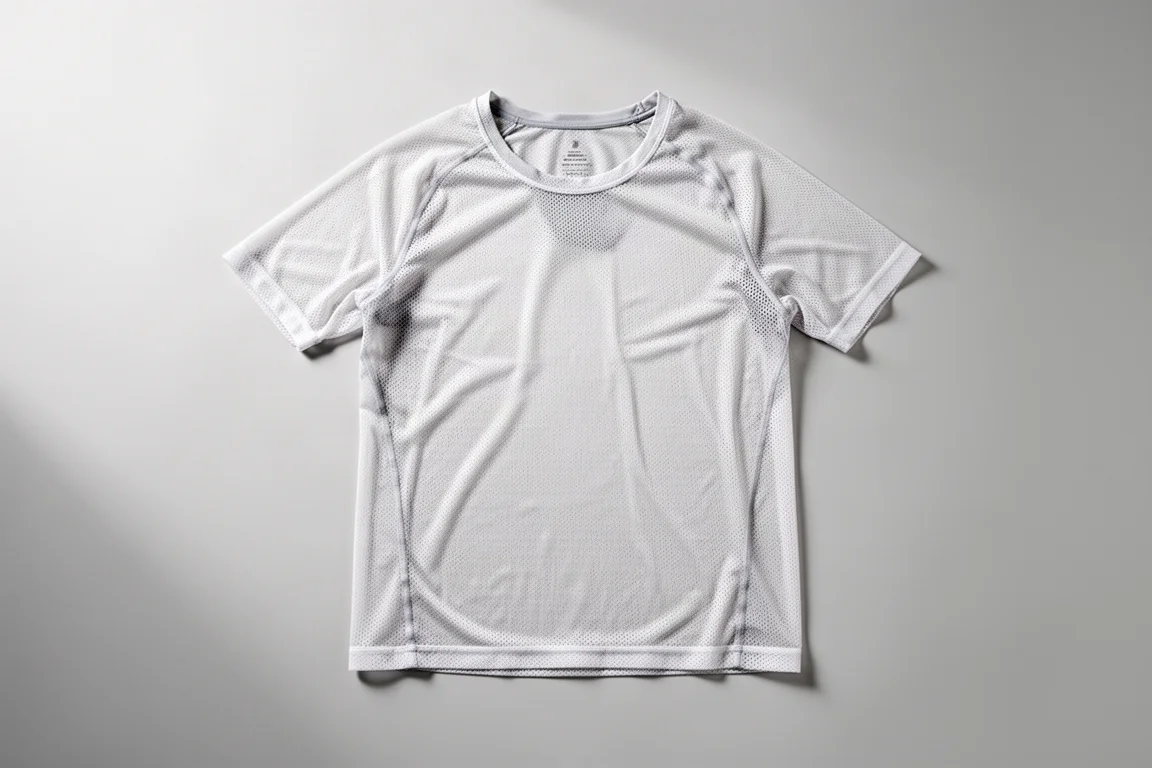
Say Sky Base 150 Long Sleeve
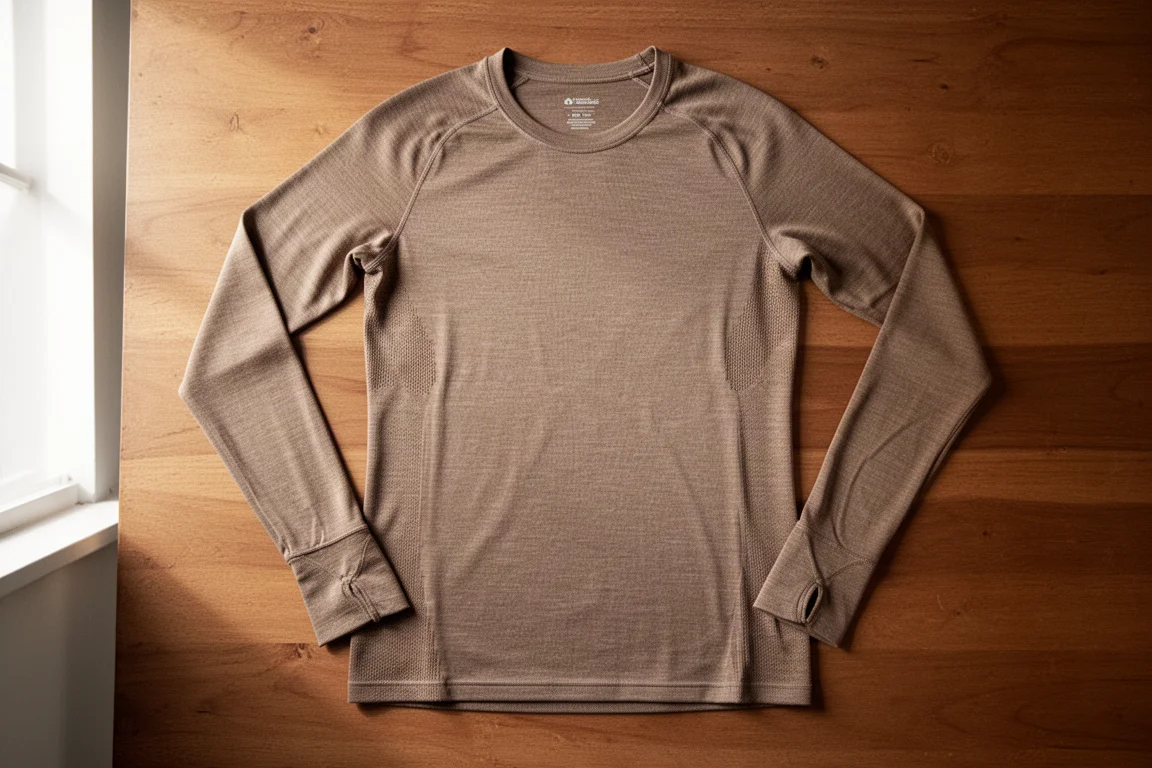
For much colder weather, a merino base layer is worth the upgrade. Merino wool offers excellent breathability, moisture management and warmth, making it ideal when the temperature really drops. The Say Sky Base 150 long sleeve has proven itself as a winter running top, especially worn under a waterproof jacket, and it is easy to recommend for exactly that role.
Layer Two: Mid Layers for Insulation
The mid layer is all about retaining heat while still breathing well and wicking moisture. How much insulation you need depends entirely on conditions: in truly extreme cold you might even double up on mid layers, while in milder climates you may only reach for one during long, slow winter races where your pace drops to a shuffle.
A good mid layer should be lightweight and well ventilated so it stays breathable while you run. A running gilet is a surprisingly effective option here, and many runners spend most of the winter in one as their mid layer.

Say Sky Hooded Fleece
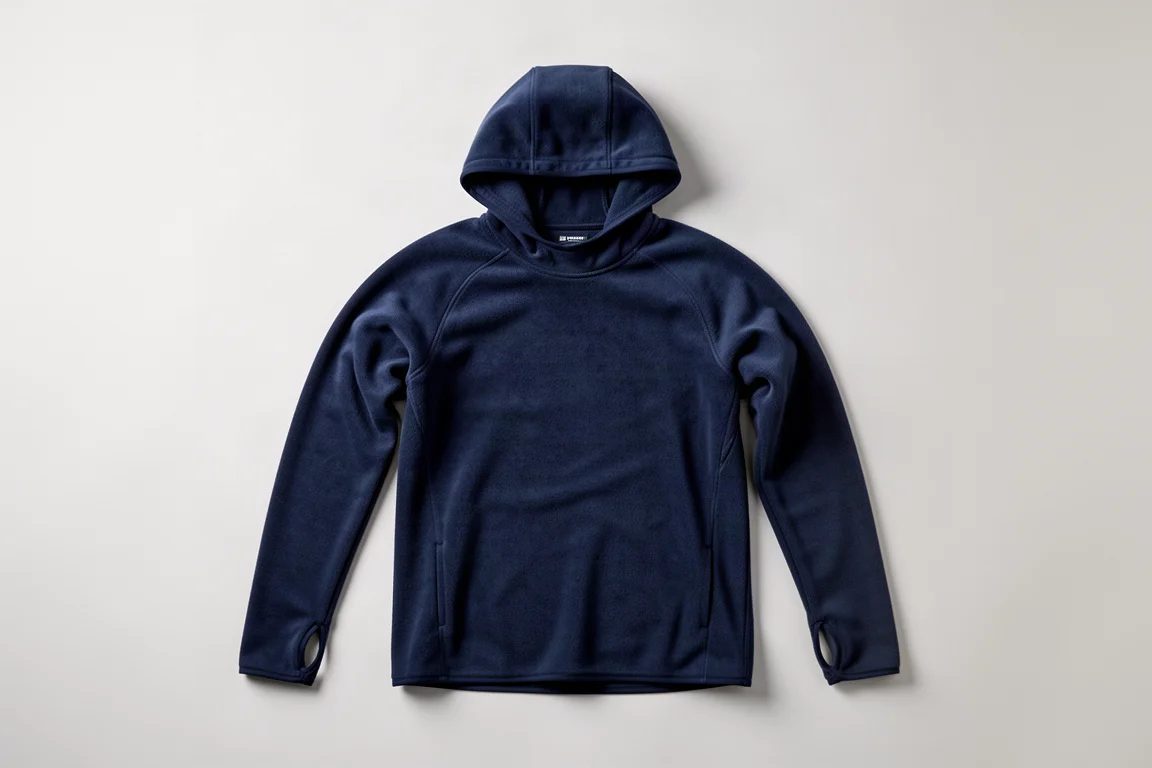
In colder conditions, the Say Sky hooded fleece is a better bet. It offers full sleeves with thumb loops and a slightly thicker, heavier fabric for extra warmth, yet it is still designed to run in, so it remains very breathable and wicks moisture well. The hood is a real bonus in really cold weather, adding extra protection when you need it.
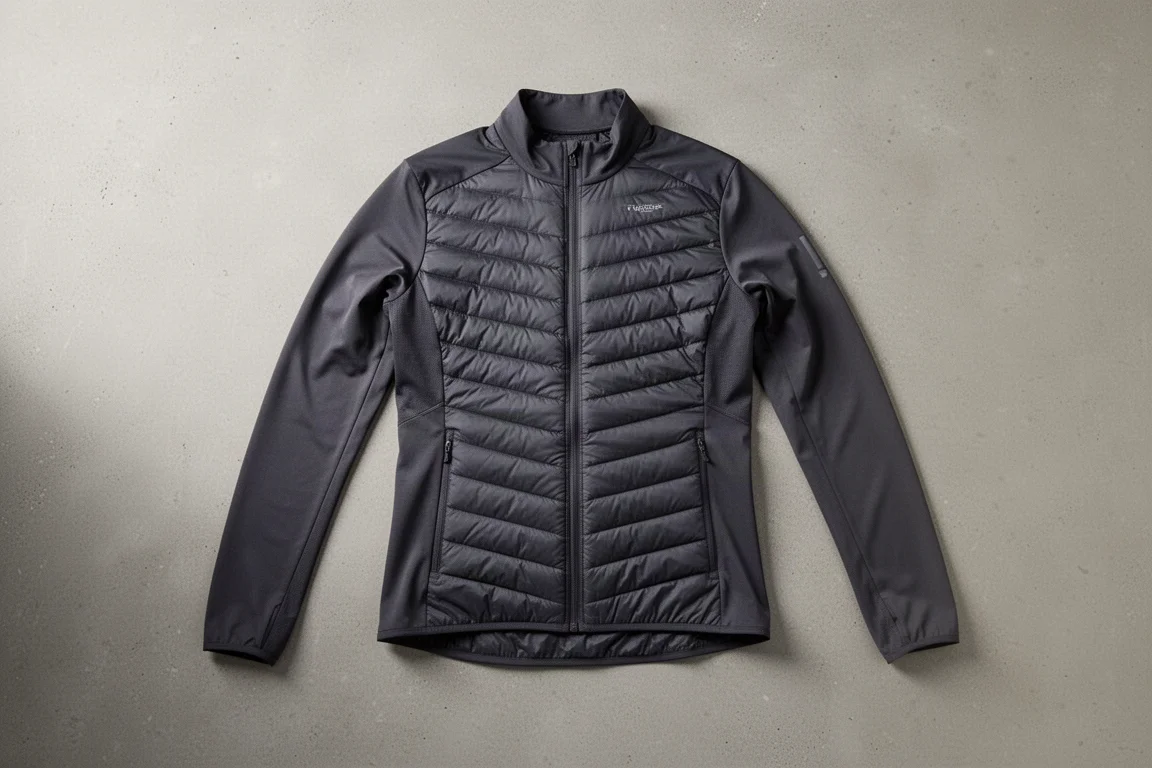
Scott Lightweight Insulated Jacket
For the harshest conditions, step up to something like the Scott lightweight insulated jacket. It has an extra layer of insulation built into the construction while remaining designed for running, so it stays relatively breathable and still helps with moisture management. Realistically, this is the kind of jacket you only need in the most extreme winter conditions.
Layer Three: Waterproof Outer Layers
Once your base and mid layers are sorted, you need something to protect you and those layers from wind, driving rain and whatever else winter throws at you. The outer layer needs to be waterproof, windproof and, most importantly, still breathable.

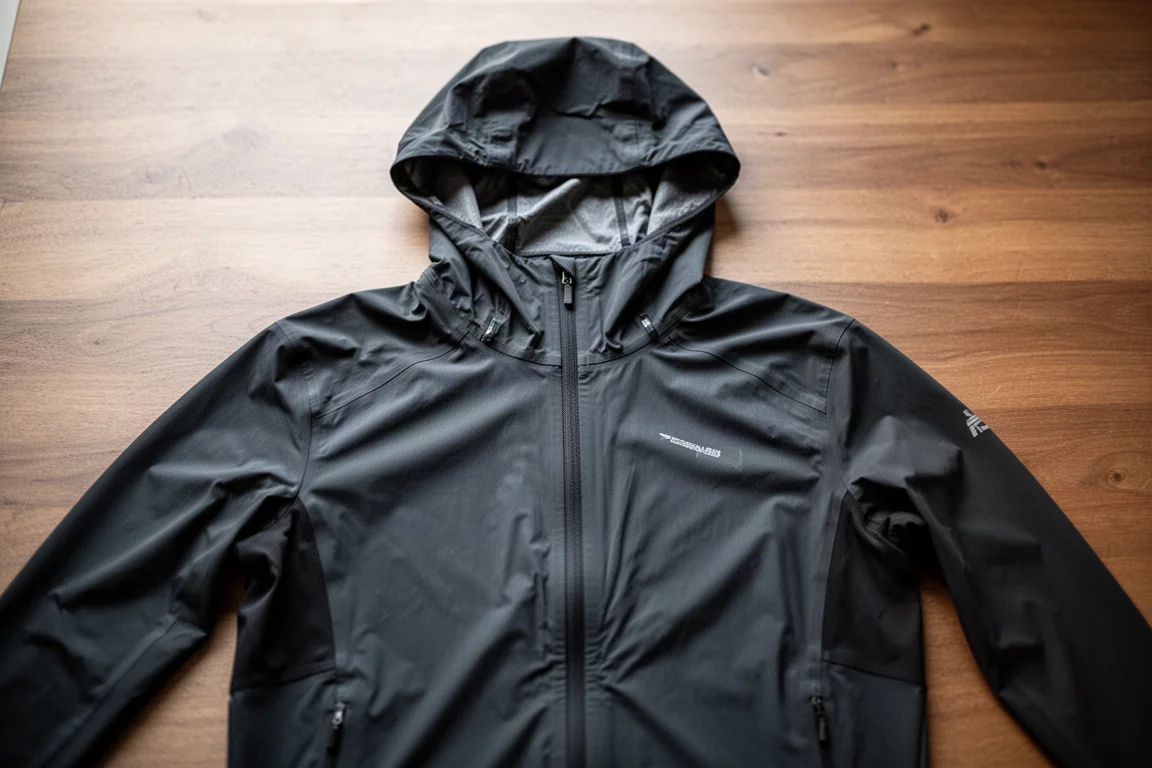
Say Sky Element 3L Waterproof Jacket
The Say Sky Element 3L running waterproof jacket is a super lightweight outer layer that still protects you from the harshest elements, keeping rain and wind out while delivering great levels of breathability. It is a strong all-round choice for anyone who runs through a wet, windy winter.
Ron Hill Shake Dry Gore-Tex Jacket
The Ron Hill Shake Dry Gore-Tex jacket offers the highest levels of protection against harsh elements, and it is one of the most breathable running waterproof jackets we have used. The trade-off is price: this is a premium option, and it sits at the expensive end of the market alongside other high-end waterproofs.
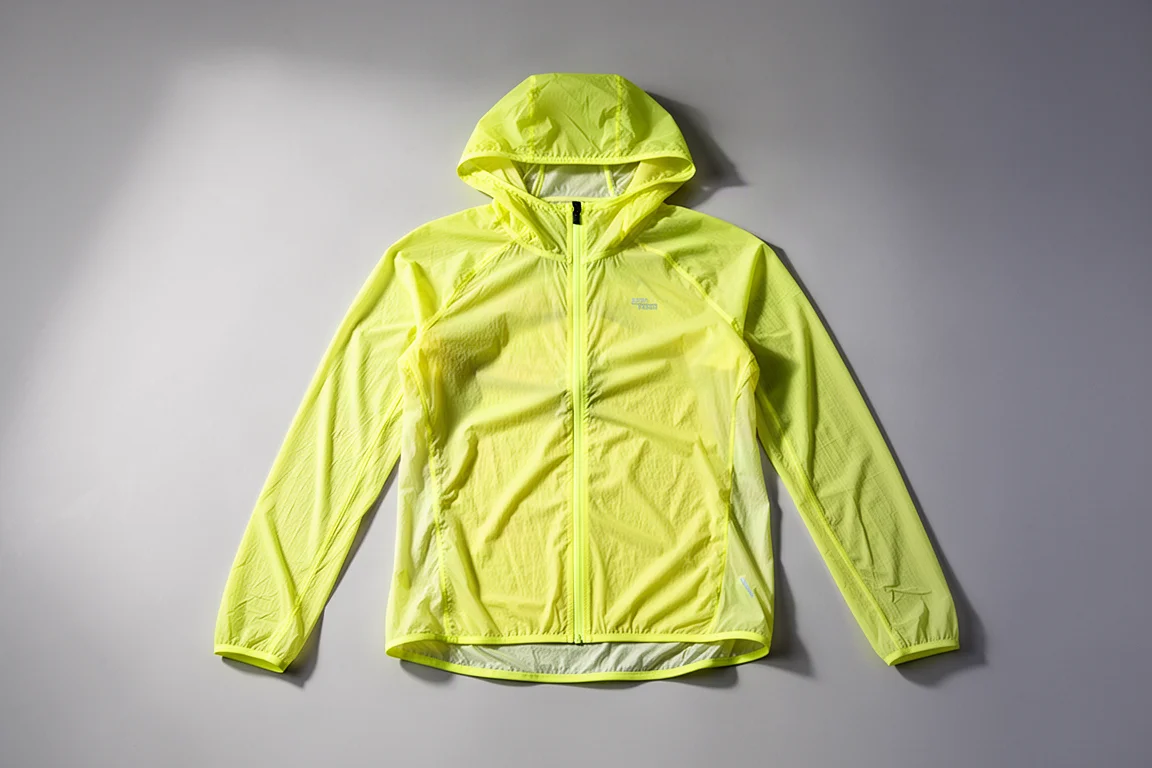
Harrier Exmore Waterproof Jacket
If the premium jackets stretch the budget too far, the Harrier Exmore running waterproof jacket is excellent value at under £90. It has a hydrostatic rating of 15,000mm, so it is genuinely waterproof, and it is packed full of great features for the money. There are other running waterproof brands out there, but this one makes a compelling budget case.
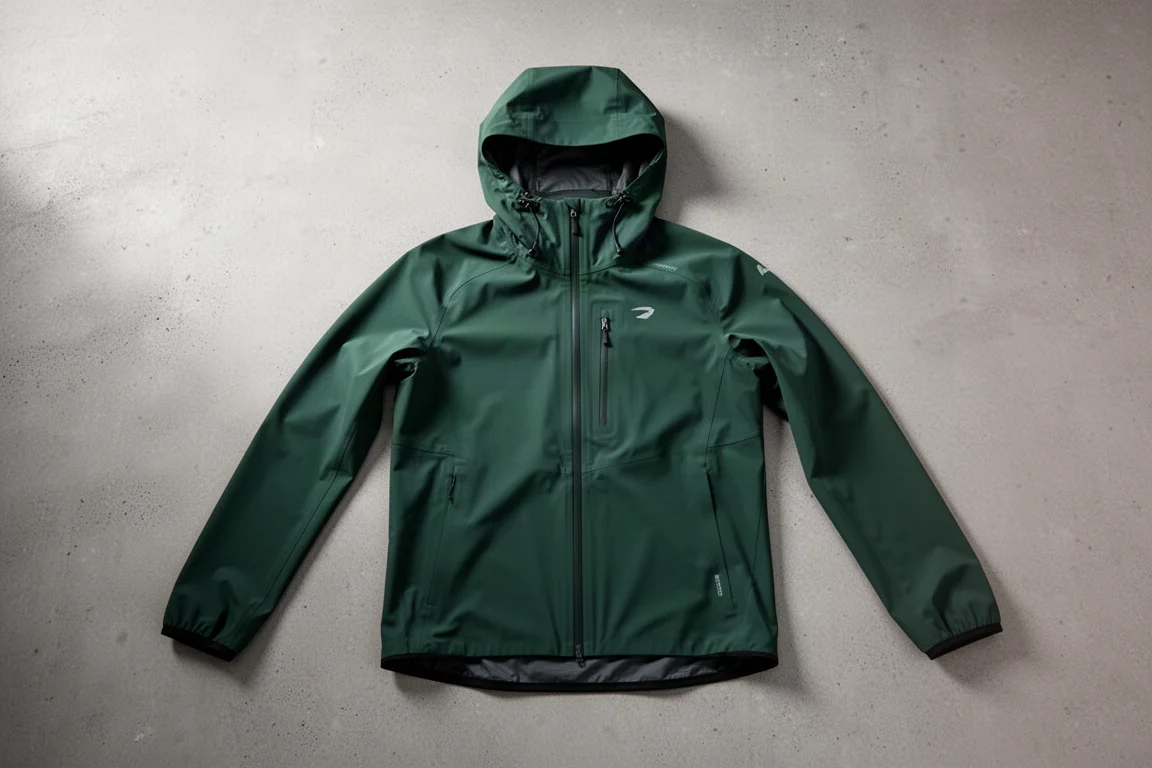
Flexible Extras: Gilets, Arm Warmers and Technical Tees
Beyond the core three layers, a few extras make a winter system genuinely adjustable. A good technical tee, some arm warmers and a quality running gilet are worth adding. The gilet gives your core extra warmth and a barrier against strong winds, while being far more breathable than a jacket because it has no sleeves.
Arm warmers are the definition of adjustable. Start a run feeling chilly, warm up as your pace builds, then simply roll them down for extra breathability or take them off entirely and stuff them in a pocket, belt or running pack. If conditions turn again, pop them back on for an instant layer of warmth. This combination is especially well suited to a changeable UK climate.
A Standout Base Layer: Artilect Flatiron 180 Crew
One item deserves special mention. The Artilect Flatiron 180 crew long sleeve from Boulder, Colorado brand Artilect Systems is one of the best base layers we have used, and it has been tested for months. It looks like any other long sleeve merino base layer, but the fabric tells a different story.
Artilect uses a bluesign approved 185gsm Nuyarn merino fabric technology, which gives extra loft for an unrivalled warmth to weight ratio, dries five times faster and offers long-term durability. That drying claim holds up in practice: after two-hour runs under a waterproof jacket or gilet, the chest and underarm areas have come home completely dry, which is unheard of in most base layers.

The merino itself is super fine 18 micron Australian wool, and it feels soft and plush against the skin with no irritation or itchiness at all. Engineered flatlock seams sit comfortably, perforated panels run down the sleeves, under the arms and along the sides of the body for extra breathability, and the sleeves are long enough to make the thumb loops genuinely useful. Artilect calls this approach its Dynamic Apparel System, using premium fabrics, construction and fit for high-performance athletes.
The Flatiron long sleeve costs £90, and with fabrics and development at this level it is not cheap. Even so, it is worth checking out if you run in genuinely cold climates. It keeps you warm without overheating, works brilliantly under a windproof or waterproof jacket, and its breathability and moisture management are exceptional. Artilect also makes a wide range of products, from short sleeve tees to leggings, jackets and even underwear.
Overall Buying Advice
If your winters are mild, focus your budget on a quality wicking base layer and a breathable waterproof, and lean on a gilet and arm warmers for flexibility. If you face seriously cold conditions, invest in a merino base layer, a proper insulated mid layer and the most breathable waterproof you can afford. And remember that a base layer’s job is to keep you dry, not warm, so do not judge it by how toasty it feels on the first mile.
Conclusion
A three-layer system of base, mid and outer is the reliable template for winter running, and the right mix depends entirely on where and how you run. Match each layer to your conditions, keep the system adjustable with a gilet and arm warmers, and you will stay comfortable through the whole season rather than overheating or freezing two miles from home.
Further reading
Related Reviews

Running Gear
Best Running Caps 2026: Nine Tested Options for Summer and Winter
A comprehensive guide to nine running caps tested across different conditions, from lightweight summer options to waterproof winter choices.

Running Gear
Best Running Caps: A Guide to Summer and Winter Options
A comprehensive review of nine running caps for different conditions, styles, and preferences, from lightweight summer options to waterproof winter choices.
Running Gear
Best Running Gear 2026: Five Picks That Earn Their Place
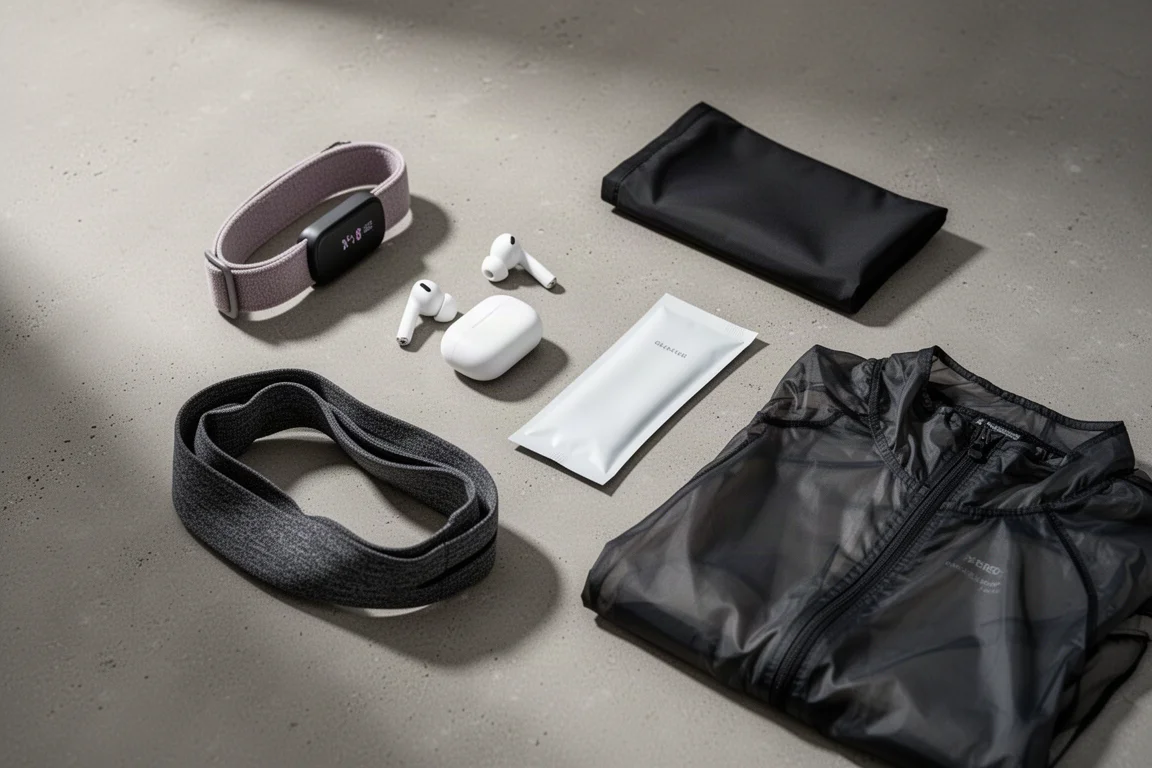
Five running upgrades covering heart rate, audio, fuelling, carrying and weather protection, with the trade-offs worth knowing before you buy.