Running Gear
Winter Running Gear Essentials: What to Buy If You're Starting From Zero
Seven winter running pieces, from insulated mittens to thermal tights, plus practical layering advice for staying warm without overdressing.
Introduction
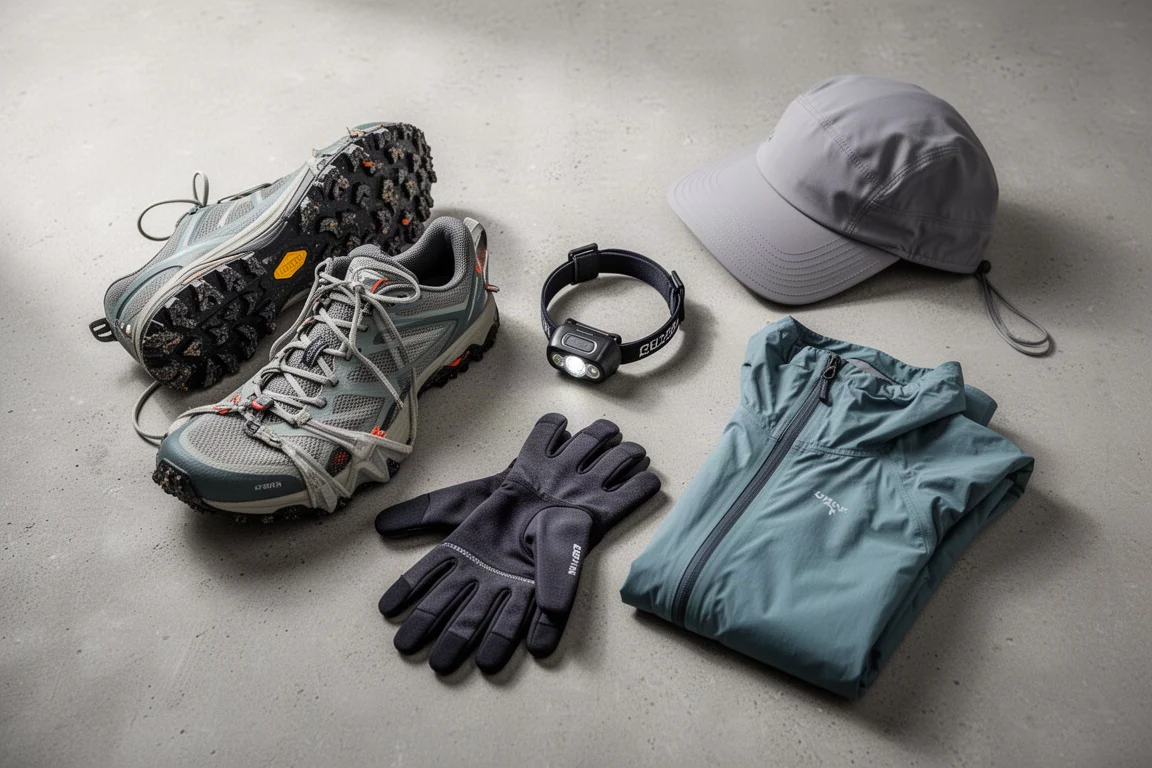
Winter running does not require a complete wardrobe overhaul on day one. If you have been running through all four seasons for years, you accumulate gear gradually. But if you are new to cold-weather running and had to build a winter running wardrobe from scratch today, a handful of core pieces will carry you through the season without a huge upfront spend.
The honest starting point is this: you probably already own enough to get out the door. A hoodie, a hat, and whatever gloves you wear on your commute will get you through an easy 30 to 90 minute run. But if you want to invest in a few pieces purpose-built for winter miles, here is how to spend wisely, starting with the coldest extremities first.
Hands First: Insulated Running Mittens
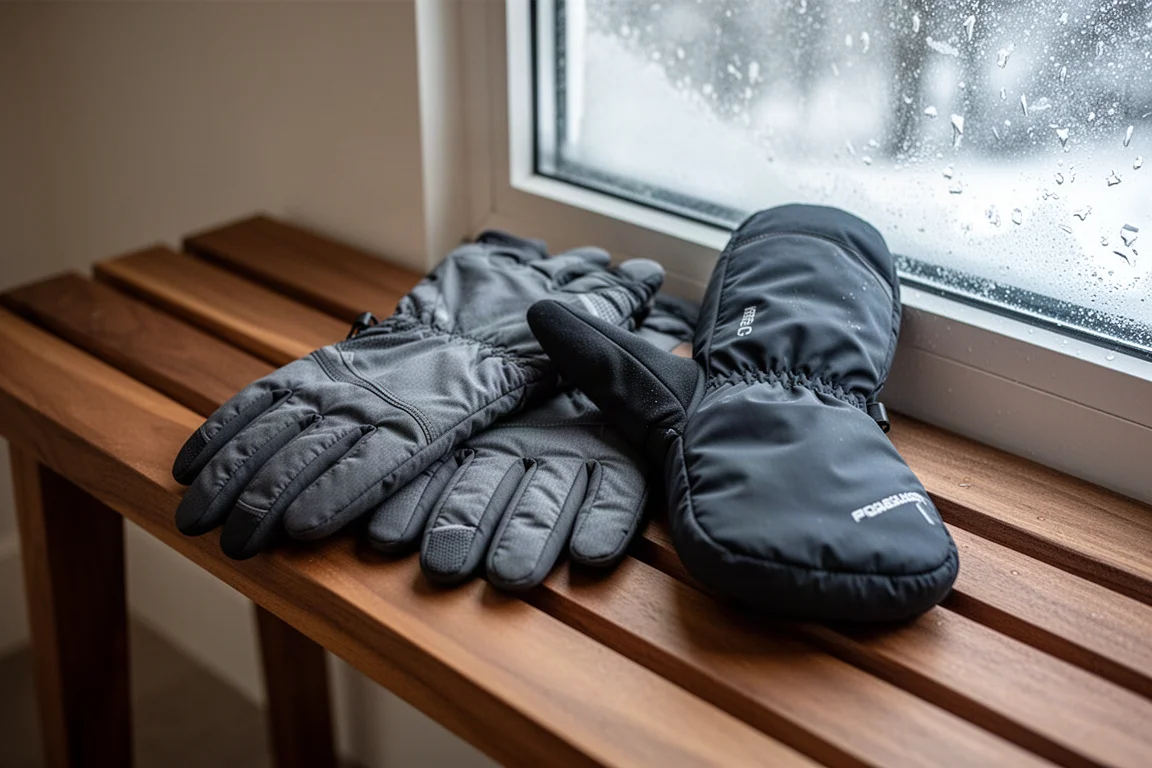
Hands get cold fast, and for many runners cold fingers can stop a run dead in its tracks, even at temperatures well above freezing. Around and just below the freezing point, though, mittens beat gloves. Keeping your fingers together lets them share body heat, and curling everything into a fist adds another layer of warmth when the chill really sets in.
The Craft Core Insulate Mitten is the pick here. Craft has decades of experience in winter sports apparel, and it shows. These mittens block wind effectively and include foam padding inside, which works as an extra wind-blocking layer while trapping the heat your hands generate. At $45, they are a worthwhile first purchase for anyone running in freezing conditions.
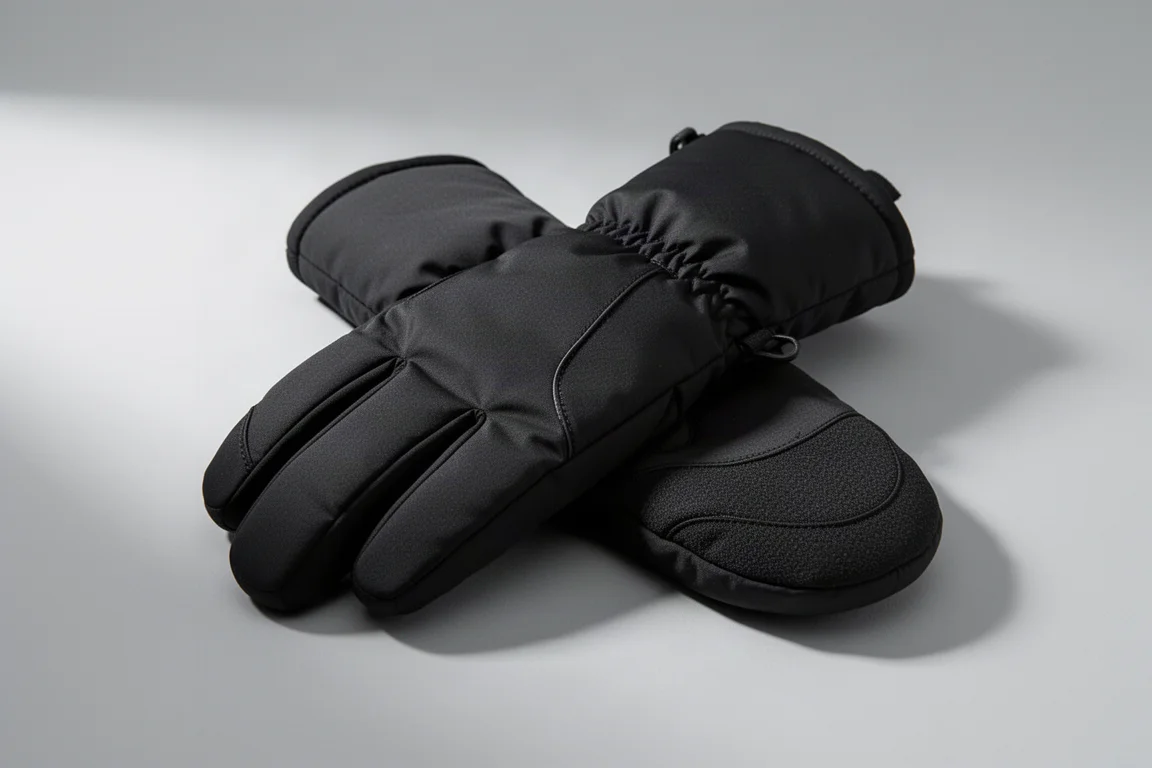
If you want to spend less, a basic pair of insulated work mittens with a wind-blocking layer and a soft lining can get you through plenty of winter runs. The key features to look for are the same: wind resistance and some insulating material on the inside.
Keep the Head Warm: Winter Running Beanies
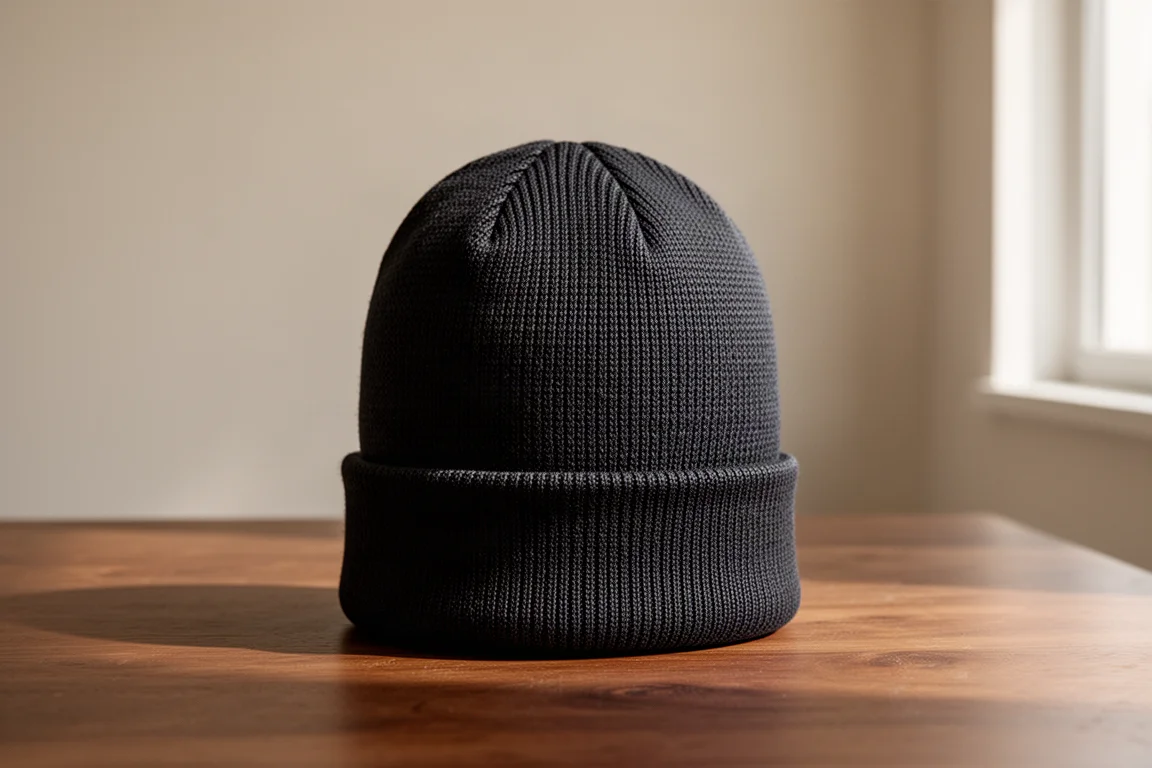
Once the wind picks up, an uncovered head makes everything feel colder. A winter beanie designed for running should fit snugly without slipping and should feel purpose-built for movement rather than lounging.

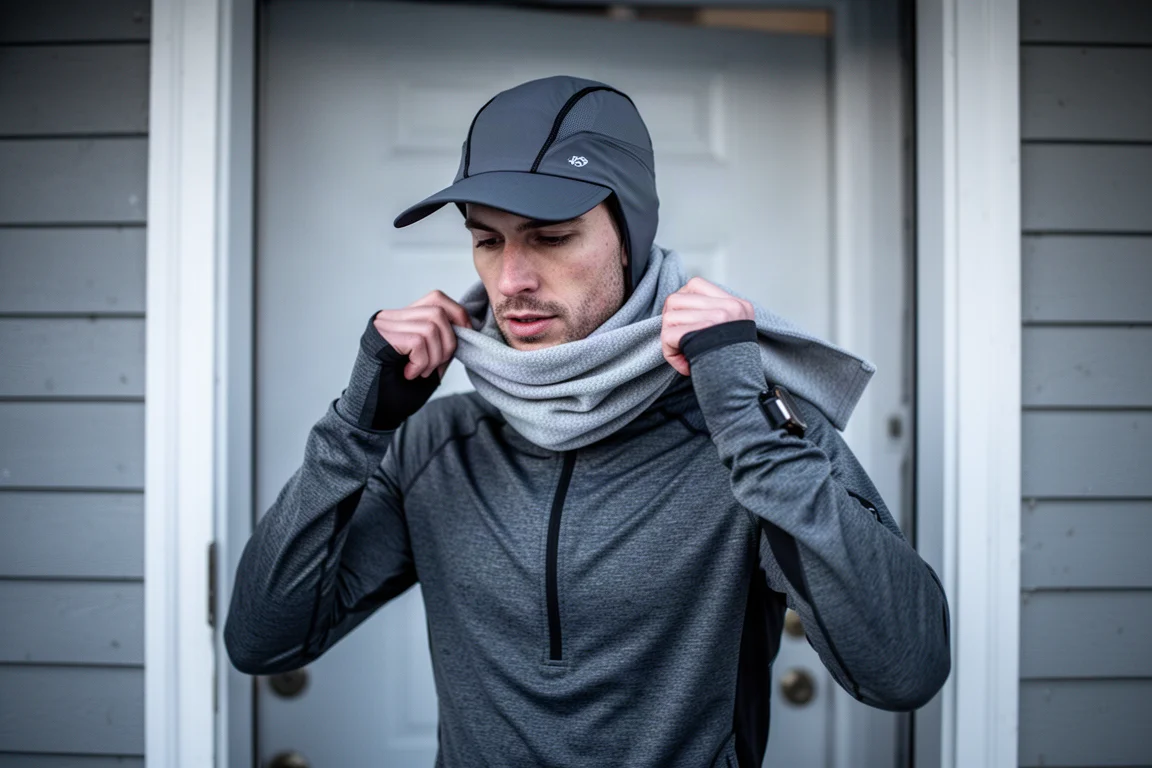
Ciele, long known for its running and cycling caps, has moved into winter beanies, and the fit and quality stand out. They sit close and stay put, and the construction feels genuinely made for physical activity on cold days. If you already own any warm winter hat, though, that will do the job. A pom-pom beanie is perfectly acceptable running headwear, and Carhartt’s $20 beanies are a popular budget option, especially in blaze orange if you run near hunting areas.
Torso: Hoodies and Thermal Layers
At around freezing, you have real flexibility here. A thick hoodie or sweatshirt layered over a tech t-shirt will absolutely get you through easy runs, especially when paired with mittens and a hat. Do not feel pressured to buy something specialized before you have tested what you already own.
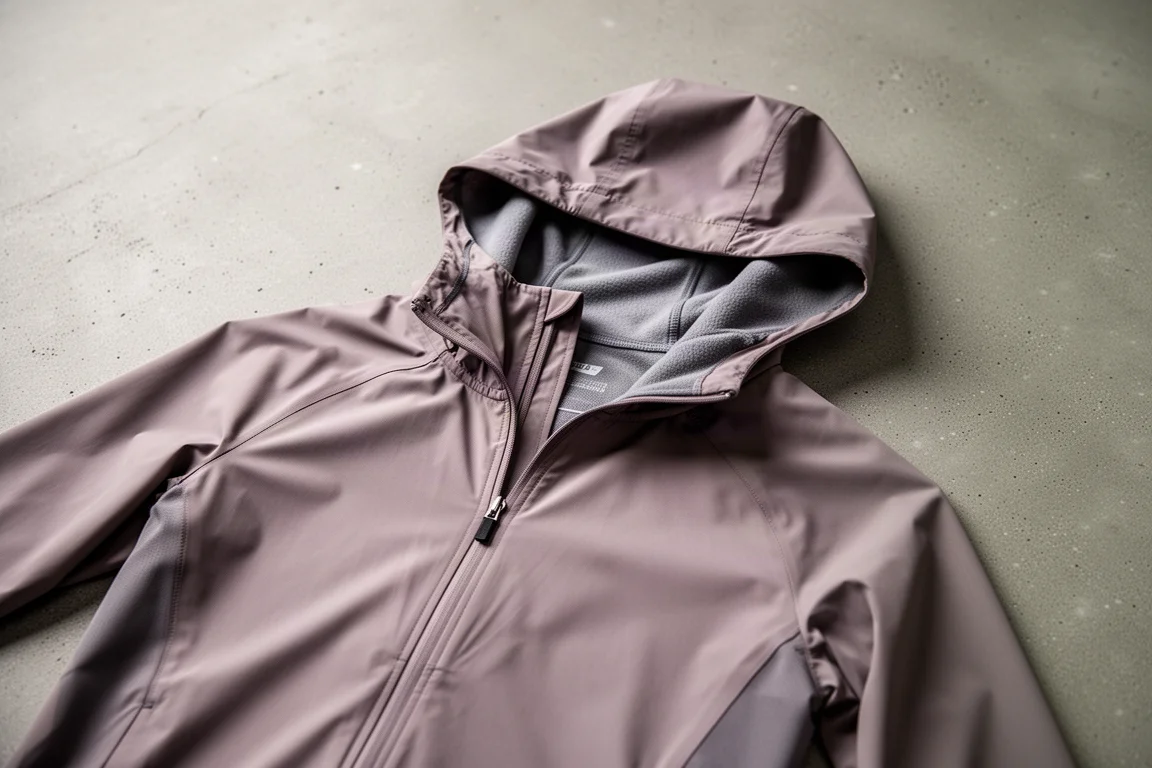
That said, a purpose-built piece makes cold-weather running more comfortable. The Junk Brands performance hoodie pairs a water-resistant outer layer with a thin microfleece inner layer. It is remarkably lightweight for how warm it runs, and at $70 it works well around the freezing point layered over a short-sleeve or long-sleeve tech tee.
Budget Alternatives That Still Deliver
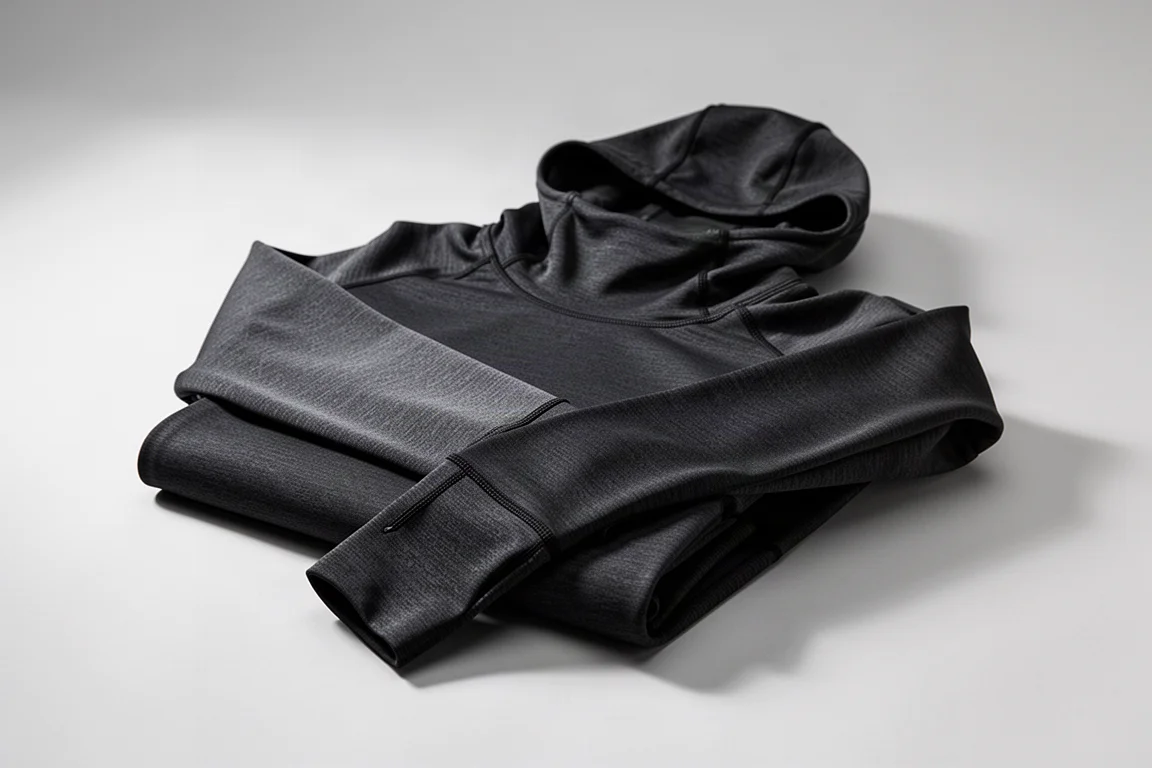
For a cheaper torso option, Baleaf sells a range of affordable running apparel through Amazon. A thermal long-sleeve hoodie with a scuba-style hood and a stretchy, thicker tech fabric offers mild wind and water resistance without being technically windproof or waterproof. A puffer-style hybrid jacket, with insulation on the front core and stretch fleece on the sleeves and back, is another smart design: it blocks wind where you need it and vents heat elsewhere so you do not get clammy. The Craft version of that style is currently on sale for $56, and both options will handle freezing and slightly below-freezing runs well.
Legs: Tights and Joggers
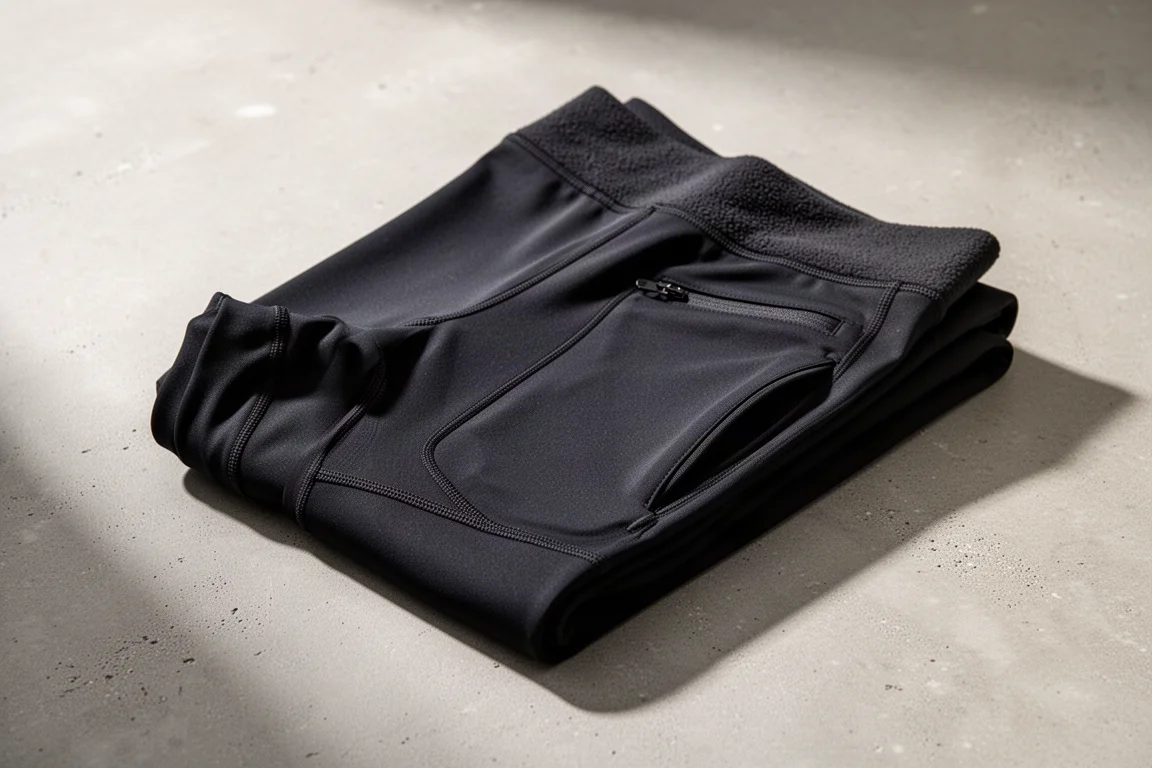
For most winter runs, tights are the preferred choice. The Rabbit Pocket Tightz earn their name with generous side storage: a pocket on each hip at mid-thigh that swallows gels, keys, or a phone, plus a back zip pocket for anything you want more secure. A microfleece lining inside makes them genuinely warm, and at $100 the price is steep, though they hold up as a daily driver you will reach for constantly.
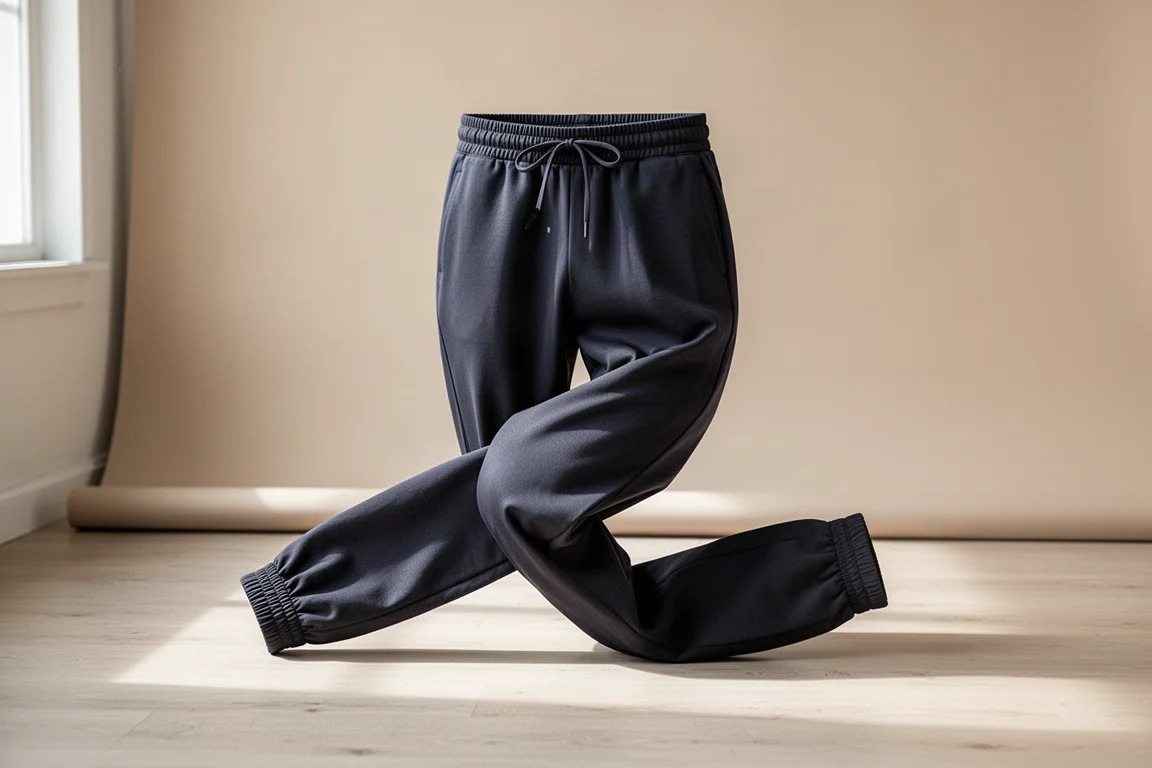
If $100 is too much of a stretch while you are buying several other pieces, the TCA running jogger pants are the money-saving play. At $30, with a tapered, almost soccer warm-up pant silhouette, they work well for winter running, and owning a couple of pairs covers the whole season. If you are only buying one pair of winter running pants, a jogger is arguably the more versatile pick over tights anyway.
The Budget-Friendly Jogger Pick
TCA, a UK-based brand that sells mainly through Amazon, has become a go-to for affordable winter running bottoms. The joggers are simple, comfortable, and cheap enough to buy in pairs. For anyone assembling a winter wardrobe on a tight budget, this is the easiest place to save without sacrificing much.
Two Small Extras Worth Adding
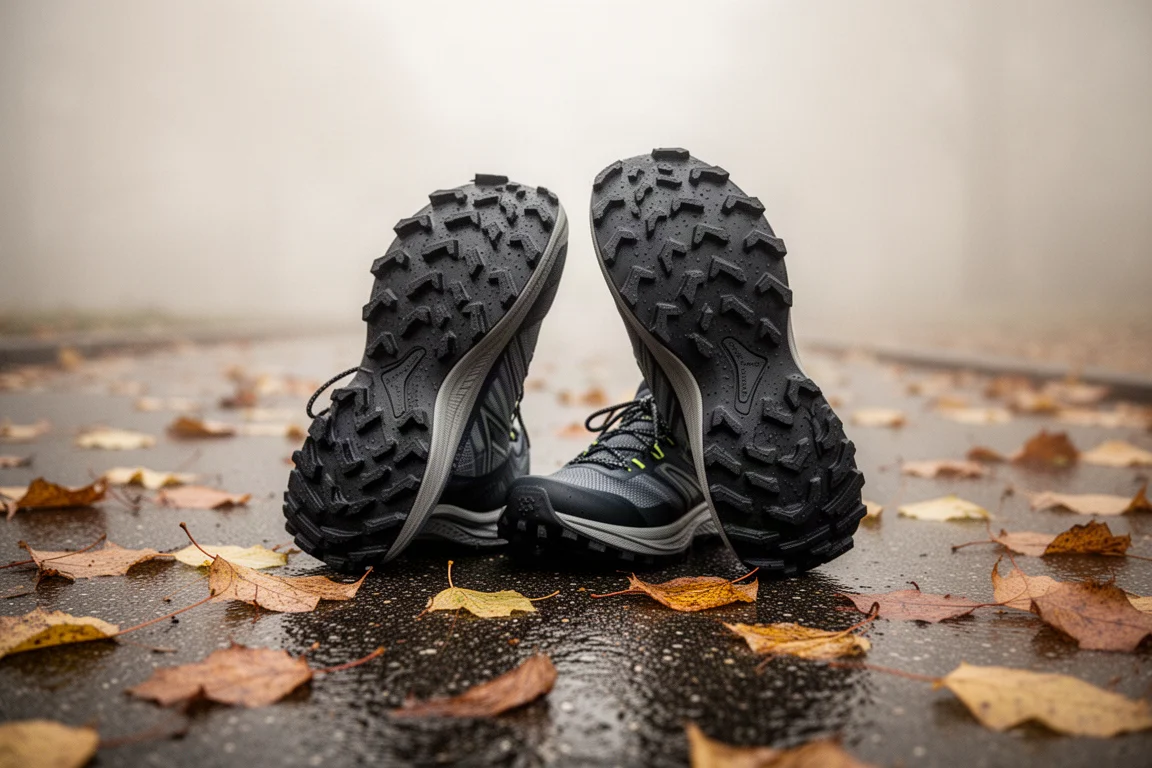
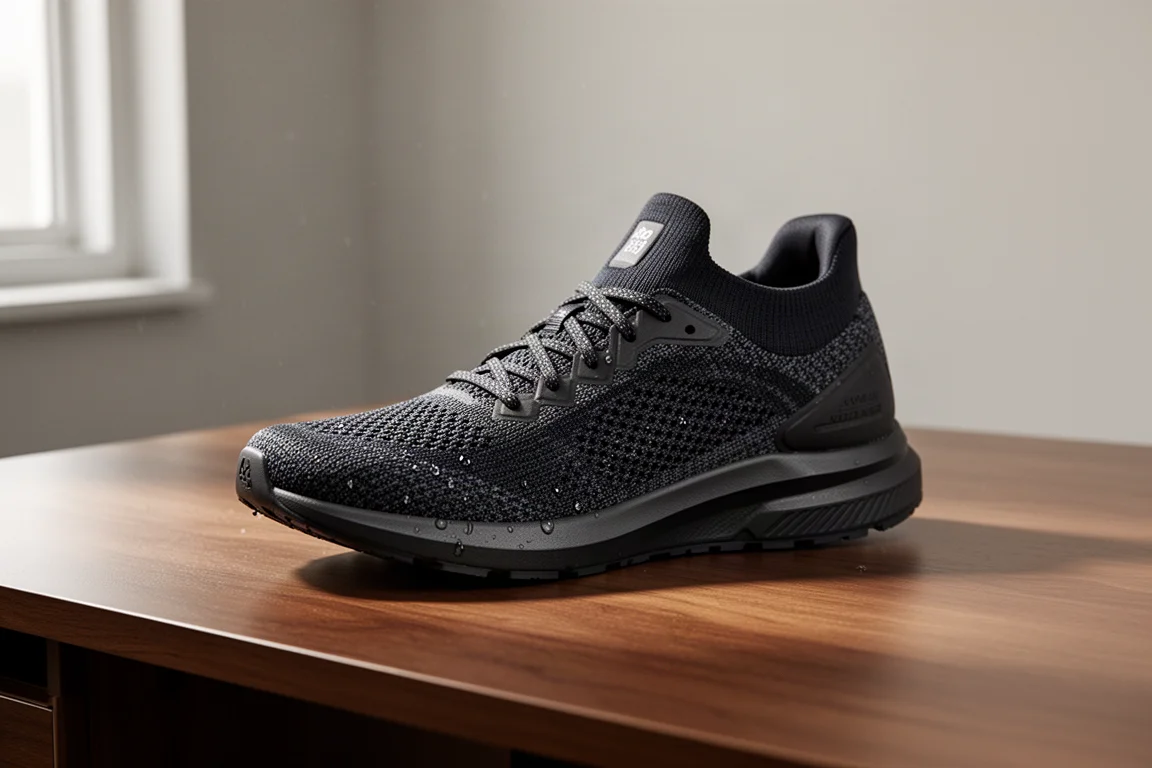
A few odds and ends round out the starter kit. Taller socks, quarter length or crew, close the gap at the ankle that no-show socks leave exposed, which matters when there is snow on the ground. And once roads get slick, a shoe with weather protection helps. The Nike Pegasus Shield is a water-repellent version of a proven daily trainer that many runners reach for as their first dedicated winter shoe, and it is a reasonable first purchase if icy pavement is part of your routine.
Layering Strategy: Start Cold, Finish Comfortable
The biggest mistake in winter running is overdressing. Anything that gets wet will freeze or chill you, and if you sweat heavily in a thick coat, that moisture stays against your skin while cold air hits it. Sweat that keeps you cool in summer will make you miserable in January.
The fix is counterintuitive: start your run feeling slightly chilly and a little uncomfortable, not painfully cold. A couple of miles in, your body heat catches up and you feel good. You might sweat a bit by the end, but not enough to soak through your layers for the rest of the run. Starting cold means finishing just right, and that balance is the real goal of every layering decision above.
Conclusion
You likely already own most of what you need to run through your first winter. A race-swag hoodie, commuter gloves, and an old beanie are enough to start, and it is better to figure out your own cold tolerance before buying everything at once. When you are ready to invest, prioritize mittens, a warm hat, and one good lower-body layer, then add pieces as the seasons teach you what your specific needs are. Start with a few core pieces, stay dry, start chilly, and the winter miles take care of themselves.
Further reading
Related Reviews

Running Gear
Best Running Caps 2026: Nine Tested Options for Summer and Winter
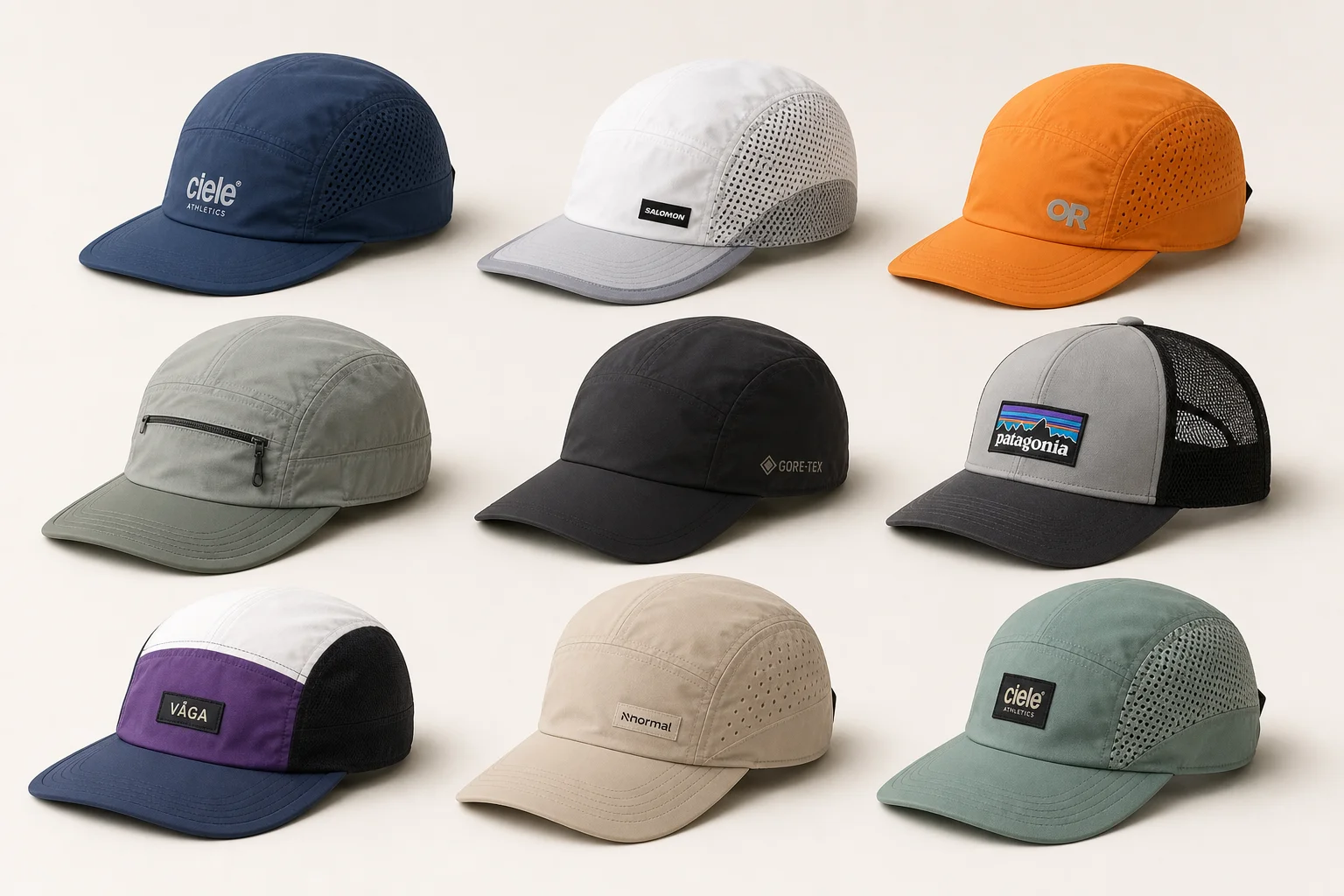
A comprehensive guide to nine running caps tested across different conditions, from lightweight summer options to waterproof winter choices.
Running Gear
Best Running Caps: A Guide to Summer and Winter Options
A comprehensive review of nine running caps for different conditions, styles, and preferences, from lightweight summer options to waterproof winter choices.
Running Gear
Best Running Gear 2026: Five Picks That Earn Their Place
Five running upgrades covering heart rate, audio, fuelling, carrying and weather protection, with the trade-offs worth knowing before you buy.