Running Gear
Winter Running Essentials: Four Pieces of Gear That Keep Cold-Weather Runs Comfortable
From over-the-calf ski socks to a Gore-Tex Infinium jacket, four apparel picks and layering strategies for running through the coldest months.
Introduction
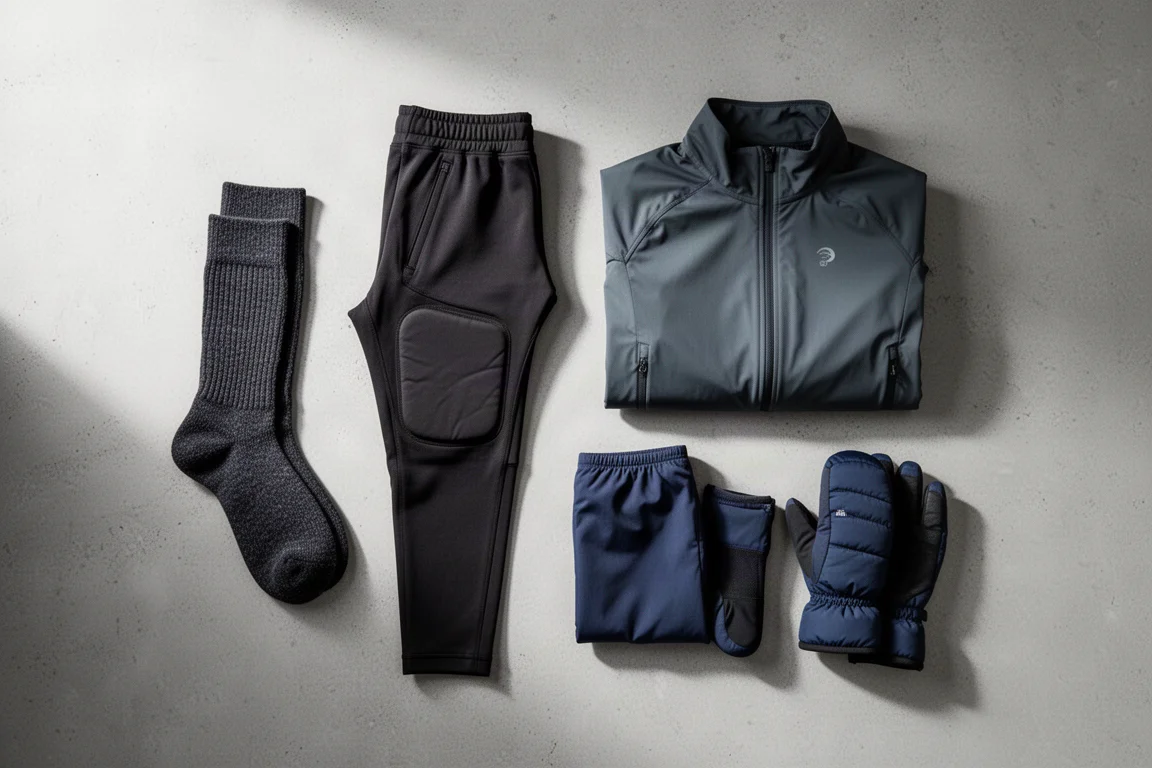
Once the temperature drops and the wind picks up, the difference between enjoying a winter run and suffering through one comes down to layering. The good news is that you do not need an exhaustive shopping list. You need a few well-chosen pieces that cover the bases: feet, legs, torso, hands, and head. This guide focuses on four apparel picks that earn their place in a cold-weather rotation, plus the layering logic that ties them together.
The core principle is simple. Build a progression: as temperatures fall, add a layer rather than replacing everything. A thin pair of tights under a jogger pant, a short-sleeve base layer under a jacket, a hand warmer inside a mitten. Each piece below slots into that system, so you can start with one or two items and expand as your winter mileage grows.
Starting From the Ground Up: Socks and Lower Body
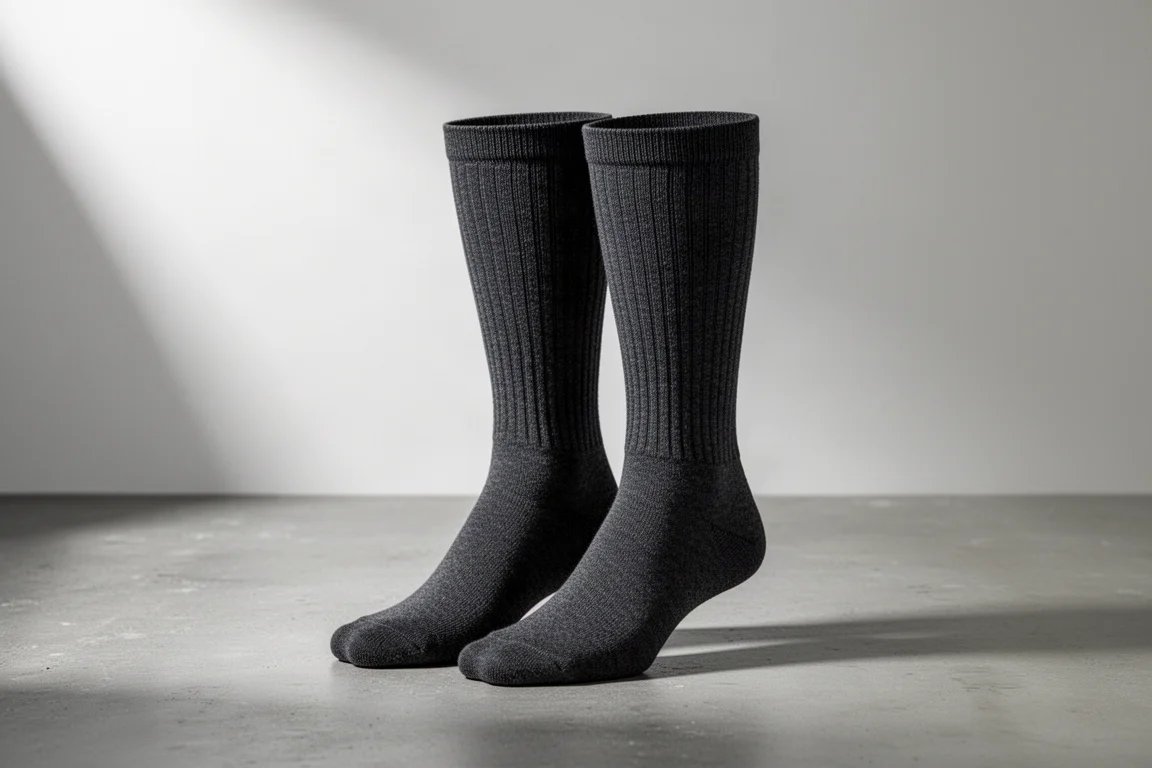
Feet come first, and the simplest upgrade is a good pair of long socks. When the cold arrives, switching from no-show socks to over-the-calf socks or compression sleeves adds meaningful warmth while still letting you wear half tights or longer shorts. It is a small change that covers a surprising amount of leg.

One standout pick is a pair of over-the-calf socks designed for skiers, made by Darn Tough. They are produced in the United States, backed by a famously strong warranty, and built to last a long time. Despite being very thin, the yarns and materials make them genuinely warm, and they are designed for people who spend hours in ski boots. If a sock can handle a full day on the slopes, it can certainly handle a run.
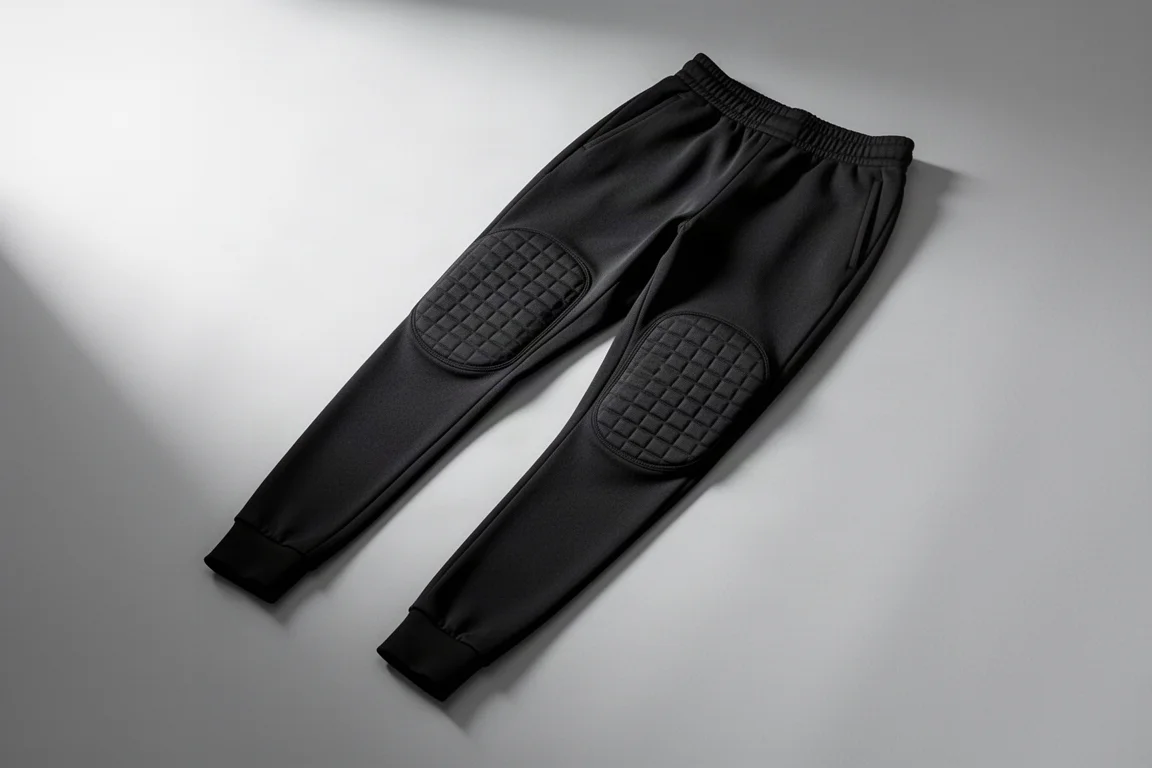
As temperatures drop further, thin tights under unlined running shorts come next, followed by thicker full tights worn on their own. When full tights are no longer enough, a jogger pant steps in.
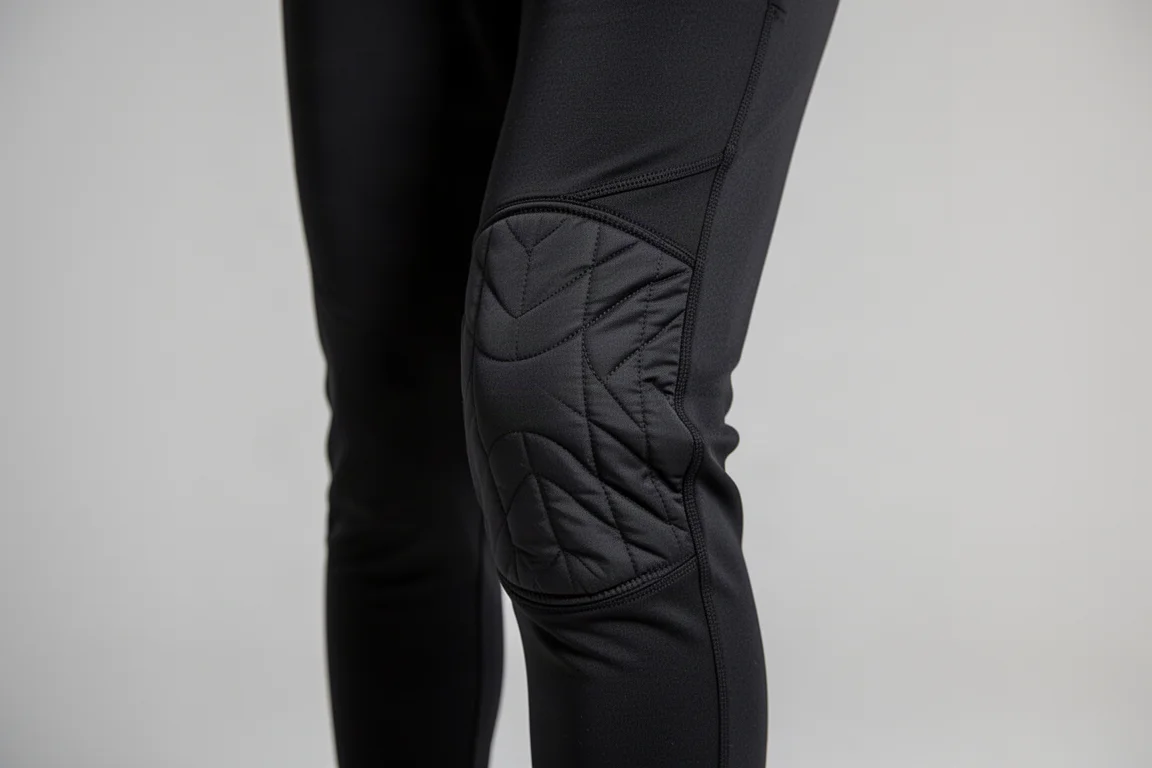
The favorite here is a pair of jogger pants from Craft. They are made from a nice, stretchy material and are relatively form-fitting, especially from the knee down. The key feature is a padded front panel that covers the lower thigh up past the knee, shielding one of the most wind-sensitive areas when running in very cold weather. On the coldest days, these pants layer beautifully: thin tights underneath, tall socks, then the jogger on top. On sub-zero Fahrenheit days, the full stack is thin tights, shorts, then the jogger, keeping the critical torso and waist area warm.
Craft is a brand worth trusting here because its heritage spans apparel for runners, cyclists, and cross-country skiers, so the company clearly understands how to move well in winter.
Upper Body Layering: The Jacket That Handles the Worst Days
The torso follows a similar progression: singlet in summer, short-sleeve, then long-sleeve. Once real cold sets in, a double layer is the baseline, usually a moisture-wicking short-sleeve tech shirt under a pullover or long-sleeve. From there, a winter running jacket completes the system.
Winter-specific running jackets have a difficult job. They need to wick moisture away while keeping the elements out, two goals that pull in opposite directions. Modern fabrics make both possible, and the best example here is a Gore-Tex jacket from Gore, believed to be one of the Infinium models. The outer shell is waterproof Gore-Tex, while the interior uses Gore-Tex Infinium to let hot air and moisture escape. That breathability matters enormously in winter: damp fabric in cold air leads to evaporative cooling, and in extreme cases that moisture can actually freeze on your body, which gets deeply uncomfortable over a long run.

It is not the cheapest jacket, but there is a lot of technology packed in, and it is the one that gets reached for on long-run workouts and the toughest days out there. For easy runs, do not let the lack of a high-tech jacket stop you. A short-sleeve under a long-sleeve under a hoodie with a vest or regular jacket on top works fine, because easy-paced runs rarely generate enough sweat to become a problem.
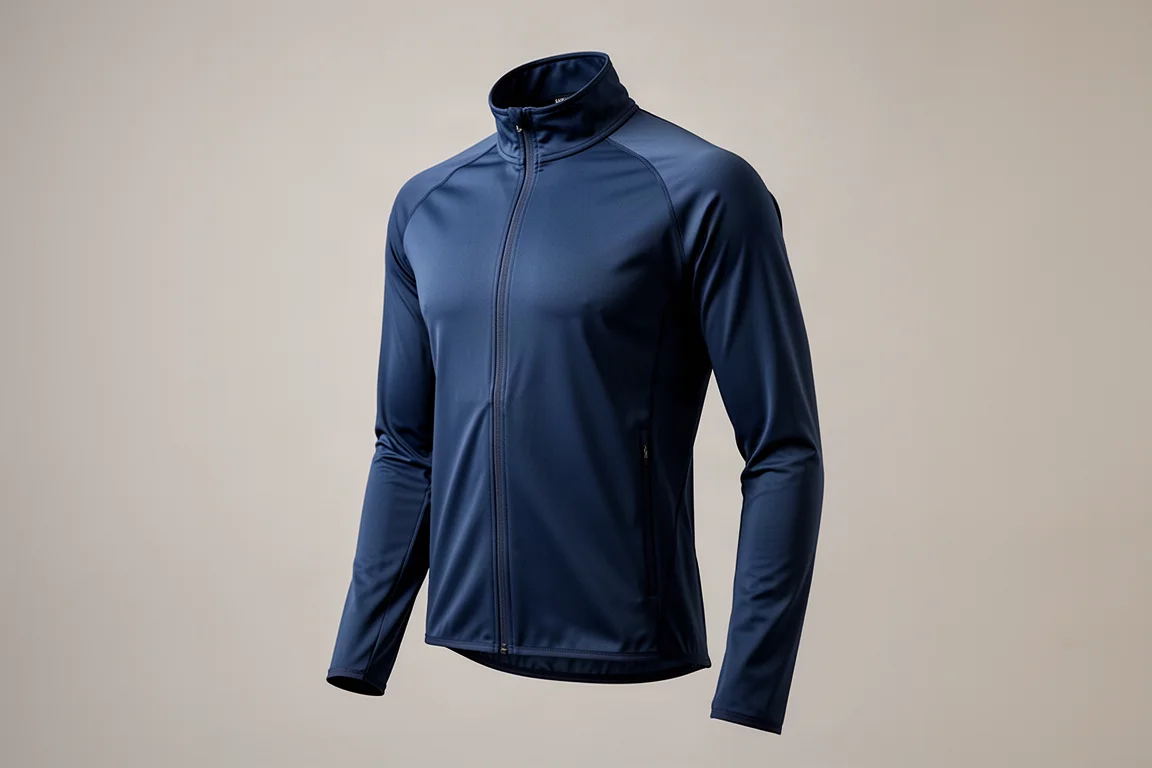
A quick note on strategy: there are few terribly wrong ways to layer. Some runners prefer to underdress slightly, but if you get cold easily, it is often better to overdress a little. Just watch out for getting super sweaty, because sweat plus cold winter air makes you very cold very quickly.
Hands First: Why Fingers Need the Most Protection
For many runners, fingers are the body part most affected by the cold, so hands deserve a deliberate progression. Start with thin, stretchy tech-material running gloves in the fall, then move up to running-specific mittens as it gets colder.
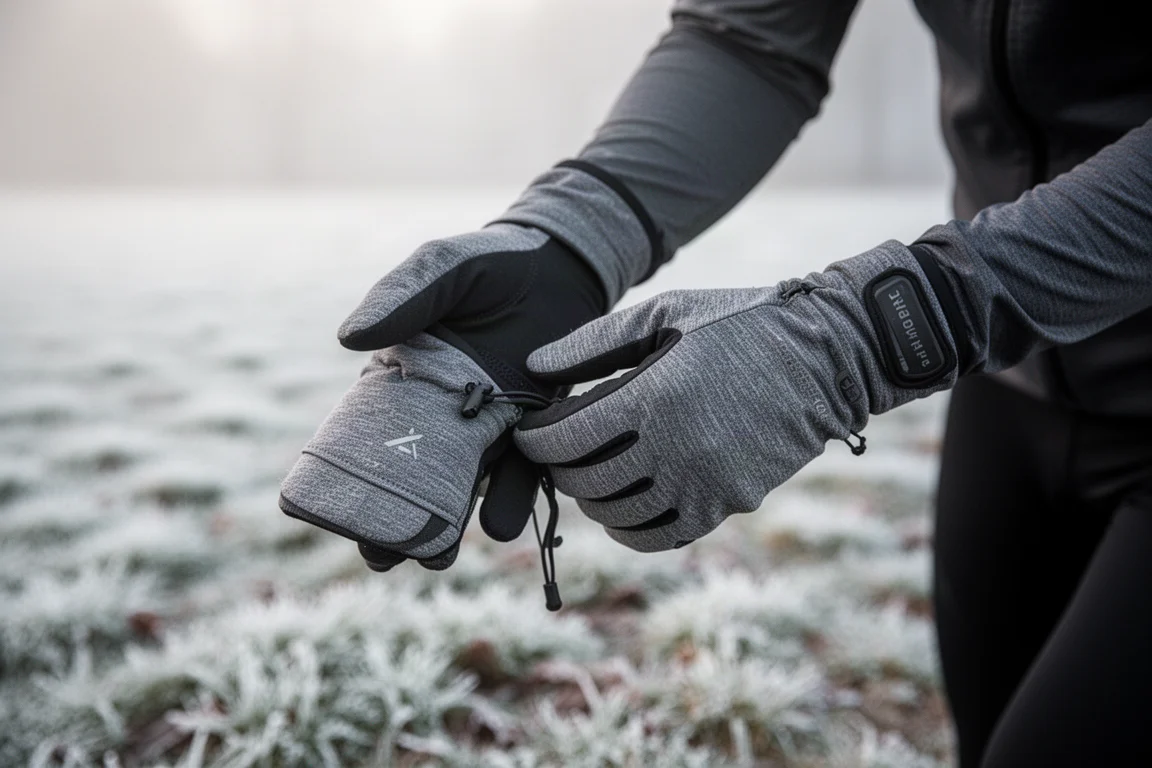
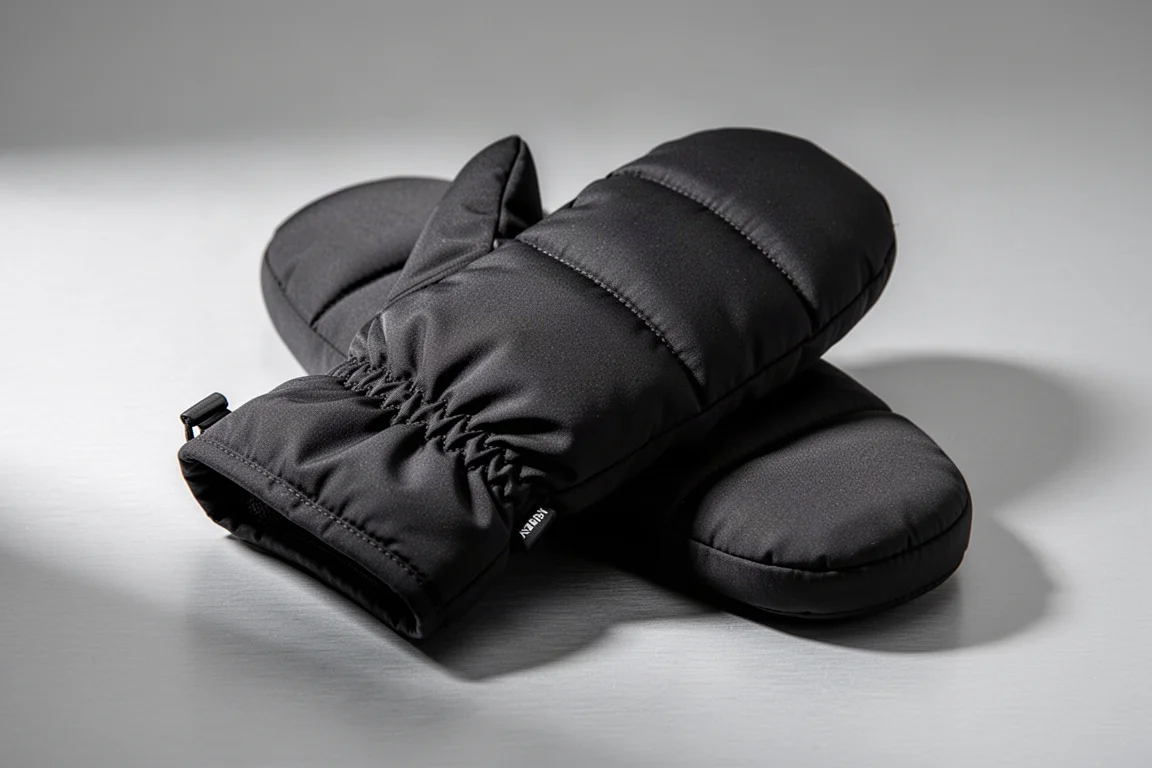
The favorite here is a pair of running mittens from Craft with extra insulation on the outer layer, the part that takes the brunt of the wind. There is still enough room inside to slip in a hand warmer, which extends the system: mitten with a hand warmer for cold days, then thin gloves plus a hand warmer plus the mitten for the truly brutal ones. That is three layers of warmth protection, and for cold-sensitive hands it is worth every layer.
Head and Neck: Simple Wins
The head is the easiest part of the kit. A hat or headband covers the warmer months, then a winter cap takes over. There is nothing special required in terms of fabric technology for most winter running; any warm hat will do, and ones picked up at races often become favorites. For hard workouts, something a bit more running-specific might earn its spot, but for easy mileage, comfort and warmth are what matter.
If the face gets cold, a buff is the answer. Worn over the mouth and nose, the thin layer traps warm, humid breath around the face and keeps it noticeably warmer on bitterly cold runs. Heavier fleece-lined neck gaiters tend to be unnecessary: the thin buff is usually enough, and anything thicker risks getting clammy with sweat around the neck, which can then freeze and become uncomfortable.
Overall Buying Advice
Build the system rather than buying everything at once. Start with the pieces that solve your most acute problem: socks and a hat if your feet and head suffer first, mittens if your hands do, a proper jacket if wind is the enemy. Then layer in the rest as your winter mileage grows. Four to five winters of running in a cold city like Chicago is plenty of time to accumulate a rotation, but the fundamentals never change: keep moisture moving away from your skin, keep the wind off, and stack thin layers you can adjust rather than one bulky piece. Prefer slightly overdressing to shivering through a run, and remember that sweat plus cold air is the combination to avoid.
Conclusion
Winter running does not require a closet full of specialized gear. A warm pair of over-the-calf socks, a wind-shielding jogger pant, a breathable but weatherproof jacket, and a mitten system with room for hand warmers cover the coldest conditions comfortably. Choose pieces that fit the layering progression, add them gradually, and cold weather stops being a reason to skip a run.
Further reading
Related Reviews

Running Gear
Best Running Caps 2026: Nine Tested Options for Summer and Winter
A comprehensive guide to nine running caps tested across different conditions, from lightweight summer options to waterproof winter choices.

Running Gear
Best Running Caps: A Guide to Summer and Winter Options
A comprehensive review of nine running caps for different conditions, styles, and preferences, from lightweight summer options to waterproof winter choices.
Running Gear
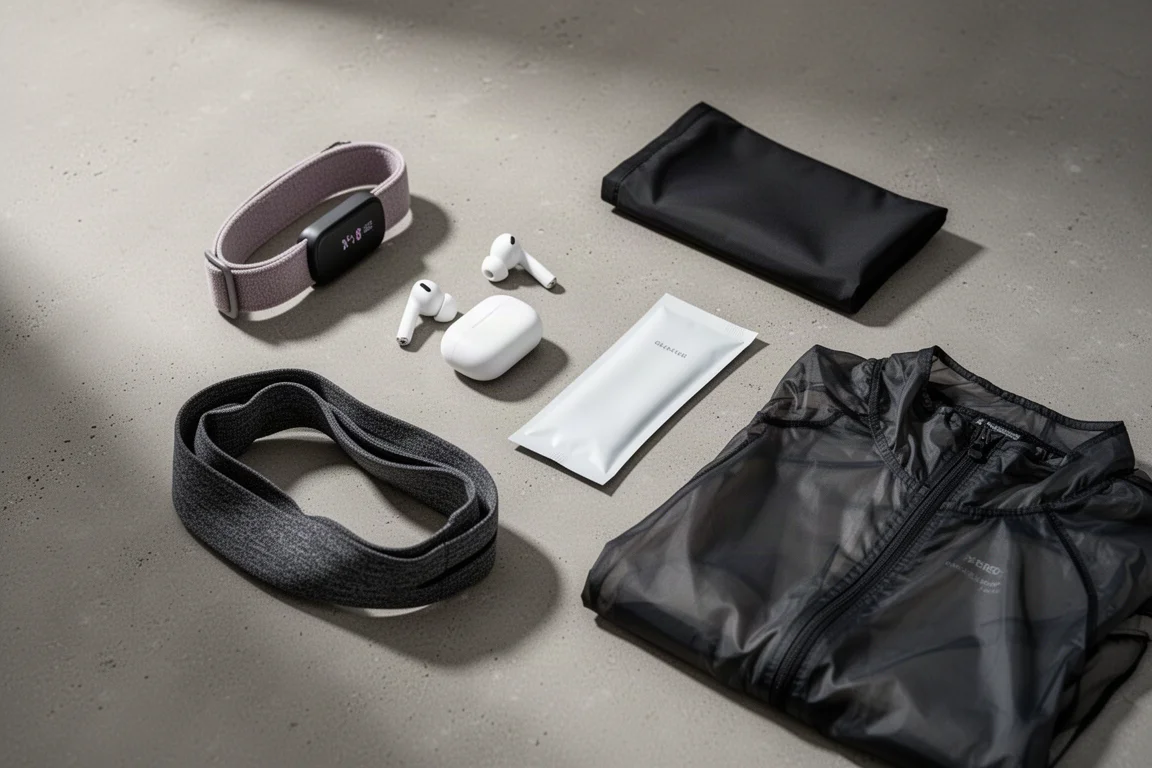
Best Running Gear 2026: Five Picks That Earn Their Place
Five running upgrades covering heart rate, audio, fuelling, carrying and weather protection, with the trade-offs worth knowing before you buy.