Telescopes
William Optics RedCat 71 Review: A Petzval Refractor Built for Astrophotography
A compact 71mm f/4.9 Petzval apochromat with a 44mm corrected imaging circle, tested under Bortle 7 skies on the California Nebula.
Introduction
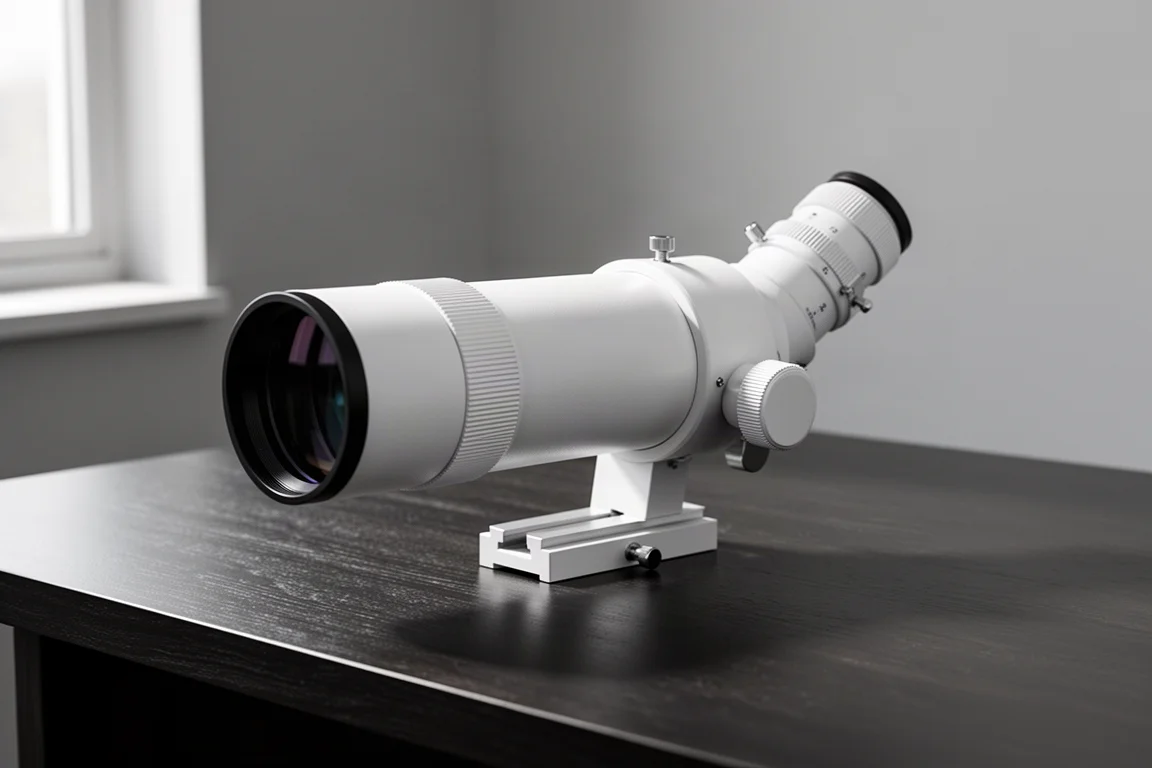
The William Optics RedCat 71 is the larger sibling of the well-known RedCat 51, a refractor designed for very wide-field astrophotography. The 71 is a different beast: a gorgeous Petzval design with more aperture, more focal length, and more resolution, while keeping the compact, travel-friendly form factor the RedCat line is known for.
We spent time imaging the California Nebula with it under Bortle 7 skies, and the experience was excellent. This review covers the optics, the mechanics, and the kind of data it produces in real-world conditions.
Optical Design and Key Specifications
The RedCat 71 offers 71mm of crystal-clear aperture, a 348mm focal length, and a focal ratio of f/4.9. The larger lens provides noticeably more resolution than the RedCat 51, making it a genuine step up for imagers who want tighter detail without giving up a wide field.
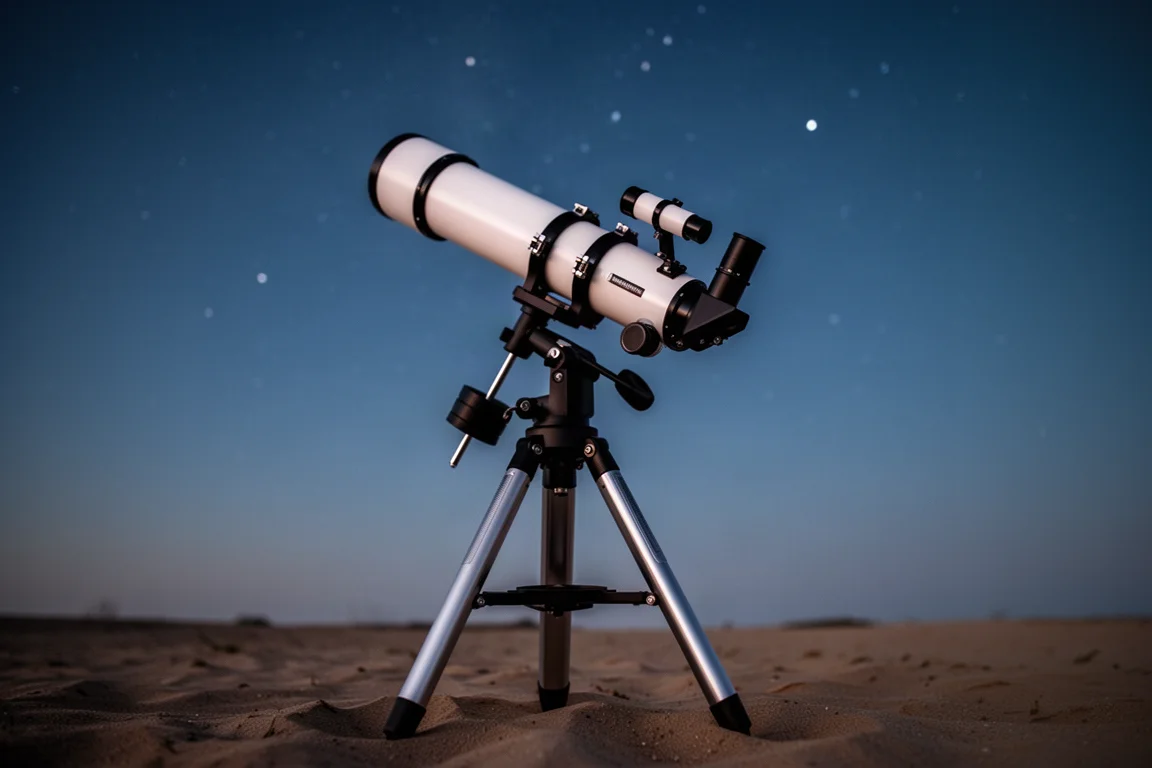
Perhaps the most appealing spec is the 44mm corrected imaging circle. Pair it with a micro four thirds sensor, as we did, and there is room to spare. It is practically inviting you to attach a full-frame camera for serious wide-field astrophotography.
Mechanics: Focuser, Rotator, and Accessories
The 71 uses the helical-style focuser that RedCat owners know well, and it operates smoothly with excellent build quality. William Optics has included 360-degree hash marks so you can precisely rotate your camera to frame a target, along with their patented Bahtinov mask for achieving prime focus quickly.
Weight-wise, the scope is compact enough that most dedicated equatorial mounts, and possibly even a sky tracker, can handle it. If you typically image with a big Newtonian, the RedCat 71 makes an ideal companion small refractor.
Testing the RedCat 71 on the California Nebula
To put the scope to work, we imaged the California Nebula, an emission nebula, from Bortle 7 skies during a waxing gibbous moon. Narrowband filtering was essential under those conditions.
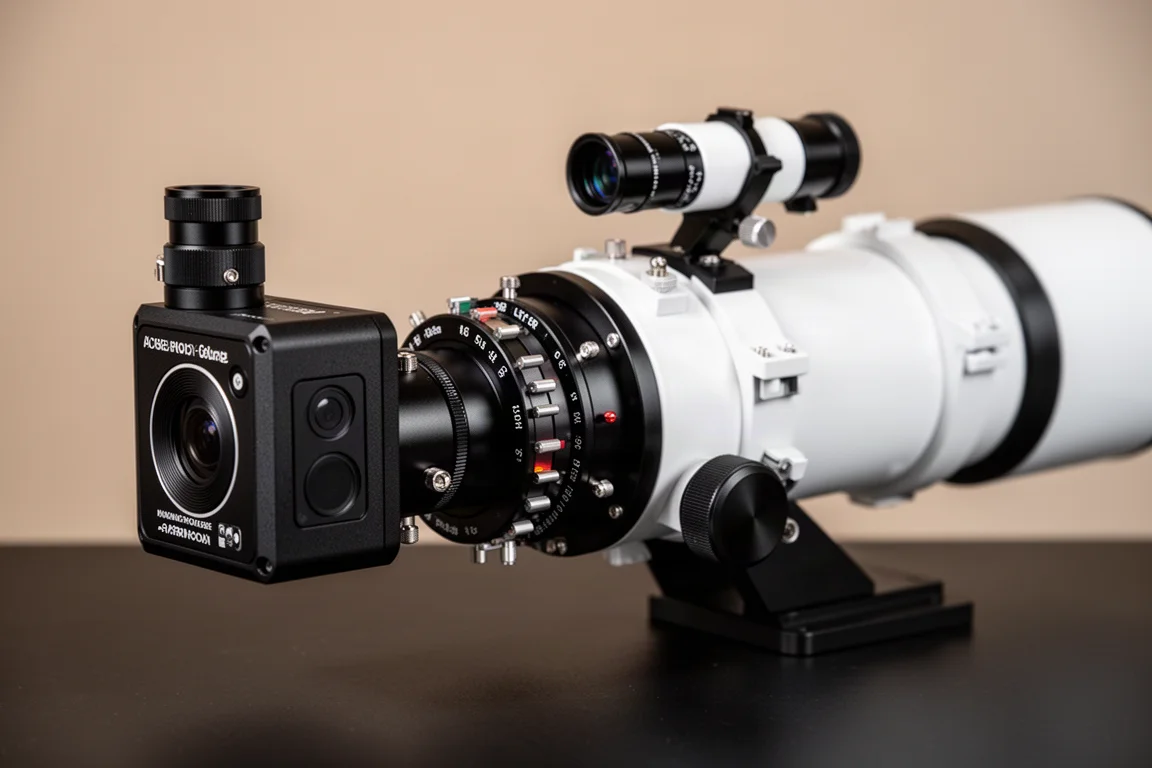
The imaging train consisted of the RedCat 71, an ASI294 monochrome CMOS camera, a ZWO filter wheel with 3nm narrowband filters, a QHY 30mm mini guide scope, and a QHY5L2 planetary camera.
A quick reality check on the data collection itself: three nights at a dark sky site failed completely, and it took five additional nights from a backyard to gather around 12 hours of usable data. Astrophotography is not always sunshine and rainbows, but it is always rewarding, and the RedCat 71 was never the bottleneck.
Image Quality and Data Results
A single 600-second hydrogen alpha subframe, auto-stretched, showed an impressive amount of detail, dust, and data. Stacking roughly six hours of hydrogen alpha produced incredible detail with pinpoint stars from corner to corner of the frame. That corner-to-corner performance is exactly what you want to see from a Petzval design paired with a larger sensor.
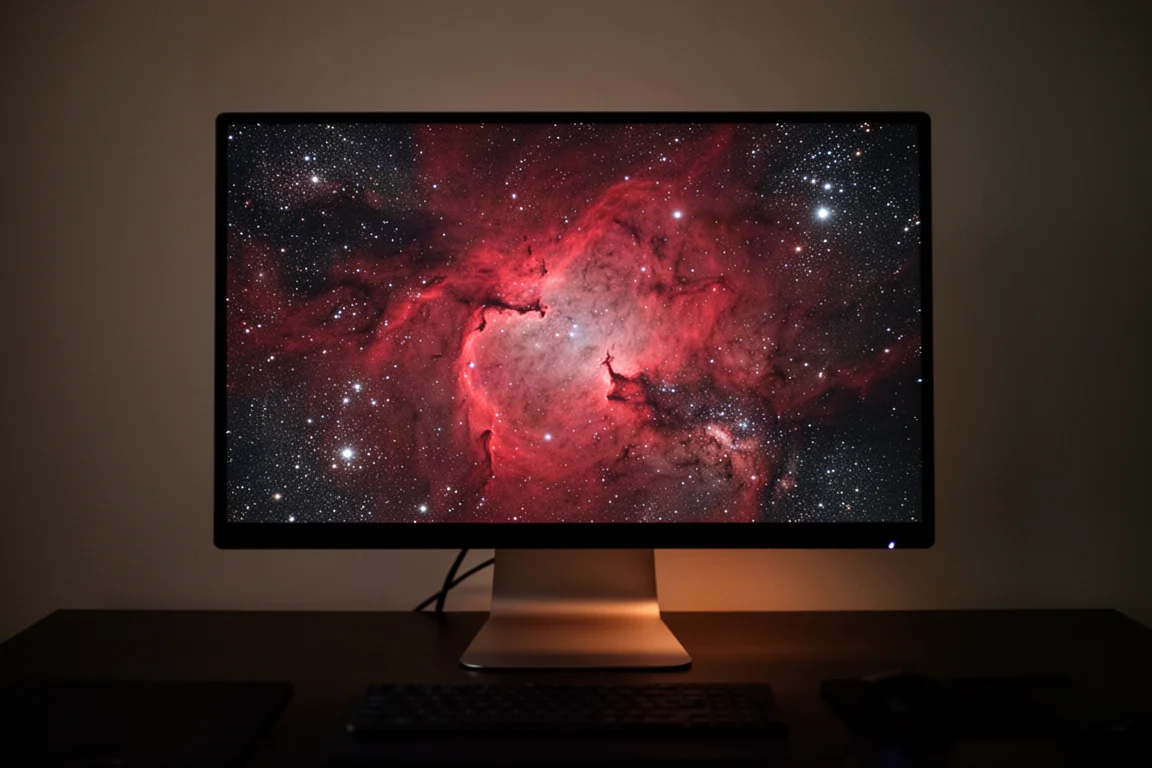
Oxygen III was a different story: about four hours of data showed hardly any oxygen emission in this nebula, likely needing 10 to 15 hours total to really bring out that signal, with the moon playing a role. Sulfur II data, collected during the full moon, looked noticeably better than the oxygen data though not as strong as hydrogen alpha, and it arrived riddled with moon-related gradients. With post-processing and gradient removal, the final image came together well. Ideally, around 10 hours per channel would be the target.
Who This Scope Is For
The RedCat 71 is made with the astrophotographer in mind. The rotator and focus ring are thoughtful touches, the dovetail handle is extremely convenient, and the pristine lenses are gorgeous to gaze upon. If your focus is wide-field imaging with a compact, mount-friendly scope, this is squarely your instrument.
Things to Consider Before Buying
The hydrogen alpha performance was exceptional, but faint narrowband channels like OIII demand long total integration under challenging skies, moonlight included. That is a target and conditions issue more than a scope issue, but it is worth planning your imaging projects around it. Also confirm your mount can comfortably carry the system; while compact, the full imaging train adds up.
Build Quality and Everyday Handling
The build quality is bar none: the smooth helical focuser, the precise rotation markings, and the machined dovetail handle all feel considered rather than added on. Small features like these make long imaging sessions noticeably more pleasant, from framing the target to swapping cameras.
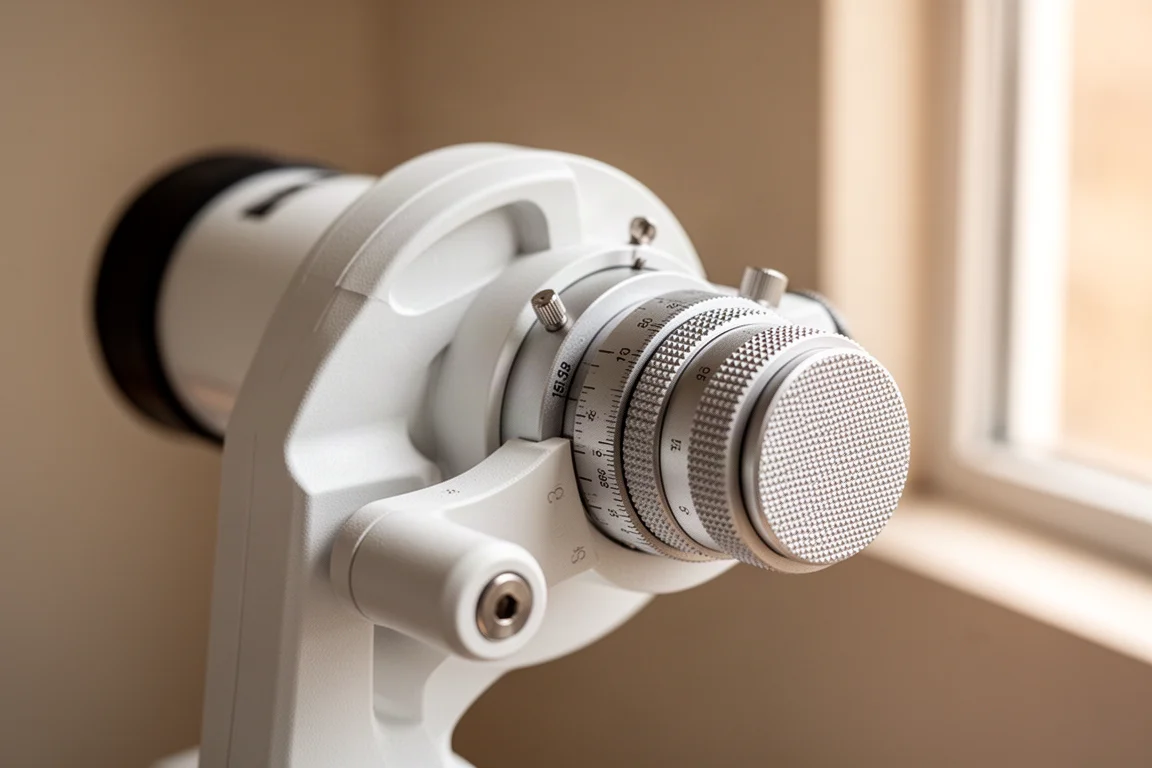
It is a scope that invites you to set it up, frame carefully, and let it run, which is exactly what a dedicated imaging refractor should do.
Buying Advice
If you already own a RedCat 51 and want more resolution while keeping the wide-field character, the 71 is a natural upgrade. If you are choosing a first dedicated imaging refractor and have a mount that can carry it, the 44mm imaging circle leaves you room to grow into larger sensors later.
Conclusion
The William Optics RedCat 71 is a genuinely impressive telescope: sharp optics with pinpoint stars across the field, excellent build quality, and astrophotographer-focused details throughout. Under tough Bortle 7 and moonlit conditions it still delivered data worth processing, which says a lot. For wide-field astrophotographers, it is an easy scope to recommend.
Product link
View more details for William Optics RedCat 71
This product is mentioned in the review. Check the specifications, options, and compatibility before buying.
View more details for William Optics RedCat 71Further reading
Related Reviews

Telescopes
Sightron SJ75 UF and Sky-Watcher HS125: Two Telescopes Worth Watching
A look at two notable telescopes from a recent camera and optics expo: a sharp new astrograph from Sightron Japan and a compact fast reflector from Sky-Watcher.

Telescopes
SV503 102ED Review: A Budget 102mm Refractor That Surprises
The SV503 102ED is an affordable 102mm doublet refractor that delivers surprisingly decent star shapes and a smooth focuser, despite some chromatic aberration and light falloff.

Telescopes
SVBony MK127 Review: A Compact Maksutov-Cassegrain That Surprises
The SVBony MK127 is a 127mm Maksutov-Cassegrain telescope with a unique 0.65x reducer, making it a versatile option for visual astronomy and even some deep-sky imaging.