Hand Tools
Wiha 8-in-1 1000V Wire Stripping Pliers vs Knipex Forged Wire Strippers: Which Should You Buy?
A close comparison of two 1000V-rated wire stripping pliers, including cutting performance, insulation safety, and price differences worth knowing before you buy.
Introduction
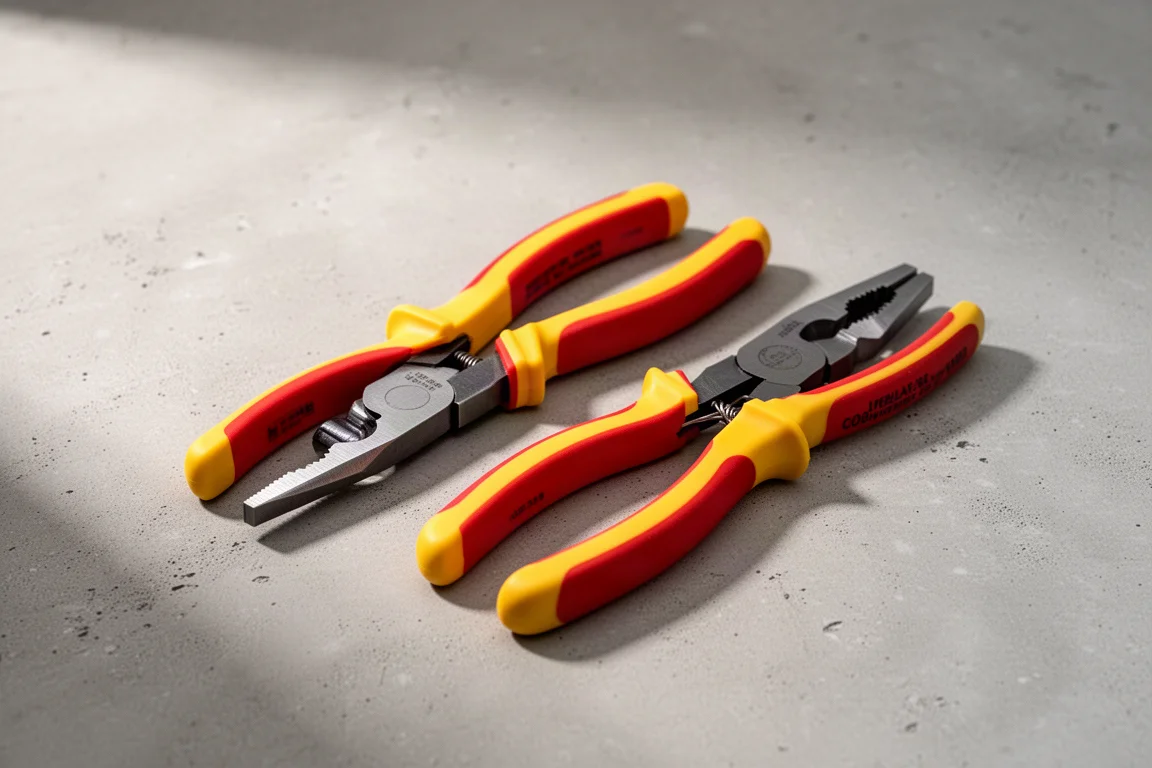
Insulated wire stripping pliers are one of those tools where prices vary wildly for what looks like nearly the same product. Two examples stand out: the Wiha 8-in-1 1000V Wire Stripping Pliers, found online for around $37.53, and the Knipex forged wire stripping pliers, which typically run between $70 and $90 depending on the handle and finish. Some Knipex specialty listings even approach or exceed premium tool-truck pricing, and one exact-looking Wiha plier appears on Amazon for as much as $123. That price spread makes a side-by-side look worthwhile.
The Wiha 8-in-1 1000V Wire Stripping Pliers
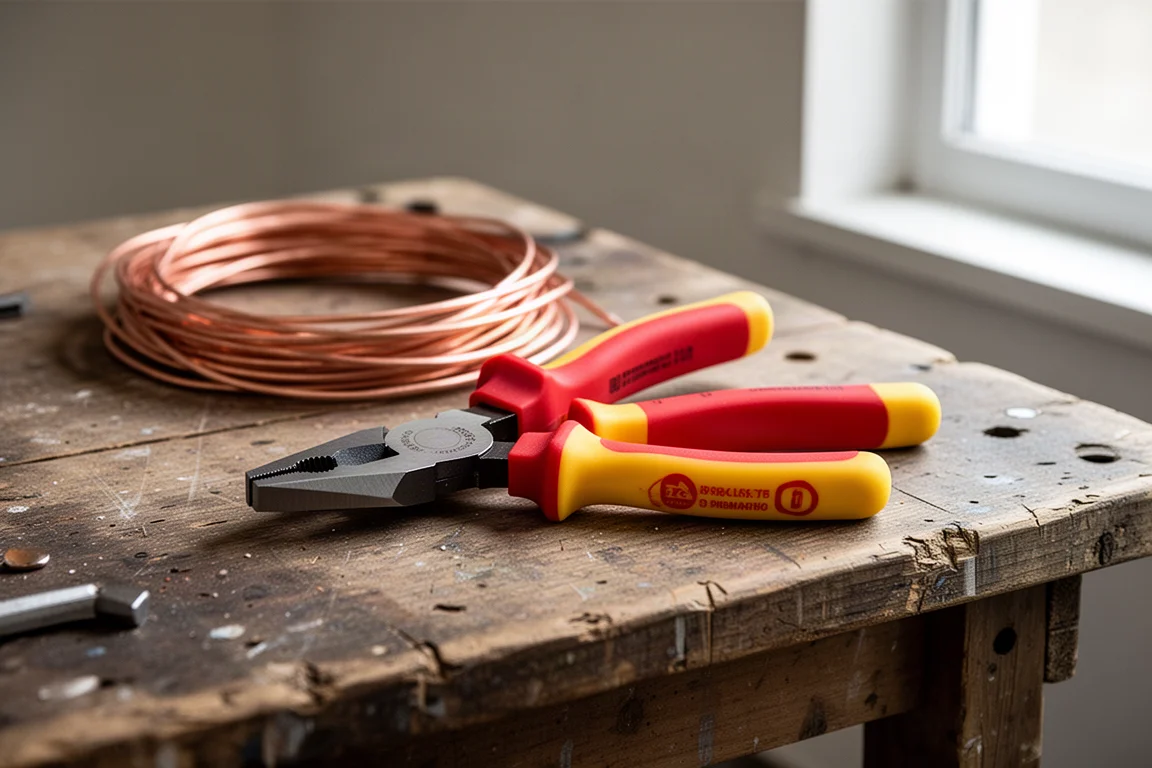
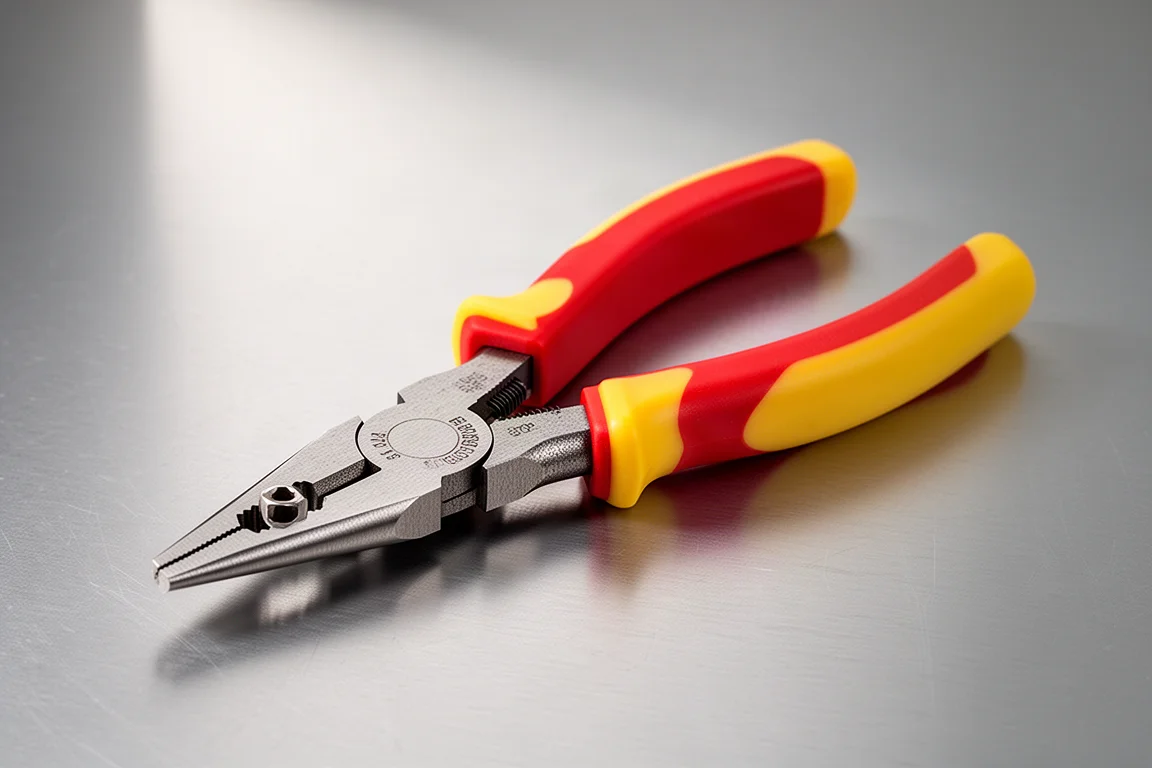
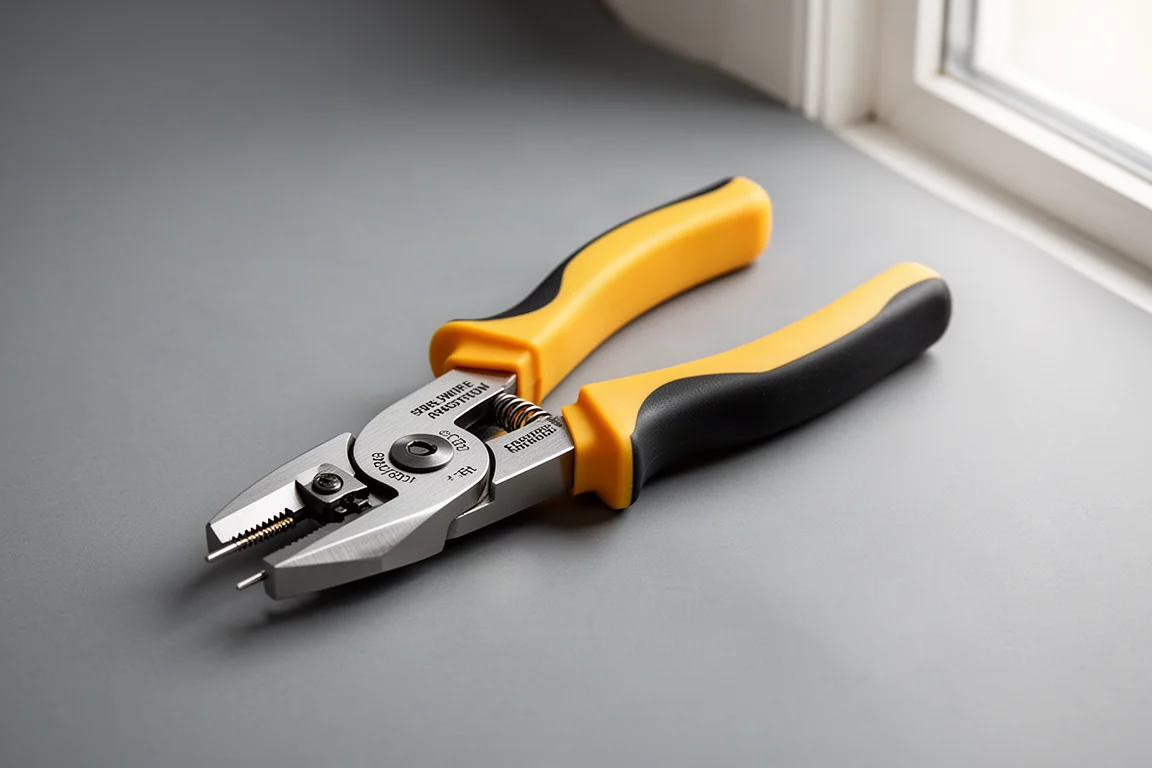
The Wiha 8-in-1 1000V Wire Stripping Pliers arrive in simple plastic packaging, marked as an 8-in-1 tool with a 1000V rating and a Black Forest Germany affiliation on the box. The build shows a unique unbuffed finish with a slight texture to the metal, which can be rubbed off with a rag as a final finishing step. The laser-etched Wiha branding is noticeably deep, and the handles read “Professional Electric” where other Wiha pliers read “Industrial Electric.”
One quirky detail: the pliers are not shipped spring-loaded, but a separate spring is included. You can push it into place to enable the spring action, or pop it out if you prefer to work without it. It is a mundane solution, and the spring is not very strong, but it is optional either way.
The Knipex Forged Wire Stripping Pliers
The Knipex forged wire stripping pliers are more of a dedicated stripper, with a slightly different cutter and different tips compared to the Wiha. Current pricing generally sits in the $70 to $90 range depending on handle style and finish, with several versions available. In comparison, the Knipex tips are the finer option within the Knipex lineup, often serving as a transition tool before reaching for a dedicated needle-nose stripper.
The Wiha tips are actually a little finer still, and the two tools differ in how the front end grabs things: the Wiha has a hex-style nut-grabbing section at the front that the Knipex handles a bit differently. The handles themselves are very close in design and feel, with no noticeable difference in comfort.
Cutting and Stripping Performance
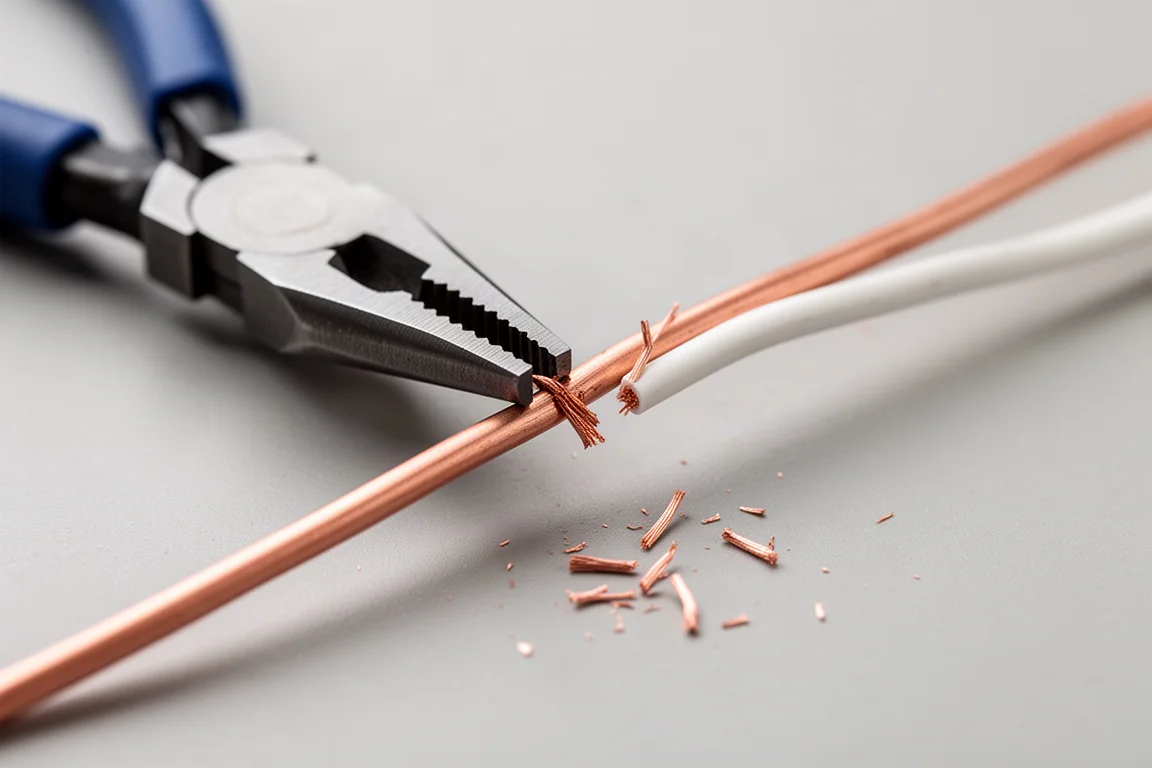
Cutting old Romex, both tools snip just fine. The Knipex is maybe a touch easier, but nothing significant. In stripping, results were good: starting blind on millimeter-sized wire markings and eyeballing the position, the Wiha pulled clean insulation off with a proper squeeze. One early attempt left a slight nick in the wire, but repeated attempts produced really clean results.
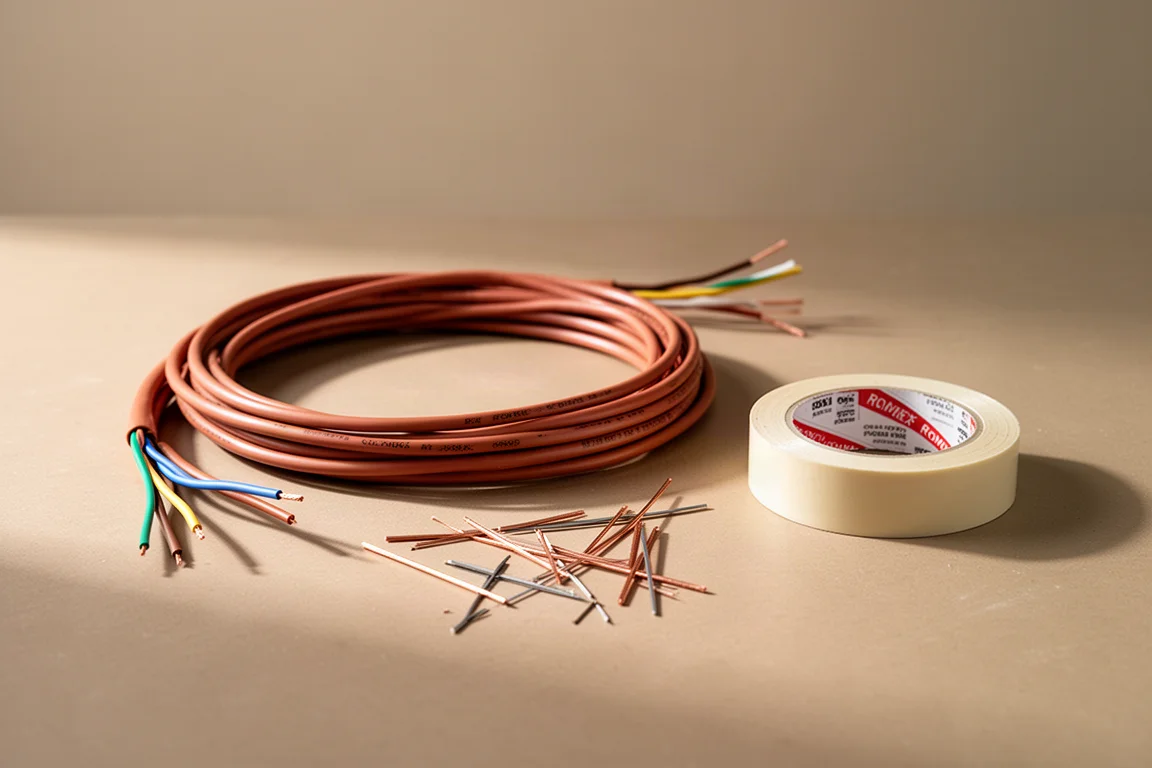
An interesting observation during testing: wire gripped in the jaws could slip off more easily than expected on one pass, requiring a firmer squeeze. It is not a dealbreaker, but worth knowing if you are used to the grabbier feel of other designs.
Handle Comfort and Safety Testing
The Wiha handle design is a favorite style, and it feels the same as the other Wiha 1000V-rated pliers in the same family. Certification markings on the inside of the handles appear consistent with the other Wiha tools, even if the font is slightly different.
On the insulation side, the pliers were tested with a voltage testing machine. No shock could be felt through the handles, aside from a single arc that popped out once. For a tool at this price point, that is reassuring, though anyone buying a budget 1000V-rated tool should always want to verify the markings and test carefully before live work.
Which One Is Right for You?
If you like this style of plier but are not ready to spend the full amount on the Knipex, the Wiha is a genuinely usable alternative at around a third of the typical Knipex price. The cutting and stripping performance held up well in testing, and the insulation performed as expected.
If you already know you want the dedicated Knipex stripper and its slightly easier cutting feel, the premium version is out there at the usual prices. Both tools are close enough in design that the decision mostly comes down to budget and whether you prefer a dedicated stripper or a more general 8-in-1 configuration.
Conclusion
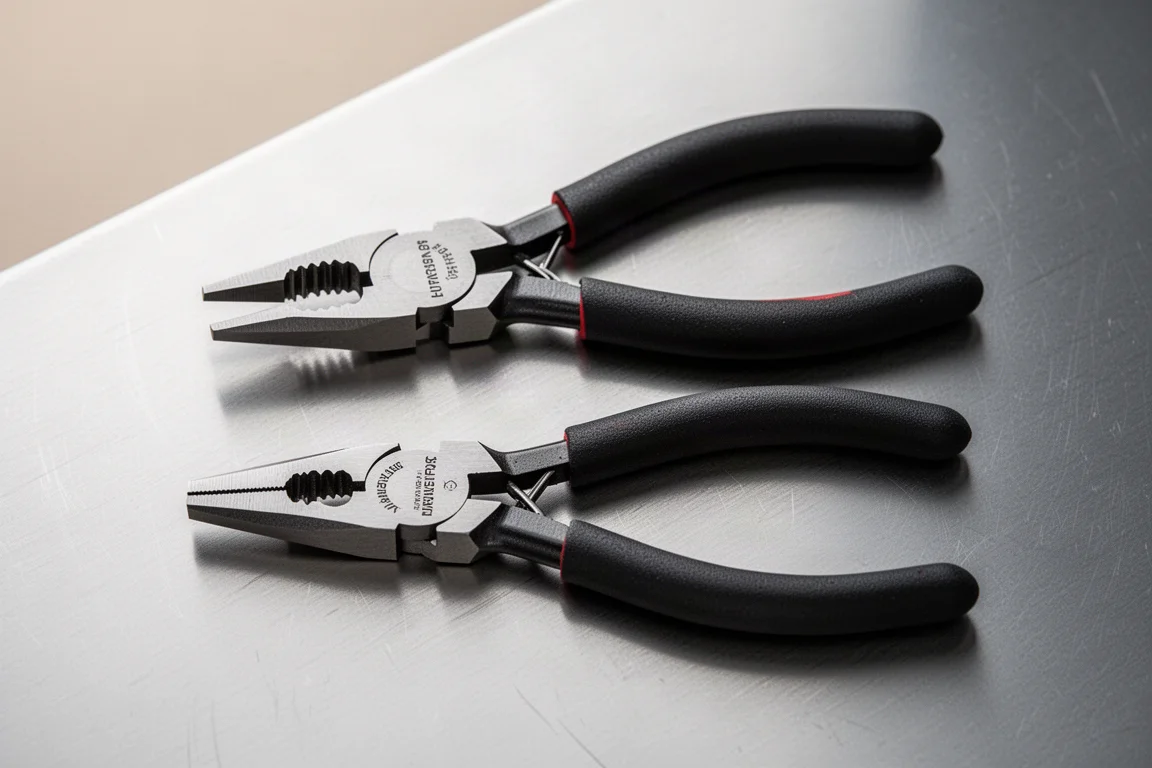
The Wiha 8-in-1 1000V Wire Stripping Pliers deliver solid cutting, clean stripping, convincing insulation markings, and a comfortable handle for a fraction of the Knipex price. The Knipex remains the refined, dedicated option with a touch easier cutting. Match the tool to your budget and how often you reach for it, and either choice makes sense.
Further reading
Related Reviews
Hand Tools
Best Diagonal Cutters 2026: 16 Pliers Tested for Cutting Power and Durability
We put 16 diagonal cutters through nail, screw, drill bit, and hex key tests to find the best value picks for your toolbox.
Hand Tools
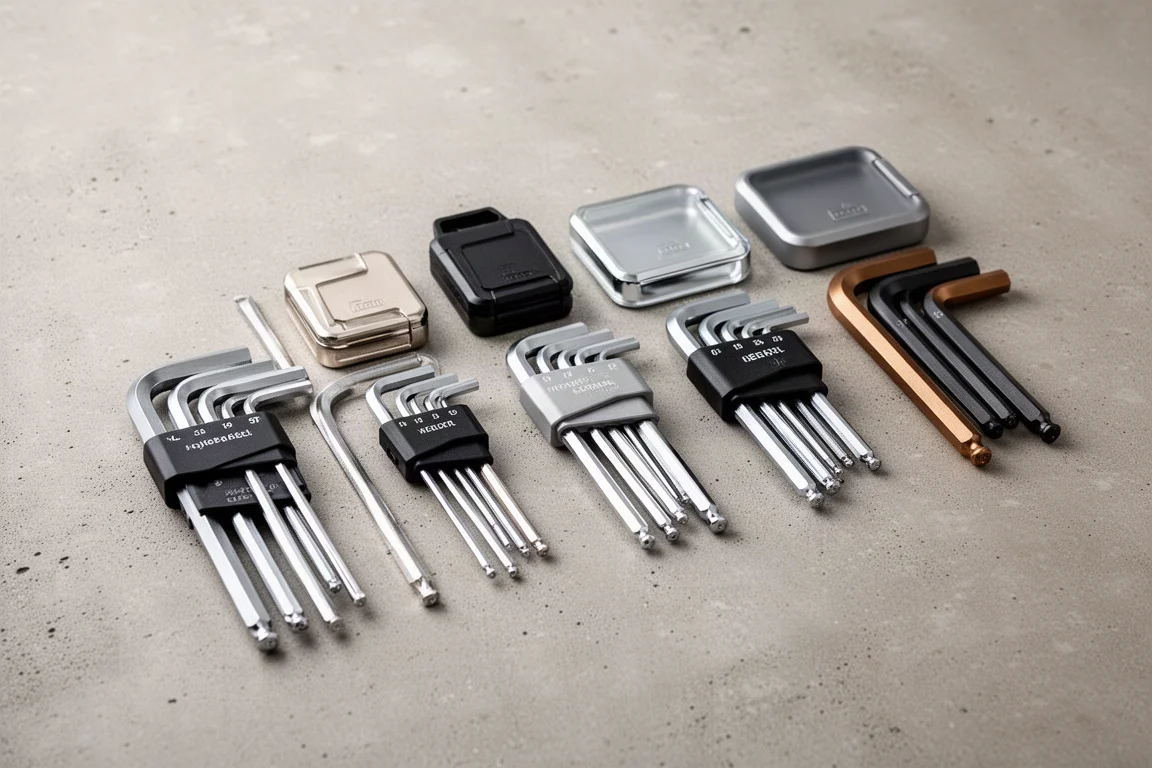
Best Hex L Key Sets 2026: Nine Sets Tested for Real-World Torque
Nine hex L key sets from budget to premium, tested for torque, fit, and durability. See which sets deliver real performance and which ones to skip.
Hand Tools
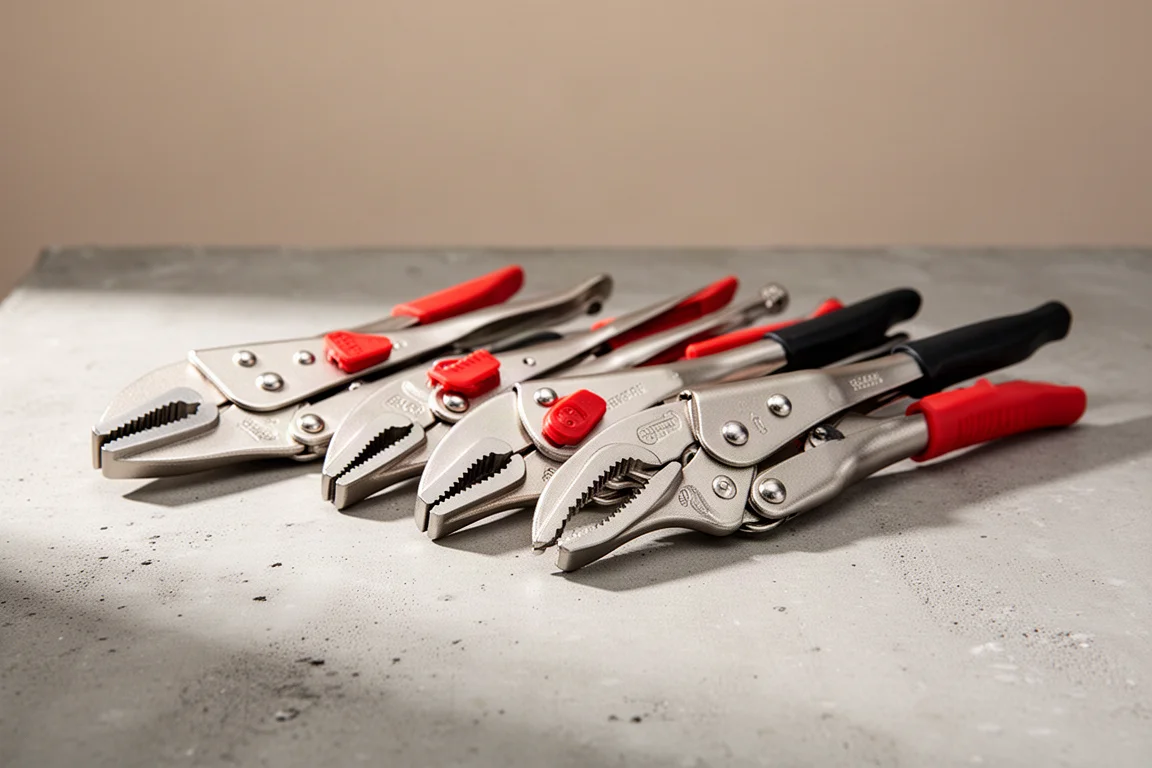
Best Locking Pliers 2026: Top Picks Tested for Grip and Durability
We tested 18 brands of 10-inch locking pliers for grip strength, jaw bite, build quality, and ease of release to find the best options for tough jobs.