Hand Tools
Wiha Super Cut Side Cutter Review: One Button, Two Pairs of Pliers
A dual-pivot side cutter that switches between standard and high-leverage modes at the push of a button, plus how it compares to the Crescent and NWS cutters.
Introduction
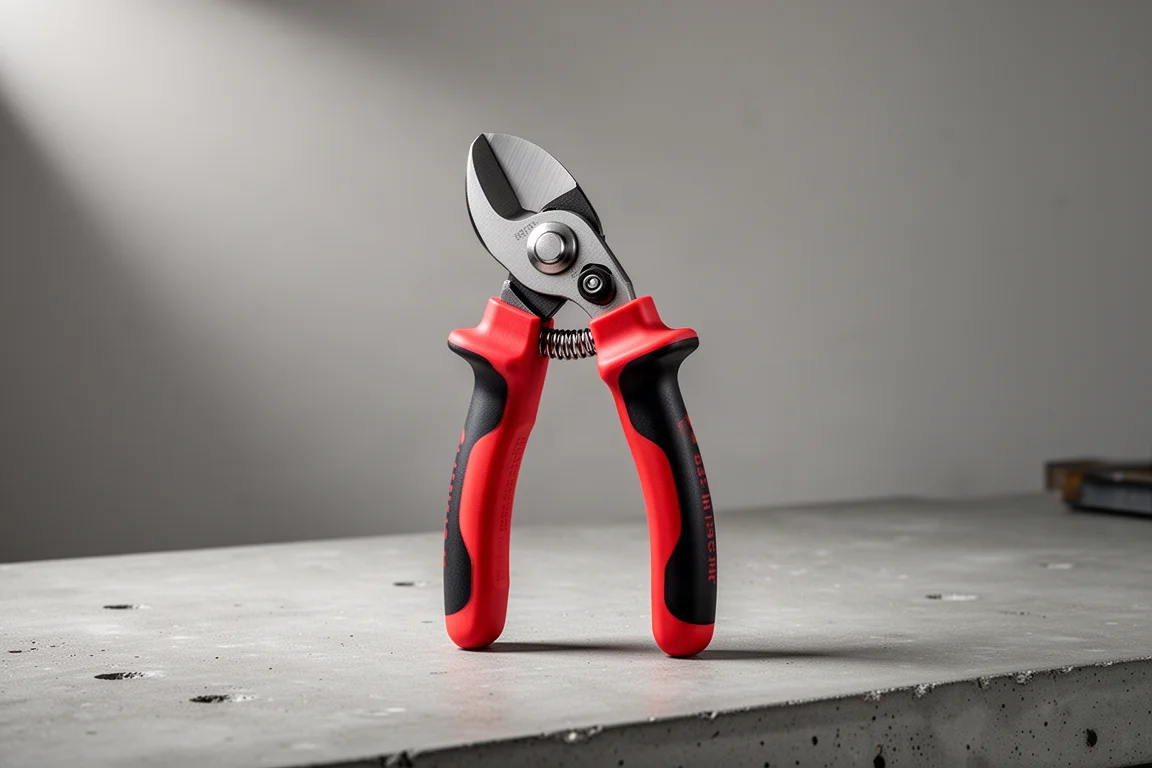
Some tools earn their spot by doing one thing well. The Wiha Super Cut with the insulated industrial handle tries something different: it wants to be two side cutters in one. Push a button and it shifts from a standard proportional side cutter into a high-leverage mode that needs noticeably less hand strength. For a shop that already has a drawer full of pliers, that sounds almost too clever, so it is worth a close look at what the mechanism actually does, where it helps, and where it does not.
The claims on the tag are bold. The patented DynamicJoint is said to require 40% less force, the packaging mentions up to 50% less hand strength required, and there is a hanging tag suggesting far higher power numbers, with marketing imagery showing it cutting a chain. Treat those numbers as marketing until proven otherwise. What matters is how the tool behaves in the hand, and that is where this cutter genuinely stands apart.
Who This Product Is for
This is a tool for people who want one large side cutter that can still behave like a nimble one. In standard mode, the jaw opening and dexterity feel like a normal proportional cutter, which makes everyday wire work easy and predictable. When you hit something tougher, such as a screw, a bolt, or a nail, you drop it into power mode and the leverage multiplies.
It also makes sense for anyone whose hand strength is not what it used to be, or for anyone cutting a lot of hard material in a day. If you only snip soft copper wire occasionally, a plain high-leverage cutter will do the same job for less money. The switchable design pays off when your cutting needs vary.
Main Strengths
The headline feature is the dual-pivot design. There is a main pivot near the head, and when you deploy the power button, the mechanism locks into a second pivot point lower down, turning the handles into essentially one rigid lever. It works in a similar spirit to Snap-on’s high-leverage slip-joint pliers, except those force you into one mode or the other. Here you can turn high leverage on and off, which is the whole point.
The handle deserves its own mention. The insulated industrial-style handle is genuinely comfortable and fits well in the hand, which matters in a tool you squeeze all day. Wiha tools are designed in Germany under Wiha Tools USA, though this pair is manufactured in Vietnam, which is worth knowing if country of origin factors into your buying decisions. Availability has been improving at stores like Lowe’s, so they are not hard to track down. At roughly the $30 range, the price is quite reasonable for what it offers.
The Dual-Pivot Design
In proportional mode, this behaves like the side cutter you already know. Hit the button and the pivot relocates, changing how the handles transfer force to the jaws. The tag that ships with it claims the DynamicJoint requires 40% less force, and separately states up to 50% less hand strength required across two pairs of pliers.
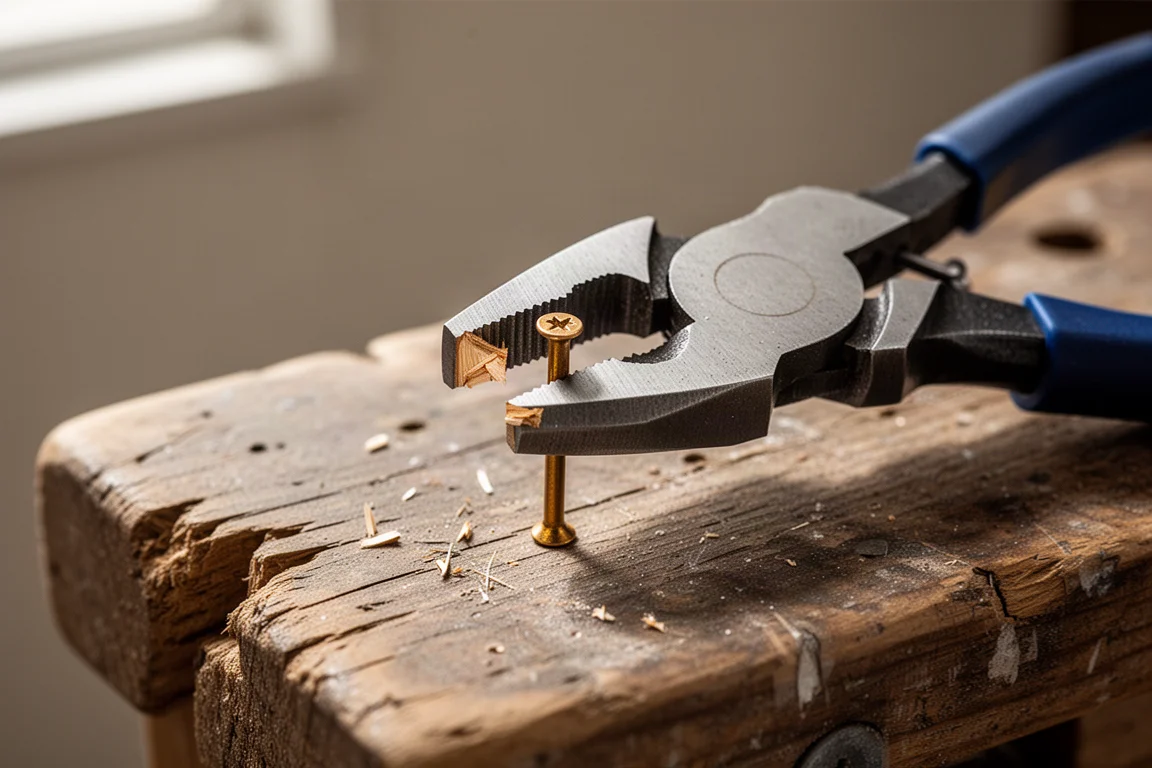
There are trade-offs baked into any design that tries to serve both modes. More moving parts means more to line up, and if the mechanism is caught halfway it can lock the plier in an unintended state. It seems sturdy, and a knock could theoretically knock the pivot out of position, but in normal use this has not been a problem. The extra complexity is the price you pay for owning one large pair of pliers instead of two specialized ones.
How It Compares to the Crescent
The Crescent high-leverage side cutter takes a different route. It is also a high-leverage design, it is spring loaded, and it is inexpensive, typically under $20. Because of the spring, you do not need a finger inside the handles to control the opening, so you can choke up on it or go to full extension and still keep control.
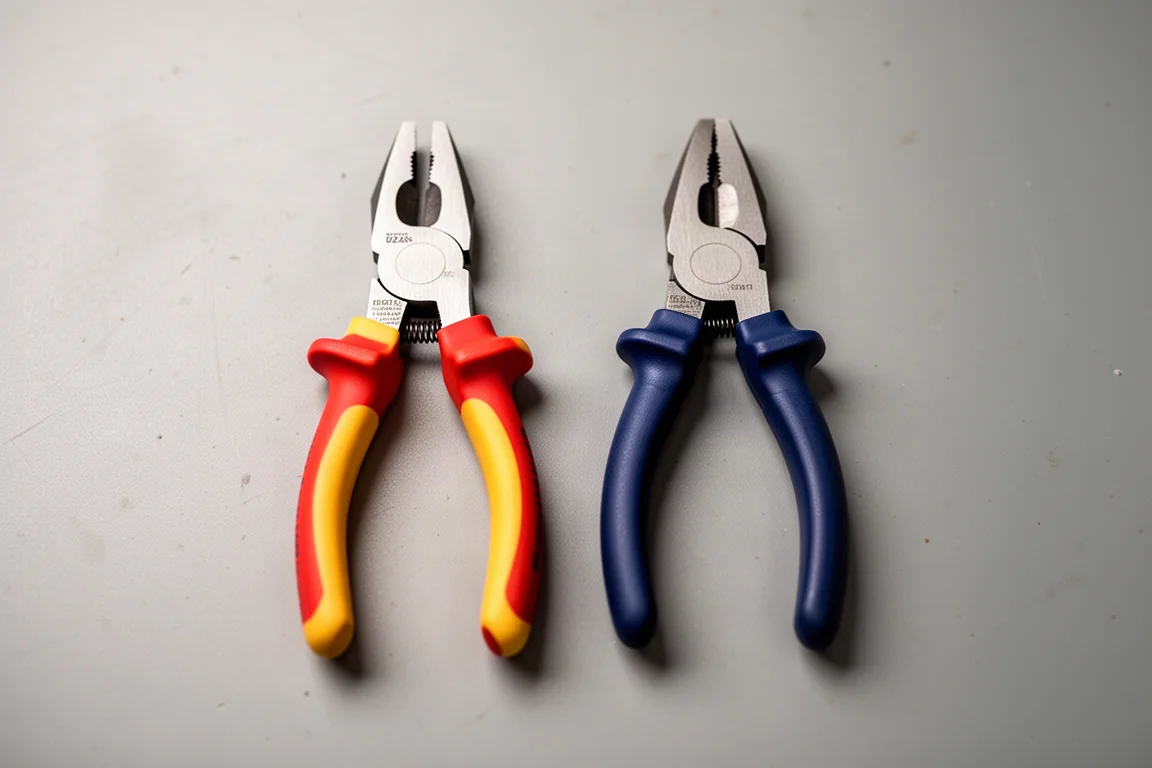
Its weakness is the opposite of the Wiha’s. If you let go, it flips all the way open, and a small securing nub that is supposed to hold it within its detent range wears down over time. Once that happens, the handles fly open and you have to close them manually. It is a little under-engineered, though at that price that is what you expect. As a sacrificial, beat-around cutting tool, it snips nails cleanly and quietly with a fairly muted cut.
How It Compares to the NWS
The NWS side cutter represents the traditional high-leverage approach. Look closely at the joint and you can see it takes a lot of handle movement for very little jaw movement. That is the nature of extreme leverage, and the Wiha in power mode behaves the same way.
The practical consequence is control. With a conventional high-leverage cutter, the small comfortable grip range means you often have to let go of the tool to fit something larger between the jaws, then regrip before cutting. Snipping a nail all day is easy on the jaws, but holding and positioning the tool is the hard part. The Wiha sidesteps that by letting you do the fine work in standard mode and only engaging power mode when the jaws are already on the material.
Cutting Performance
Cutting is where this design earns its keep. In power mode, a common nail snips off easily, the cut feels fairly soft and muted, and the nail end does not go flying across the room the way it does with a conventional high-leverage cutter or a standard side cutter, which can launch clippings impressively far.
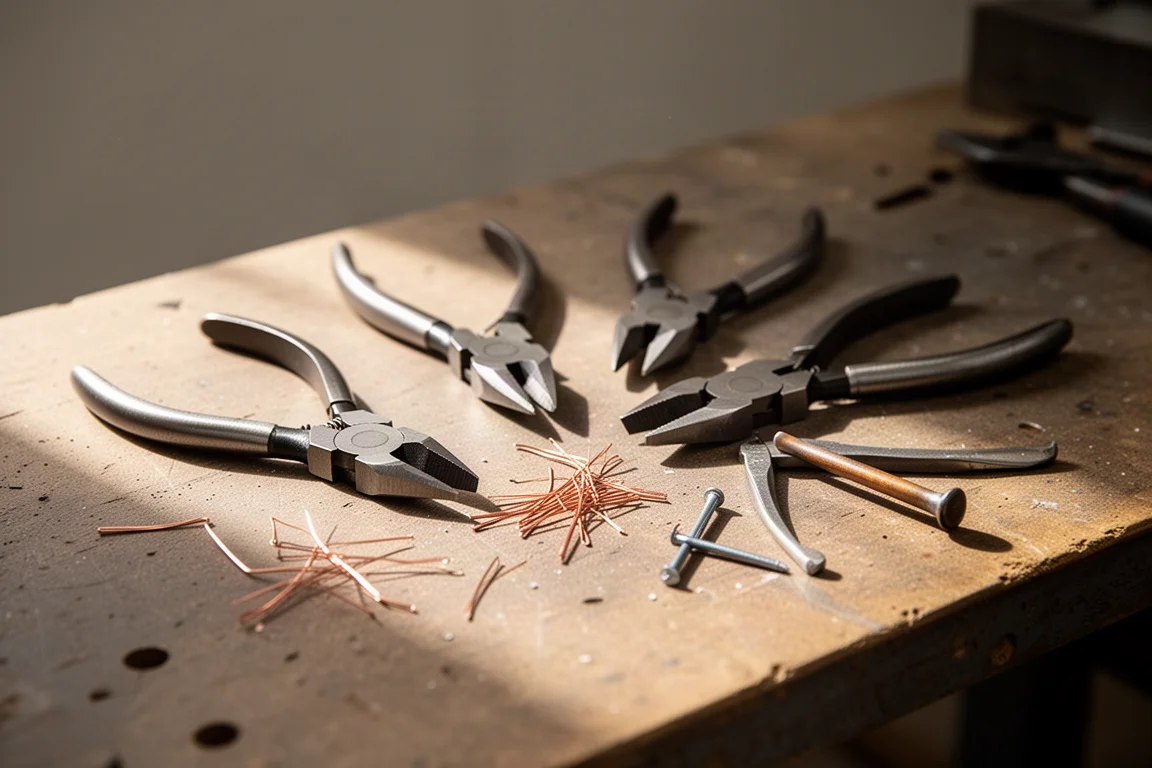
On a small chain, the marketing tag shows the tool cutting one, and a very small chain of about the same gauge seems plausible. Would you want to make a habit of it? Probably not. As always, use the right tool for the job: stranded wire and cable belong in a proper cable cutter, not diagonal jaws. For soft wire, the Wiha in standard mode is easy and precise; for nails, screws, and bolts, the power button is genuinely useful.
Things to Consider Before Buying
The main limitation is inherent to switchable high-leverage designs: designing handles for both standard and extra leverage means compromises somewhere. The mechanism adds moving parts, and the power-mode jaw movement is small, so big openings require repositioning just like any high-leverage cutter.
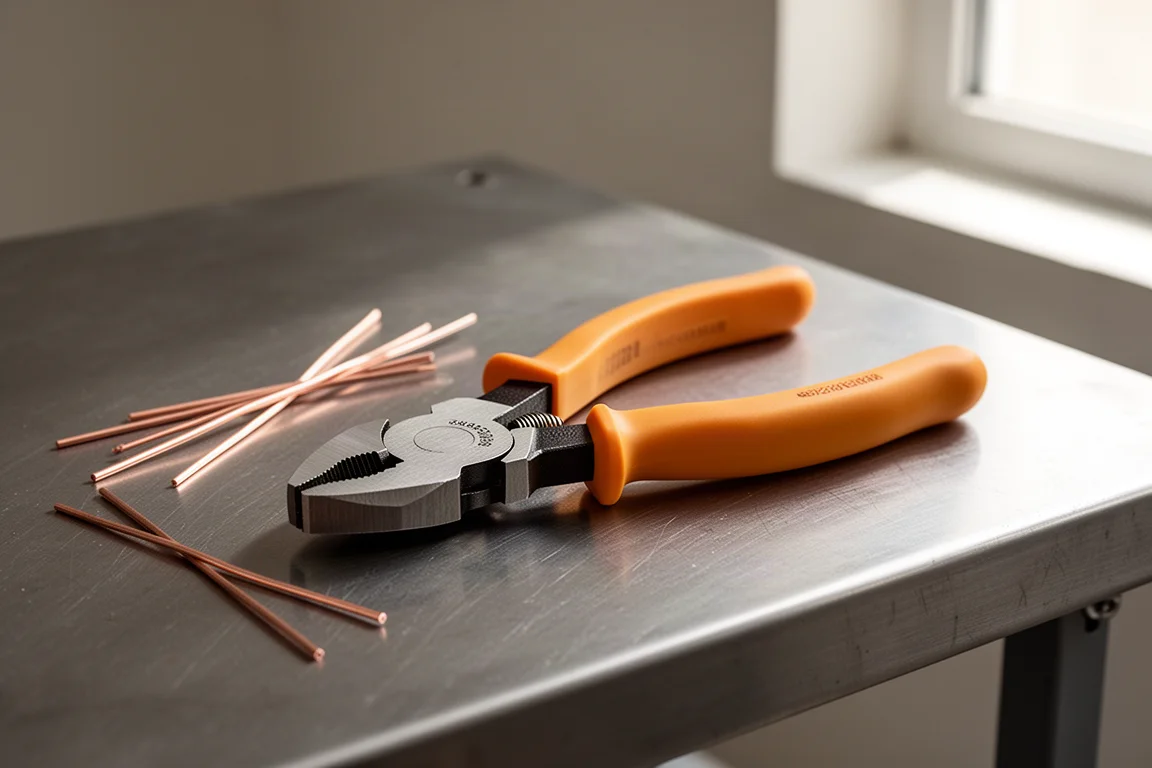
The other consideration is value. If you never cut hard material, the button is a gimmick you paid for. But if you want one large pair of side cutters that handles both delicate wire work and the occasional nail without reaching for a second tool, this is a smart option, and it has quickly become a favorite in its category.
Buying Advice
Buy the Wiha Super Cut if you want versatility in a single large cutter: standard dexterity for wire, real leverage for hard material, and a comfortable insulated handle for long sessions. Buy the Crescent if you just want a cheap, spring-loaded high-leverage cutter for rough duty and do not mind its quirks. Buy a conventional high-leverage cutter like the NWS only if your cutting is consistently heavy, since their limited jaw travel makes light work fiddly. As for the marketing numbers, 40% less force and 200% more power, take them as rough indicators rather than promises; the real-world difference in required hand strength is noticeable but hard to quantify.
Conclusion
The Wiha Super Cut with the insulated industrial handle is one of the more interesting side cutters to come along in a while. It does not replace a full pliers drawer, but it collapses two roles into one tool with a clever double-pivot mechanism, a comfortable grip, and a fair price around $30. For anyone whose hand strength is diminishing or who simply wants fewer tools doing more work, it is an easy recommendation.
Product link
View more details for Wiha Super Cut Side Cutter
This product is mentioned in the review. Check the specifications, options, and compatibility before buying.
View more details for Wiha Super Cut Side CutterFurther reading
Related Reviews
Hand Tools
Best Diagonal Cutters 2026: 16 Pliers Tested for Cutting Power and Durability
We put 16 diagonal cutters through nail, screw, drill bit, and hex key tests to find the best value picks for your toolbox.
Hand Tools
Best Hex L Key Sets 2026: Nine Sets Tested for Real-World Torque
Nine hex L key sets from budget to premium, tested for torque, fit, and durability. See which sets deliver real performance and which ones to skip.
Hand Tools
Best Locking Pliers 2026: Top Picks Tested for Grip and Durability
We tested 18 brands of 10-inch locking pliers for grip strength, jaw bite, build quality, and ease of release to find the best options for tough jobs.