Hand Tools
Wiha 300g Electrician's Hammer Review: A Precision Striking Tool Worth the Hunt
An all-metal 300g electrician's hammer with a flush striking face, magnetic nail holder, prying head, and real overstrike protection. Here is what to know before buying.
Introduction
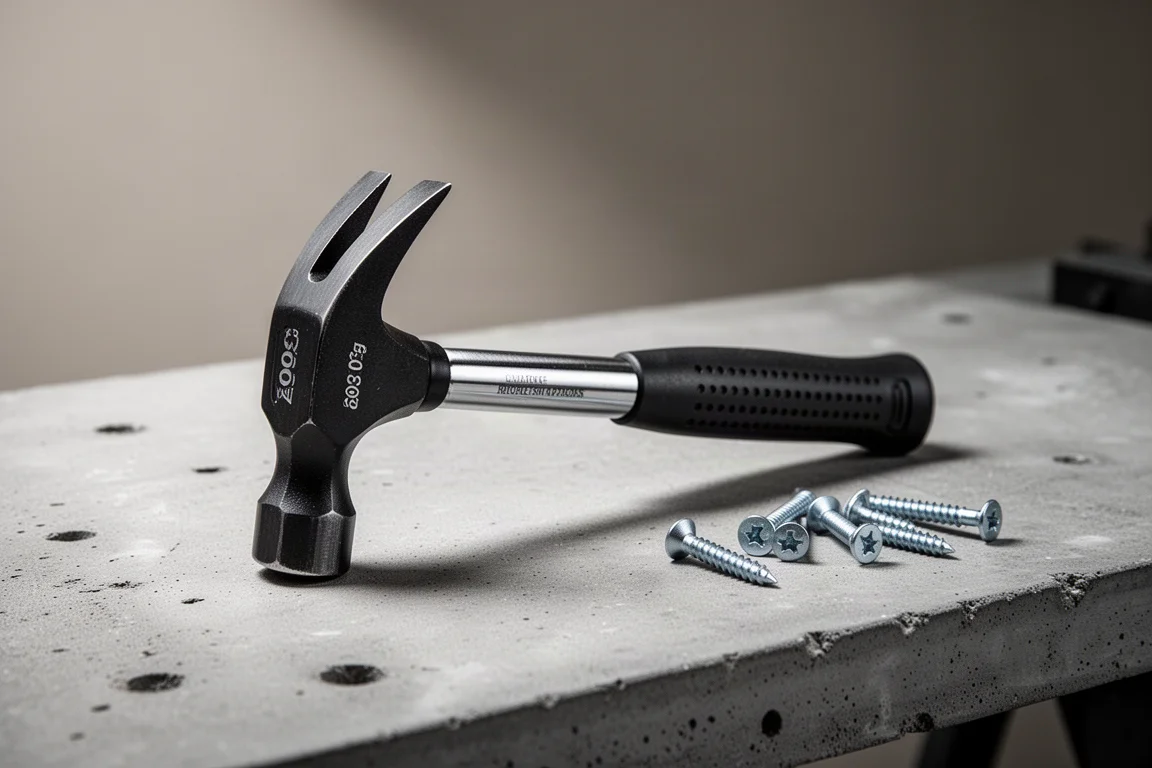
Some tools earn their place by being bigger and heavier. The Wiha 300g electrician’s hammer makes the opposite argument: a small, purpose-driven striking tool designed around precision work. After years of making do with whatever hammer was closest, this one finally proved hard to resist. It is not the easiest tool to find, and pricing can be all over the place, but the design justifies the effort for the right user.
What the Wiha 300g Electrician’s Hammer Is
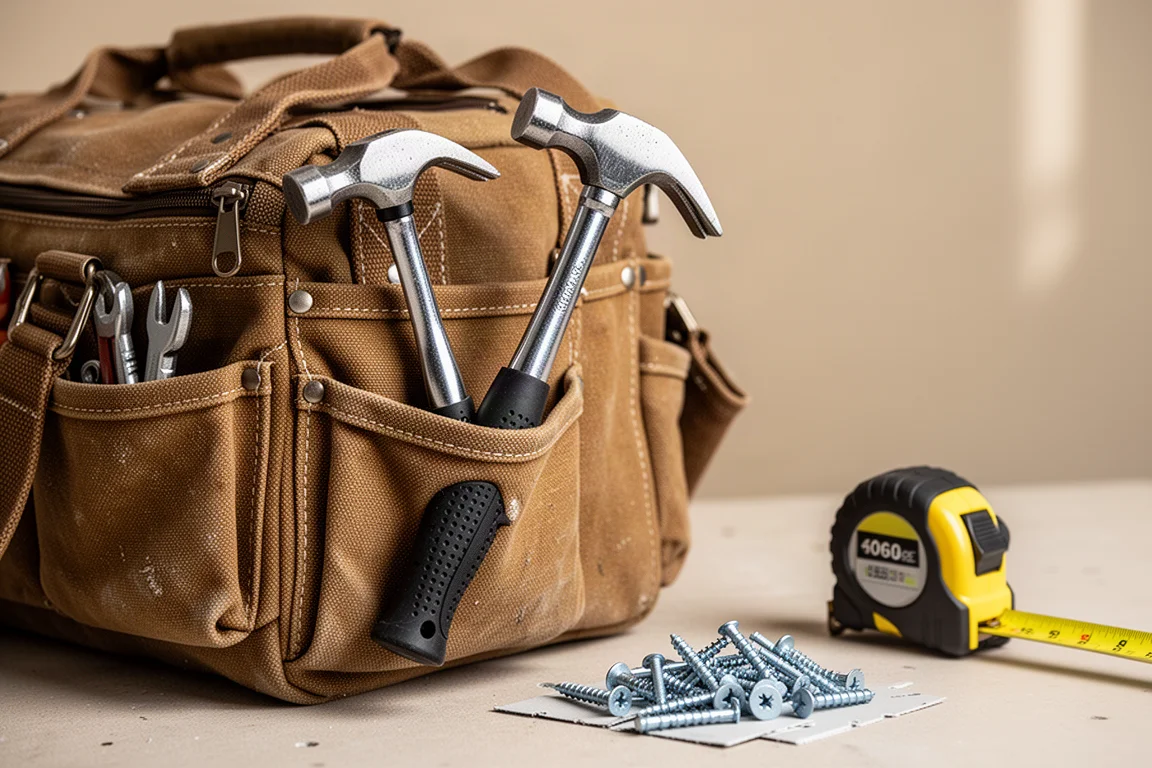
This is a 300 gram head hammer built entirely from metal, aimed squarely at electrical and close-quarters work. Think knocking loose corroded terminals, seating small fasteners, tapping drywall sport supports without deforming them, and prying at tight angles. It is the kind of tool that lives in a bag or a junk drawer and gets pulled out when a full-size claw hammer is simply too much.
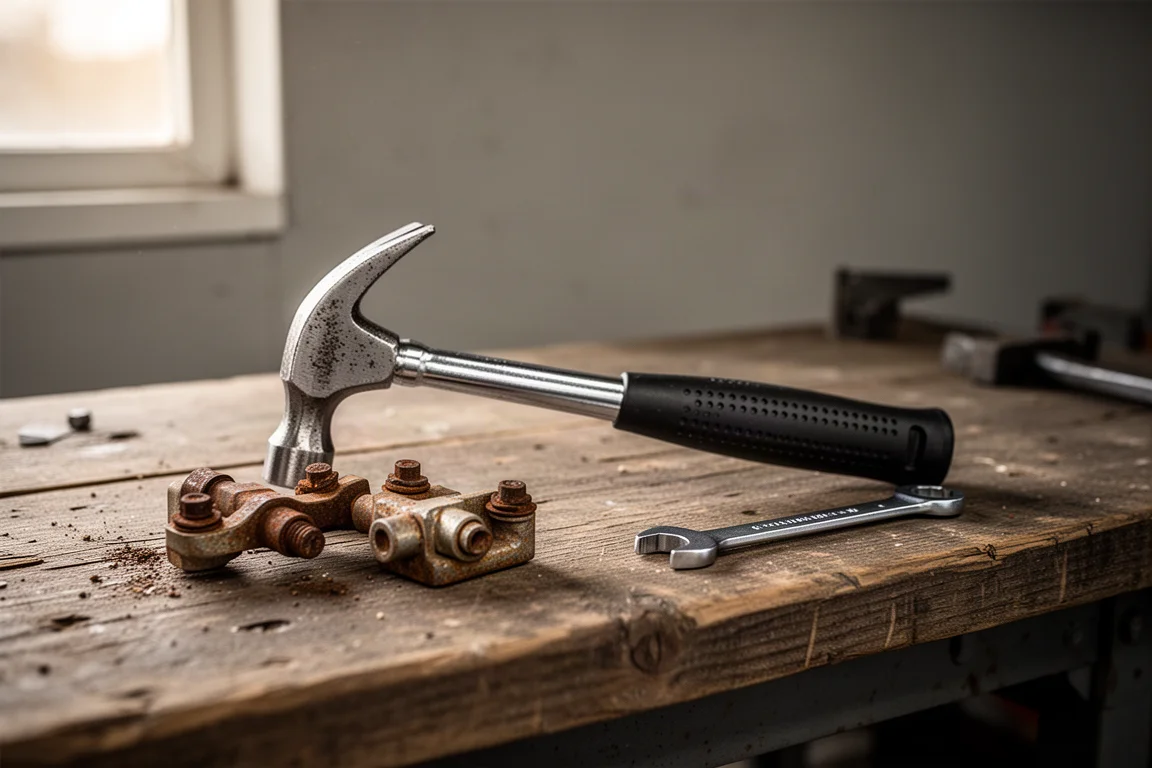
The compact head is the whole point. Many people assume a bigger head means a better hammer, but bulk costs precision. A small head on a long handle works like a mini sledgehammer, transferring energy cleanly while keeping the strike exactly where you aim it.
Design Details That Set It Apart
The head is where this hammer separates itself from the usual alternatives. One side features a set of prying forks with flat forging marks, so you can slip the head right up against a surface and work at a sharp angle without slipping off. That matters when you are levering something in a tight corner where a standard claw will not fit.
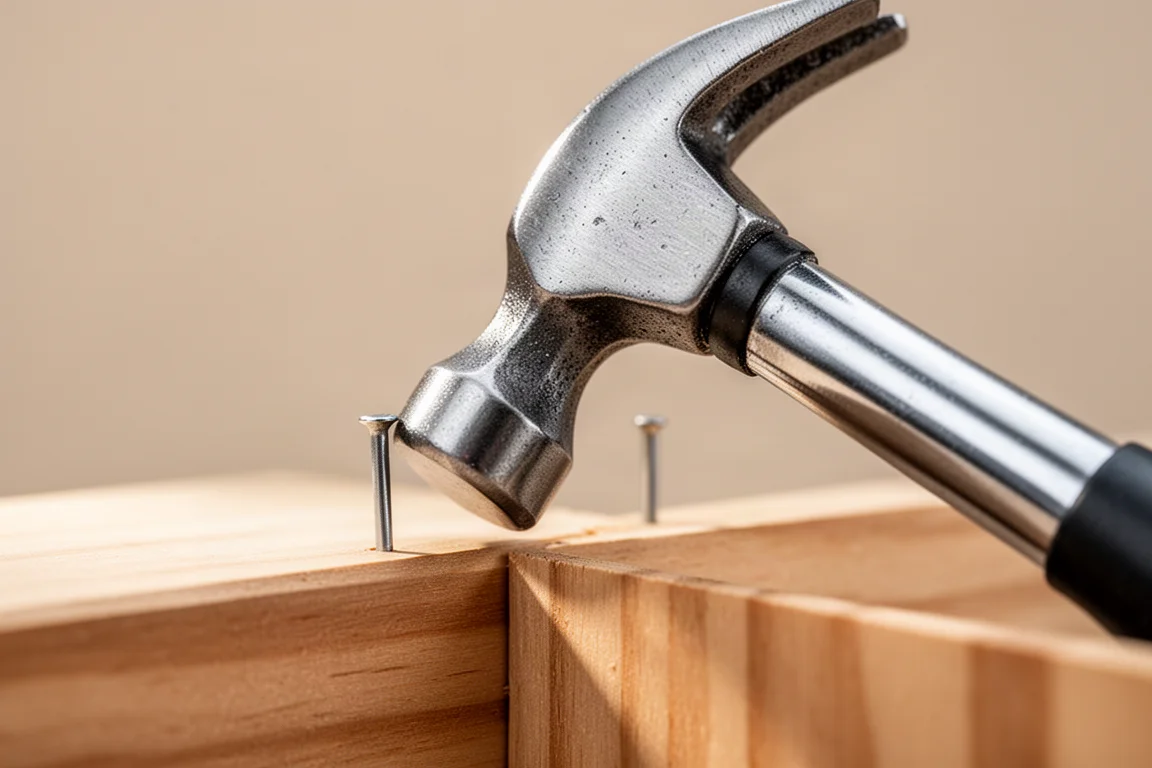
Then there is the flush striking face. On most hammers, the striking surface sits equal to or below the surrounding head geometry, which makes it impossible to tap a nail flush against an edge. Here, the striking face is flush, so you can seat a fastener right up against a wall, a stud, or a metal edge without the hammer body interfering. That single detail is a genuine deal-sealer for anyone doing electrical or finish-adjacent work.
The head is also mounted with a magnet, and Wiha designates one end specifically for pounding in the small supports used for drywall and similar materials without smashing or deforming them. It is a thoughtful division of labor across a very small tool.
How It Compares to the Alternatives
Anyone shopping in this category has probably considered a few other options. A Vaughn-style small hammer in the same size range is liked by many, but its head shape can make it oddly difficult to drive nails with, and the striking face is slippery enough that even grinding it down does not fully fix the issue. Classic 12-ounce claw hammers are cheap and familiar, but their aggressive claw forks are harsh for prying work, and the all-metal construction makes them feel heavier than the weight suggests.
There are other European-style electrician’s hammers, such as one from Hultafors with a similar overall design. It lacks the overstrike protection, and the Wiha handle is the more refined of the two. Larger linesman-style hammers from brands like Klein and Milwaukee exist as well, but those are essentially framing hammers with claws, a different category of tool altogether.
Handle Comfort and Overstrike Protection
The handle is deliberately slim, and some early reactions complain it is too small. That misses the point: a slim handle is what allows this hammer to be precise. In hand, it sits comfortably and the proportions feel deliberate rather than stingy.
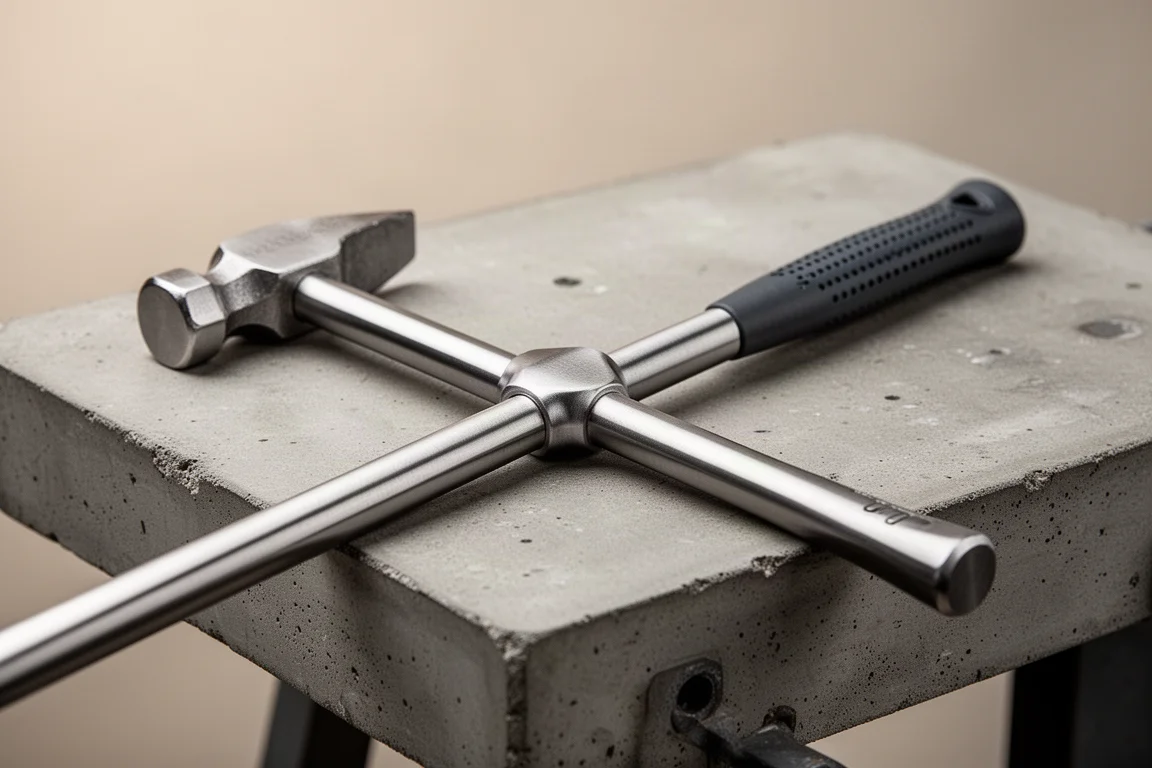
Overstrike protection is built into the handle’s lower section, which matters more than it sounds. Anyone who has owned a fiberglass-handled hammer with a cracked collar knows exactly why that reinforcement exists. On a tool this size, it is the difference between a hammer that lasts and one that eventually fails at the worst spot.
Pricing and Availability
This is the friction point. These hammers are hard to find, and secondhand listings can run $50 or more before shipping, sometimes doubling the real cost. Finding one new for just under $60 is reasonable in this market. That is a lot for a hammer, and it will not make sense for someone who only swings a hammer twice a year. But for a well-designed, purpose-built tool that solves specific problems, it lands in defensible territory.
Who Should Buy This Hammer
Electricians and low-voltage installers are the obvious audience, especially anyone working with drywall anchors, sport supports, terminal hardware, or fasteners near edges. It also suits homeowners and DIYers who keep a small hammer in a bag and are tired of full-size claws being clumsy in tight spots.
Anyone who already owns a proper small hammer they like should think twice. This is an upgrade purchase, not a necessity, and the premium only pays off if you actually use the flush face, the prying forks, and the magnetized head.
Buying Advice
If the design details match tasks you actually do, buy it from a reputable source rather than paying inflated secondhand prices. If your striking needs are casual, a basic small claw hammer remains the better value. The Wiha earns its price through specialization, and specialization only pays when you need it.
Conclusion
The Wiha 300g electrician’s hammer is a 21st-century take on a niche tool: all-metal construction, a flush striking face, flat prying forks, a magnetic head mount, and genuine overstrike protection in a compact package. It costs more than a generic hardware-store hammer and takes some effort to find, but for electrical work and precision striking, it is one of the most thoughtfully designed small hammers available.
Product link
View more details for Wiha 300g Electrician's Hammer
This product is mentioned in the review. Check the specifications, options, and compatibility before buying.
View more details for Wiha 300g Electrician's HammerFurther reading
Related Reviews
Hand Tools
Best Diagonal Cutters 2026: 16 Pliers Tested for Cutting Power and Durability
We put 16 diagonal cutters through nail, screw, drill bit, and hex key tests to find the best value picks for your toolbox.
Hand Tools
Best Hex L Key Sets 2026: Nine Sets Tested for Real-World Torque
Nine hex L key sets from budget to premium, tested for torque, fit, and durability. See which sets deliver real performance and which ones to skip.
Hand Tools
Best Locking Pliers 2026: Top Picks Tested for Grip and Durability
We tested 18 brands of 10-inch locking pliers for grip strength, jaw bite, build quality, and ease of release to find the best options for tough jobs.