Gravel Bikes
Widest Tire Clearance Gravel Bikes: Nine Drop-Bar Bikes Built for Mountain Bike Rubber
A practical roundup of nine gravel bikes with unusually generous tire clearance, from 55 mm up to 66 mm, plus what to weigh before you buy.
Introduction
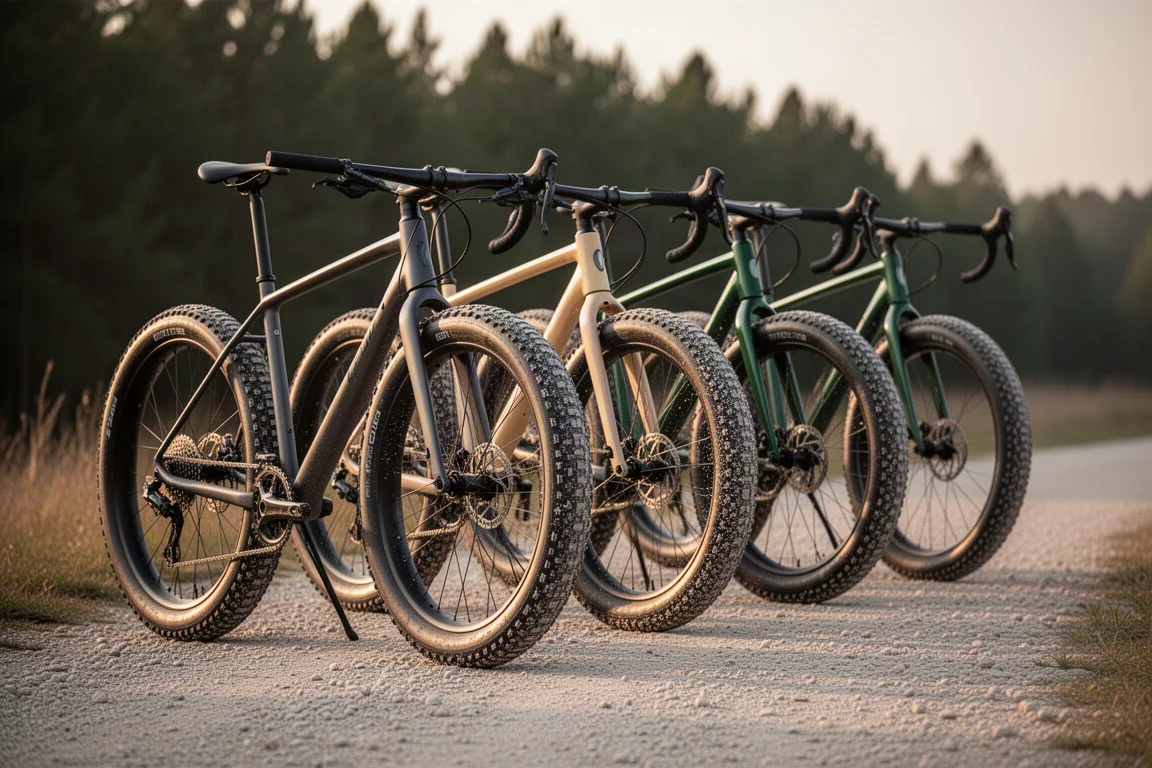
Gravel tire widths have crept upward for years, and the newest generation of drop-bar bikes has pushed clearance into territory that used to belong to mountain bikes. That raises an obvious question: at what point does a gravel bike become a mountain bike?
This roundup covers nine bikes with genuinely generous tire clearance, from 55 mm up to a very large 66 mm. Some are brand new launches, others have been on the market for a few seasons, and they take noticeably different approaches to geometry, drivetrain compatibility, and price. The aim here is to lay out what each bike actually offers so you can decide how wide you want to go.
What to Look For in a Wide Tire Gravel Bike
Tire clearance is usually quoted in millimetres, and the numbers in this roundup sit well above the 42 mm to 53 mm range that many mainstream gravel bikes still work around. A frame that accepts a 29 x 2.25 in mountain bike tire is doing something different from a frame that accepts a 45 mm file tread, and that difference shows up in how the bike feels and where it can be ridden.
The first trade-off to understand is drivetrain compatibility. Fitting very wide rubber while keeping chainstays short and Q factor narrow is a packaging problem, and several of the bikes here solve it by accepting one-by drivetrains only. If you run a two-by setup, or plan to, that alone will rule some of these frames out.
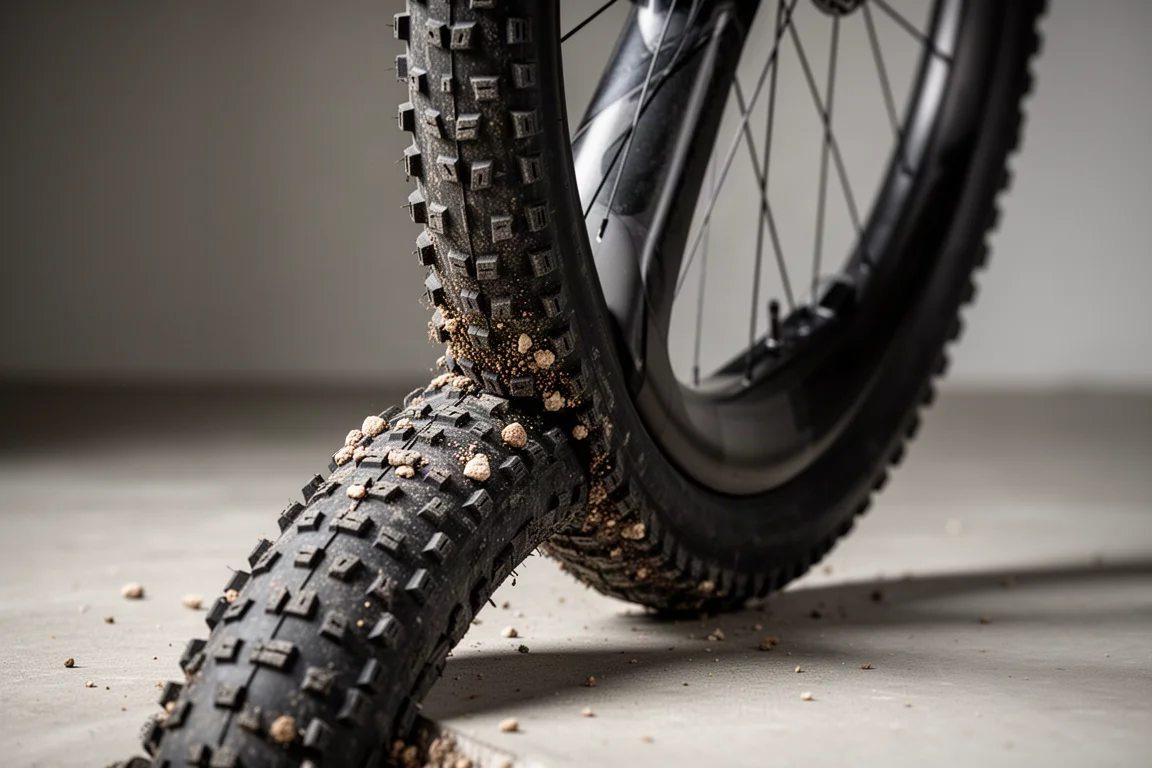
Geometry is the next thing to weigh. Some brands keep road-adjacent angles and short chainstays and rely on clever frame shaping, while others stretch the front centre and rear centre and lean toward slacker, longer numbers closer to a mountain bike. Neither approach is automatically better, but they suit different riding styles and terrain.
Frame weight and mounting options matter too. A handful of the bikes here claim frames just over 900 g, and most include mounts for bikepacking bags, mudguards, and fenders, plus internal routing or in-frame storage. If you plan to race, weight and stiffness will matter more; if you plan to load up for multi-day trips, mounts and storage will.
Allied Shayfer
The Allied Shayfer is a third-generation frame from a US brand that sells direct, and it currently claims one of the biggest tire clearances available on a gravel bike: space for a 58 mm tire, which equates to a 29 x 2.25 in mountain bike tire. You can run a 50 mm tire with plenty of mud clearance, or go all the way to that 2.25 in mountain bike size and effectively ride a mountain bike with drop handlebars. It is a bold statement, taking clearance beyond what most bike brands are doing.
Despite the clearance, the frame is still light. Allied claims a frame weight of just over 900 g with a fork just below 500 g. There is in-frame storage, mounts for bikepacking and mudguards, and internal dynamo routing, which is a practical detail for ultra-distance events where you would rather not depend on battery life for lighting. Routing runs through the headset, but a regular handlebar and stem can be fitted if you prefer, which gives you the best of both worlds.
Because the brand sells direct in the US, pricing is one of the more appealing parts of the package. A frameset is listed at $2,000, and complete builds start from $2,600 with Shimano CUES and run up to $8,500 with SRAM Red, which is strong value for the clearance and feature set on offer.
Sarto Rosa Gravel
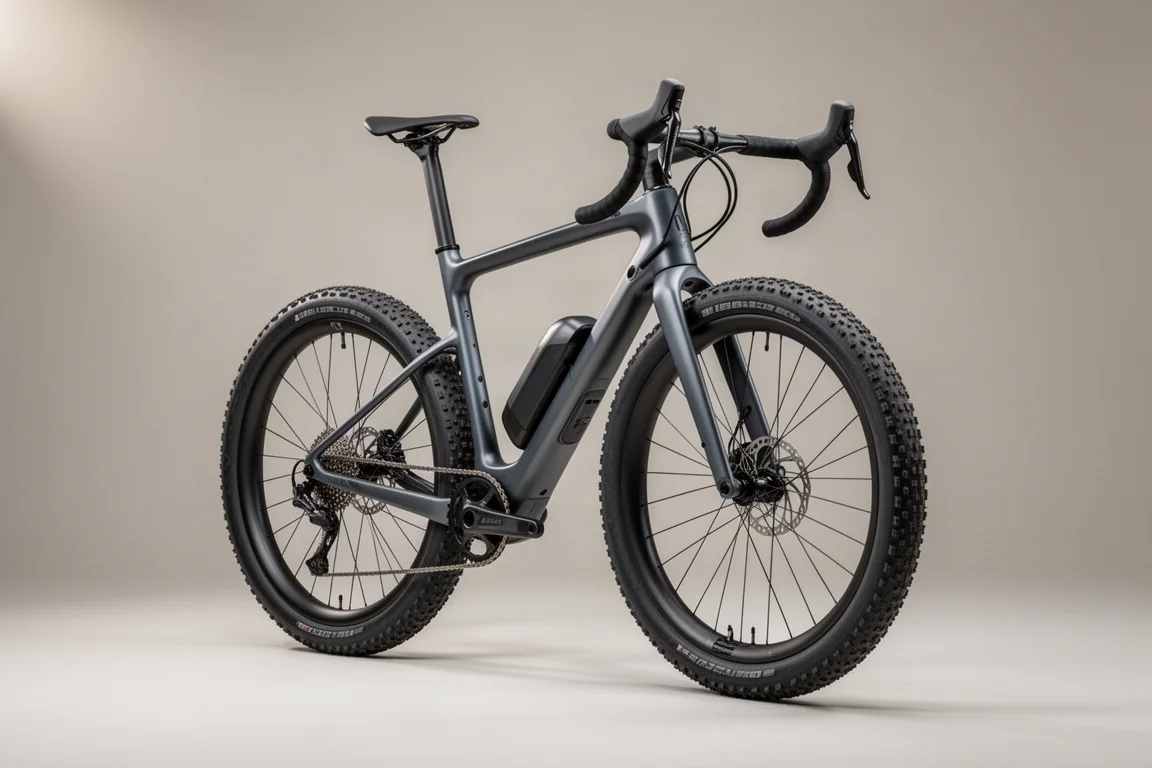
The Sarto Rosa Gravel offers 55 mm of clearance, which is not as generous as the Allied Shayfer but still above the 42 mm to 53 mm that many gravel bikes work around. Sarto is an Italian company that makes its carbon frames in-house, one of relatively few Italian brands doing so, and the frame shows it: exposed raw carbon weave, internal routing, some aero shaping, and a UDH dropout for future-proofing. It has real presence, with nicely resolved tube profiles.
The compromise on this bike is drivetrain compatibility. Keeping chainstays short and Q factor narrow while fitting large tires means something has to give, and here it is two-by compatibility. The Rosa Gravel is one-by only.
This is also the most expensive bike in this roundup by a wide margin. Framesets start at around £8,000 or $8,000, and complete bikes start from roughly £14,000 or $17,000. That places it firmly in exotic territory, aimed at riders who want something rare and made in Italy rather than something affordable.
Fara GR4
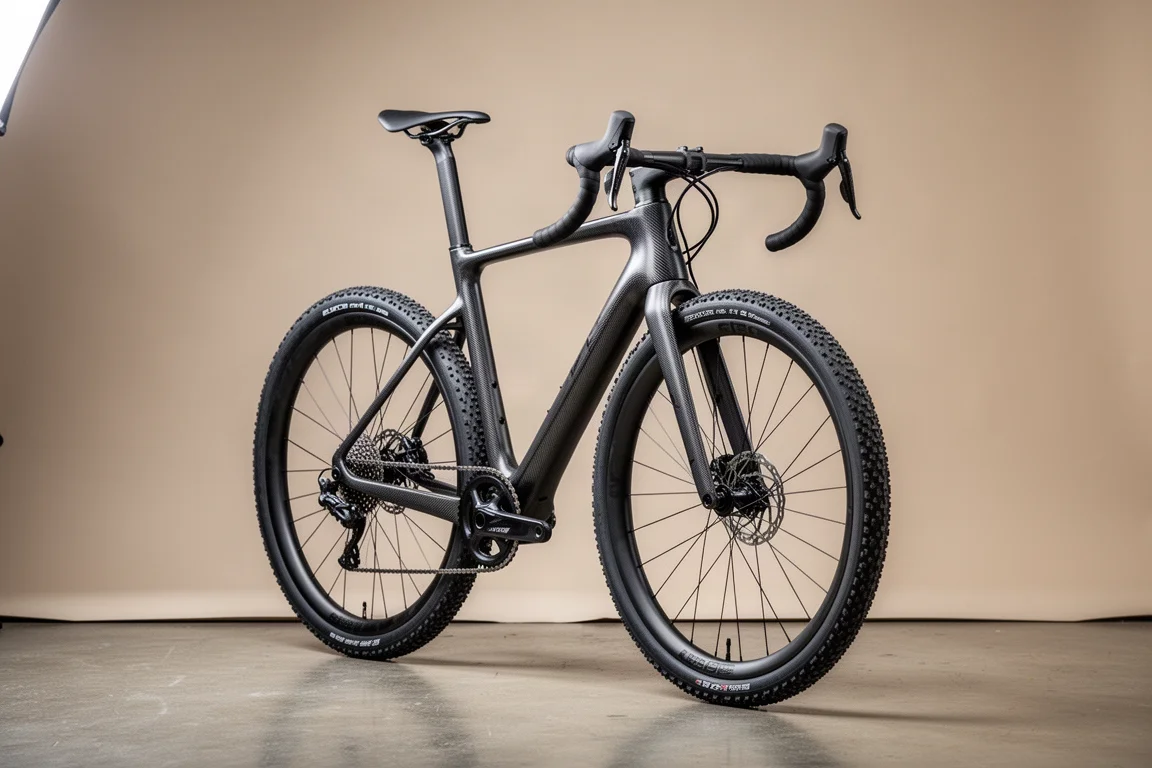
The Fara GR4 from Norway has recently been updated with clearance for 57 mm tires. The brand’s position is that mountain bike tires represent the future of gravel, and its frames are designed around that idea. Lower rolling resistance, aerodynamics, and reduced puncture risk in a fast group are all cited as reasons to run wider rubber, and riders racing these bikes are already using mountain bike tires.
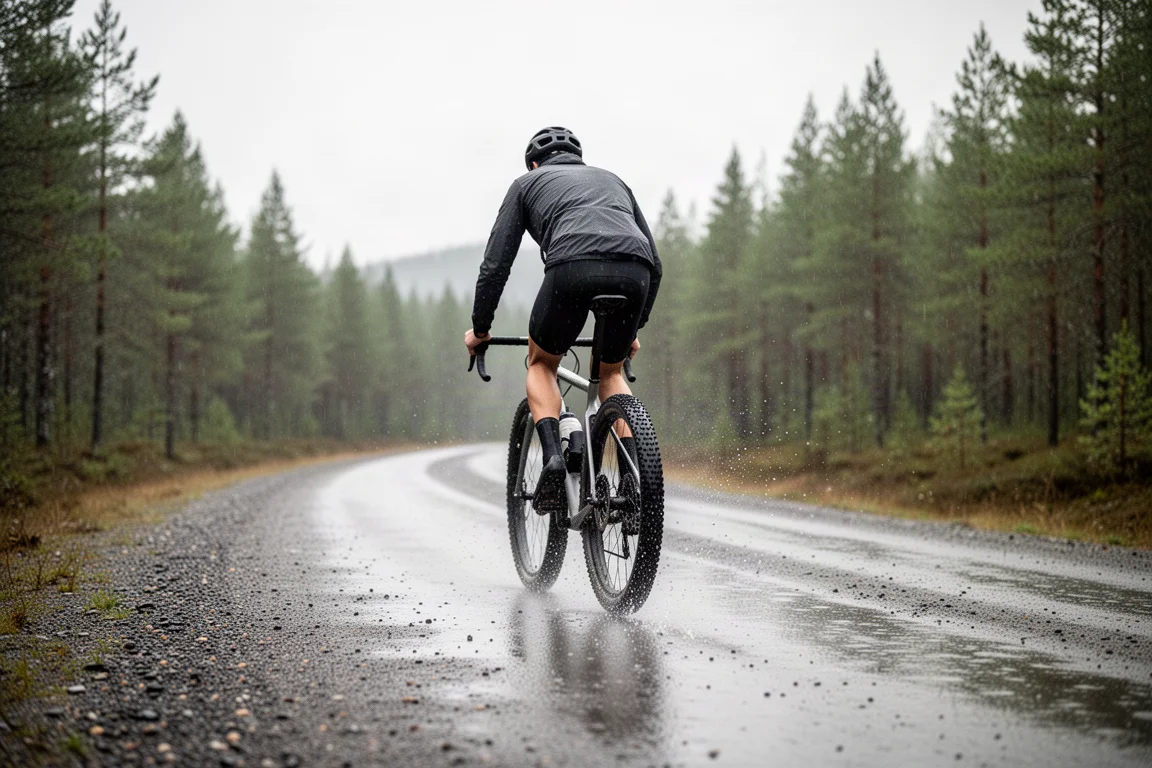
The geometry stays fairly middle of the road. Chainstays are short at 425 mm despite the clearance, which is an impressive packaging result around the bottom bracket, chainstays, and chainset, while the 71.5 degree head angle is steeper than the slacker, longer numbers some brands are moving toward.
One of the more interesting details is an adjustable handlebar and stem. A Y-shaped bar and stem allows reach to be adjusted by 10 mm, which is unusual at a time when one-piece cockpits and full internal routing make reach and stack changes difficult. The frame is claimed at 970 g, with UDH dropouts, a 27.2 mm round seatpost, and a T47 bottom bracket. Prices start from £4,700 for a frameset or £5,400 with a SRAM Rival XPLR groupset.
Lauf Seigla
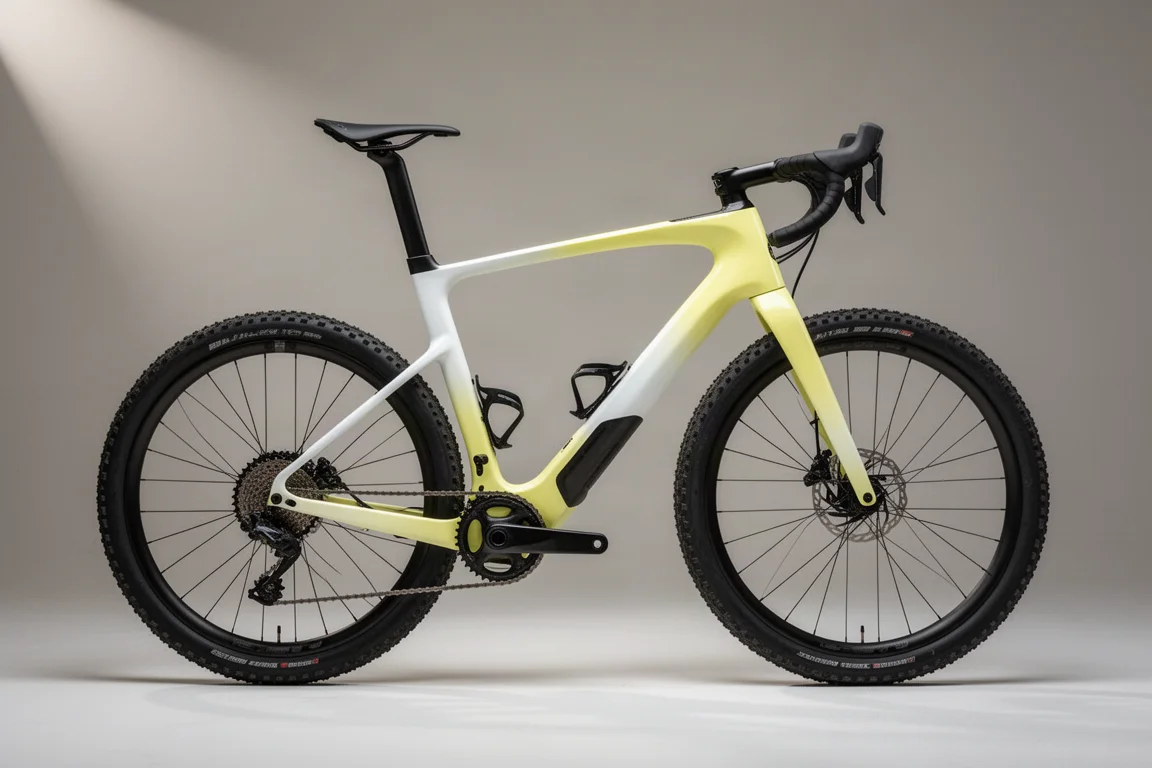
The Lauf Seigla comes from an Icelandic brand best known for its suspension forks, and it has been on the market for a few seasons. It fits 57 mm tires, and the brand shares Fara’s conviction that wide rubber is a genuine benefit on gravel rather than a passing trend.
The frame’s most notable engineering detail is how it handles the chainstay problem. Many frames with room for big tires use dropped chainstays to move the chainset clear of the tire and preserve chainline and Q factor. The Seigla keeps its chainstays straight and instead uses a wider 73 mm mountain bike bottom bracket shell, paired with a special SRAM road crankset that keeps Q factor at road-bike width. It is a novel solution to the packaging problem, though it also means the bike is one-by only.
Visually, the Seigla’s lines and angles are distinctive rather than conventionally elegant, but the thinking behind the frame is sound and it remains one of the more interesting wide-clearance designs available.
Allied Able
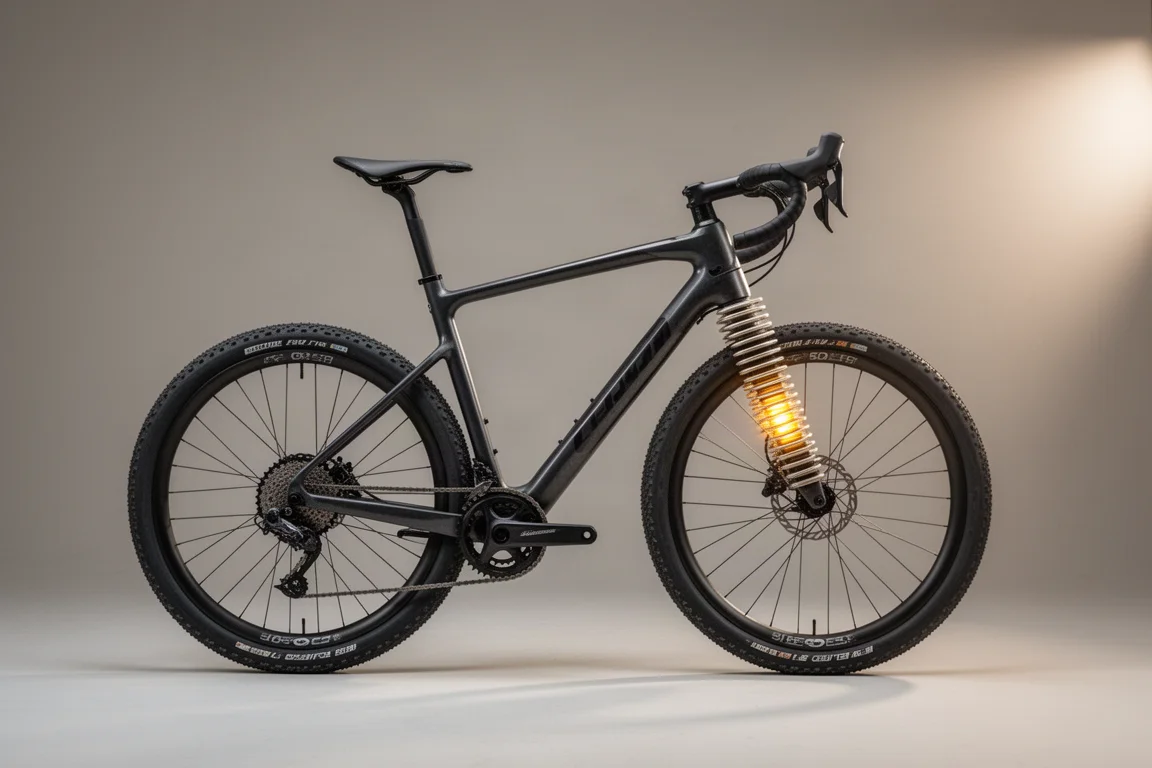
The Allied Able was one of the more talked-about launches when it appeared at a California cycling show, and it offers 57 mm of clearance from the same direct-sell US brand behind the Shayfer.
Where the Shayfer leans on a light frame and a broad feature set, the Able is a long bike. Allied stretches both the front centre and the rear centre to create space for big tires, which gives it a notably stretched-out feel. Fitted with mountain bike tires, the platform is designed to be ridden hard rather than loaded up, and it is an interesting counterpoint to the Shayfer’s more versatile brief. If the two were tested side by side, the difference in approach would be immediately obvious.
Argon 18 Dark Matter
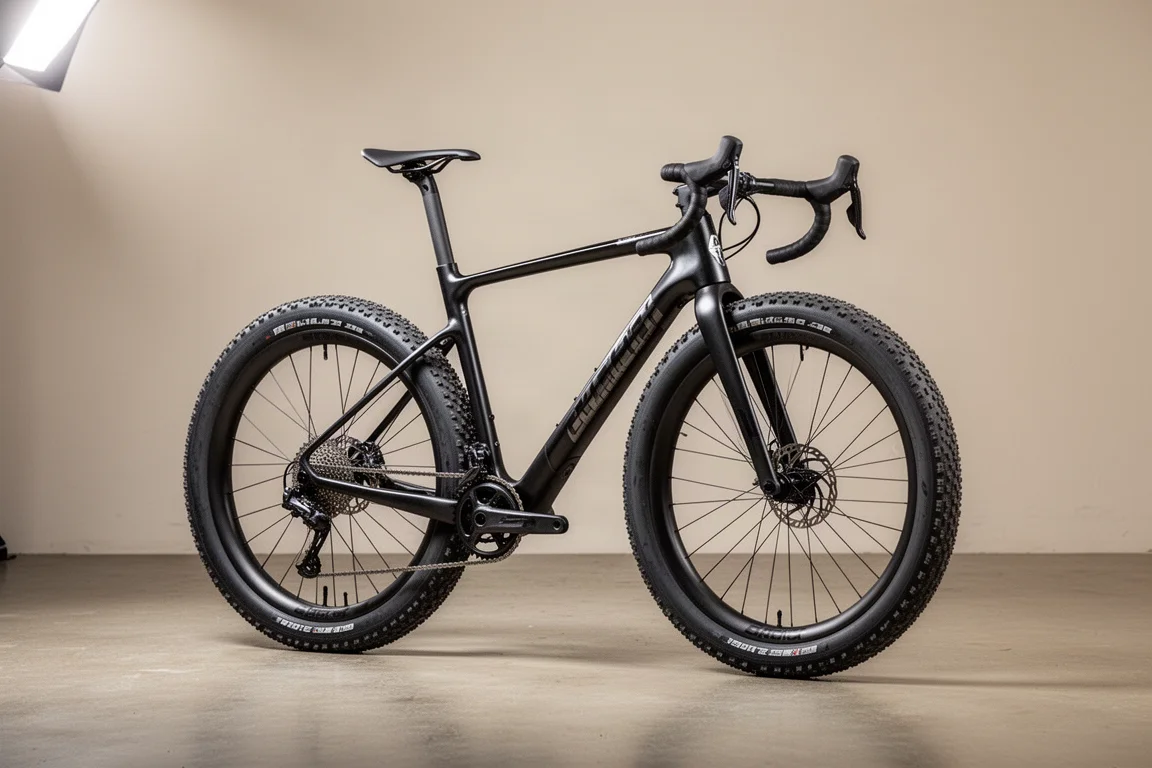
The Argon 18 Dark Matter is another bike with 57 mm of clearance, and it has already been ridden with 50 mm tires to good effect. Alongside the Allied Able, it shows how two North American companies can arrive at the same clearance figure with noticeably different geometry.
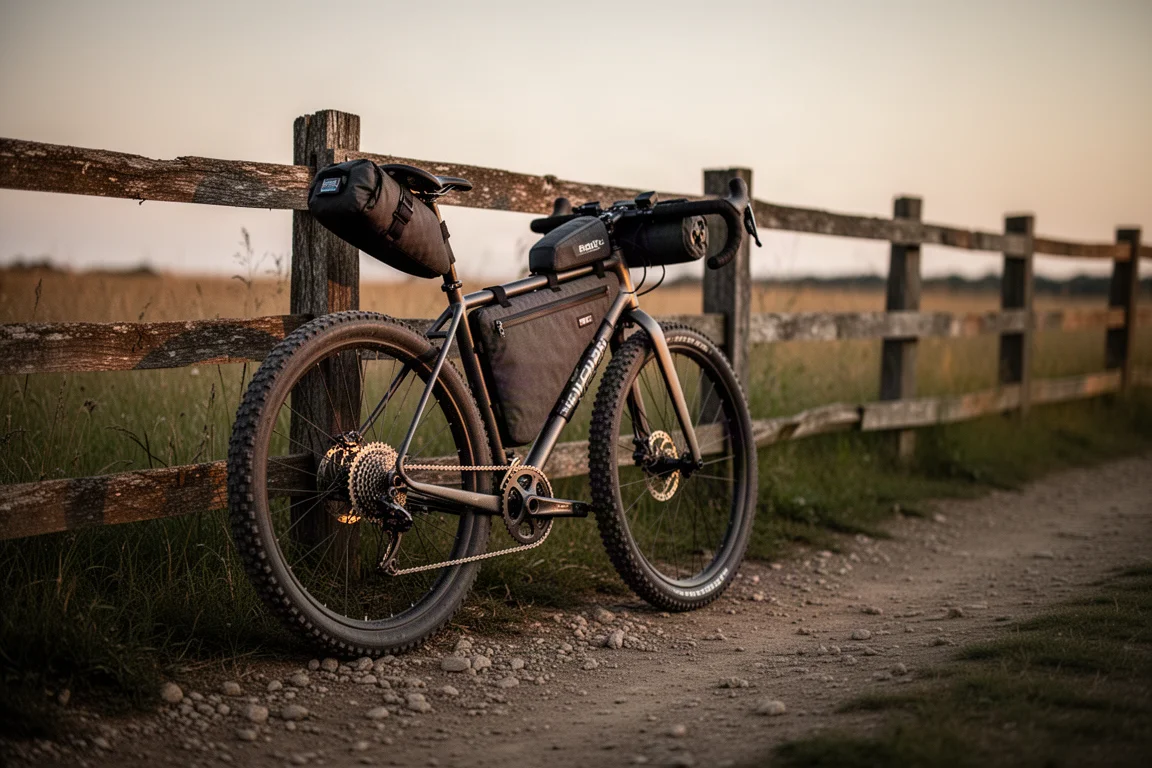
The Dark Matter pairs its clearance with down tube storage and internal routing, plus mounts for fenders, mudguards, and bikepacking luggage. It is reasonably well priced for what it offers, and it has enough adjustability built in to serve as either a race bike or a bikepacking platform. That breadth is the point: it is one of the more flexible frames in this roundup.
Trek Checkpoint
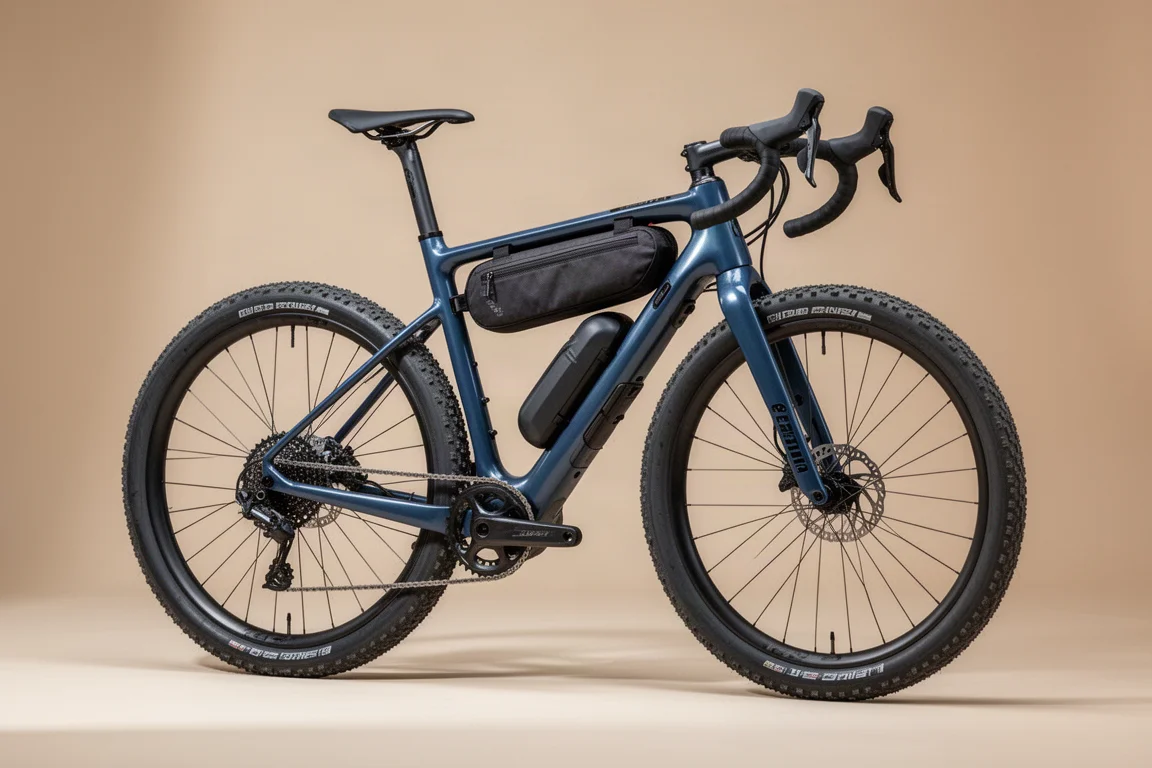
The Trek Checkpoint takes a different route entirely. This is a drop-bar gravel bike with short travel full suspension, and it fits 55 mm tires. It deliberately blurs the line between gravel bike and mountain bike and is arguably neither: the suspension adds capability and comfort on rough surfaces, while the drop bar and the clearance keep it oriented toward gravel riding and racing.
For riders who want more composure on chunky terrain without moving to flat bars, that combination is worth a serious look. It also makes the bike harder to categorise, which is exactly the point of this end of the market.
Ridley Ignite GTX
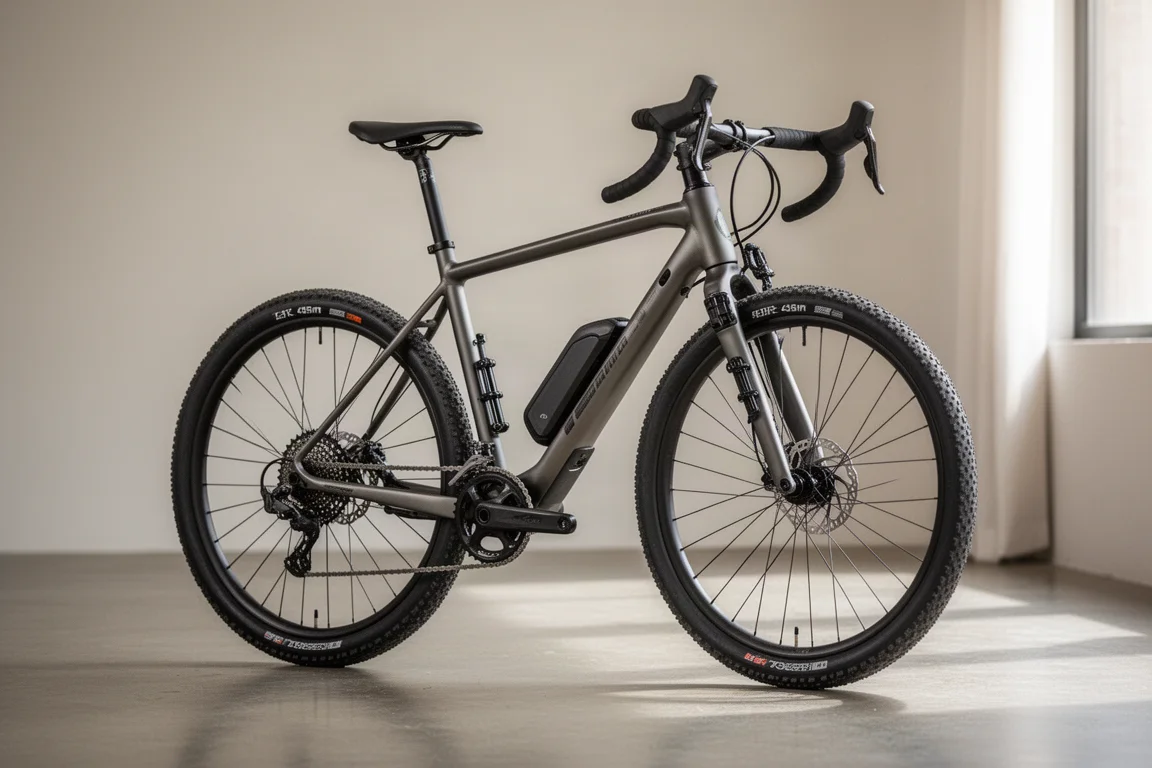
The Ridley Ignite GTX launched a little while ago and looks, at a glance, like a mountain bike with drop handlebars. It pairs wide tire clearance with a frame layout that borrows heavily from mountain bike design, and it is one of the clearer examples of a drop-bar bike that has crossed well over the traditional gravel boundary.
If your riding leans toward rough trails and you still want the hand positions and aerodynamics of a drop bar, this is the kind of bike that makes the compromise work in your favour.
Mason InSearchOf
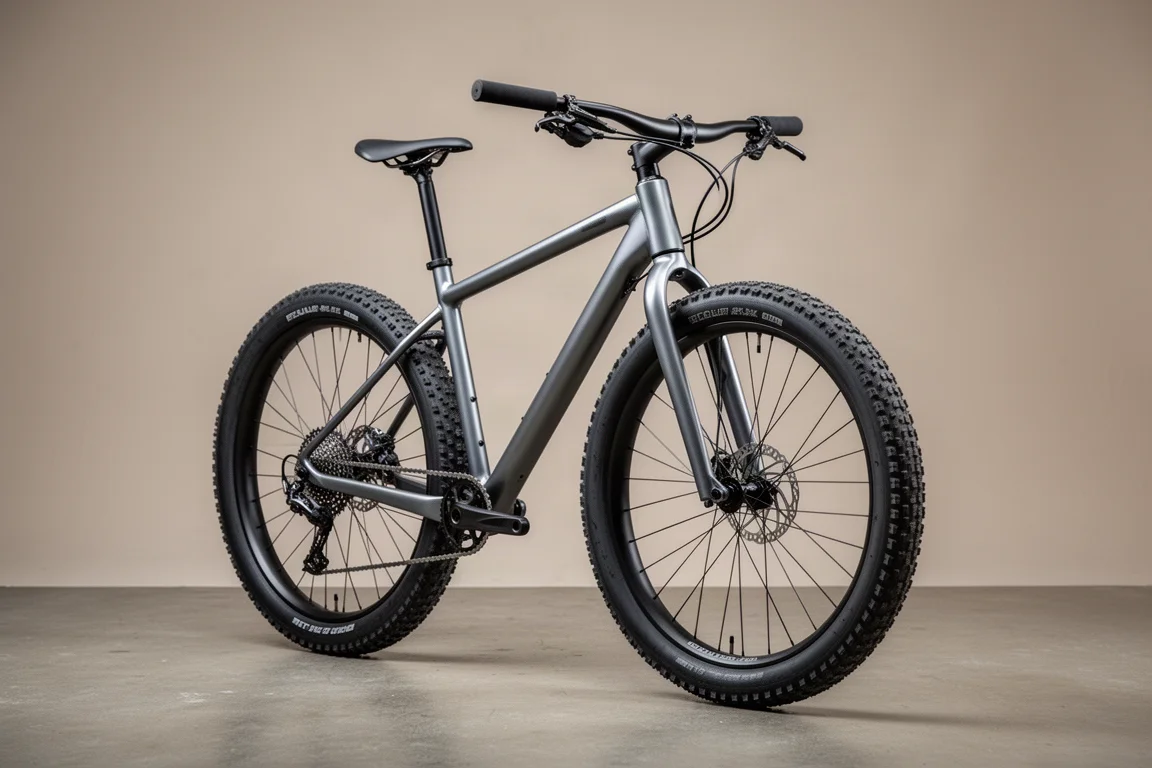
Nothing in this roundup matches the Mason InSearchOf for outright tire clearance. The bike has been around for several years and accepts a remarkable 66 mm tire, which means you can fit a mountain bike tire, or the widest gravel tire currently available, and still have room to spare.
At this end of the spectrum the category labels stop being useful. A bike with 66 mm of clearance and a drop bar is, for practical purposes, a mountain bike. That is not a problem in itself, but it does mean the choice between a gravel bike and a mountain bike becomes a question of your own objectives: a long-distance multi-day bikepacking race, weekend trails and woodland paths, or something in between.
Buying Advice
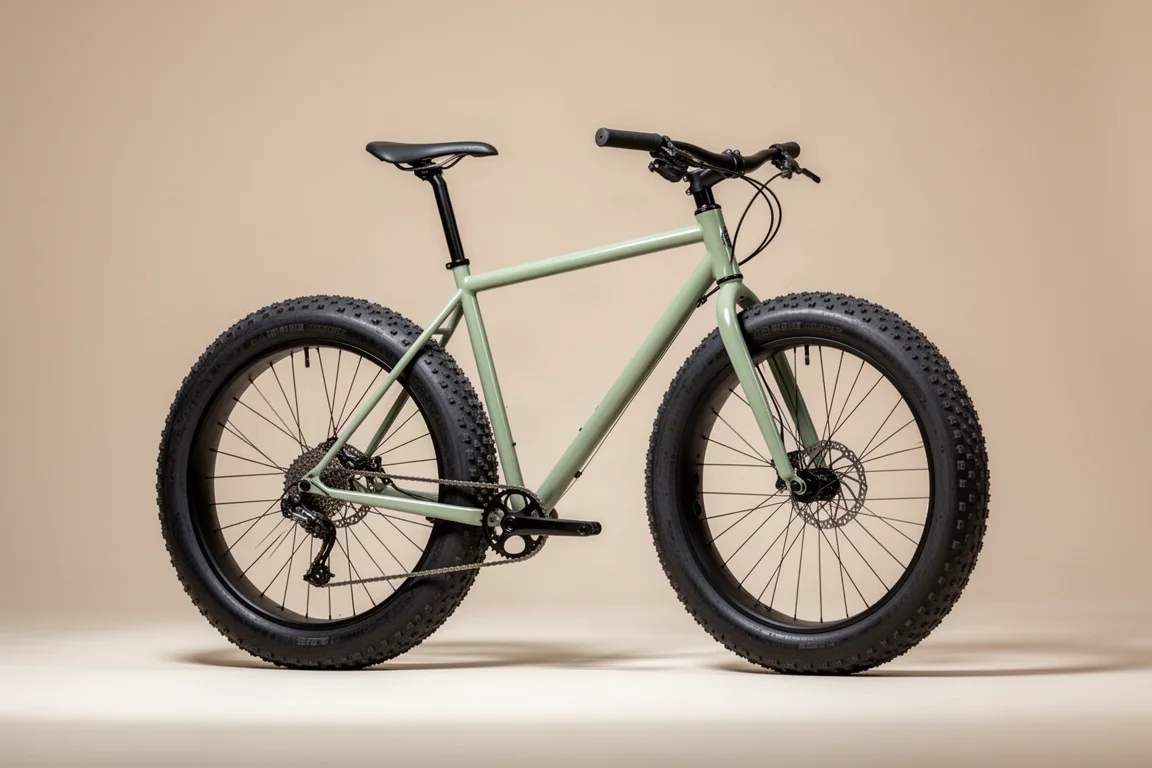
Working out how much clearance you actually need is easier than it looks. Start with the tires you intend to ride and the surfaces you ride most often. A racier gravel bike with clearance in the 50 mm range will still take a wide gravel tire with plenty of mud clearance, while a frame built around 57 mm or more opens up mountain bike rubber and the lower pressures that come with it.
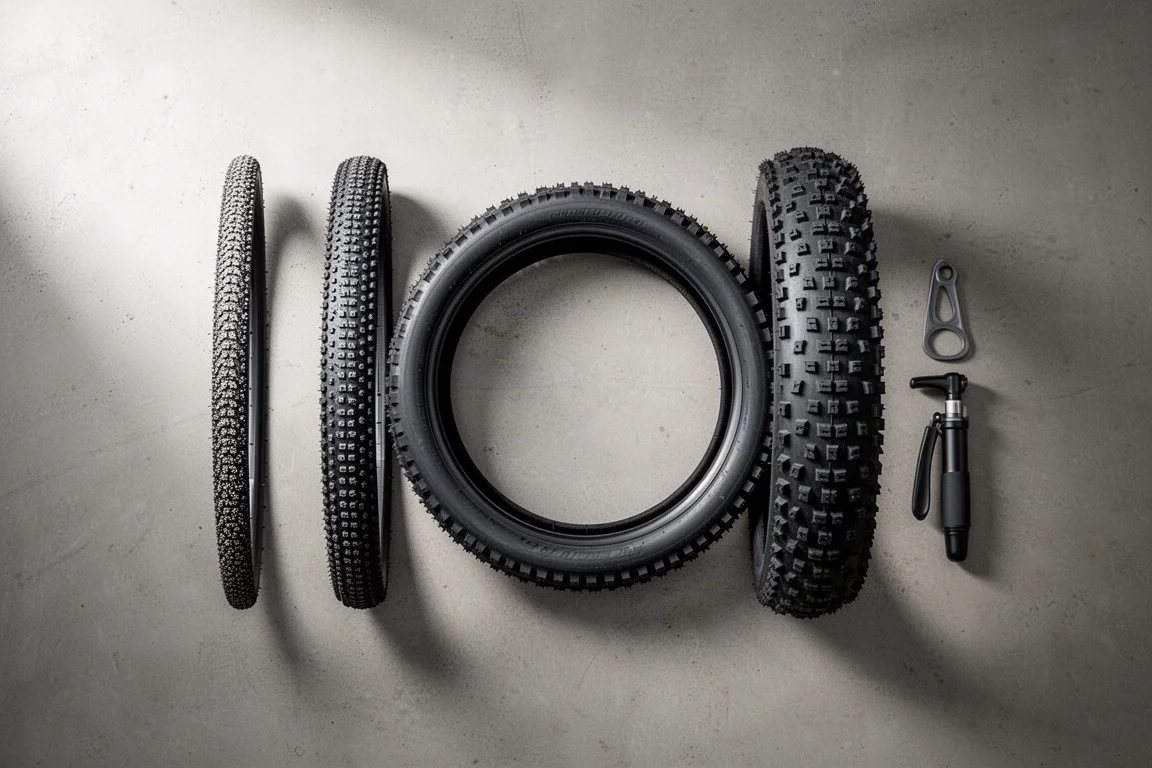
Drivetrain compatibility deserves a hard look before you commit. Several of the widest-clearance frames here are one-by only, because that is what makes short chainstays, narrow Q factor, and big tire volume possible at the same time. If you rely on two-by gearing, your shortlist will be shorter.
Budget shapes the decision as much as anything else. Direct-sell brands can offer a lot of clearance and a light frame for the money, while in-house Italian carbon and long-established European framesets sit at the other end of the scale. Between those extremes there are plenty of options, and the right one depends on whether you are racing, bikepacking, or simply riding local trails and roads at the weekend.
It is also worth ignoring the advice to just buy a mountain bike. A drop-bar bike with generous clearance is its own thing: it keeps the hand positions and aerodynamics of a gravel bike while accepting the tires that make rough terrain manageable. Buy the clearance you want for the tires you intend to ride.
Conclusion
Tire clearance on gravel bikes now spans an enormous range, and the nine bikes here show how differently brands interpret the same trend. The Allied Shayfer and Mason InSearchOf sit at the extremes of the roundup, the Sarto Rosa Gravel trades drivetrain flexibility for Italian-made carbon and exclusivity, and the Fara GR4, Lauf Seigla, and Argon 18 Dark Matter each solve the packaging problem in their own way.
The common thread is that wider tires are no longer a niche experiment. Whether you want a fast gravel race bike that can still take a 50 mm tire or a drop-bar machine that will swallow a 2.25 in mountain bike tire, there is a frame built for it. Match the clearance to the riding you actually do, and the decision becomes straightforward.
Further reading
Related Reviews
Gravel Bikes
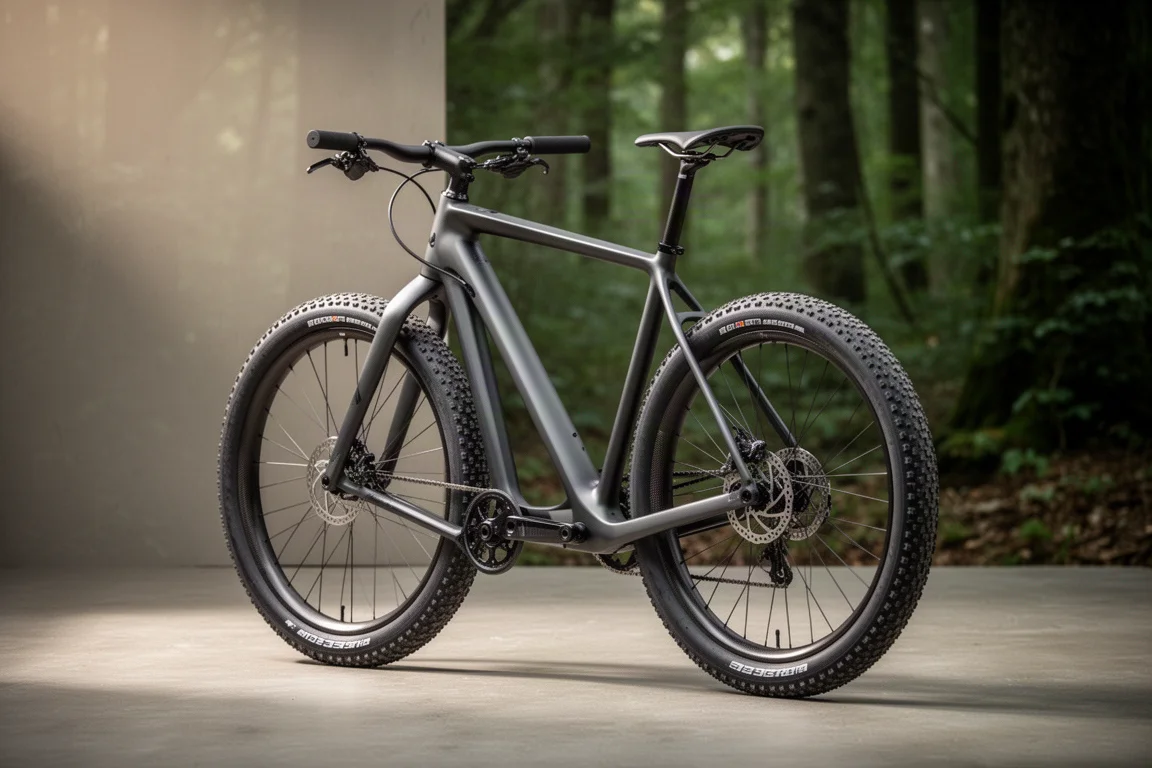
3T Exploro Ultra Review: A Fast Gravel Bike Built for Big Tyres
A close look at the 3T Exploro Ultra, an aero carbon gravel bike designed around wide tyres, with road-like handling, a 980 g frame and genuine rough-terrain capability.
Gravel Bikes
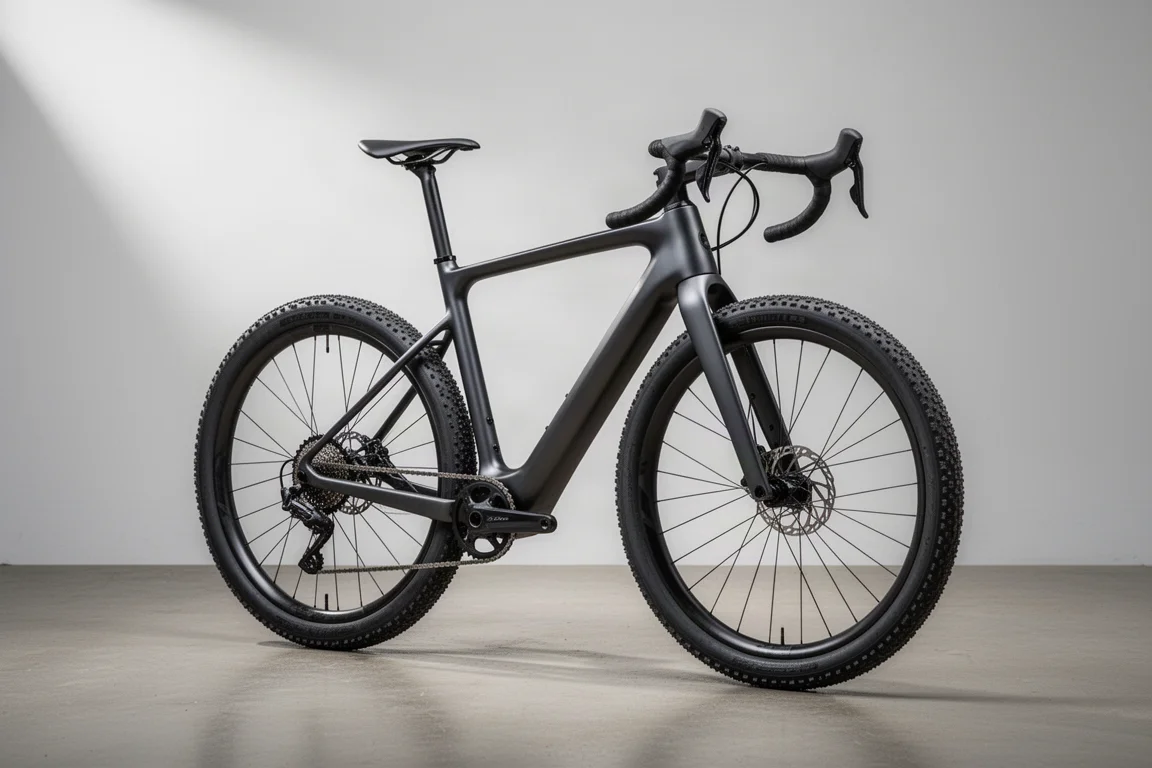
3T Extrema Italia Review: Aero Gravel Speed With Room for 57 mm Tires
The 3T Extrema Italia pairs an aero frame with huge tire clearance, Italian-made carbon and a more comfortable ride than the RaceMax. Here is what to know before buying.
Gravel Bikes
3T Race Max 2 Italia Review: An Aero Gravel Race Bike Made in Italy
A closer look at the second-generation 3T Race Max 2 Italia, covering its aero updates, ride character, tire clearance, internal storage and who it suits.