Snow Sports
Widest Powder Skis Compared: 17 Wide Freeride Skis from 114 mm to 132 mm
A wide freeride roundup covering 17 powder skis from 114 mm to 132 mm underfoot, with notes on weight, shape, taper, flex, and turn radius.
Introduction
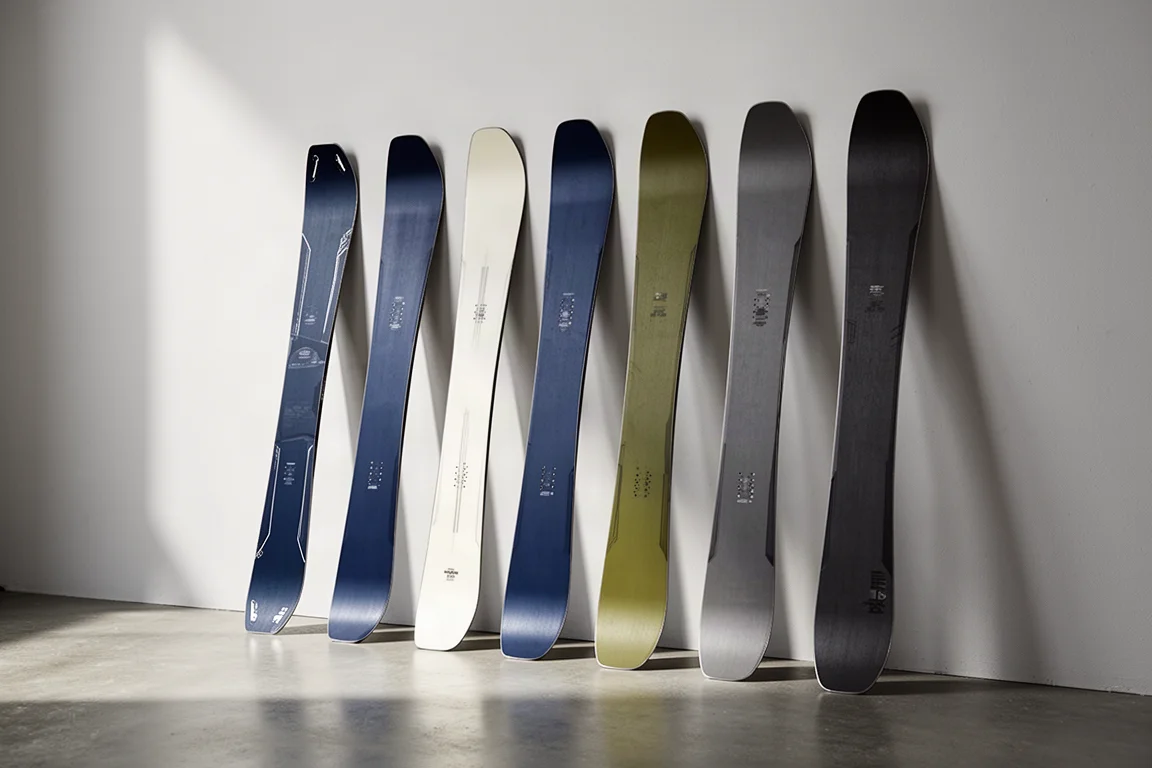
The skis gathered here sit at the far end of the freeride spectrum. Everything is at least 114 mm underfoot, and the widest reaches 132 mm. That range is narrow enough that differences in feel can be harder to detect than differences in shape, construction, weight, flex pattern, and taper, which is exactly where these skis separate from one another.
Weight is the easiest variable to spot. The lightest ski here comes in at 1,770 g, while the heaviest lands around 2,550 g, and that spread has real consequences for how much energy a ski demands over a full day. Turn radius is nearly as wide-ranging, from a tight 18 m to a long 30.5 m, and the tail treatment varies just as much. Symmetrical twin tips, subtle early taper, aggressive taper, and a full swallow tail all appear in this group.
The list below runs from narrowest to widest, with notes on how each ski is built and where it makes the most sense.
Nordica Unleashed 114
Nordica’s widest model, and one that sits right at the edge of a narrower comparison. At 114 mm underfoot in a 186 cm length, it carries 2,140 g and a 20.4 m turn radius, one of the shorter numbers here. The build pairs a lightweight performance wood core with terrain-specific metal: full sheets in the shovel and tail, tapering through the middle, then returning to full width underfoot and again in the tail.
The shape is a true twin tip with moderate rocker and limited taper, and the flex is on the firmer side rather than soft. The result is a ski that is strong, precise, responsive, and trustworthy, but not especially easy. It rewards a skilled, athletic pilot who is driving it hard.
Riders who want a wide twin tip for everyday powder days may find the 108 in the same line easier to manipulate while still offering plenty of width for most conditions.
Line Bacon 115
A new addition to the Bacon family, and a direct contrast to the Unleashed 114. The core blends lighter woods with maple, and the maple noticeably accentuates the flex, leaving the ski soft, bendy, and forgiving. Thin tip technology keeps the tips and tails thin while the profile thickens underfoot, concentrating mass in the central third of the ski.
Rocker starts further back than on the Unleashed and the profile is close to symmetrical, with a rounder taper that suits nose butters and creative freestyle riding. It skis best at moderate speeds, where the soft flex can be loaded and released.
Elan Ripstick 116
One of the most well-rounded skis in this group. The Ripstick 116 uses a tube light wood core, carbon rods, and the amphibio profile, and it comes in lighter than several of the skis around it. As Ripsticks grow wider they also grow stiffer, so this 116 is more supportive and more capable at speed than the narrower models in the line.
The shape is fully directional, with very long tip rocker and a generous amount of splay, paired with less tail rocker and smooth taper. That combination makes it intuitive and easy to ski, and the amphibio profile keeps the edges tracking together regardless of snow conditions. A skin attachment that mounts ahead of the tail opens the door to powder touring use, and the mount range spans a full 7 cm.
Armada ARV 116 JJ
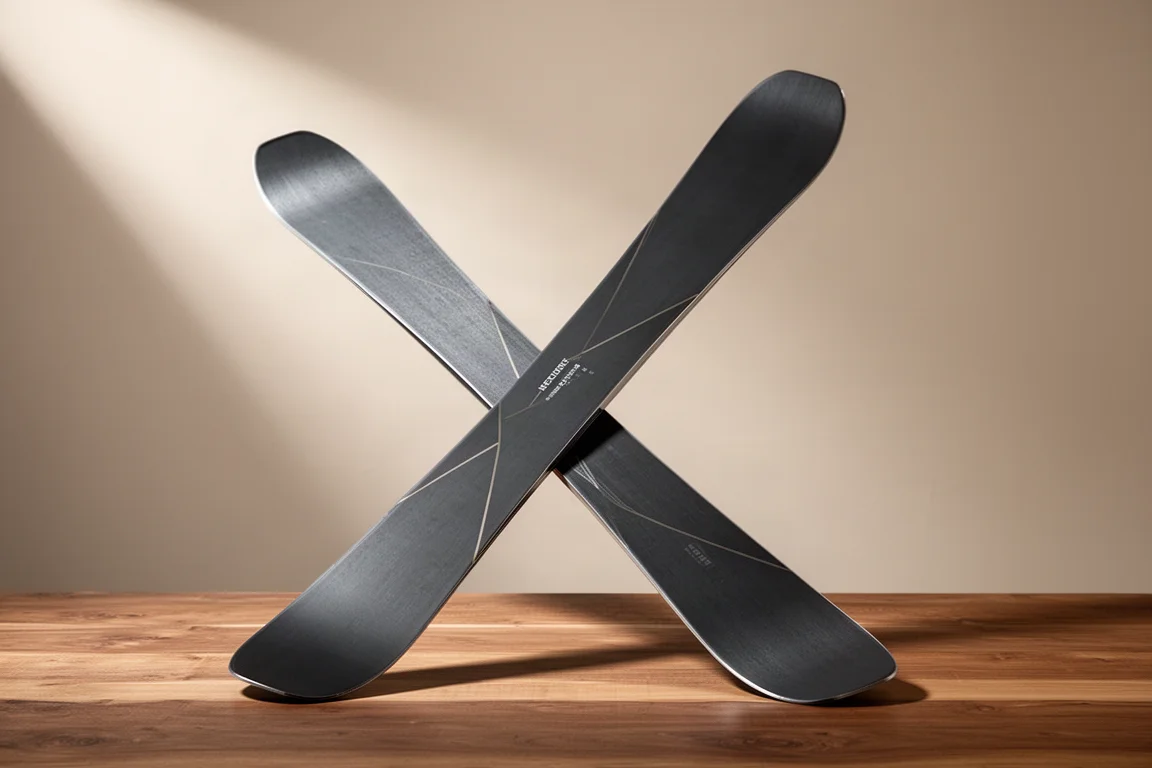
The ultralight version of the ARV 116. It shares its footprint and technology with the heavier build but swaps in a lightweight caruba wood core, which brings it in at 1,882 g in a 188 cm length, comfortably under 2,000 g. That makes it more playful, more mobile, and more maneuverable, and a lighter ski floats more easily.
Smear Tech thins the profile at the edges and ends the edges early in the tips and tails, adding surface area without adding width. Step-down sidewalls run from half cap to quarter cap to full cap, with the rocker beginning at the full cap section. The flex is soft in the tips and tails, and the 18 m turn radius is concentrated in the central third. Dimensions in the 185 cm come in at 139/116/135, only 4 mm of drop from tip to tail, so the shape is close to symmetrical. The best way to think about it is as a jib touring ski.
Fischer Ranger 116
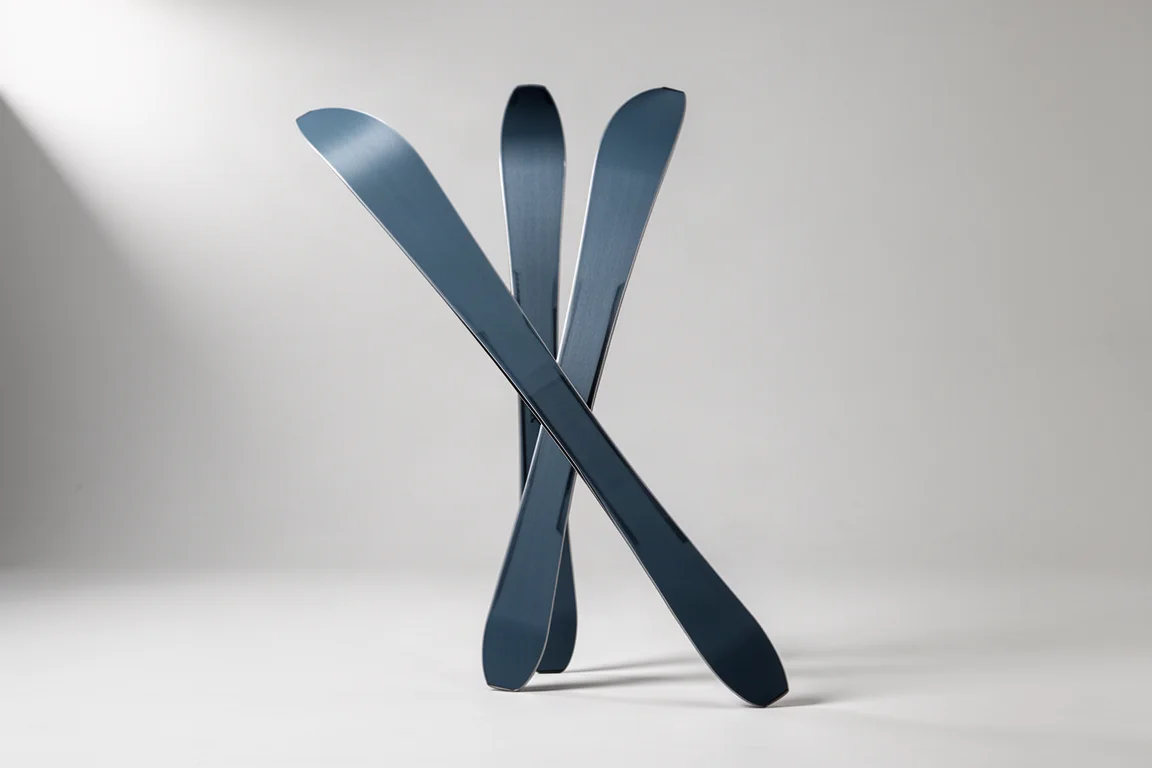
Poplar and beech wood core with shaped TI underfoot, kept short so it mostly aids binding retention and adds vibration damping and strength underfoot without interfering with the flex. The flex cut notch is larger here than on other Rangers, which contributes to a very large sweet spot.
At 2,150 g it sits mid-pack on weight, with a soft shovel and a consistent, round flex pattern that makes the tail edge very easy to release. The shape is fully directional with long tip rocker, a decent amount of splay, and less tail rocker, plus smooth early taper. The ride is smooth, supple, and well damped, and it leans more toward surfing and smearing than the Ripstick 116 does.
K2 Mindbender 116C
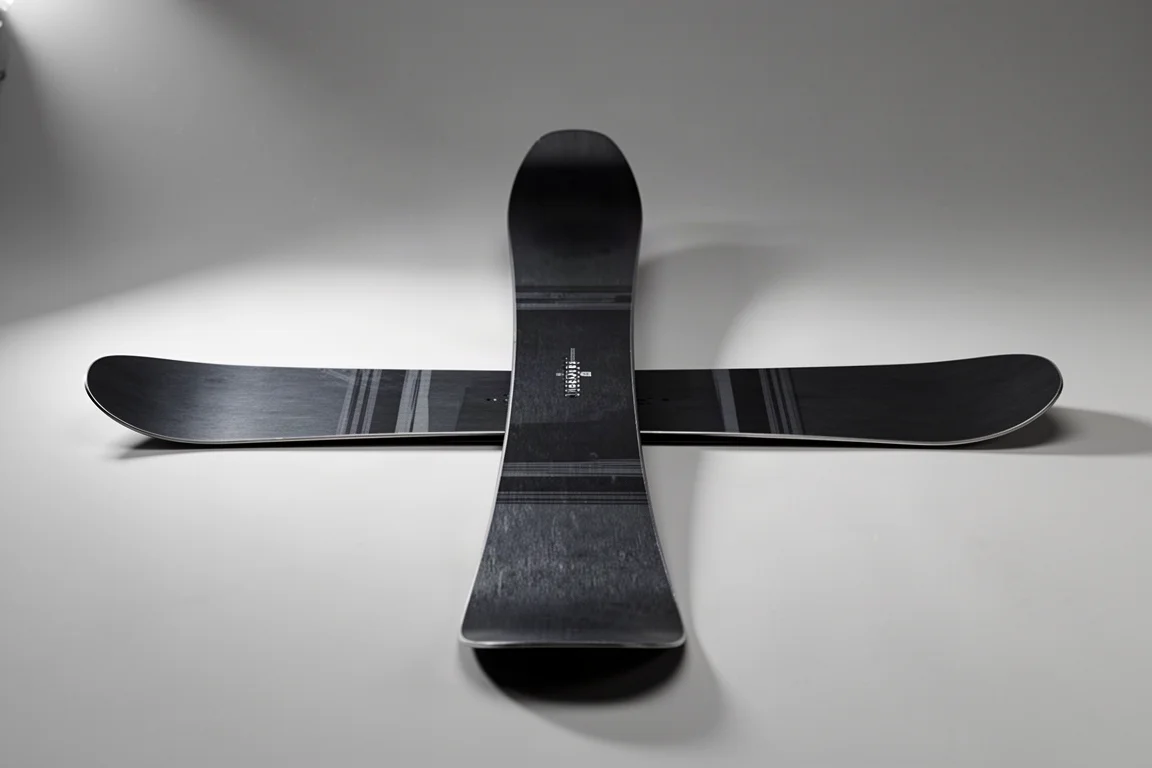
Wood core with carbon spectral braid, and the widest member of the Mindbender C Series, which now runs from 90 mm to 116 mm. At 2,100 g it is relatively light for this category and fully directional, with the least tail rocker of anything here.
Tip rocker is decent but splay is modest, and that is balanced by round, generous taper that gives strong connection and control without ever locking into a turn. The tail releases easily, the flex is supportive rather than stiff, and it is not fatiguing over a long day.
In feel it lands squarely between the snappy Ripstick 116 and the damp, smooth Ranger 116. For riders who want a single very wide ski for the handful of deep days each season, it is one of the easier choices to justify.
DPS Lotus 117
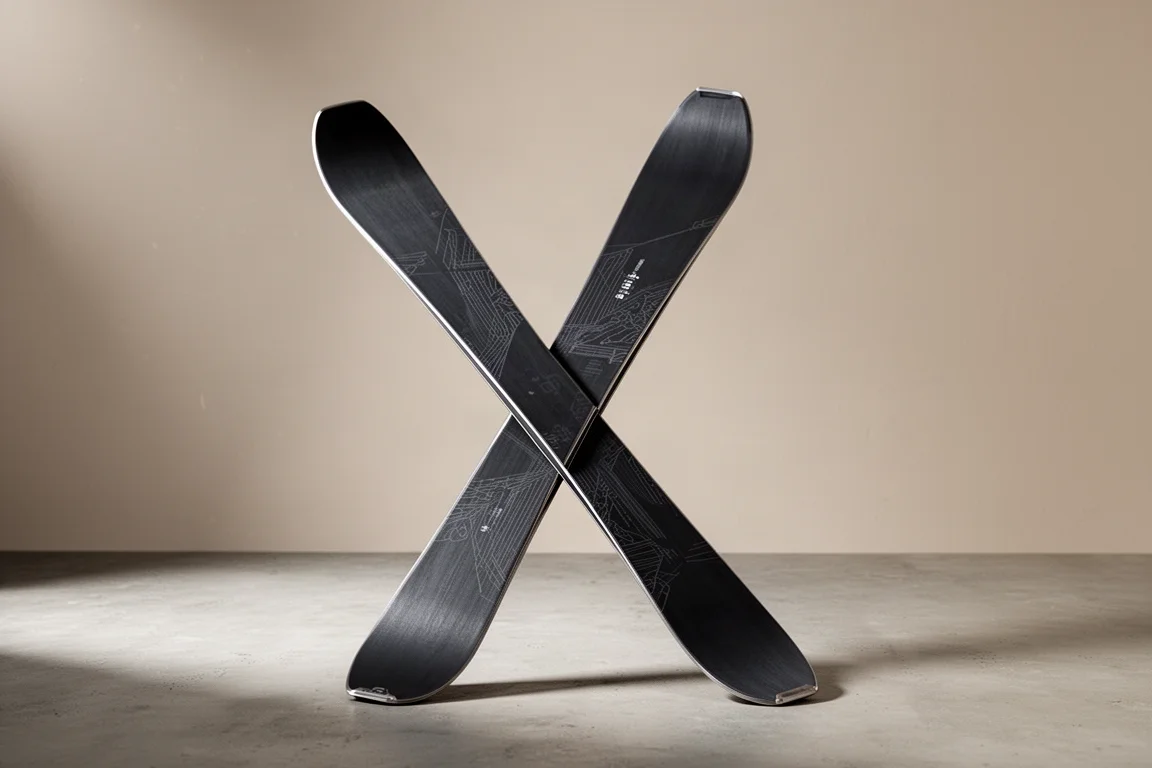
Built on the older Alchemist construction, with a core that blends poplar, paulownia, and ash. The ash insert sits in the center of the ski while lighter material stays at the edges, and two carbon laminates stiffen the ski and keep it consistent from tip to tail. At 1,980 g with a 21 m turn radius, it is light for its width.
The taper is dramatic: the tips are very thin and the widest point is brought well down the ski, which produces smooth flotation. The underfoot section stays fairly straight with little sidecut, so the ski eases into turns rather than hooking. Tail taper starts well back and transitions gradually with modest splay, which leaves enough energy to make the run back to the lift enjoyable.
Rossignol Black Ops 118
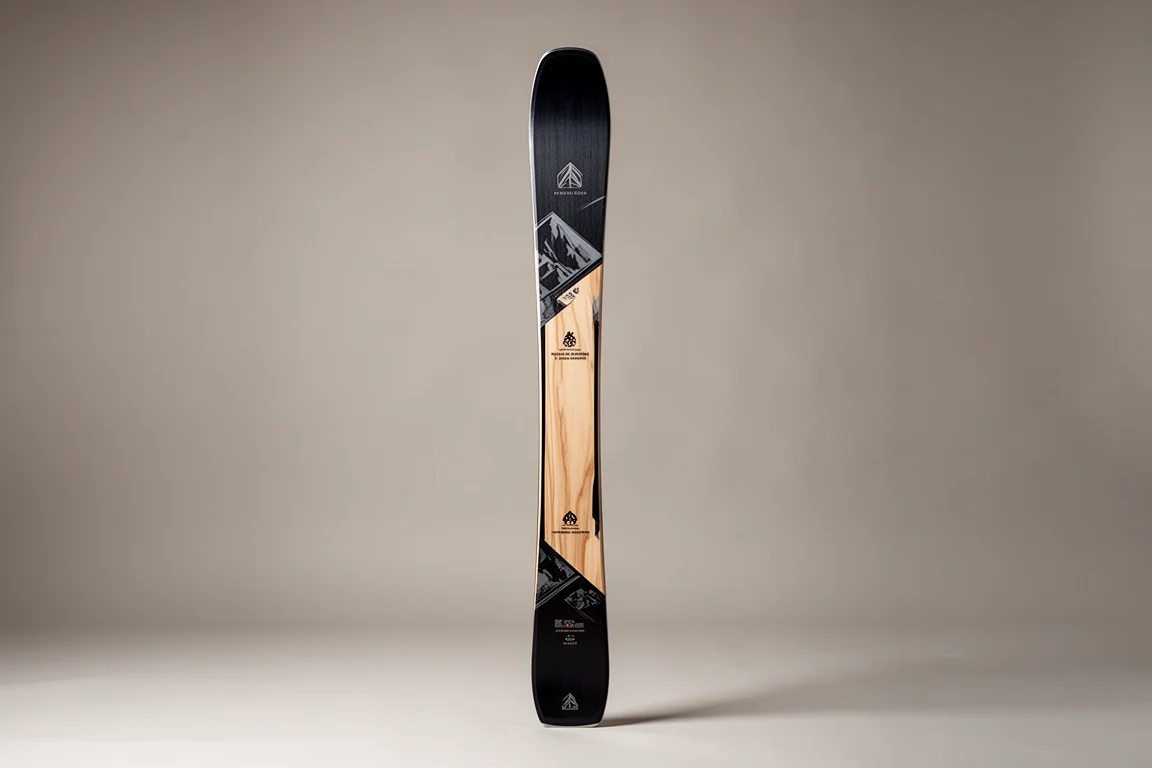
An athlete-driven design built around speed. Poplar wood core, fiberglass, and a substantial amount of rubber in the tips and tails. In a 186 cm it weighs 2,550 g and carries a 25 m turn radius, and it is stiff, strong, powerful, and supportive.
The weight is the main consideration, and it will not suit anyone who is not physically strong. It is not punishingly stiff, though: the tail bends more than you might expect, and the compliant flex pattern paired with generous, rounded rocker and plenty of splay keeps it manageable. It absorbs rough snow like suspension and lets a rider drift, skid, smear, and shed speed at will.
Dynastar M-Free 118
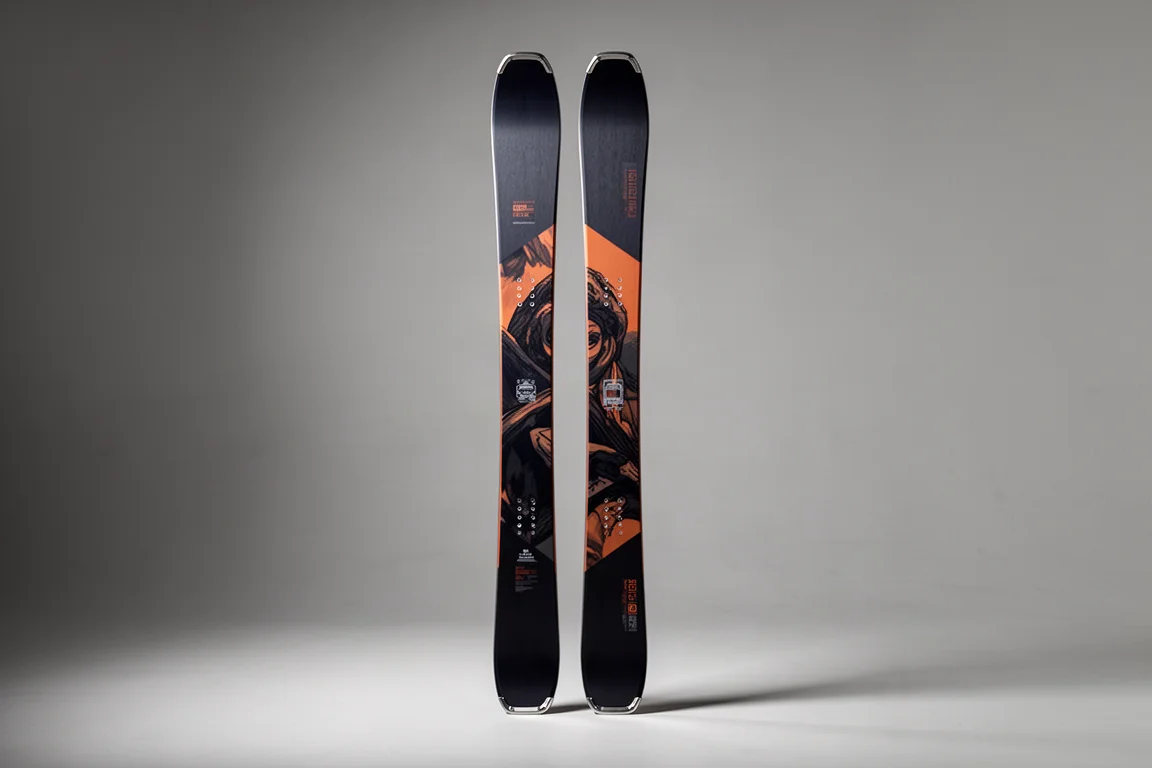
A sibling brand to Rossignol, built differently but aimed at a similar speed-focused outcome. The hybrid core puts poplar in the middle and polyurethane on the outside, which makes the ski smoother and quieter than the Black Ops 118 and slightly lighter at 2,419 g, the second heaviest here.
The tip shape is sharper and more pointed, so it cuts through snow rather than floating over it. There is plenty of rocker up front and a stiff camber section underfoot for grip on steep, technical terrain, with a 24 m turn radius and minimal sidecut. The overall character is less playful and more businesslike.
Atomic Bent Chetler 120
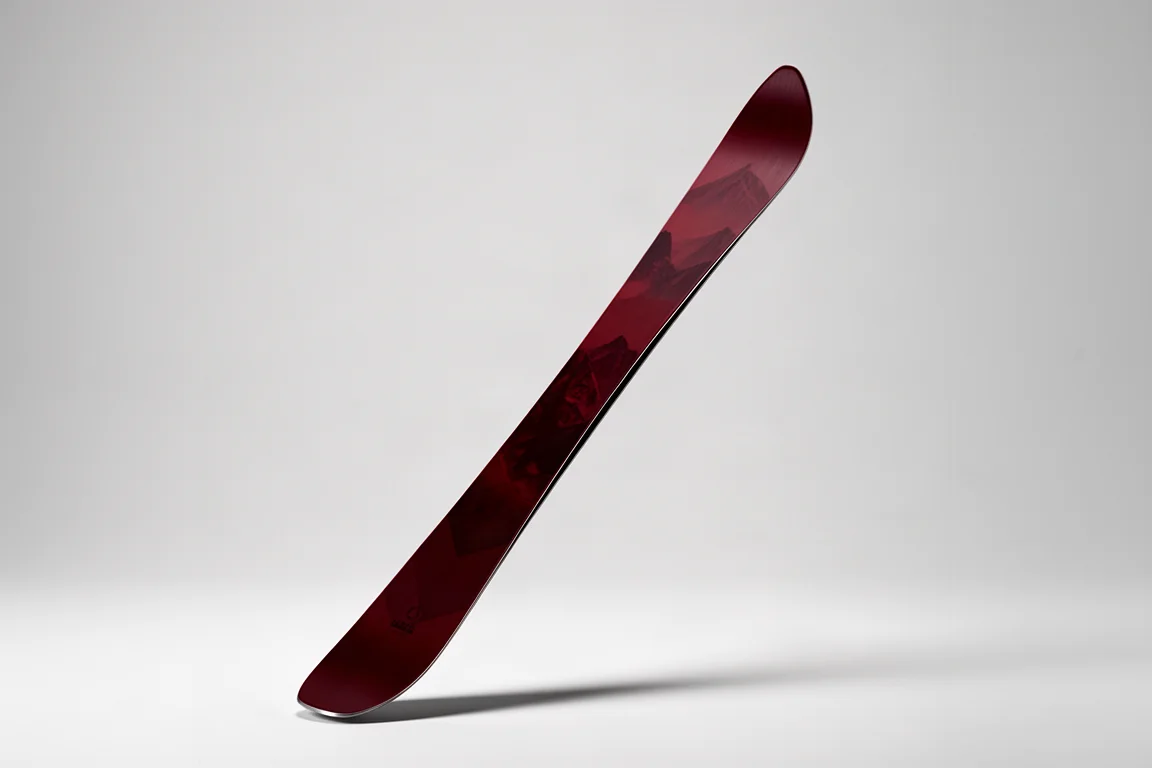
The ski that started Atomic’s Bent collection, and the widest of the family at 120 mm. It uses the same ingredients as the rest of the line but adds carbon stringers, which makes it springier and more energetic, with a slight price increase over the narrower models. At 1,850 g it is one of the lightest skis in this group.
The shape is freestyle-inspired, with a more symmetrical rocker profile and a good amount of tail rocker so it can be landed switch in soft snow. Horizon Tech in the tips and tails thins the edges and boosts looseness, functioning almost like extra rocker. There is a considerable amount of camber underfoot, and the wide range of mount points allows a more directional setup. Among skis this wide, it is one of the more approachable options.
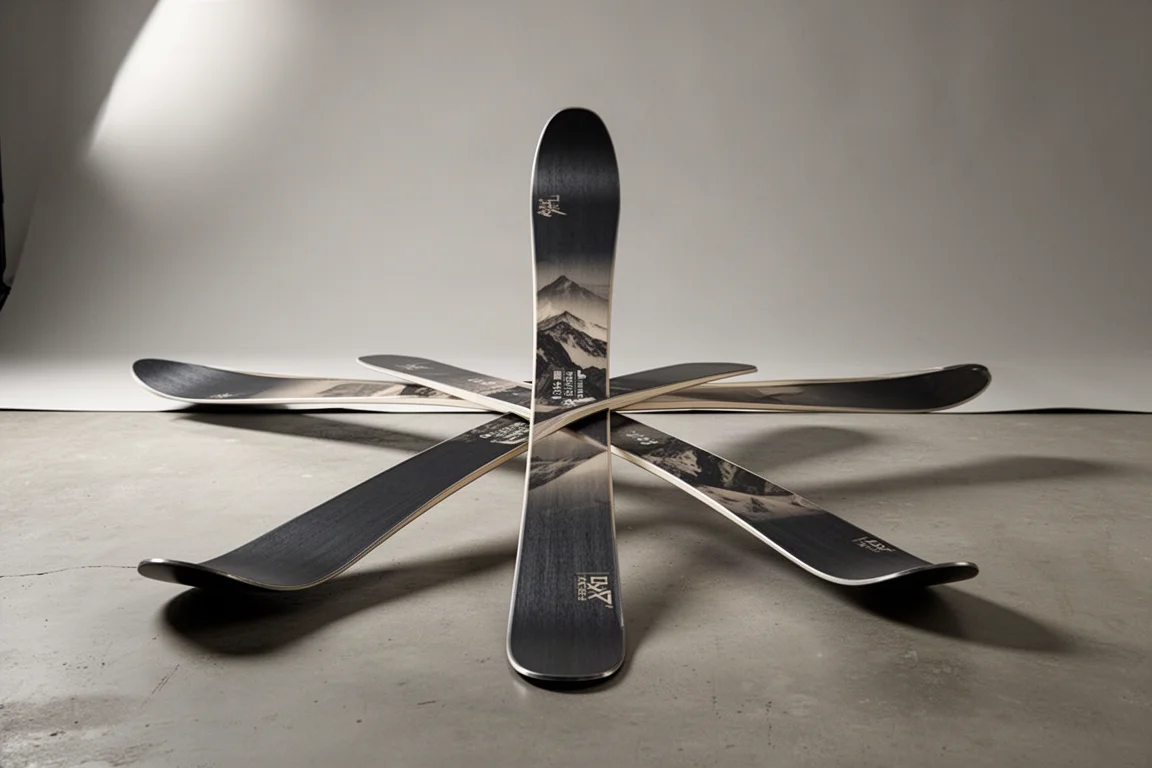
Candid AK 21
A genuine outlier. It runs flat underfoot with zero or reverse camber through a large portion of the ski, and it carries the most dramatic rocker profile in this group. Dimensions are 149/121/141 with a triple radius, so the tips and tails turn more than the flatter middle section. The core blends paulownia and poplar with carbon, and the weight lands around 2,100 g once the binding plate is accounted for.
It is snappier and stiffer than the flat profile might suggest, and the effect is a ski that spins and pivots with almost no effort. That makes it a creative, playful outlier rather than a charger, and heavier or more aggressive skiers may find it uncomfortable at speed. Approach it as a slow, methodical, expressive ski and it makes a lot of sense.
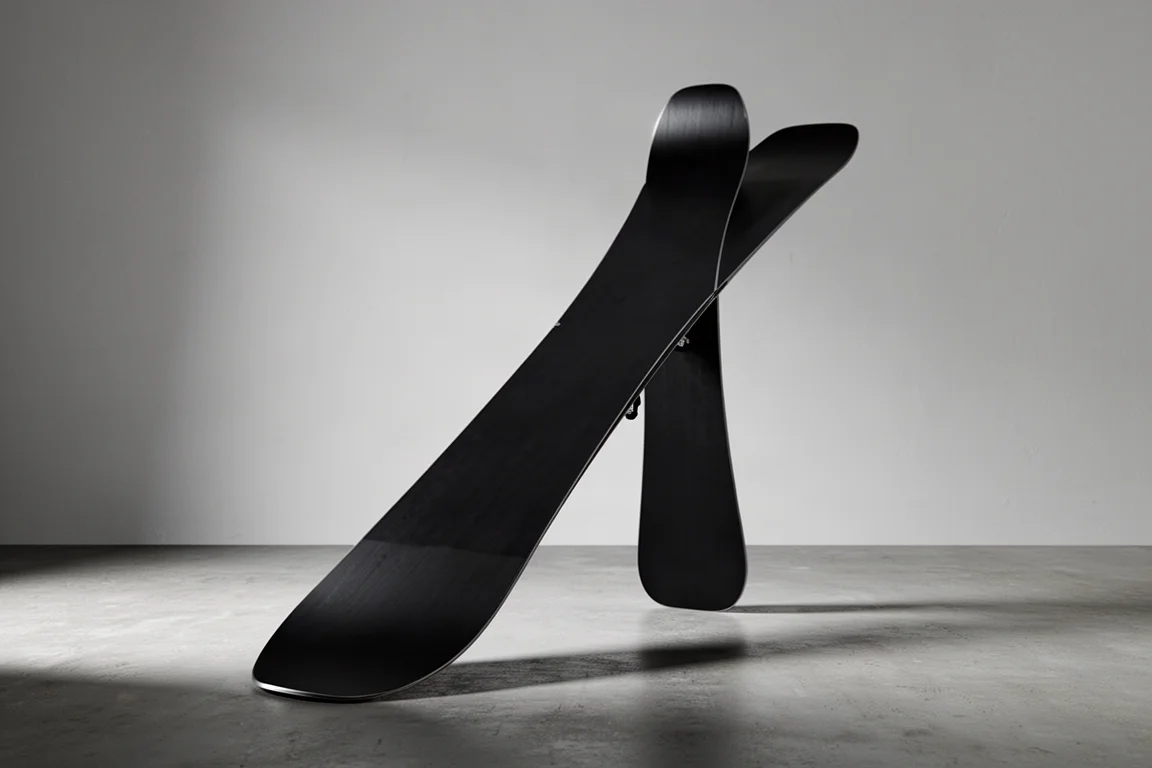
Volkl Revolt 121
A freestyle-inspired powder ski with a simple build: a multi-layer wood core and fiberglass, 2,300 g, and a very even, round flex pattern. The tip rocker is long with a clean finish to the curve, which gives a strong sense of confidence and makes the tip hard to bury.
The most distinctive element is the aggressive early taper in the tail, which removes surface area and, combined with the rocker, lets the tail sink while releasing the edge easily. The result is a surfy, slashy feel that suits nose butters over rollers and natural features. It is a specialist ski, best matched to deep backcountry snow rather than narrower terrain.
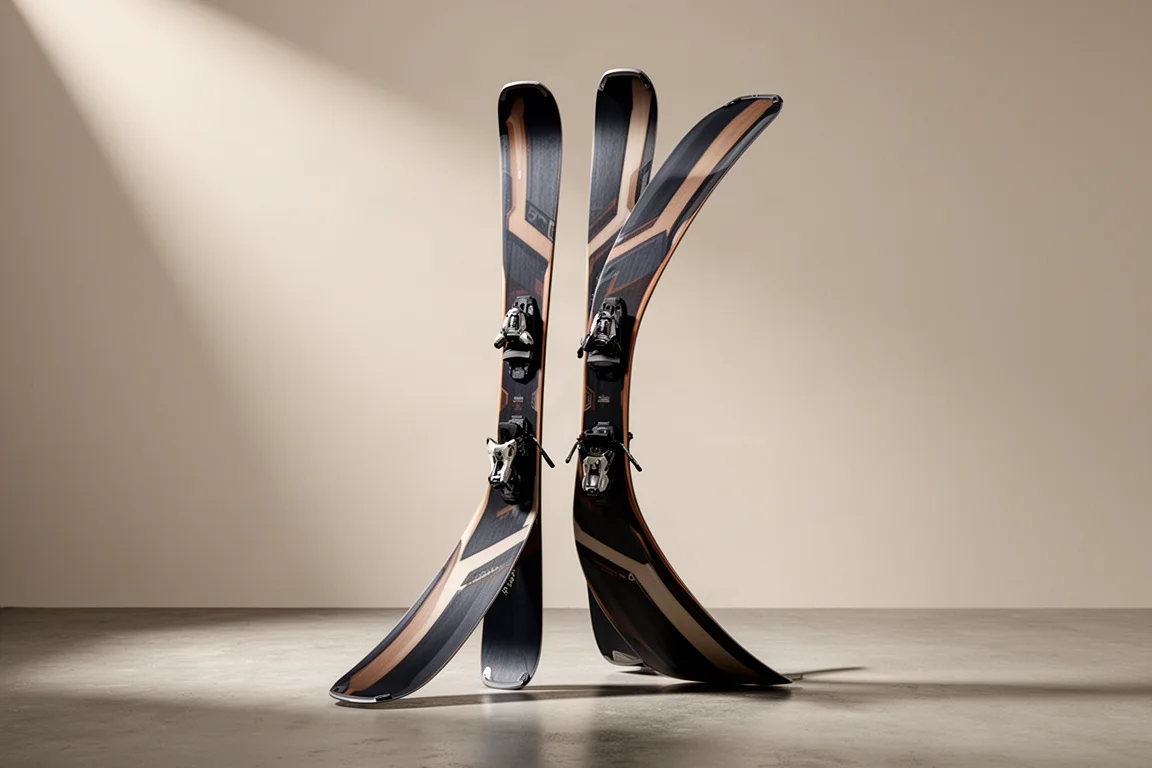
Black Crows Nocta
Reworked for this season with camber added to a ski that used to be fully rockered. The core mixes poplar and paulownia with fiberglass, and at 2,040 g in a 185 cm it is lighter than its dimensions suggest. The new profile brings more energy, pop, and mobility, and the edge-to-edge feel is livelier than before.
Tip and tail detailing follows a chevron motif that also appears in the finish. Rocker is long with a decent amount of splay, and the 19 m turn radius comes with dramatic taper that brings the widest point well down the ski. Despite its size it is surprisingly responsive and can be worked onto a high edge angle, while remaining easy to drift and smear.
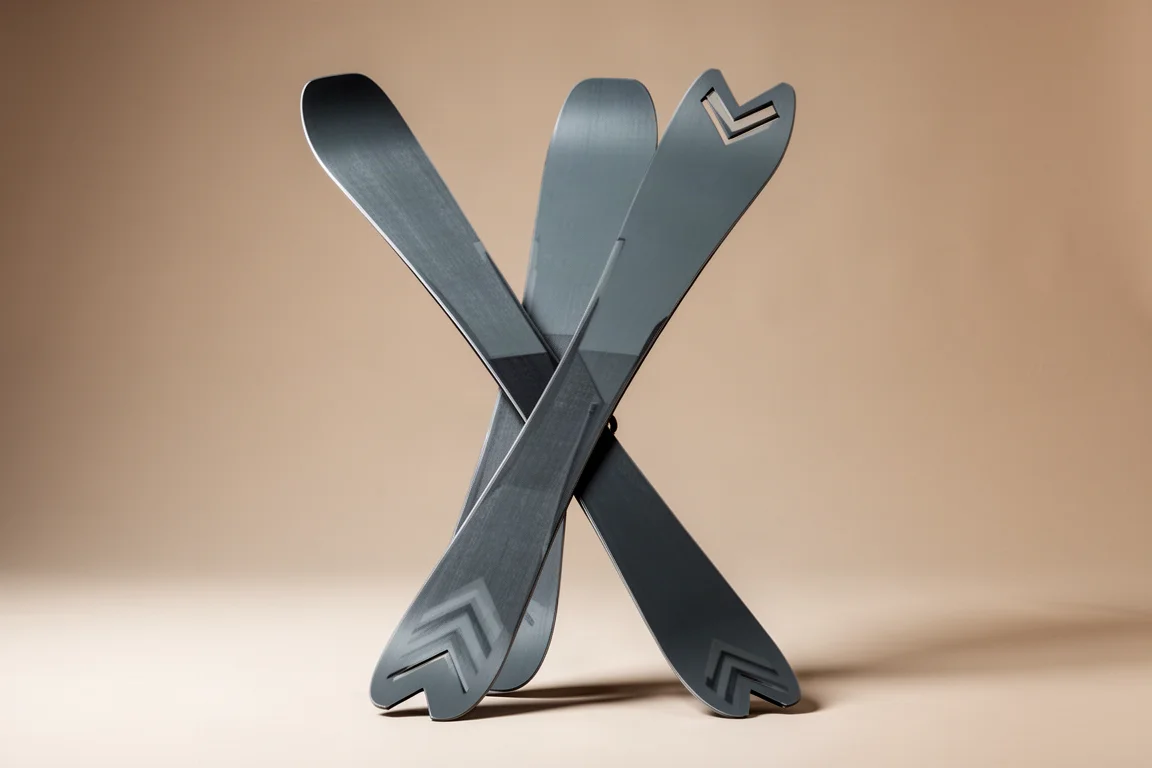
K2 Reckoner 122
Carbon spectral braid is the headline here, woven looser in the tips and tails and tighter underfoot for torsional stiffness, joined by carbon boost braid longitudinal stringers that add snap. At 2,180 g it is light for a 122 mm ski. The flex pattern is among the softest here.
Where the Volkl Revolt 121 relies on aggressive shaping for its playfulness, the Reckoner 122 gets there through construction and a very soft flex. Tip rocker is generous and the rocker profile is more symmetrical, with a good amount of tail rocker. The stated turn radius is 23.7 m, though the soft flex lets it bend into shorter turns.
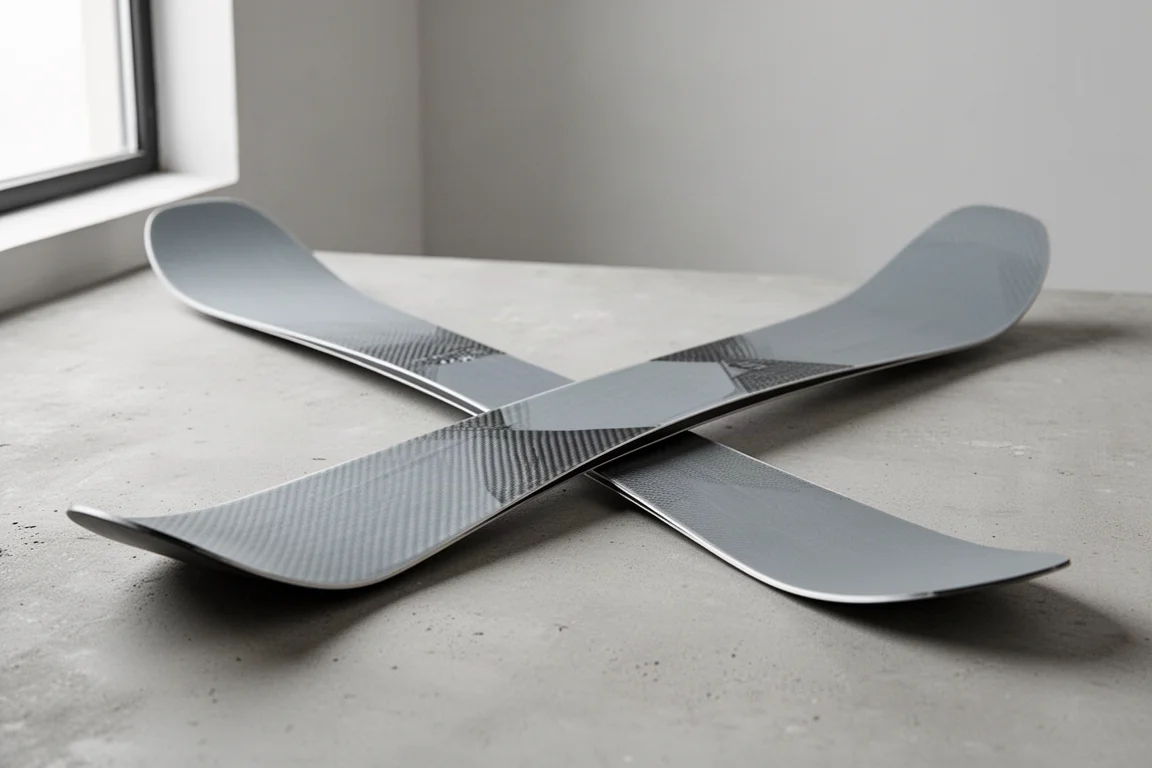
Line Pescado
A swallow tail design that almost does not belong on the same scale as the rest. At 1,770 g it is the lightest ski here, and it is also the shortest, with a chunk of material removed from the tail. The core is a lighter wood build that includes maple, giving it some flex. Dimensions are 158/125/144.
The swallow tail allows a more rearward stance, keeps a longer effective edge engaged, and keeps the shovel up and surfing. Rocker is low, smooth, and long, with camber running back to roughly where the swallow tail begins, and the ski carves surprisingly well for a 125 mm waist. This is a finesse ski rather than an aggressive one.
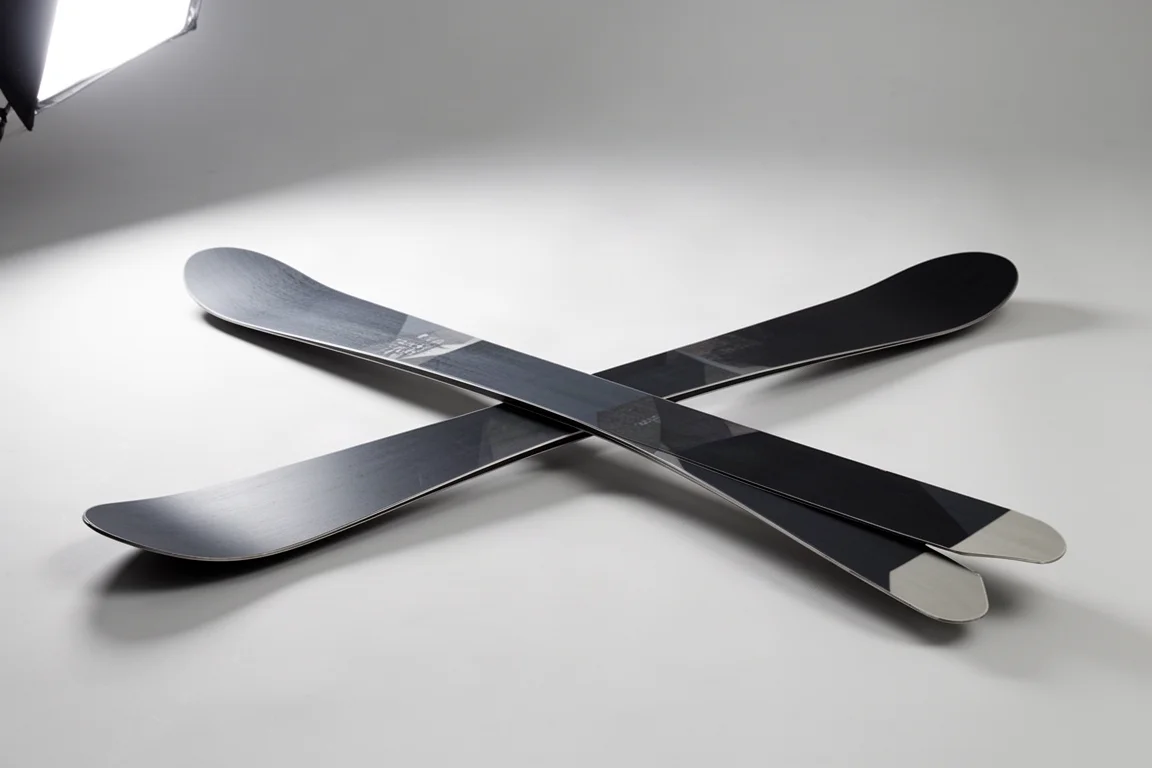
Atomic Spur
At 129 mm underfoot with 149/129/137 dimensions and a 30.5 m turn radius, this is a big mountain tool. In a 189 cm it weighs around 2,350 g and sits on the stiff end of the spectrum, built with carbon flip core construction. It is designed to plane out on top of the snow rather than sink into it, even at low speeds.
Almost all of the maneuverability comes from aggressive taper in both the tip and the tail, while the rest of the ski stays stiff, strong, and stable. Camber is minimal and the profile is nearly flat. It is available in short lengths, including a 159 cm, which opens it up to smaller riders.
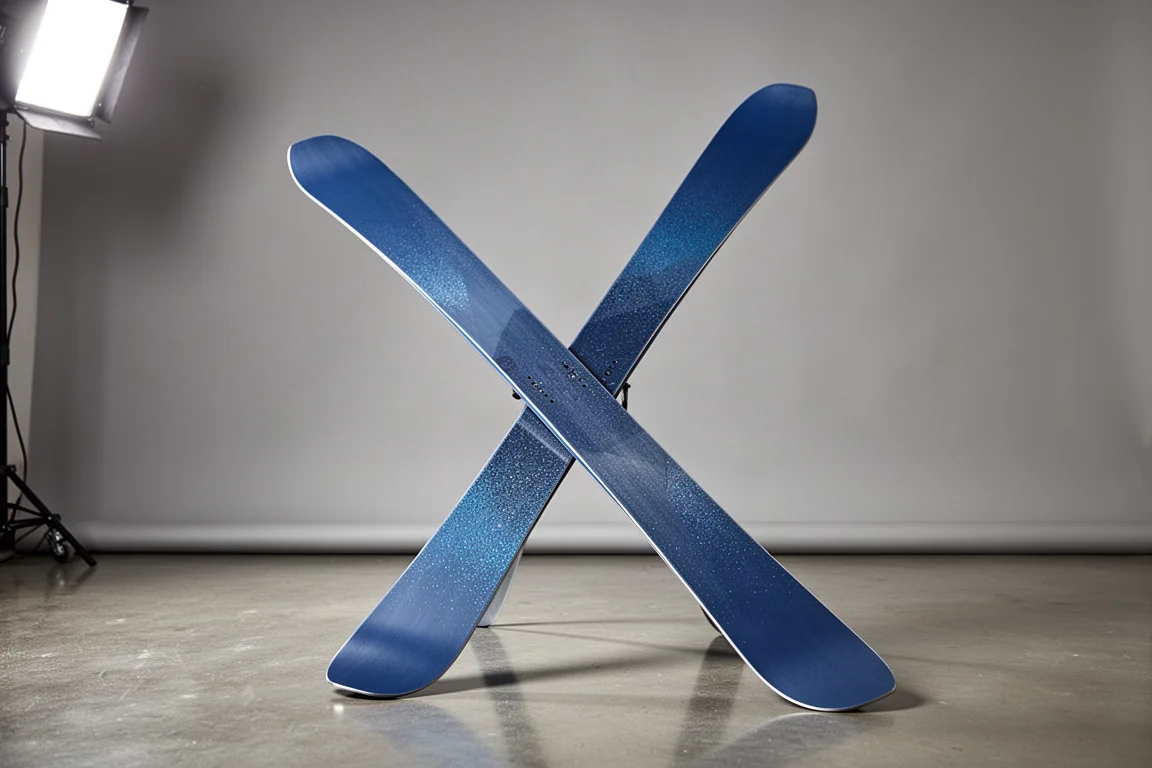
K2 Crescendo
The widest ski here at 132 mm underfoot. The core blends aspen and paulownia, and at 2,100 g it is 200 g lighter than the Spur. Carbon spectral braid adds stiffness and consistency. Construction is fully capped with no sidewall, a choice that suits a ski this wide and should improve durability.
Rocker is extensive: there is a contact point of roughly 2 cm between the rocker and the camber, and a longer contact point in the tail. Tail rocker is long and tail taper is dramatic, while the shovel is more bulbous with less taper. The 22 m turn radius is relatively short for the width. It is a little softer than the Spur, but still on the stiff side.
Buying Advice
Three skis here stand out as well-rounded directional powder options: the Elan Ripstick 116, the Fischer Ranger 116, and the K2 Mindbender 116C. All three combine a directional shape with enough support to handle variable snow, and any of them is a sensible pick for a rider who wants one wide ski without a specific trick in mind. If playfulness matters more, the Line Bacon 115, Armada ARV 116 JJ, Atomic Bent Chetler 120, and K2 Reckoner 122 lean freestyle, with softer flexes and more symmetrical profiles that suit butters, spins, and switch landings.
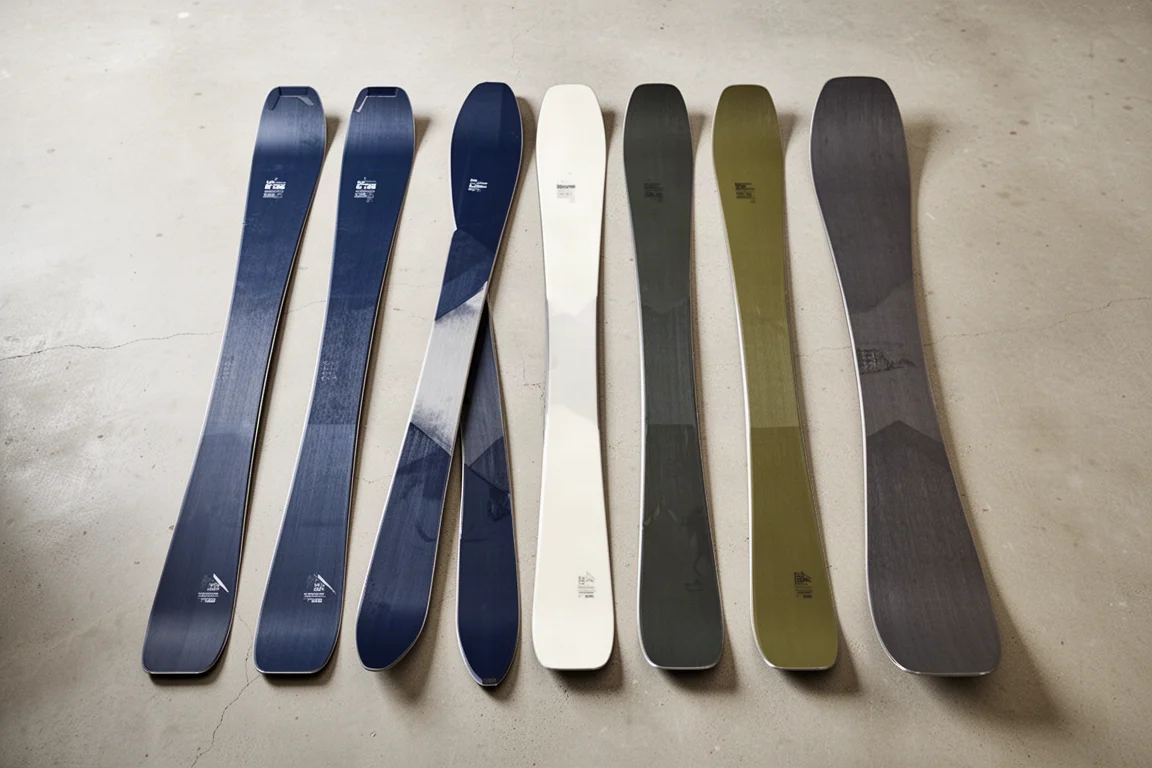
Weight deserves a close look before buying. A 1,770 g ski and a 2,550 g ski behave very differently over a full day, and heavier builds demand more strength even when their flex is compliant. Turn radius is the other number worth reading carefully: longer radii on skis like the Atomic Spur and the Rossignol Black Ops 118 ask the rider to shape turns rather than letting the sidecut do the work, while shorter radii on the Nordica Unleashed 114 and the Armada ARV 116 JJ hook into turns more readily. Finally, decide how much taper and rocker you actually want, since dramatic taper and swallow tail designs favor float and drift, while flatter tails favor edge hold when the snow is less than fresh.
Conclusion
Every ski in this group is a legitimate deep snow tool; the differences come down to how each one gets there. Some rely on taper, some on rocker, some on a soft flex, and some on sheer weight and stiffness. Matching those traits to the terrain you actually ski, and to how strong a skier you are, matters far more than the number printed on the waist.
Further reading
Related Reviews
Snow Sports
DPS Pagoda 112 RP Review: A Powder Ski Built to Turn
A closer look at the DPS Pagoda 112 RP, a 112mm powder ski with a three-wood core, dual carbon laminates, and RP shaping that holds a 15-meter turn radius at every length.
Snow Sports
Dynastar M3 108 Review: A Dedicated Powder Ski Built for Effortless Deep Snow
A 108mm powder ski with a lightweight hybrid poplar and polyurethane core, a soft round flex, and generous tip and tail rocker that make deep snow feel effortless.
Snow Sports
Head Pure Joy Review: A Value-Driven Women's Ski for Beginners and Improving Intermediates
A close look at the Head Pure Joy, a women's system ski with a synthetic core, a graphene layer, and a friendly 73 mm waist aimed at skiers stepping out of rentals.