Hiking Footwear
Wide Toe Box Trail Runners for Thru-Hiking: Three Options Worth Knowing
Three wide toe box trail runners for thru-hiking compared by drop, cushioning, and protection, plus buying advice for hikers who are still dialing in their feet.
Introduction
Trail runners are one of the few pieces of thru-hiking gear that can make or break a long-distance hike. Plenty of hikers rotate through brand after brand without much trouble, while plenty of others spend an entire season trying to solve foot pain that never quite goes away. The difference often comes down to a single question: does the shoe match what your feet can already handle?
One pattern shows up again and again. Hikers discover wide toe box footwear for the first time and go straight to the most minimal, least structured option available. That can be an excellent choice for strong feet and ankles. For everyone else, it is a demanding place to start.
Why Wide Toe Boxes Matter on the Trail
A shoe should follow the shape of the foot. Most everyday footwear does the opposite, tapering toward the toes so they are pressed together with every step. Add the elevated heel that dress shoes, work shoes, and even modern athletic shoes commonly carry, and the foot spends years in a position it was never designed to hold.
That is where heel-to-toe drop comes in. Drop is the difference in stack height between the heel and the toe. A zero drop shoe sits the foot on an even plane, while a shoe with a taller heel stack tips the foot forward and asks the ankle and calf to compensate. Neither approach is automatically wrong, but the foot adapts to whatever it wears most.
Wide toe box options for hikers have largely come from two brands: Altra and Topo Athletic. Both let the toes splay and the foot function more naturally, which is exactly what a foot does hour after hour on a long trail.
Here is the catch. A wide toe box says nothing about how much structure a shoe provides. Many of the most popular wide toe box trail runners are deliberately minimal, with very little cushioning or stability. That combination rewards strong feet and ankles and punishes feet that have not yet built that strength, especially when the load on your back is at its heaviest.
Altra Lone Peak: The Zero-Drop Minimalist
The Altra Lone Peak has been one of the most common trail runners on long-distance routes for years, and its formula is simple: a zero heel-to-toe drop, a 25 mm stack height, and very little cushioning or stability. Toes and heel sit on the same plane, and the ground comes through clearly.
For hikers with strong ankles and efficient gait patterns, that can be an excellent match. The shoe asks the foot to do the work, and a well-conditioned foot can answer. For hikers with weaker feet, the same design becomes a real challenge, and it is one of the most frequent footwear problems among people who have just discovered wide toe box shoes.
Think of it as loading a barbell. Building strength means starting somewhere manageable and progressing. Beginning a thru-hike in a shoe with almost no support is closer to starting with a very heavy squat on day one.
Altra Experience Wild: Altra’s Move Toward Cushion and Drop
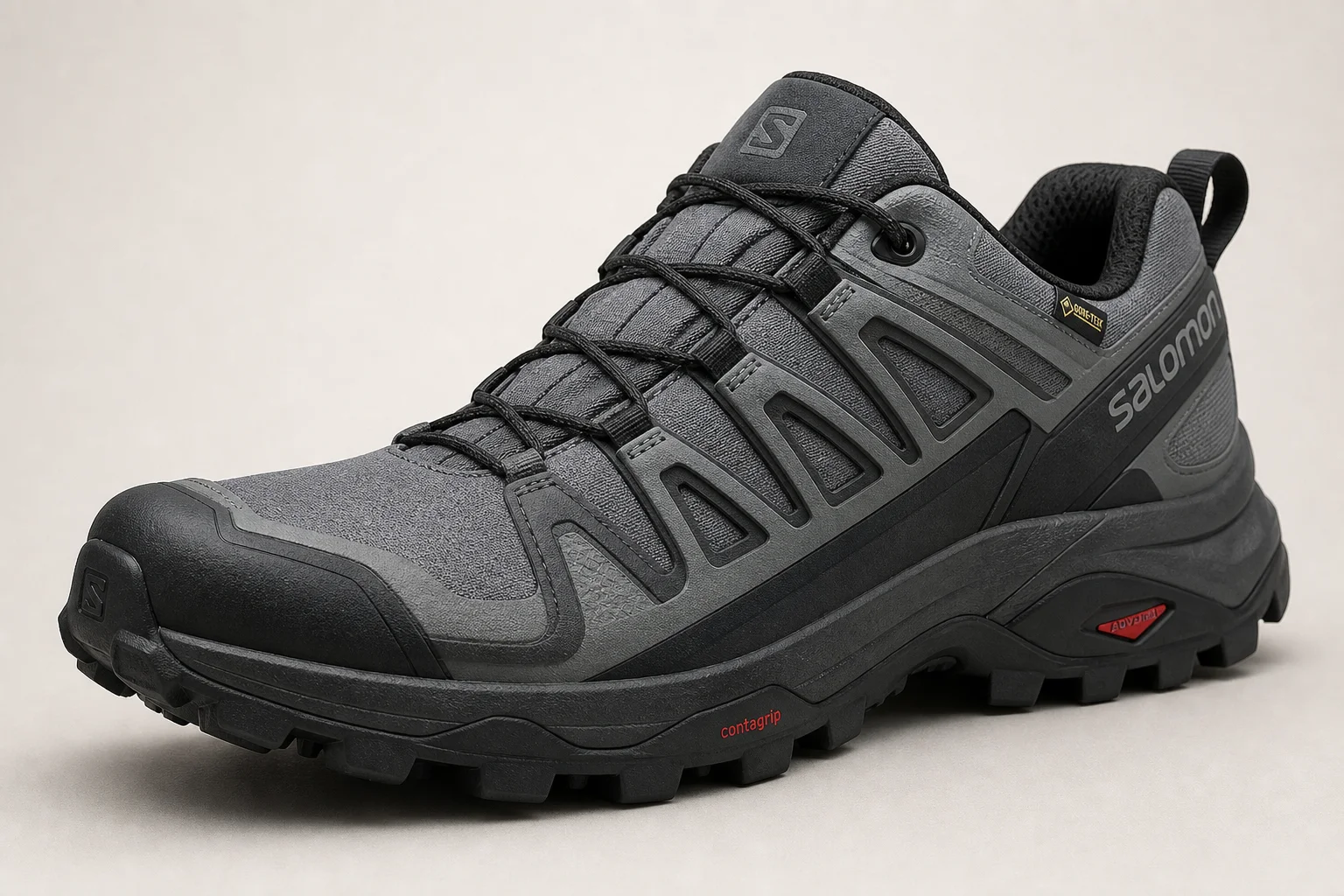
The Altra Experience Wild is now in its third version, and it signals a shift for a brand long defined by zero drop. It carries a 4 mm heel-to-toe drop, a notable departure, along with a 32 mm stack at the heel and 28 mm at the toe. Compare that with the 25 mm stack on the Lone Peak and the direction is clear: more material underfoot and a little more structure.
More stack does not automatically mean more protection on rough ground, though. The Experience Wild stays flexible throughout and does not include a rock plate. That makes it a comfortable, adaptable option for smoother trails and mixed terrain, while sharper, rockier routes will still send plenty of feedback up through the sole.
For hikers who like the Altra fit and want a softer ride than the Lone Peak offers, it is a sensible middle ground.
It is worth repeating that flexibility is a trade-off rather than a flaw. A shoe that bends easily moves with the foot, but it also transmits more of the trail upward.
Topo Athletic Terraventure: The Stable, Protective Option
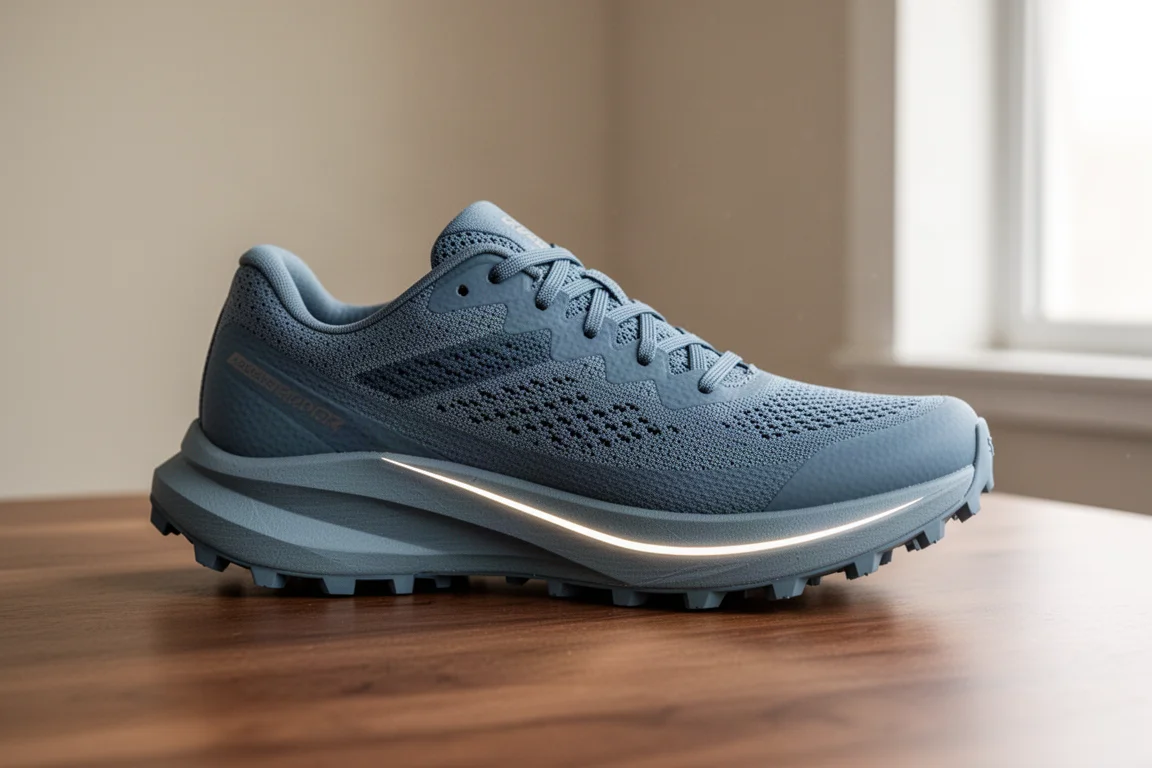
The Topo Athletic Terraventure takes a different approach. Its heel-to-toe drop is 3 mm, still modest by everyday shoe standards, but the midsole is sturdier and the rubber outsole is tougher and more rugged. There is a rock plate as well, which the Experience Wild does not have.
The result is a shoe that feels more protective on the terrain that punishes feet hardest. On genuinely rocky ground, and on the long road walks that show up on routes such as the Florida Trail or the Continental Divide Trail, the extra structure keeps the foot from absorbing every impact directly.
It is a rugged workhorse rather than a light, flexible trail shoe, and that is exactly the point.
The Gap That Still Needs Filling
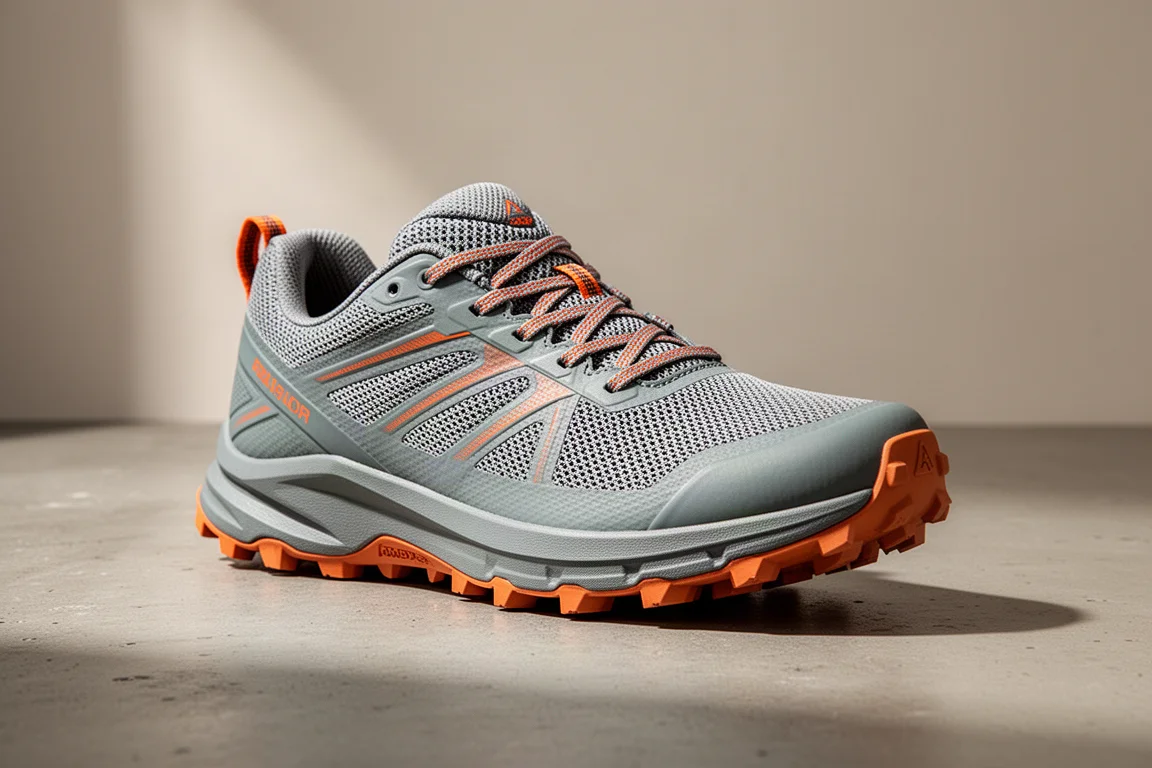
There is still a hole in the market. What many hikers with weaker feet actually need is a stable, rigid trail runner with a meaningful heel-to-toe drop and a wide toe box. Stable and rigid options exist, but they typically come with narrow toe boxes, which only suits people with narrow feet. Wide toe box options exist, but they lean minimal.
That leaves hikers choosing between structure and toe room when they should be able to have both. It is a gap worth watching, because demand on long trails is real and growing.
In the meantime, the practical answer is to pick the shoe that matches the foot you have today rather than the foot you hope to build, and to treat foot strength as something that develops over a season rather than overnight.
Matching the Shoe to Your Feet
The right choice depends less on brand loyalty and more on an honest assessment of your feet and ankles. If you have strong feet, a history of minimalist footwear, and efficient gait mechanics, a zero drop shoe like the Lone Peak can work well. If your feet are untrained, or you simply do not know how they will respond to a long hike, more cushioning and more protection is the safer starting point.
Building foot strength is easier off the trail than on it. Casual walking in a less structured, zero drop shoe can gradually develop the foot and ankle, allowing the toes to splay and the foot to work naturally. Making that same jump while carrying a heavy pack on day one of a long hike is a different proposition entirely.
Buying Advice for First-Time Thru-Hikers
For anyone starting a long-distance hike without knowing how their feet will behave, the Topo Athletic Terraventure is the most conservative choice of the three. The rock plate, sturdier midsole, and tougher outsole make it the more protective, more stable shoe for a foot that has not been tested yet.
Buy from a retailer that makes trying shoes low risk. REI membership allows used footwear to be returned for up to a year, which matters a great deal when a single thru-hike can consume six to eight pairs. Rotating through several models without a return option gets expensive quickly.
Finally, set aside the survey results and the crowd favorites for a moment. Fit, toe room, and the amount of structure you actually need should decide the purchase, not what happens to be popular on trail this season.
Conclusion
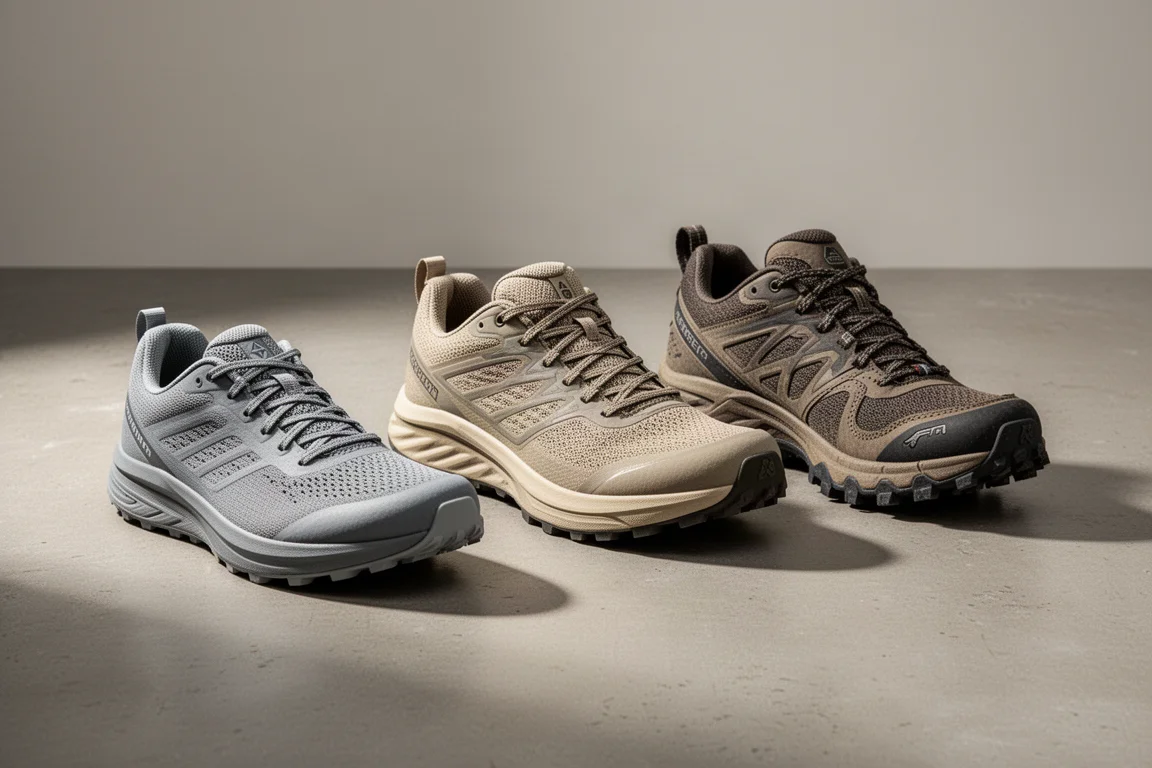
Wide toe box trail runners are not interchangeable, and the differences between them matter most to the hikers who struggle with their feet. The Altra Lone Peak rewards strong feet with a minimal, zero drop ride. The Altra Experience Wild adds cushioning and a 4 mm drop while staying flexible. The Topo Athletic Terraventure brings a rock plate, a sturdier midsole, and a tougher outsole for the roughest days.
If you are unsure where your feet fall, start with the more protective option and let your feet earn their way toward something lighter.
Further reading
Related Reviews
Hiking Footwear
Best Hiking Sandals 2026: Five Options for Different Trail Needs
Five hiking sandals tested for comfort, protection, and versatility. Find the right pair for your hiking style, from minimalist designs to heavy-duty closed-toe options.
Hiking Footwear
Best Hiking Shoes 2026: Five Options for Different Terrain and Support Needs
A practical guide to five hiking shoes covering max cushioning, zero-drop design, all-around versatility, waterproof protection, and balanced comfort for long-distance trails.
Hiking Footwear
Best Hiking Shoes for Men: Five Tested Options Ranked
A detailed ranking of five hiking shoes tested for comfort, traction, and durability across varied terrain and conditions.