Workshop Tools
Why Vintage Scroll Saws Are Still One of the Best Bargains in the Workshop
Used vintage scroll saws remain surprisingly affordable. A close look at the Atkins Model 50 and the cast iron Craftsman scroll saw, plus what to expect on the used market.
Introduction
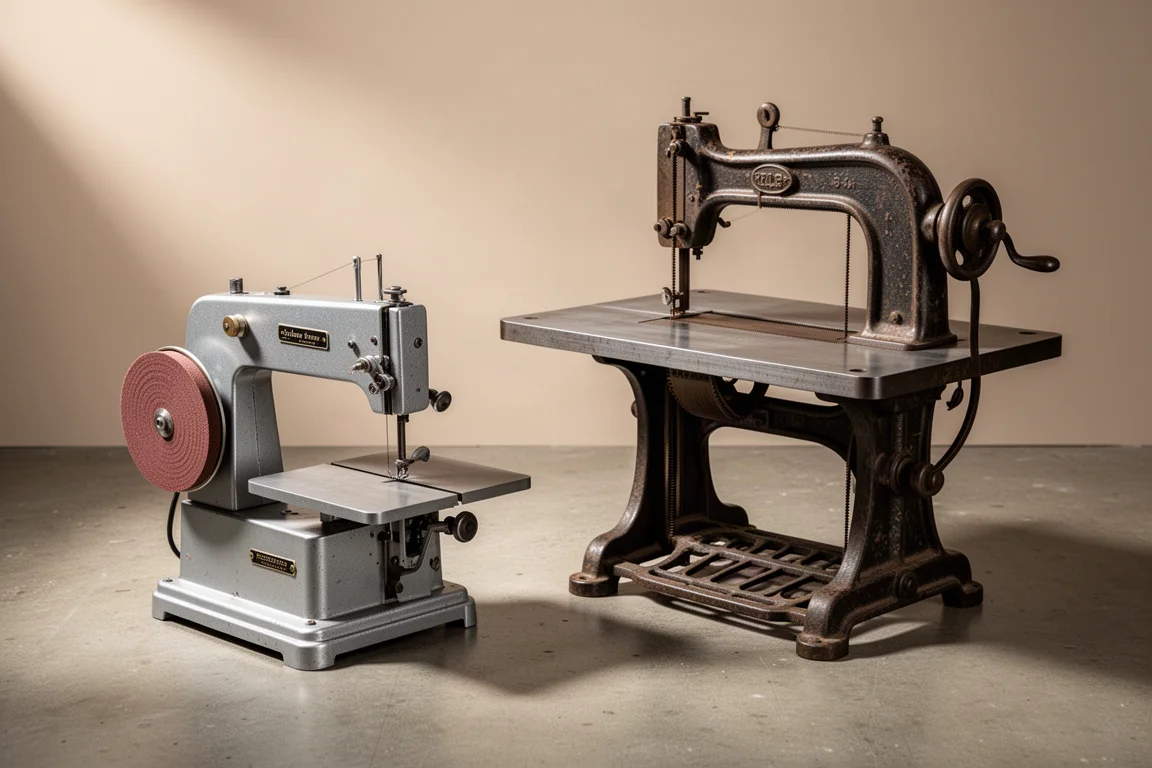
Most vintage American-made tools have been discovered. Used vises, table saws, and hand tools that once sold for a few dollars are now priced like collectibles. Scroll saws are the strange exception. Solid, well-built machines from the mid-century era still trade hands at garage-sale prices, and every workshop arguably has room for one. Two examples show why the used market is worth a serious look before buying new.
Atkins Model 50: A Ten Dollar Three-in-One
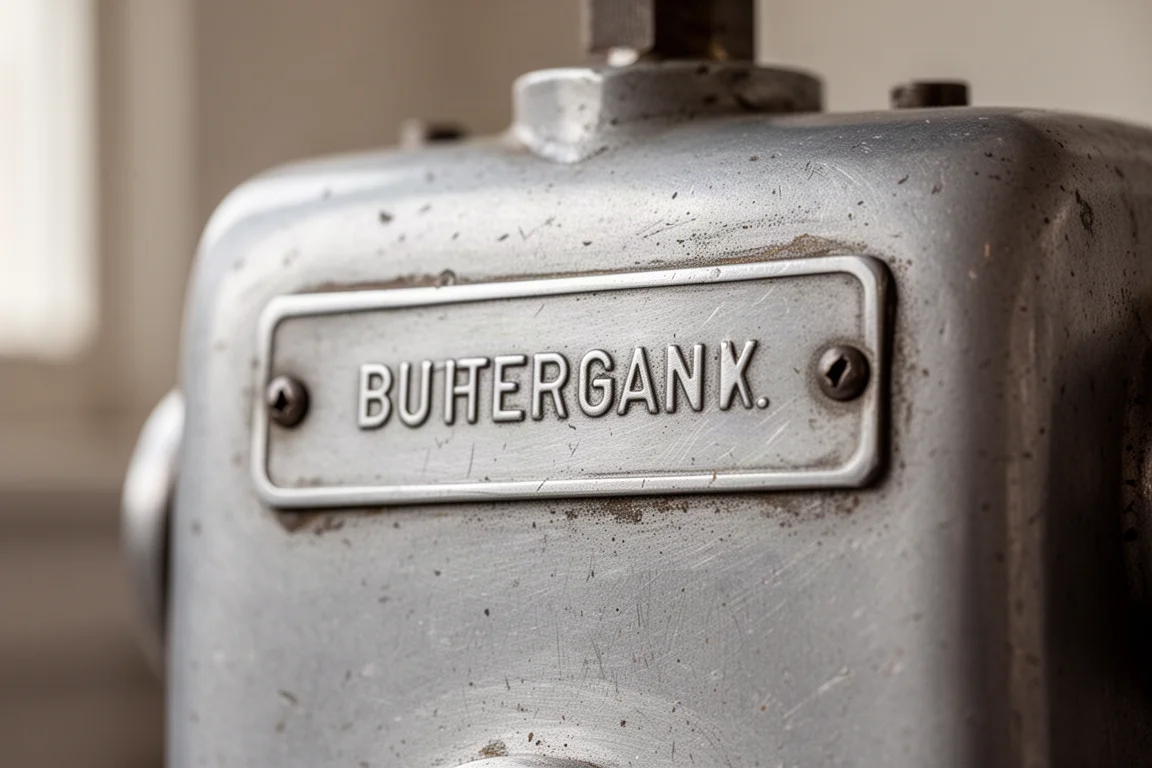
The Atkins Model 50 was found for ten dollars at a garage sale. It is a hobby-size machine made in Chicago, likely early 1950s, with solid aluminum construction and a part number engraved on the body. The plate reads Atkins Industries Inc, Ravenswood Avenue, Chicago, Illinois, USA.
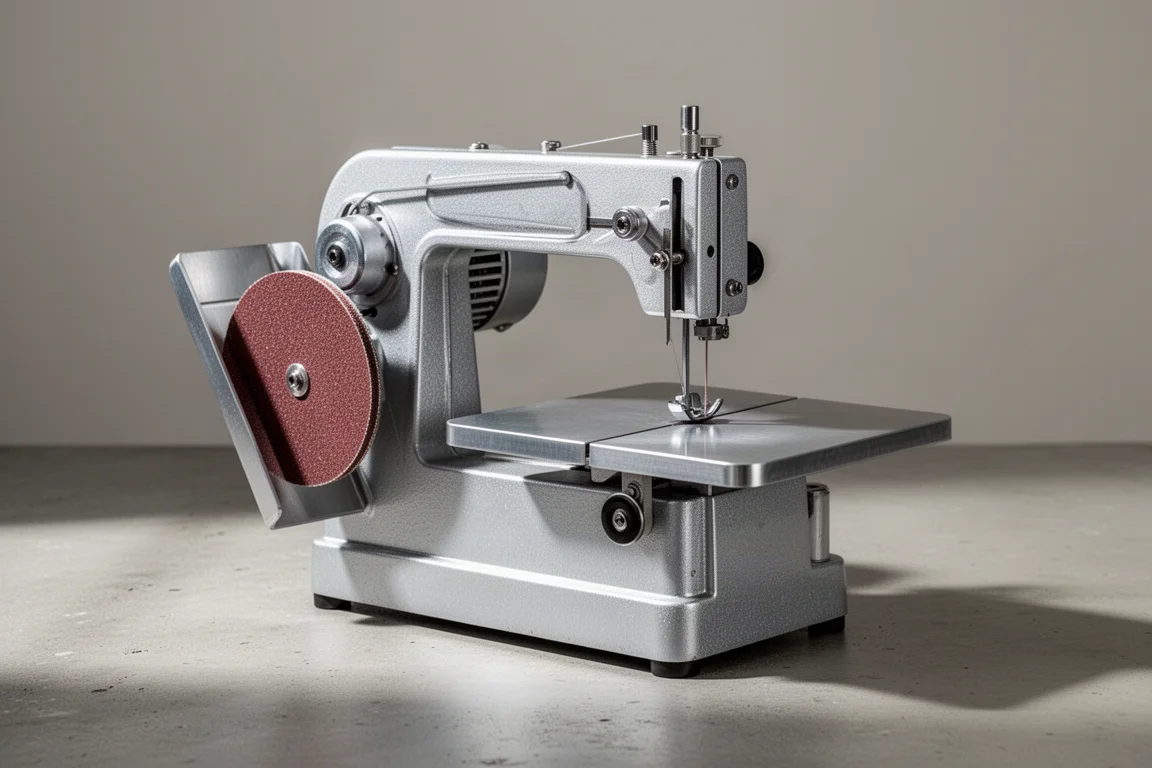
It is marketed as a three-in-one tool. The first two functions are obvious: it is a scroll saw, and it has a sanding disc built into the side with adjustable angles. The third use is less obvious but genuinely clever: it can run as a saber saw, essentially an upside-down jigsaw setup with a thicker, stouter blade better suited to straighter cuts.
The motor is small, so this is a crafting and hobby tool rather than a production machine. It is also a unique little unit that turns up cheap, though for general shop use a bigger vintage machine is usually the better buy.
Craftsman Scroll Saw: The Cast Iron Workhorse
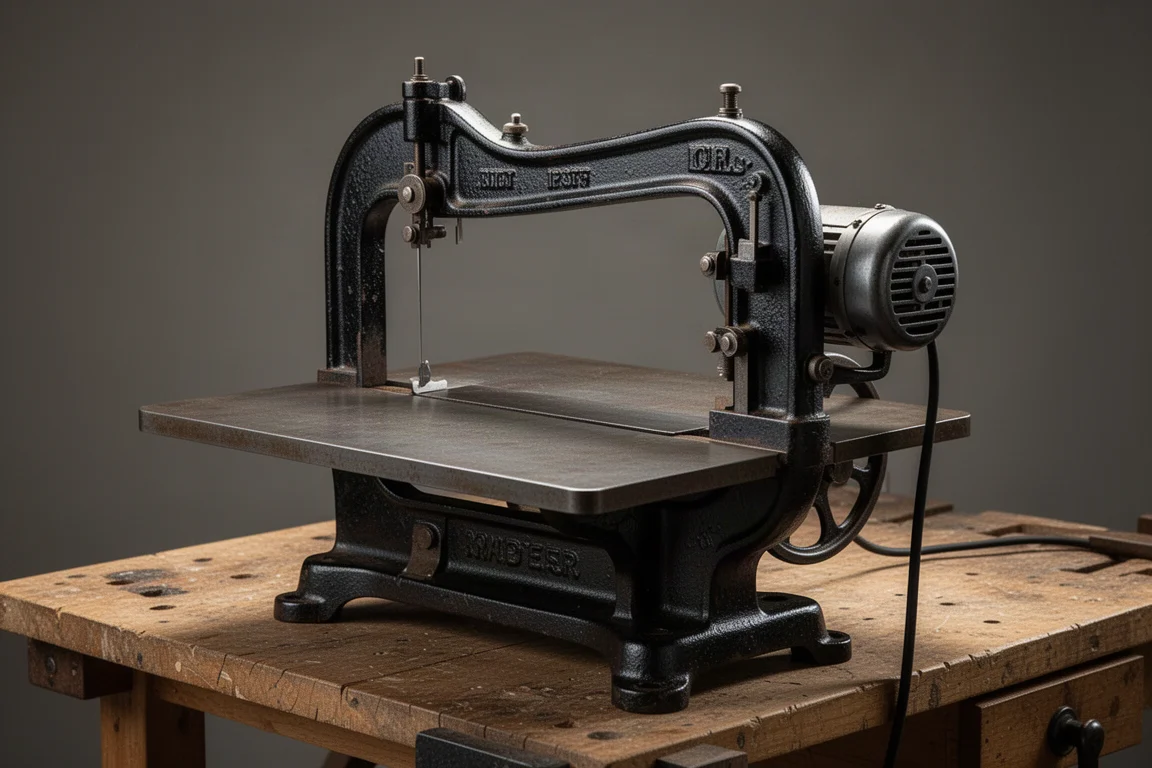
The second example is a cast iron Craftsman scroll saw with a 24 to 26 inch throat, bought several years ago for around 50 to 60 dollars with the motor included. Cast iron construction makes it a genuinely beefy machine, and the deep throat is far more generous than what you find on modern inexpensive imports.
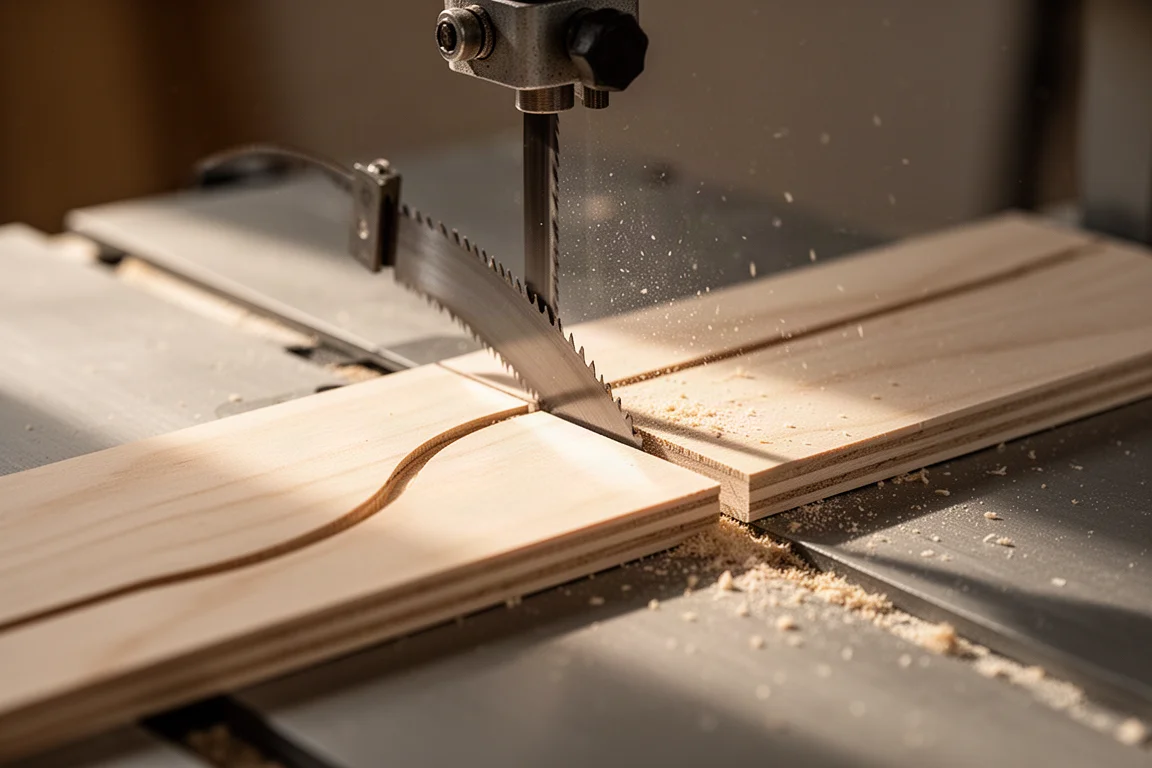
Vintage scroll saws typically offer a much deeper throat than the budget machines you will find at big-box stores, which makes them more capable for larger workpieces while costing less.
Fixing Up a Seized Machine
Vintage cast iron machines often need some patience before they run. This Craftsman arrived seized up, and the fix was simple: douse the mechanism in WD-40, let it sit for a week, come back periodically and whack it with a rubber mallet, and add more spray as needed. It eventually broke free and ran like a top.
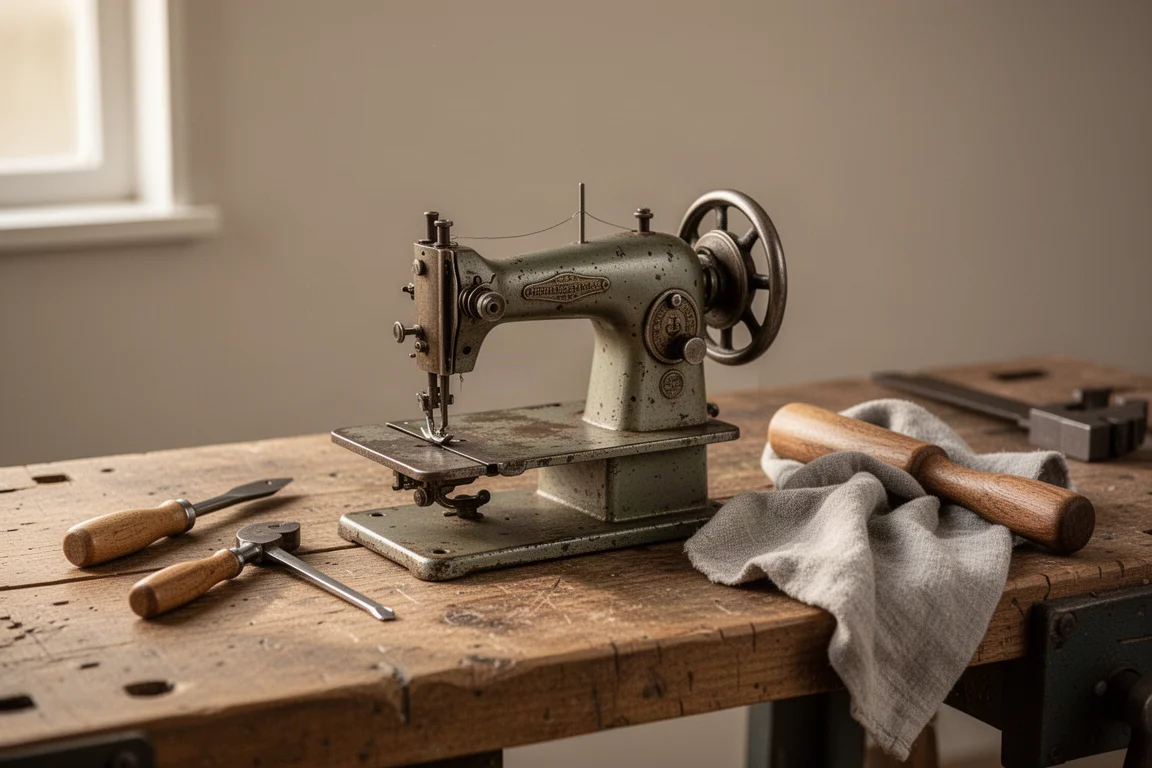
With better penetrant such as evaporust, the process could have gone faster, but the point stands: a little corrosion does not kill these machines, and a careful weekend of work can bring a decades-old saw back to full service.
Where the Deals Are Hiding
Current local listings show just how deep the supply runs. On Craigslist alone: 25, 195, 75, 60, 40 with the base, 100 for a Dremel, 30, 40, and 50 on various vintage and modern units, plus an Excalibur at 350. Facebook Marketplace shows similar depth: 65, 135, a Dremel for 100, a Craftsman at 75, 50, 100 with the table, and 250.
With this many machines floating around at these prices, there is little reason to overpay. People who price vintage scroll saws like gold are simply out of step with how abundant they are.
Buying Advice
For general shop use, a vintage scroll saw is hard to beat: usually cast iron, usually a deeper throat, and usually far cheaper than anything comparable new. If you have a specific professional need, such as super fine detail work, then buy the exact machine for that job. But for the typical shop, a well-bought vintage unit should serve just fine.
Conclusion
Scroll saws remain one of the last genuinely cheap corners of the vintage tool market. The Atkins Model 50 shows how much charm you can get for ten dollars, and the cast iron Craftsman proves that heavy, deep-throat machines can still be had for pocket change. Before buying new, check the local used listings first.
Further reading
Related Reviews

Workshop Tools
Best Drill Tap Sets 2026: Top Picks Tested for Speed and Strength
We tested 17 drill tap sets to find the fastest drilling, strongest threading, and most durable options for your workshop.

Workshop Tools
Cool Shop Tools 2026: Five Clever Upgrades Worth a Closer Look
A practical look at five workshop tools that solve real problems, from smarter drill bits to a safer table saw guard.

Workshop Tools
Cool Tools for the Workshop: Five Smart Upgrades Worth Trying
A practical look at five workshop tools that make measuring, drilling, marking, and sawing easier, from a clever square to a top-tier bandsaw fence.