Power Tools
Who Owns Your Cordless Power Tool Brands? A Practical Guide for Buyers
From DeWalt and Milwaukee to Ryobi, EGO and Hercules, here is how the major cordless tool platforms connect behind the scenes, and what that means when you pick a battery system.
Introduction
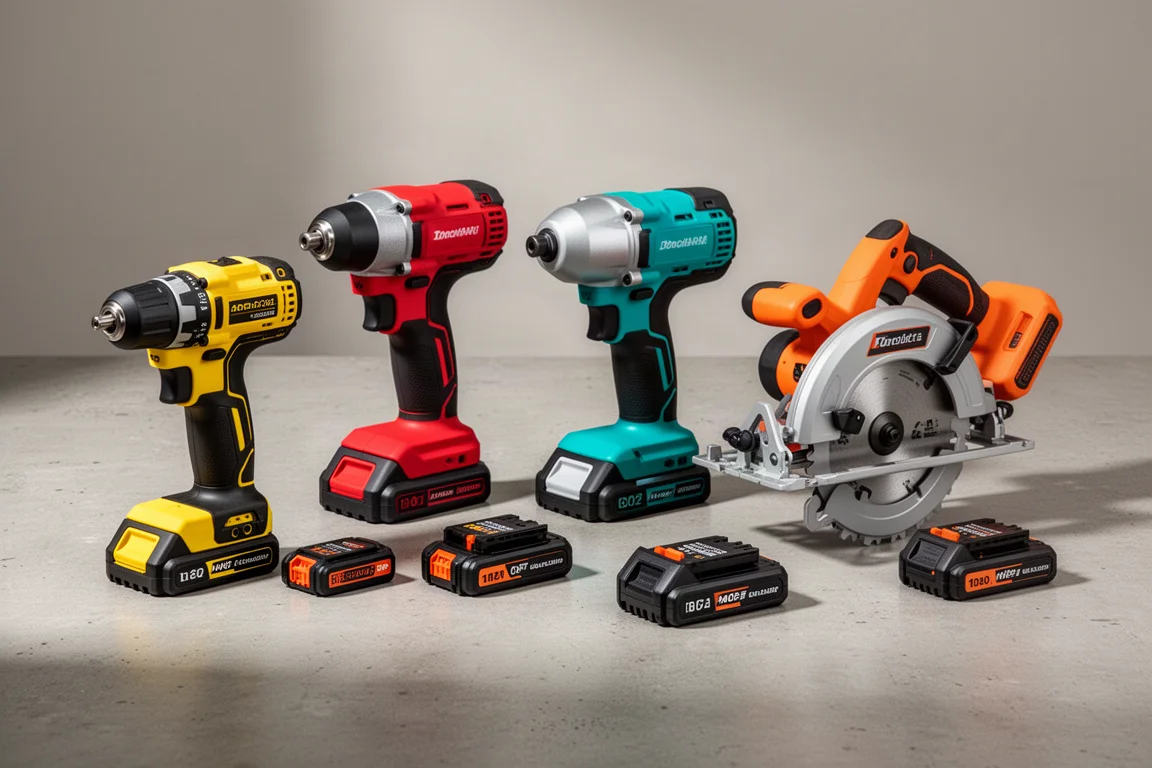
Battery platforms are the real commitment in cordless tools. Once you buy into a voltage family, every future tool, battery, and charger tends to follow from that first purchase. That is why understanding who actually owns each brand matters more than most shoppers realize. A surprising share of the tools on big-box shelves come from a small number of parent companies, and in several cases, batteries and chargers are shared across brands that look like competitors.
This guide walks through the major cordless tool brands, the companies behind them, and what each platform is genuinely good at, so you can commit to the right system the first time.
Stanley Black and Decker: The Giant in Charge
Stanley Black and Decker is the largest name in cordless power tools, and its crown jewel is DeWalt. The brand began as a radial arm saw company roughly a century ago, was bought by Black and Decker, and was revived in the early 1990s as the renamed professional line. Today its 20V Max platform is one of the most widely used cordless systems in the world.
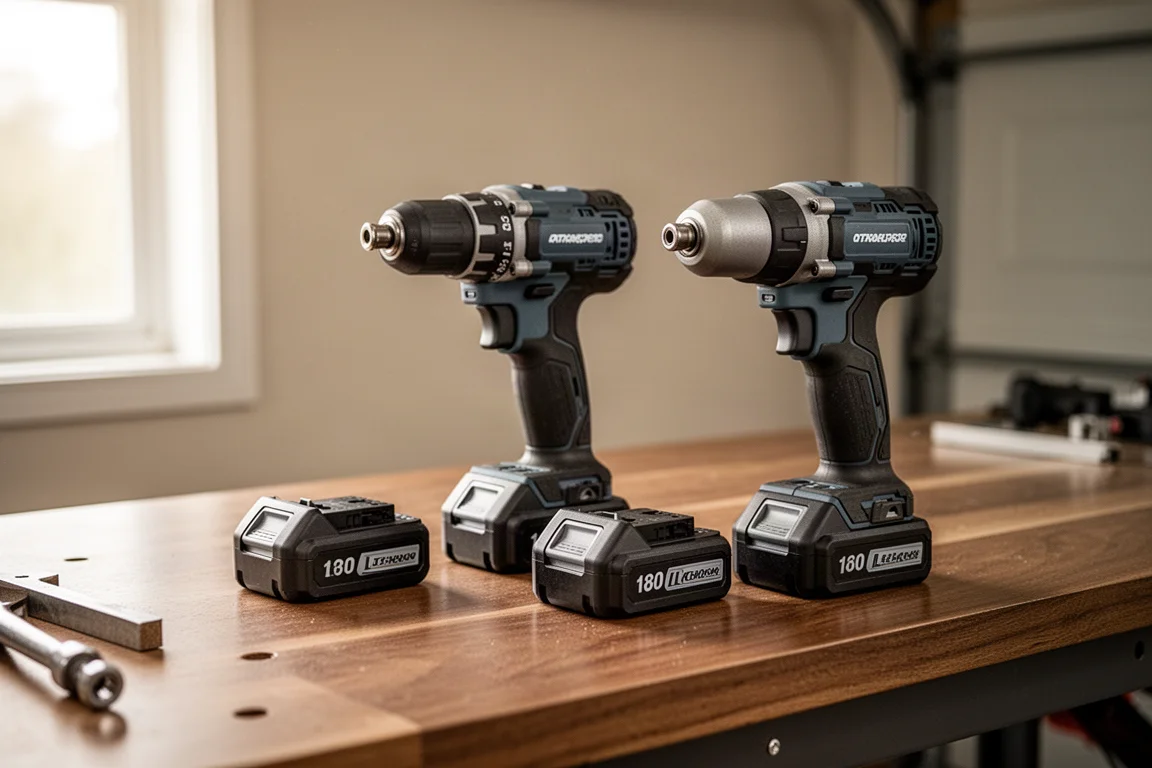
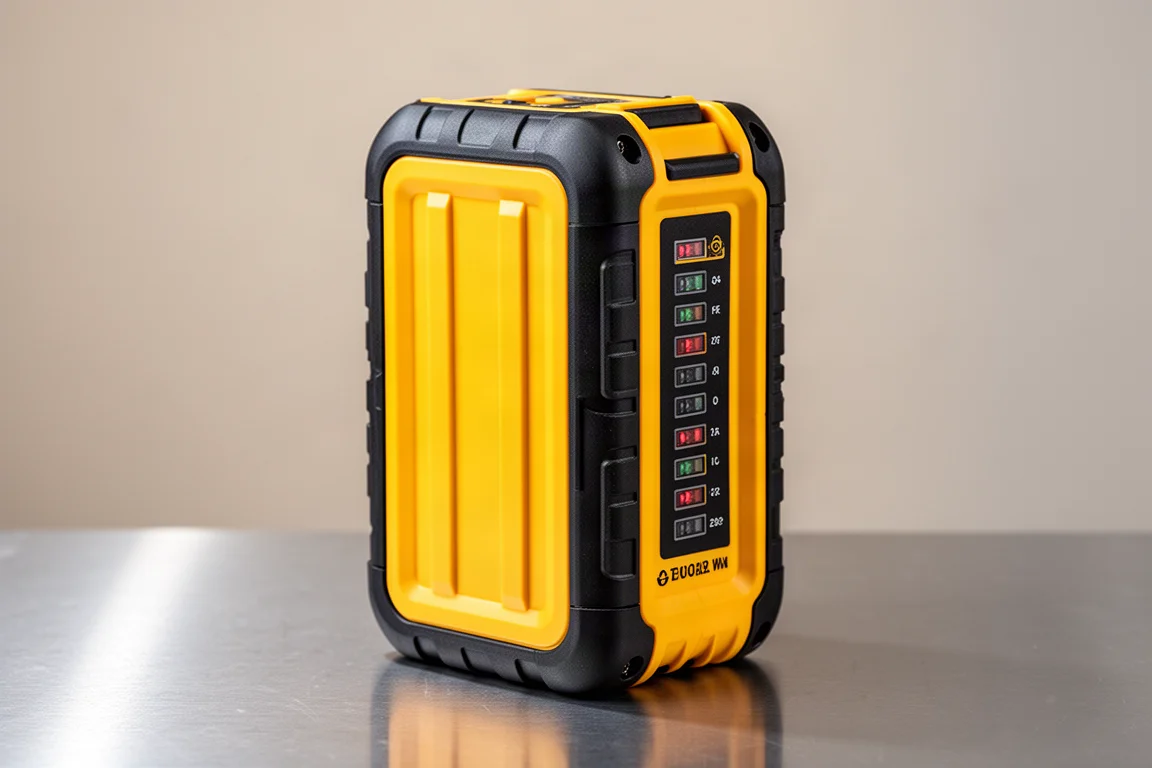
DeWalt’s range covers a mainstream 20V Max line, a compact 12V Xtreme system, and the FlexVolt platform for jobs that demand serious power. FlexVolt batteries switch voltage depending on the tool, making it the heavy-hitter option within the same brand.
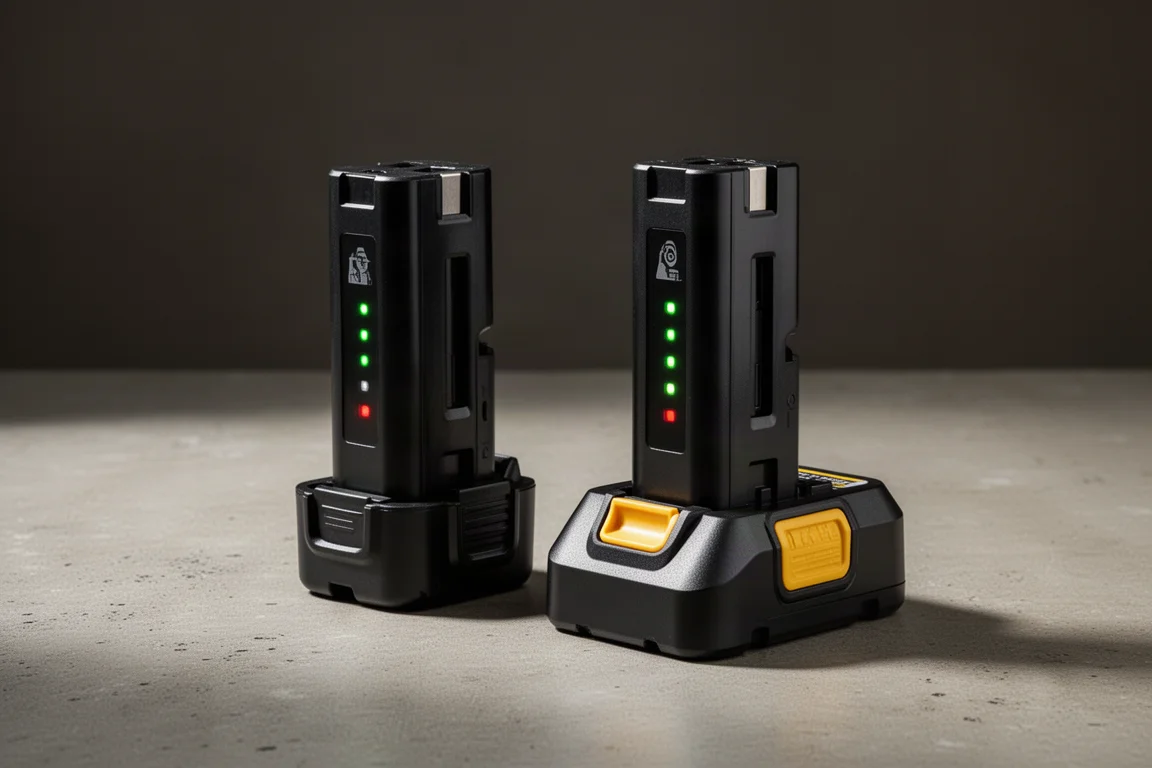
For maximum cutting and demolition power, the FlexVolt line is the DeWalt family’s answer to high-demand work, bridging corded-class performance with cordless convenience.
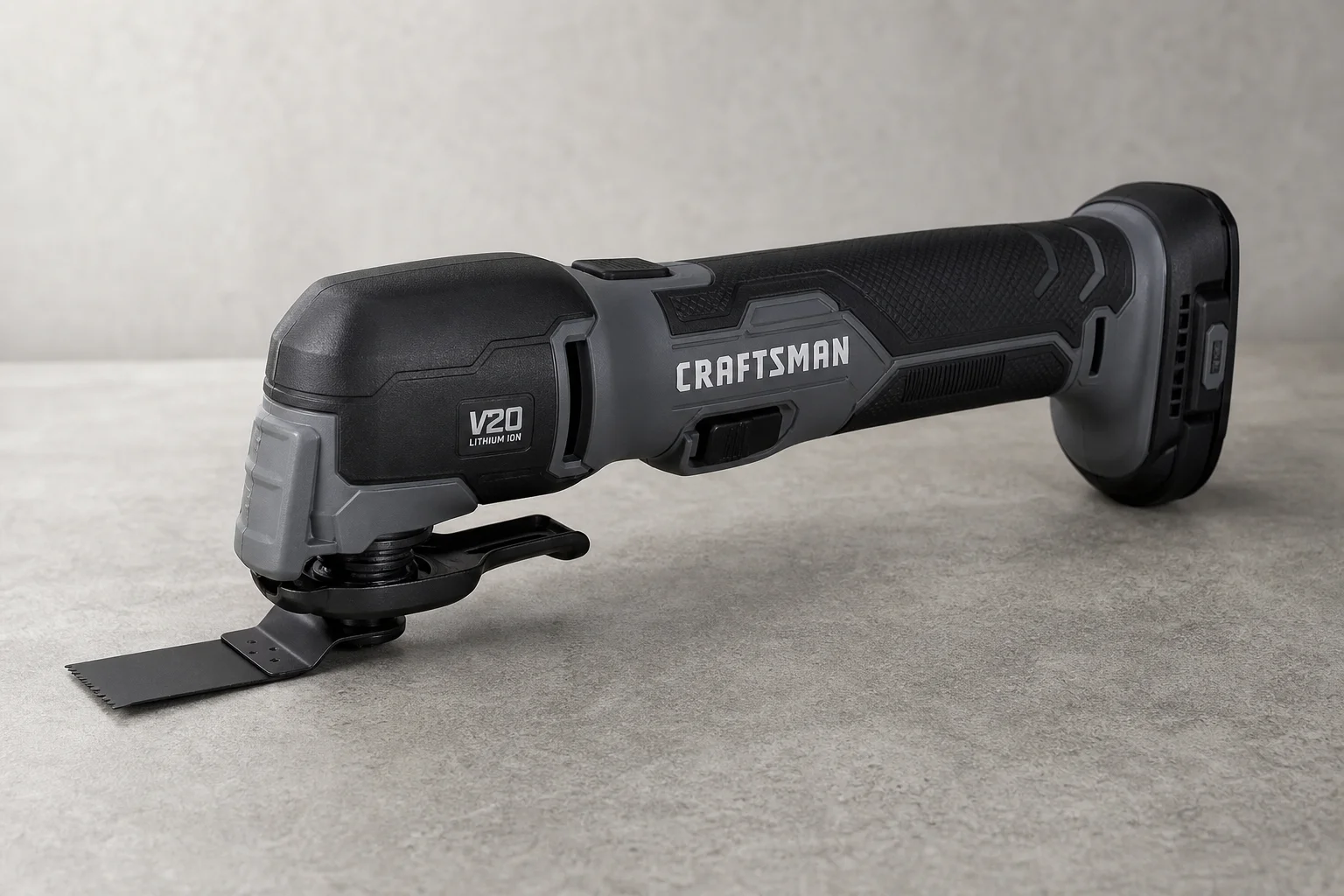
Stanley Black and Decker also paid around 900 million dollars plus royalties to Sears for Craftsman, and has pushed the V20 platform hard at the DIY and weekend warrior market. It has landed well with that audience, and sits in the middle tier: more capable than entry-level house brands, but not positioned as professional gear.
The parent’s other names are worth knowing. Porter Cable was once a premier pro brand but has faded to a basic lineup, now mostly found at Tractor Supply. Bostitch remains known for nailers and staplers, with a modest cordless line sitting roughly at Porter Cable level. Black and Decker itself now leans heavily into DIY products, including a Reviva line made partly from recycled plastics that unfortunately uses an integrated, non-removable battery. Stanley proper sells a small cordless range mainly in Europe.
Techtronic Industries: Milwaukee, Ryobi, and More
Techtronic Industries, or TTI, is the other half of the cordless duopoly at the top. Founded only in the 1980s, the company grew quickly through Ryobi and then the acquisition of Milwaukee, and it supplies many of the house brands found at major US retailers.
Milwaukee targets professionals first, with an M18 18V platform, a deep M12 12V line, and the MX Fuel system for large power equipment. Its PACKOUT storage system has also become a signature. In practice, its reach extends well beyond trades into the high-end prosumer segment.
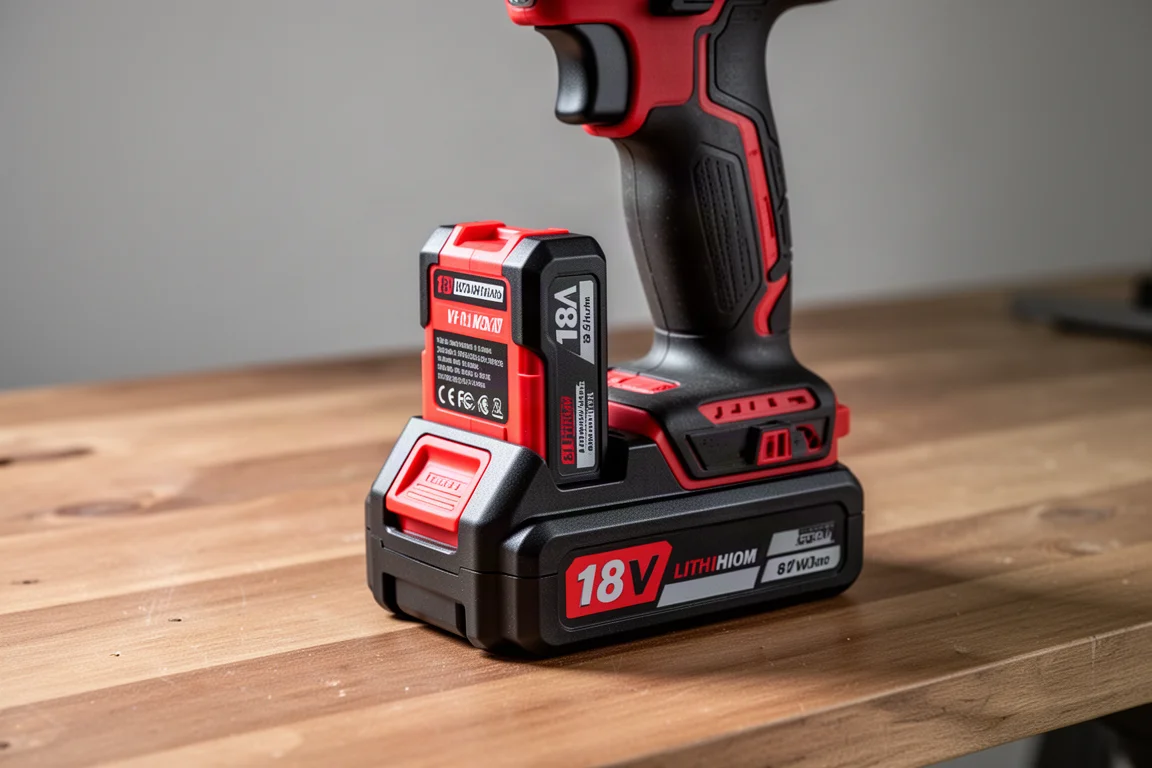
Ryobi, sold under license in North America and Australia, is TTI’s value DIY brand and the flagship cordless line at Home Depot. The 18V ONE+ platform is one of the largest budget-compatible battery systems available, with a famously extensive tool catalog that keeps old batteries working with new tools.
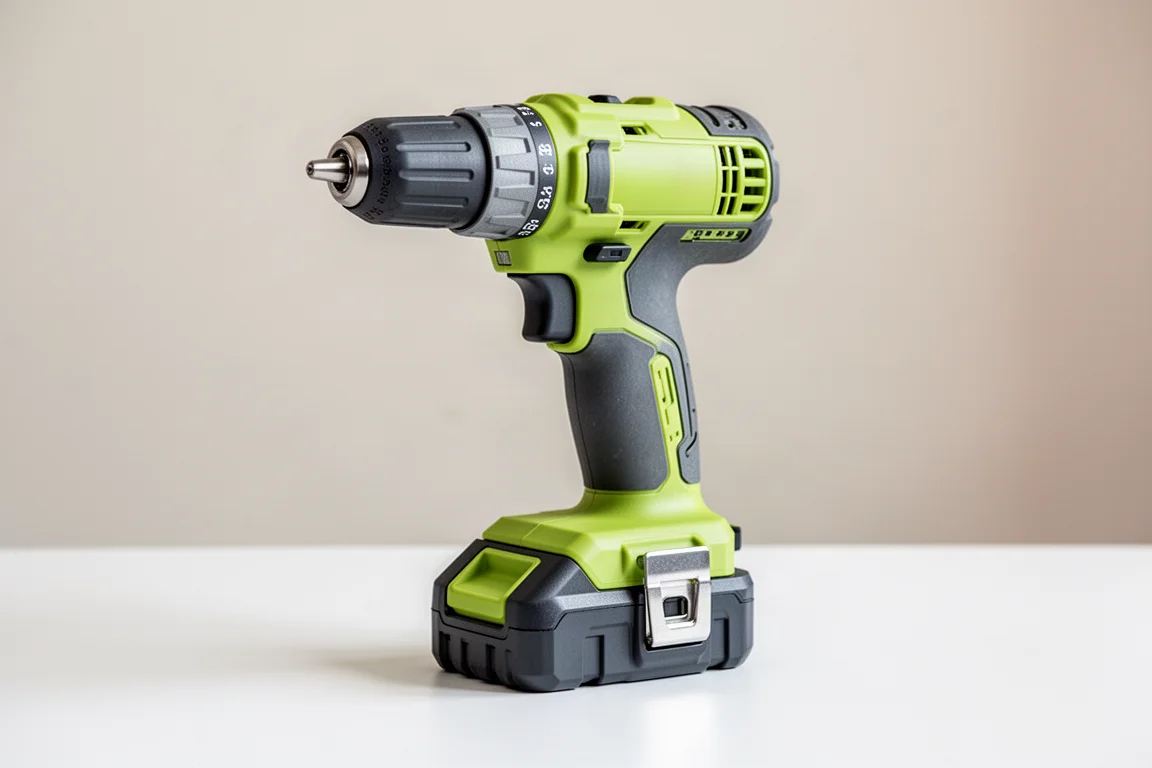
TTI’s other cordless-relevant names include Hart, a Walmart-exclusive line that shares Ryobi DNA but uses its own battery platform, and AEG, which is essentially the European cousin of Ridgid aimed at value-minded pros. Speaking of Ridgid: the red pipe-trade tools are owned by Emerson and focused mainly on plumbers and HVAC work, with 12V and 20V systems. Hilti, a separate giant entirely, sits at the very top of the corporate market with extremely robust tools aimed at large-scale construction, often sold through lease and service agreements rather than direct purchase.
Makita: The Quiet Innovator
Makita is one of the oldest and most respected names in the industry, and its LXT 18V line is the largest single 18V cordless catalog in the world. The company has expanded far beyond drills and saws into things like cordless coffee makers, coolers, wheelbarrows, and even an e-bike.
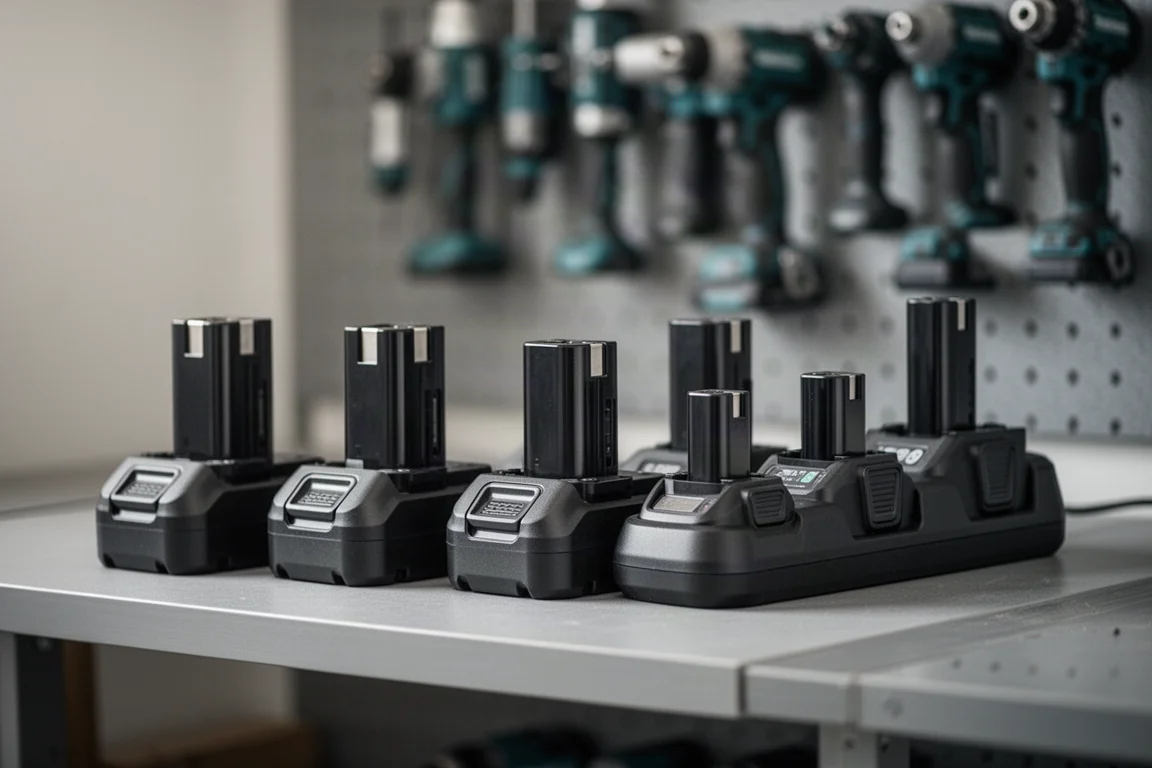
Makita’s 12V line is also enormous, arguably matching or exceeding Milwaukee’s in breadth. The company pioneered dual-battery 36V tools within its 18V platform and has pushed the concept further with a 40V Max XGT system that can be doubled to 80V. Makita was also an early pioneer of lithium-ion power tools, though it never patented the technology.
Festool, a separate German brand, occupies the premium finish-carpentry niche with excellent dust extraction and saw systems, at correspondingly premium prices. Bosch, meanwhile, covers 12V, 18V, and 36V platforms with a strong fleet and corporate focus, though it has recently paid more attention to retail consumers. Its huge tool library and Dremel subsidiary round out a genuinely broad catalog.
Chervon and the Rise of EGO
Chervon is one of the least visible yet most influential companies in tools. It started roughly four decades ago, collaborated with Bosch on the Glide miter saw, and now owns several consumer-facing brands.
EGO is the headline name. Its 56V battery platform made it the benchmark for cordless outdoor power equipment, and that same battery technology was carried into Flex, a 24V cordless power tool line that competes directly with Milwaukee, Makita, and DeWalt and often beats them in independent testing. Flex currently offers a lifetime warranty with battery replacements included.
Chervon also owns Skil and Skilsaw. The Skil 12V and PWRCore 20 lines are strong values, with USB charging built into many batteries and a 40V outdoor power equipment range. On top of that, Chervon manufactures cordless tools for store brands: it makes most Lowe’s Kobalt cordless tools and Menards’ Masterforce line, both of which have tested well.
Harbor Freight: Hercules and the Value Play
Harbor Freight is fully vertically integrated and only sells its own brands. Over the past five years it has built a three-tier structure: Warrior at the budget end, Bauer for homeowners and DIYers, and Hercules as its budget-minded professional line.
Hercules is the most interesting of the three. Its 20V lineup mixes brushed and brushless tools and is still being filled out, but the brand has added a five-year warranty on 20V brushless tools, something almost unheard of at Harbor Freight. For a cost-conscious buyer who wants pro-style capability without pro prices, it is a serious option.
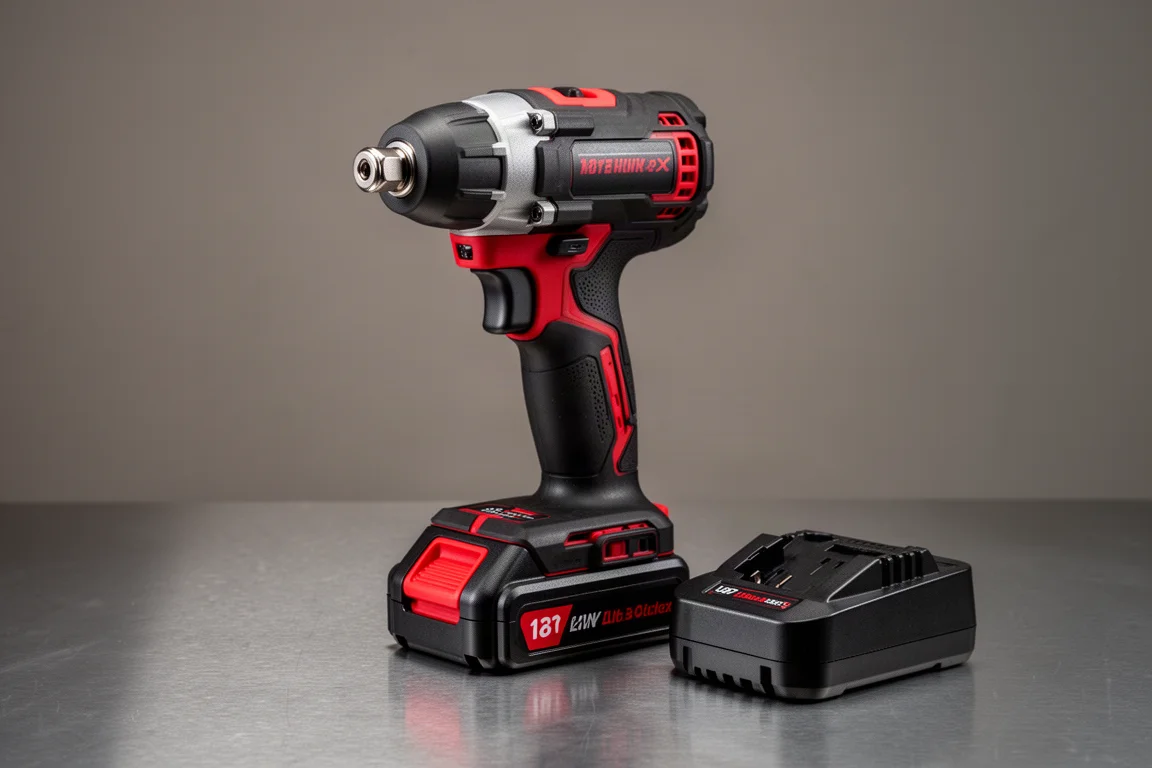
Bauer is the practical middle choice. The catalog is not as deep as Ryobi or Milwaukee, but it covers nearly everything a homeowner needs, and plenty of working tradespeople use it as a daily driver. Warrior is a very limited 18V entry line with chargers that plug directly into the battery, fine for occasional light duty.
Other Names Worth Knowing
Several brands occupy industry niches you will only encounter in specific trades. Snap-on remains the tool truck standard for many mechanics, with excellent 18V impacts, though not everything bearing the name is made in the USA despite the marketing. Matco, now owned by the VonTiera spinoff, makes genuinely strong cordless tools at tool-truck prices around 980 dollars. Ingersoll Rand offers a formidable 20V line including a dual-battery one-inch impact wrench, plus a 12V range. Chicago Pneumatic, owned by Atlas Copco, has an industry-focused cordless lineup, and SP Tools from Australia is a growing tool-truck alternative. Klein serves electricians with a line that runs on DeWalt batteries. Durofix, owned by Mobiletron, makes the ACDelco 12V and 20V lines, which share batteries and chargers with Harbor Freight’s discontinued Earthquake line. Gearwrench quietly offers an 18V and 12V cordless range sold mostly through Amazon.
Overall Buying Advice
The practical takeaway is simple: choose your battery platform before you choose your tools. If you want the broadest professional ecosystem, DeWalt 20V Max, Milwaukee M18, and Makita LXT are the safest long-term commitments, each with hundreds of compatible tools. If you want maximum power in the same ecosystem, FlexVolt is the standout. If your priority is value, Ryobi ONE+ offers the largest budget catalog, Craftsman V20 and Bauer fill the mid tier, and Hercules delivers pro-adjacent performance with a strong warranty. For outdoor equipment specifically, EGO’s 56V system remains the benchmark.
It also pays to remember the ownership map. DeWalt batteries already work with Mac Tools, Klein tools run on DeWalt packs, and Cle-Line industrial tools use Milwaukee M18 batteries. Knowing these relationships can save you real money on batteries and chargers.
Conclusion
The cordless tool market looks crowded, but most of it traces back to a handful of parent companies: Stanley Black and Decker, TTI, Bosch, Makita, Chervon, Harbor Freight, and a few industrial specialists. Once you know who owns what, and which platforms share batteries, you can pick a system with confidence instead of guessing. Commit to the ecosystem that matches your workload, and every purchase after the first one gets easier.
Further reading
Related Reviews
Power Tools
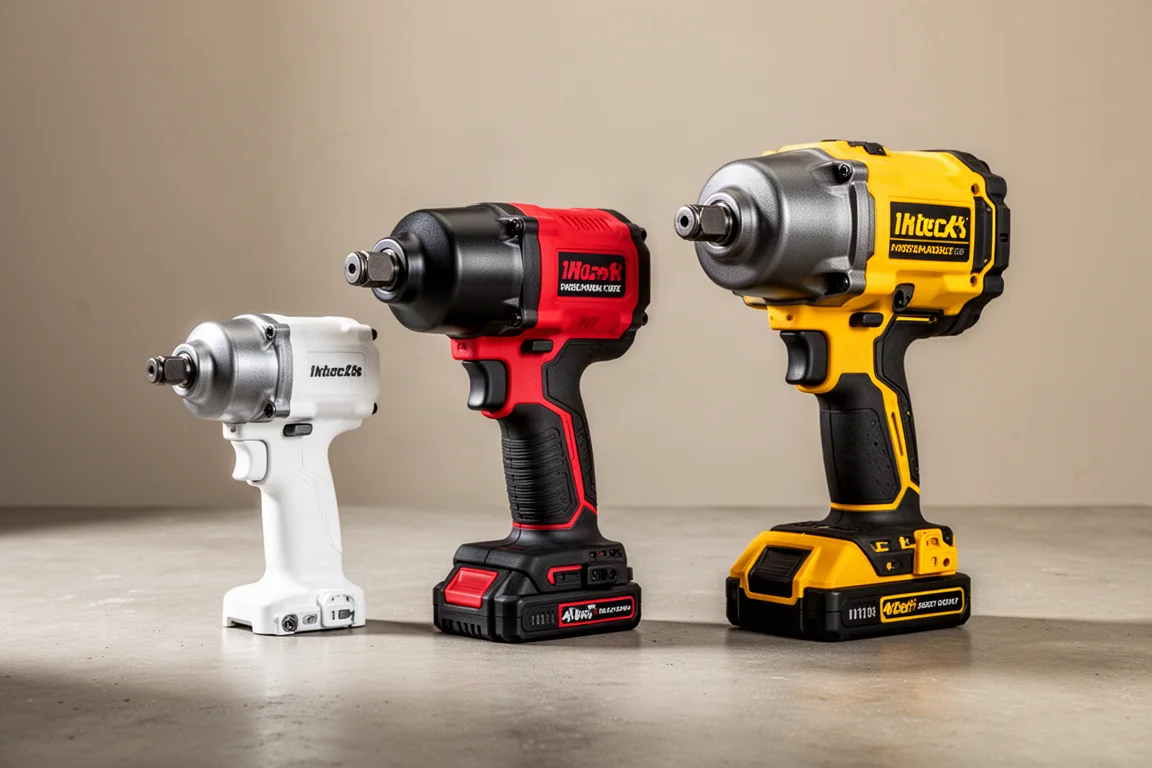
Best 1-Inch Pistol Impact Wrenches: Three Heavy-Duty Options Compared
We compare three 1-inch pistol impact wrenches, from a budget-friendly Harbor Freight model to a premium Caterpillar unit, to help you choose the right one.
Power Tools
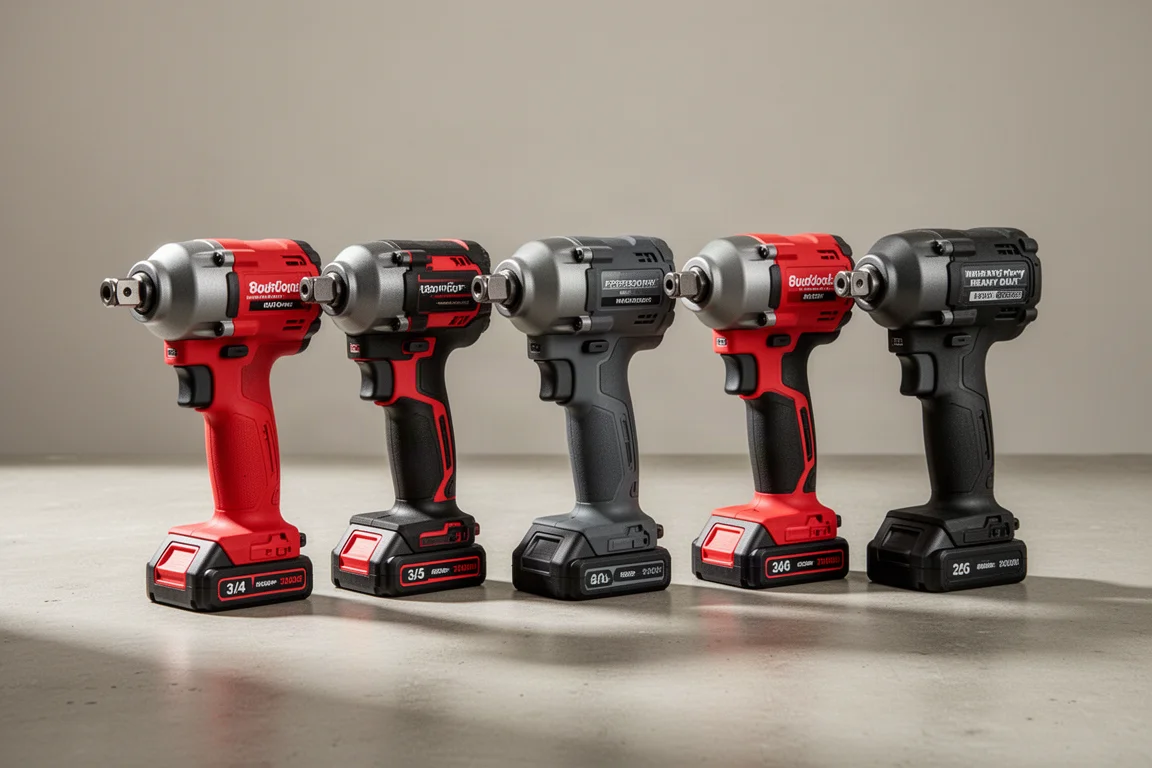
Best 3/4-Inch Impact Wrenches 2026: Five Contenders Compared
We compare five 3/4-inch impact wrenches across price and performance, from a budget Amazon option to Snap-on's most powerful model yet.
Power Tools
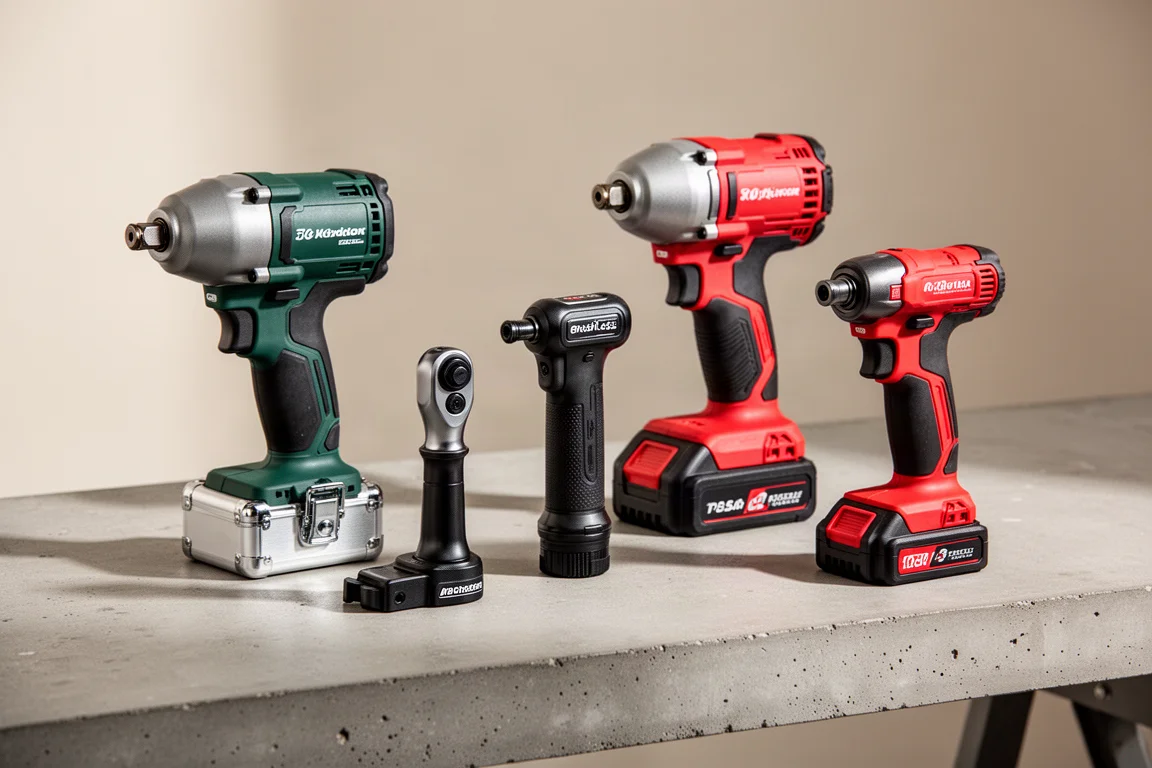
Best Budget Cordless Tools 2026: Walmart Finds That Punch Above Their Price
We tested five cordless tools from Walmart, including a high-torque impact wrench that trades blows with Milwaukee and a $35 duster that outperforms its price class.