Gravel Bikes
What I Wish I Knew Before Buying a Gravel Bike
Tire clearance, dropper posts, brakes, bars, and frame storage: eight gravel bike buying lessons learned the expensive way.
Introduction
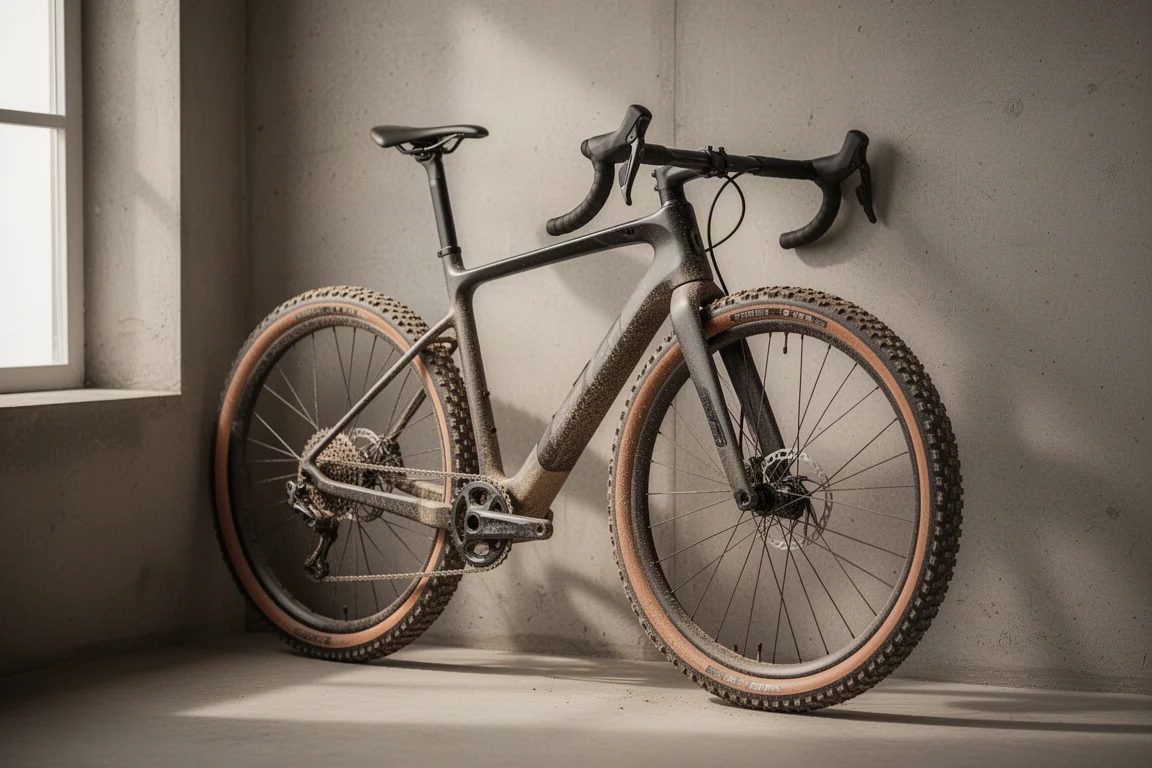
Gravel is a loose term. The bikes sold under that name range from all-road tourers to dedicated race machines, and they are clearly not the same thing. Over the past few years I have bought several gravel bikes and none of them were quite right. These are the lessons I wish I knew before buying the first one: tire clearance, dropper compatibility, proprietary parts, brakes, handlebars, frame storage, and the kind of riding that actually matters.
Tire Clearance Is the First Thing to Check
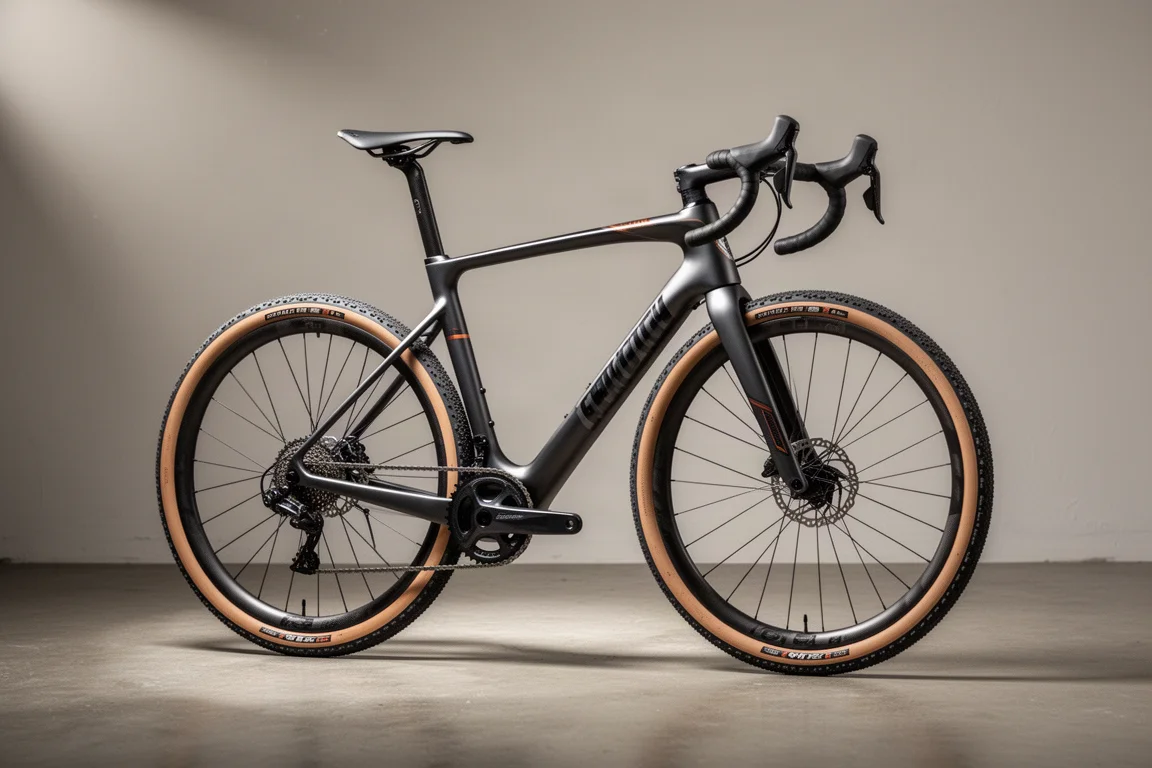
Tire clearance is simply how big a tire you can squeeze into your frame. Gravel bikes used to have very little of it, and now many have plenty if you look in the right places. Bigger tires mean you can ride rougher surfaces with more control, run lower pressures for a smoother ride, and get more grip on loose sand or mud. You can always put smaller tires on a bike with big clearance, but you cannot put bigger tires on a bike with small clearance. Unless you are racing, buy the bike with room to spare.
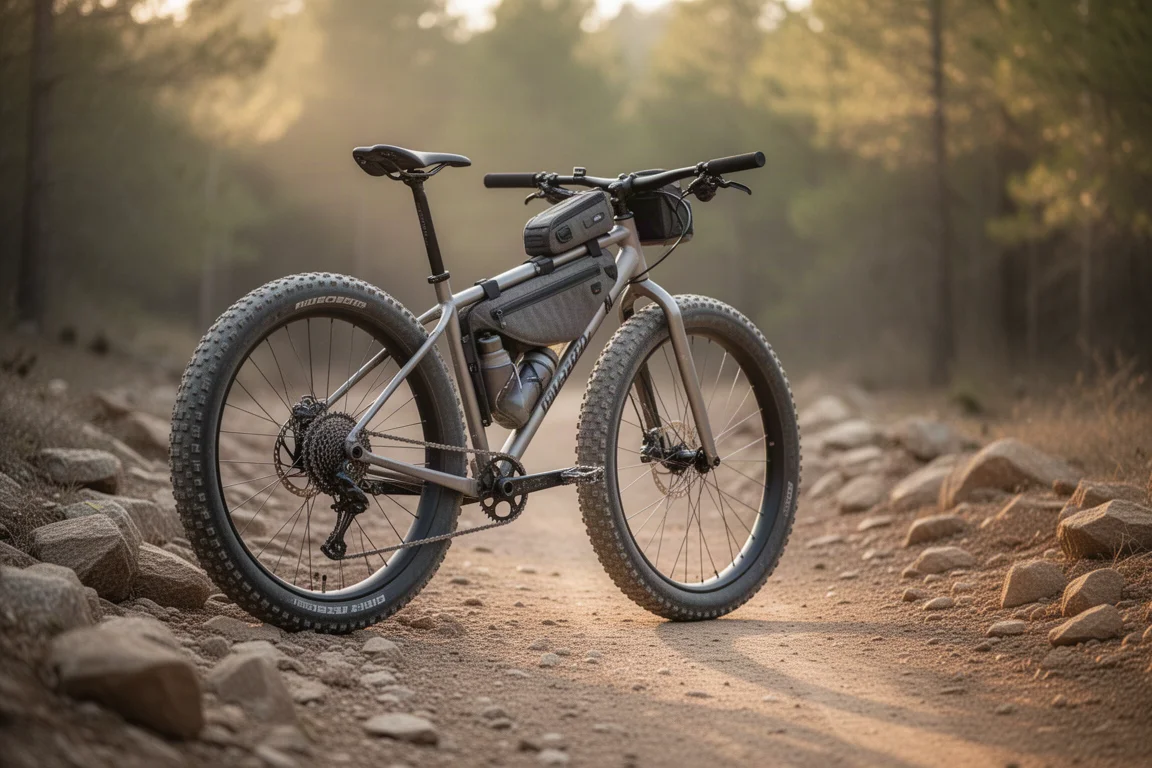
The first bike I bought for gravel duty was a 2018 Cannondale CAADX. It was really a cyclocross bike, and its tire clearance was only 35mm. Road bikes are now offering that much, and it was not enough. My current bike, a Scott Addict Gravel, has an official 45mm maximum tire clearance, and I still wish it had a little more. I have actually rubbed away material on the inside of the chainstays after running tires that were too big for it. The lesson is simple: get the big tire bike.
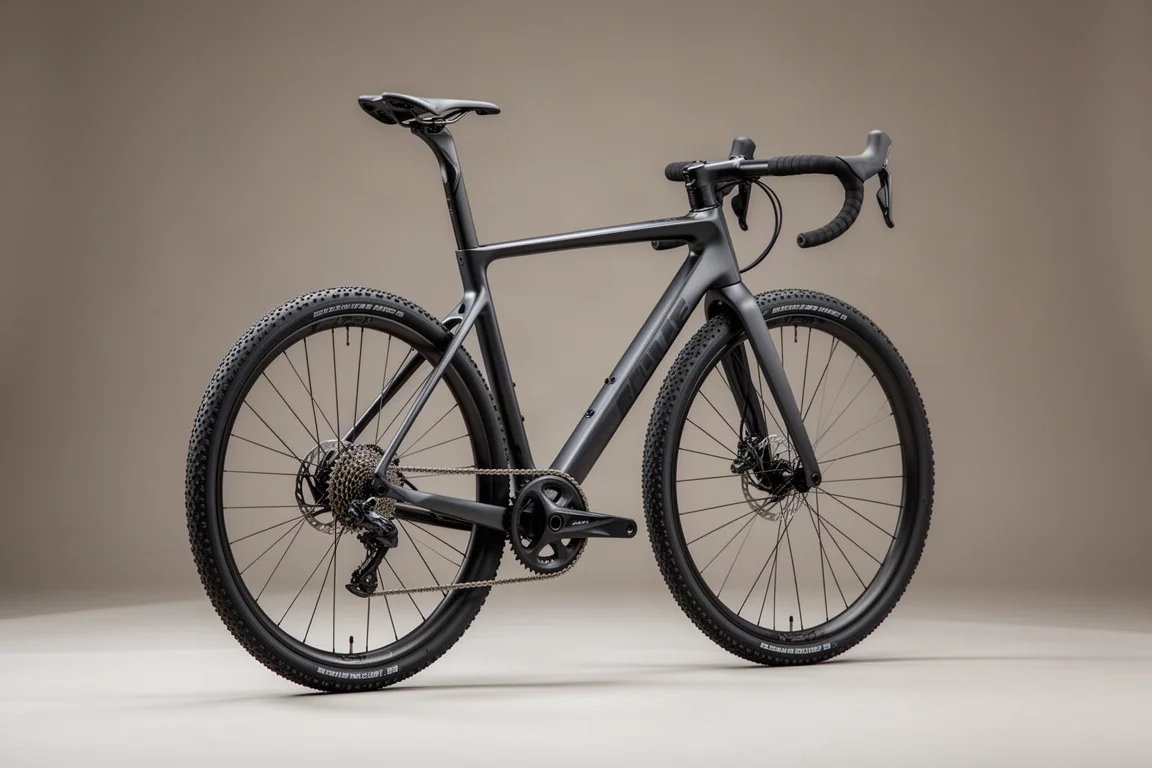
Frame clearance is usually quoted in millimeters on product pages. Some frames are rated for two wheel sizes, most commonly 700c and 650b on modern drop bar bikes. The smaller 650b diameter usually allows slightly wider tires, but frames designed around 700c wheels are not always officially rated for 650b, and fitting unrated wheels can void your warranty.
Plan for a Dropper Post from the Start
Off-road riding often requires shifting your body weight around to keep the bike under control. A dropper seatpost moves the saddle out of the way, lowers your center of gravity, and gives you more room to move without getting caught on the seat. Originally a mountain bike staple, dropper posts have become a popular gravel upgrade as gravel bikes get bigger tires, better brakes, and even suspension.
My gravel bike uses a proprietary D-shaped aero seatpost. It keeps the saddle aligned, but it also means I cannot fit any other seatpost in the frame, including a dropper. It has to be the Scott one. If you want a neatly integrated internally routed dropper, the frame needs holes for the cable, so check whether the bike is actually dropper compatible before you buy. Externally routed droppers fit almost any bike with external cable routing, and wireless options exist for the cleanest installation.
Avoid Proprietary and Non-Standard Parts
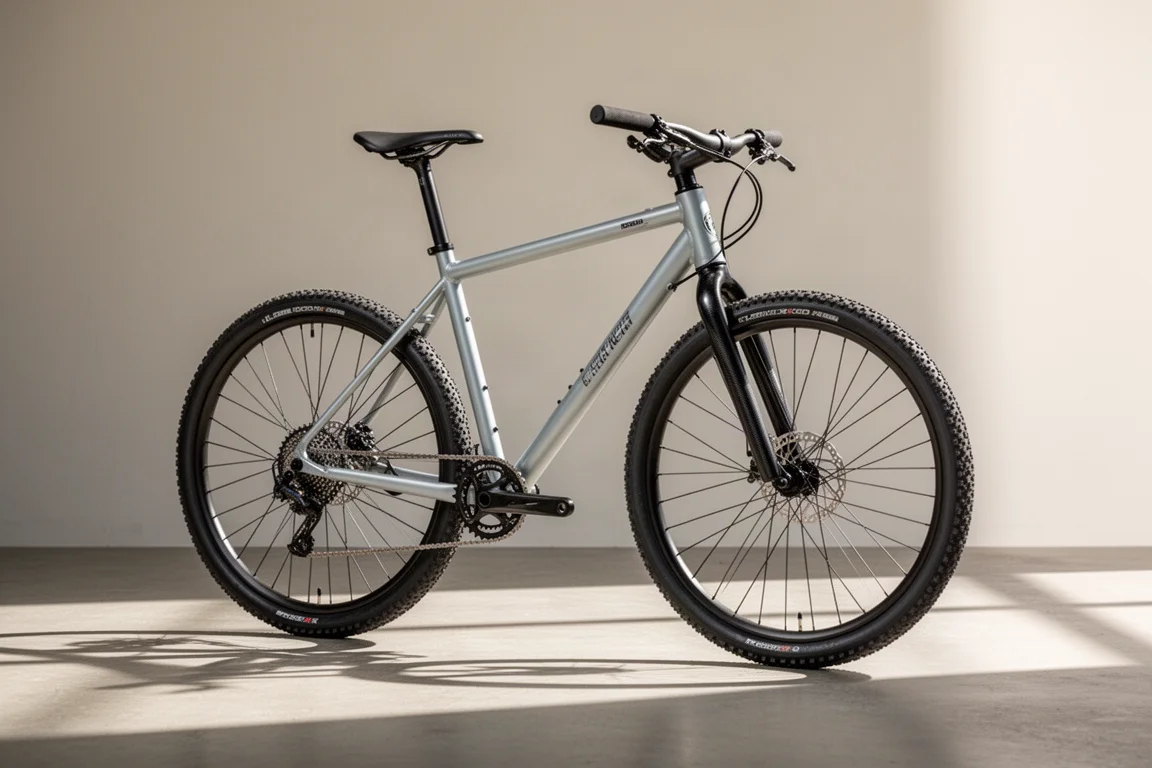
This follows directly from the seatpost situation. One gravel bike I owned a few years ago was a Scott Speedster Gravel, a perfectly normal aluminum gravel bike with no weird parts, or so I thought. The fork steerer tube, the part your stem clamps to, is a non-standard size. The 2022 to 2026 Scott Speedster Gravel uses a tapered carbon fork with a 1-1/4 inch to 1-1/2 inch eccentric steerer tube, and the upper dimension requires a specific stem sold by Scott.
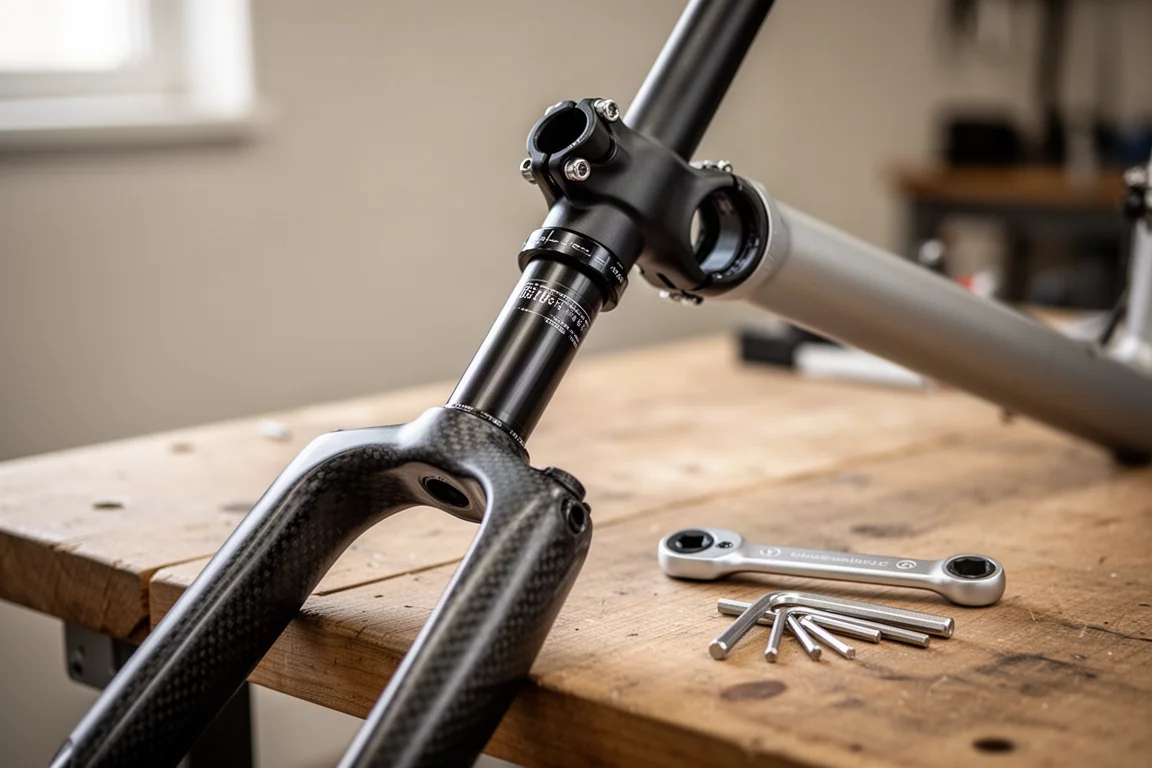
I understand that approach on a performance road bike, where small design choices chase aerodynamic gains. This is a mid-range to entry-level gravel bike. For the kind of riding most people do, being able to change and adjust parts matters more than marginal aero savings. Non-standard parts also make servicing more painful, and gravel bikes tend to need servicing more often than road bikes, especially when they are ridden in poor conditions. A one-piece carbon bar and stem with fully internal routing might look fast, but it turns routine maintenance into a much bigger job.
Hydraulic Disc Brakes Are Worth the Extra Money
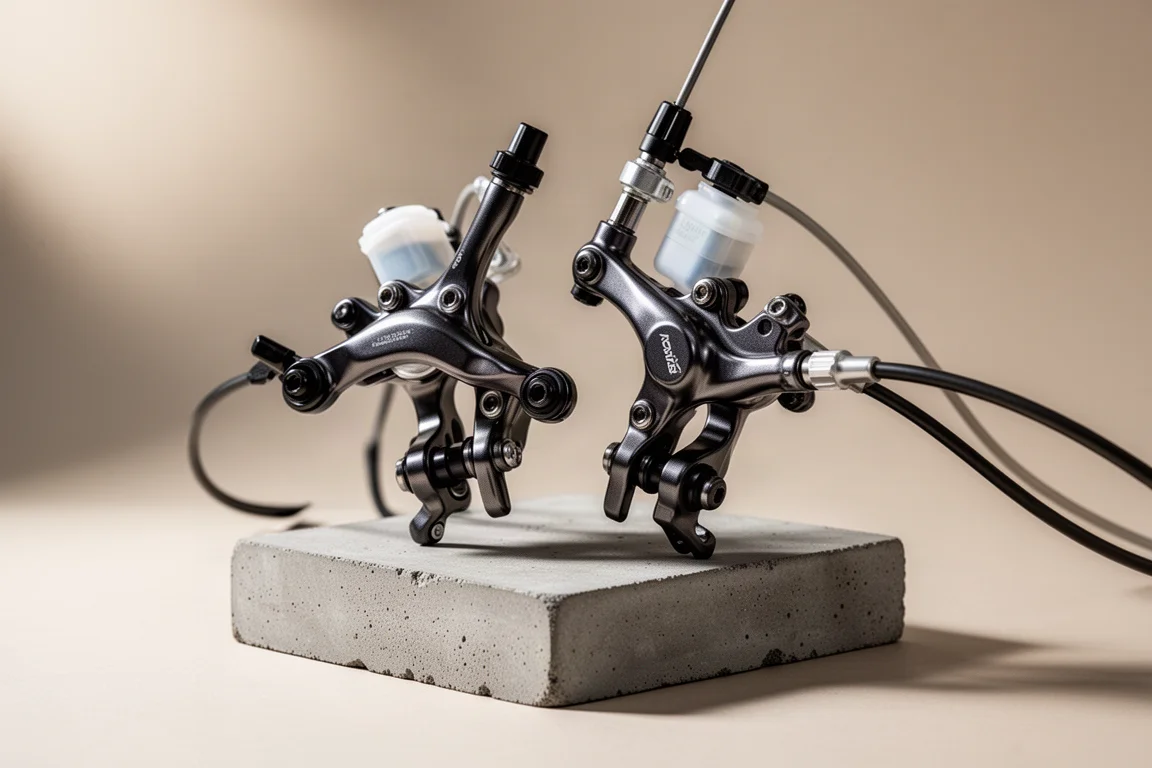
Most modern gravel bikes come with disc brakes, where a caliper squeezes a metal disc in the center of the wheel. With big, fat tires they are a great option, but not all disc brakes are created equal. Cable systems physically pull a cable from the lever, while hydraulic systems push fluid down a hose to squeeze the caliper. Hydraulics cost more, and they are in a completely different league.
The Cannondale CAADX came with cable discs, and back in 2018 those were particularly weak. Riding it down steep, rocky trails gave me arm pump from fighting to keep the bike under control. Cable disc brakes have improved since then, and several bikes we have tested recently were genuinely better. Still, they do not come close to hydraulic systems in power. Some high-end hydraulic brakes can be operated with one finger, which adds real confidence and removes a barrier for newer cyclists who may not have the same grip strength. Stronger brakes also help when the bike is loaded up for commuting, touring, or bikepacking.
If the budget is tight, there is a useful hybrid option. Cable-operated hydraulic calipers contain hydraulic fluid but are operated by a regular cable and mechanical lever. The TRP HyRds close much of the power gap to a full hydraulic system for a lot less money, and they will likely fit a bike that already has cable discs. Check compatibility carefully before buying.
Flared Bars Are Not for Everyone
Flared handlebars have drops that are wider than the hoods. I do not like significant flare. Every time I get into the drops on my current bike, I feel like a giant parachute. Flared bars do allow a bigger handlebar bag between the drops, which is useful if bag space matters to you. Some riders love them, and that is fine. A standard road handlebar still works great on a gravel bike for most riders.
Frame Storage Is Underrated
Several bikes we have tested include storage space inside the frame, and in one case inside the end of the handlebars. It sounds basic, but once you have had it, it is hard to go back. Gravel riding usually means carrying more spares, and gravel inner tubes are bigger than road ones, so a built-in compartment is genuinely useful.
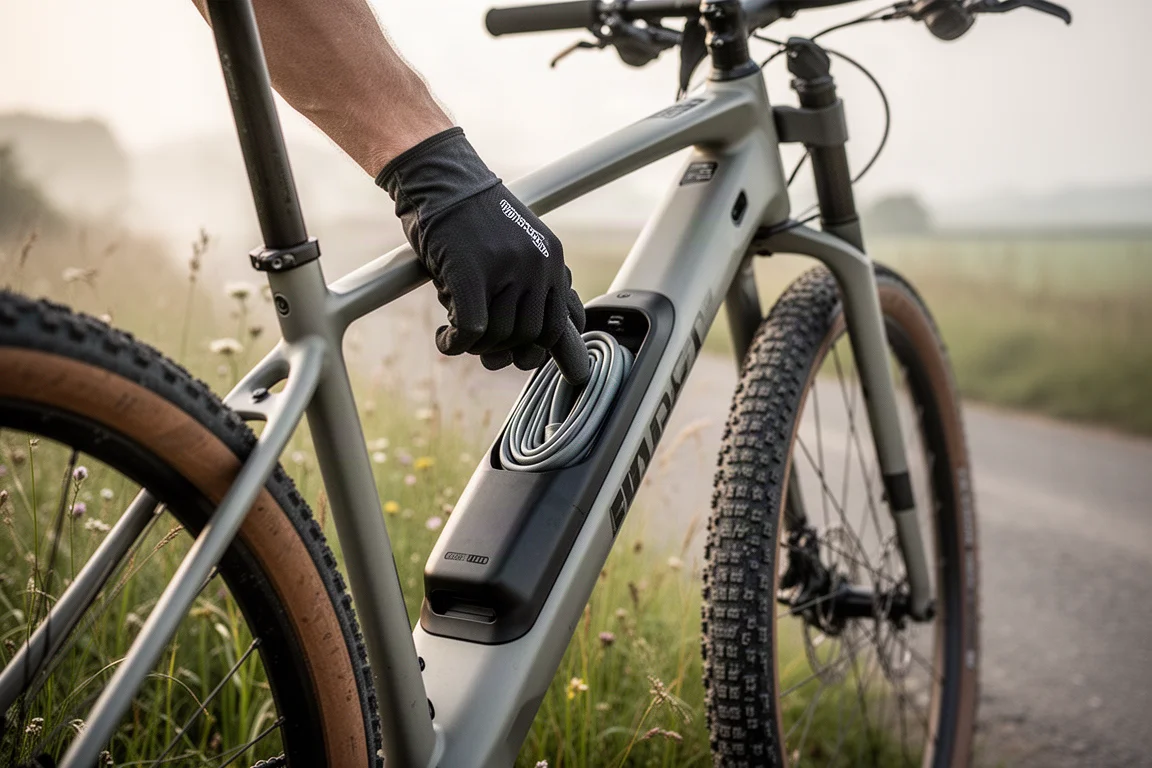
This would not be the first thing I choose when speccing a new bike. Tire clearance, dropper compatibility, and brakes all matter more. But if I were choosing between two otherwise similar bikes and one had a small compartment in the down tube, that is the one I would take.
Cyclocross Bikes Are Not Gravel Bikes
Cyclocross bikes are designed for cyclocross racing, which means they are great at tight, slow-speed cornering but less stable when riding fast in a relatively straight line. The frame angles are tight and the bottom bracket is high, because racers want to start pedaling out of corners as soon as possible without striking the ground. Those traits do not transfer perfectly to gravel riding.
My Cannondale CAADX had barely any tire clearance and felt twitchy. I wish I had not bought a cyclocross bike for gravel duty, with one caveat: some brands are now blurring the lines, and a few modern cyclocross bikes have surprisingly generous clearance. If your main riding is cyclocross, buy a cyclocross bike. If your riding is gravel, buy a gravel bike.
Match the Bike to the Riding You Actually Do
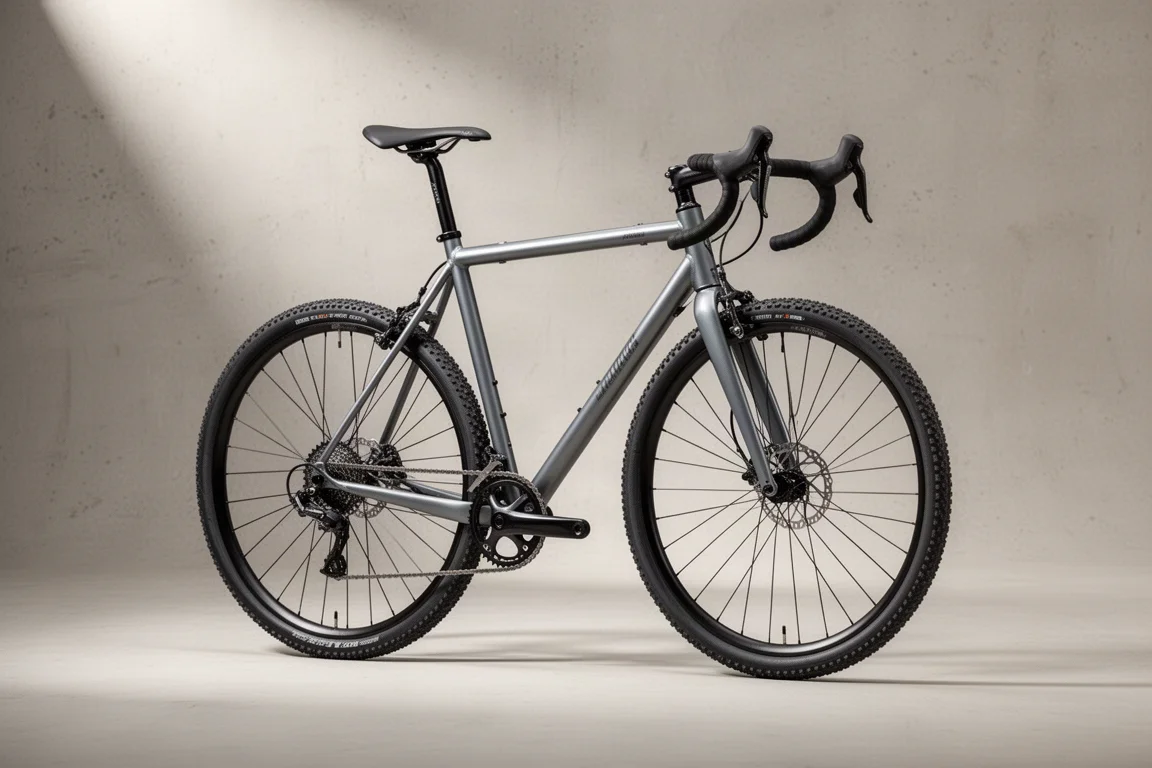
There are so many different types of gravel bikes now that choosing one can feel overwhelming. The Cannondale SuperX is a good example of a specialist. It is a racing gravel bike, long and low, closer to an aero carbon road bike with slightly knobby tires. Its tire clearance is actually quite generous, but the riding position is aggressive. You could use it for a three-week cross-country tour, but you would probably be better served by something less aggressive with more mounting options, or even some suspension and a dropper post.
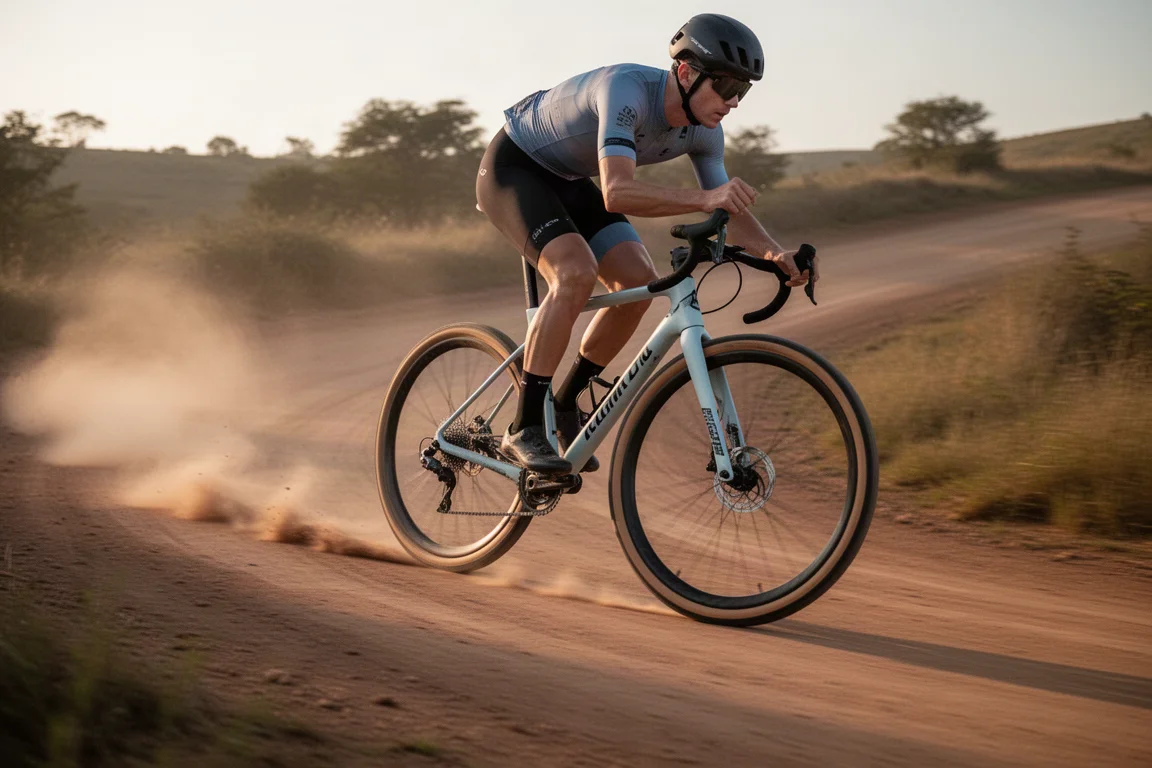
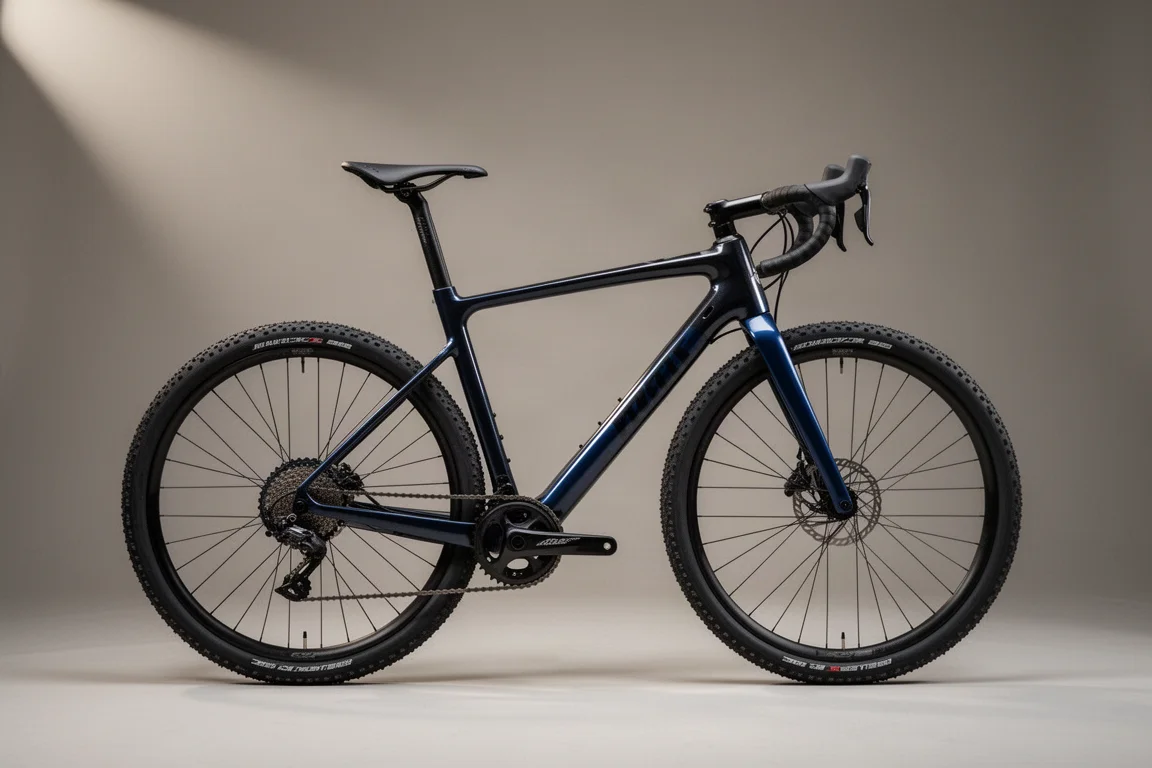
Most people, myself included, are better off with something in the middle. If I were buying a new gravel bike soon, I would start with a racy carbon frameset with very generous tire clearance, at least 50mm if possible. I would want a round seatpost so a dropper can fit, and a standard bar and stem so I can adjust the position and swap parts. A shorter stem for long rides, an alloy bar when I need to clamp bags and lights to the front. That kind of versatile bike ticks every box.
Conclusion
Buying a gravel bike comes down to choices that determine how much you enjoy it. Prioritize tire clearance, leave room for a dropper post, avoid unnecessary proprietary parts, and stretch the budget toward hydraulic brakes. Then think honestly about the riding you will actually do, and choose the versatile option that matches it. The right gravel bike disappears beneath you and lets you focus on the trail, and that is worth getting right.
Further reading
Related Reviews
Gravel Bikes
3T Exploro Ultra Review: A Fast Gravel Bike Built for Big Tyres
A close look at the 3T Exploro Ultra, an aero carbon gravel bike designed around wide tyres, with road-like handling, a 980 g frame and genuine rough-terrain capability.
Gravel Bikes
3T Extrema Italia Review: Aero Gravel Speed With Room for 57 mm Tires
The 3T Extrema Italia pairs an aero frame with huge tire clearance, Italian-made carbon and a more comfortable ride than the RaceMax. Here is what to know before buying.
Gravel Bikes
3T Race Max 2 Italia Review: An Aero Gravel Race Bike Made in Italy
A closer look at the second-generation 3T Race Max 2 Italia, covering its aero updates, ride character, tire clearance, internal storage and who it suits.