Hiking Gear
West Island Way Gear List: 9 Items That Earned Their Place
A practical seven-day kit list for a 107-mile Scottish coastal walk, from pack and sleep system to cook kit, with trip costs included.
Introduction
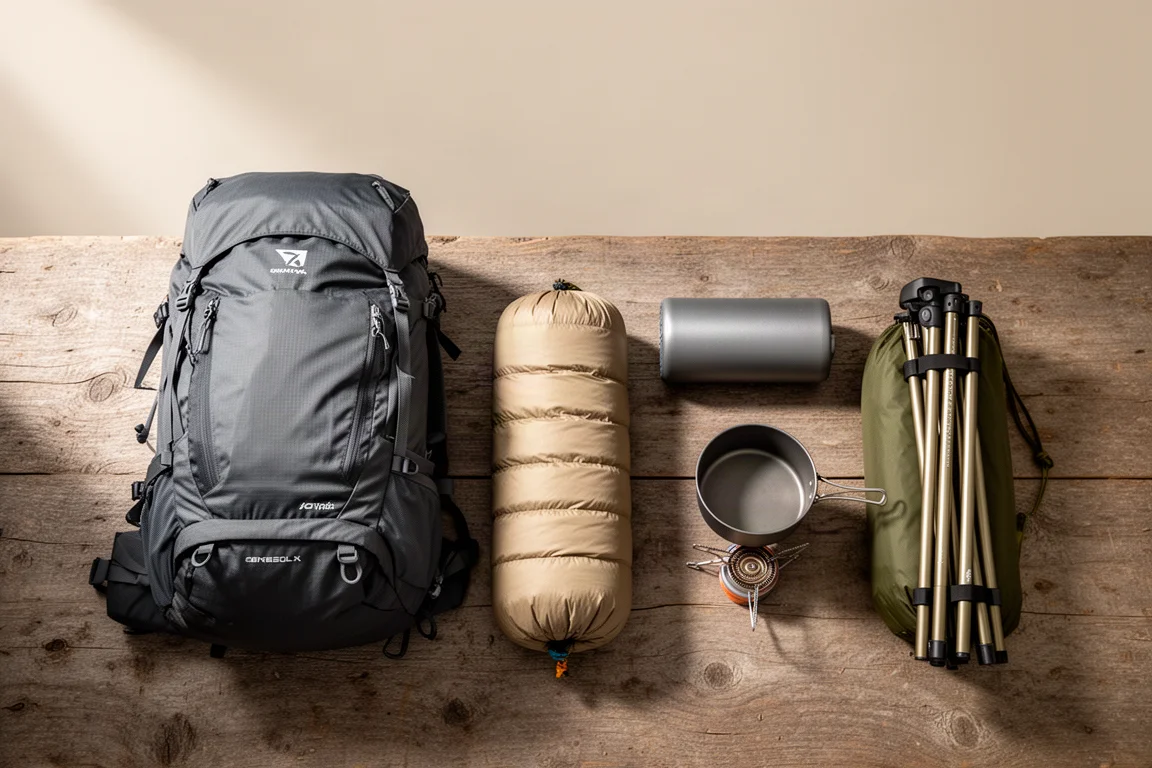
The West Island Way runs for roughly 107 miles, and this kit was assembled for a seven-day walk of it. The approach was comfort first. The lightest possible setup was never the goal, and weights were not tracked obsessively. It is worth saying plainly that none of this gear is compulsory. The route can be walked with bags transferred between stages, or with nights in hostels and bed and breakfasts instead of a tent. What follows is one setup that worked over a full week of walking.
How This Gear List Came Together
Three things shaped the choices. The first was the forecast, which called for cold and rain, so clothing was packed on the assumption that the weather would turn at some point. The second was comfort across long days: with around 107 miles to cover, a pack and a sleep system that stay comfortable matter more than shaving grams. The third was the decision to use campsites wherever possible, which made showers, toilets, power and a cooked meal part of the plan rather than an afterthought.
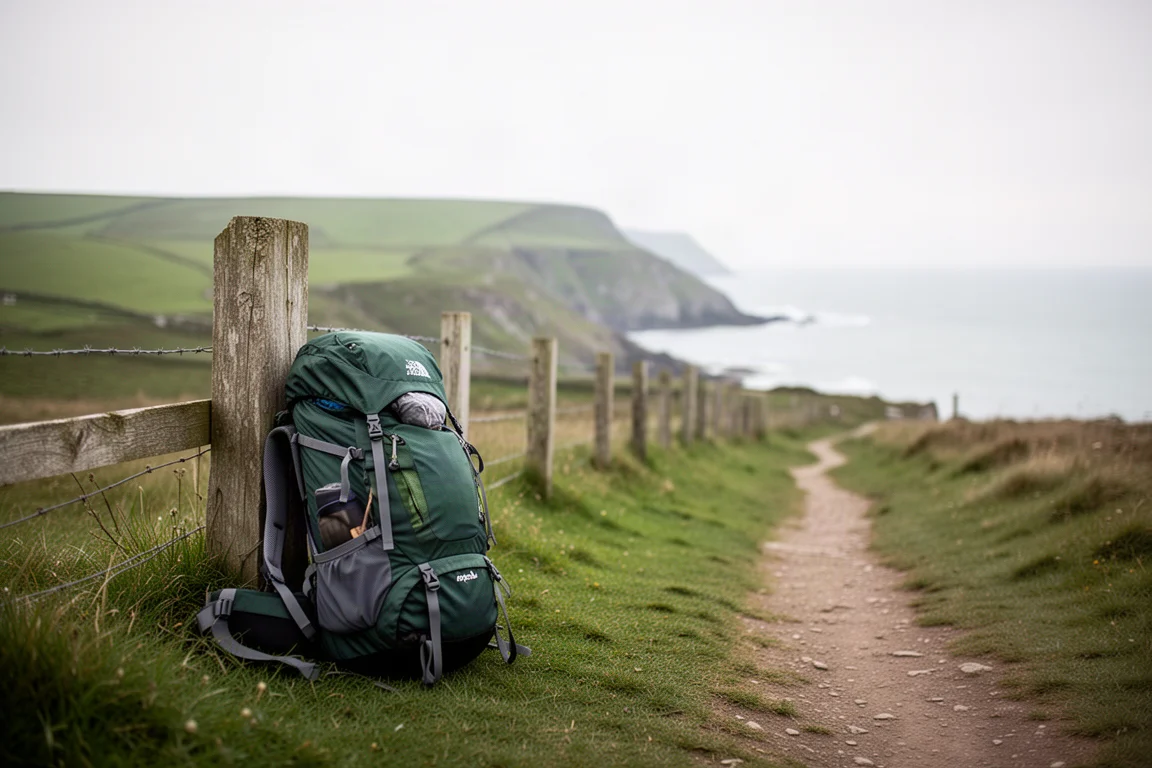
A dry liner rather than a pack cover kept the sleeping bag and clothing dry, and everything that could be charged or treated was dealt with before setting off. The result is a kit that leans slightly heavy in places but had no obvious weak points over the week.
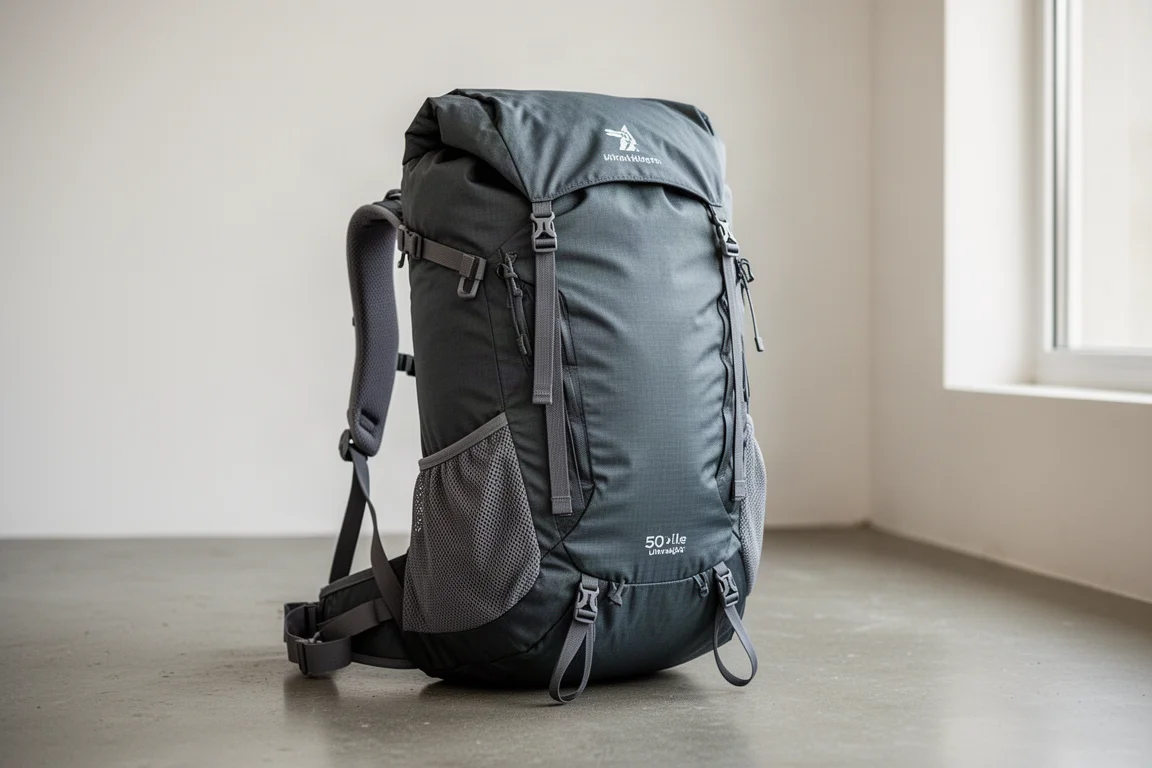
Backpack: Atom Packs Mo 50
The Atom Packs Mo 50 was the pack carried, with the 60-litre version preferred for the extra room but unavailable for this trip. Useful details include bottle pockets, a storage section under the base, hip belt pockets, additional storage space and bungee options for strapping items to the outside. The deciding factor was comfort over many miles, including the full 107-mile route. No pack cover was used, and a dry liner held the sleeping bag and clothing instead.
Sleeping Quilt: UGQ Outlaw
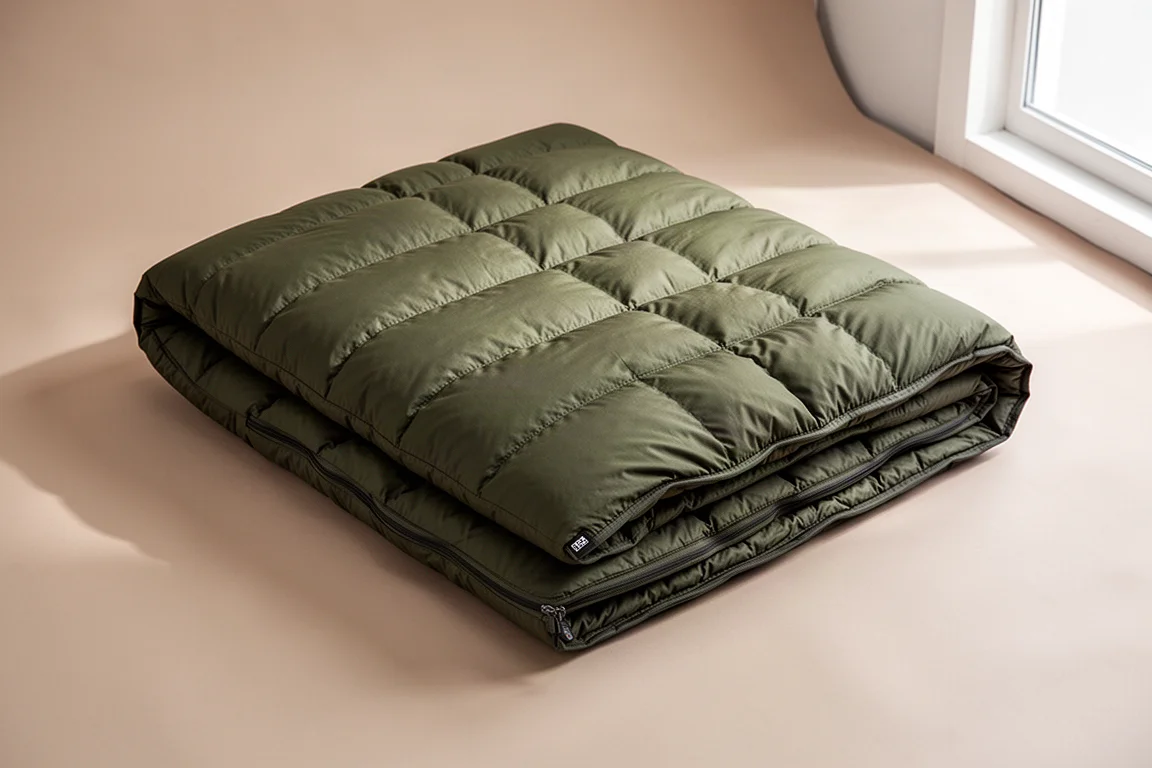
The UGQ Outlaw is a down-filled quilt that sits somewhere between a quilt and a sleeping bag. It can be zipped fully closed, although it was used open throughout for freedom of movement during the night. The comfort rating is 0 degrees, well below anything encountered on this trip. It packs down small, and no weight figure was recorded because the priority was simply taking the items that suited the walk.
Sleeping Pad: Flextail R50
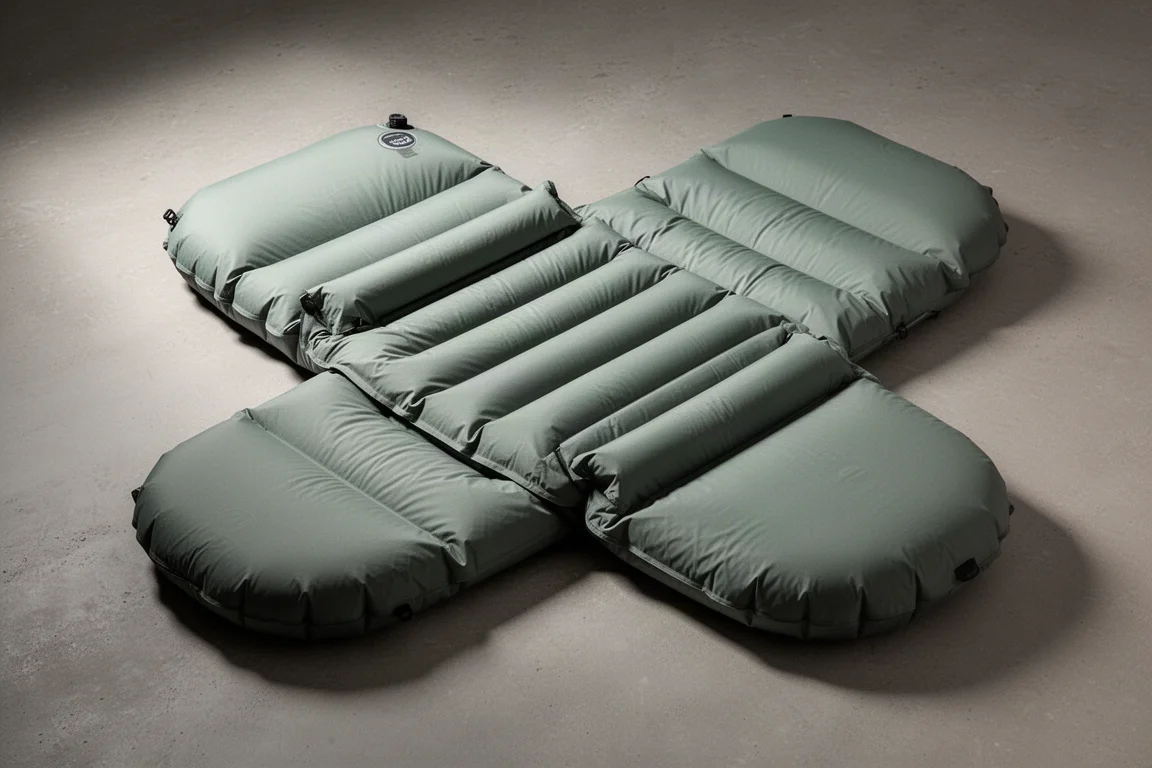
The Flextail R50 in the mummy version is neither the lightest nor the warmest pad available, but it is the most comfortable of the options on hand. It is thick, and the side baffles sit slightly higher than the centre ones, which helps stop you rolling off during the night.
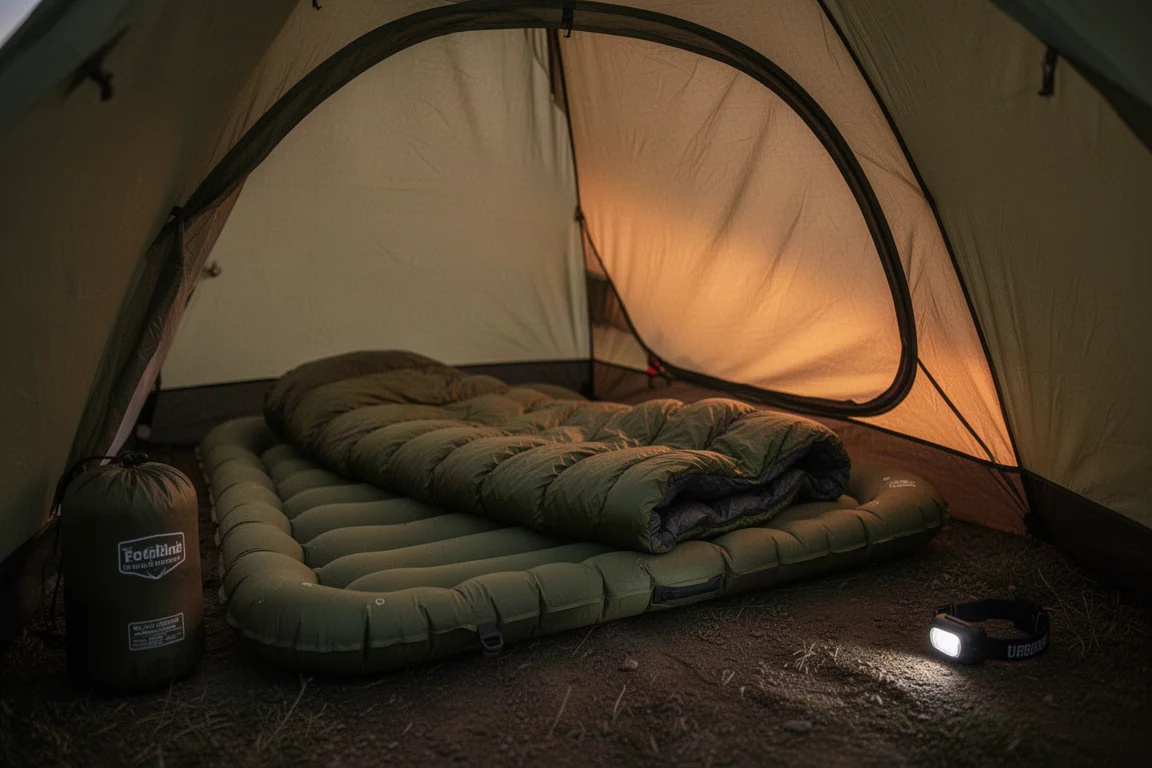
The pump was left at home to avoid another item that needed charging, so the pad was inflated with an Exped Schnozzle bag, whose valve fits the pad’s inlet. The pad is slippery against a tent floor, and a thin strip of silicone sealant run along the baffles is the planned fix. Packing it down takes a little patience because the insulation expands, so it needs a tight roll to fit back into its bag.
Waterproof Shell: Rab Zenith Jacket
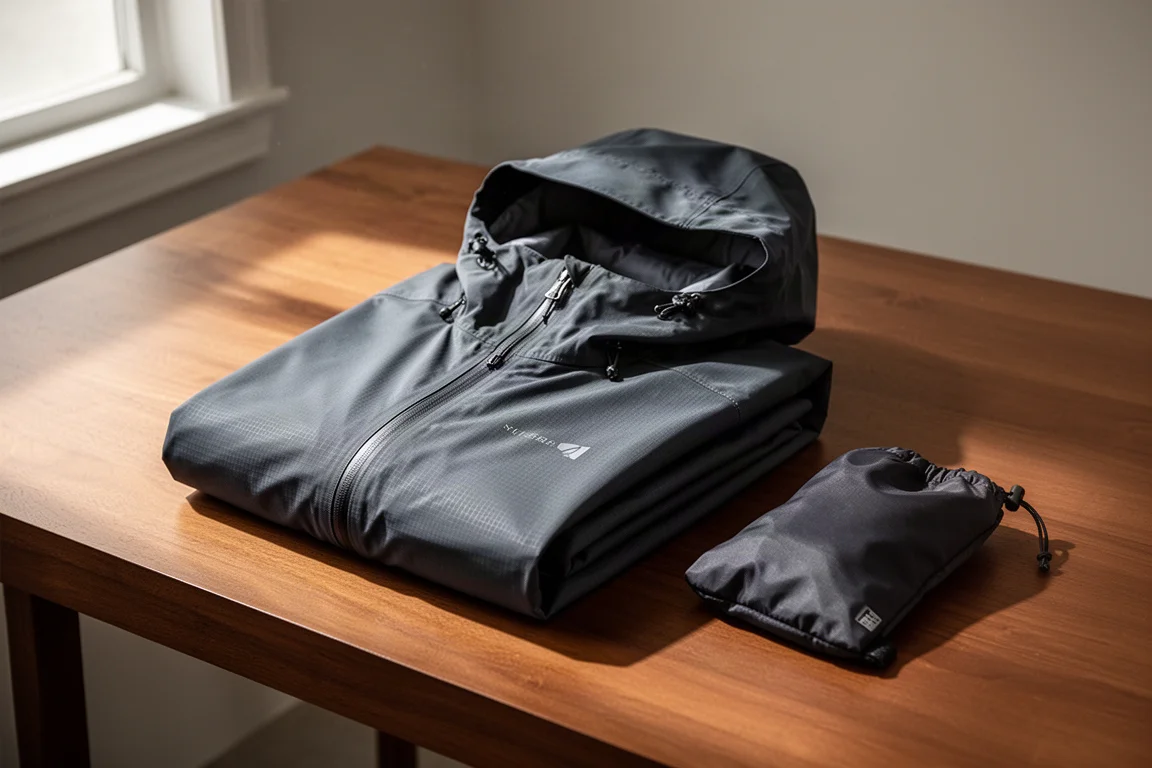
The Rab Zenith waterproof was carried folded into its own pocket, and it takes up very little space in a pack. It was never worn, because the forecast storms did not arrive, but it is there for the days when the weather does turn. Waterproof trousers were also carried, and they also went unused.
Base Layer: Brynje String Vest
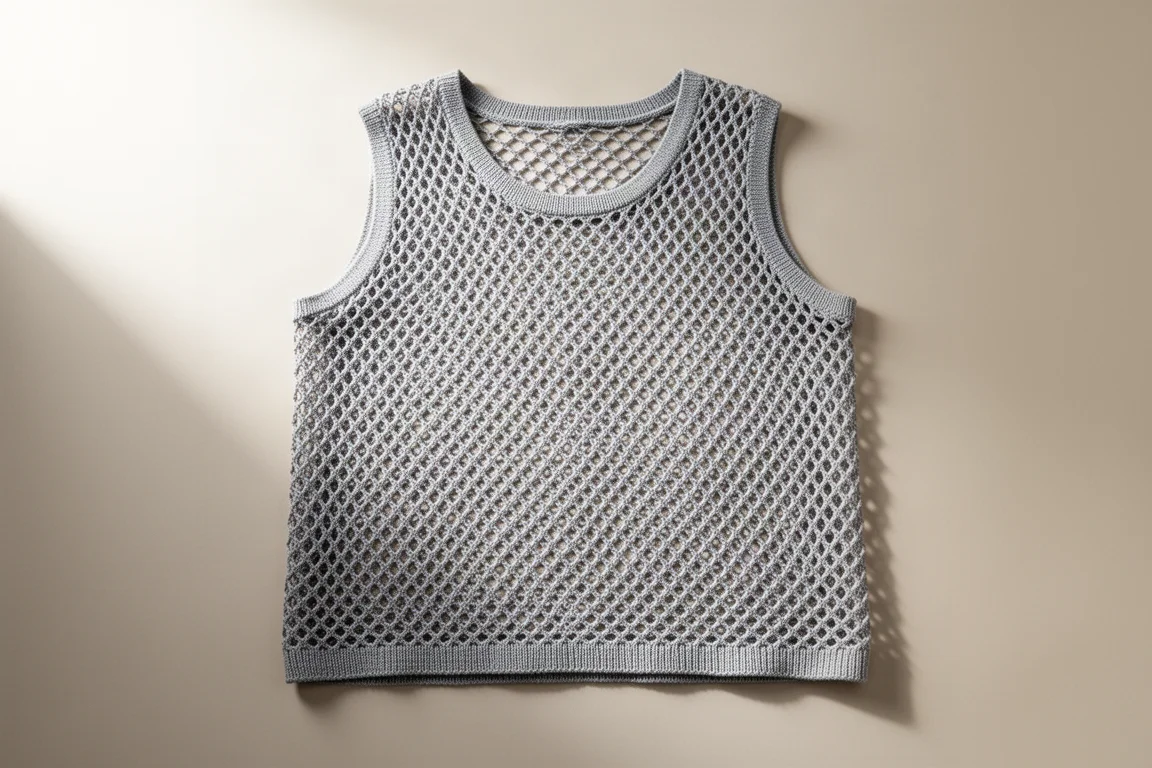
The Brynje string vest is old-school technology that still works. The open mesh construction helps regulate skin temperature, keeping you dry and comfortable whether the day is warm or cold, and it earned its place on every day of the walk. It is a distinctive look compared with a standard base layer, but it does the job it was designed for.
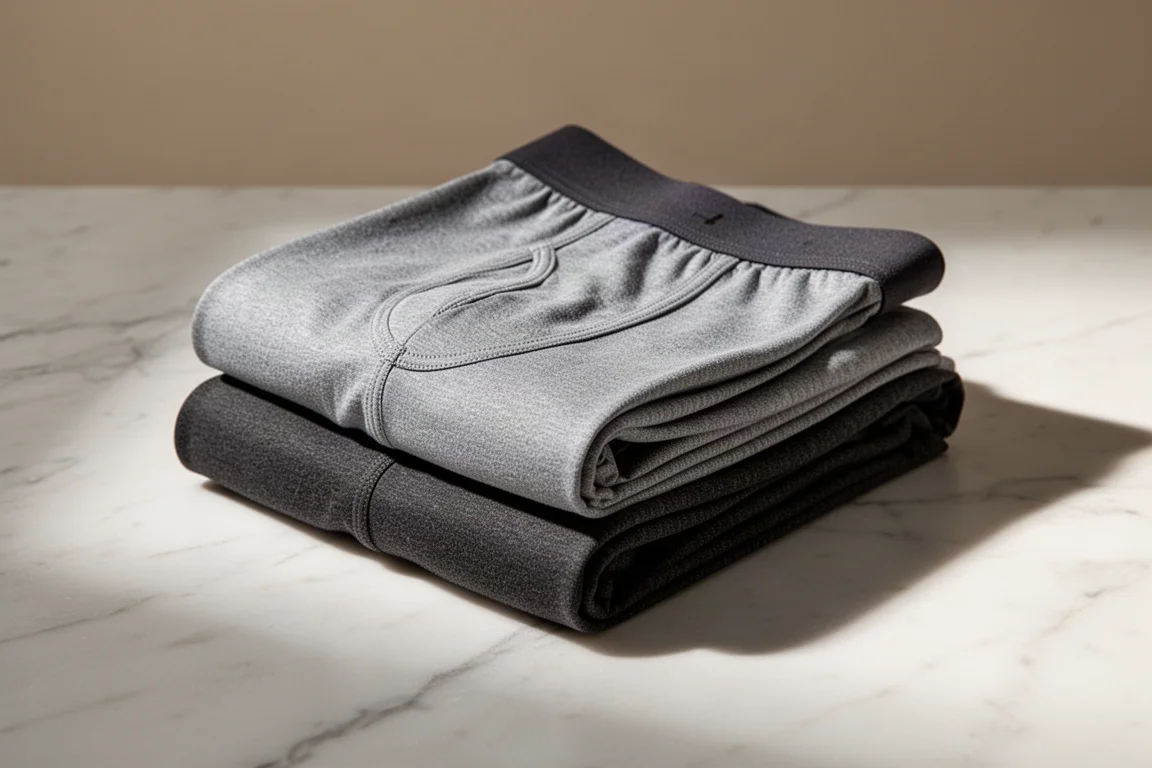
Underwear: Step One Bamboo
Step One bamboo underwear was a late addition and turned out to be one of the better calls of the trip. The bamboo fabric wicks moisture away, and the cut helps prevent the chafing that can otherwise ruin a long-distance walk. Two pairs went into the pack.
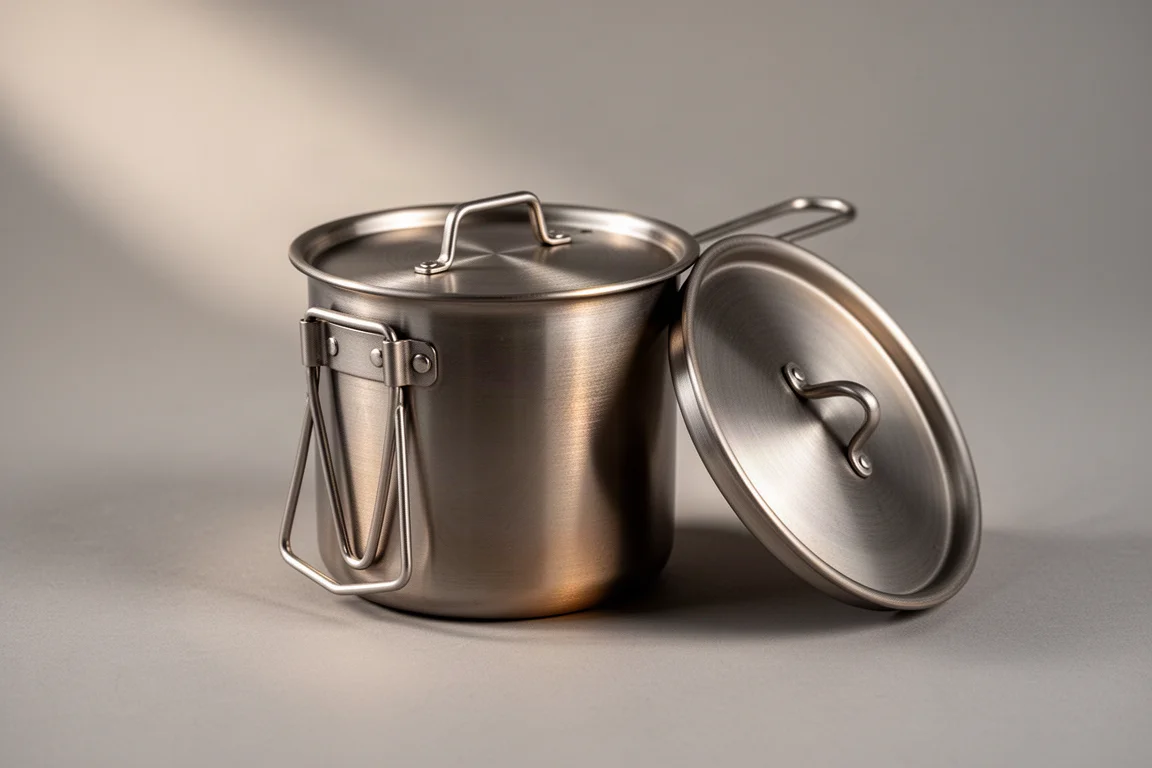
Cook Kit: Toaks 750ml Pot
The Toaks 750ml pot was the cook pot for the trip. The plan was to eat out whenever possible, but three or four dehydrated meals and instant porridge for breakfast went into the food bag as backup, and the pot handled all of it without fuss.
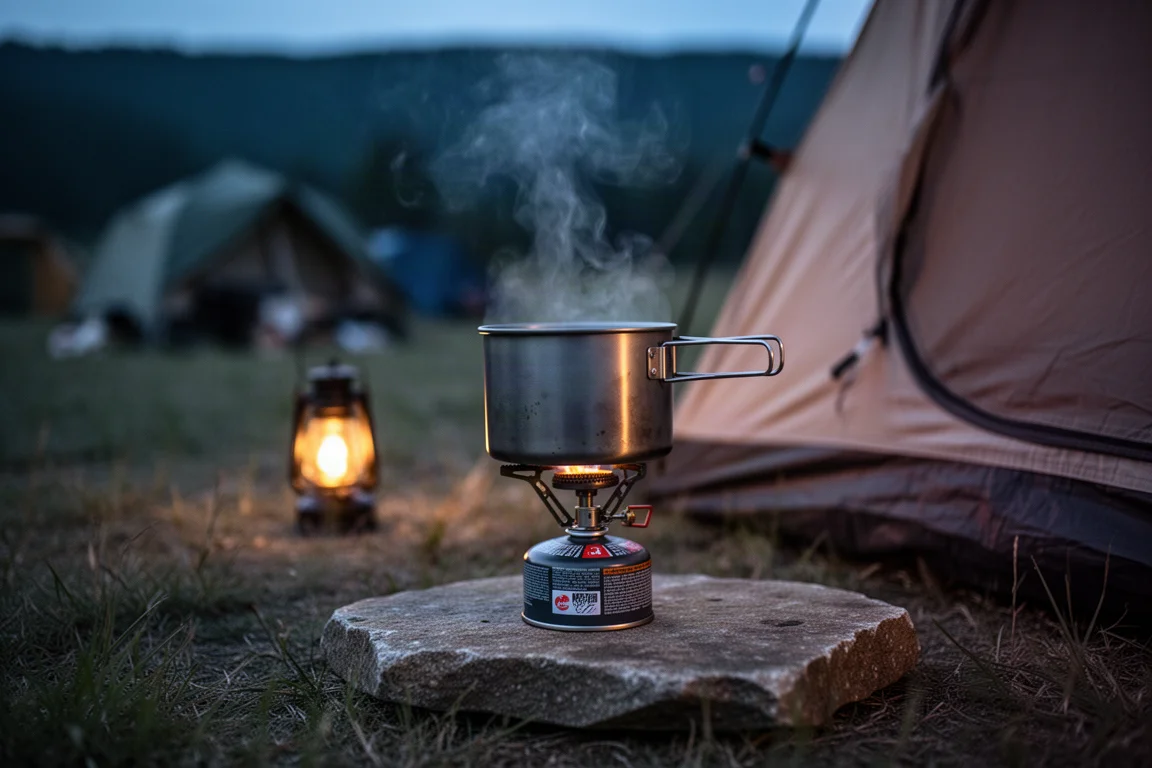
Food was kept together in a single plastic bag inside the pack, which kept the rest of the kit clean and made it easy to see what was left each morning.
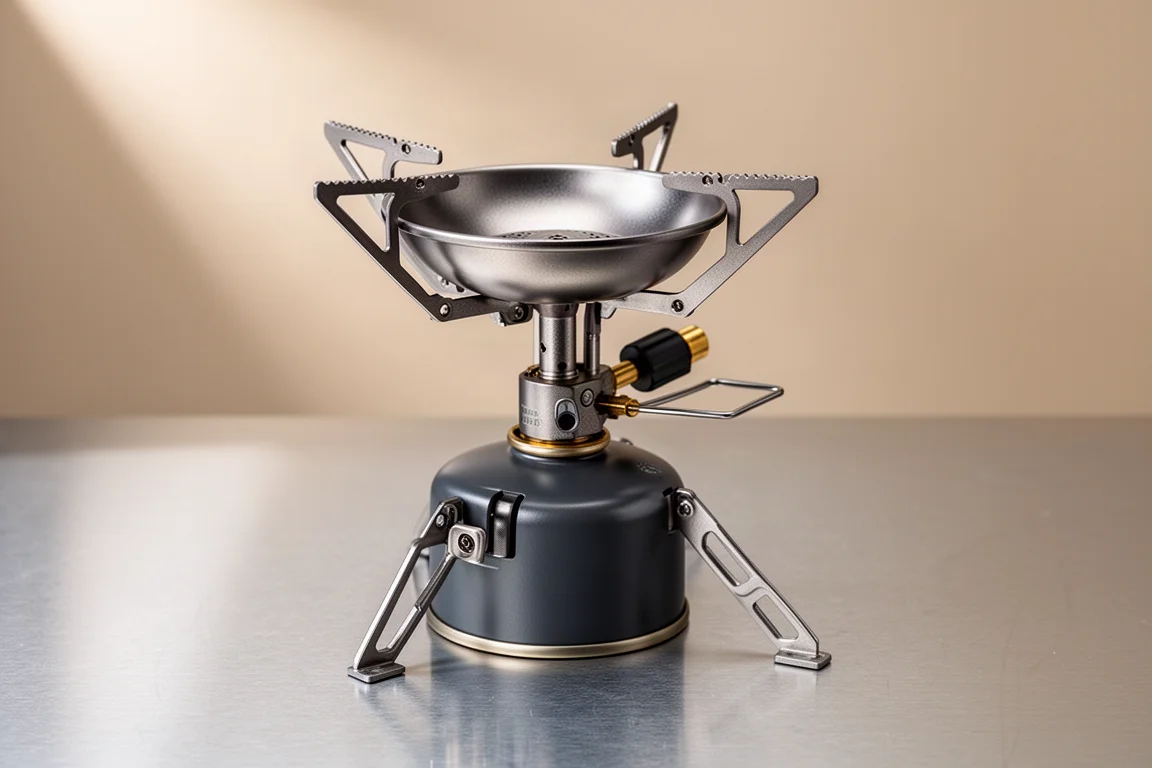
Stove: Soto WindMaster
The Soto WindMaster was the stove used with the pot for boiling water for dehydrated meals and instant porridge. Meals were eaten out wherever possible, so it was a backup rather than the main plan, and it did everything asked of it across the week.
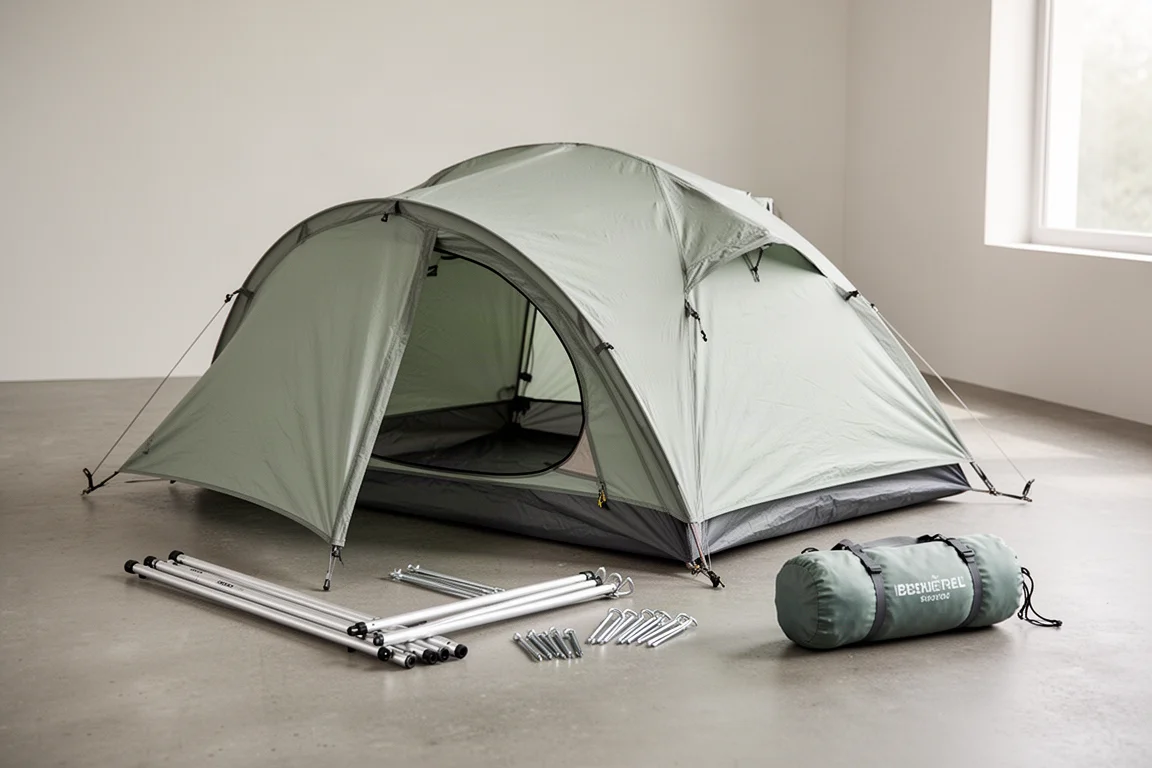
Shelter: Terra Nova Solar Photon 2
The Terra Nova Solar Photon 2 was the tent, and it performed well. The inner and the outer can be separated easily, so the flysheet can be bagged on its own when it is wet and the inner stays dry if pitching and striking are done quickly. It packs down small, weighs around 880g, and is nominally a two-person tent, which in practice means one person plus a backpack. That extra interior space kept all of the gear inside and away from insects overnight.
Supporting Kit Worth Knowing About
Several smaller items did quiet, useful work across the week. A Katadyn BeFree filter covered drinking water, a Nitecore NB10000 power bank kept a phone and a camera topped up, and an Exped Schnozzle bag doubled as the pump for the sleeping pad. For sleeping, a Sea to Summit Aeros pillow and a Flextail Zero mat, used as a knee pillow for side sleeping, were small enough to justify their place. Thin camp shorts, sliders, a merino buff, a thin pair of Montane Terra trousers kept clean for the journey home, and an insulation fleece rounded out the clothing. A lightweight umbrella handled short showers without needing to take the pack off, and a small solar panel strapped to the outside of the pack reduced reliance on campsite power. A head net, spare gloves and a hat went unused. The clothing, the pack and the tent were all treated with a permethrin spray, and no ticks were picked up across the week.
What the Trip Cost
Costs are worth understanding before planning a similar walk. The train from Sheffield to Glasgow came to £42.89 for two people, roughly £21 each, with a change at Manchester and a journey time of 4 hours 26 minutes. A taxi from Glasgow cost £15. Campsite fees came to £24 for two at the first site, £21.25 at the second plus a £10 charge for a second tent, £25 at the third, £30 for two at the fourth, and £20 for two at the fifth. The final night was a wild camp. A hotel in Glasgow cost £55 for a double room, with breakfast available for around £10 extra. Excluding food, the trip came to roughly £230 per person, covering campsites, the hotel, train fares and taxis.
Wild camping is broadly permitted in Scotland, although certain sections around Loch Lomond require a permit. Campsites were chosen deliberately for toilets, showers, power and a hot meal, and for the freedom to wander off without worrying about leaving gear behind. Pub meals were often on the higher side, with mains around £15.
Buying Advice
The most useful lesson from this kit is that comfort beats weight savings when the days are long. A pack that fits properly and a sleep system that lets you recover are worth more than a lighter version of either, and the items that mattered most here were the ones chosen for how they felt over many miles rather than how they looked on a scale.
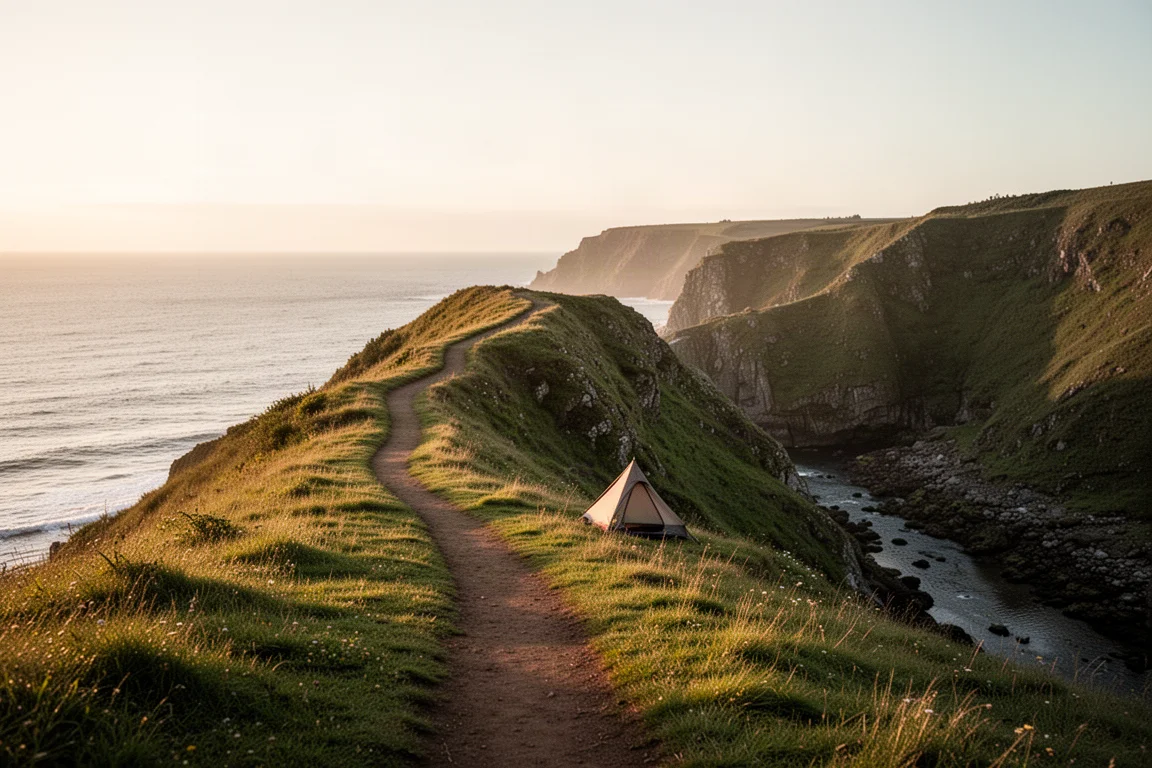
For anyone building a similar setup, start with the big three: pack, sleep system and shelter. Get the pack fitted properly, treat the quilt or sleeping bag as the warm layer you will actually use, and choose a tent by the space you need rather than the headline weight. Smaller items then slot in around those decisions, and anything that goes unused on a shakedown walk can usually stay at home. Waterproofs and warm layers are still worth carrying in Scotland even when the forecast looks reasonable, because the weather does not always follow the plan.
Conclusion
This kit is one answer to a seven-day, 107-mile walk, not the only one. The West Island Way can be walked with bag transfers, with nights in hostels or bed and breakfasts, or with a far lighter load than this. The pieces that earned their place were the comfortable ones: the pack, the quilt, the sleeping pad, the tent and the base layers. If any of them match the way you like to walk, they are worth a closer look.
Further reading
Related Reviews
Hiking Gear
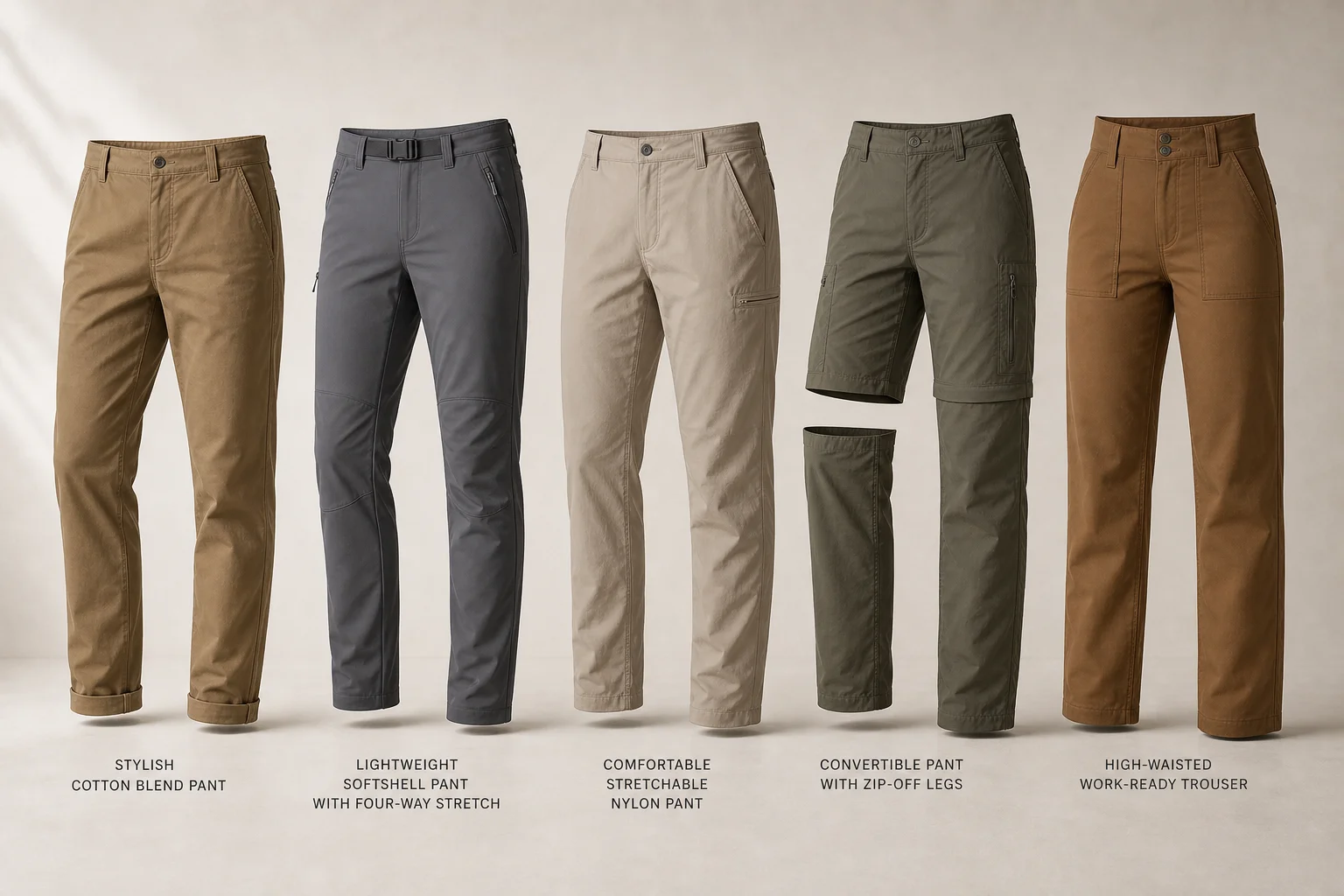
Best Hiking Pants on Amazon: Five Practical Options for Different Needs
A practical review of five hiking pants with clear strengths and trade-offs, from lightweight convertible styles to durable work-ready trousers.
Hiking Gear
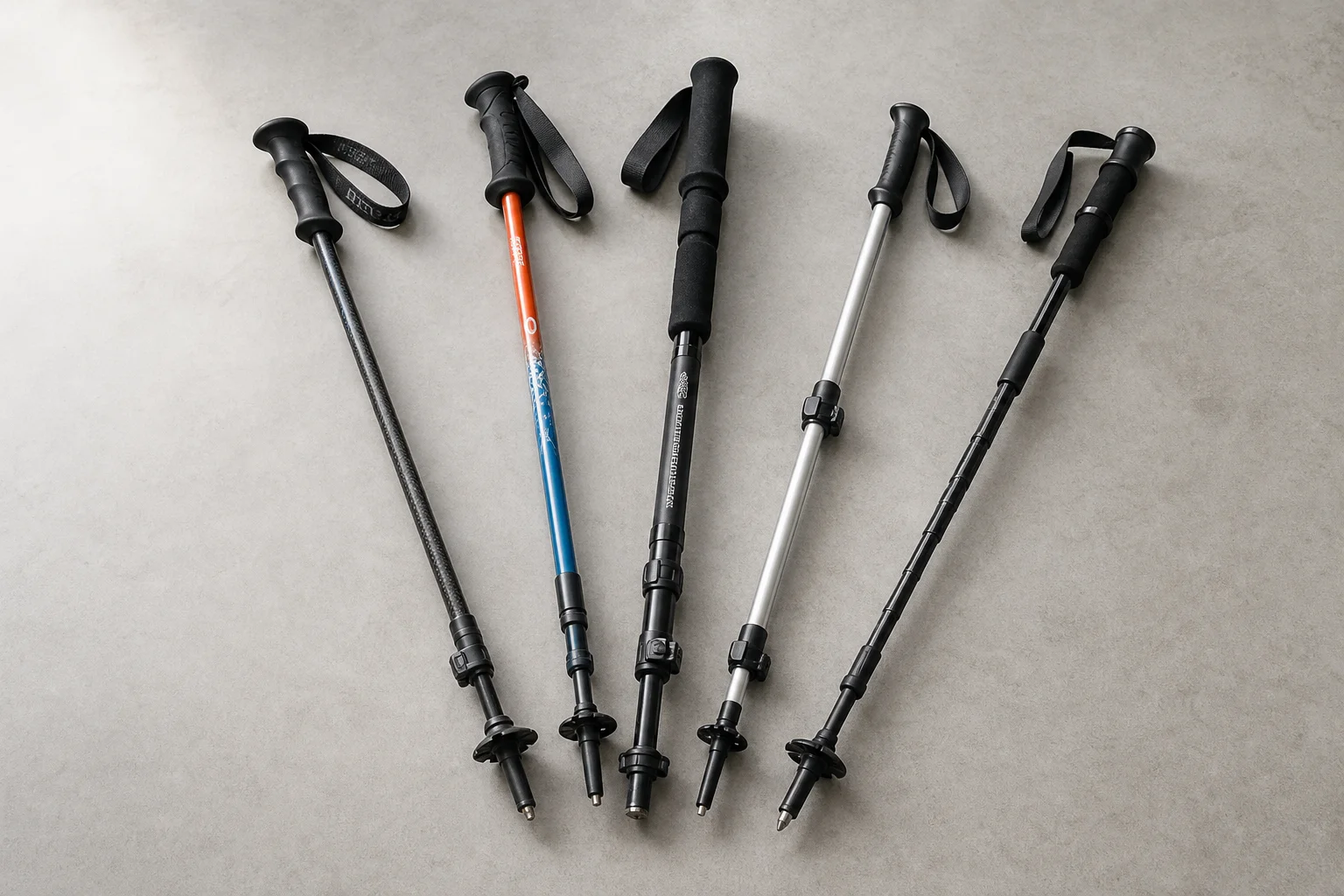
Best Hiking Poles 2026: Five Options for Different Trail Needs
A practical review of five hiking poles, from lightweight carbon designs to versatile all-terrain options, with clear strengths and trade-offs for each.
Hiking Gear
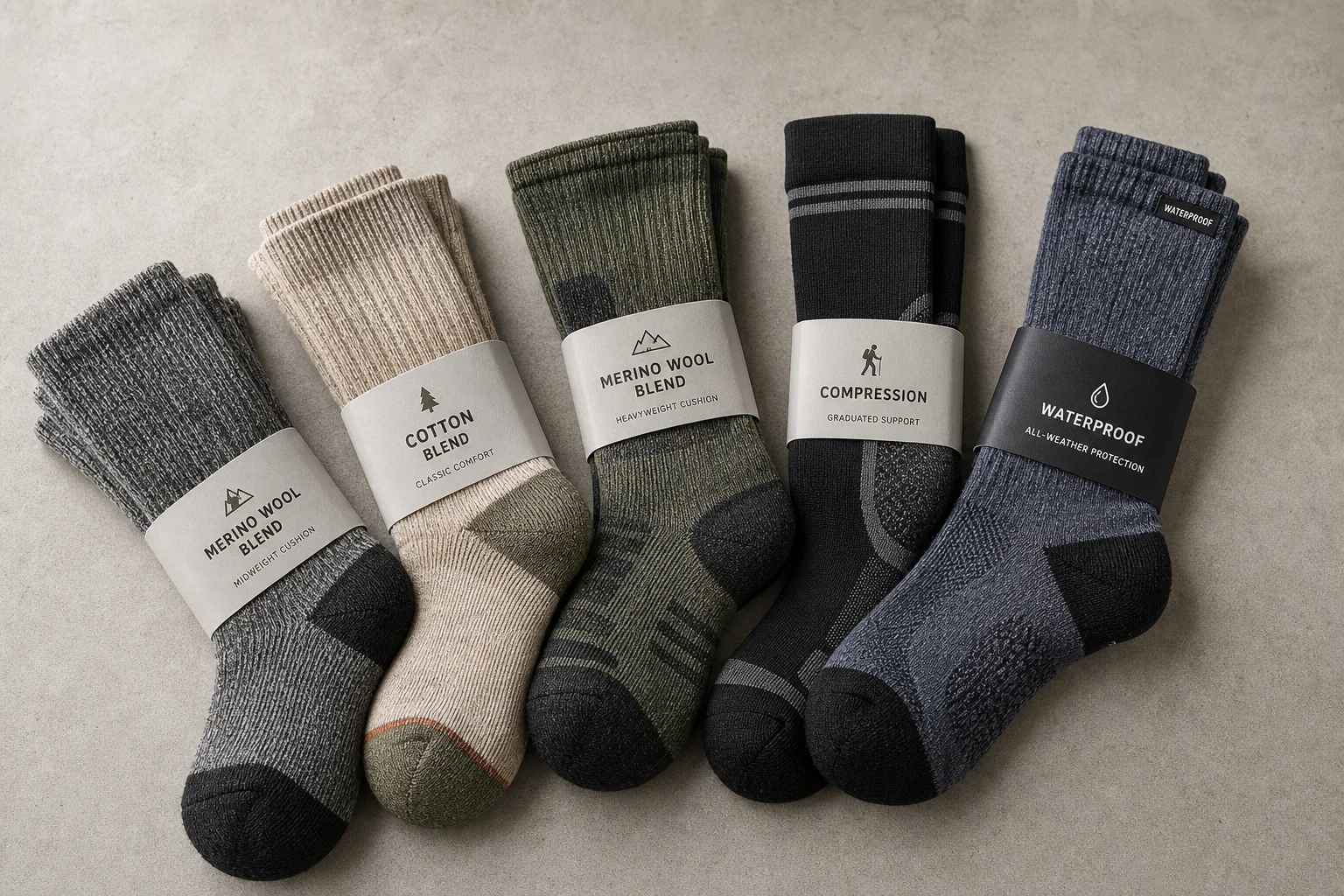
Best Hiking Socks 2026: Five Top Choices for Different Trail Needs
A practical roundup of five hiking socks, from lightweight merino options to heavy-duty compression styles, with clear guidance on which suits your outdoor activity.