Hand Tools
Compact Wrench Tools Worth a Look: Wera Joker and Snap-on HJ44 BCF
A practical look at Wera Joker wrenches, the double-ended Wera Joker 606 series, and the Snap-on HJ44 BCF self-tightening pliers.
Introduction
Small fasteners are where most everyday repair work happens. The 10 mm bolt is practically the universal currency of automotive and mechanical jobs, and the tools that handle the 7 to 13 mm range efficiently earn their place in any kit. This roundup covers three tools aimed at exactly that problem: the Wera Joker wrench family, the newer Wera Joker 606 series double-ended wrench, and the Snap-on HJ44 BCF self-tightening pliers. Each takes a different approach to the same goal: grabbing a fastener quickly and turning it without fuss.
Wera Joker Wrenches: Ratcheting Range in a Small Package
The Wera Joker wrenches cover a defined range with a ratcheting mechanism built into the head. For example, one size spans 7 to 10 mm (or 1/4 inch to 3/8 inch), while a larger one covers 10 to 13 mm. That ratcheting head lets you grab and twist a fastener smoothly. Go outside the covered range and you simply lose the ratcheting action, at which point the tool behaves more like a standard wrench.
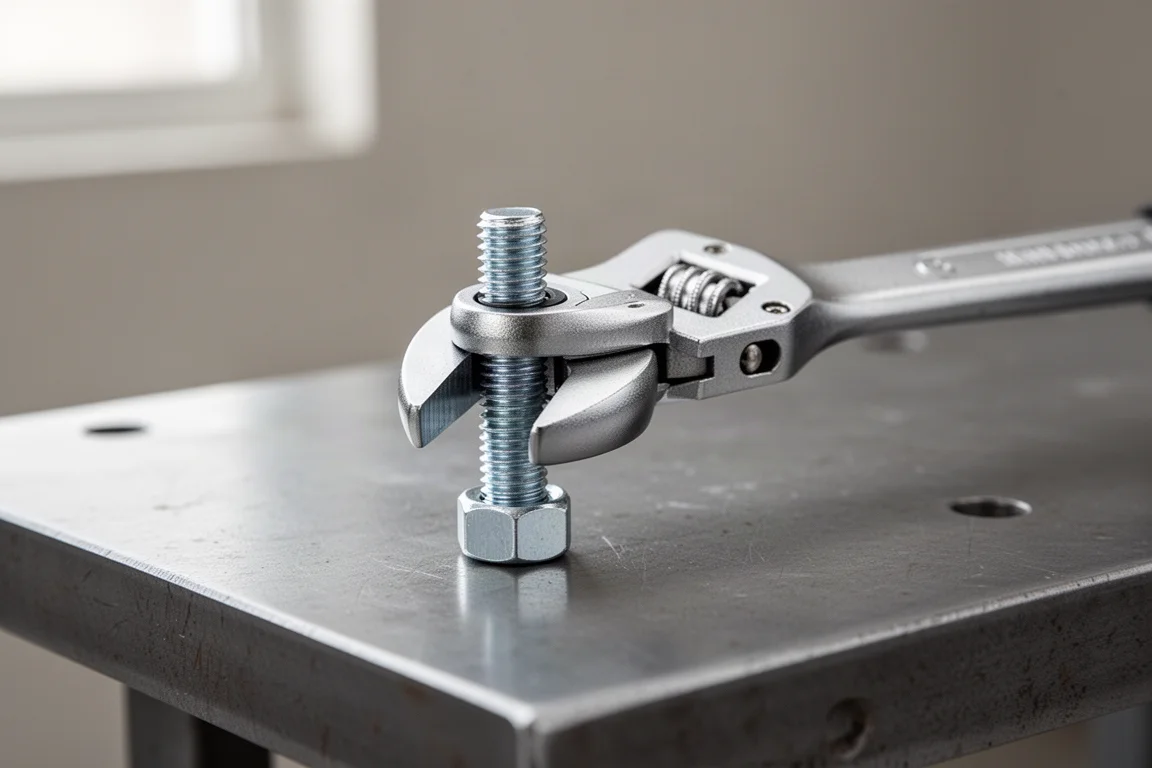
Compared with an adjustable wrench, the difference comes down to that ratcheting mechanism. An adjustable wrench has a much larger working range, from zero up to its maximum jaw opening, around 24 mm on the largest Joker-style variants. The Joker trades that raw range for automatic grip and quicker turning within its band, which makes it far easier to use in tight or awkward spots where readjusting an adjustable jaw is a nuisance.
Wera Joker 606 Series: Two Heads, One Tool
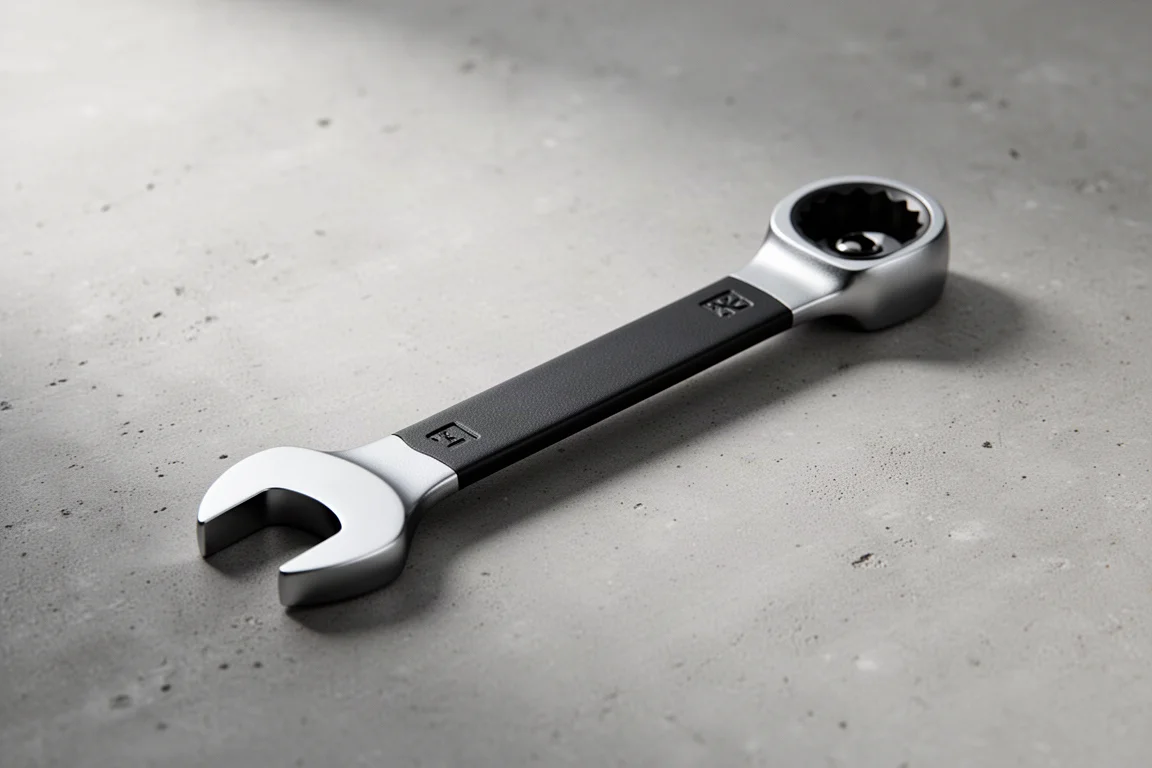
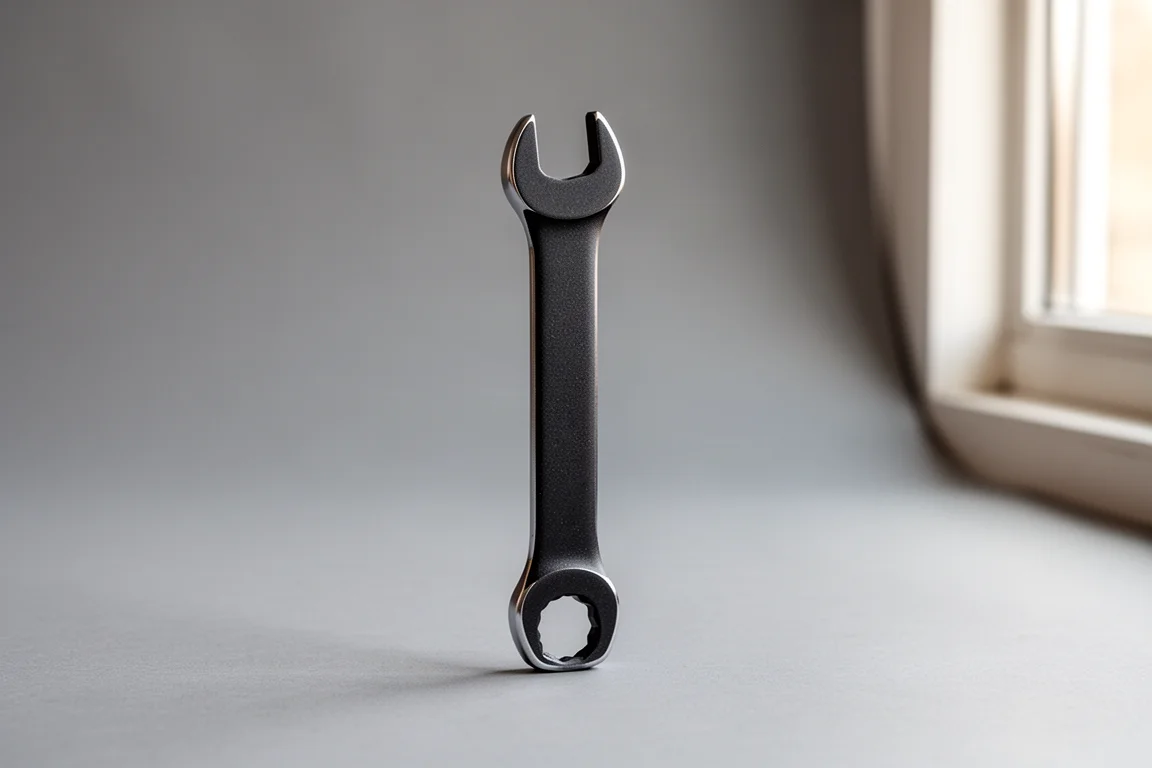
The Joker 606 series takes the concept further by putting two heads on a single tool. The extra small/small version pairs one head on each end, with sizes marked on both sides so you always know which is which. That covers the 7 to 13 mm range, or 1/4 inch upward in imperial terms. It is not a huge span, but it is a very common one, and 10 mm sits right at the sweet spot in the middle.
The practical payoff is in the hand. For a 10 mm fastener, you can tighten with one end, then clip on the other end and loosen simply by flipping your wrist. No swapping tools, no adjusting jaws, no reaching for a second wrench. Anyone who has fought with an adjustable wrench on a narrow bolt, or worked blind behind a corner, will appreciate how much friction this removes: slip it on, let it grab, and get the work done.
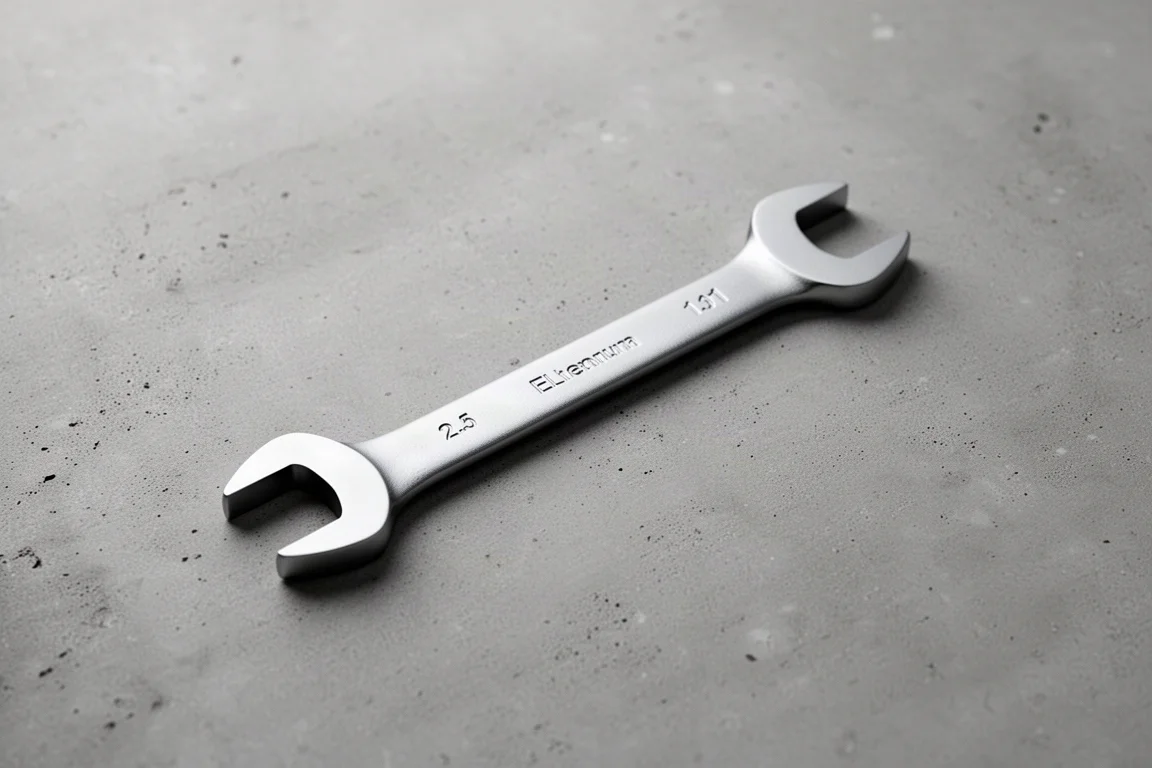
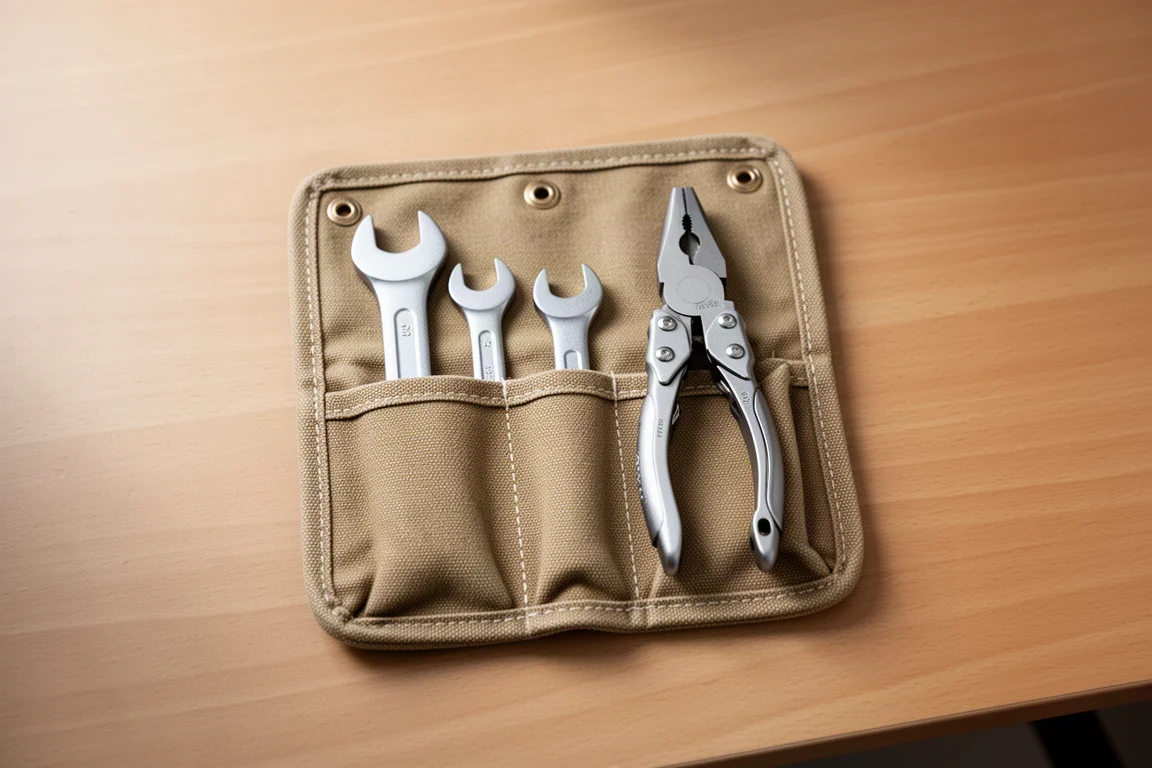
It is also a genuinely promising size for everyday carry. Many common automotive fasteners center around 10 mm and step up to about 13 mm, so one compact double-ended tool that drops into a pocket or pouch and handles both directions of turning is a smart design. Wera is also releasing a full set of them, which suggests this is more than a one-off experiment. It could work particularly well as a bicycle wrench too, since most modern bike hardware has moved to smaller sizes.
Snap-on HJ44 BCF: Self-Tightening Pliers
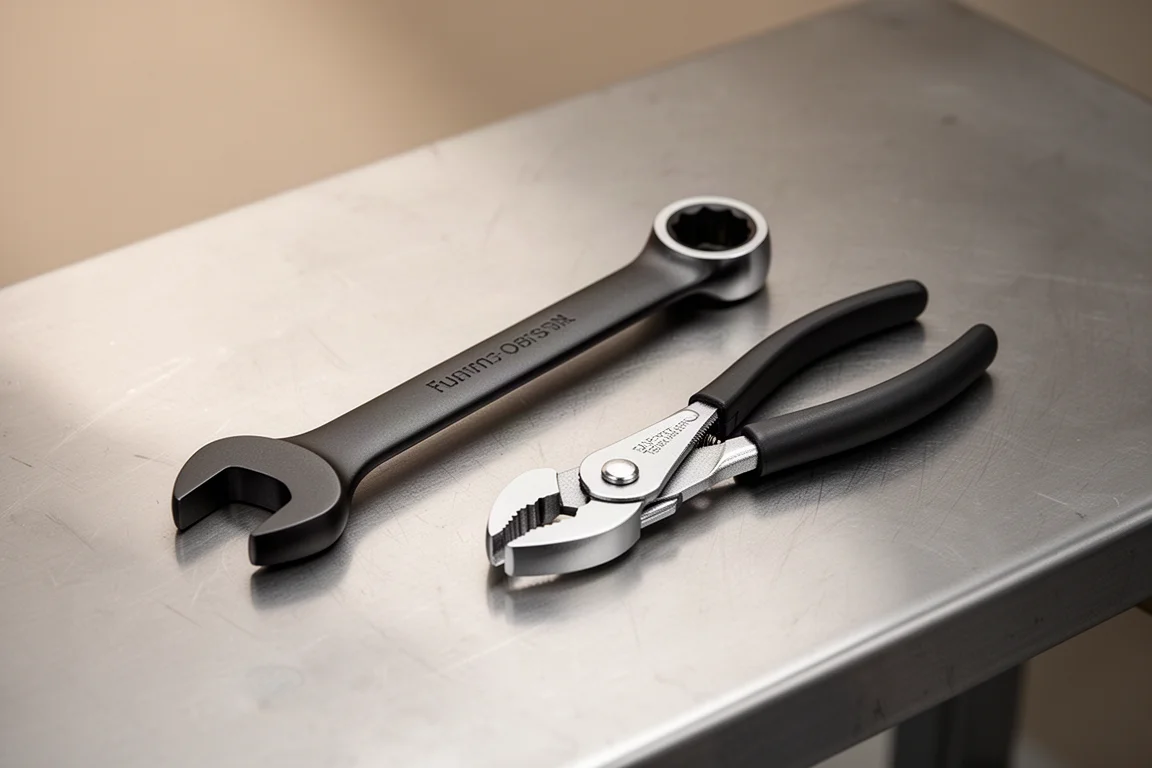
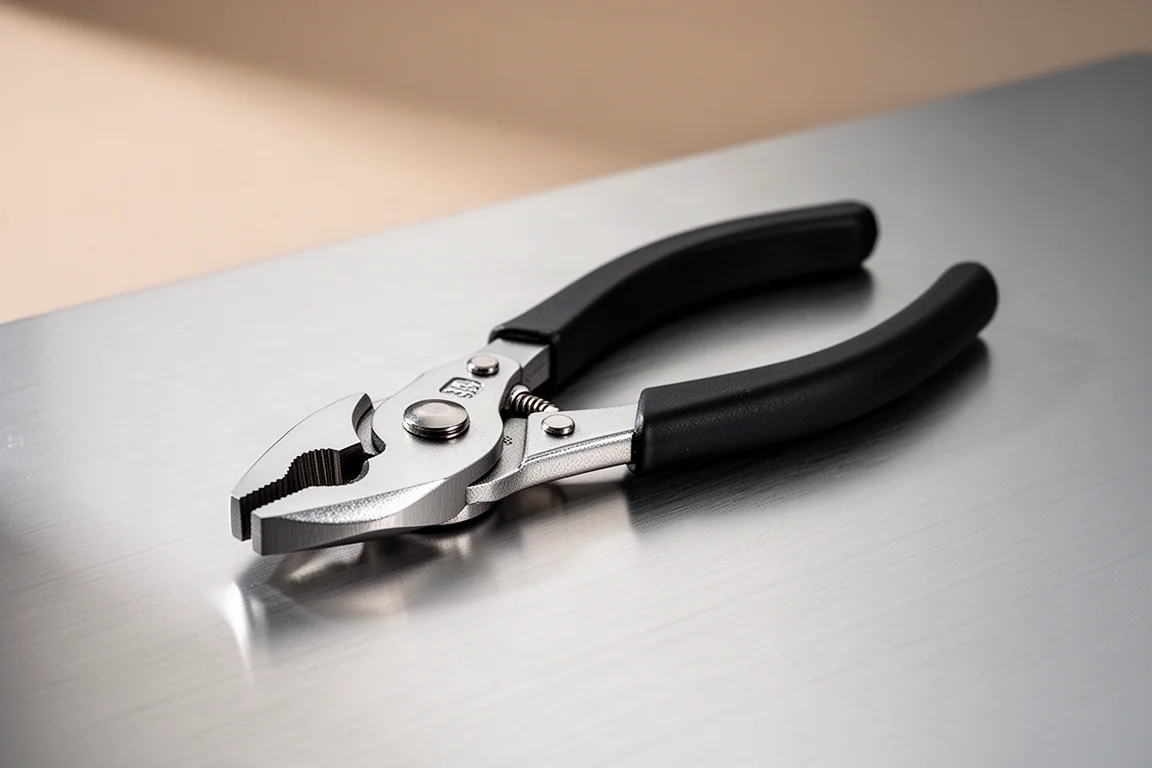
The third approach comes from Snap-on with the HJ44 BCF, a small self-tightening plier with a slip joint and a directional arrow that shows which way it grips. Squeeze it onto a fastener and it clamps on its own; sweep the handle the other way and it winds off cleanly. The mechanism grabs automatically in the tightening direction and slips free when you reverse, so you do not have to think about it mid-turn.
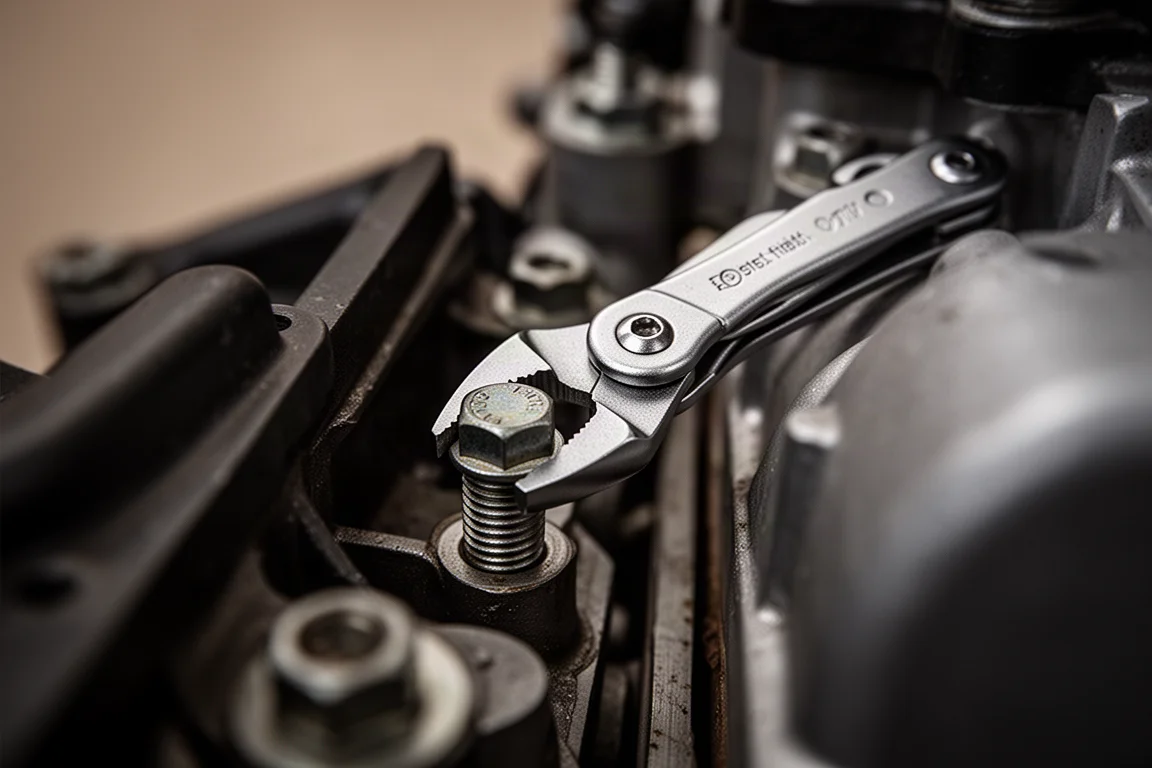
That automatic grip is the key advantage over a plain adjustable or slip-joint tool, which demands constant attention to keep the jaws from opening. Compared with the Joker, it is arguably less seamless since it needs that deliberate squeeze to engage, but it excels in the scenario the Jokers cannot solve: reaching up and behind an obstruction, slipping into a narrow space, and letting the jaws clamp on by themselves. The 1/4 inch and 5/16 inch sizes are extremely common in general repair work, and this plier covers them well.
Things to Consider Before Buying
None of these tools turn unlimited arcs the way a ratchet and socket does. The swing arc on all of them is noticeably larger, which matters when you are working in very tight quarters. If you can drop a socket on the fastener, a socket usually still wins. These tools earn their keep when access is constrained, when you want speed without swapping tools, or when you want one compact item instead of a drawer full of wrenches. Price is also a real factor, particularly with the Snap-on option, so it is worth matching the tool to how often you will actually reach for it.
Buying Advice
If you want a single, solid wrench for a lot of general work, the Joker range is hard to argue with, and the 13 to 16 mm size fills the gap nicely if you already own smaller sizes. If one tool for the pocket is the goal, the Joker 606 double-ended is the standout: simple, compact, and genuinely quick to use. If your work involves blind or restricted access where a wrench cannot reach, the Snap-on HJ44 BCF pliers justify their premium with the self-tightening grip. It is also perfectly reasonable to skip the premium brand entirely and look for a flexible double-ended or self-tightening alternative at a friendlier price, since the design concept matters as much as the badge.
Conclusion
Compact fastening tools are maturing in interesting ways. Wera is clearly exploring how to extend the Joker concept, and the 606 series double-ended wrench is a genuinely new take that may push other manufacturers to build their own double-ended designs. For tight-space gripping, Snap-on’s HJ44 BCF remains the premium answer. Match the tool to your most common fastener sizes and access problems, and any of these can quietly become the tool you reach for first.
Further reading
Related Reviews
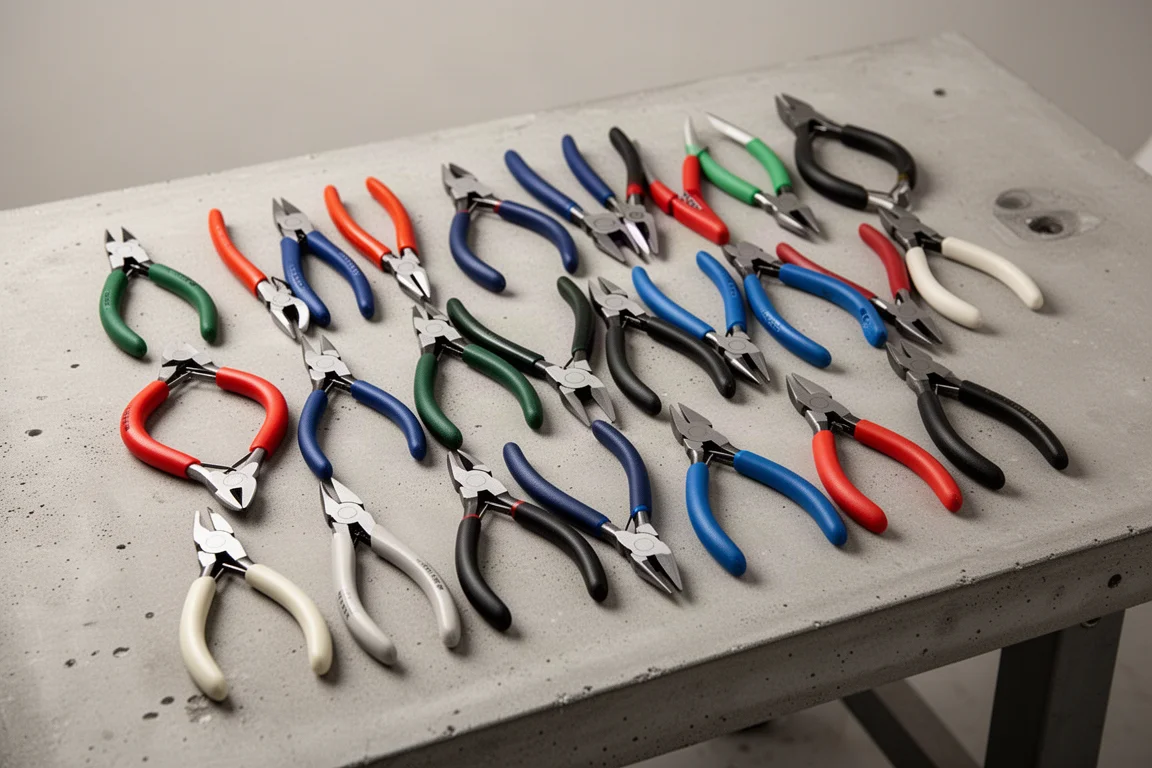
Hand Tools
Best Diagonal Cutters 2026: 16 Pliers Tested for Cutting Power and Durability
We put 16 diagonal cutters through nail, screw, drill bit, and hex key tests to find the best value picks for your toolbox.
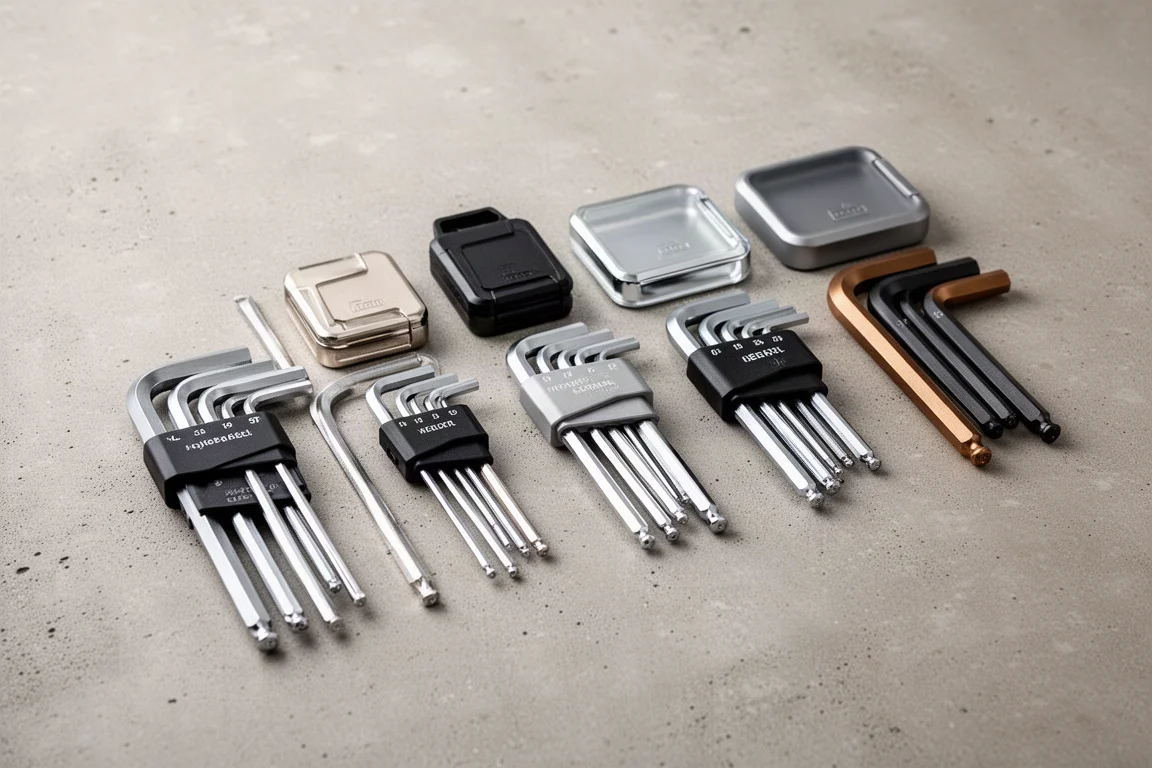
Hand Tools
Best Hex L Key Sets 2026: Nine Sets Tested for Real-World Torque
Nine hex L key sets from budget to premium, tested for torque, fit, and durability. See which sets deliver real performance and which ones to skip.
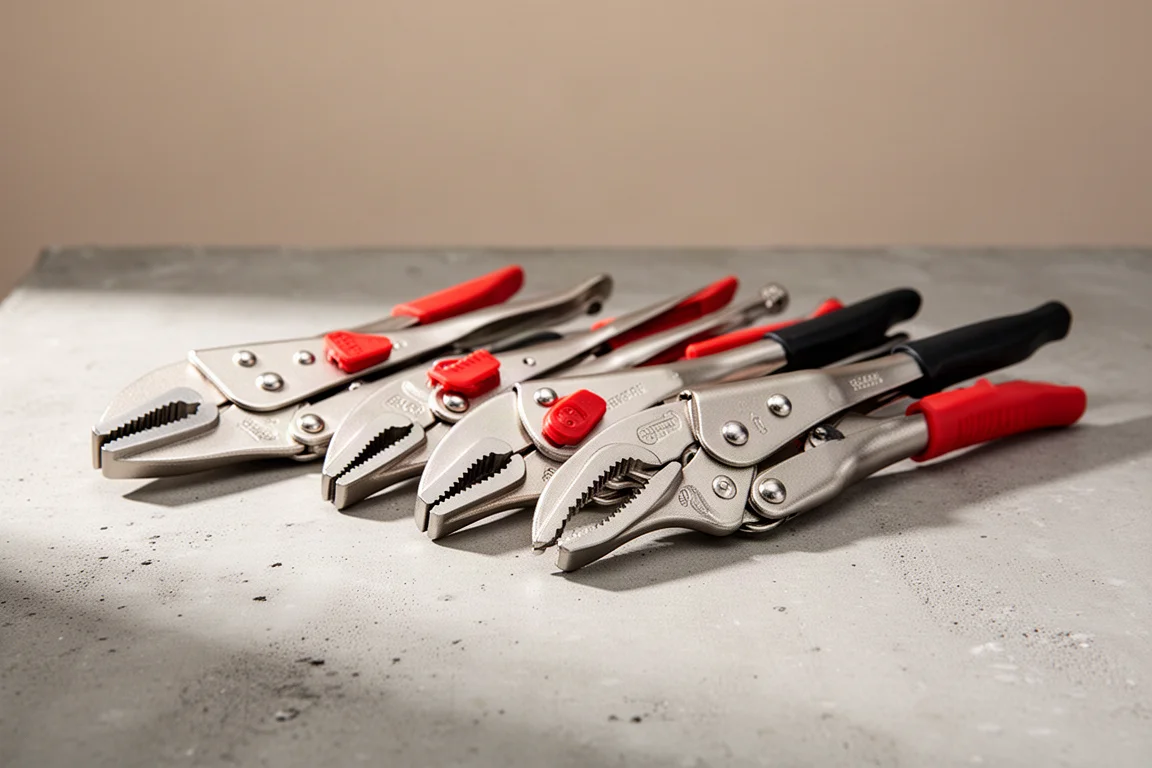
Hand Tools
Best Locking Pliers 2026: Top Picks Tested for Grip and Durability
We tested 18 brands of 10-inch locking pliers for grip strength, jaw bite, build quality, and ease of release to find the best options for tough jobs.