Kitchen Knives
Weird and Wacky Japanese Knife Shapes: Six Rare Blades Worth Knowing
From soba noodles to tuna butchery, six of the rarest and strangest Japanese knife shapes explained, with who each one is actually for.
Introduction
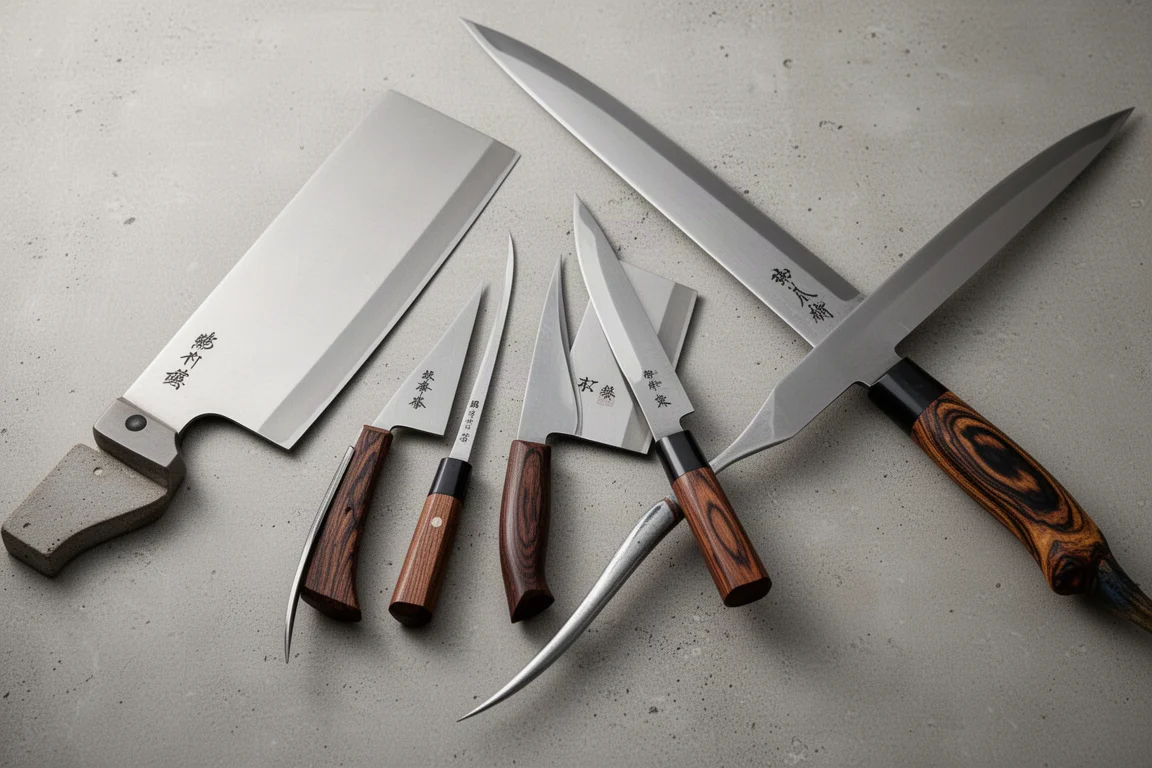
Everyone knows the santoku, the gyuto, maybe the nakiri. But the world of Japanese knives goes far deeper than the usual suspects, and some of the rarest shapes are the most interesting. These are knives built for one specific job, often shaped by centuries of regional cooking traditions, and several of them are genuinely hard to find. Here are six of the weirdest, rarest, and most fun knife shapes worth knowing about, plus who each one is actually for.
Tojiro Sobakiri: The Noodle Specialist
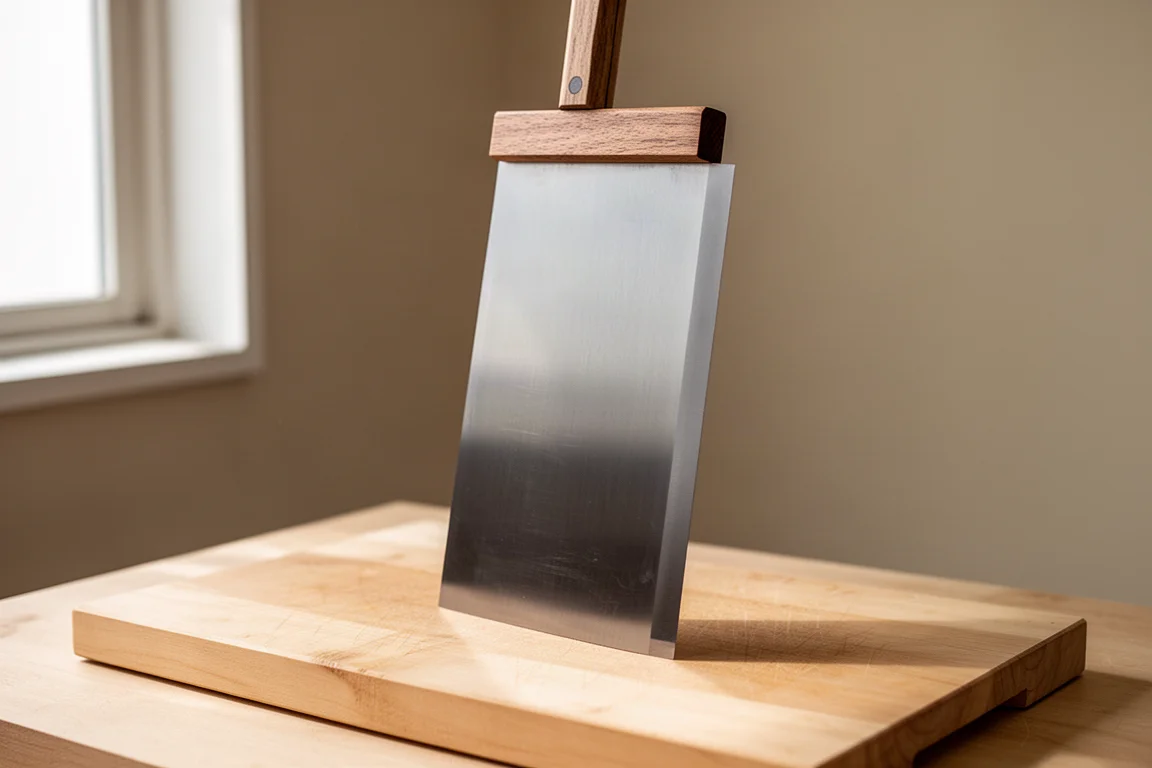
The sobakiri is one of those shapes that stops people mid-sentence: it looks a bit like a meat cleaver, but it is anything but. It is designed specifically for cutting soba noodles, with an edge that runs dead flat so the blade can go straight through noodle dough and contact the cutting board fully. It also has a built-in scoop for lifting the finished noodles away when you are done.
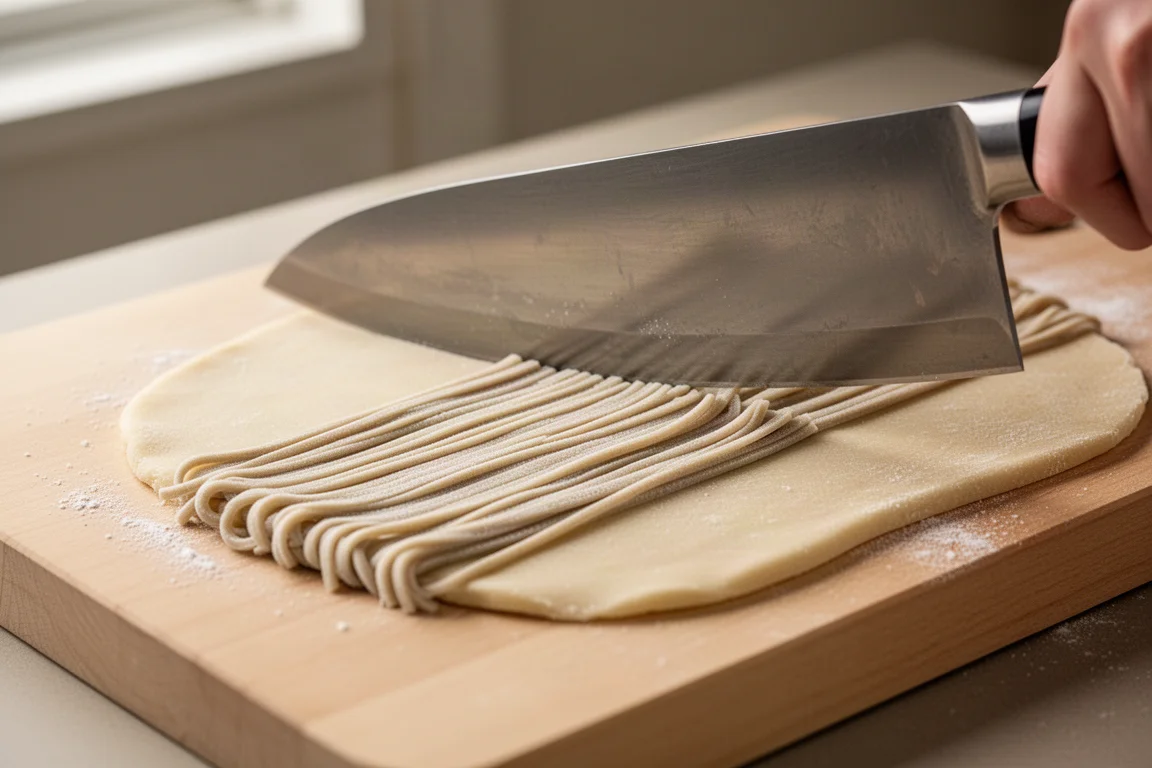
This particular version comes from Tojiro, though plenty of other makers produce the shape too. It is rarely seen outside Japan for a simple reason: homemade soba noodles are not part of most North American kitchens. If you make fresh noodles regularly, though, nothing else does this job properly.
Masashi Kaijin Honesuki: The Chicken Butchery Knife
The honesuki, sometimes translated as the bone lover, is primarily a chicken butchery knife, and it looks like a giant triangle for a reason. Its specialized profile is built for breaking down poultry quickly and cleanly.
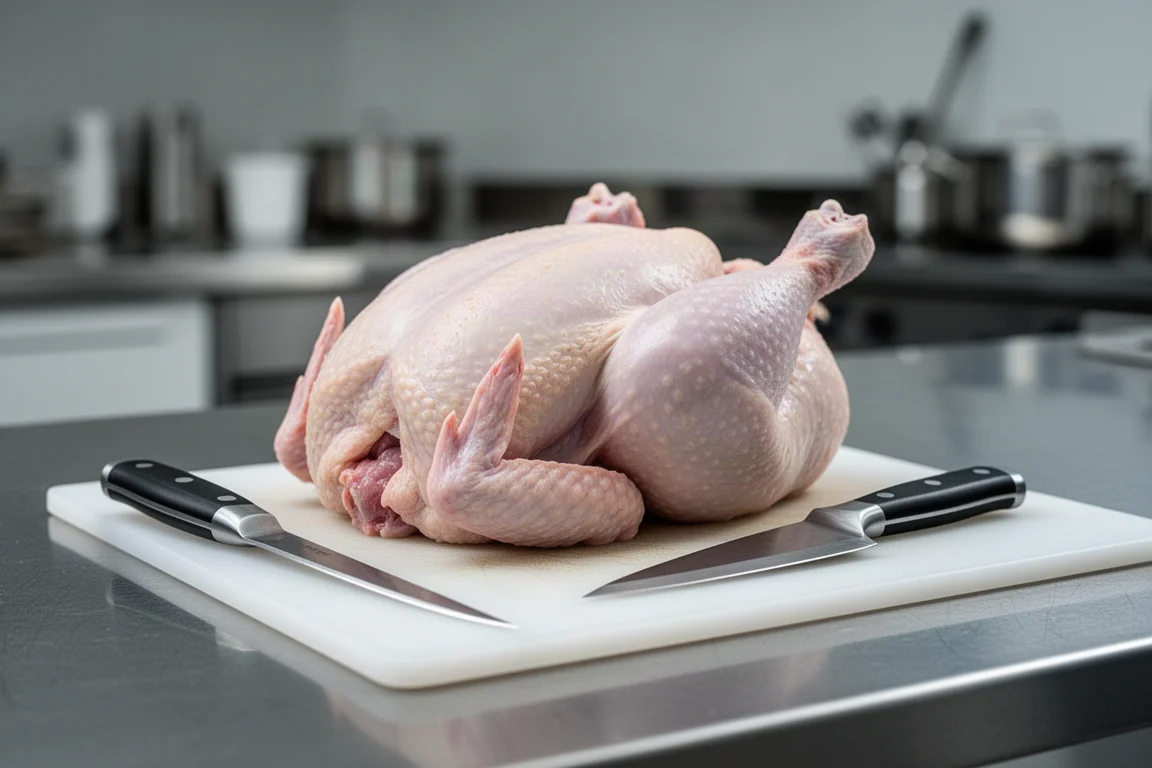
The Masashi Kaijin version is made from VG1 steel and resists rust well, which matters for a knife that lives around raw poultry. If you break down a lot of chickens, this is exactly the knife for that job. A related shape, the garasuki, is essentially a bigger honesuki suited to larger birds like turkey, and can even handle some smaller bones.
Suzuki Uchi Kamagata: The Eel Knife With a Food Release Secret
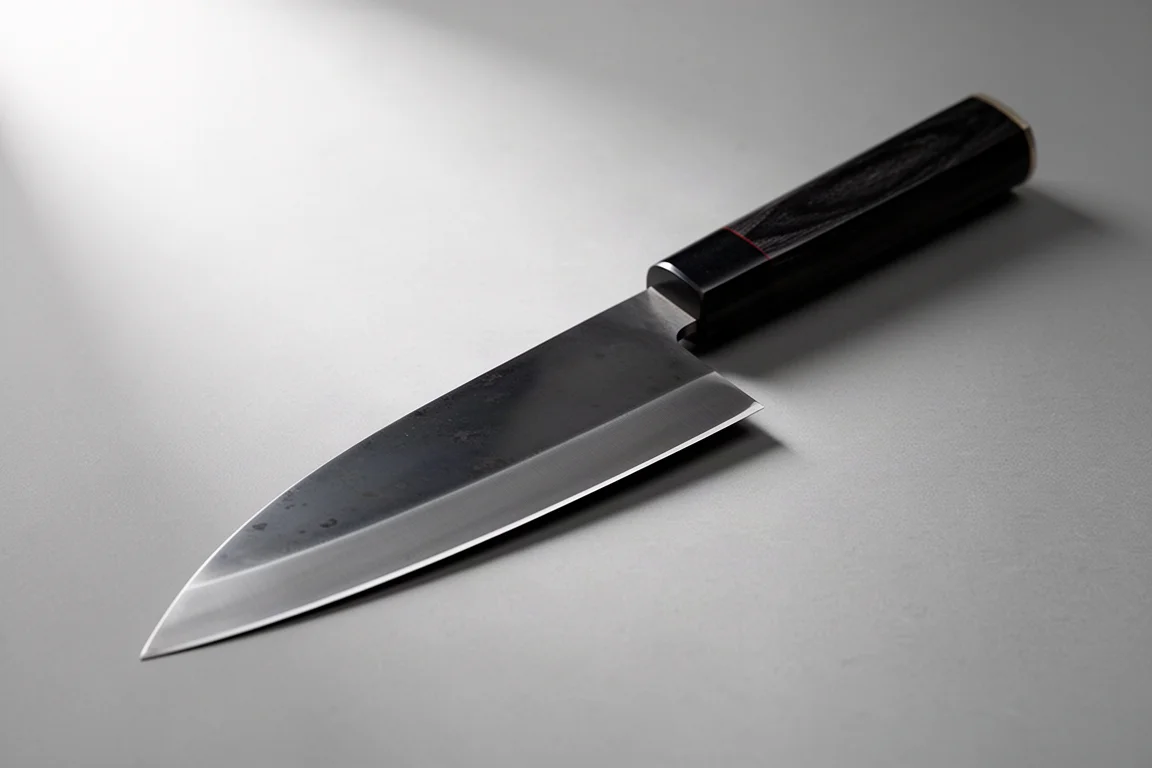
Suzuki Uchi is one of the more distinctive makers in this lineup, doing a 955-style sharpening that makes the blades almost single bevel. The first is the kamagata, a very odd nakiri that is primarily an eel butchery knife. This tiny version is one of the smaller variants, since larger versions exist around 210mm, though it is multi-purpose in practice.
The real charm is in the details: the spine has a dramatic taper that folds upward, creating a small groove where your pointer finger naturally slips in for a pinch grip. And because of the single-bevel geometry, food release is exceptional. Note that it is made for right-handed users, so lefties should look elsewhere.
Masakage Zero Kamagata: A Vegetable Knife Born From a Shoe Blade
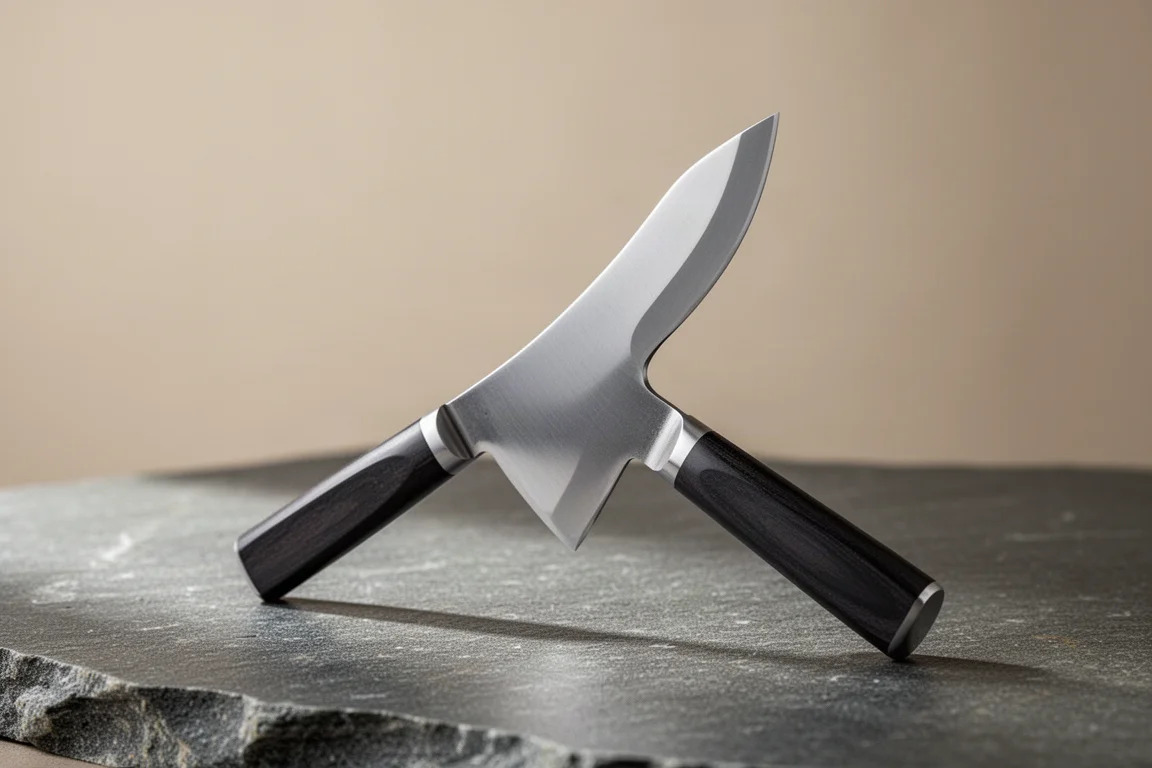
The kamagata has one of the best origin stories in the knife world. The blade blank was originally made for cobblers, used for taking soles off shoes. A sharp-eyed retailer spotted it in a blacksmith shop, asked what it was for, and simply requested a handle and a kitchen-knife treatment. The rest is history.
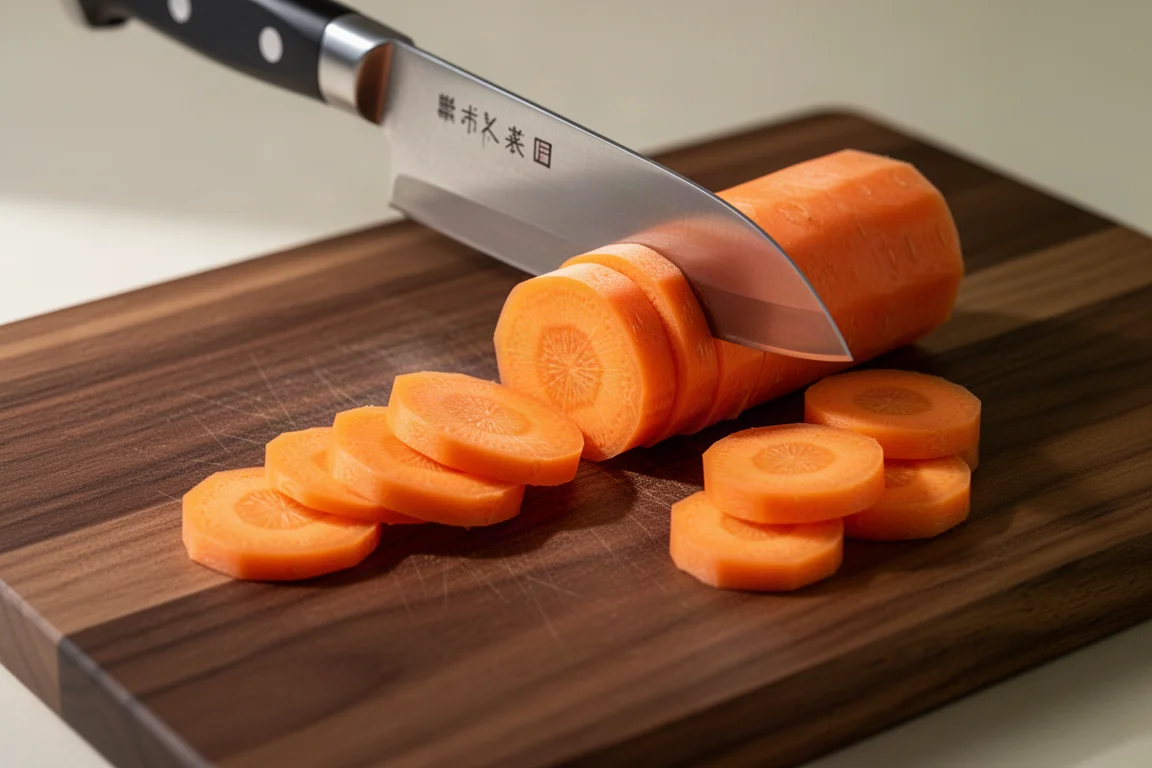
The Masakage Zero kamagata is a genuinely fun vegetable knife. It has a very flat profile with excellent board contact, and despite its small size it carries a surprising heft thanks to the desert ironwood handle. It falls through carrots, onions, garlic, and shallots beautifully, and it is one of the more usable shapes in the world of unusual knives.
Sakimaru Yanagi by Iwao Doy: Sushi Chef Territory
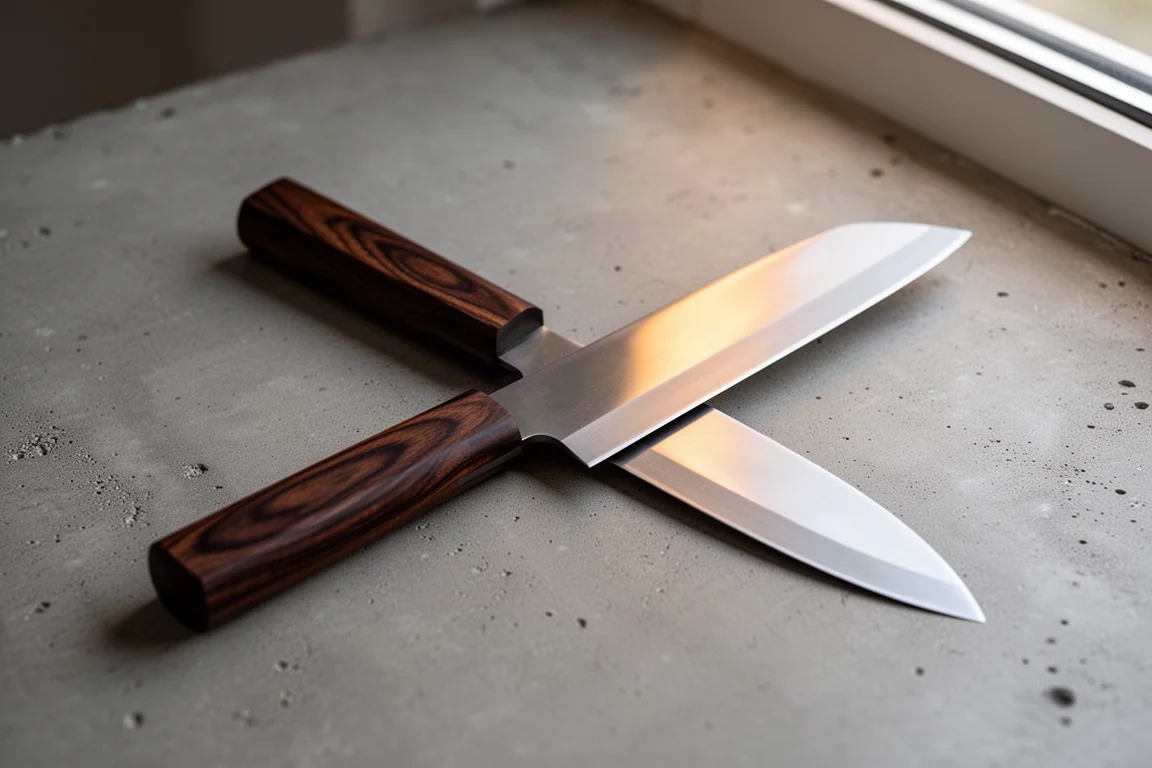
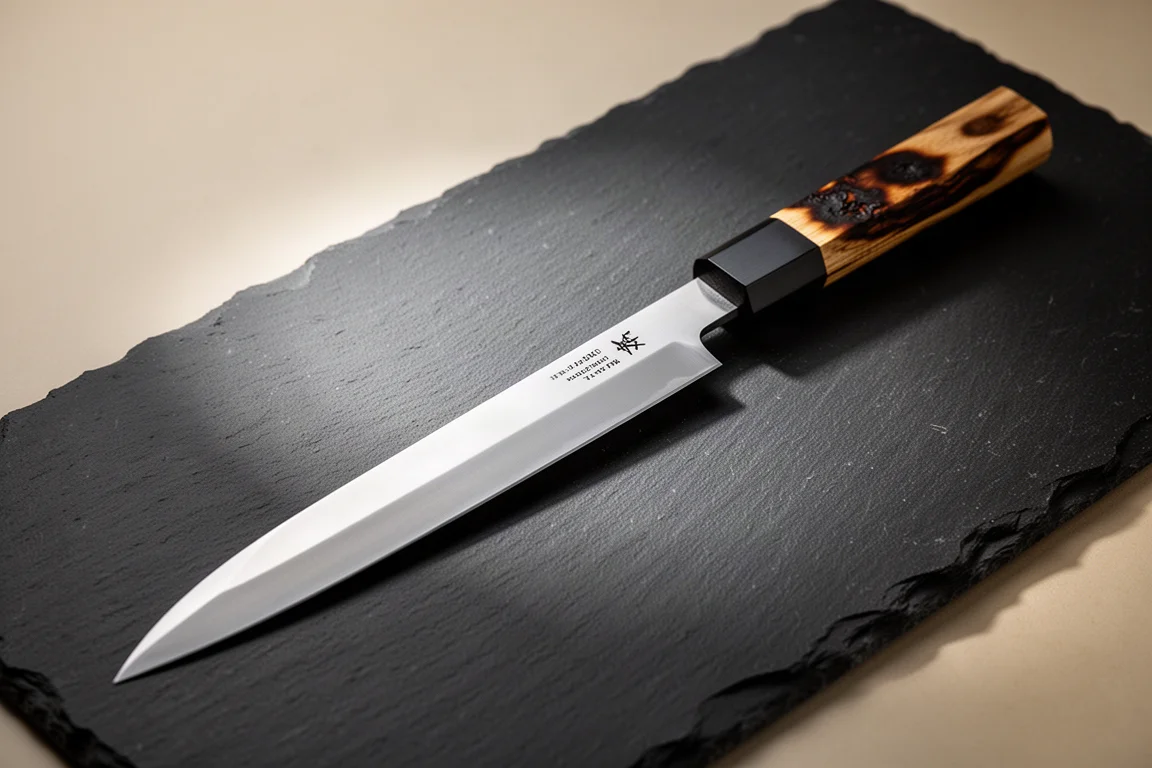
The sakimaru is a yanagi with an dramatically upswept, rounded tip, and this one comes from Iwao Doy, one of the most well-known blacksmiths in the lineup. It is a right-handed, essentially single-bevel knife built for fish butchery and sushi work.
If you are a sushi chef, this is the knife. It will slice sashimi with everything you could ask for. It is also one of the most striking knives aesthetically, especially with the half-burnt handle finish, and the sakimaru tip adds a little extra flair. This is a serious collector piece as much as a working tool.
Tinker Sasquatch: The Rarest of the Rare
Tinker knives are extremely rare, with every shape having its own weird profile and unique story. They are made by Shibata and his crew in Takefu, and the Sasquatch is the elusive standout. These knives are so hard to get that the usual waiting list was abandoned in favor of occasional raffles whenever stock becomes available.
If you ever get the chance to snag one, take it. Whether you are a serious knife nerd or just want something functionally excellent that looks unlike anything else in the drawer, this is the way to go.
Worth Knowing: Regional Oddities
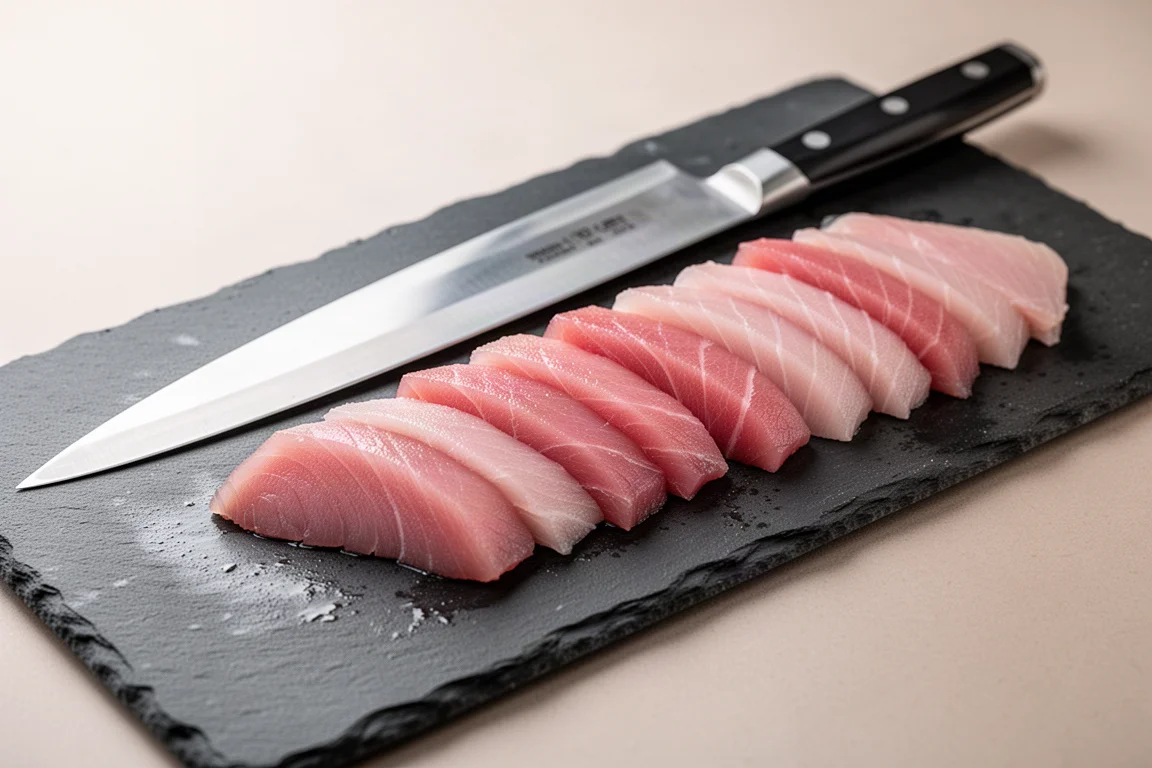
A few other shapes deserve a mention even if they are hard to source. The hakata, named after the Fukuoka region, is similar to a bunka but with a very rounded spine and a very aggressive tip, and few makers work in that region, which is why the shape is so scarce. And at the extreme end sits the maguro bocho, the longest knife of all, built specifically for breaking down whole tuna. Even the small versions are enormous, and it is a tool with exactly one purpose: slicing a big chunk of tuna.
Conclusion
Wacky shapes are wacky and rare for a reason: each one is engineered around a specific task, from soba noodles to whole tuna. If one of these matches a job you actually do, it will outperform a general-purpose knife every time. If you are simply a collector, these are some of the most characterful blades money can buy, and several of them reward patience just to track down.
Further reading
Related Reviews

Kitchen Knives
Best Chef's Knives 2026: 27 Popular Options Tested and Ranked
A comprehensive review of 27 chef's knives ranging from $18 to $380, with honest assessments of handle comfort, blade balance, and real-world performance.

Kitchen Knives
Best Chef's Knives Under $75: Two Tested Recommendations
Two practical 8-inch chef's knives that balance sharpness, comfort, and durability without premium pricing.

Kitchen Knives
Best Chef's Knives 2026: 27 Options Tested and Ranked
A comprehensive review of 27 chef's knives ranging from $18 to $380, with honest assessments of handle design, balance, blade profile, and real-world performance.