Camping Stoves
Weido Wood Burning Stove Review: A Folding Stainless Steel Stove With Real Design Problems
The Weido wood burning stove assembles easily and uses thick 304 stainless steel, but a loose two-piece burner plate, a bottom feed port and large base holes make it hard to use safely.
Introduction
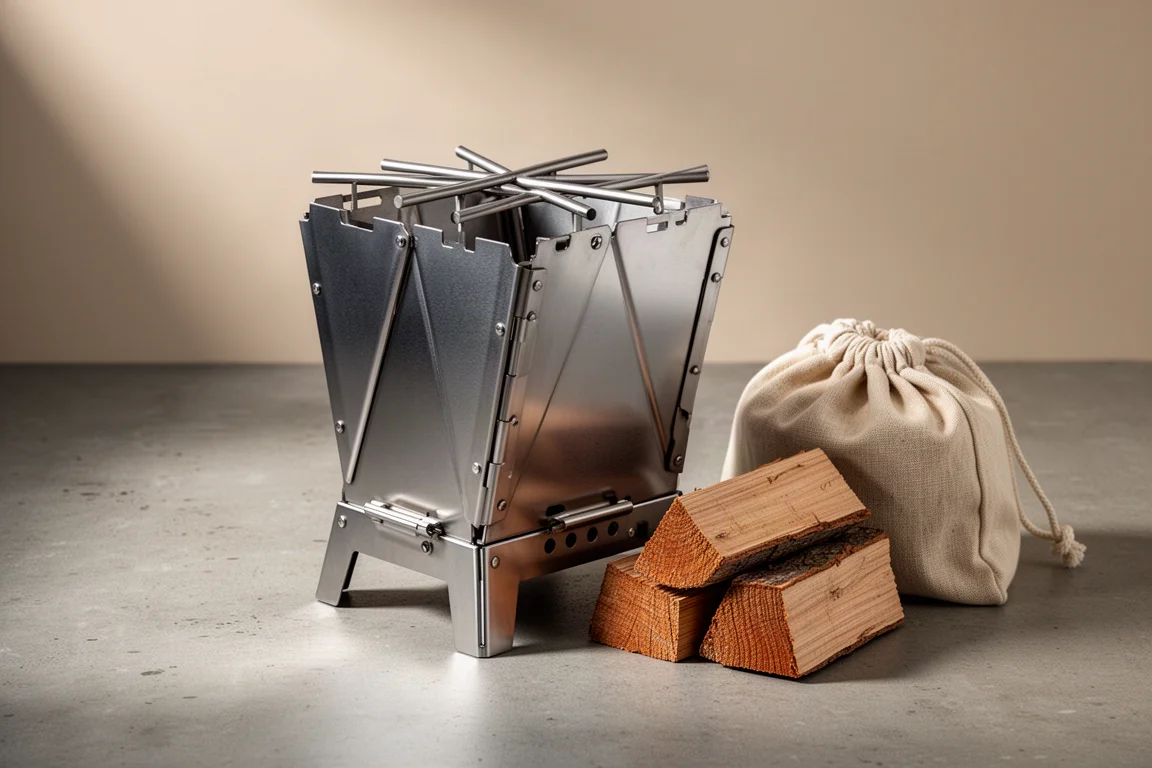
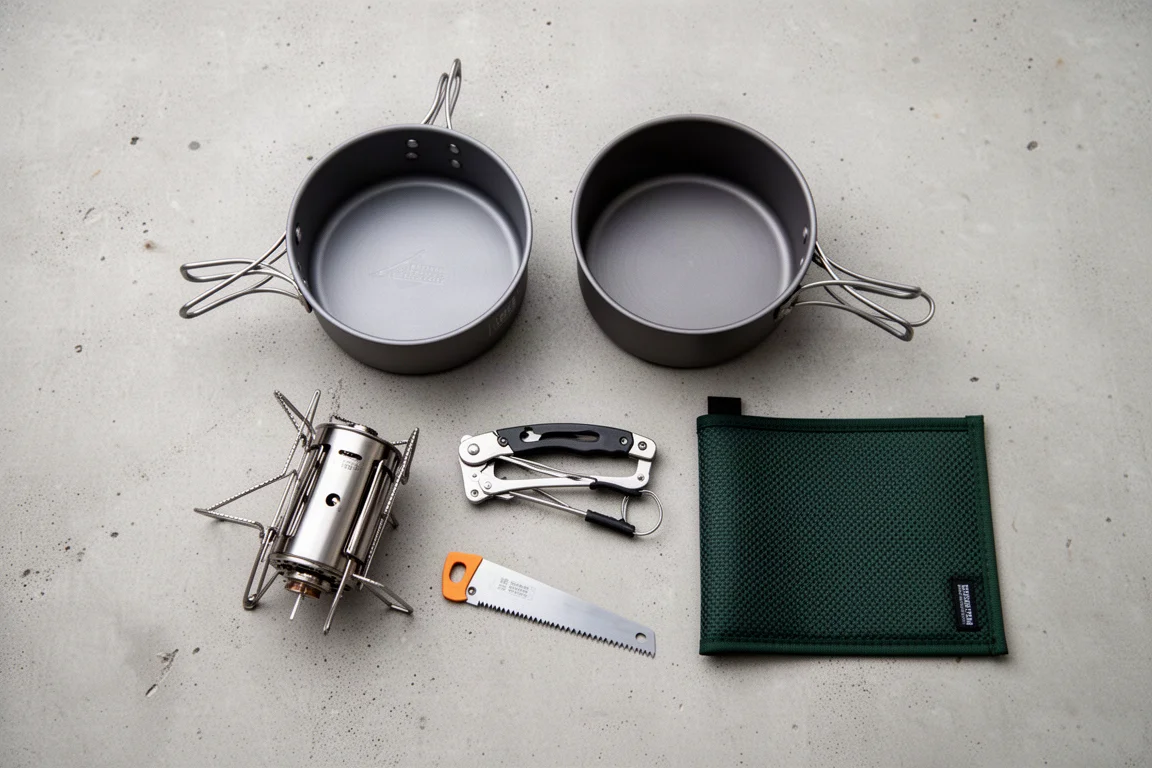
The Weido wood burning stove is a folding camp stove built from 304 stainless steel and sold with a storage bag, a telescoping pocket bellows and a small handsaw. It costs around $23 at the time of writing, weighs 2 pounds 3.3 ounces, stands about 9.5 inches tall with the pot supports fitted, and folds flat enough to slide into a carry case measuring roughly 10 by 8 inches. On paper that is a familiar package, and the basic tapered shape, wider at the base and narrowing toward the top, is shared with a great many folding stoves.
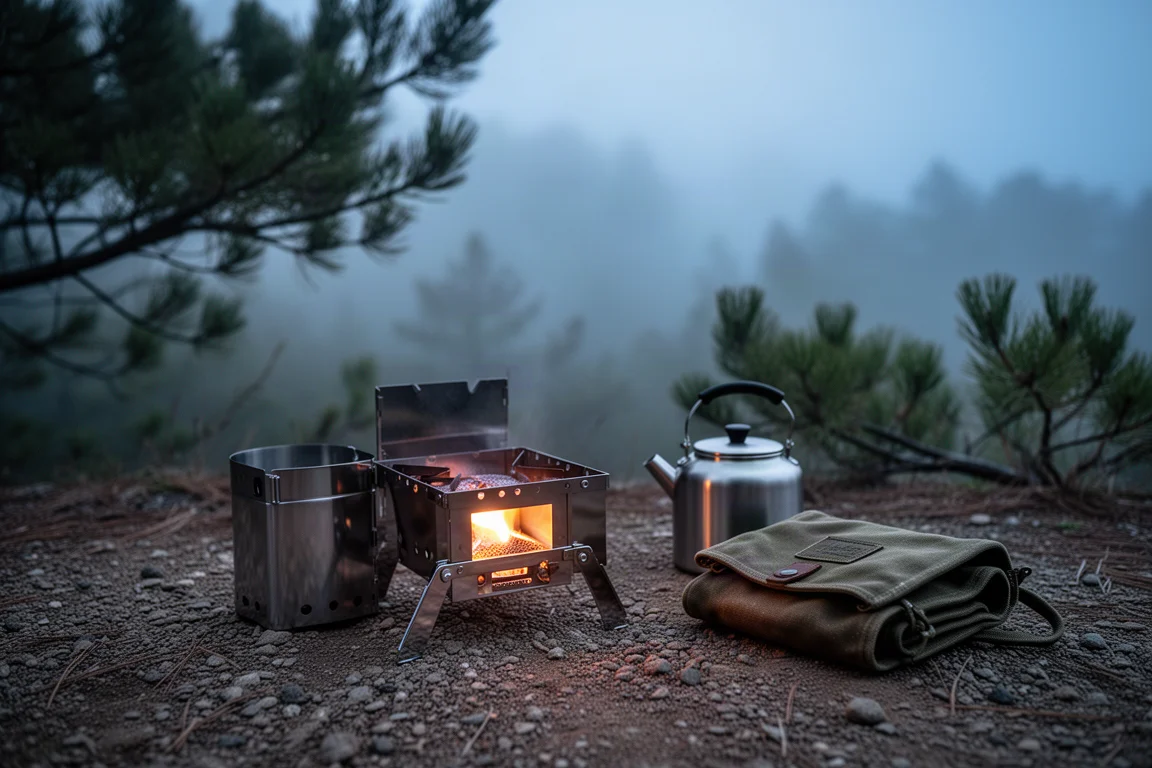
The problems appear as soon as the stove is assembled and lit. A two-piece burner plate that will not lock down, a feed port positioned at the very bottom of the body and a base plate drilled with holes large enough to drop burning material straight onto the ground turn a simple concept into something awkward and, at times, genuinely risky.
Who This Stove Is For
This is not a stove for backpackers who need dependable cooking over a long trip, and it is not a stove for dry country where stray embers are a real hazard. The narrow case for it is a camper who wants a cheap folding stainless steel stove body for small, closely supervised fires on bare, non-flammable ground, and who accepts that feeding it means working close to the flames. Anyone who cooks with small pots, relies on quick boil times, or camps where grass, leaves and forest litter are tinder dry should look at a different design.
Main Strengths
Three things are genuinely good here. Assembly is simple and quick, and the process is not complicated in any way; the body unfolds, the burner plates slide in and the pot supports lock over the top. Second, the stove cools down quickly once the fire is out, which shortens the wait before it can be packed away. Third, the materials themselves are robust: the body is thick gauge 304 stainless steel, and it folds very flat for storage.
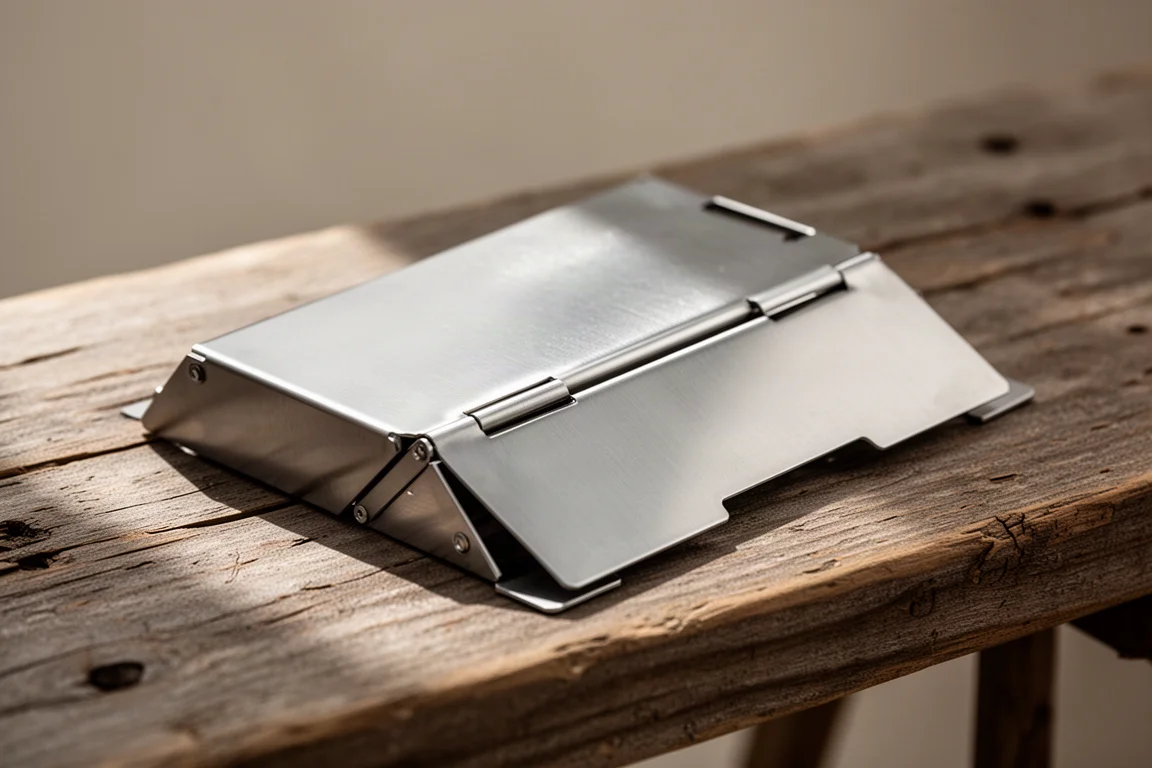
The folding frame is also a proven pattern, since the tapered body shape is copied by countless other stoves, and the pot supports add real rigidity when they are seated correctly. That rigidity, however, depends entirely on the supports staying in place.
Design Issues That Matter Most
The two-piece burner plate is the first problem. It does not lock into position; the plates simply slide in and notch loosely against the sides, so a knock can dislodge them. Even with both plates fitted there is noticeable flex and wobble in the body, and the only way to make the stove feel stable is to seat the crisscrossing pot supports over the top. Disturb those supports and the plates can drop out of the stove entirely.
Airflow is the second problem. The body has no air holes along its sides; the openings sit at the very bottom and near the top. Air circulating underneath pushes the flame out through the front, and during a burn the fire reached roughly 15 inches above the stovetop. Once a pot is in place the stove blocks much of the top opening, yet flames still escape at the front.
Feeding is the third problem. Because the feed port sits at the very bottom, wood has to be pushed up into the stove rather than dropped in from above, which puts hands and gloves close to the fire. Loading from the top only half works, since pieces catch and jam as they get larger, and long pieces have to stay sticking out of the front where they need constant attention as they burn down. Sharp edges on the base and around the feet complete the picture: the bottom edges are unfinished enough to scratch a table if the stove is dragged across it.
Fuel Handling and Safety Concerns
The holes in the burner plate are large, and small fuel falls straight through them into the base and out of the bottom of the stove. During a burn, embers and burning debris dropped through and rolled out onto the ground, and ash and sparks were blowing around the stove. On dry grass, leaves or forest litter that is a fire risk, and it is the single biggest reason to treat this stove with caution.
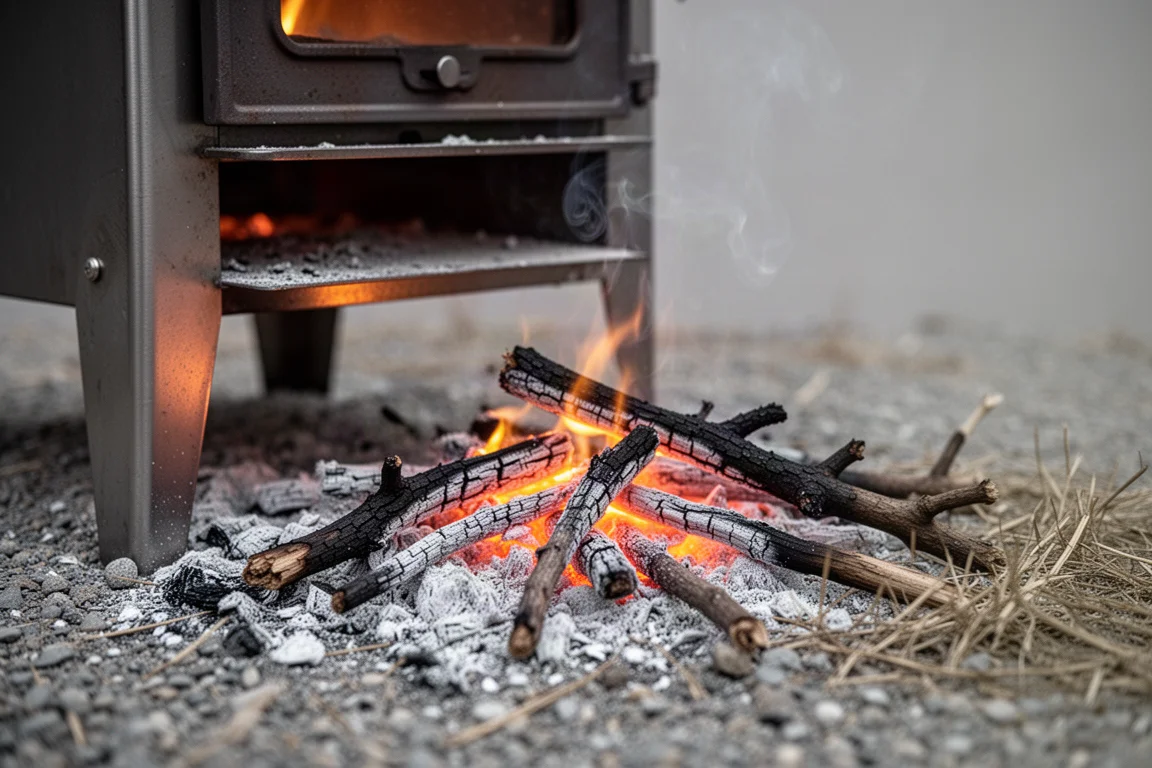
Loading is awkward in other ways too. Because the body is tall for its footprint, it has to be packed fairly full to build a usable bed of embers; if it is not packed full, there may not be enough embers to burn larger pieces of wood efficiently. Even with a good base of embers, adding fuel means pushing wood up into the stove from the bottom opening, and larger pieces have to remain partially outside the body.
The manufacturer lists wood, charcoal and solid alcohol as compatible fuels. The alcohol claim does not hold up, because the flame sits too far below the pot to heat it effectively, and the same is true of a solid fuel cube placed inside the body. Those claims read as marketing rather than practical guidance, and they should not shape a buying decision.
Things to Consider Before Buying
Pot compatibility is limited. The pot supports are staged in a way that suits large pots, while a smaller pot does not sit well on them and can feel unsteady. Removing the supports is possible, but that damps the stove, so it is not a workable trade.
Weight and bulk are worth weighing as well. At 2 pounds 3.3 ounces, this is a heavy stove for its size, and the case measures about 10 by 8 inches. Campers who count grams and pack space will find lighter options in the same format.
Finish quality is another point to check. The steel is thick and sturdy, but the edges are not polished, and the bottom edges around the feet are particularly sharp. That matters before the stove is set down on a table, a mat or the floor of a tent.
Buying Advice
If the appeal is a low price and a folding stainless steel body, the Weido stove does deliver those two things for around $23, and it arrives with a storage bag, a pocket bellows and a small handsaw. Everything else about it asks for patience and attention.
Anyone who does buy it should treat it as a fair-weather, closely watched stove: use it only on bare, non-flammable ground well away from dry vegetation, watch the debris that falls through the base, cook with large pots rather than small ones, and keep a safe distance from the feed opening when adding wood. Readers who want a stove for regular backcountry cooking, for small pots, or for dry conditions will be better served by a design with a top-loading feed and a closed base.
Conclusion
The Weido wood burning stove gets a few things right. It assembles easily, it cools quickly, and the 304 stainless steel body is genuinely robust. Against that, the loose two-piece burner plate, the bottom-mounted feed port, the poor airflow that sends flames out of the front, and the large base holes that drop burning debris onto the ground add up to a design that is difficult to use safely. At $23 it is inexpensive, but the saving does not offset the care it demands. Most campers will be happier with a stove built around a top-loading feed and a closed base.
Product link
View more details for Weido Wood Burning Stove
This product is mentioned in the review. Check the specifications, options, and compatibility before buying.
View more details for Weido Wood Burning StoveFurther reading
Related Reviews
Camping Stoves
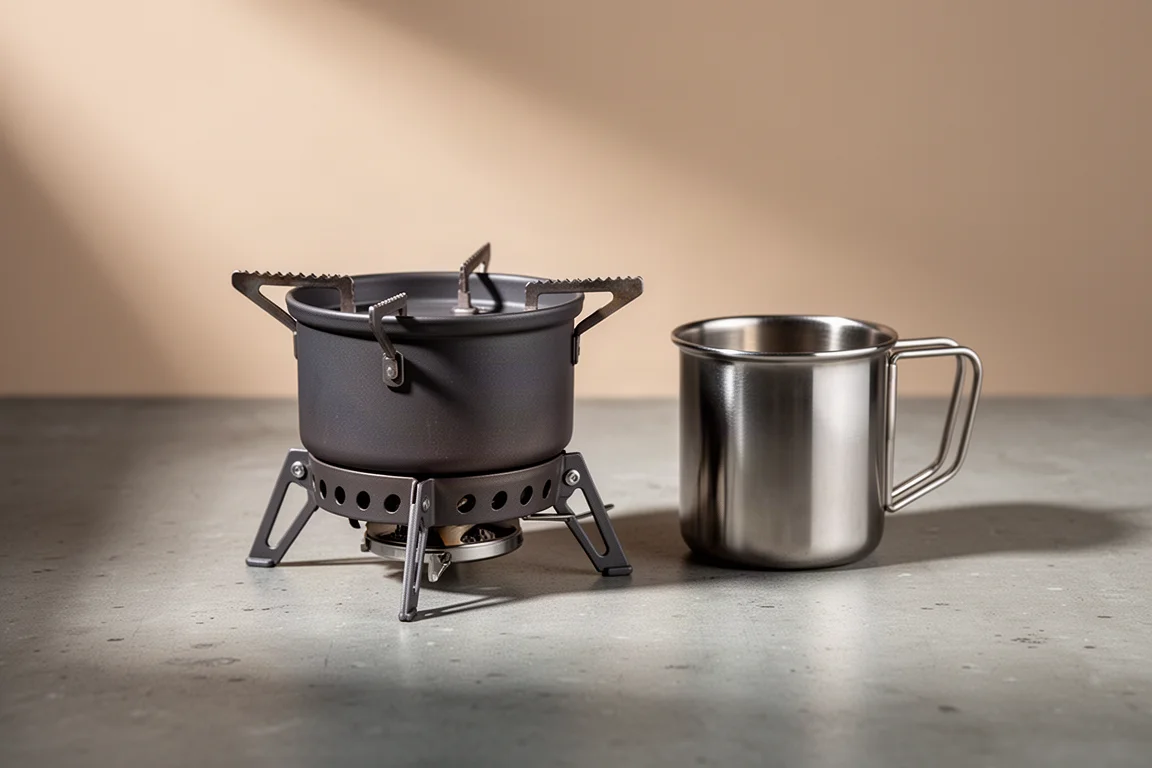
BCB Fire Dragon Mini Cooker Review: A Tiny Folding Stove With Real Trade-Offs
A palm-sized, fuel-flexible folding stove that heats water well enough, but brings flame control, stability, and fuel cost questions worth understanding first.
Camping Stoves
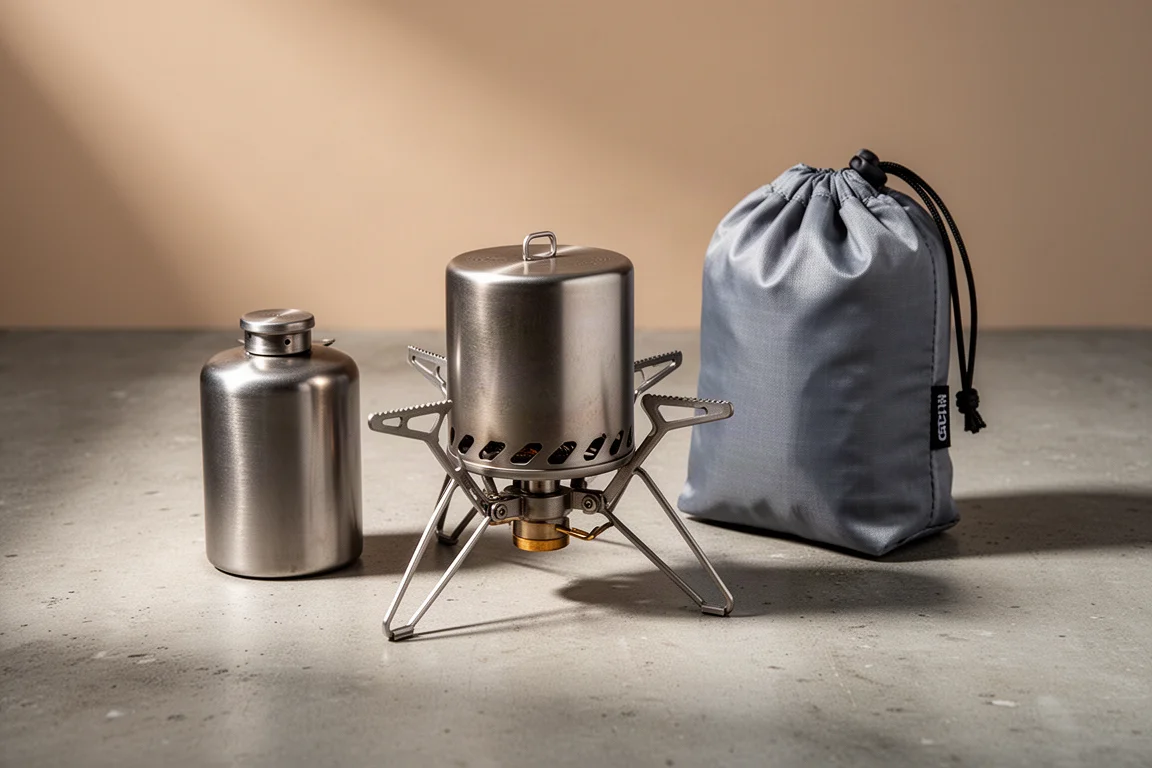
Boundless Voyage Titanium Alcohol and Wood Stove Review: Ultralight Cooking, Two Ways
A titanium alcohol and wood burning stove kit that weighs 4.5 oz complete, boils two cups of water in about 10 minutes, and costs $36.
Camping Stoves
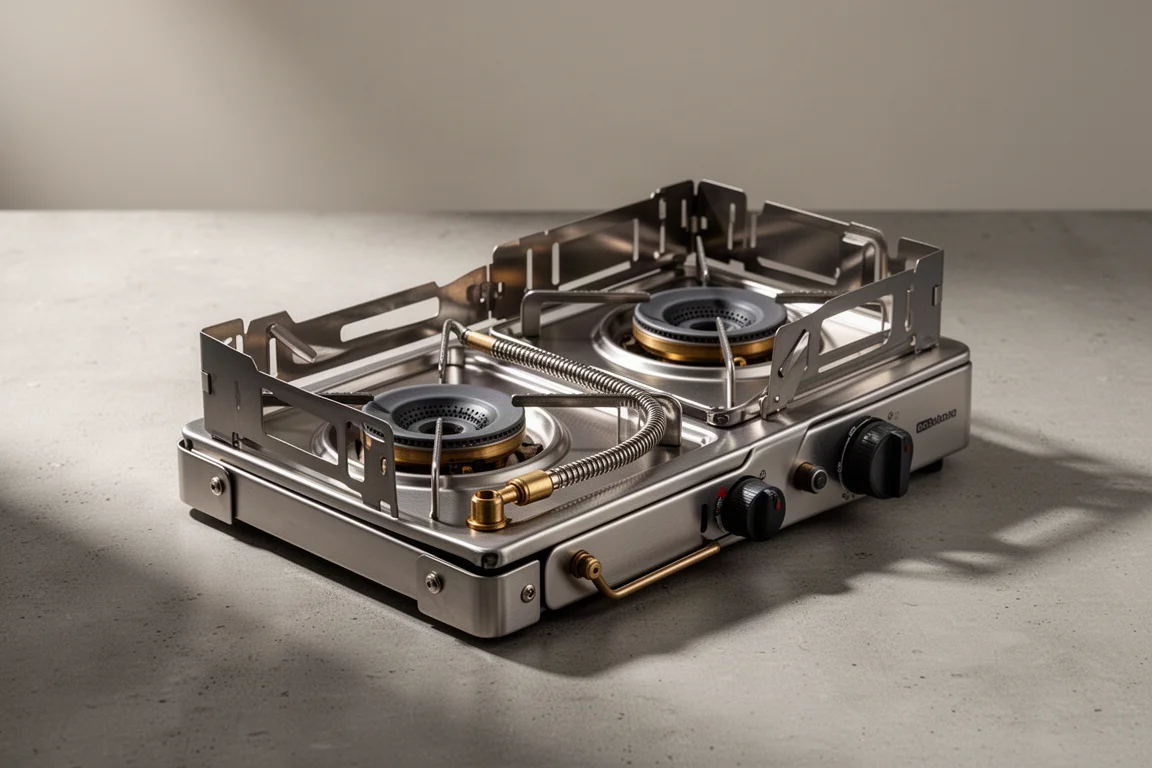
BRS 32 Dual Burner Stove Review: A Folding Two-Burner That Packs Down Flat
A detailed look at the BRS 32, a slim folding dual burner camping stove that expands into a stable cooking platform for around $60.