Rifle Reviews
Weatherby Mark V Backcountry Guide Ti 25 RPM Review: A Lightweight Mountain Rifle for a New Cartridge
A close look at the Weatherby Mark V Backcountry Guide Ti in the new 25 RPM cartridge, covering its lightweight build, ballistic performance, and how it compares to established 25 caliber options.
Introduction
The 25 caliber cartridge has a long history, from the 257 Roberts to the 256 Remington and the 257 Weatherby Magnum. Now Weatherby has introduced a new option: the 25 RPM. This cartridge is designed to be fast, fit in a standard length action, and handle the long, sleek, high ballistic coefficient bullets that modern shooters prefer. Paired with the new Mark V Backcountry Guide Ti rifle, it makes for a compelling mountain hunting setup.
This review covers the rifle itself, the new cartridge, and how it performs on the range.
First Look at the Mark V Backcountry Guide Ti
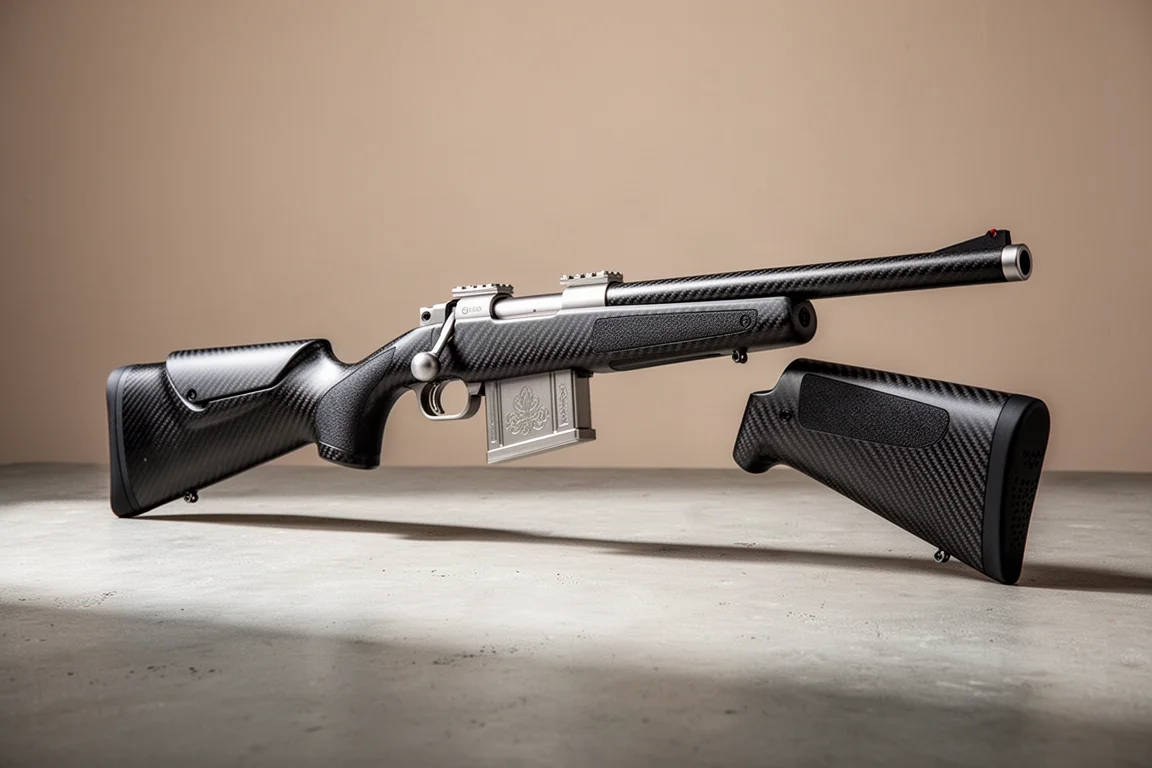
The Weatherby Mark V Backcountry Guide Ti is built around a titanium action, which helps keep the weight down. Without a scope, the rifle weighs only 5.1 pounds. That makes it a serious contender for hunters who spend long days in the mountains.
Carbon fiber is used throughout the build. The stock is a Peak 44 Black 2, and the barrel is a carbon fiber BSF barrel. The BSF barrel uses a steel sleeve inside that is fluted, so only part of it touches the carbon fiber wrapped around it. This design is intended to provide more consistent accuracy and avoid the odd tension issues that can come with some fully wrapped barrels.
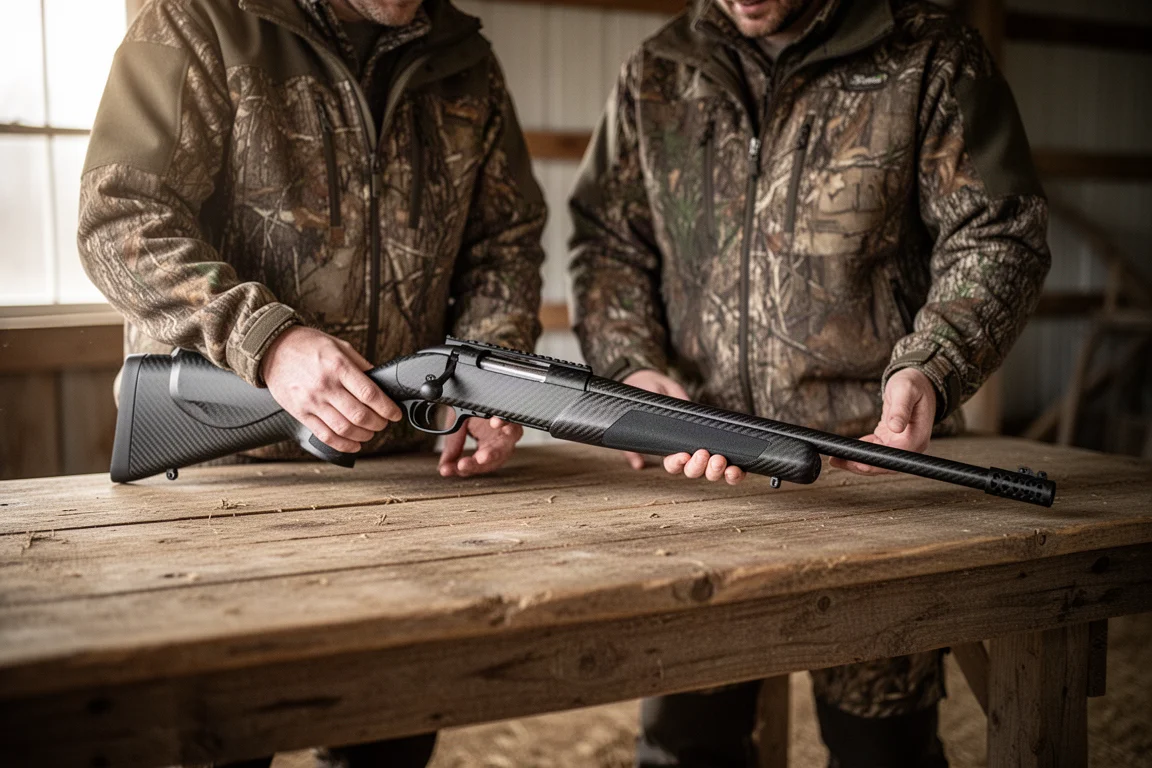
The action is a slick six-lug design with a 60 degree bolt throw, which allows for fast cycling. The trigger is a flat-bladed design that is set quite light, and it feels very nice to the touch. The rifle also includes Spartan Precision attachment points, one in front of the magwell and one on the front, so you can mount a bipod, tripod, or other accessories.
The rifle uses a standard length action, which is part of the design philosophy behind the 25 RPM cartridge. The goal is to achieve high velocity without needing a magnum-length action or an overly fat cartridge. The rifle also features a 3D printed butt pad with a little bit of squish, and an engraved magwell cover that adds a touch of class.
The barrel is 22 inches long, which is intentionally shorter for easier handling in the woods and for use with suppressors. This is a well thought out mountain rifle that feels light and handy.
The 25 RPM Cartridge Explained
The 25 RPM is a new cartridge from Weatherby, and it is based on the 6.5 RPM case, which itself came from the 338 RPM. The case has been shortened slightly and the shoulder has been pushed back. This is not just a simple neck-down of the 6.5 RPM. The reason for the design is to keep the base of the long, high BC bullets at the junction of the neck and shoulder, without pushing the bullet too deep into the powder supply. This helps maintain consistent neck tension and pressures, which is important for accuracy.
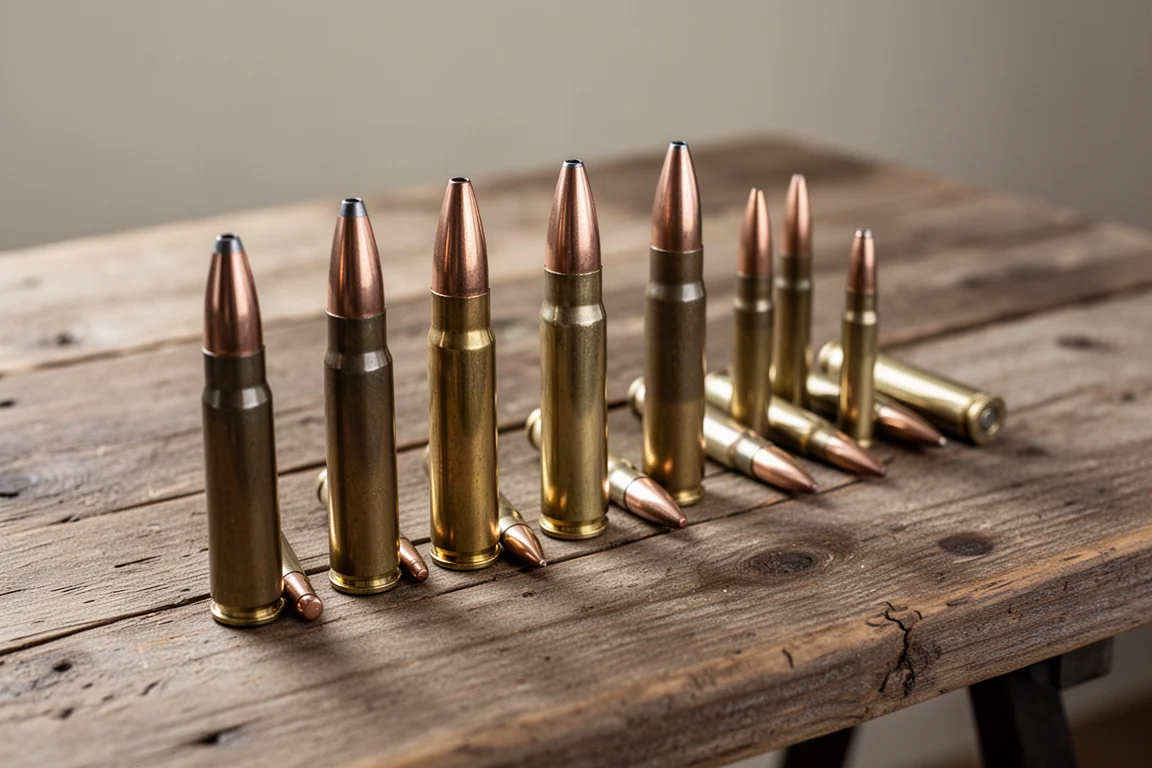
The cartridge is designed to handle heavier, longer bullets than older 25 caliber cartridges. Older cartridges like the 256 and 257 Roberts were limited by slower twist rates, typically 1 in 10 or 1 in 9, which could only stabilize bullets up to about 120 grains. The 25 RPM uses a faster twist rate to stabilize the modern long, sleek bullets that are now available.
Factory loads for the 25 RPM include a 117 grain bullet, a 107 grain all-copper hammer bullet, and a 133 grain bullet with a very high ballistic coefficient. The 133 grain bullet has a G1 BC of 0.613, which is significantly higher than the 0.460 BC of a classic 130 grain 270 bullet. This high BC is where the cartridge really shines, especially in windy conditions.
Ballistics and Performance Data
The ballistics of the 25 RPM are impressive, especially when compared to other 25 caliber options. Using a 117 grain bullet with a BC of 0.453, the 25 RPM is claimed to launch at 3,150 feet per second from a 22 inch barrel.
At 300 yards, the bullet drops 3.11 inches, deflects 5.9 inches in a 10 mph crosswind, and retains 1,664 foot-pounds of energy. At 600 yards, the drop is 54.6 inches, wind deflection is 26.2 inches, and energy retention is 1,028 foot-pounds.
Compared to the 256 Remington, which is typically shot from a 24 inch barrel, the 25 RPM is about 50 feet per second faster. The two cartridges are nearly identical in drop and wind deflection at 300 yards, with the 25 RPM holding a slight edge. The 25 Creedmoor, which is a short action cartridge, is slower and has more drop and wind deflection at both 300 and 600 yards.
The 257 Weatherby Magnum is still the velocity king, pushing the 117 grain bullet at 3,400 feet per second. It has less drop and wind deflection at 600 yards, but the difference in wind deflection is not huge. The 25 RPM is designed to be a more practical option that fits in a standard length action and is easier to shoot.
When compared to the classic 270 Winchester, the 25 RPM with the 133 grain bullet is very close. The 270 launches a 130 grain bullet at 3,000 feet per second, while the 25 RPM launches the 133 grain bullet at 3,100 feet per second. At 300 yards, both have about 3.2 inches of drop, but the 25 RPM deflects 5.9 inches in the wind compared to 4.5 inches for the 270. At 600 yards, the 25 RPM has 56.3 inches of drop and 26.3 inches of wind deflection, while the 270 has 53.6 inches of drop and 19.56 inches of wind deflection. The 270 retains more energy at both distances.
The real advantage of the 25 RPM is the high BC bullets it can shoot. In a 10 mph crosswind at 600 yards, the difference in wind deflection between the 25 RPM and the 270 can be the difference between a lethal hit and a wounding shot. For hunters who shoot at longer ranges, this is a significant factor.
Range Testing and Accuracy
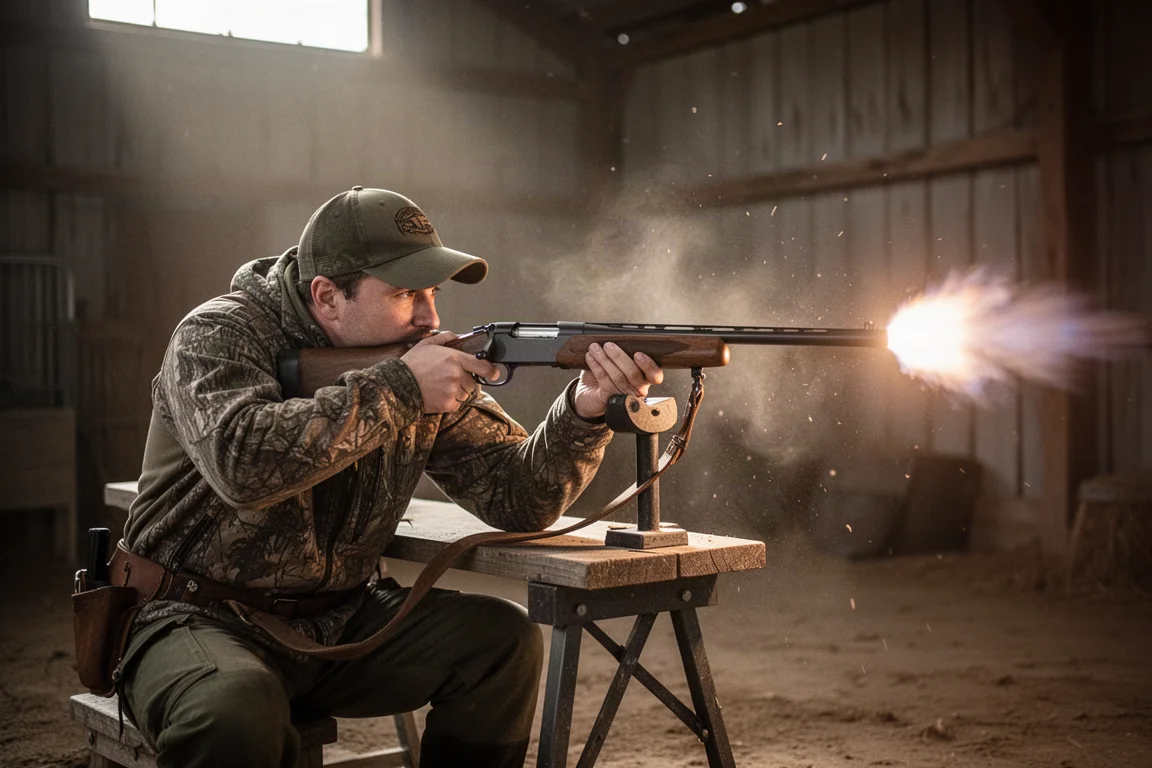
On the range, the Mark V Backcountry Guide Ti in 25 RPM showed promising accuracy. With the 107 grain bullet, the rifle produced a group of about 2 inches, with an average velocity of 3,273 feet per second. The shooter noted that the barrel was still being broken in and fouled, which can affect accuracy.
With the 117 grain bullet, the rifle shot a much better group, about 3/4 of an inch or even a little less. The velocity was 3,275 feet per second, which is faster than the advertised 3,150 feet per second. This load seemed to be a good match for the rifle.
The 133 grain bullet also showed potential, with a group that was described as “showing potential.” The velocities were around 2,920 to 2,944 feet per second. The shooter felt that with a clean barrel and more break-in, the rifle would shoot beautifully.
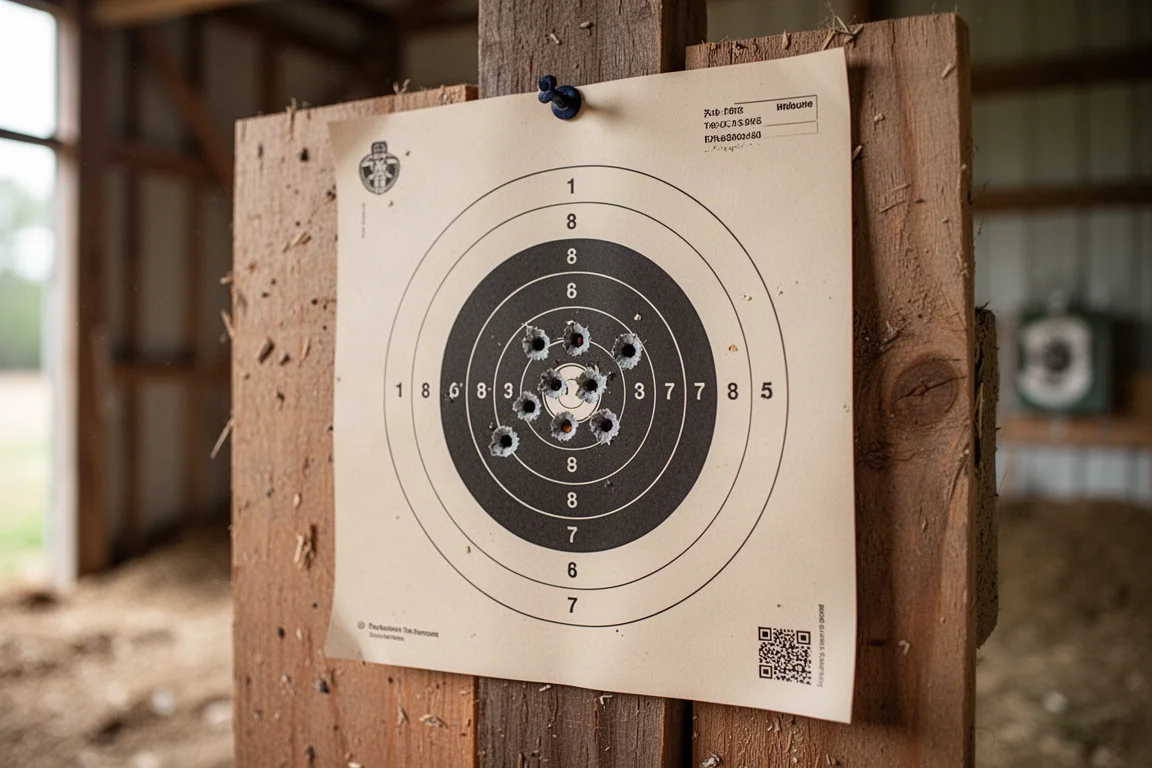
The rifle was only tested at close range due to weather and time constraints, but the shooter expressed a desire to stretch it out to 300, 400, 500, and 600 yards in a future session.
Buying Advice
The Weatherby Mark V Backcountry Guide Ti in 25 RPM is a premium mountain rifle. It is extremely light, well built, and designed to handle the new cartridge. The 25 RPM offers a good balance of velocity, trajectory, and wind resistance, especially with the high BC bullets it is designed for.
For hunters who want a modern 25 caliber rifle that can handle long, sleek bullets, this is a great option. It is also a good choice for those who want a rifle that is lighter than a standard 270 and offers similar performance at typical hunting ranges.
However, if you are happy with a classic 270 Winchester and do not plan to shoot past 400 yards, the 25 RPM may not offer enough of an advantage to justify the switch. The 270 is a proven cartridge with a huge selection of rifles and ammunition.
The 25 RPM is a new cartridge, so rifles and ammunition may be harder to find at first, but as adoption grows, availability should improve. For early adopters who like to try new things, this is an exciting option.
Conclusion
The Weatherby Mark V Backcountry Guide Ti in 25 RPM is a well-executed combination of a lightweight rifle and a modern cartridge. The rifle is a joy to carry in the mountains, and the cartridge offers real ballistic advantages over older 25 caliber options, particularly in wind deflection with high BC bullets.
While it does not outperform the 257 Weatherby Magnum in raw velocity, it achieves a practical balance that fits a standard length action. For hunters looking for a new, capable 25 caliber rifle, this is a strong contender.
Product link
View more details for Weatherby Mark V Backcountry Guide Ti
This product is mentioned in the review. Check the specifications, options, and compatibility before buying.
View more details for Weatherby Mark V Backcountry Guide TiFurther reading
Related Reviews

Rifle Reviews
7mm Backcountry Review: A Practical Look at the Horizon Firearms Rifle
A hands-on look at the 7mm Backcountry cartridge in a 16-inch Horizon Firearms rifle, covering accuracy, velocity, and real-world hunting performance.

Rifle Reviews
Bergara Platinum Premier Stalker Review: A Classic Hunting Rifle With Modern Accuracy
A traditional hunting rifle with a stainless steel action, laminated stock, and sub-MOA accuracy potential in 308 Winchester.

Rifle Reviews
Browning SA-22 vs Cooper Model 57M Jackson: Which 22 Rifle Shoots Better?
Two very different 22 rifles face off: a classic semi-automatic with a century of history and a modern bolt-action built for pinpoint accuracy.