Hiking Gear
Wearable Hiking Gear Guide: What to Wear on the Trail
A practical guide to the hiking gear you wear rather than carry, from lightweight sun hoodies and trail shoes to supportive footbeds and GPS watches.
Introduction
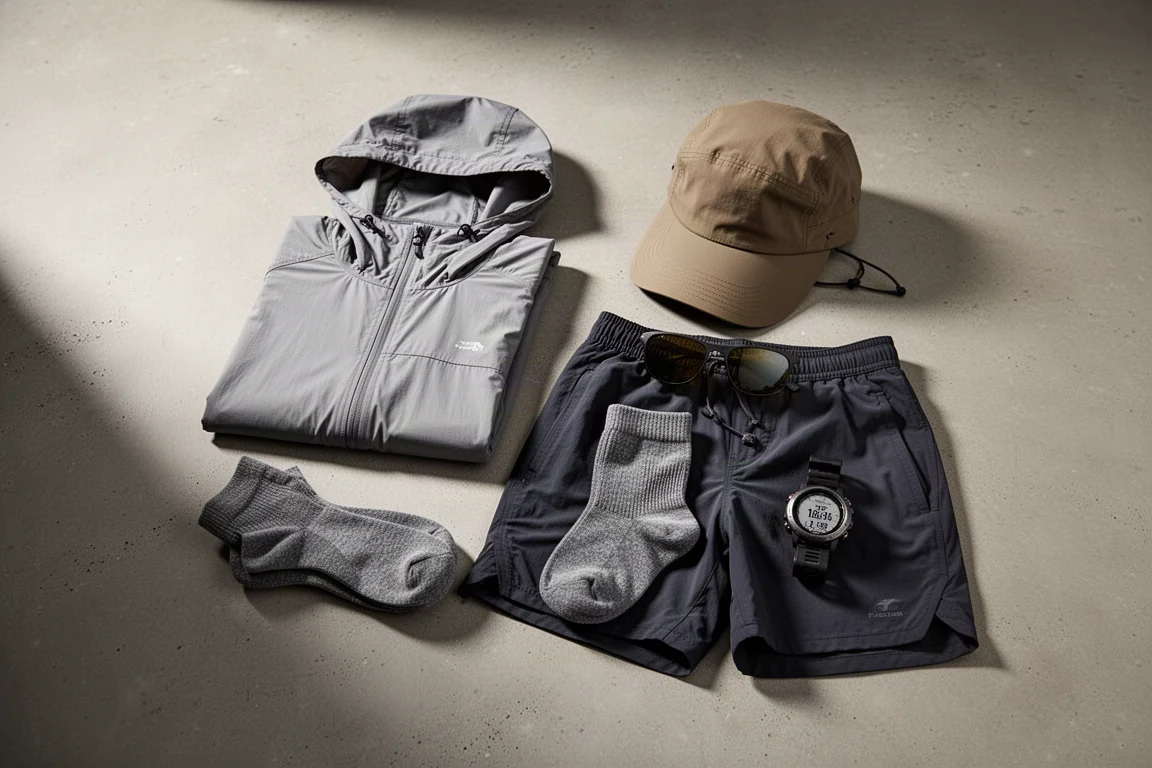
Most backpacking advice focuses on what goes inside the pack. The gear you wear does just as much of the work, and it rarely gets the same attention. A thin sun hoodie, the right shorts or pants, a supportive footbed, a shoe that fits your foot, socks that stay put, and a GPS watch all change how a long day on the trail feels.
This guide walks through the wearable pieces that stay on your body rather than in your bag, what each one is good at, and where the trade-offs sit.
Outdoor Vitals Altitude Hoodie: Lightweight Sun and Bug Protection
A lightweight polyester sun hoodie has become the default top layer for warm-weather hiking. Long sleeves and a hood cover more skin than a t-shirt, which means less sunscreen to reapply and fewer insect bites on exposed arms and neck.
The Outdoor Vitals Altitude Hoodie is exactly that kind of layer: thin, light, and quick to dry. Because the fabric is so thin, sweat dries off quickly when a breeze picks up. On very hot days it can also be dipped in water and worn wet, using evaporation to cool you down as you walk.
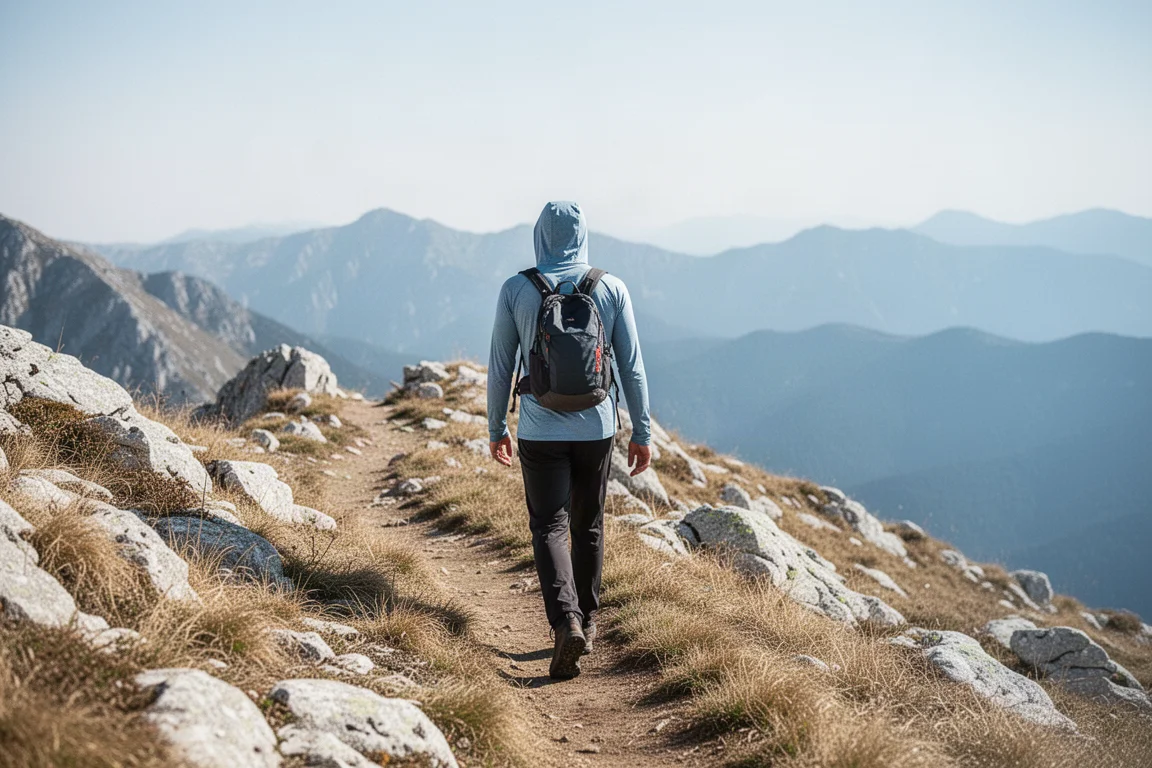
It is a hot-weather layer first. It provides coverage and cooling rather than insulation, so colder mornings and higher elevations still call for something warmer in the pack.
Outdoor Vitals Satu Shorts: Airflow for Hot-Weather Hiking
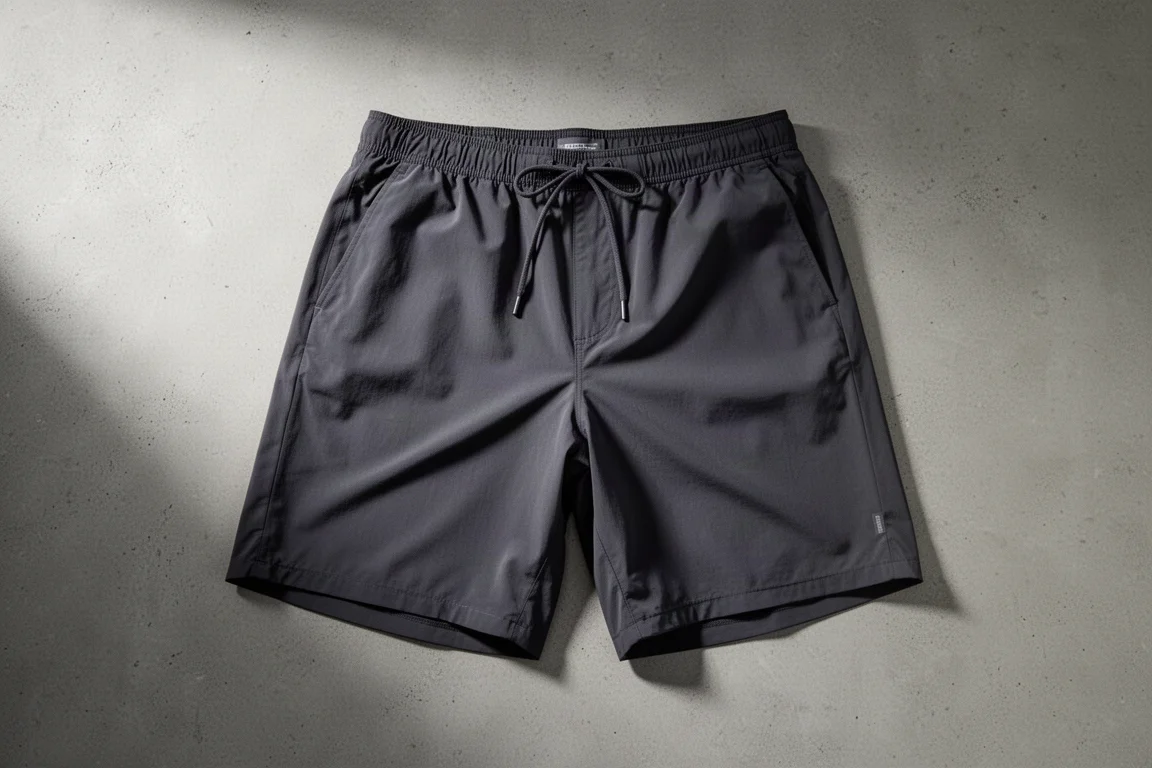
Shorts are for hot weather. The goal is airflow, plain and simple: less fabric against the skin, less heat trapped, and less chance of overheating on a climb in full sun.
The Outdoor Vitals Satu Shorts are quick drying with a bit of stretch, which keeps them comfortable on long strides and easy to live with when they get wet. They pair naturally with the sun hoodie above for a summer setup that stays cool.
Prana Brion Pants: Breathable Coverage When Bugs Are Bad
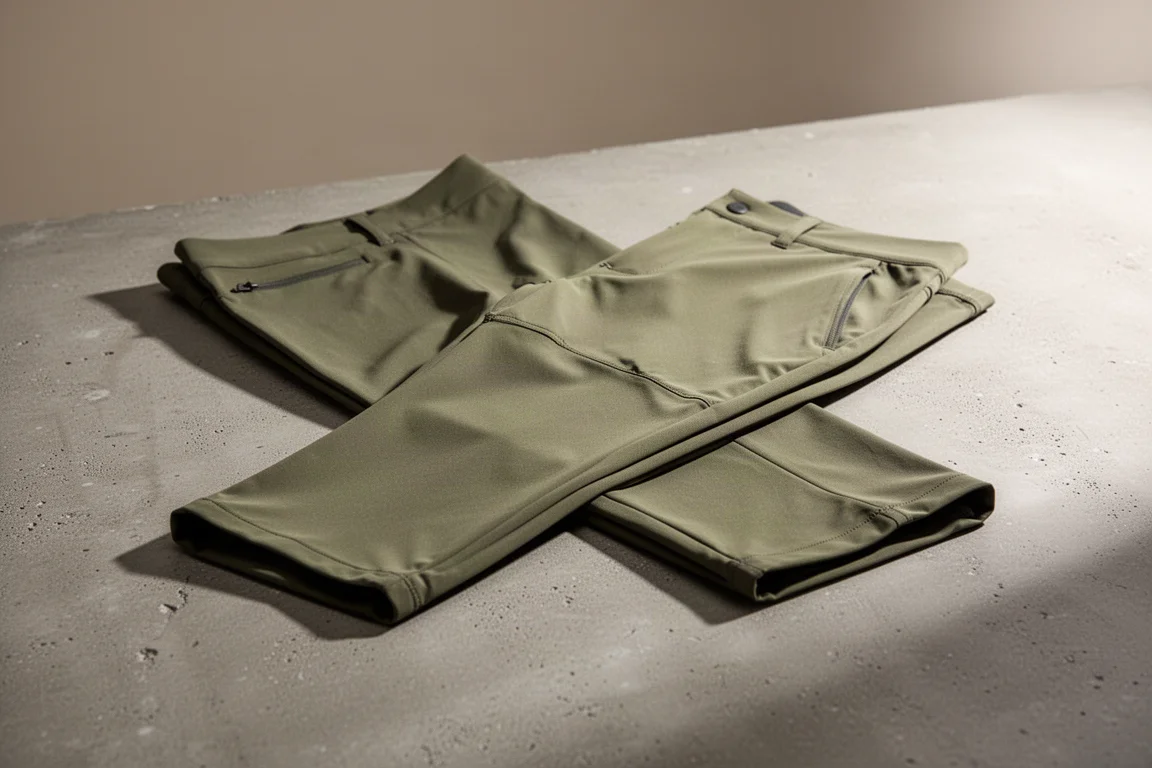
There is one common reason to wear pants in the middle of summer: insects. When the mosquitoes and biting flies are bad, full leg coverage is worth more than maximum airflow.
The Prana Brion Pants are a breathable synthetic option that dries quickly and has some stretch. They are warmer than shorts, but a quick-drying synthetic pair keeps a buggy trail far more pleasant than exposed legs.
Sole Active Thin Footbeds: Support Underfoot
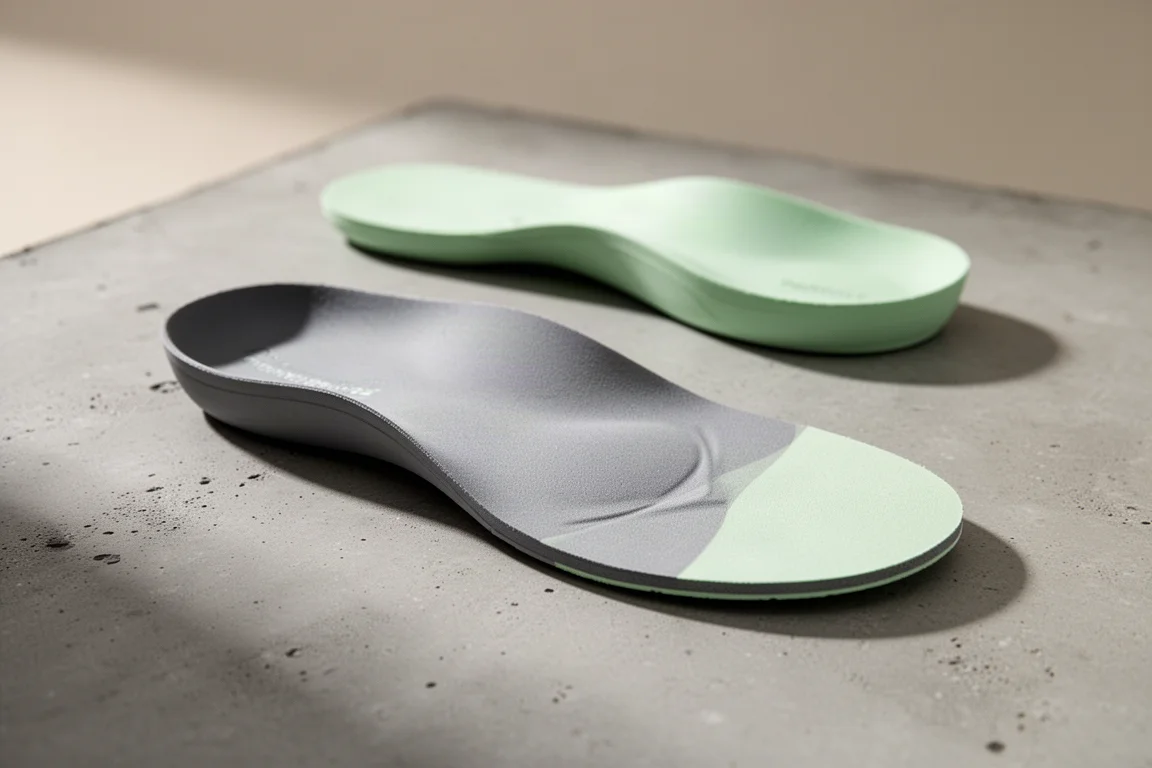
Footbeds sit in the category of gear people rarely think about until their feet hurt. A thin insole inside a standard low-cut hiking shoe can change how the foot is supported over a full day.
The Sole Active Thin footbed is a zero-drop model with a contoured shape that supports the arch. It comes in a range of sizes and widths, and in different compounds, including an EVA foam version and a recycled cork version. The design is aimed at common foot issues such as plantar fasciitis, and the materials are recycled where possible, reflecting a focus on reducing carbon footprint.
For hikers whose feet feel worn out at the end of a long day, a footbed like this is a low-effort change to a shoe you already own.
Danner Trail 2650: A Dependable Low-Cut Trail Shoe
Shoes are the most personal item on this list. Foot shape, arch profile, and size all vary enough that no single shoe suits everyone.
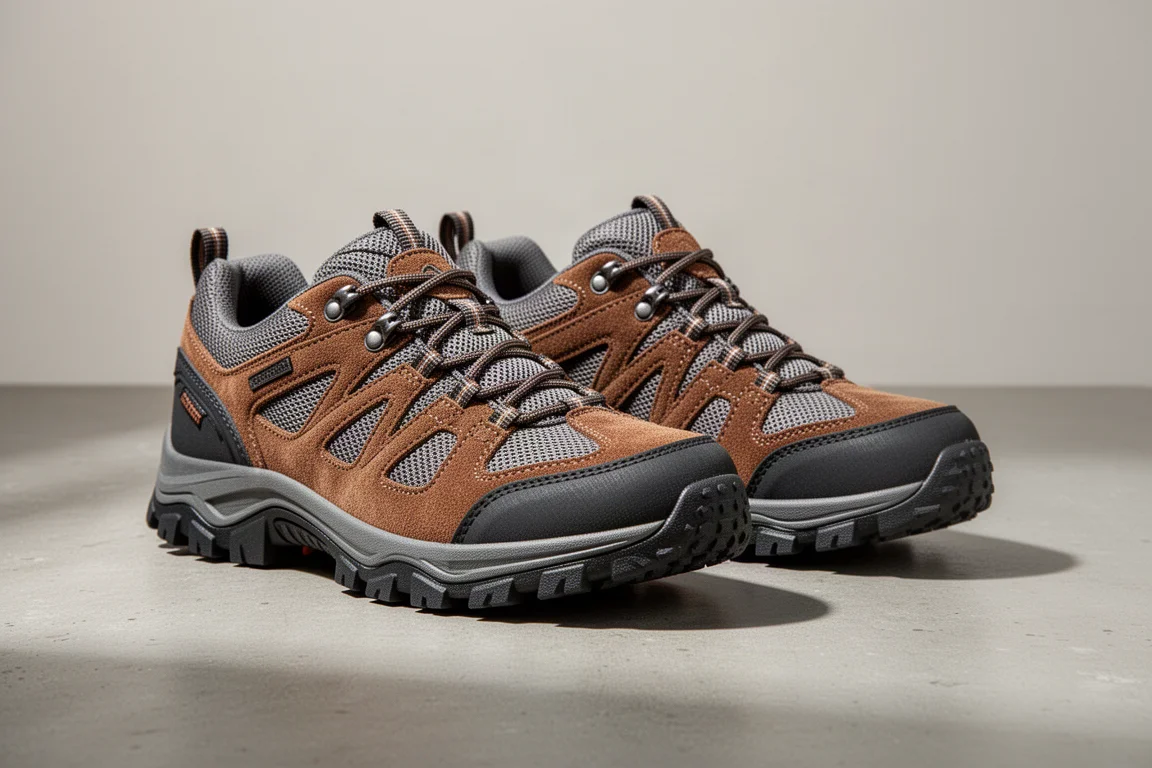
The Danner Trail 2650 is a low-cut trail shoe that has been used as a primary hiking shoe across repeated pairs. It is a useful reference point for what a low-cut hiking shoe should feel like: light enough for long days, with enough underfoot structure to handle mixed terrain.
Fit matters more than any specification here. Try shoes on with the socks and footbeds you actually hike in, and give yourself time to break them in before a long trip.
Swiftwick Flight XT: Socks That Stay Put
Socks do more than cushion. A sock that slides around inside the shoe can create friction and hot spots over a long day, and a sock that supports the ankle helps on off-camber ground.
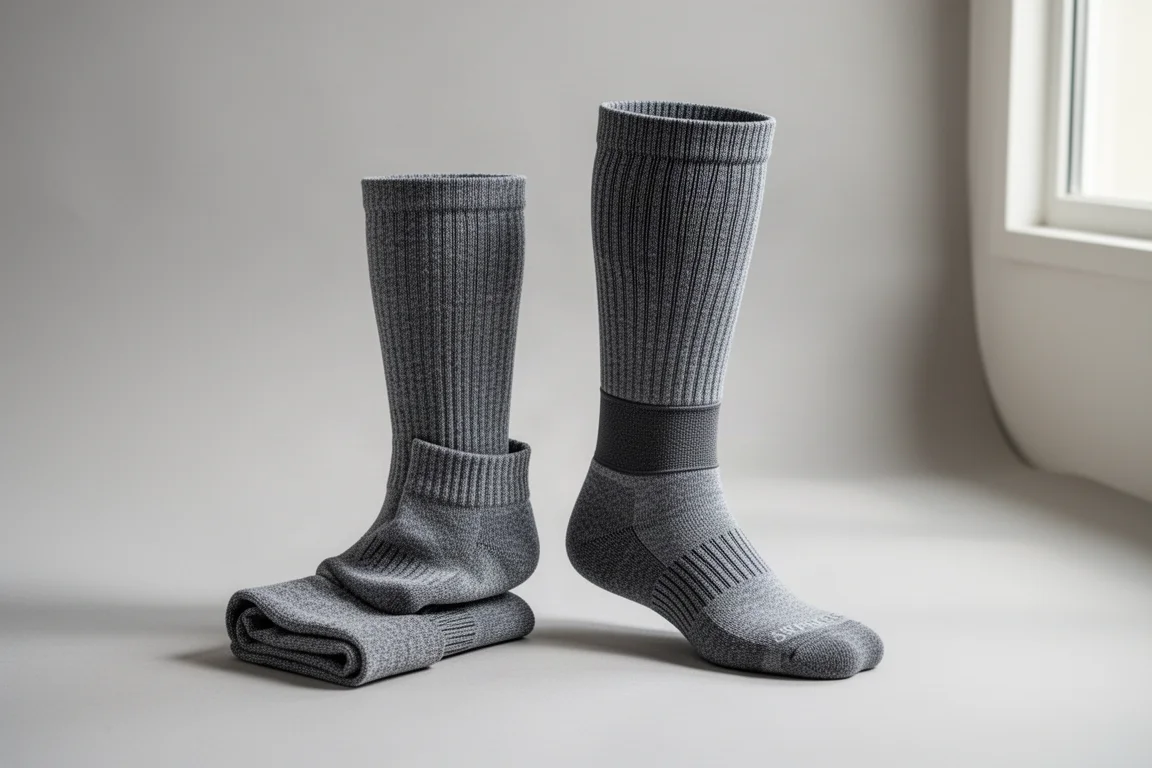
The Swiftwick Flight XT hiking socks use a grip compound embedded in the fabric that keeps the sock from sliding inside the shoe. Around the ankle, stitching runs in different directions to create support, which is noticeable on slopes and uneven terrain. They come in multiple heights and colors, and the taller versions add protection when stepping over logs and walking through brush.
Garmin Fenix 7S: GPS and Health Tracking on the Trail
A GPS watch has become one of the bigger quality-of-life upgrades for hiking. It tracks routes and mileage, monitors sleep, and shows heart rate and steps, all without pulling out a phone.
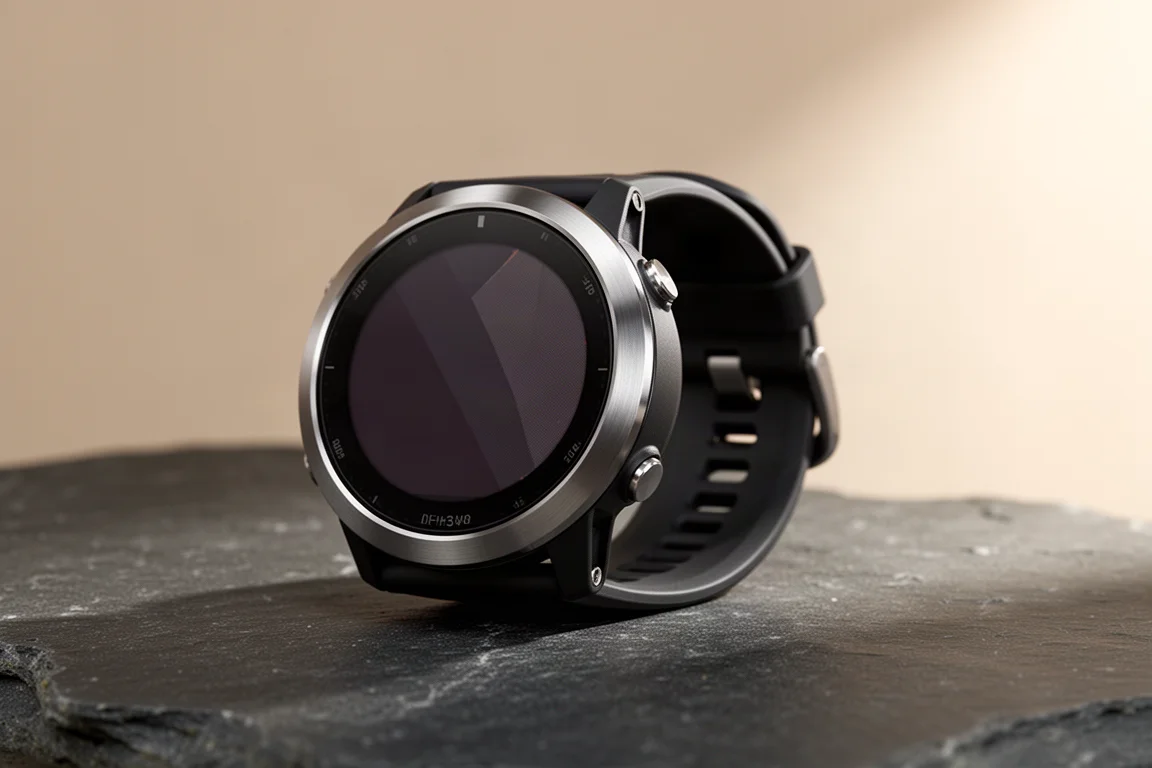
The Garmin Fenix 7S is a compact GPS watch used as a step up from an earlier barometer-equipped watch. Beyond navigation and mileage, the health metrics are the practical part. Watching heart rate through the day can flag early signs of dehydration or overexertion, and pulse oxygen readings are useful at elevation. On trips where altitude sickness is a risk, having that data on the wrist makes it easier to notice a problem before it becomes a bigger one.
It also means the phone can stay off in the evening. Alarms, timekeeping, and mileage tracking all live on the wrist instead.
Suunto 9 Baro: A Barometer-Equipped Alternative
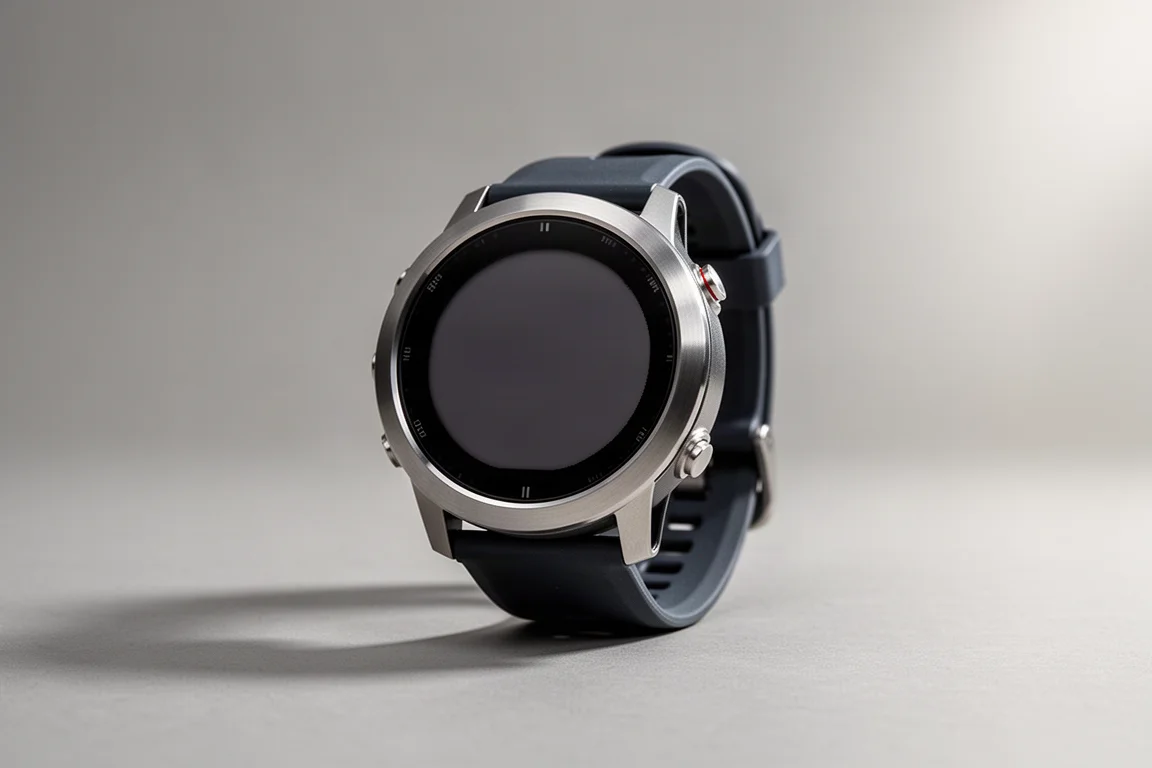
The Suunto 9 Baro is the watch the Fenix replaced, and it still has a lot going for it. Its built-in barometer tracks changes in air pressure, which is useful for elevation awareness on mountain routes, and it handles activity tracking and route logging.
For hikers who want barometric elevation data and reliable activity tracking in a watch they already know, it remains a workable option. Newer watches simply add more features on top.
Sunscreen, Bug Spray, Hats, and Sunglasses
Not everything wearable is a garment. A few small items make a disproportionate difference in the backcountry.
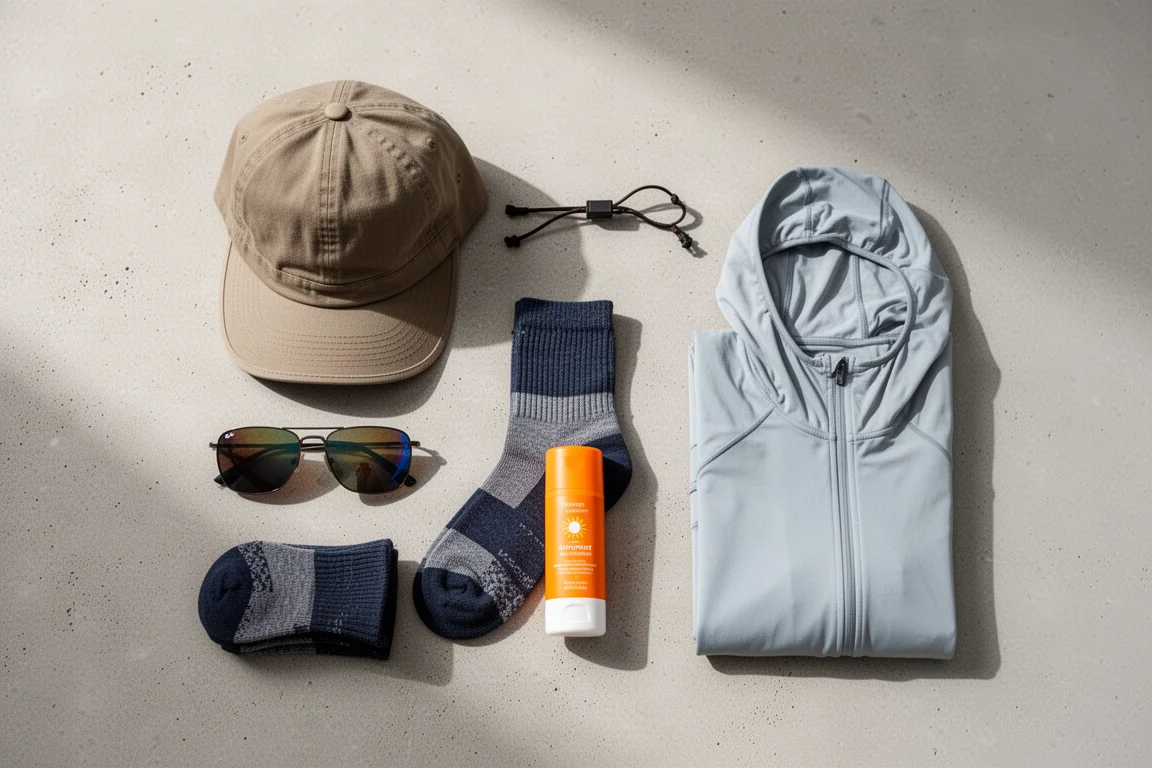
Sunscreen and insect repellent are the obvious two. Mosquitoes and biting flies can define a trip, so a repellent that works for you is worth carrying. A simple ball cap keeps the sun off your face and scalp. Polarized sunglasses cut glare and make it easier to read the bottom of a creek or river when you are crossing, which is a genuine advantage on canyon routes.
Buying Advice
Start with what you will wear most. For warm-weather hiking that usually means a thin sun hoodie and a quick-drying pair of shorts, with breathable pants for buggy stretches. Underlayers are a personal preference: the priority is a close fit that breathes and dries quickly, and the right answer depends on what feels comfortable for you.
From there, look at footwear. A footbed such as the Sole Active Thin adds arch support inside a shoe you already own, socks such as the Swiftwick Flight XT reduce movement inside the shoe, and the shoe itself should match your foot shape rather than a specification sheet.
A GPS watch is the last piece, and the one with the clearest long-term payoff if you hike often. Route tracking, mileage, and heart rate data all add up over a season. If barometric elevation data matters to you, a barometer-equipped model is worth seeking out.
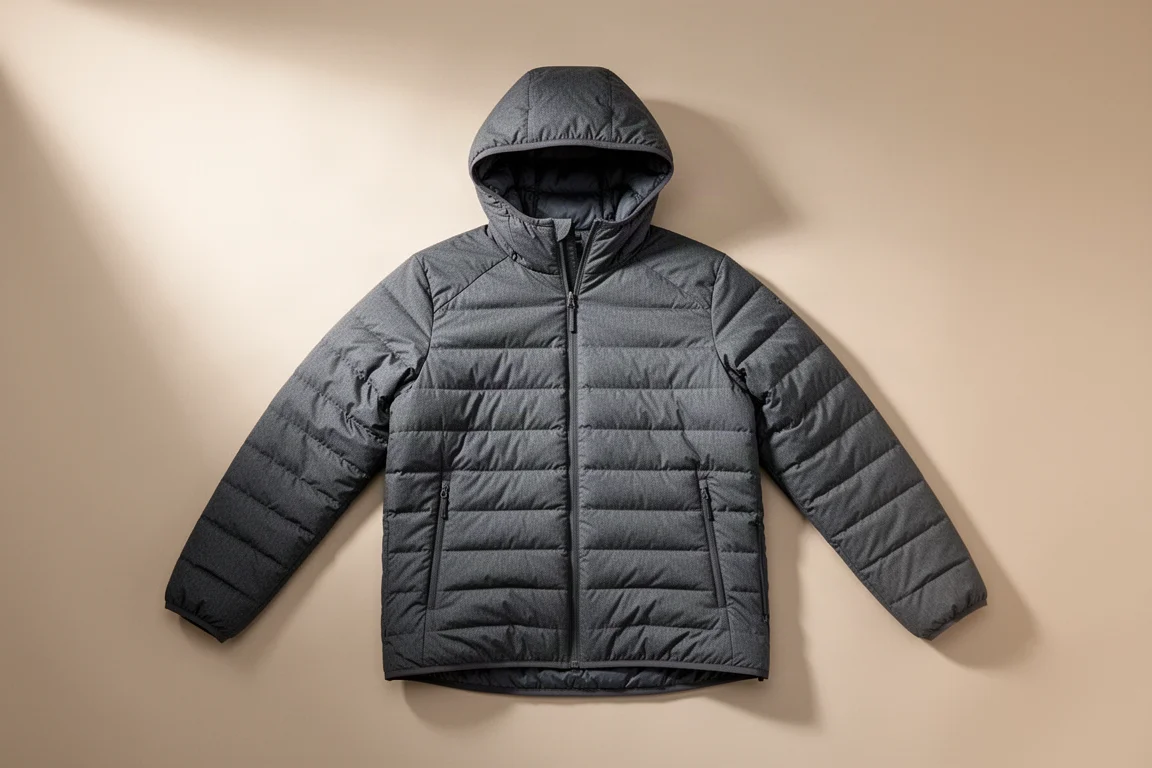
Mid layers and rain jackets are wearable too, but they live in the pack most of the time and come out only in specific conditions, so they sit outside this list.
Conclusion
The gear you wear is the gear you use every minute of a hike. A lightweight sun hoodie, the right shorts or pants, a supportive footbed, a shoe that fits, socks that stay in place, and a GPS watch that tracks how your body is responding all make long days more comfortable and more predictable. Pick the pieces that match the conditions you actually hike in, and the rest of the kit gets easier.
Further reading
Related Reviews
Hiking Gear
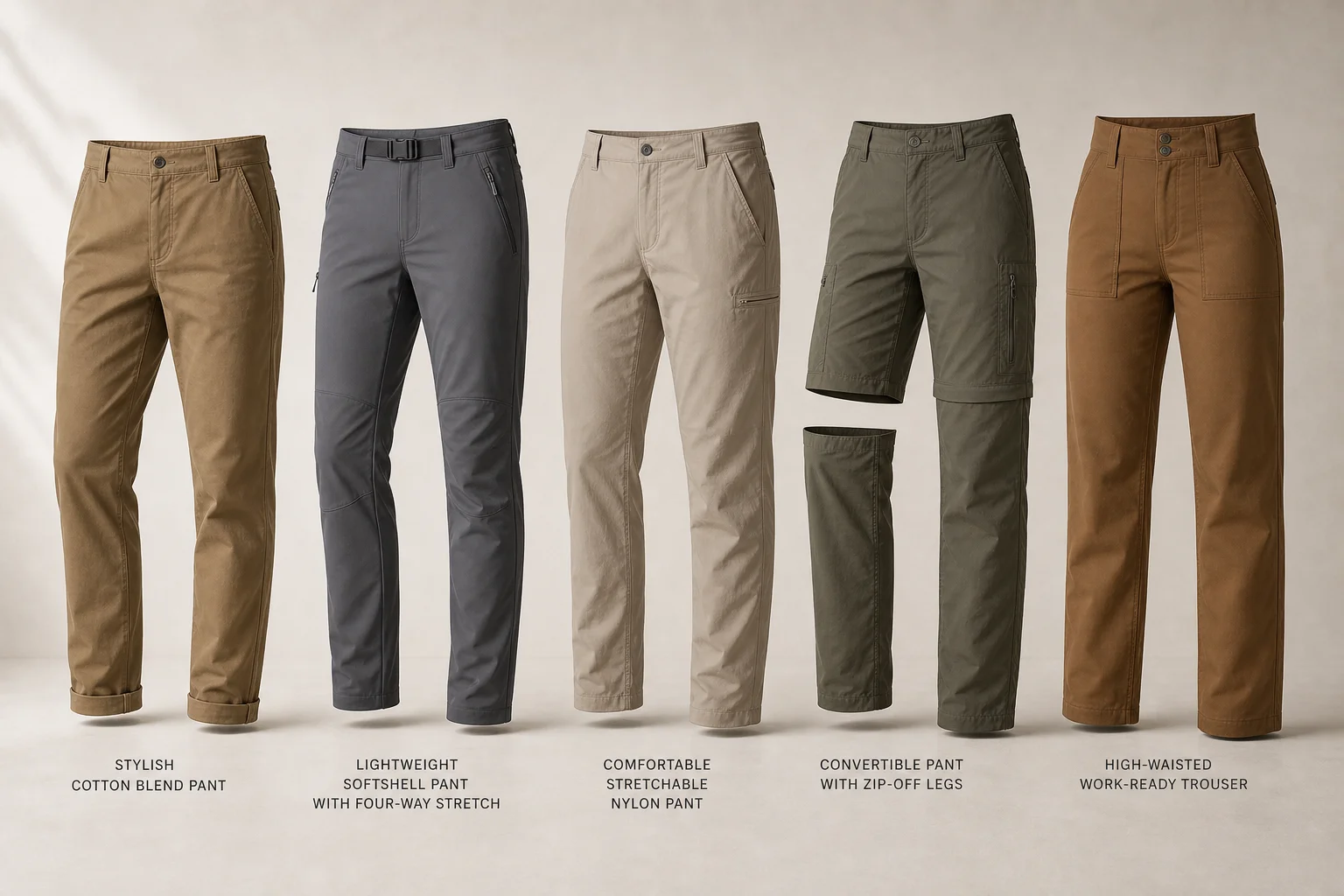
Best Hiking Pants on Amazon: Five Practical Options for Different Needs
A practical review of five hiking pants with clear strengths and trade-offs, from lightweight convertible styles to durable work-ready trousers.
Hiking Gear
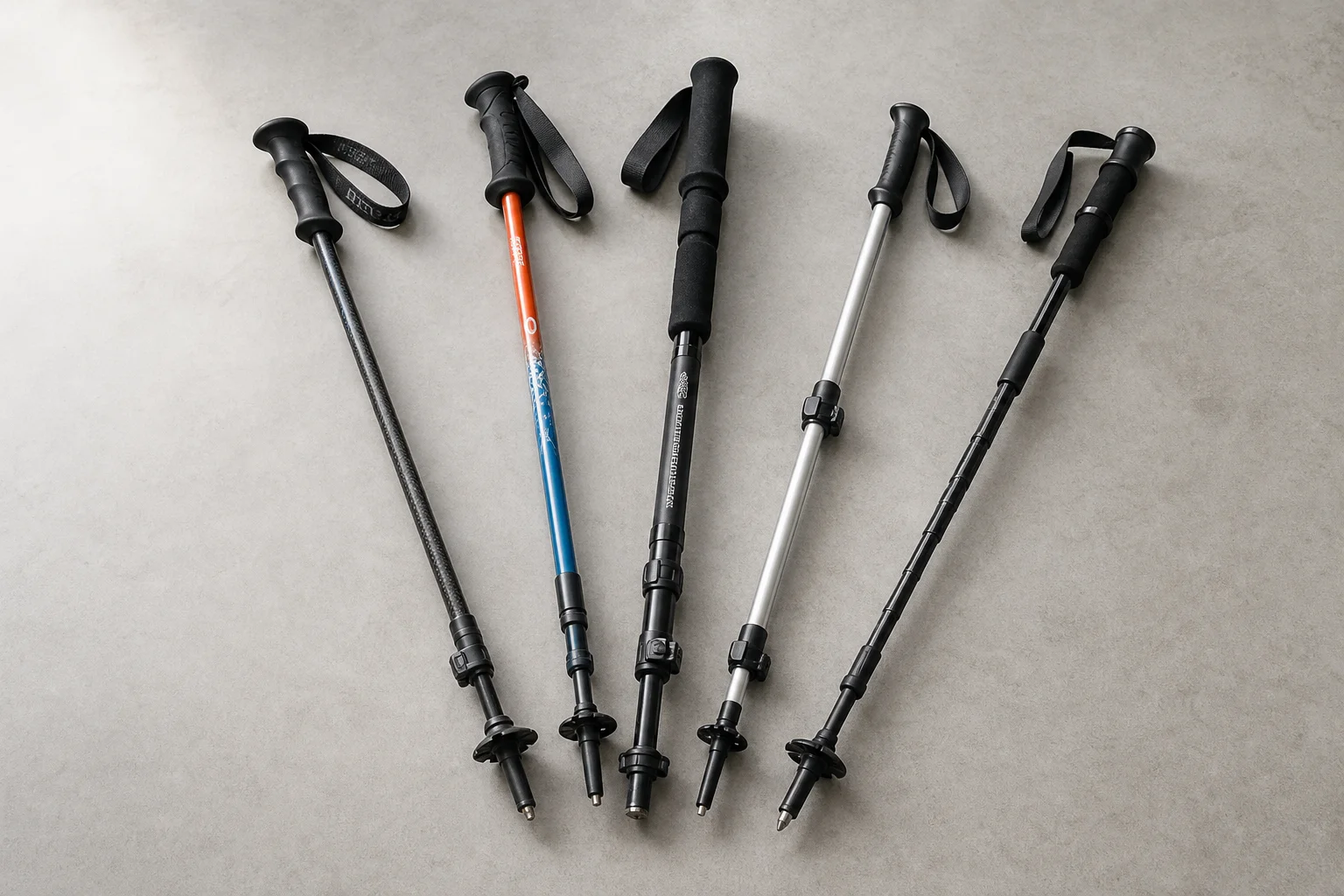
Best Hiking Poles 2026: Five Options for Different Trail Needs
A practical review of five hiking poles, from lightweight carbon designs to versatile all-terrain options, with clear strengths and trade-offs for each.
Hiking Gear
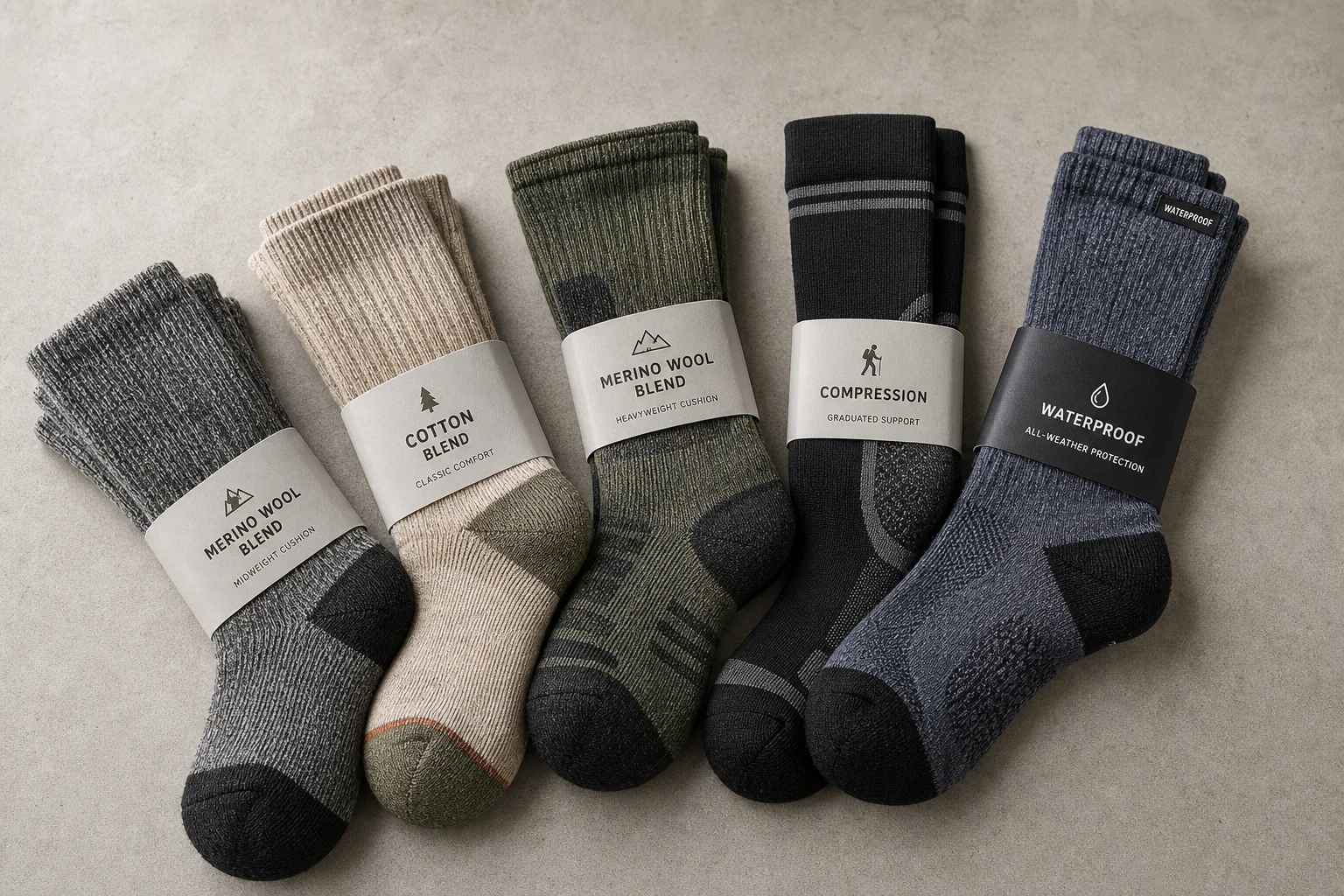
Best Hiking Socks 2026: Five Top Choices for Different Trail Needs
A practical roundup of five hiking socks, from lightweight merino options to heavy-duty compression styles, with clear guidance on which suits your outdoor activity.