Travel Gear
Washi vs Scrubba: Which Travel Laundry Bag Deserves Space in Your Carry-On?
A side-by-side look at the Washi travel washing machine, the Scrubba UnTouched wash bag, and the Scrubba Mini, weighing weight, capacity, ease of use, and drying.
Introduction
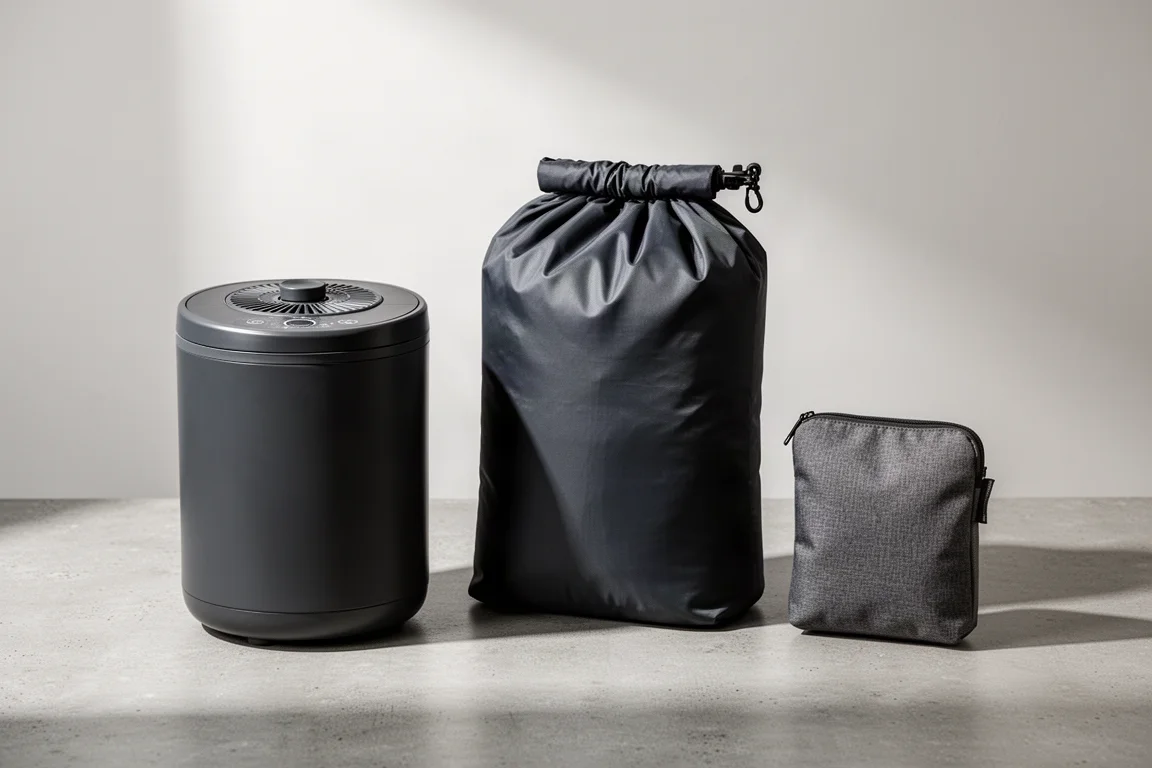
Doing laundry on the road is one of those small frictions that shapes how you travel. If you fly carry-on only, a compact wash solution can replace packing extra clothes or hunting for a laundromat. Two designs dominate this space: the Washi, a circular travel washing machine with a screw-top lid, and the Scrubba wash bags, which are essentially purpose-built dry bags with an internal washboard.
After several trips with both, neither is a hands-down winner. Each design does some things noticeably better, and the right choice depends on what you pack and how you like to work. This comparison breaks down weight, capacity, ease of use, washing performance, and drying so you can pick with confidence.
Weight, Packability, and Price
The Washi weighs in at just 4.9 oz on a scale, while the larger Scrubba UnTouched comes in a bit heavier at about 5.3 oz. Neither is a burden, but for minimalist travelers every ounce counts, and the Washi has a clear edge here.
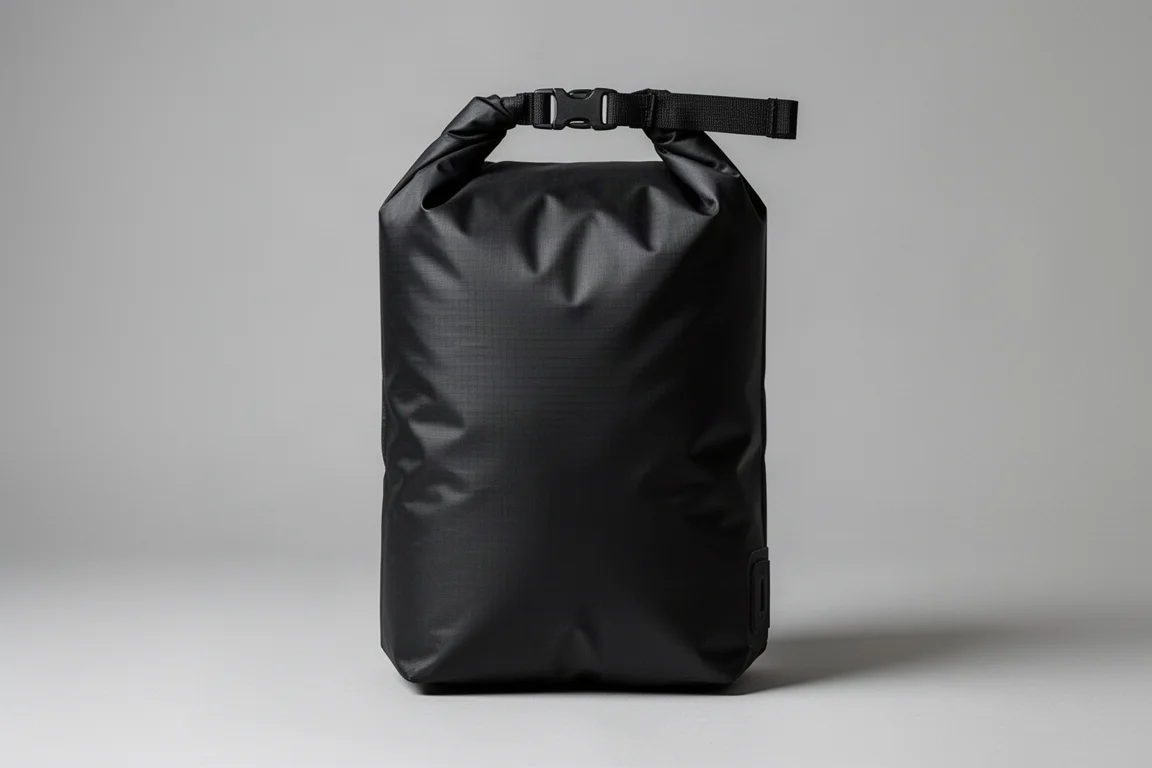
Packability tells a similar story. The Washi features a large screw-top opening that takes most of its volume, while the rest of the body is small, lightweight, and folds up really tiny. The Scrubba folds down to roughly the same packed size but has the advantage of laying completely flat, which makes it easy to slide into a travel backpack without creating a bulge.
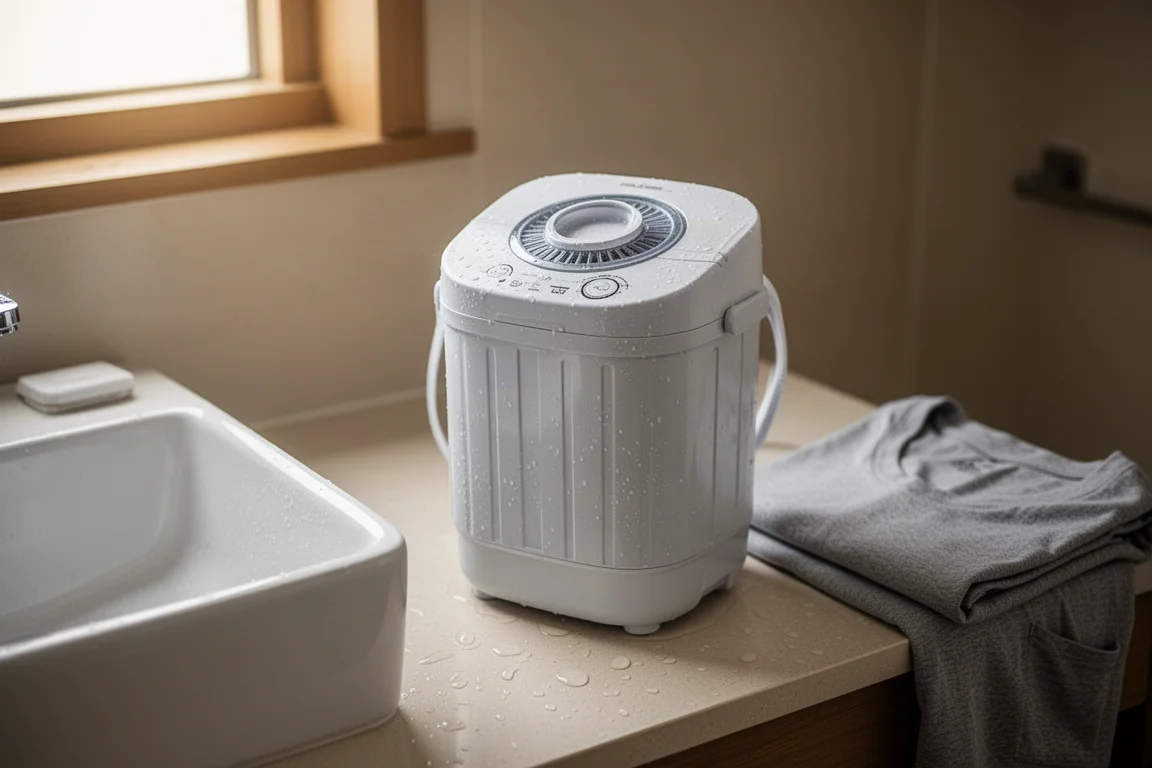
On price, the two are close: the Washi comes in around $49.95, with the regular Scrubba a little more expensive at about $55.
Capacity: What Fits Inside
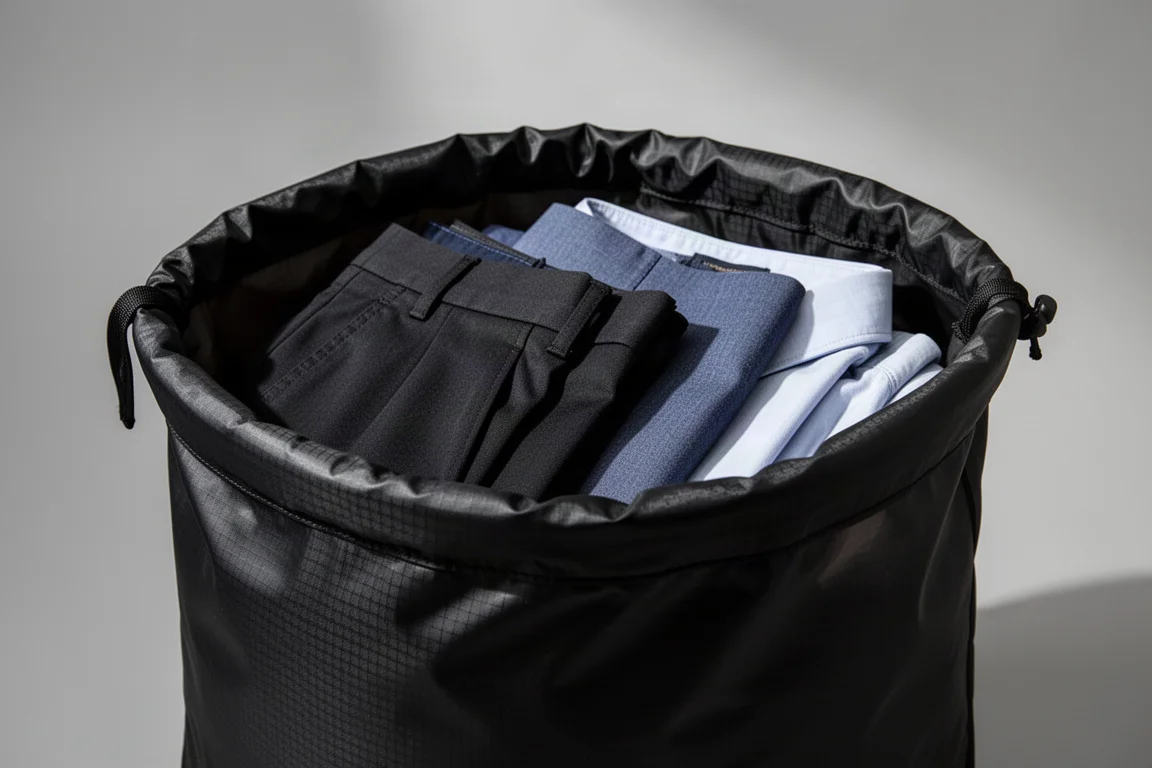
Capacity is where the Scrubba UnTouched pulls ahead. It is listed at about 13 liters, which checks out in practice, and its big, wide opening lets you fit almost two full sets of travel clothes at once. Bulkier items like travel pants are also far easier to stuff into its wide mouth.
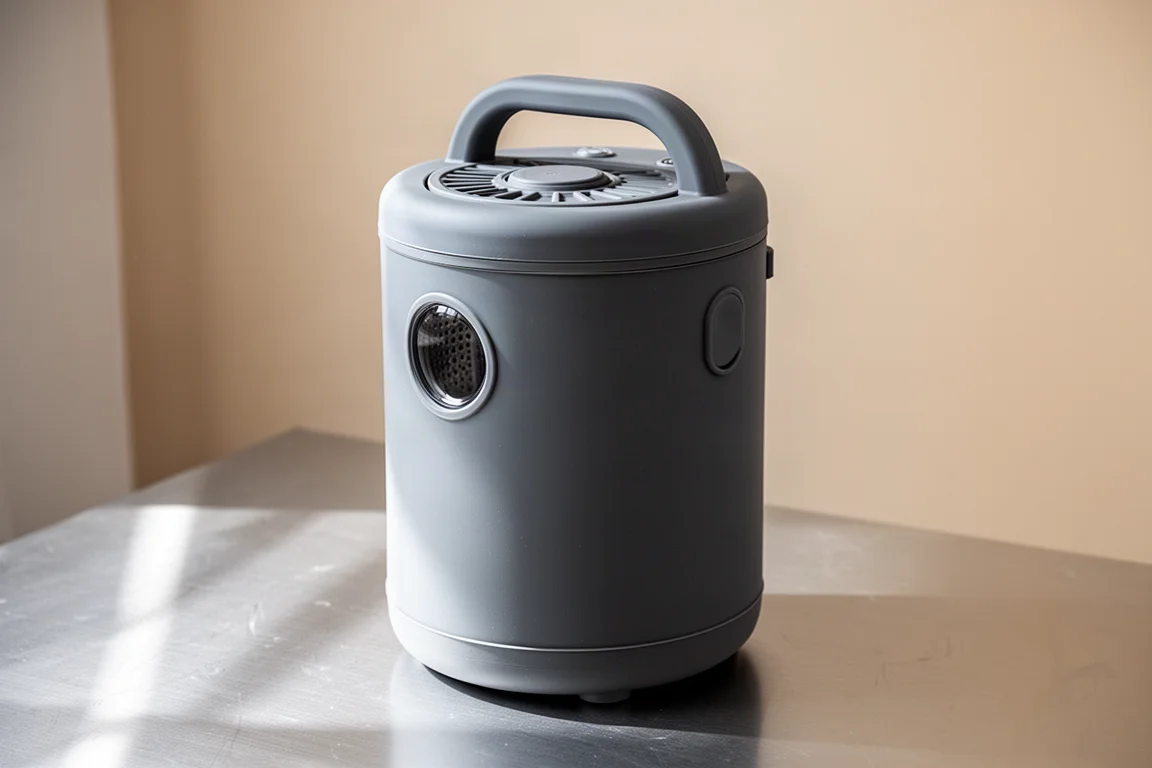
The Washi is listed at about 7 liters, which lands it right in the middle of the Scrubba lineup. It fits roughly one full set of travel clothes, though bulky travel pants are hard to fit through the screw-top lid.
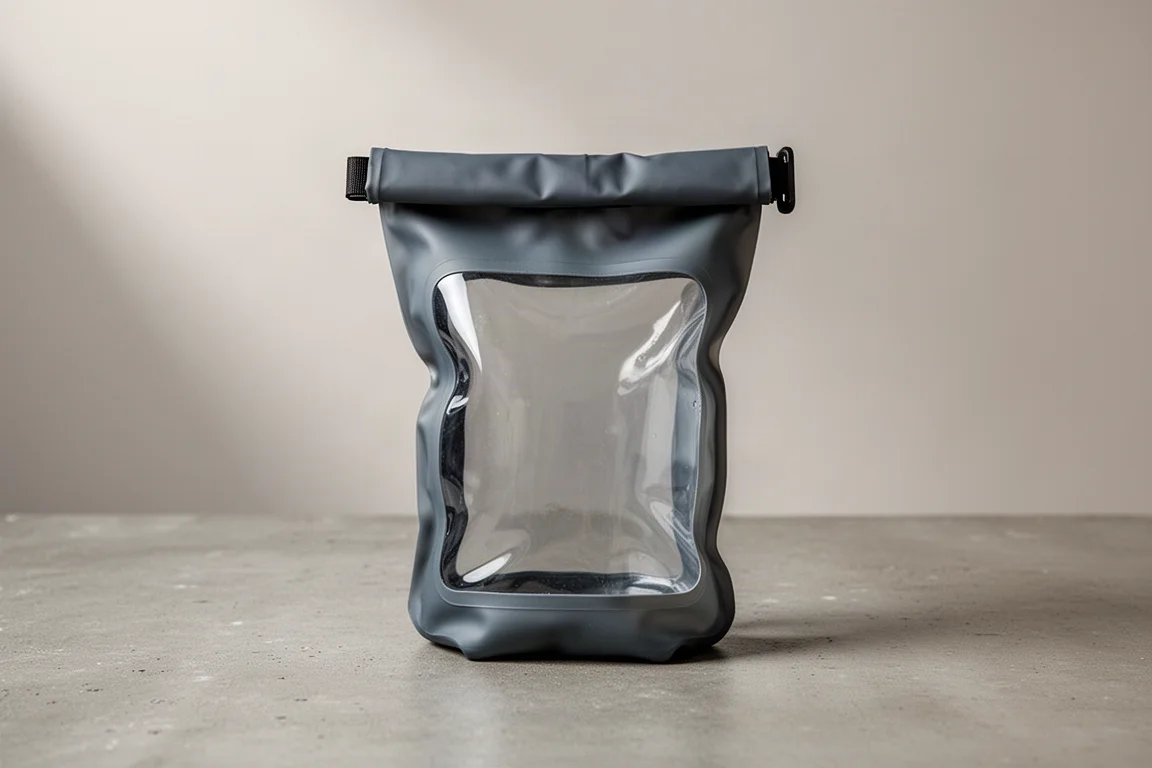
The Scrubba Mini is the smallest of the three. It does not list a capacity, but it is realistically 3 to 4 liters at most. It is really designed for washing socks and underwear, and it can feel too small for anything more, while the regular Scrubba can sometimes feel overwhelmingly large for a quick sock wash.
Ease of Use and Washing Effectiveness
For day-to-day operation, the Washi wins overall. The screw-top design is extremely easy and almost foolproof: open the lid, stuff your clothes inside, add soap and water, and screw it closed. There is no need to get water levels right or seal a roll top correctly.
The Scrubba is not difficult, but it has a few more steps. Roll tops work great when the bag is full, but if you under-pack it or do not roll the top enough times, water can leak out.
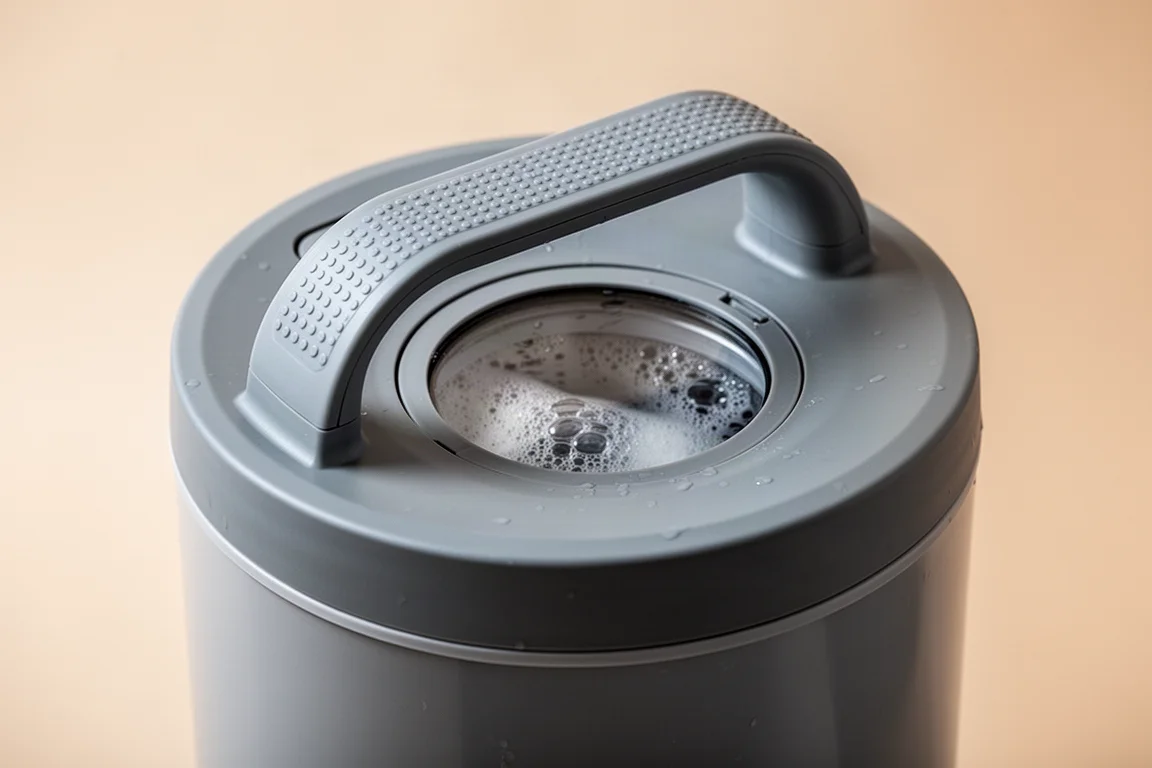
When it comes to cleaning performance, if you follow the instructions, both get clothes about equally clean. But the Washi is quicker to work with and delivers better agitation. The screw lid doubles as a big handle, and the circular design lets you move it up and down quickly: turn, twist, and shake for strong agitation in a short time.
The Scrubba relies more on the rubber nubs inside the bag. You fill it, drain the air, and rub your clothes against the nubs. It works fine, but it is more tedious and does not feel like it delivers quite the same agitation level as the Washi.
Durability and Drying
Durability is comparable between the two. The Scrubba uses a slightly thinner, stiffer ripstop fabric, while the Washi uses a thicker, rubberier TPU material. Both have seams that could be potential failure points: around the edges and rim on the Washi, around the window and the small nub panel on its bottom, and along the top of the Scrubba. No issues have surfaced on either model so far, though the Scrubba has a longer track record.
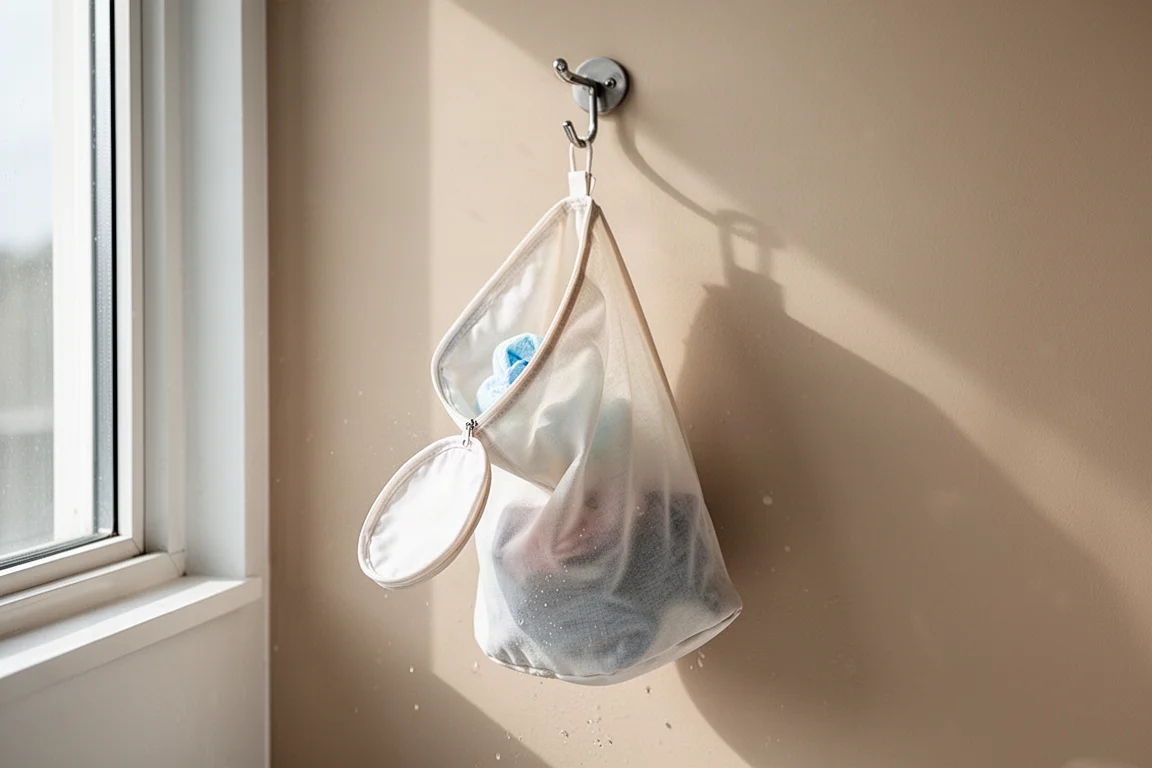
Drying is the Scrubba’s strongest suit. It is basically a big dry bag: open it, it stays open easily when empty, and it dries out quickly. The Washi’s material tends to stick to itself and fold down when the lid is closed, so if you just leave it sitting on the table with the lid open, it will never dry. You have to be more purposeful about it: hang it upside down with the lid open, or pinch something inside to keep it propped. Once you do, it dries fine.
Buying Advice
Choose the Washi if you are a minimalist traveler who values the lowest weight and smallest packed size, wants the fastest and most foolproof washing routine, and mostly washes smaller items like shirts, socks, and underwear. Just plan for its drying routine and accept the smaller opening for bulky items.
Choose the Scrubba UnTouched if capacity matters more: washing two full sets of clothes at once, handling travel pants easily, packing flat, and drying quickly. It is slightly heavier and pricier and can leak if not properly sealed, but it is the more forgiving bag overall.
View more details for Washi Travel Washing Machine
If you only need to freshen up socks and underwear between longer washes, the Scrubba Mini covers that niche at the smallest size and weight of the three, though its 3 to 4 liter capacity means nothing bulkier will fit.
Conclusion
Both products are effective and useful for laundry on the road, and neither dominates outright. The Washi is lighter, packs down smaller, is easier to use, and gives better agitation. The Scrubba UnTouched is heavier and bulkier, can leak if not sealed properly, but offers much larger capacity, easier handling of bulkier clothes, quick drying, and flat packing. Match the bag to your packing style and laundry load, and either one will keep you traveling lighter.
Further reading
Related Reviews
Travel Gear
12 Essential Travel Items That Make Every Trip Better
After traveling to over 150 cities worldwide, here are the practical items that have become indispensable for modern travel.
Travel Gear
Best One-Bag Travel Gear for Long Trips: 8 Essentials
A practical guide to the travel gear that proved its worth over 30 days of one-bag travel in Southeast Asia, from the pack to the power bank.
Travel Gear
Best Shoes for Camino de Santiago: Hiking Boots, Trail Runners, or Barefoot
A practical guide to choosing the right footwear for the Camino de Santiago, comparing hiking boots, trail running shoes, and minimalist barefoot options across different routes and seasons.