Knives & EDC
Walt Folding Knife Lineup: Four Utility and Pocket Knives Reviewed
A hands-on look at Walt's new folding knife lineup, including two utility knives and two pocket knives, with what each one does well and where they fall short.
Introduction
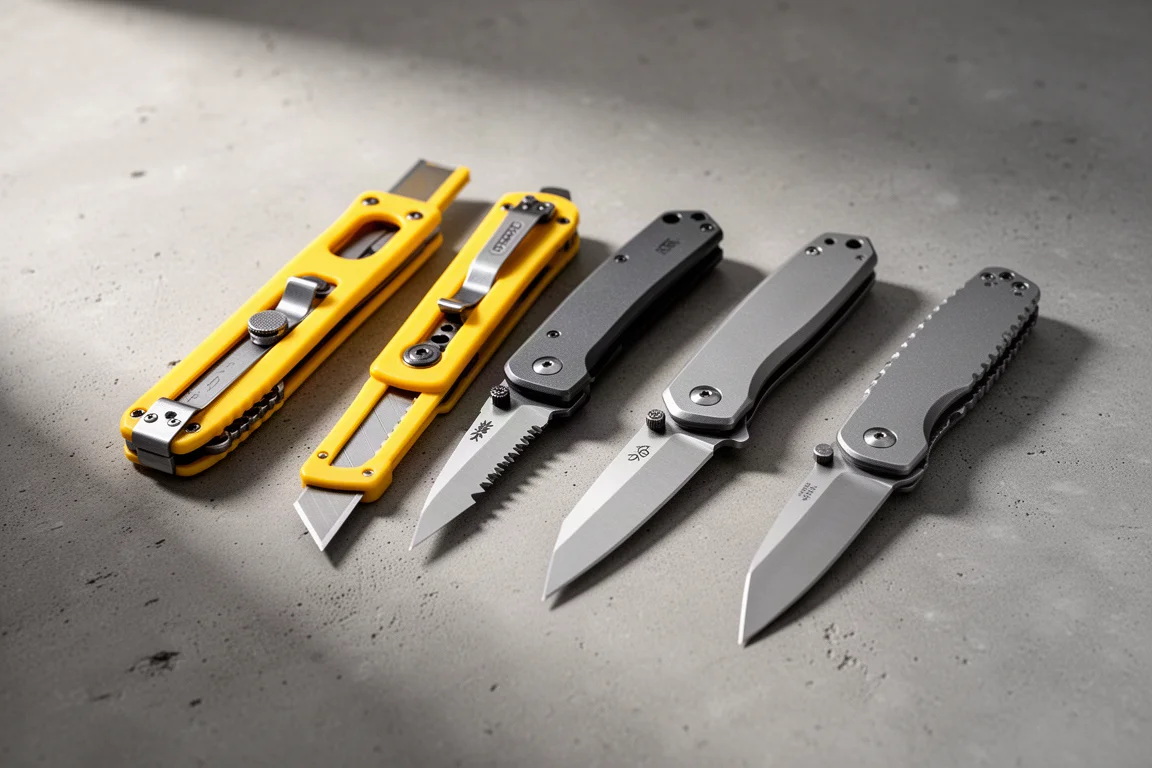
Walt has a new tagline for this release: meet your new lineup of folding knives. The company sent over four new folders, two in a utility knife style and two in a more traditional pocket knife style. If you carry a knife daily and care more about tools that work than safe queens, this lineup deserves a close look.
One thing to sort out before anything else: before buying any of these, make sure the model you are interested in is legal in your municipality. Folding knives with assisted or rapid deployment styles are regulated differently in different places, so check first.
What Matters in a Working Knife
The criteria used here are simple. A pocket or utility knife has to do its job and do it well. That means positive blade retention, a secure lockup, comfortable grip with a place for your finger to rest, easy one-handed deployment, and hardware choices that last, such as bronze bushings at the pivot instead of cheaper silicon bushings that can degrade over time. Price matters too, and no pricing was confirmed for any of these models, so value is something you will need to judge at purchase.
Walt Folding Utility Knife with Push Button Deployment
The first utility knife stands out for two things: a deep pocket clip and push button deployment. The deep clip means the knife rides fully concealed in the pocket. Pressing the button down releases the blade, and a flick of the wrist opens or closes it quickly. There is no thumb hole here, so the button is the whole rapid deployment story.
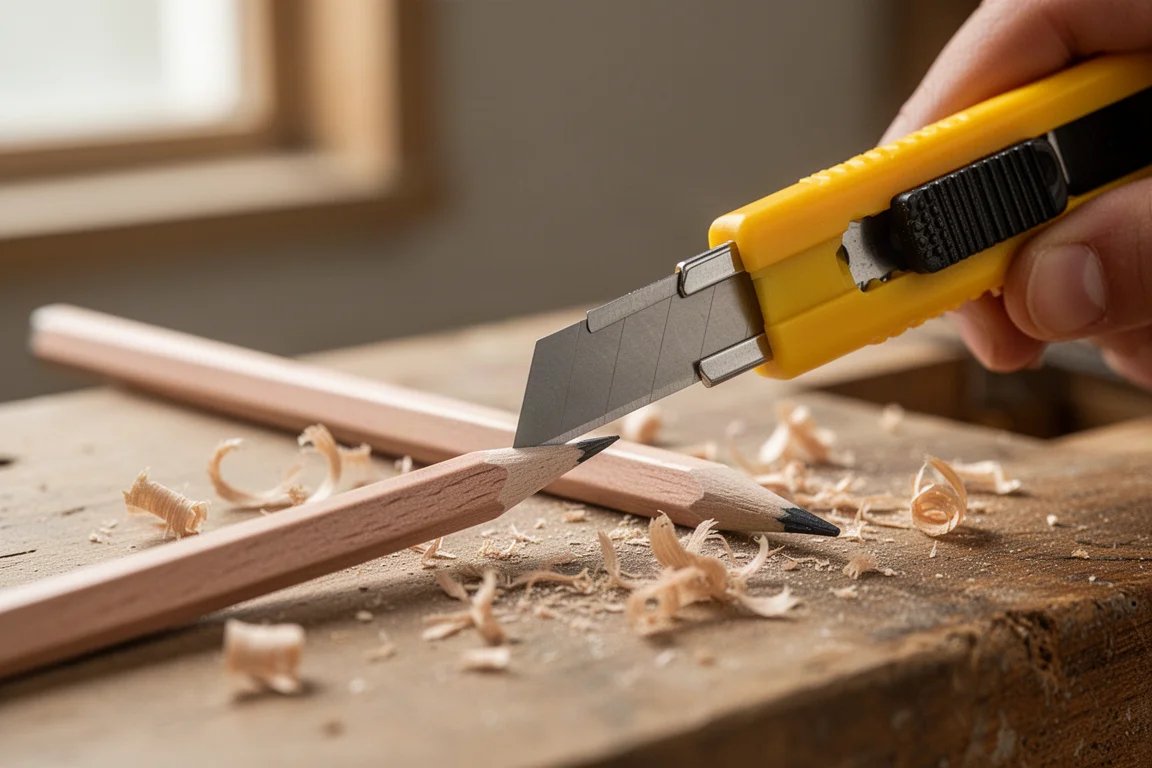
Retention is very positive when the button is not pressed. The trade-off is worth knowing: because the button faces your body while clipped, sitting down or a full pocket could potentially depress it and leave the knife semi-open, where it might snag on the way out of your pocket. That design choice sends mixed signals, pairing deep concealment with a body-facing button.
On the plus side, blade changes are quick thanks to a quick release function, and the blade itself is genuinely sharp, sharp enough to shave. Blade retention in the body felt fine, and the knife whittled a pencil down to a fine point while keeping the tip strong. In the hand it feels good, with a finger choil underneath, jimping along the top of the handle, and a positive resting place for your finger so you are less likely to slip onto the blade. At the hinge point, bronze bushings replace the common silicon type, which is an upgrade that should last a lifetime.
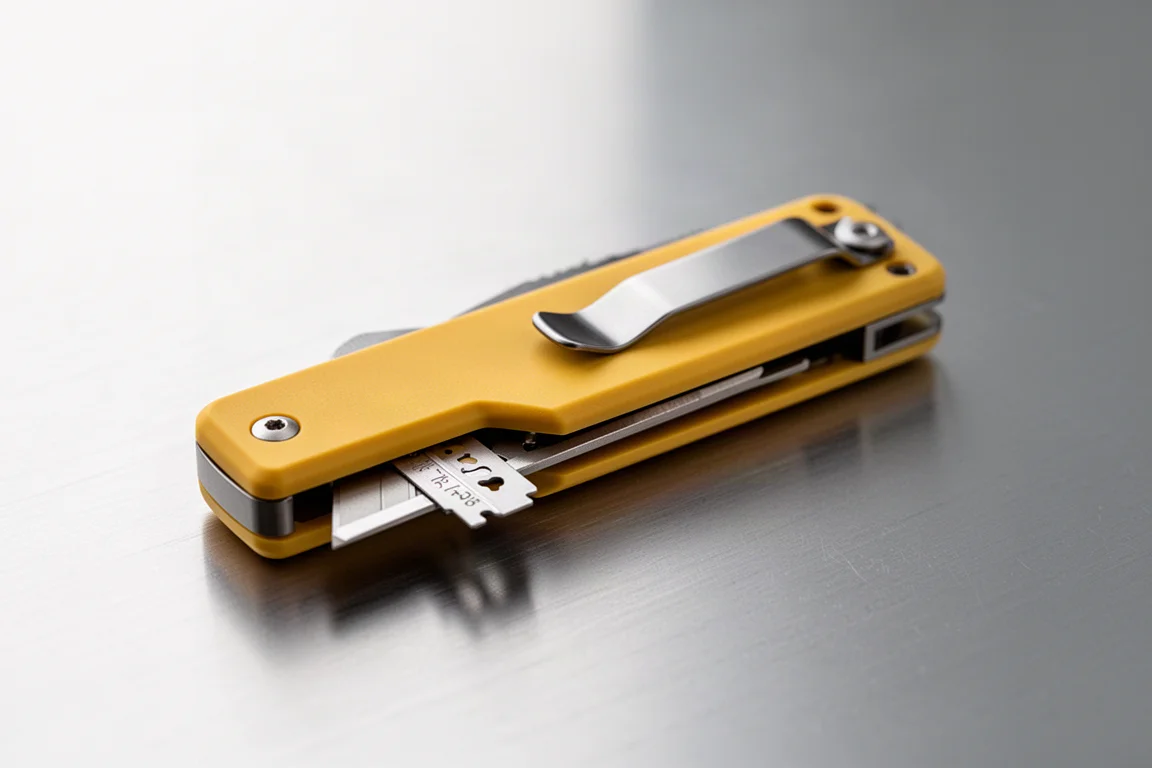
Walt Folding Utility Knife with Rope Cutter and Blade Storage
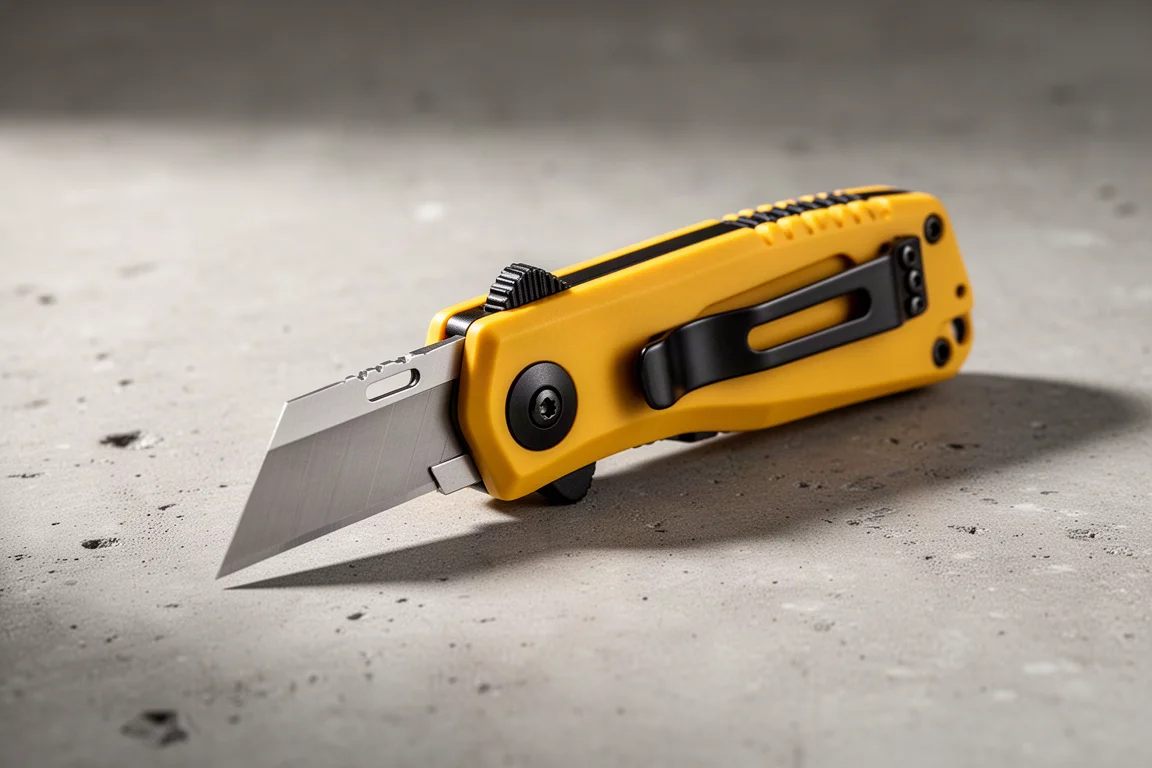
The second utility knife shares the same blade, the same push button deployment, the same blade retention mechanism, and the same deep pocket clip as the first. What it adds is a rope cutter that lets you cut ropes and straps with the knife closed, so you do not need to deploy the blade at all. Honestly, this feature will not suit everyone; some users find deploying the blade faster anyway, but for strap and cord work it is a genuine party trick.
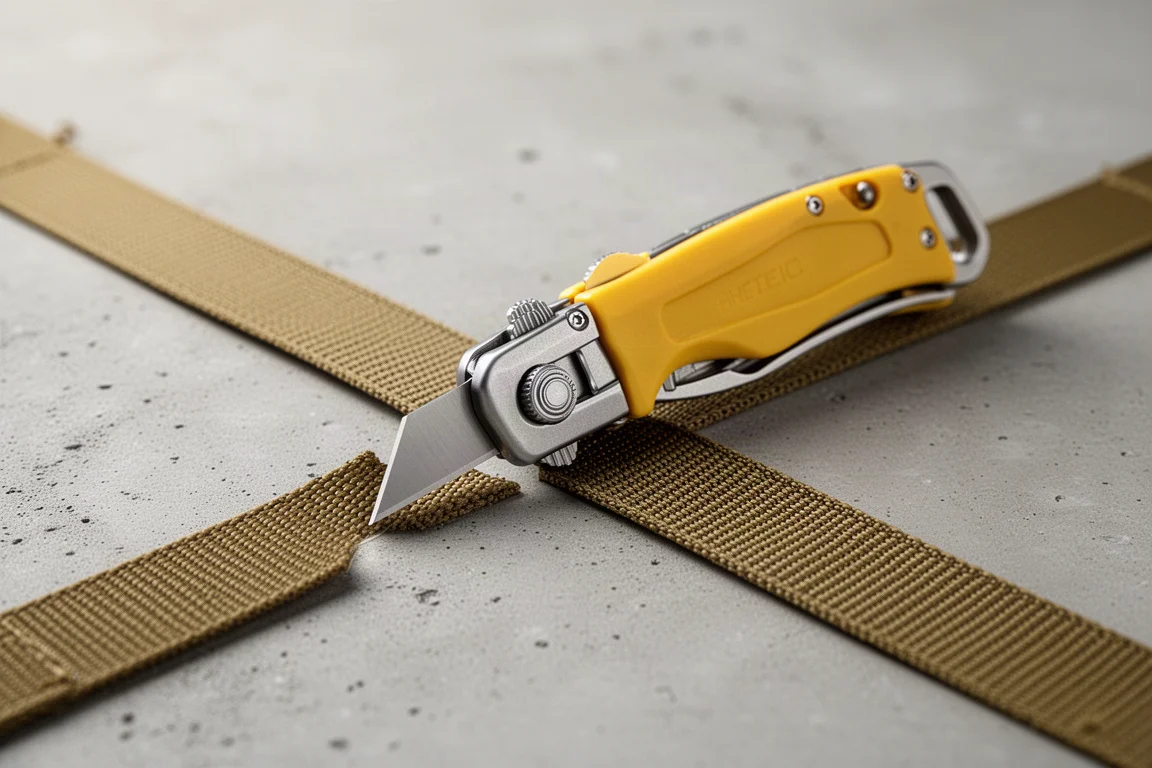
The bigger draw is on-board blade storage. Instead of running back to the toolbox or the truck for spare blades, you open the storage compartment, grab a fresh blade, and make a quick change on the spot. Bronze bushings appear at the pivot again, and without a separate storage bulk the knife stays light and tight and noticeably thinner, which feels very good in the hand. Of the two utility knives, this one comes out ahead for pure utility work.
Walt Tanto Combination Blade Pocket Knife
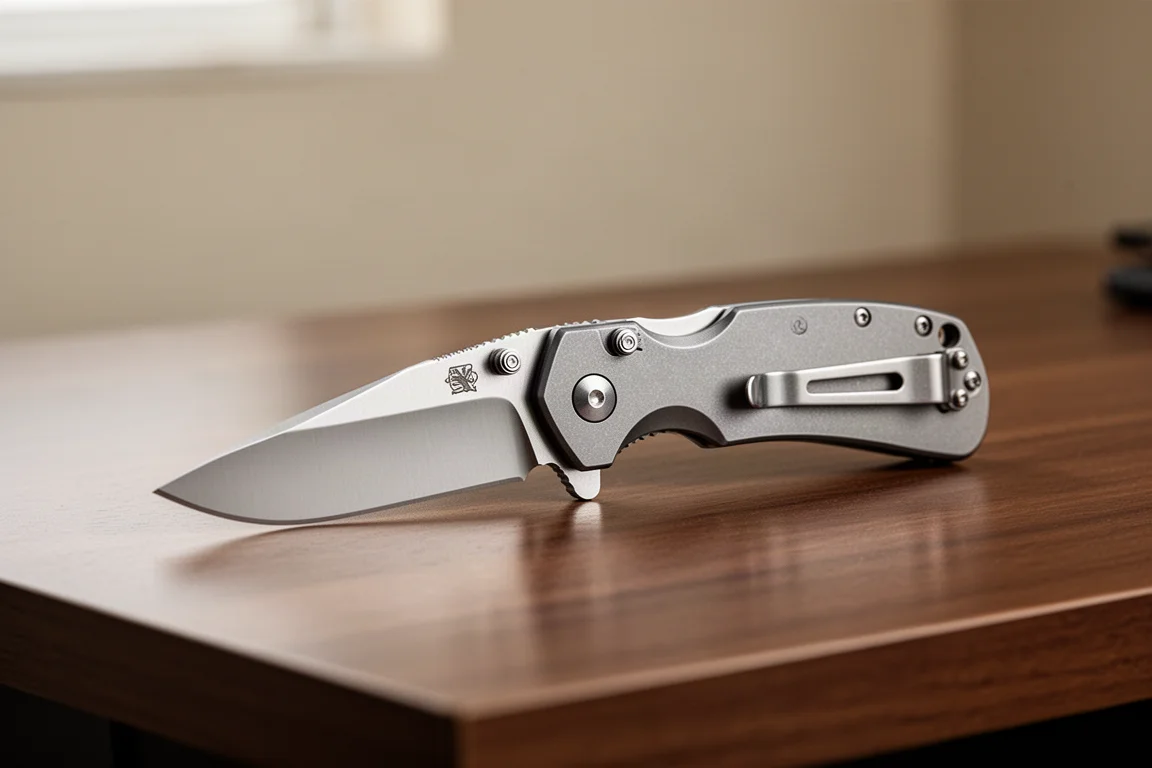
Moving into the pocket knife side, the Walt tanto model shares real DNA with a typical everyday carry knife. The belt clip attaches with posts that slip into holes in the body, so it is reversible, though not four-way; you cannot move it to the other side to keep a button or stud away from your body. It is a deep pocket carry setup either way.
Deployment comes via thumb studs or the flipper, and thumb screws on the blade help with opening. There is swedge detailing at the top, jimping where the blade meets the body, a finger choil underneath, and a liner lock holding the blade in place. Liner locks are notoriously strong locking mechanisms for utility knives. They are not as strong as a back lock, but they are faster to deploy and faster to conceal, which counts for a lot in daily use.
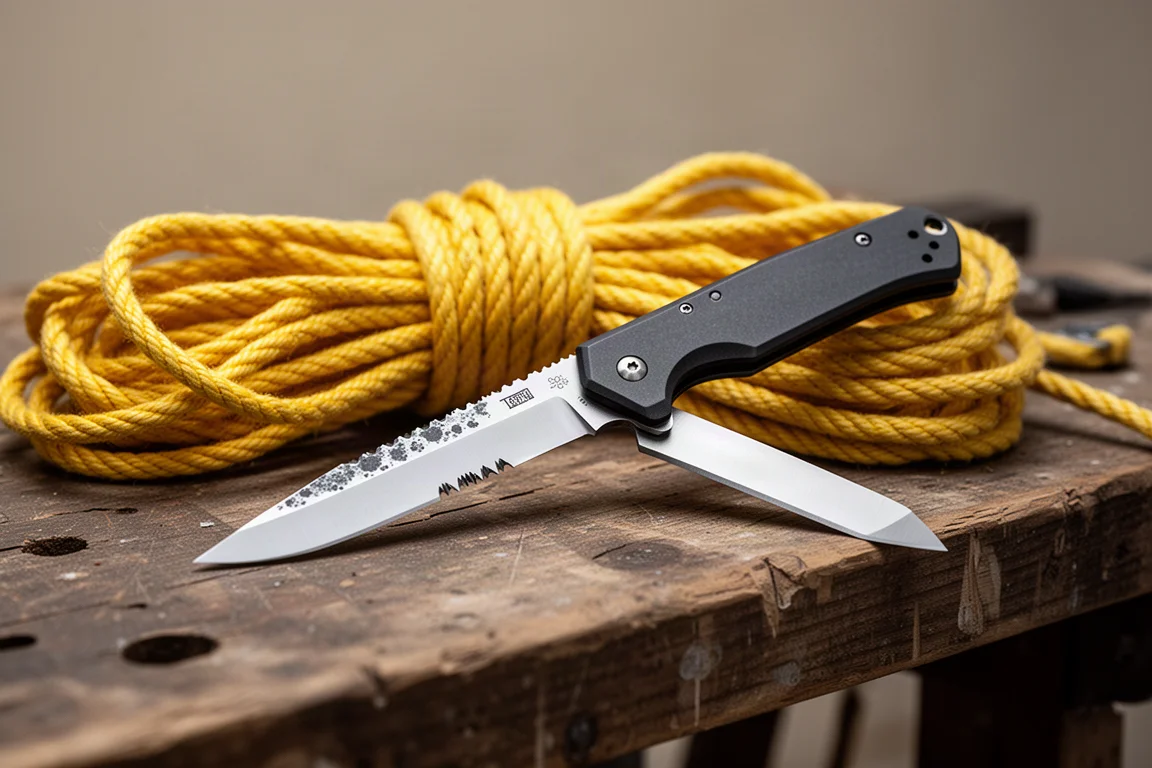
The tanto blade combines a serrated section and a plain edge. The whole lure of a combination blade is cutting multiple materials effectively, and through nylon rope the knife cut well, with the plain edge also feeling good through the material. It is not a scalpel, but it makes for a pretty nice pocket knife, especially on a budget. One caveat: tanto blades are a little tougher to sharpen than standard profiles. This is the kind of knife to use until it has no life left, then dispose of. Batoning is not advisable with any folding knife since the lockup point can fail, though the liner lock here feels solid enough for a lot of hard tests.
Walt Plain Edge Flipper Pocket Knife
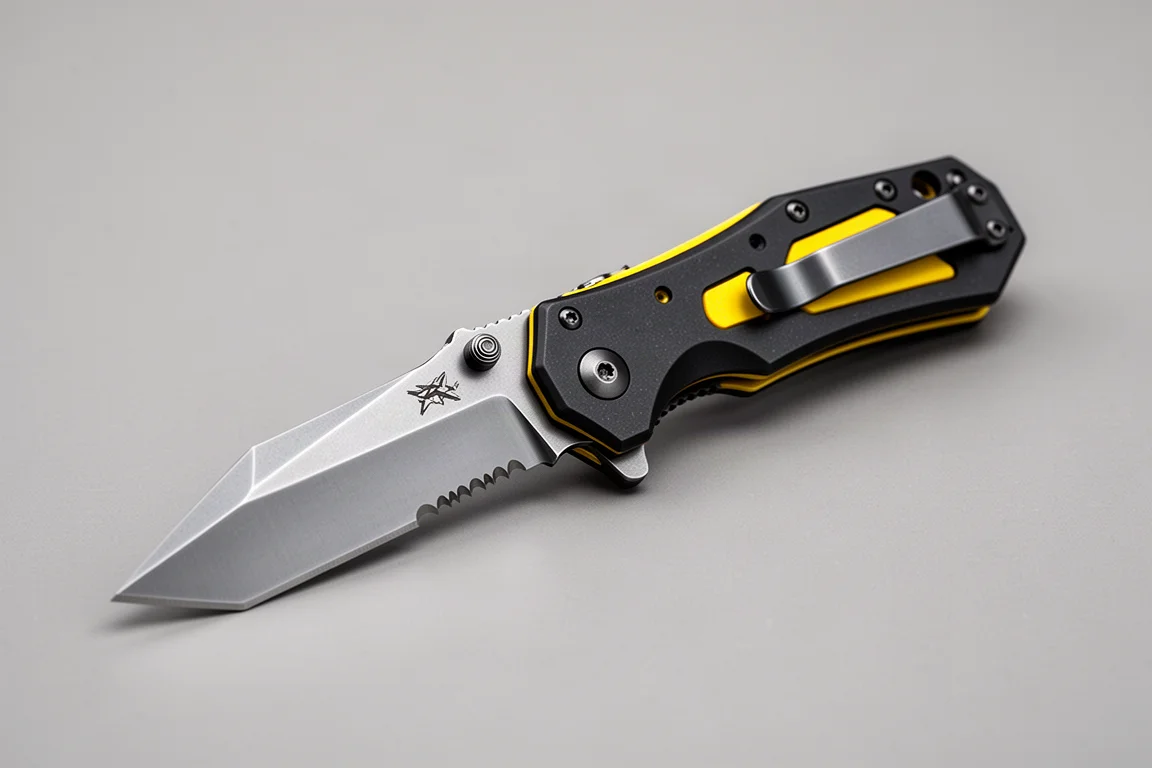
The final model is the plain edge flipper, and it is a nice-looking blade with swedge detailing along the top. You get the choice of thumb stud or flipper for deployment, a liner lock, a finger choil, and a reversible belt clip set up for deep concealment.
The trade-off is on the closing side. These knives deploy rapidly, but they do not conceal as rapidly. What is normally a one-handed closing operation takes more care here; you may be better served using two hands, pressing the liner, then folding the blade away. That said, the grip could use a little more texture near the choil for confident handling during concealed carry.
Buying Advice: Which Walt Knife Fits You?
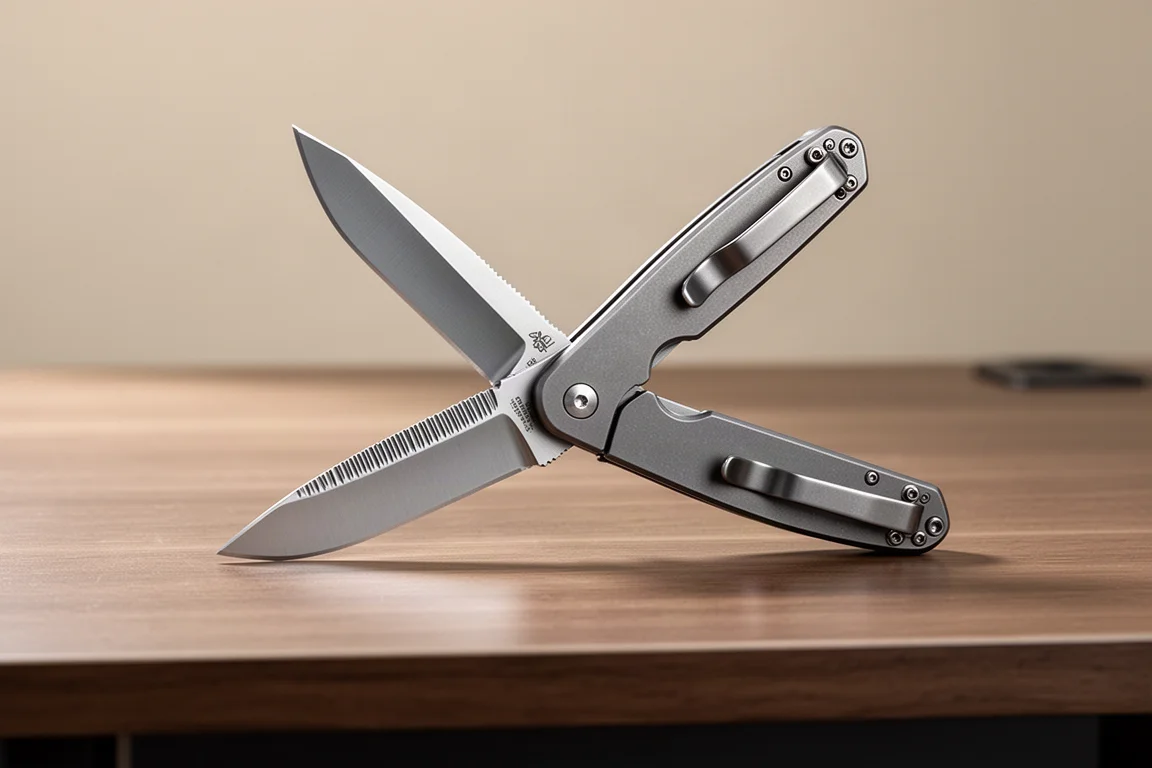
If your priority is a working utility knife, choose the push button model for the cleanest, fully concealed carry, or the rope cutter model if you want closed-knife strap cutting and on-board spare blades. Between the two utility knives, the version with blade storage edges ahead for jobsite use.
If you want a traditional pocket knife, the tanto combination blade suits anyone who wants one knife to handle multiple materials and run it hard until the edge is gone. The plain edge flipper suits those who prefer a cleaner blade profile and quick opening, and who do not mind a two-handed close. No pricing was confirmed for any model, so weigh the value against alternatives at your price point before committing.
Conclusion
Walt’s four new folders cover two distinct jobs, utility work and everyday pocket carry, and mostly do them well. Strong points across the lineup include sharp blades, bronze pivot bushings, comfortable grip geometry with finger choils and jimping, and liner locks that hold up under use. The main caveats are the body-facing push button on the utility knife, limited clip reversibility on the pocket knives, and slower concealment on the flippers. Match the model to how you actually work and carry, check your local knife laws, and you will likely find one of these fits your pocket.
Further reading
Related Reviews
Knives & EDC
Knives of the Week: Five Fixed Blades, Multitools, and Premium Flippers Worth a Look
From a stout woods-craft fixed blade to two premium concept flippers, a roundup of five knives and one very flat multitool that stood out this week.
Knives & EDC
Three Big Pocket Knives With Real Presence: Leviathan, Heron L1, and Sentry L1
A close look at three oversized folding knives, including a titanium bronze-framed monster and two distinct cleaver-style blades.
Knives & EDC
Klein Tools Fishing Pocket Knife Review: A Surprisingly Serious EDC Folder
A real named steel, an axis-style lock, and a sub-$50 price make this unexpected Klein folder worth a closer look.