Cycling Tech
Wahoo Speedplay POWRLINK ZERO and KICKR ROLLER: Power Meter Pedals and Smart Rollers Compared
A clear look at two Wahoo releases for power-based training: the Speedplay POWRLINK ZERO pedal power meter and the KICKR ROLLER smart rollers.
Introduction
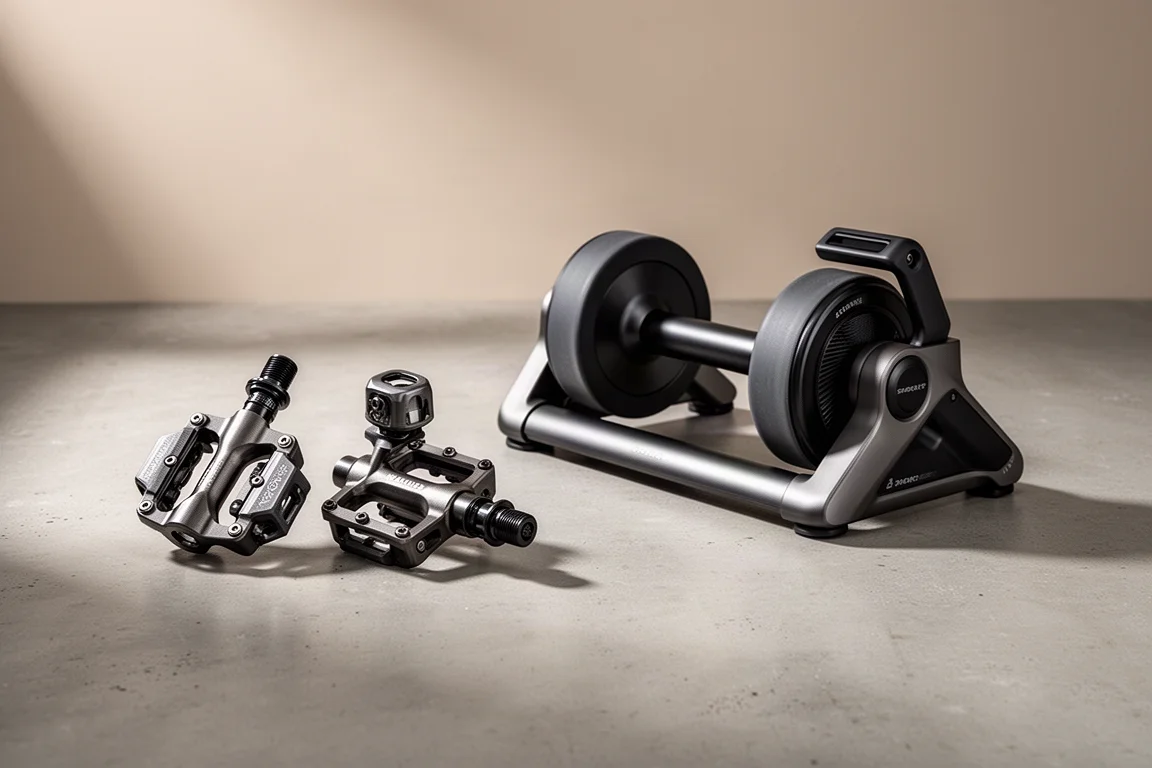
Wahoo has expanded its training ecosystem with two products that address different halves of the same problem: the Speedplay POWRLINK ZERO power meter pedals and the KICKR ROLLER smart rollers. One measures the effort a rider produces, the other turns that effort into resistance worth training against.
Both are aimed at cyclists who already train with power rather than heart rate alone, and both come with trade-offs that are worth understanding before ordering.
Why These Two Wahoo Products Stand Out
Speedplay riders have been asking for a power meter pedal for a long time, and POWRLINK ZERO is the answer: a pedal-based power meter offered as a dual-sided or single-sided set and built on the Speedplay platform.
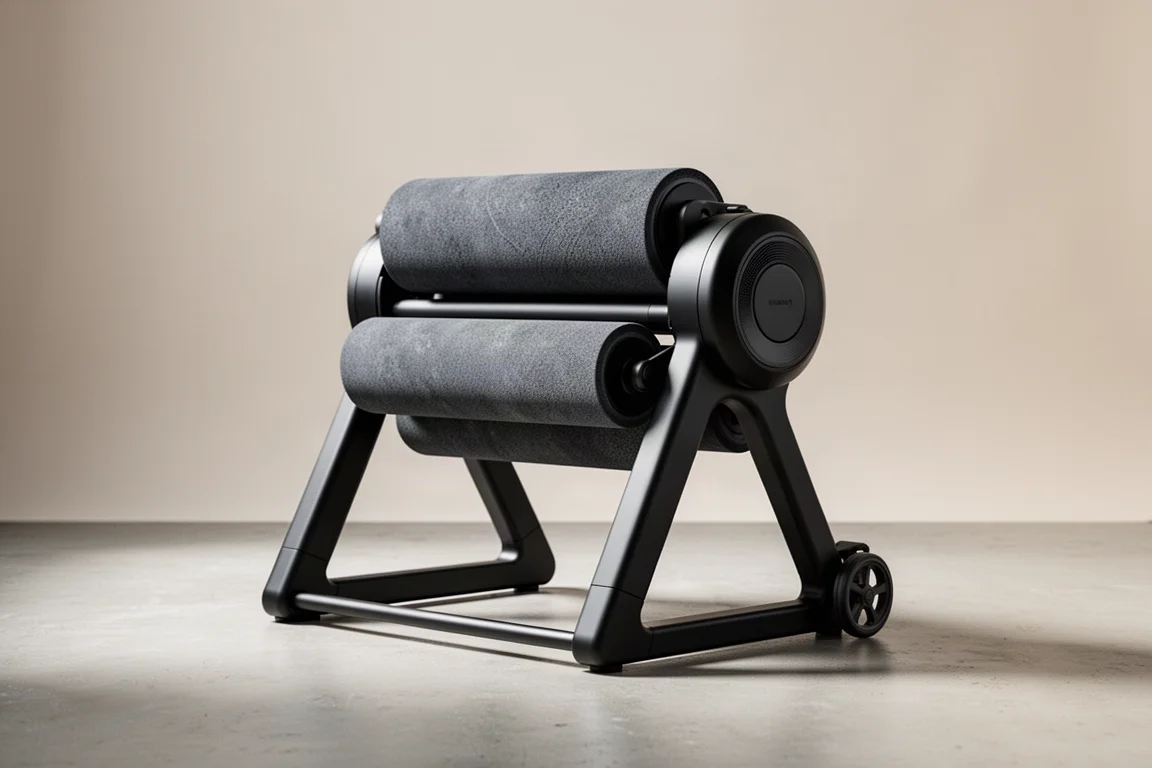
The KICKR ROLLER takes a different route. Rather than another direct-drive trainer, Wahoo combined the mechanics of traditional rollers with a resistance unit, a 4.7 kg flywheel and smart connectivity, so a bike can be ridden indoors with natural movement instead of a rigidly fixed rear axle.
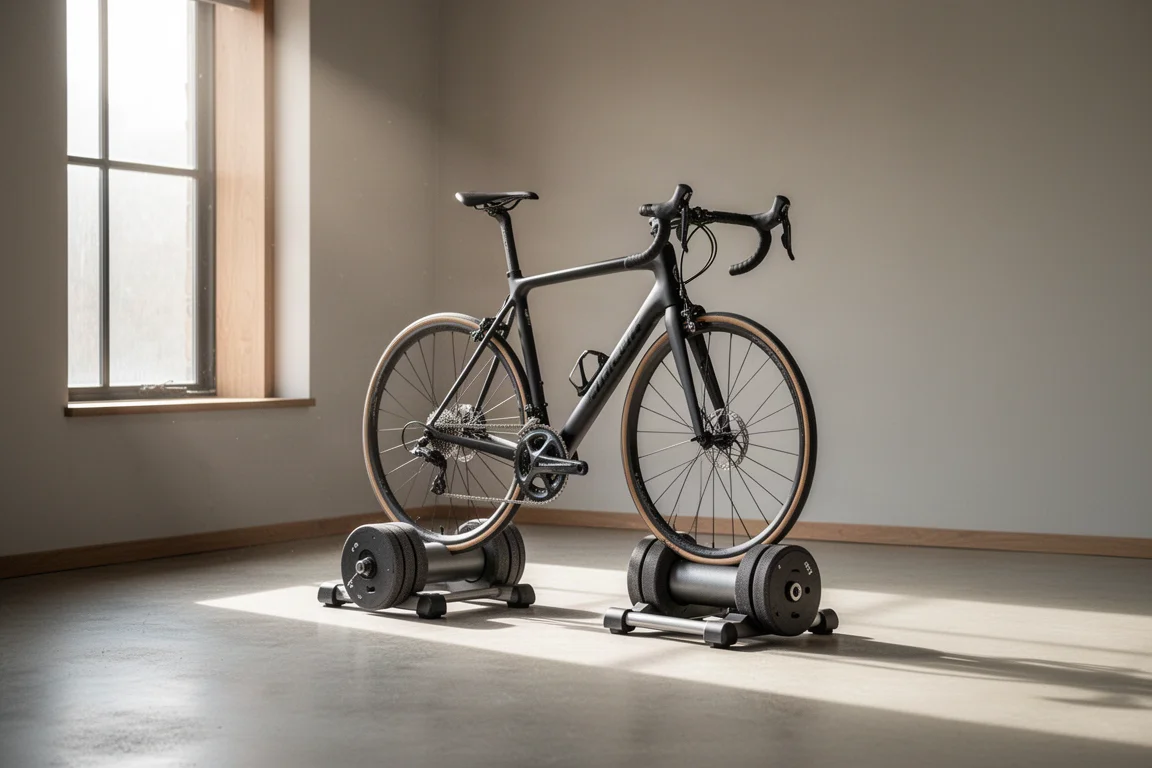
Together they illustrate two philosophies. Power gets measured at the pedal, and resistance gets delivered at the rear wheel through a pair of rollers, with an app providing the course or the interval structure.
Wahoo Speedplay POWRLINK ZERO: Power Meter Pedals With Speedplay Feel
POWRLINK ZERO is priced at a penny under $1,000 for a dual-sided set, or $650 for a single-sided set. Wahoo claims an accuracy rating of 1 percent, a rechargeable battery with a claimed 75-hour runtime, and a set weight of 278 g. The power meter electronics sit inside the pedal spindle, with a small pod added to create room for them.
That layout preserves the characteristics Speedplay riders value: a large amount of freely adjustable float, dual-sided entry and exit, and low weight. The electronics and pods add roughly 54 g to a dual-sided set, and the pedals stay around 30 to 45 g lighter than some competing pedal-based power meter systems.
Installation and Compatibility: What to Check First
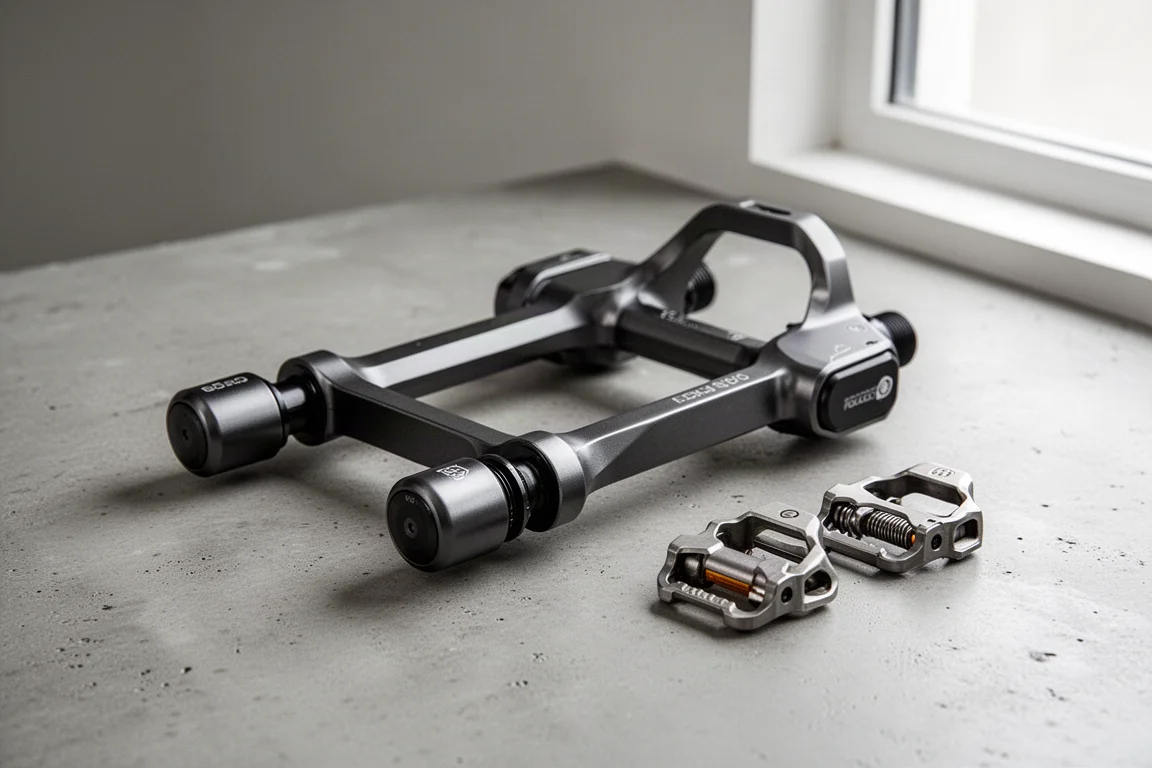
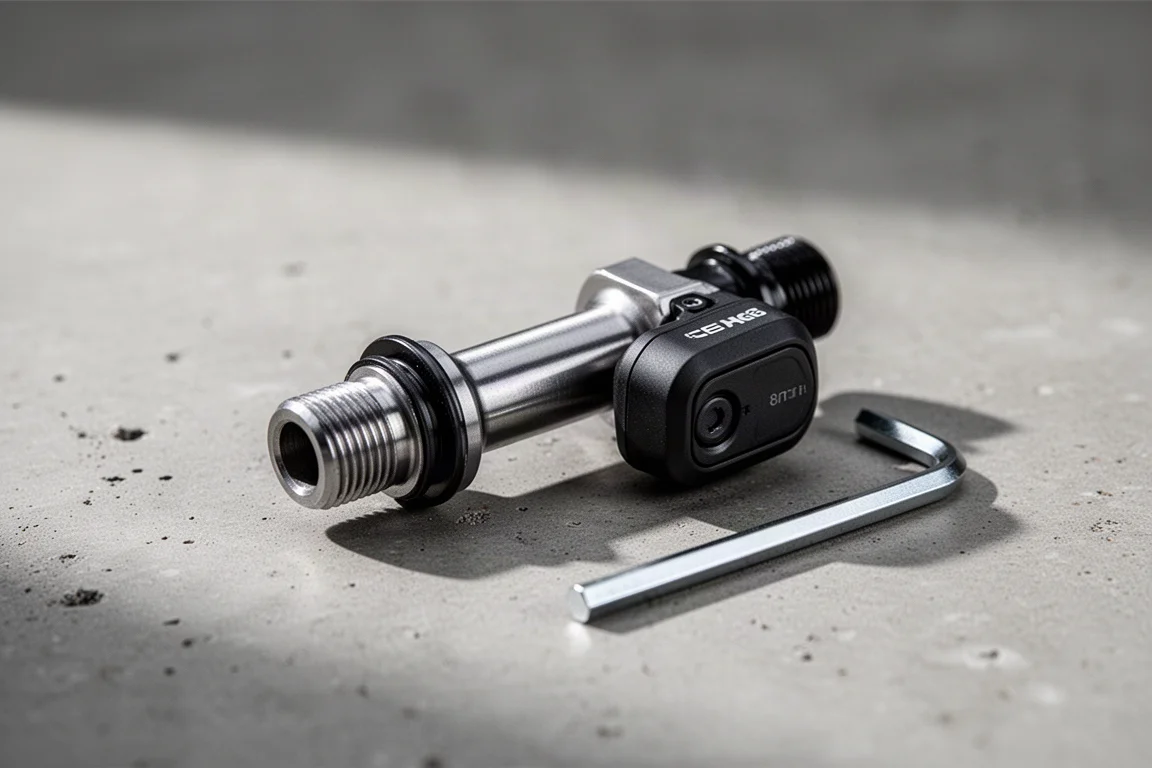
Fitting is one of the strongest arguments for a pedal-based power meter, and POWRLINK ZERO keeps the process simple: an 8 mm Allen key is all that is required, with no torque wrench needed.
There are caveats. Stack height grows by 1.5 mm to 13 mm, and Q-factor increases by 2 mm to 55 mm, changes made to house the electronics. More significantly, the new spindles are not backwards compatible with other Speedplay pedal bodies, so owners of existing Speedplay Comp, Zero, Nano or Aero pedals cannot convert those into a power meter, and there is no route to combining legacy Speedplay parts into a custom setup.
The platform is also road-specific. There is no off-road or gravel pedal body option, and the reason is understandable: the spindle pods could interfere with the tread on mountain bike or gravel shoes.
Accuracy, Battery Life and Fit Details
Wahoo’s claimed accuracy rating is backed by deep experience in building power measurement into smart trainers, but the data still has to hold up in practice. A pair of pedals only works as a training tool if the numbers agree closely with a trainer and a head unit.
On the fit side, the low stack height is noticeable, and riders moving across from other pedals may want to recheck saddle height. Float is generous, which suits riders who prefer a freer pedal interface. Single-sided owners who later want dual-sided data can upgrade: Wahoo has said conversion kits will arrive after launch, though pricing and availability were not confirmed at the time of release.
Wahoo KICKR ROLLER: Smart Rollers That Need an On-Bike Power Meter
The KICKR ROLLER is priced at just under $800, or about $1,400 bundled with a set of single-sided Speedplay POWRLINK ZERO power meter pedals. It blends the mechanics of traditional rollers with a resistance unit, a 4.7 kg flywheel and smart connectivity.
The key limitation is that the KICKR ROLLER has no built-in power meter. Wahoo said a sufficiently accurate one simply was not possible here, because a roller cannot directly measure pedaling force and there is no dependable way to account for the varying losses caused by tyre rolling resistance. Instead, the rollers pair with an on-bike power meter over ANT+, which means practically any modern power meter can supply the data.
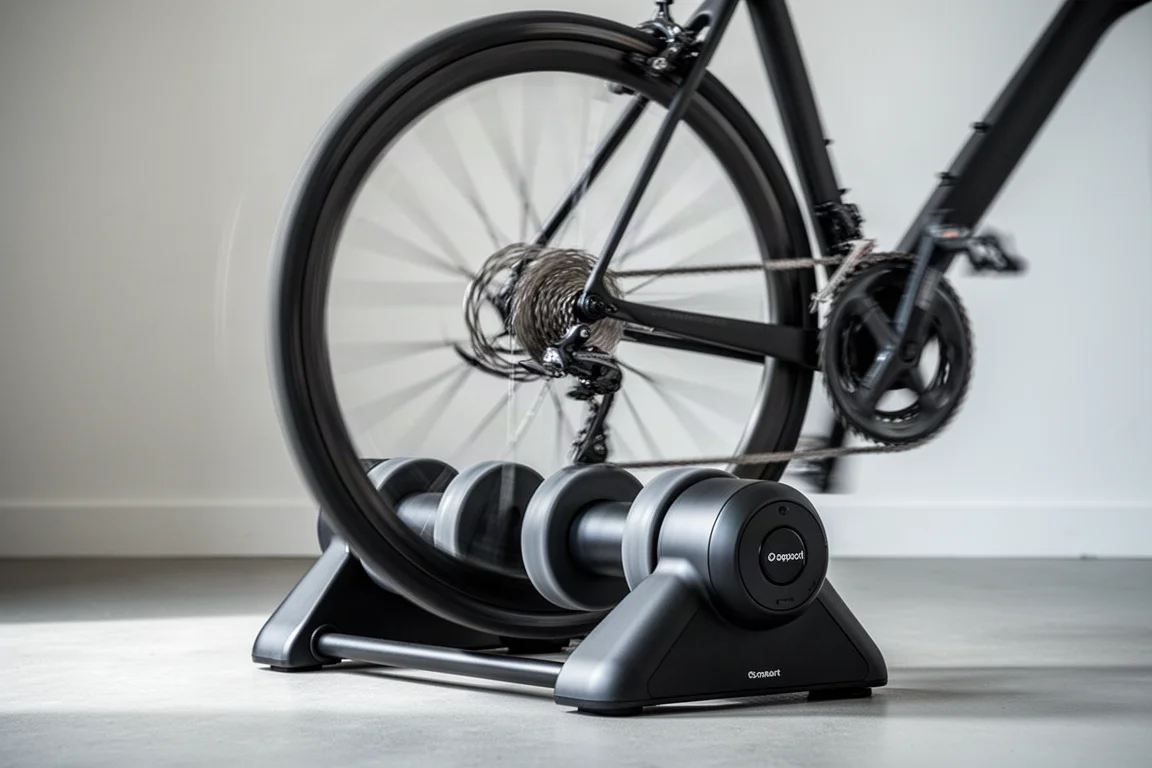
Once a power meter is connected, the KICKR ROLLER can work with indoor cycling apps such as Wahoo SYSTM and Zwift, varying resistance at the rear wheel to simulate gradient changes or to hold a target wattage in ERG mode.
Ride Feel, Noise and Warm-Ups
Ride feel is where the KICKR ROLLER separates itself from a conventional smart trainer. The bike is not locked into a fixed position. It moves and rocks underneath the rider in a way that feels closer to riding outdoors, while the front wheel is held by a mount Wahoo calls the safety tyre gripper. Because that mount secures the front wheel without removing it, the learning curve is far shallower than on traditional rollers.
Resistance changes are not as abrupt as they are on many smart trainers, so the effort builds slightly more gradually. Noise is noticeable, though tyre choice has a large influence on how loud the setup feels in a room.
At 30 kg, the KICKR ROLLER is far heavier than a set of conventional rollers, and its footprint is larger, so it is best treated as a semi-permanent fixture. Wahoo positions it as a strong warm-up platform before events and hard training sessions.
Which Setup Makes Sense for You
The two products answer different questions.
Choose the Speedplay POWRLINK ZERO if you want power data that can move between bikes, plan to train indoors and outdoors against the same numbers, and already like or want to try the Speedplay pedal feel. Keep the road-only platform and the lack of backwards compatibility with older Speedplay pedal bodies in mind.
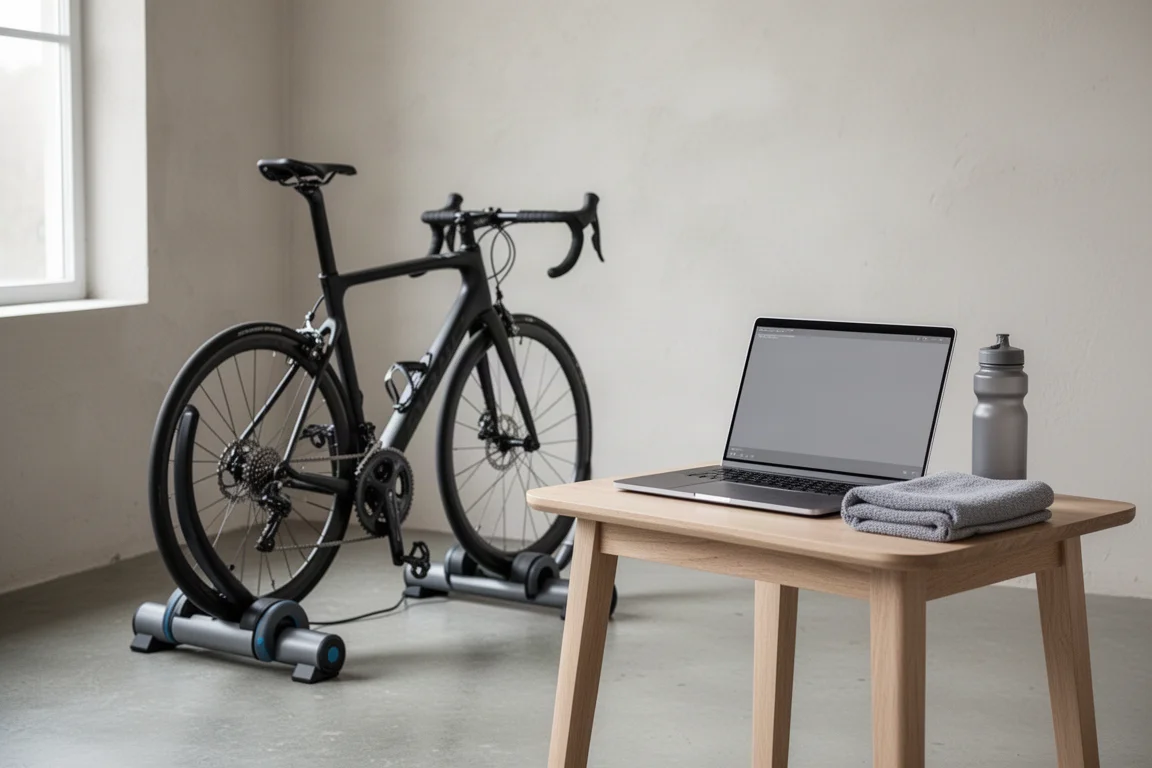
Choose the KICKR ROLLER if you want an indoor setup with more natural bike movement and you either own a power meter already or plan to buy one. The bundle with single-sided POWRLINK ZERO pedals is the simplest way to get both halves of the system at once. Allow for the weight and the space, and expect to leave it set up rather than moving it around.
Conclusion
POWRLINK ZERO and the KICKR ROLLER are complementary rather than competing. One brings power measurement to the pedal, the other brings resistance and movement to the rollers. For riders who train with power, the logic is straightforward: the pedals measure, the rollers respond, and the app of your choice ties the two together.
Further reading
Related Reviews
Cycling Tech
Best Cycling Tech: Nine Standout Products Worth Considering
Nine pieces of cycling kit that earned their place through long-term use, from a keenly priced World Tour race bike to a multi-tool that has survived two years of hard riding.
Cycling Tech
Best Pro Peloton Bikes and Components 2023: 8 Standout Upgrades
A roundup of the most technically interesting pro peloton bikes and components for 2023, from the Cannondale SuperSix EVO to Shimano Dura-Ace and Continental GP5000 S TR tires.
Cycling Tech
Bike Tech Roundup: Five Standout Upgrades Worth a Closer Look
A four-season tubeless tire, a featherweight climbing wheelset, a hangar-free drivetrain and two pairs of gravel shoes, assessed on the details that matter.