Cycling Tech
Wahoo PowerLink Zero Review: The First Speedplay-Based Power Meter Pedal
Six months of hard riding with Wahoo's Speedplay-based power meter pedals, covering accuracy, battery life, durability, and who they actually suit.
Introduction
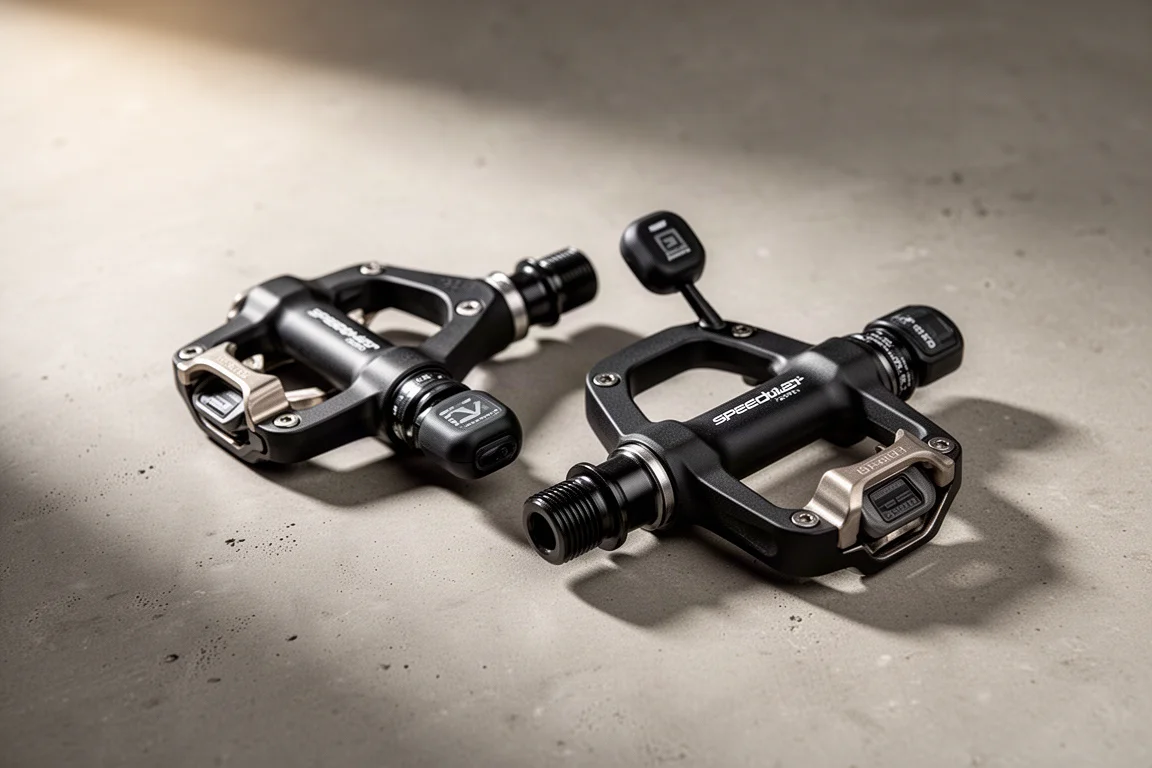
The Wahoo PowerLink Zero is notable for one simple reason: it is the first Speedplay-based power meter pedal on the market. After Wahoo acquired Speedplay and later confirmed plans to build a power meter on the platform, the pedals have now started shipping, and they arrive after an extended period of real-world testing rather than a brief demo stint. For riders already committed to the Speedplay cleat system, this is effectively the only power meter option available, so the key questions are straightforward: is it accurate, is it durable, and is it pleasant to live with?
Who This Product Is For
This pedal makes the most sense for riders who already like, or specifically want, the Speedplay platform. There are two models: a dual-sided version at $999 and a single-sided version at $649. The single-sided unit ships with a dummy right pedal containing no electronics. Wahoo has also said it will introduce an upgrade option down the road that turns a single-sided unit into a dual-sided one. If you have no attachment to Speedplay cleats, other brands offer a wider spread of cleat types and price points, and that context matters when deciding.
Design, Specs, and Installation
The pedals are based on the Speedplay Zero, with a slightly longer spindle housing the power meter electronics, roughly one millimeter longer than the standard version. Each pedal weighs 138 grams, compared to about 110 grams for the standard Wahoo Speedplay Zero, with the extra mass coming from the battery and electronics pod. The dual-sided version claims plus or minus one percent accuracy, offers active temperature compensation for long climbs and descents across changing conditions, and supports auto zero as well as manual zero offsets. Connectivity covers both ANT+ and Bluetooth Smart, broadcasting power, cadence, and, on the dual-sided version, power balance over multi-channel Bluetooth so multiple devices can connect at once. Q factor sits at 55 millimeters.
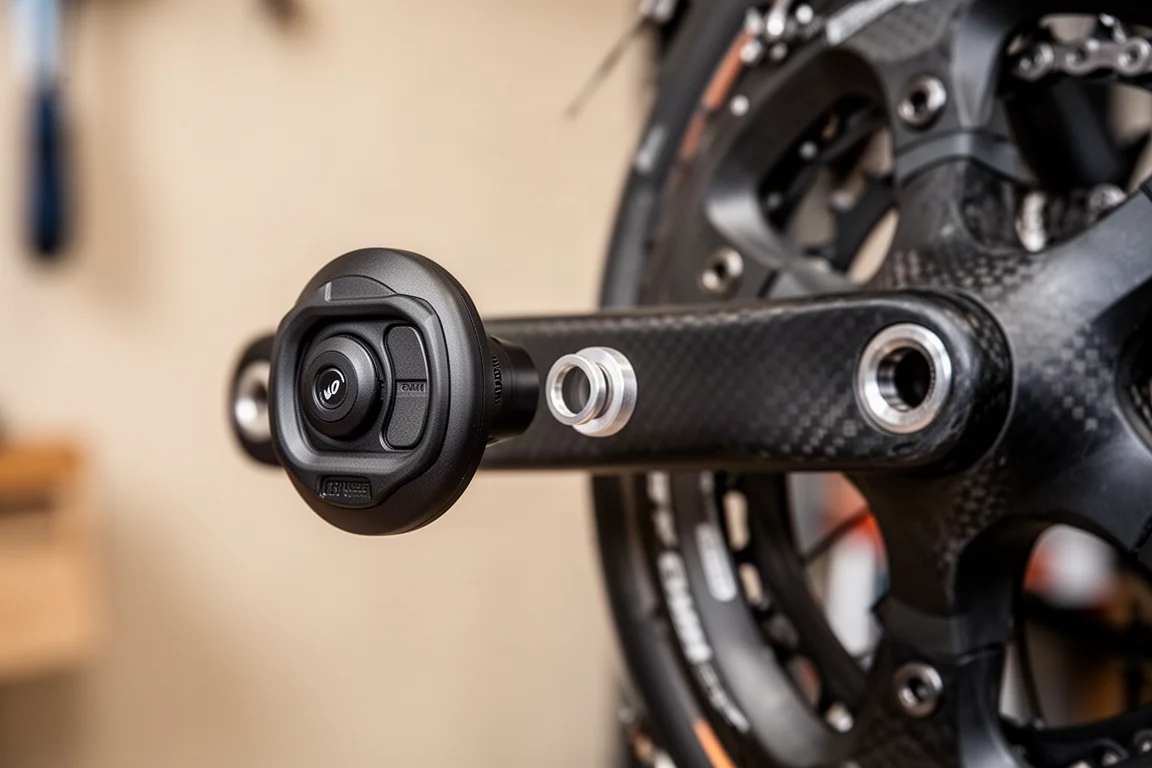
Installation is refreshingly simple. The pedal threads into the crank arm with a hex wrench, usually with a small washer to ensure the pod never touches the crank arm itself, since contact there can eventually crack the pod. A few high-intensity sprints on a trainer help bed everything in, followed by a zero offset calibration. Setting the correct crank length in the Wahoo app and on your bike computer is essential, because an incorrect crank length setting means inaccurate power readings.
Riding With the PowerLink Zero
Once clipped in, the experience is solid. You get three live metrics: instantaneous power, power balance between left and right legs on the dual-sided version, and cadence. Everything else, such as 30-second power or normalized power, is calculated by your head unit. Notably, the pedals do not transmit pedaling dynamics, pedal smoothness, or torque effectiveness. Wahoo has been blunt about this, arguing those metrics lack a scientifically backed training purpose today, and that position is hard to argue with given that no clear practical application has emerged for them across the industry.
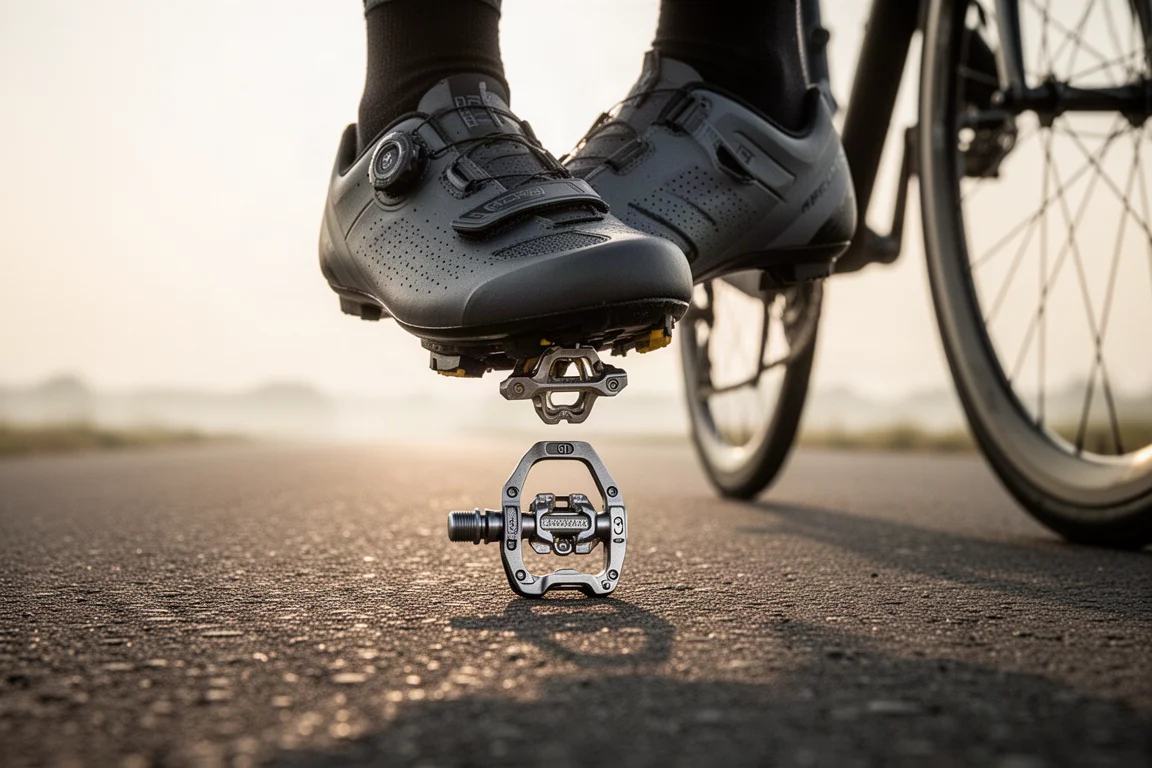
One honest caveat concerns the dual-sided clipping experience. The Speedplay platform is often praised for clipping in from either side, but in practice the pedals tend to sit level rather than self-orienting, which occasionally makes engagement feel fiddly. If you already love Speedplay pedals, this will not bother you. If you are neutral on the platform, it is worth test-riding before committing.
Durability, on the other hand, has been genuinely impressive. After a ride that turned into an hour-and-a-half hike over lava rocks in cleats, and a later excursion through mud and a canal, the pedals kept working without complaint. The cleats survived both incidents too, only wearing out weeks later through normal accumulation of abuse. Mud does cling to Speedplay cleats more stubbornly than some other cleat types, which is worth knowing before committing to gravel or hiking-heavy routes.
Battery Life and Charging
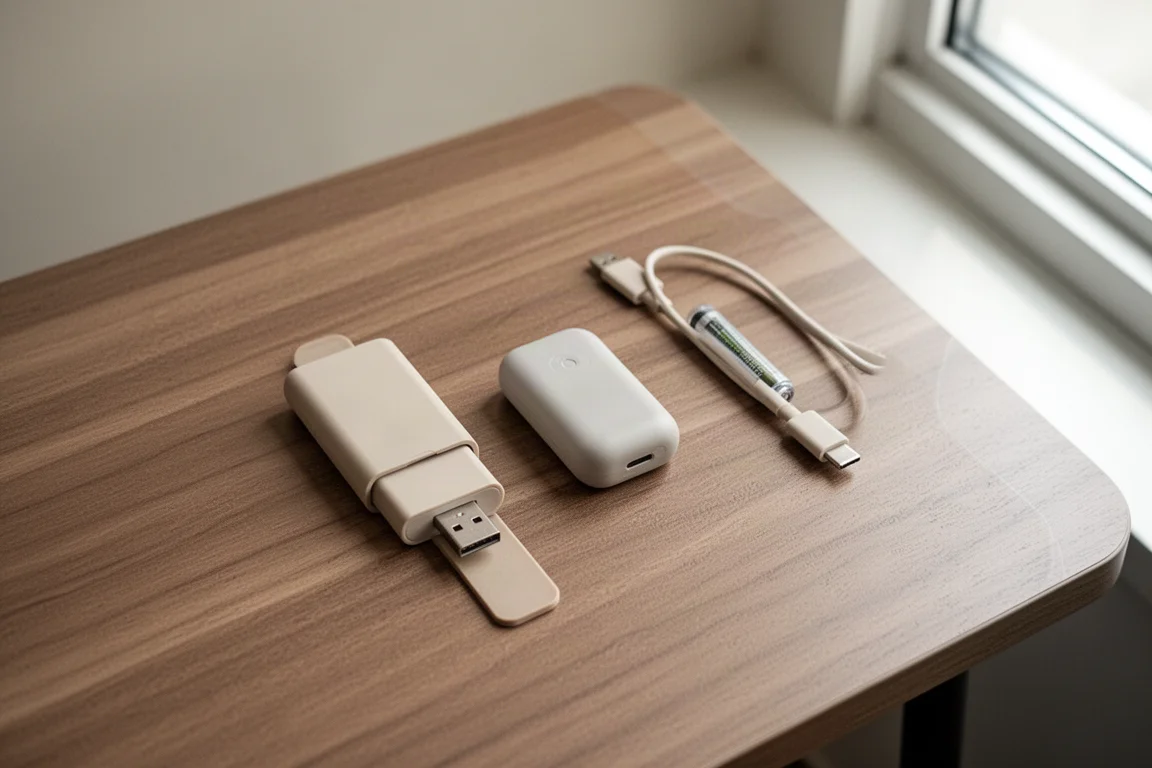
Each pedal uses a small rechargeable battery pod, with roughly 75 hours of battery life per pod, which matches real-world experience. Charging takes about 90 minutes to two hours. The charging system uses a compact clip with a USB-C connector, so any USB-C cable will do the job. A practical tip: keep a spare charging clip in your saddlebag, since it is tiny and means you can top up from any USB-C source even if you forget the charger at home.
Accuracy Testing
Accuracy testing across months of data is where these pedals earn their keep. On structured indoor workouts, including steady erg sessions and repeated 30/30 intervals spanning roughly 140 to 400 watts, the PowerLink Zero tracked alongside reference power meters within a couple of watts. During high-surge efforts with frequent sprints, all units involved stayed within about one percent of each other. Outdoor rides, including mixed road and gravel sections, held up equally well, with the gravel portions flawless despite the accelerometer-based measurement being tested on rough terrain.
The most demanding test was a seven-hour ride up and down a volcano, passing through multiple climate zones from ocean level to lava fields. Thanks to active temperature compensation, the accuracy never drifted despite the huge temperature range. Cadence readings matched reference units exactly. One firmware upgrade quirk caused a brief dropout on a single ride when one pedal failed the update overnight, but that is not representative of production units. Overall, months of consistent data show accuracy on par with the best pedal-based power meters currently available.
Things to Consider Before Buying
- Cleat type is the deciding factor: this is the only Speedplay-based power meter option, so if you want Speedplay, your decision is already made.
- Price sits at the higher end for the dual-sided model, though the single-sided version at $649 softens the entry cost.
- No pedaling dynamics, pedal smoothness, or torque effectiveness data, which Wahoo considers a deliberate choice rather than a limitation.
- The engagement feel of the Speedplay design is not for everyone, even though the platform is durable and walkable.
- Installation is easy, but the extensive cleat mounting hardware takes a few attempts to get comfortable with.
Buying Advice
If you want a Speedplay-based power meter, the PowerLink Zero is the answer, and there is little reason to hesitate given the accuracy on display. If cleat type does not matter to you, the broader market offers alternatives across different cleat systems and price points, from budget-friendly options to premium sets, all of which are solid performers. The single-sided model is a sensible way to enter the platform at a lower price, and the planned upgrade path adds flexibility for later.

Conclusion
After roughly six months of near-continuous use, including rides that should have destroyed lesser equipment, the Wahoo PowerLink Zero stands out as an accurate, durable, and thoughtfully designed power meter pedal. Its main caveats are the Speedplay-specific cleat system and the higher dual-sided price. For riders in the Speedplay ecosystem, this is the power meter they have been waiting for, and it largely delivers.
Product link
View more details for Wahoo PowerLink Zero
This product is mentioned in the review. Check the specifications, options, and compatibility before buying.
View more details for Wahoo PowerLink ZeroFurther reading
Related Reviews
Cycling Tech
Best Cycling Tech: Nine Standout Products Worth Considering
Nine pieces of cycling kit that earned their place through long-term use, from a keenly priced World Tour race bike to a multi-tool that has survived two years of hard riding.
Cycling Tech
Best Pro Peloton Bikes and Components 2023: 8 Standout Upgrades
A roundup of the most technically interesting pro peloton bikes and components for 2023, from the Cannondale SuperSix EVO to Shimano Dura-Ace and Continental GP5000 S TR tires.
Cycling Tech
Bike Tech Roundup: Five Standout Upgrades Worth a Closer Look
A four-season tubeless tire, a featherweight climbing wheelset, a hangar-free drivetrain and two pairs of gravel shoes, assessed on the details that matter.