Fitness Equipment
Wahoo KICKR Run Treadmill: Answers to the Questions That Matter Before You Buy
A close look at the Wahoo KICKR Run's Free Run mode, speed, weight limit, app support, and pricing to help you decide if this smart treadmill is worth $5,000.
Introduction
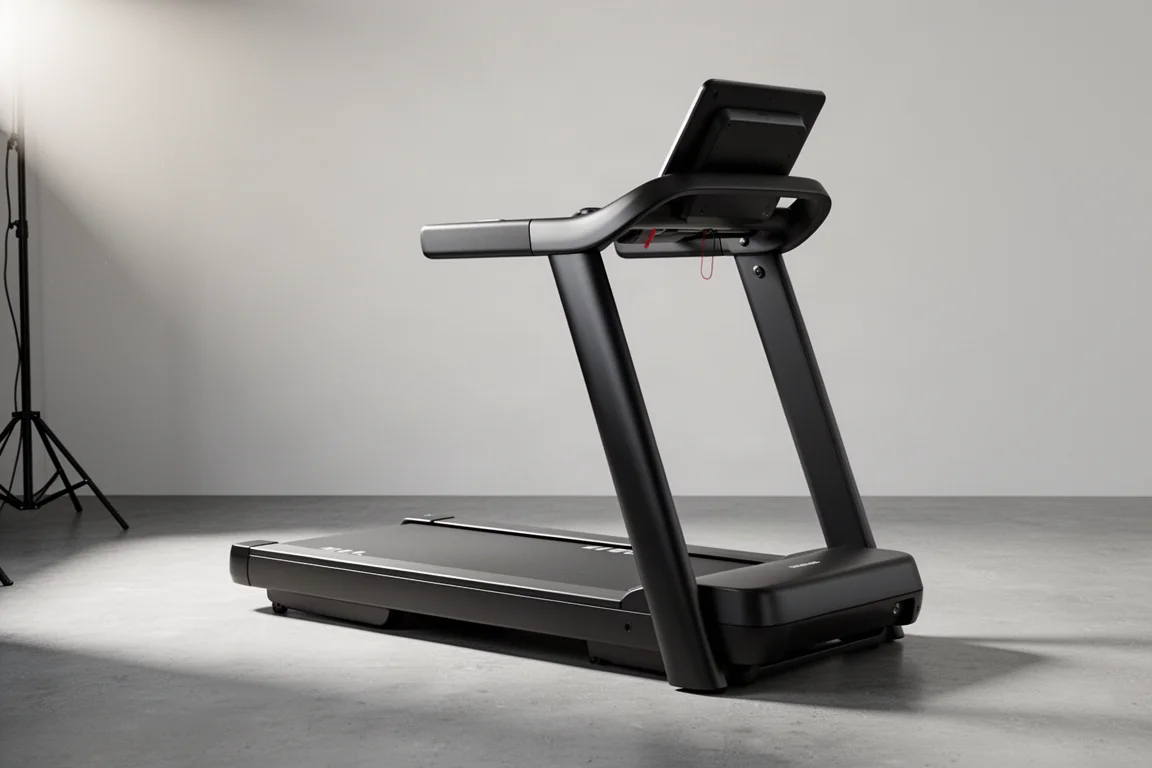
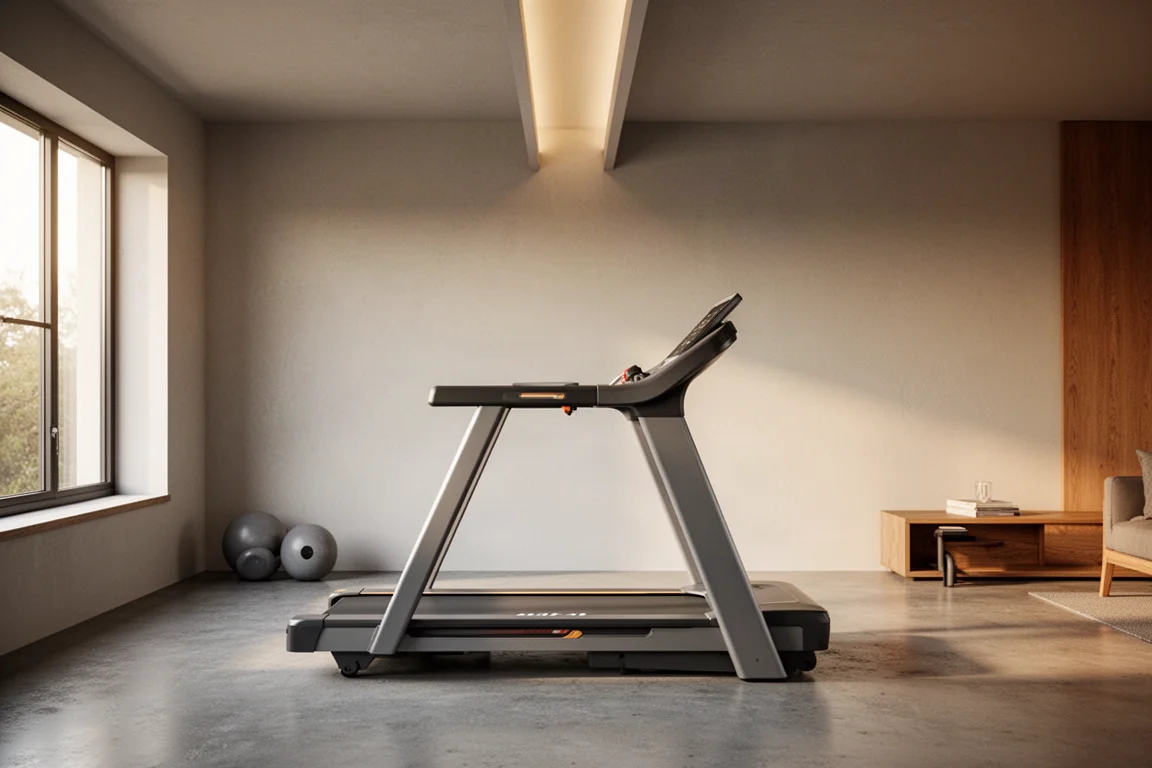
Treadmills have barely changed in two decades, which is exactly why the Wahoo KICKR Run has generated so much attention. A company known for smart cycling trainers has stepped into running with a deck that adjusts speed and gradient automatically, a very quiet belt drive, and top speed most treadmills near this price simply do not offer. At $5,000 it is not cheap, but it sits in a price bracket where almost nothing competes on specs.
This roundup-style Q&A pulls together the details that matter most before you commit: how Free Run mode works, whether the motor is up to the job, what the weight limit means, and which apps and accessories play nicely with it.
Who the KICKR Run Is For
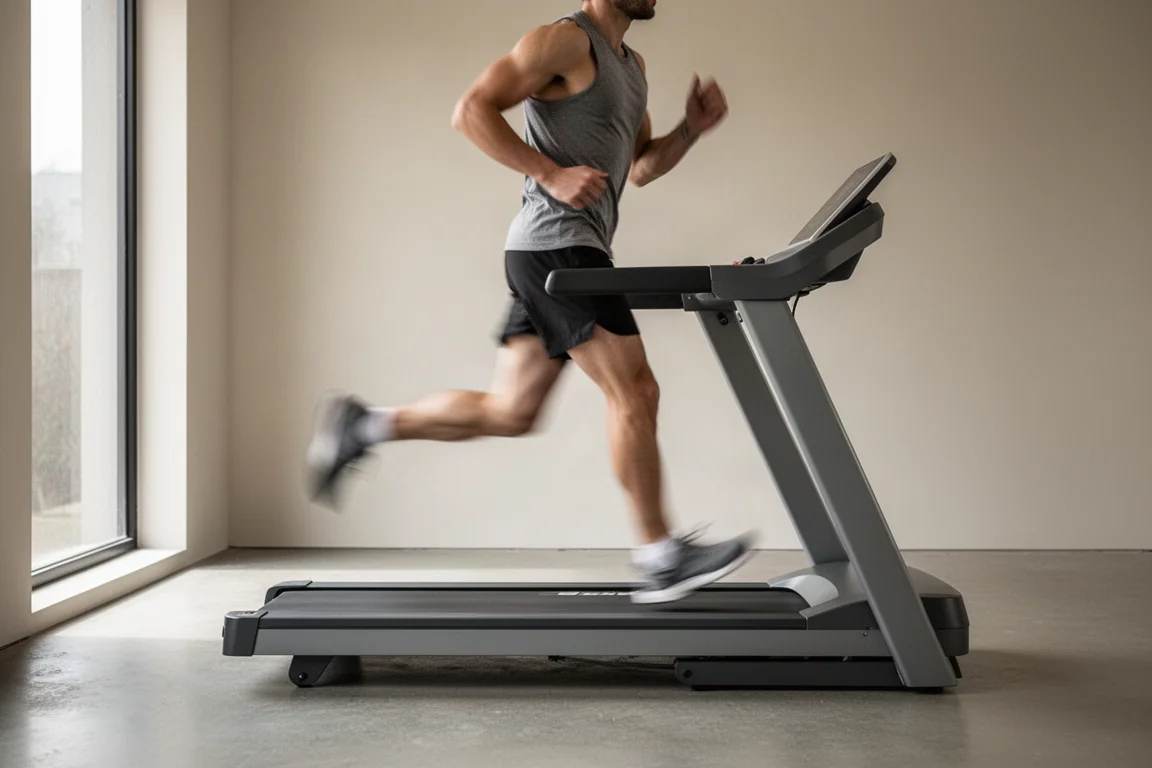
If you are a faster runner, a front-of-the-pack 5K racer, or someone training for longer events, the headline spec is speed. The KICKR Run reaches 15 mph, while most treadmills in the $2,000 to $4,000 range top out around 12 mph. That difference matters more than it sounds when you are doing race-pace work.
Budget treadmills in the $600 to $700 range introduce other compromises: lower weight limits, less accurate speed, and weaker motors. Options that genuinely offer 15 mph speeds historically start at $10,000 and up, which is why $5,000 for the KICKR Run reads as reasonable to anyone who knows the segment.
Free Run Mode and the Time of Flight Sensor
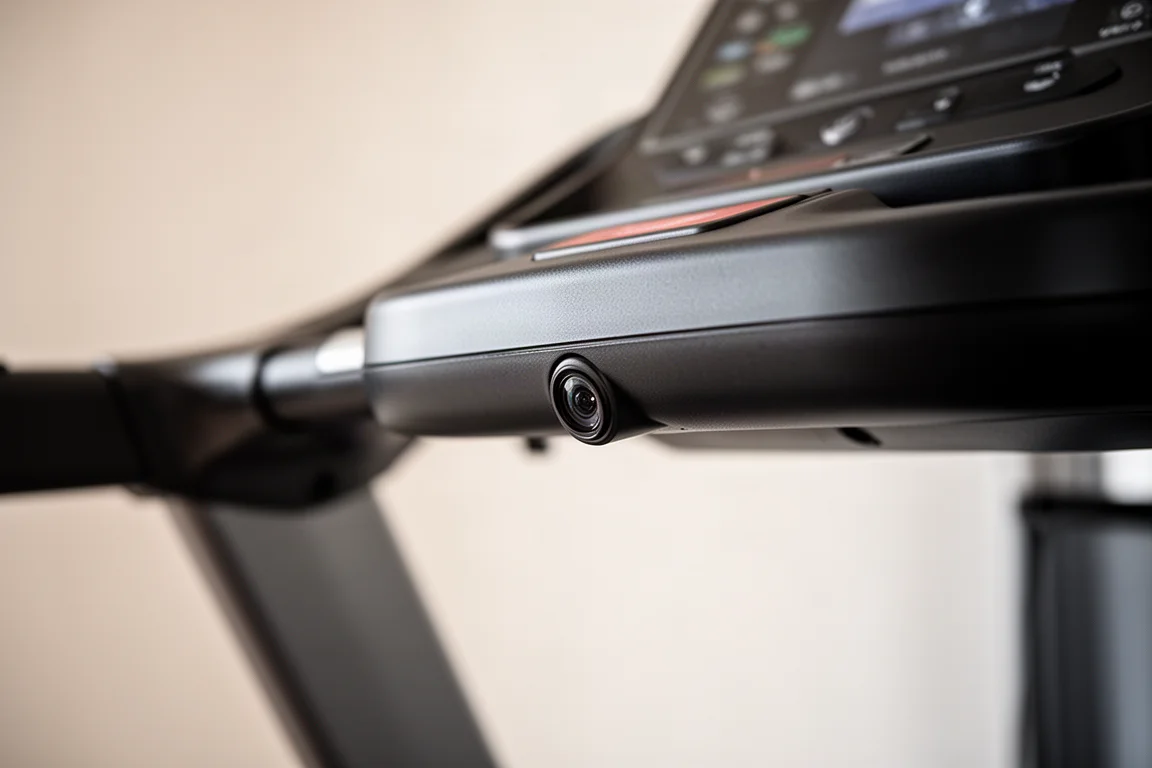
The standout feature is Free Run mode. An optical time of flight sensor under the front of the console tracks your position on the belt at sub-second intervals. Move closer to the console and the belt speeds up; drift back and it slows down. In hands-on testing, a runner around 200 lbs ran at 4:30 mile pace with no problem, and the belt went from 5:30 pace to a complete stop in roughly two and a half seconds, faster than anything else on the market today.
Common questions get sensible answers here. Place a towel in front of the sensor and it will not launch you off the back; Wahoo detects when something is artificially blocking the sensor and refuses to increase speed. And yes, there is a full cover at the back of the belt area, preventing kids, pets, or stray objects from being pulled underneath, a treadmill safety concern that is not unique to any single brand.
Deck, Motor, and Build Choices
Wahoo chose a belt over slat designs, arguing that slats are noisy, artificially compliant, and absorb too much energy to mimic outdoor running. The company also wanted one of the quietest treadmills on the market, and early impressions suggest it is remarkably quiet. The deck height is 30 cm, worth checking if you have shallow ceilings, since you need to add your own height plus bounce margin on top.
The 3 horsepower motor raised eyebrows, since premium treadmills often quote 4.5 horsepower or more. Wahoo attributes the smaller motor to extensive work on the speed controller, focusing on smarter electronics rather than raw horsepower. The early evidence supports the approach, though long-term durability remains to be seen.
Weight Limit and Warranty: The Caveats
Two areas deserve scrutiny. The stated runner weight limit is 250 lbs, lower than the 300 lbs common among treadmills at this price. Wahoo says this was its standard initial specification, notes the treadmill was actually designed for a much higher weight, and has said it plans to explore increasing the limit before launch, though nothing is confirmed.
Warranty is the other watch item. Current plans are one year in the US and two years elsewhere, with Wahoo saying it will evaluate closer to launch. Competitors in this class typically offer two to three years depending on component, so this is worth watching before you commit.
App Support and Broadcast Metrics
You do not have to use one specific app. Third-party app support is open via an API kit, Wahoo’s own apps will support structured running workouts at launch, and the iOS and Android apps can run on a tablet in front of you while you watch whatever entertainment you like, with stats on screen.
Zwift support is confirmed, with Zwift planning to control gradient over FTMS for the first time with this treadmill, though pace control and timing are still to come. If you load a structured workout, you can disable automatic grade control or override it using the left-hand paddle. The treadmill broadcasts cadence, pace, ground contact time, vertical oscillation, current grade, and side-to-side position over Bluetooth. Elevation gain is shown during and after workouts, calculated by the app. The Wahoo Rival watch connects as a pace source like a foot pod but will not control the treadmill, and no further Rival watch generations are planned. The Wahoo Headwind fan will gain running-aware adjustments by launch.
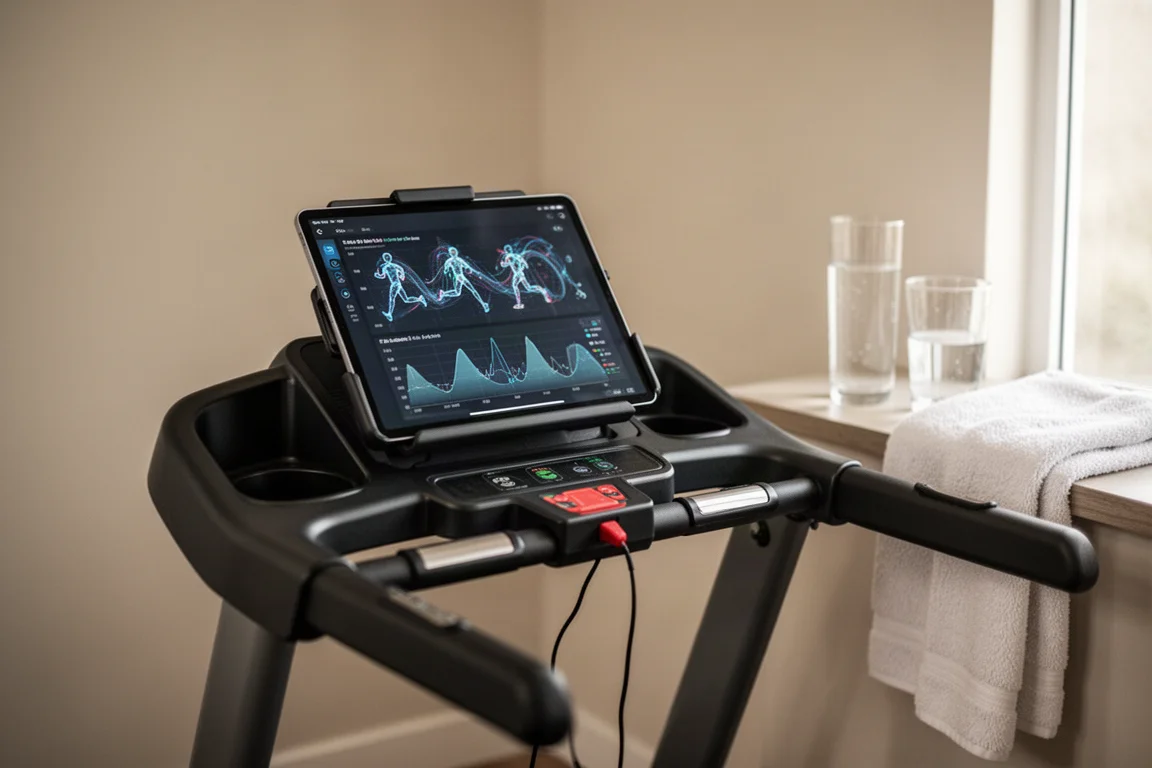
Running power is the one omission: Wahoo currently has no plans to show running power metrics, though it notes the custom motor controller’s data collection could enable future user-facing metrics.
Buying Advice
At $5,000 the KICKR Run fills a genuine gap. Faster than virtually everything near its price, quieter than most, and smarter than anything in the category, it justifies its cost for serious runners in a way budget decks cannot. Check your ceiling clearance against the 30 cm deck height, and keep an eye on two things before launch: whether the 250 lbs weight limit gets raised, and whether the warranty improves beyond the current one-year US plan.
Third-party momentum looks healthy too. Zwift is already on board, Kinomap’s enormous FTMS-compatible library is a natural fit, and FullGaming, owned by Ironman, has expressed strong interest.
Conclusion
The Wahoo KICKR Run is the first treadmill in years that feels genuinely new rather than incremental. Free Run mode is the kind of feature that changes how you interact with the machine, and the speed, quietness, and app ecosystem back it up. If you are a performance runner with the budget and the floor space, it deserves a spot at the top of your shortlist. Just verify the weight limit and warranty situation before you click buy.
Product link
View more details for Wahoo KICKR Run
This product is mentioned in the review. Check the specifications, options, and compatibility before buying.
View more details for Wahoo KICKR RunFurther reading
Related Reviews
Fitness Equipment
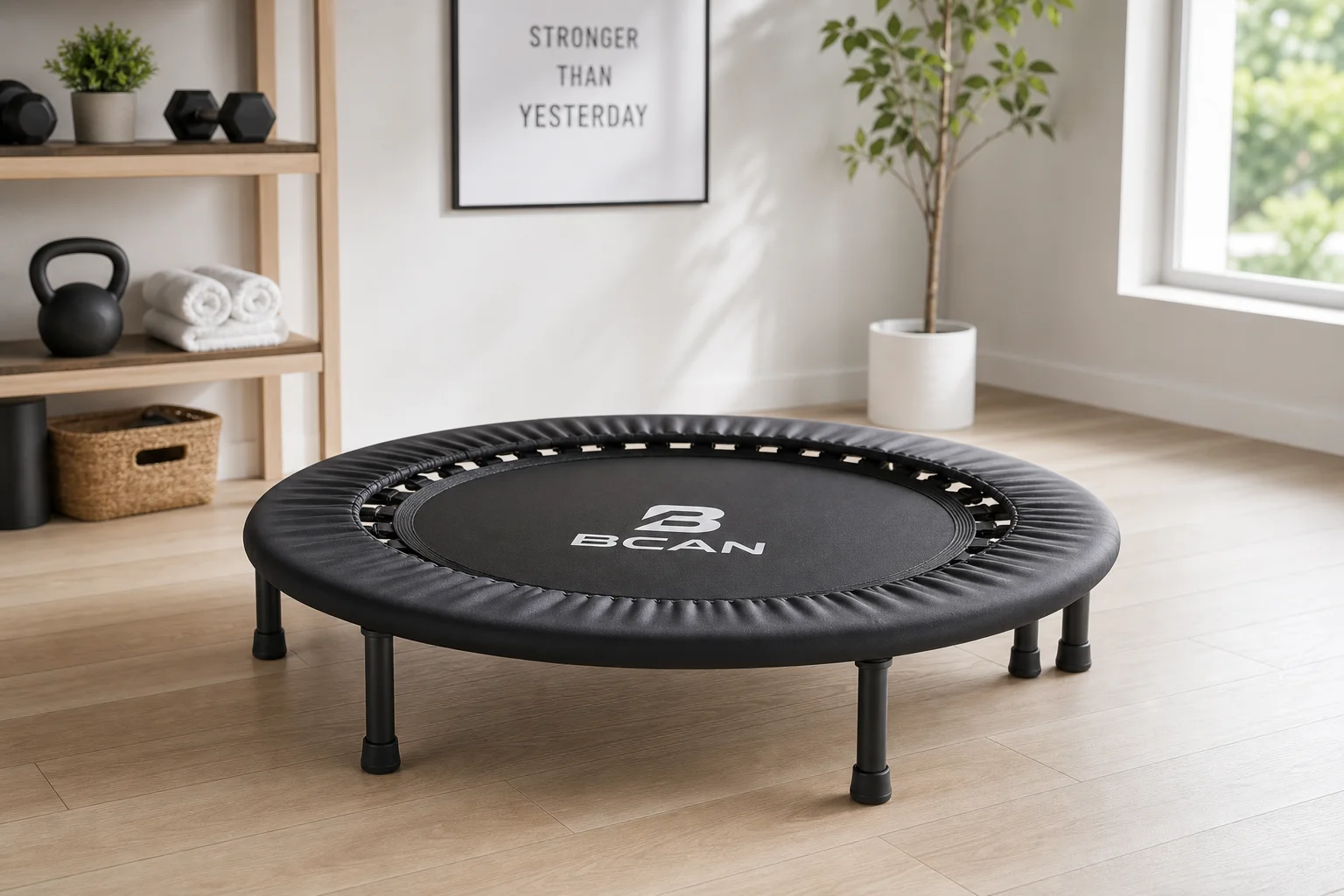
BCAN Rebounder 30-Day Review: A Mini Trampoline That Changed My Exercise Routine
After 30 days of daily rebounding, I discovered why NASA considers it one of the most effective exercises for lymphatic health, bone density, and overall wellness.
Fitness Equipment
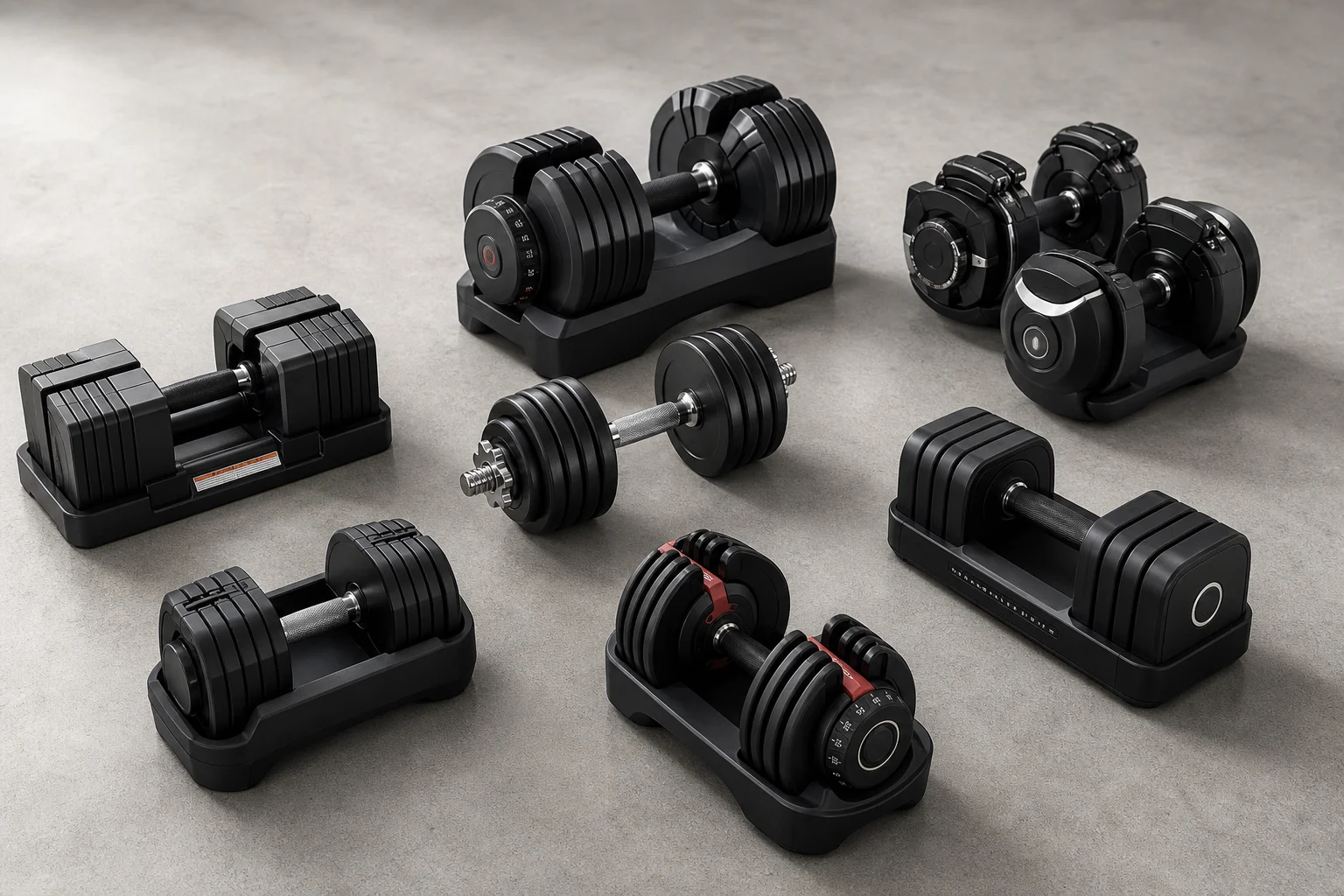
Best Adjustable Dumbbells 2026: Seven Categories to Find Your Perfect Match
A comprehensive guide to adjustable dumbbells across seven categories, from beginner-friendly options to premium heavy hitters, helping you choose based on your priorities.
Fitness Equipment
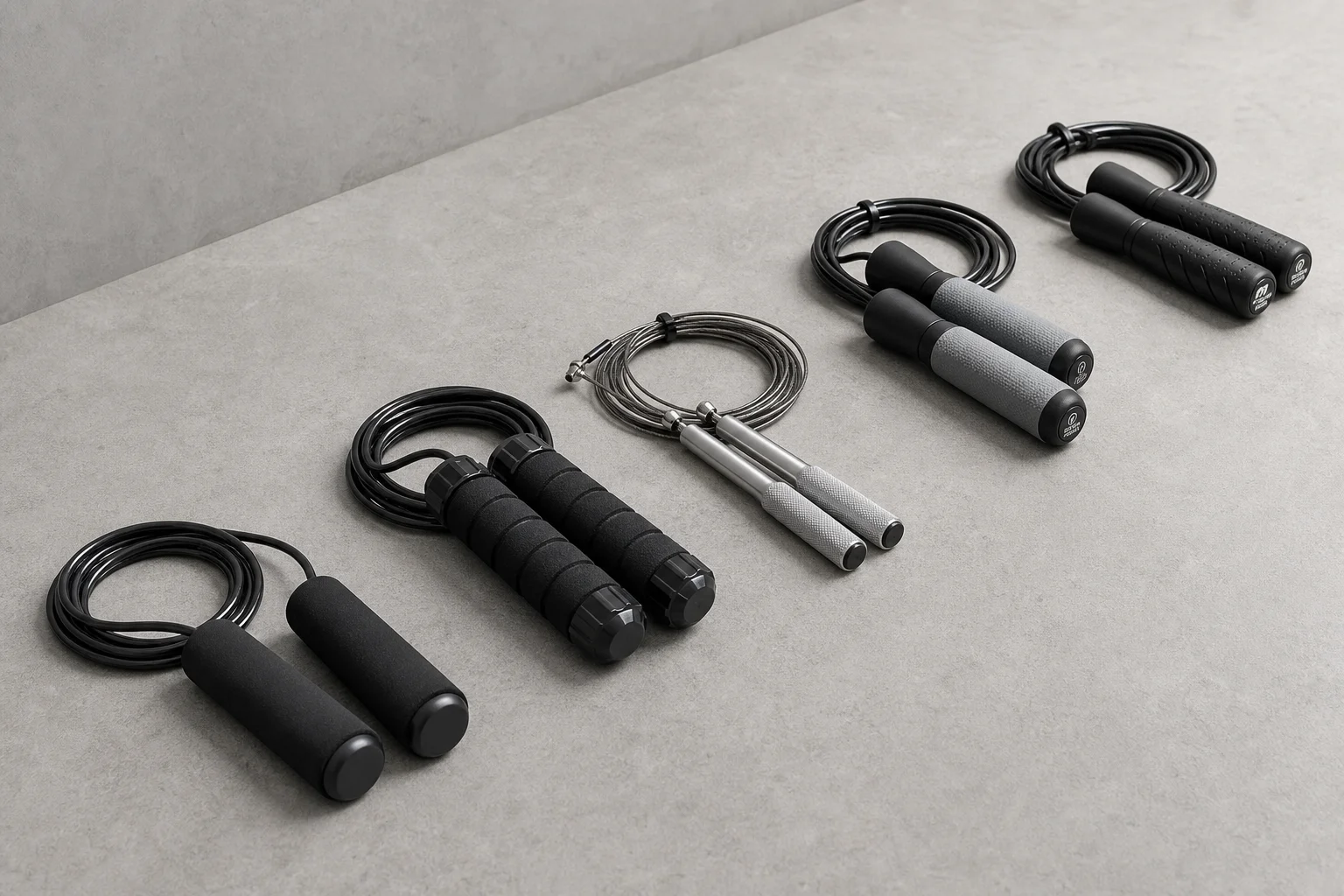
Best Jump Ropes 2026: Five Options for Every Fitness Level and Budget
A practical breakdown of five jump ropes, from budget-friendly entry-level models to premium speed ropes designed for serious athletes and Crossfitters.