Cycling Tech
Wahoo ELEMNT Roam V2 Review: Solid Hardware, Promises Still Pending
Multiband GPS, 32GB of storage and USB-C arrive on the Roam V2, but its headline software features were not ready at launch. Here is what that means for buyers.
Introduction
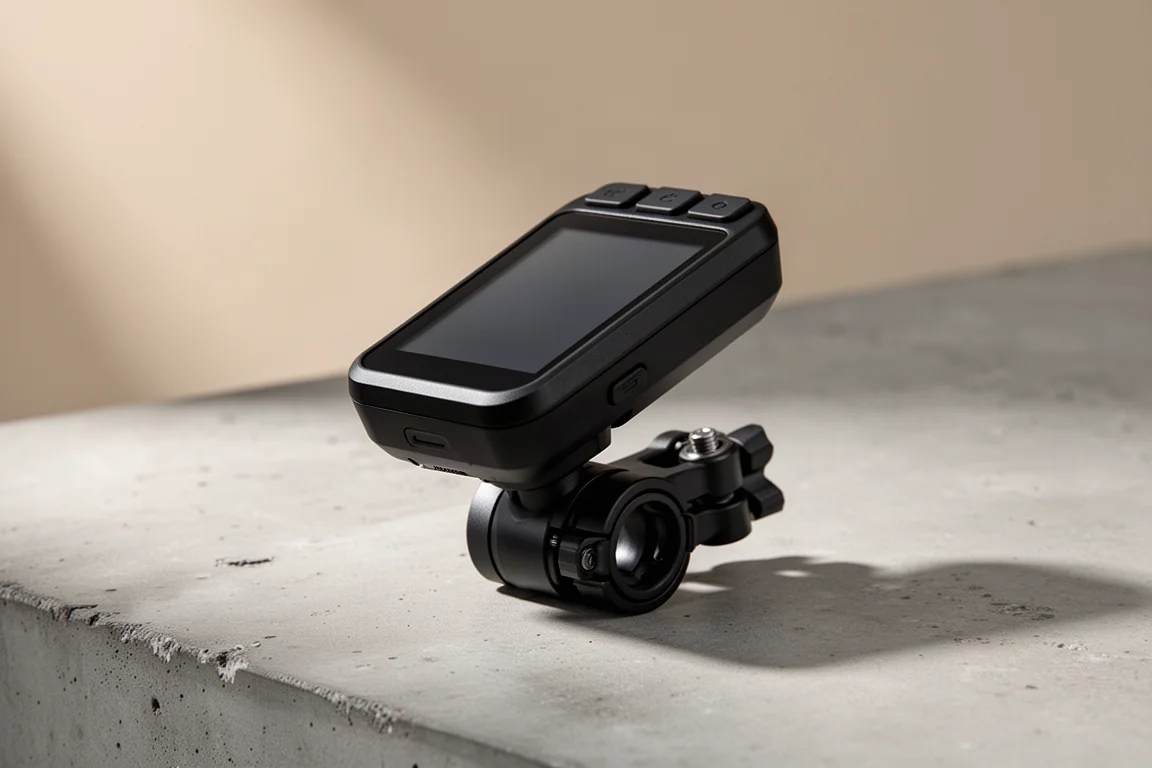
The Wahoo ELEMNT Roam V2 is a refresh rather than a redesign, and that shapes the whole picture of this device. On the hardware side there are genuine upgrades: multiband GPS, a brighter and more colorful display, far more onboard storage, USB-C charging and slightly reworked buttons. On the software side, however, some of the most interesting announced features were not available on the unit at launch, and that matters when the price has climbed to $399.
This review breaks the device into three parts: what is new, how it behaves in daily use, and how the new GPS configuration actually performs.
What’s New on the Roam V2
The headline hardware change is multiband (dual-frequency) GPS. In simple terms, the device can connect to more satellites across different frequencies, which should improve track quality in challenging environments such as cities with tall buildings or mountain terrain. There is no configuration option here; multiband is always on by default.
Other hardware updates include:
- Display: Up to 64 colors instead of the previous 16. In practice the difference is subtle on this display, mostly showing up as slightly nicer shading.
- Storage: 32GB versus 4GB on the original Roam, used almost entirely for maps. Nearly the entire world is preloaded for the most popular cycling regions. Additional or updated maps download free over Wi-Fi in seconds.
- Buttons: Now raised on the top edge rather than inset, which makes them easier to press with gloves.
- Charging: USB-C for charging and data transfer, matching the ELEMNT Bolt V2.
- Battery: The 17-hour claimed battery life is maintained.
The price has increased from $379 to $399. In the box you get the unit, an out-front mount with a quarter-turn style attachment, and a USB-C cable.
Software Features: Here Now and Still Coming
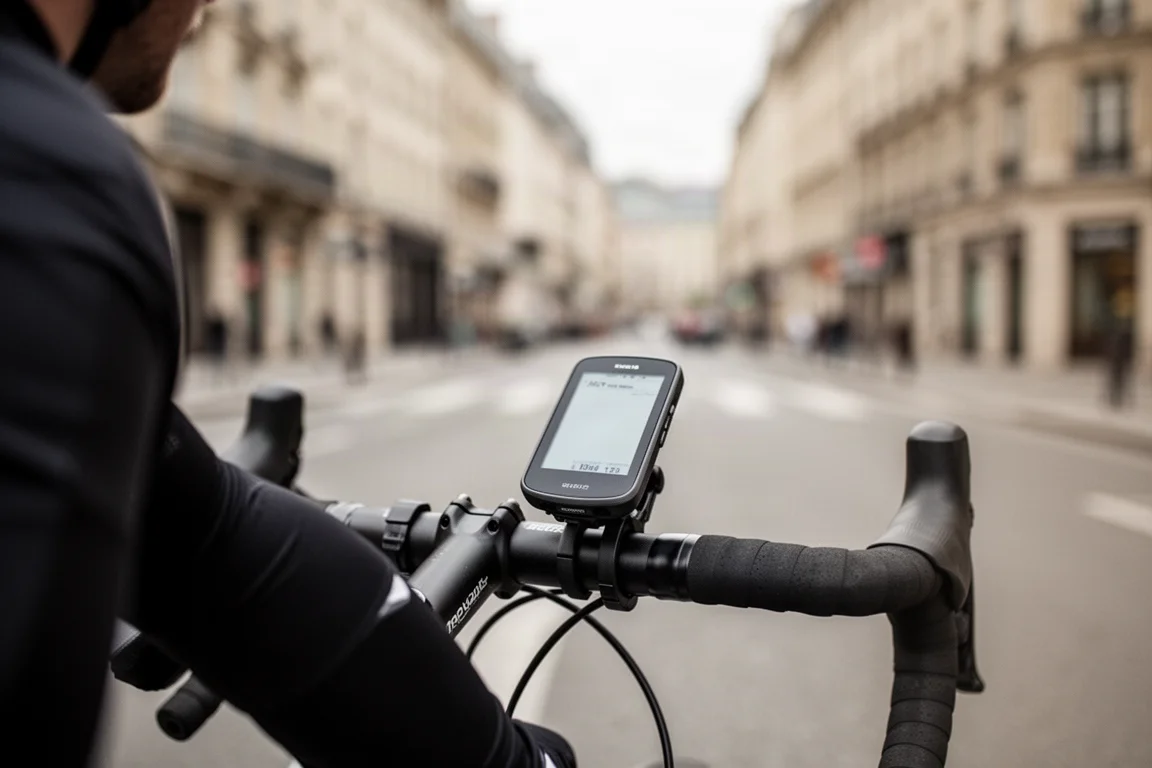
Several new software features roll out across the wider ELEMNT lineup, not just this unit. Structured workouts can now be sent to Wahoo ELEMNT devices from training platforms in the same way as other ecosystem devices. Cloud-based backups and restores are also supported: backups happen automatically after each ride or when unpairing, and restores can be triggered manually. Supersapiens sensor integration has been added too, though it routes through your phone or the Supersapiens band rather than connecting directly from the head unit.
Two features were announced specifically for the Roam V2 but were not available on the launch unit: Summit segments, which display gradient and distance to the top of upcoming climbs in a similar way to competitor climb features, and public route sharing, which lets nearby Wahoo app users share routes based on location. With only a screenshot available for Summit segments and nothing to test for route sharing, both remain promises. Wahoo’s historical record on hitting promised software delivery dates has been measured at best, often stretching into months and years.
Everyday Use and the Companion App
Setup and configuration run through the Wahoo ELEMNT companion app, where you customize data pages, pair sensors, manage maps and adjust LED and sound behavior. Data pages remain a signature strength: you can build a page with up to 11 fields and then zoom in or out on the device to enlarge the most important fields during a ride. The limitation is that there is only a single user profile, so you cannot create separate page sets for road riding versus mountain biking.
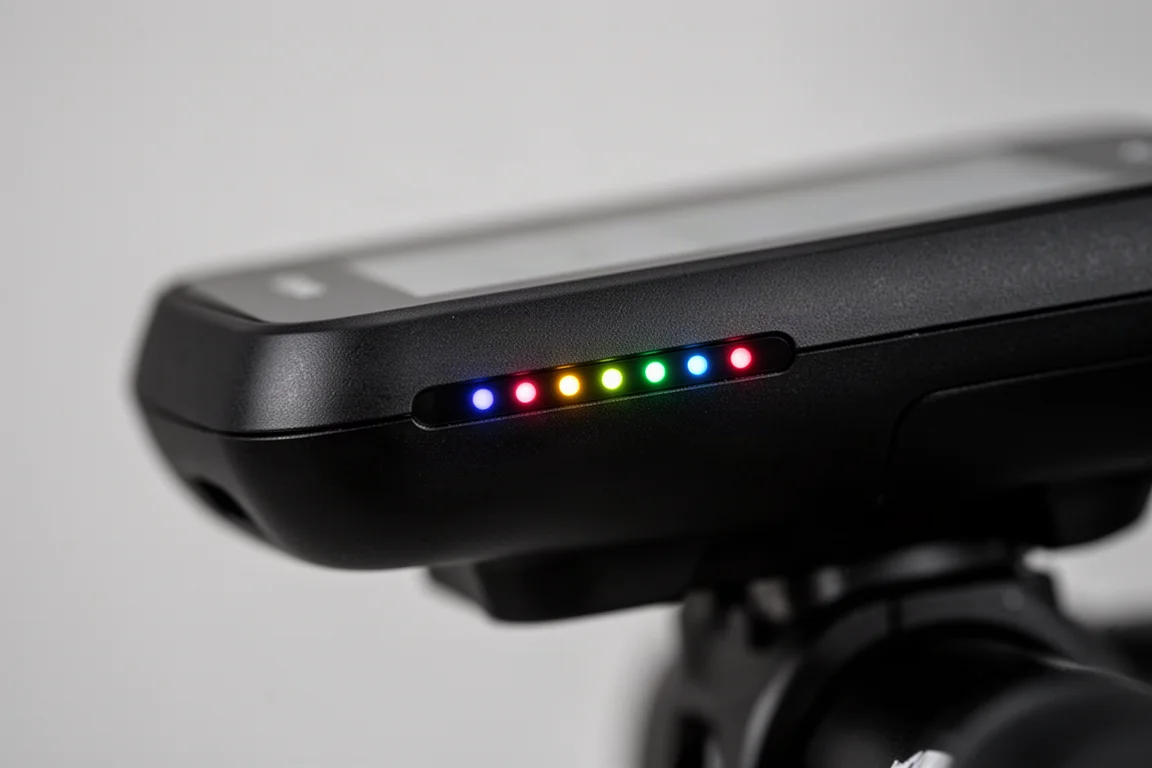
The color LEDs on the side and top can be configured for power, speed or heart rate zones and for notifications. They are a nice touch, though they can be quirky. During a structured workout the LEDs displayed general power zones rather than the actual targets of the current workout segment, which was mildly confusing mid-ride.
Sensor support is broad, covering the vast majority of ANT+ and Bluetooth Smart sensors, with a few unusual sensor types supported through custom implementations. Strava Live segments work as expected: an alert appears as you approach a segment, then tracks whether you are ahead or behind your chosen target, with an option to switch between overlapping segments. Text alerts appear on screen and remain accessible in the menus if you miss them.
Navigation in the Real World
Routing is handled entirely on the device using its onboard map set, so there is no dependence on your phone for rerouting. From the map page you can retrace a previous ride, route back to the start, jump to a saved waypoint or pick a point on the map. Address search is done through the smartphone app rather than on the unit itself. Saved routes from linked platforms appear in a list and load with a tap, though loading can occasionally take a little time.
On the road, chevrons on the map show the route to follow, the distance to the next cue sits at the top of the screen, and turn prompts pop up on whatever page you are viewing, so you do not need to stare at the map constantly. If you go off course, rerouting instructions bring you back cleanly.
Routing performance was faultless across the test rides, including in Amsterdam’s exceptionally dense network of bike paths, an environment that has tripped up plenty of other devices. That is a genuine improvement over past behavior.

GPS Accuracy and Gradient
On open farmland, the Roam V2’s tracks were effectively perfect, matching the best multiband-capable competitors with zero issues. The city test, however, told a mixed story. On a first city ride the Roam V2 performed clearly worse than a competitor unit without multiband GPS and even worse than a phone, with erratic tracks in exactly the environment multiband is meant to help. On a second ride through the same city section a couple of days later, it performed essentially spot on, matching another multiband unit and clearly outperforming devices without multiband. Elsewhere on that route, with highway overpasses and other tough signal conditions, it was excellent, and the overall difference between the multiband units was essentially a wash.
The takeaway: multiband GPS on this unit is capable of very good results, but results were inconsistent between rides in the same difficult urban section.
On gradient responsiveness, a short steep test hill showed the familiar pattern of deliberate smoothing. No unit registered a gradient change while climbing the short rise; the Roam V2 and another comparable unit showed it only once over the top, with a third unit lagging a couple of seconds behind. This latency is largely intentional, filtering out tiny bumps that would otherwise trigger misleading readings, but riders on rolling short terrain should expect a slight delay.

Buying Advice
At $399, the Roam V2 sits at the same price as the Garmin Edge 830 and the Hammerhead Karoo 2, and $100 above the Edge 530. It lacks a touchscreen, which is not a dealbreaker by itself, but the bigger issue is feature depth. The marquee features announced for this device were not present at launch, and Wahoo’s track record on delivering promised software updates on schedule is not strong.
There is nothing wrong with the device itself. It worked without technical issues, routing was reliable, and the hardware updates are welcome. The concern is competitiveness: rival companies have been shipping features steadily, and newer models from competitors are widely expected within the following year. Wahoo’s reliability advantage, once a clear differentiator, has narrowed as competitors have stabilized their own platforms.
If you want a dependable, easy-to-live-with computer with excellent routing and a clean interface today, the Roam V2 delivers. If you want the fullest feature set for your money, waiting to see how the promised features land and how the next generation of competitors shapes up is a reasonable call.
Conclusion
The Wahoo ELEMNT Roam V2 is a capable, stable GPS bike computer with real hardware upgrades: multiband GPS, 32GB of storage with near-global preloaded maps, USB-C and glove-friendly buttons. Its weakness is timing. With headline features like Summit segments and public route sharing absent at launch and delivery dates uncertain, buyers paying the new $399 price are partly paying for potential rather than product. If the features arrive on schedule, this becomes a much stronger recommendation; until then, it is a good device competing in a field that has moved forward.
Product link
View more details for Wahoo ELEMNT Roam V2
This product is mentioned in the review. Check the specifications, options, and compatibility before buying.
View more details for Wahoo ELEMNT Roam V2Further reading
Related Reviews

Cycling Tech
Best Cycling Tech: Nine Standout Products Worth Considering
Nine pieces of cycling kit that earned their place through long-term use, from a keenly priced World Tour race bike to a multi-tool that has survived two years of hard riding.

Cycling Tech
Best Pro Peloton Bikes and Components 2023: 8 Standout Upgrades
A roundup of the most technically interesting pro peloton bikes and components for 2023, from the Cannondale SuperSix EVO to Shimano Dura-Ace and Continental GP5000 S TR tires.
Cycling Tech
Bike Tech Roundup: Five Standout Upgrades Worth a Closer Look
A four-season tubeless tire, a featherweight climbing wheelset, a hangar-free drivetrain and two pairs of gravel shoes, assessed on the details that matter.