Cycling Tech
Wahoo's New Elemnt Lineup: Bolt 3, Roam 3, Ace, and Tracker Radar Compared
Wahoo unifies its bike computer family on one platform, adding touchscreens, speakers, map layers, and a new USB-C radar light. Here is what changes and who each unit suits.
Introduction
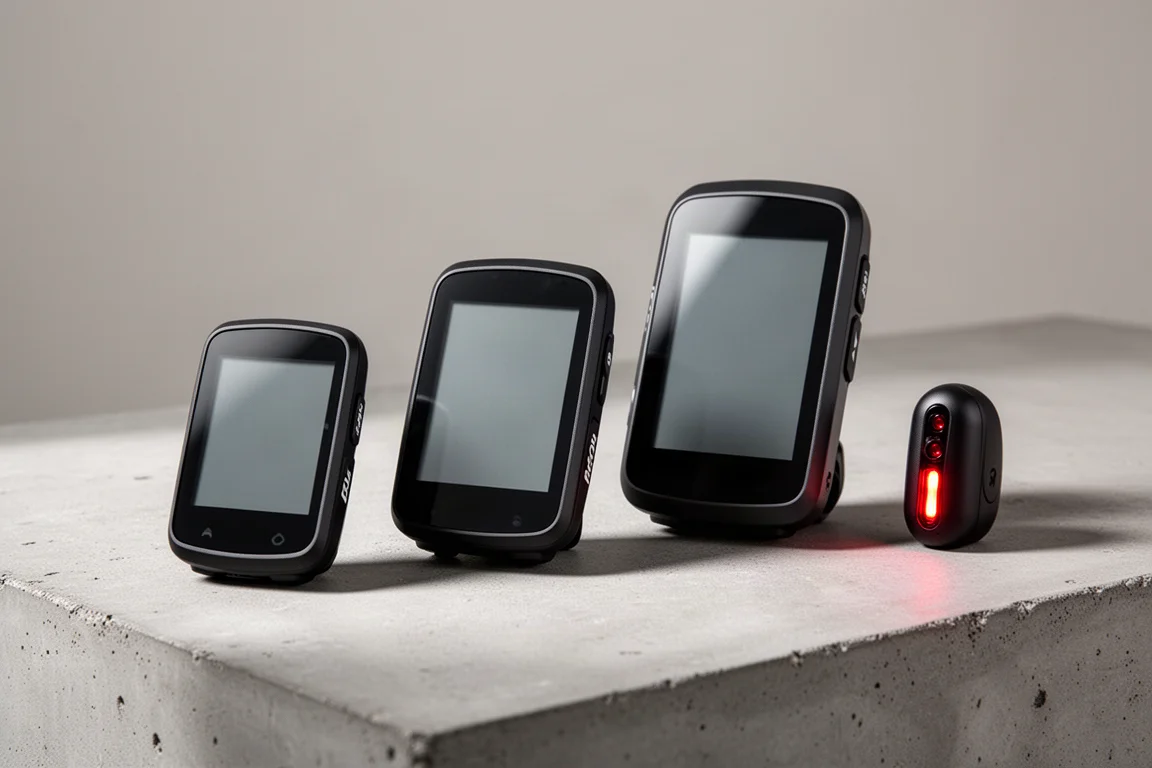
Wahoo has reshuffled its entire bike computer family. The new Elemnt Bolt 3 and Elemnt Roam 3 replace the previous generation units and join the larger Wahoo Elemnt Ace, bringing all three onto the same software platform, display system, and core technology set. Alongside the computers, Wahoo also introduced the Tracker Radar, a rear light and radar combination that adds USB-C charging.
This is a first-hands overview after about a week of riding with the units, not a long-term verdict. Here is how the lineup breaks down and which unit makes sense for which rider.
How the Three Computers Differ
Beyond screen size, the Ace, Roam 3, and Bolt 3 separate on three features: speaker, wind sensor, and touchscreen.
The Ace has all three. It includes a front-mounted wind sensor for wind speed detection, a touchscreen, and a proper speaker capable of spoken directions such as “turn left” and “turn right”. The Roam 3 keeps the touchscreen and speaker, so it supports voice navigation plus the bike bell function, but drops the wind sensor. The Bolt 3 steps down to button-only operation with a beeper for turn alerts rather than a real speaker, and no wind sensor or touchscreen.
One shared change: the familiar status LEDs at the top of the older units are gone. That information is now integrated into the display itself. Another: everything now pairs through the main Wahoo app rather than the older Elemnt app.
Wahoo Elemnt Roam 3
The Roam 3 is the middle child and picks up the largest feature list. Its screen grows from 2.7 to 2.8 inches, and color depth jumps from 64 colors to 16 million. Wahoo added the touchscreen, the speaker with voice navigation and bike bell, street names on the map, and map layers you can toggle on and off, including points of interest, custom waypoints, street names, summit segments, and Strava segments.
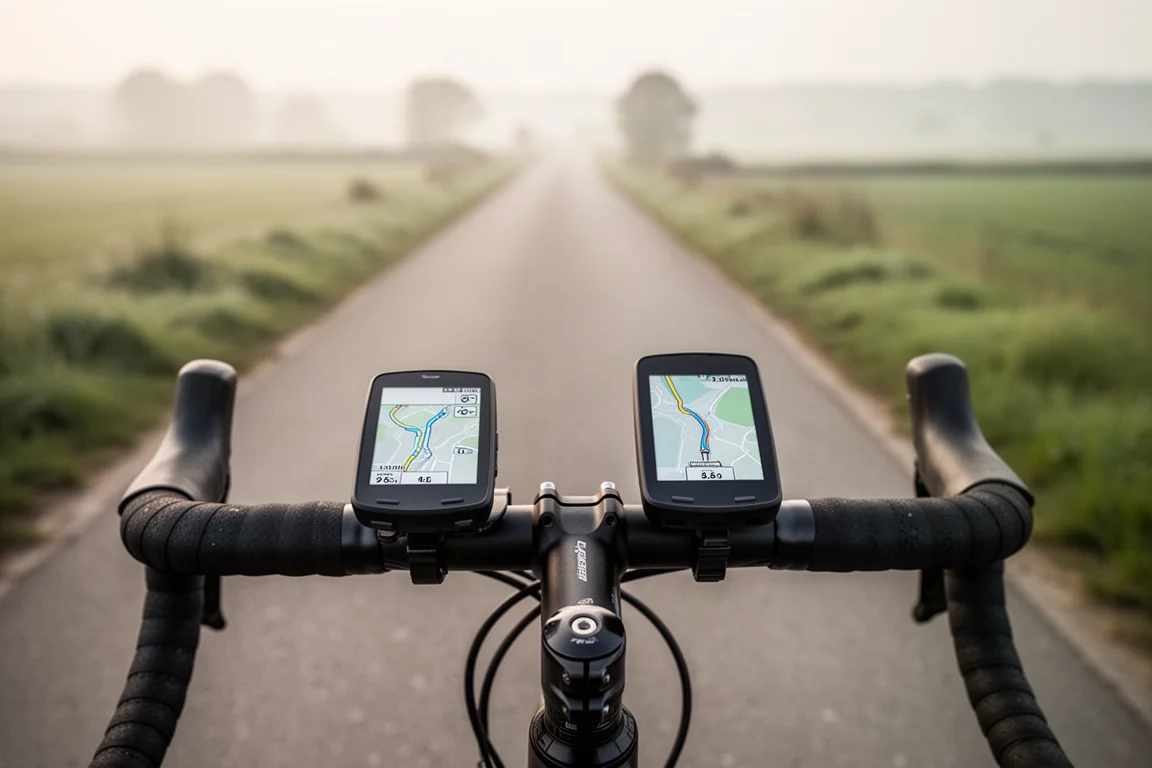
Activity profiles are new too, letting you configure separate road and mountain bike setups, something Wahoo previously lacked. The sensor pairing dashboard is also refreshed and clearly lays out paired sensors and their settings. At the top of the screen, time of day, battery status, and GPS status are always visible, phone-style.
Physically the Roam is slightly bigger and heavier, up from 93 g to 108 g, and claimed battery life rises from 17 to 25 hours. That claimed figure deserves emphasis: Wahoo’s Ace battery claims have underdelivered in real riding, often closer to half to two-thirds of the stated number. Final firmware may improve that, but it is worth treating the 25-hour figure cautiously.
Wahoo Elemnt Bolt 3
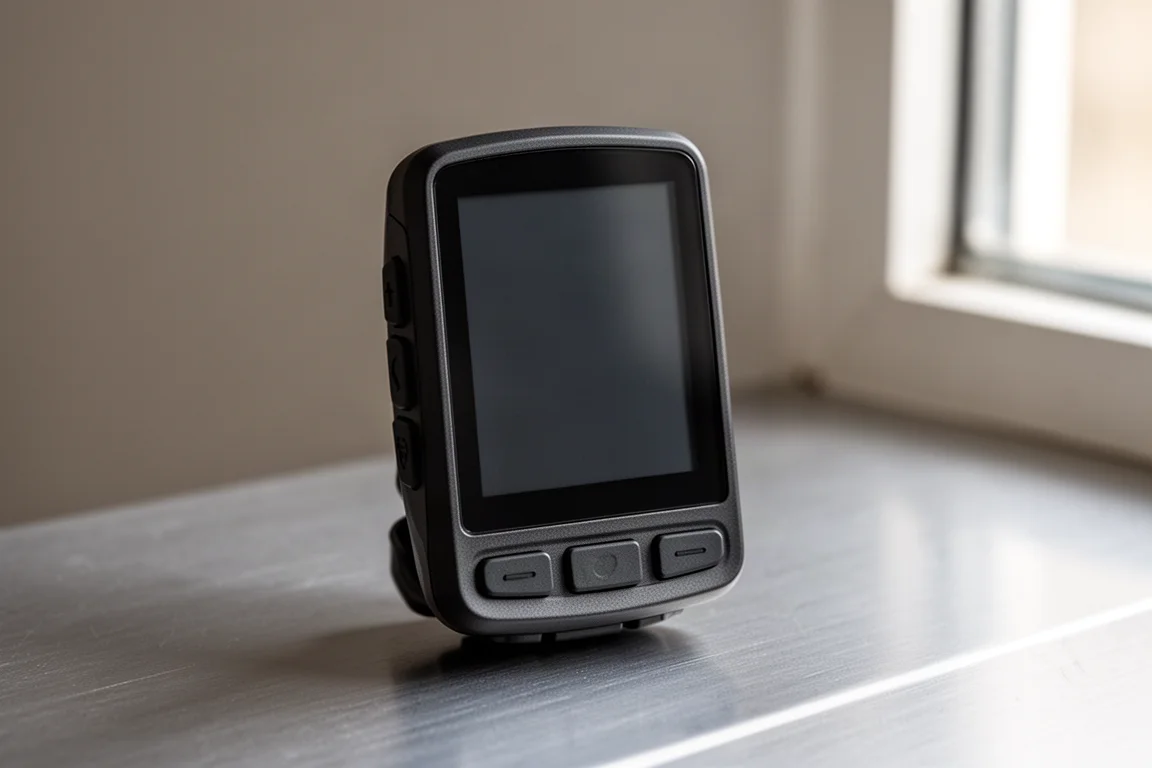
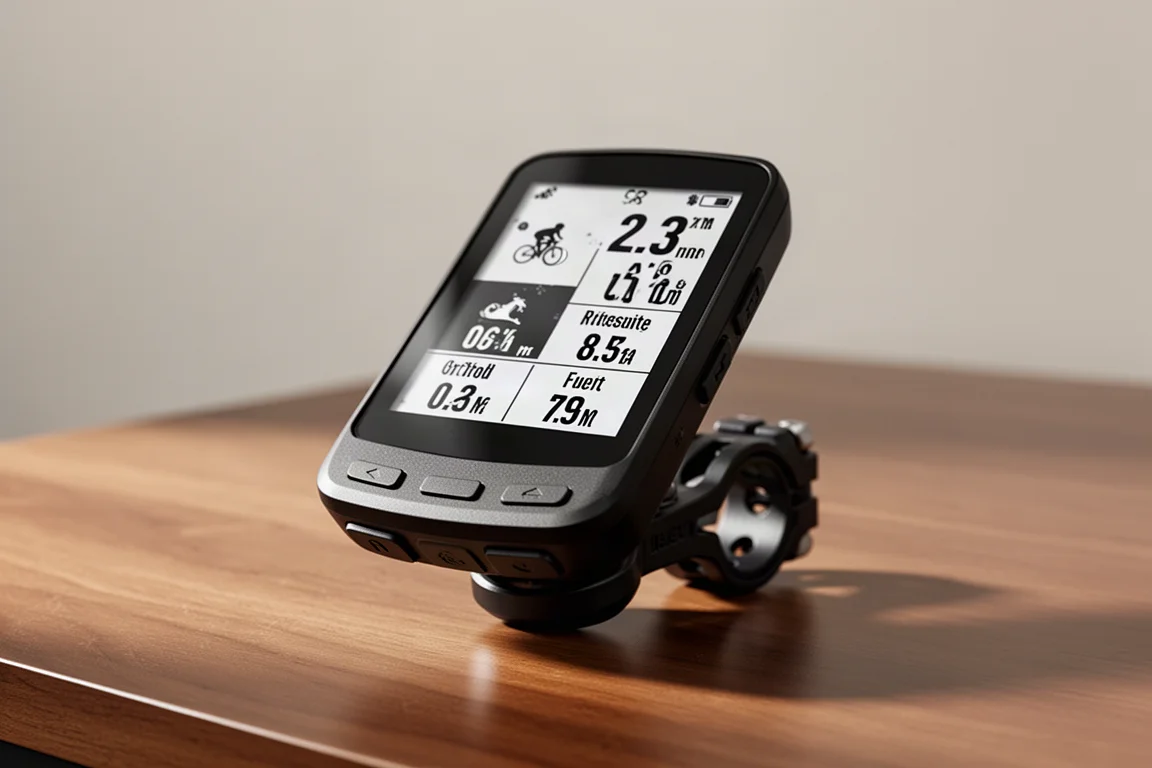
The Bolt 3 shares all the same software features as the Ace and Roam 3 except the touchscreen and speaker. It keeps its beeper for chirps and turn alerts, gets a slightly larger screen at 2.3 inches versus 2.2, and adds multiband, dual-frequency GPS that the Bolt V2 lacked. Claimed battery life increases from 15 to 20 hours, with the same caution about claimed versus real figures.
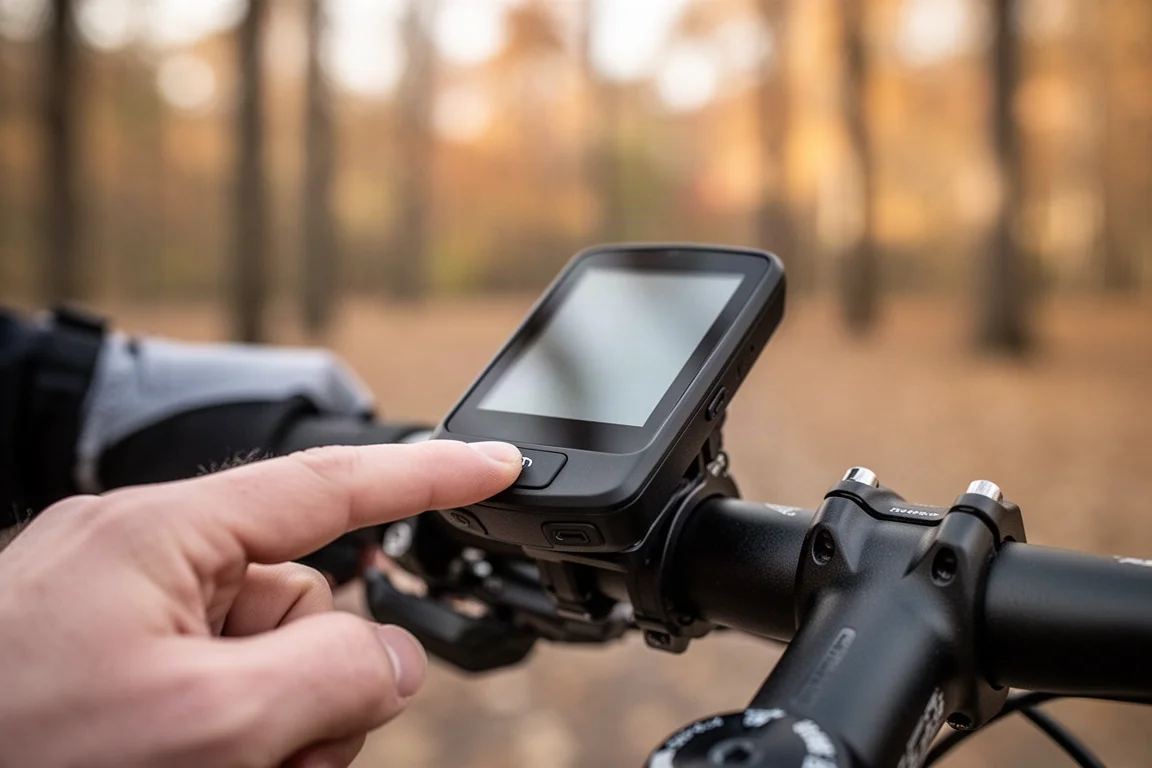
The big question was button-only operation on a UI designed around touch. Early software was rough, but recent beta updates improved it dramatically, and button navigation now works genuinely well. Riders who prefer tactile controls will find the Bolt 3 a nice little unit.
Like all units in the family, the Bolt 3 is roughly $50 more expensive than its predecessor. Wahoo’s older Bolt and Roam units are running out of stock, which is why the new models were announced before their on-sale date of May 6, with the roughly month-long gap there to keep buyers informed rather than stranded.
Wahoo Elemnt Ace
The Ace remains the flagship and set the template the new units now follow. It is the only one with the front wind sensor, and its touchscreen and speaker experience is what the Roam 3 essentially inherits, including street names on maps and spoken directions.
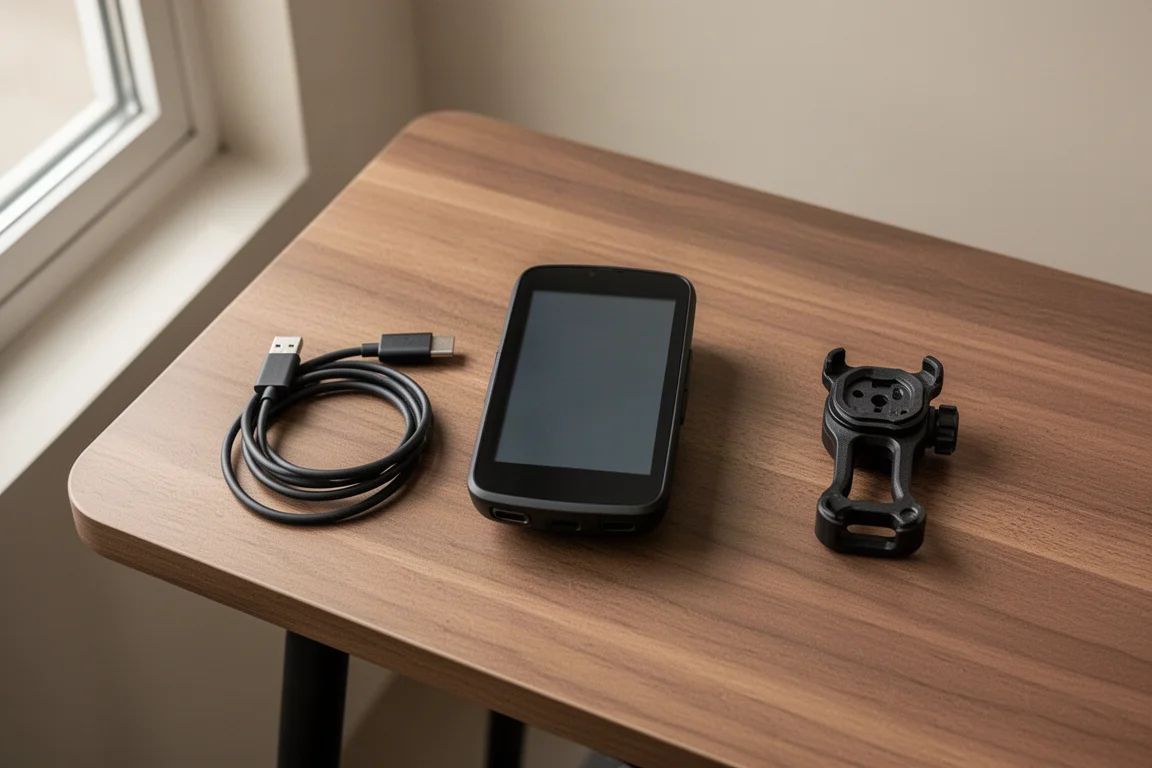
Its weaknesses carry over as well. The display is fine but not great; it does not reach the brilliance of Garmin’s top-end Edge 1050 screen, which remains the benchmark. Battery life in real use has also been underwhelming relative to claims. If you want the most complete feature set Wahoo offers, the Ace is it, but you are accepting those trade-offs.
Wahoo Tracker Radar
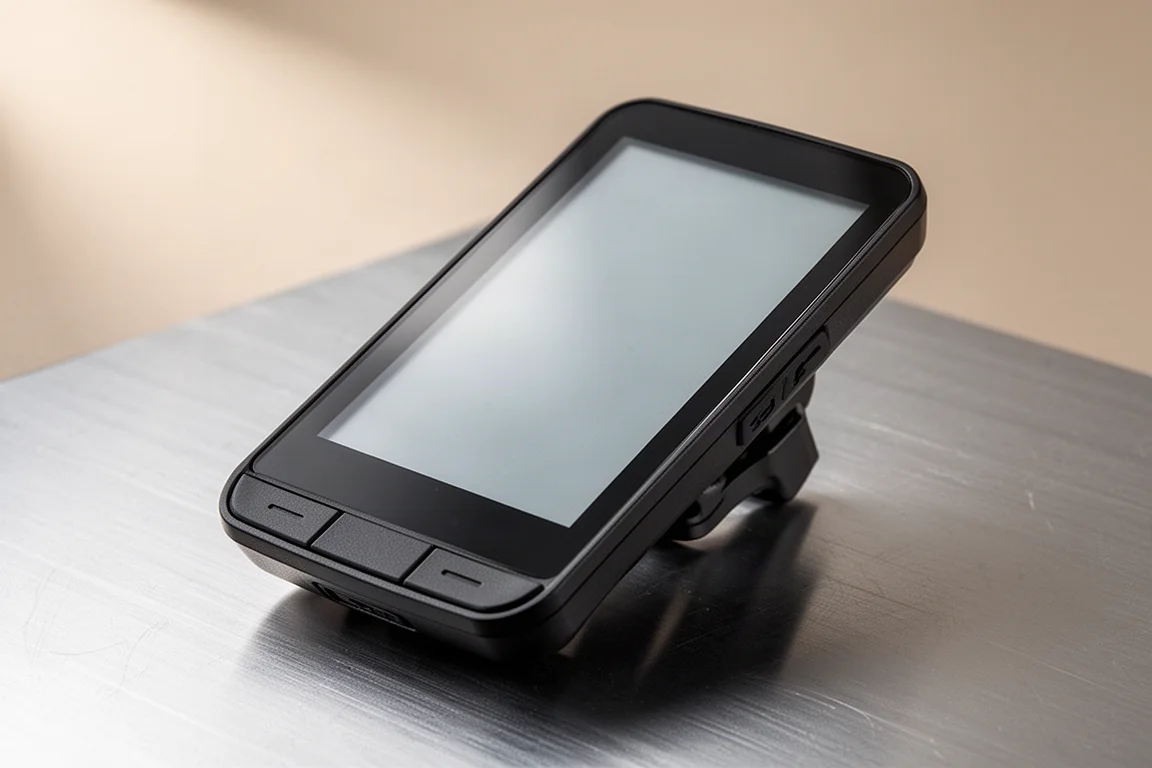
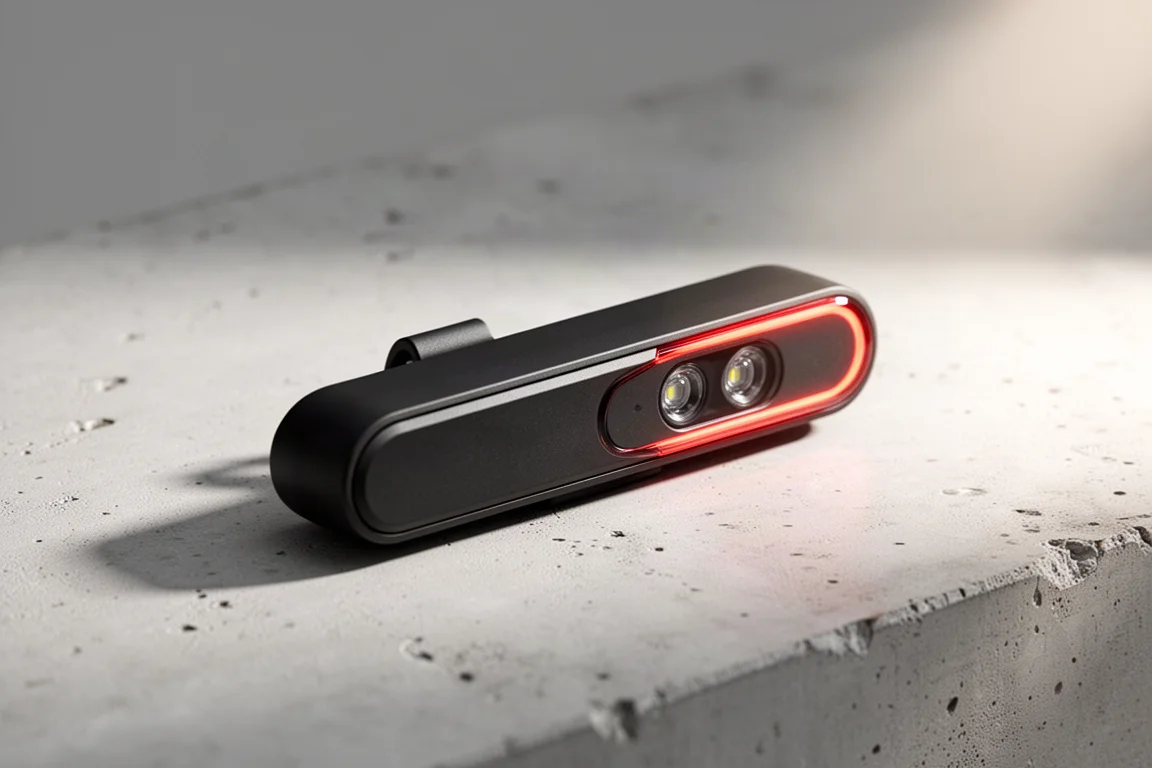
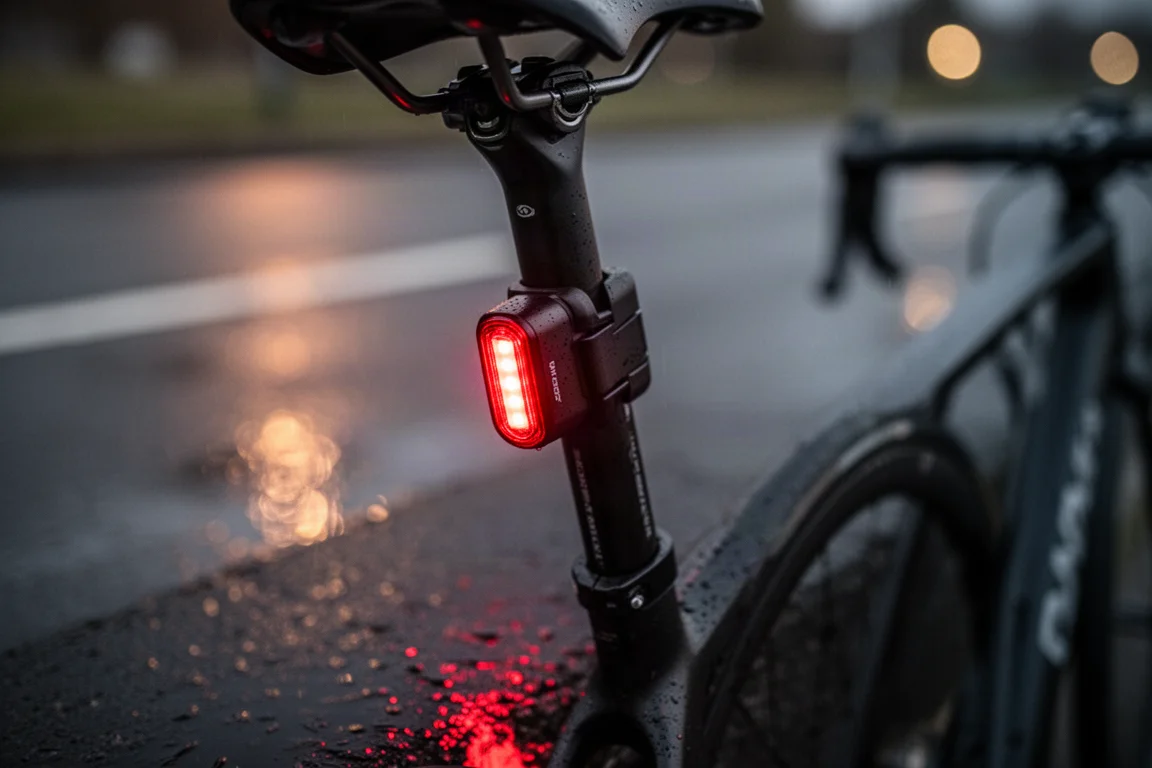
Alongside the computers, Wahoo announced the Tracker Radar, a rear light and radar combination. Its distinguishing practical detail is USB-C charging, which one of its competitors notably lacks. Early riding impressions suggest it fills the rear-visibility role its hardware implies; a dedicated closer look is worthwhile before committing, but the charging port alone removes a long-standing annoyance.
What to Watch Before Buying
Two things deserve attention before you upgrade. First, the displays across the family are merely adequate. They are not horrible, but if Garmin trickles the Edge 1050’s excellent screen technology down to future mid-range Edge models, Wahoo’s screens could become a real competitive disadvantage.
Second, almost none of the software on these units is actually new. Street names, map layers, activity profiles, and the sensor dashboard are the headline additions; there are no big-ticket new software features. Wahoo spent the last five months stabilizing the platform after the Ace’s rocky launch, and connectivity to third-party platforms is now relatively stable. Future growth depends on Wahoo delivering compelling new features, especially since previous-generation devices will not receive meaningful feature updates going forward. Everything Wahoo does next happens on this new platform family.
Conclusion
The new lineup is a consolidation story rather than a revolution. The Roam 3 makes the most sense for riders who want the touchscreen, speaker, and full feature set in a mid-size unit. The Bolt 3 is the choice for button fans who still want multiband GPS and the shared platform. The Ace remains the flagship for those who want the wind sensor and everything else. And the Tracker Radar is a sensible companion for anyone wanting rear awareness with modern USB-C charging. If you can wait, the units go on sale May 6, and deeper testing on final production firmware should clarify whether those battery claims hold up in the real world.
Further reading
Related Reviews
Cycling Tech
Best Cycling Tech: Nine Standout Products Worth Considering
Nine pieces of cycling kit that earned their place through long-term use, from a keenly priced World Tour race bike to a multi-tool that has survived two years of hard riding.
Cycling Tech
Best Pro Peloton Bikes and Components 2023: 8 Standout Upgrades
A roundup of the most technically interesting pro peloton bikes and components for 2023, from the Cannondale SuperSix EVO to Shimano Dura-Ace and Continental GP5000 S TR tires.
Cycling Tech
Bike Tech Roundup: Five Standout Upgrades Worth a Closer Look
A four-season tubeless tire, a featherweight climbing wheelset, a hangar-free drivetrain and two pairs of gravel shoes, assessed on the details that matter.