Hand Tools
Wago Operating Tool Model 210 Review: A Tiny Pry Bar With More Range Than You'd Expect
The Wago Operating Tool model 210 is a 3.5 mm angled pry bar built for terminal blocks, but it earns a second life as a genuinely useful miniature pry tool.
Introduction
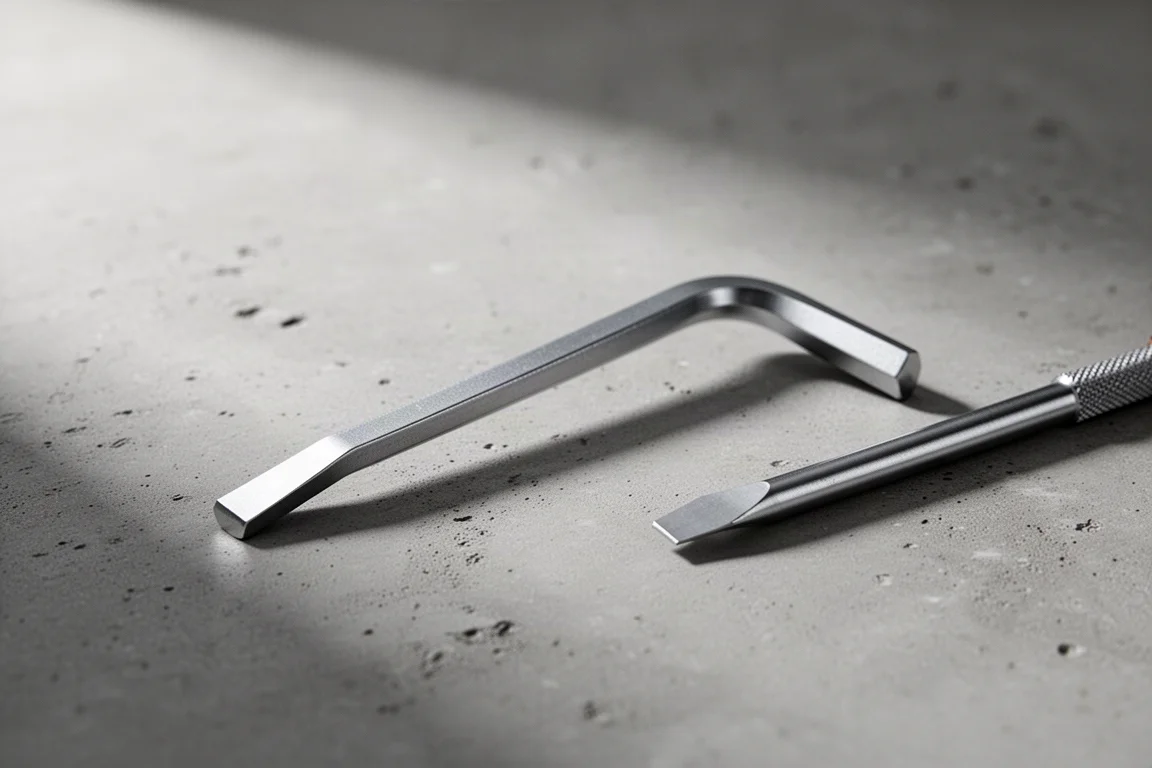
Most small pry bars in a tool collection come from dedicated pry bar sets, so a terminal block service tool seems like an odd place to find one. The Wago Operating Tool model 210 is exactly that: a purpose-built actuator for terminal blocks that most buyers will never touch. Yet its shape, size, and surprisingly solid construction make it a legitimate addition to a small-tool kit, whether you work on electronics or just want a tiny, capable pry bar that lives in a pocket or drawer.
This review looks at what it is, how it’s built, where it fits next to other small pry tools, and who should actually spend money on it.
What the Wago Operating Tool Model 210 Actually Is
The model 210 is a short, angled prying tool with a 3.5 millimeter diameter shaft. Its official job is operating terminal blocks, specifically the kind with openings you cannot reach directly with a longer tool or a standard screwdriver. The bend at the tip gives it the geometry needed to actuate terminals that sit recessed or at awkward angles.
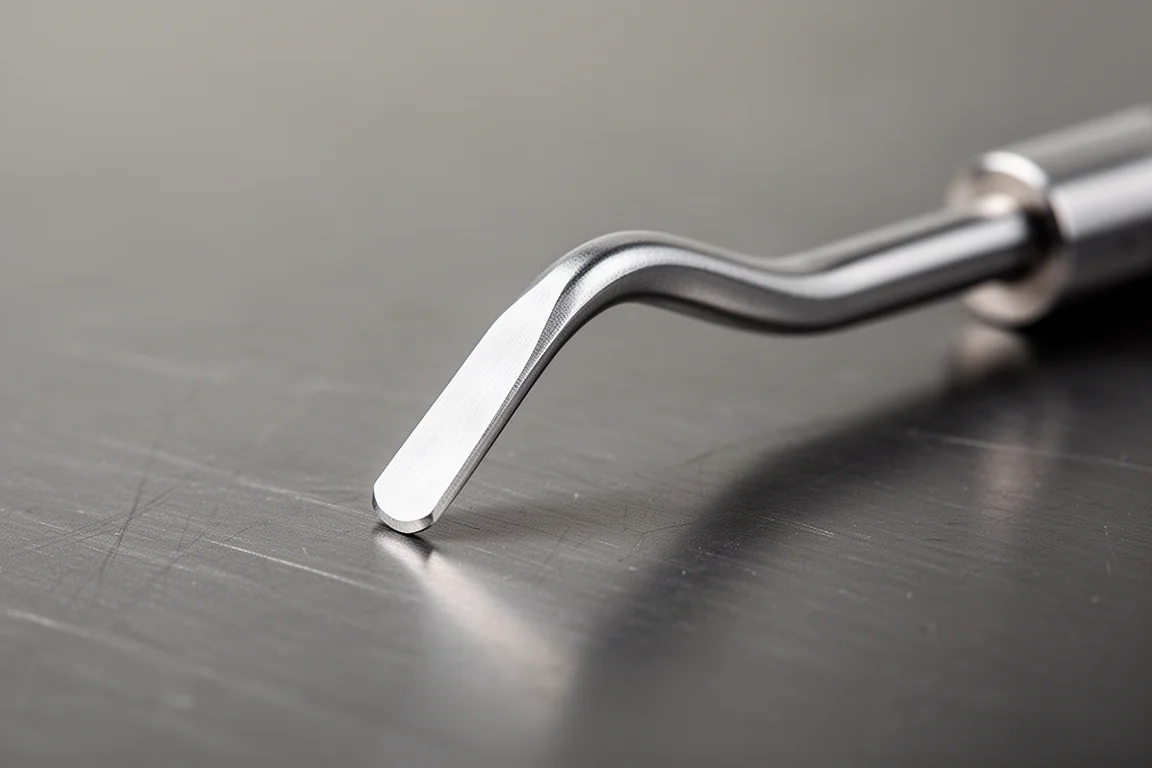
Out of that intended context, the same geometry makes it read as a miniature pry bar with a longer shaft and a fairly significant bend, which is precisely why it has appeal well beyond panel work.
Solid Metal, Not a Hollow Toy
The first question with a tool this small is whether it is actually solid. A quick magnet test settles it: a magnet climbs the shaft all the way up to essentially the hole, which confirms the metal runs the full length rather than stopping partway. That matters when you put sideways load on a 3.5 millimeter shaft.
At 3.5 millimeters it sits between other small pry tools: thinner than a roughly 4.75 millimeter severely angled pry bar, but thicker than a finer one at around 3.1 millimeters. It is the tiniest dedicated pry bar in a collection that includes those, and it holds its own because the full-length solid shaft gives it stiffness you would not guess from the size.
Unexpected Everyday Uses
Because the bend gives the tip real lift, the tool shines at repositioning appliances and similar jobs where a straight screwdriver would just slip. Some larger pry bars demand more headroom and more leverage than the space allows; this one needs neither, which is often the deciding factor.

It also works as a small slotted screwdriver, and as a general bending, twisting, moving, and adjusting tool for delicate work. For electronics, it functions as a chip popper for circuit boards, including older-style memory chips and other components on a motherboard. That combination of prying, actuating, and light screwdriving is what pushes it into EDC territory for people who like carrying one tiny metal tool that does several jobs.
How It Compares to Other Small Pry Bars
Next to similar small angled tools, the differences come down to bend and size. A Snap-on variant in the same spirit carries a bigger bend, while another small angled pry bar offers a thicker shaft. The Wago is the smallest of the group, with a longer shaft relative to its diameter and a bend that sits between the extremes.
None of these is a replacement for the other; each earns its slot by being the right size for a specific job. The 210 wins when the job demands the least possible bulk with still-solid prying ability.
Pricing and Whether It’s Worth It
The model 210 typically runs about 13 dollars, which is on the steep side for a tool this size. The counterargument is that it is a very specific tool, made for a specific task, and built well enough to serve several more. Reviews elsewhere sometimes call it microscopic and complain that it is too small, but the listed dimensions say exactly what it is; the real issue has been a lack of reference photos showing how small it actually is.

If you know what you are ordering, the size stops being a surprise and becomes the point.
Buying Advice
Buy the Wago Operating Tool model 210 if you work with terminal blocks, or if you want a genuinely tiny, solid pry bar for delicate prying, chip removal, appliance repositioning, or pocket EDC duty. Skip it if you need a general-purpose pry bar; there are larger, cheaper options for that. The value is in its size and build, not in versatility across heavy jobs.
Conclusion
The Wago Operating Tool model 210 is a niche terminal block tool that turns out to be a surprisingly capable miniature pry bar. A solid full-length shaft, a useful bend, and a 3.5 millimeter profile make it handy far outside its intended job. At around 13 dollars it is not cheap for its size, but for the right user it is a small tool that punches well above its footprint.
Product link
View more details for Wago Operating Tool Model 210
This product is mentioned in the review. Check the specifications, options, and compatibility before buying.
View more details for Wago Operating Tool Model 210Further reading
Related Reviews
Hand Tools
Best Diagonal Cutters 2026: 16 Pliers Tested for Cutting Power and Durability
We put 16 diagonal cutters through nail, screw, drill bit, and hex key tests to find the best value picks for your toolbox.
Hand Tools
Best Hex L Key Sets 2026: Nine Sets Tested for Real-World Torque
Nine hex L key sets from budget to premium, tested for torque, fit, and durability. See which sets deliver real performance and which ones to skip.
Hand Tools
Best Locking Pliers 2026: Top Picks Tested for Grip and Durability
We tested 18 brands of 10-inch locking pliers for grip strength, jaw bite, build quality, and ease of release to find the best options for tough jobs.