Skis
Völkl Revolt 104 Review: A Playful Freeride Ski Built for Soft Snow
A detailed look at the 2027 Völkl Revolt 104, covering its multi-layer wood core, flexible tail, rocker profile, and where it genuinely performs best.
Introduction
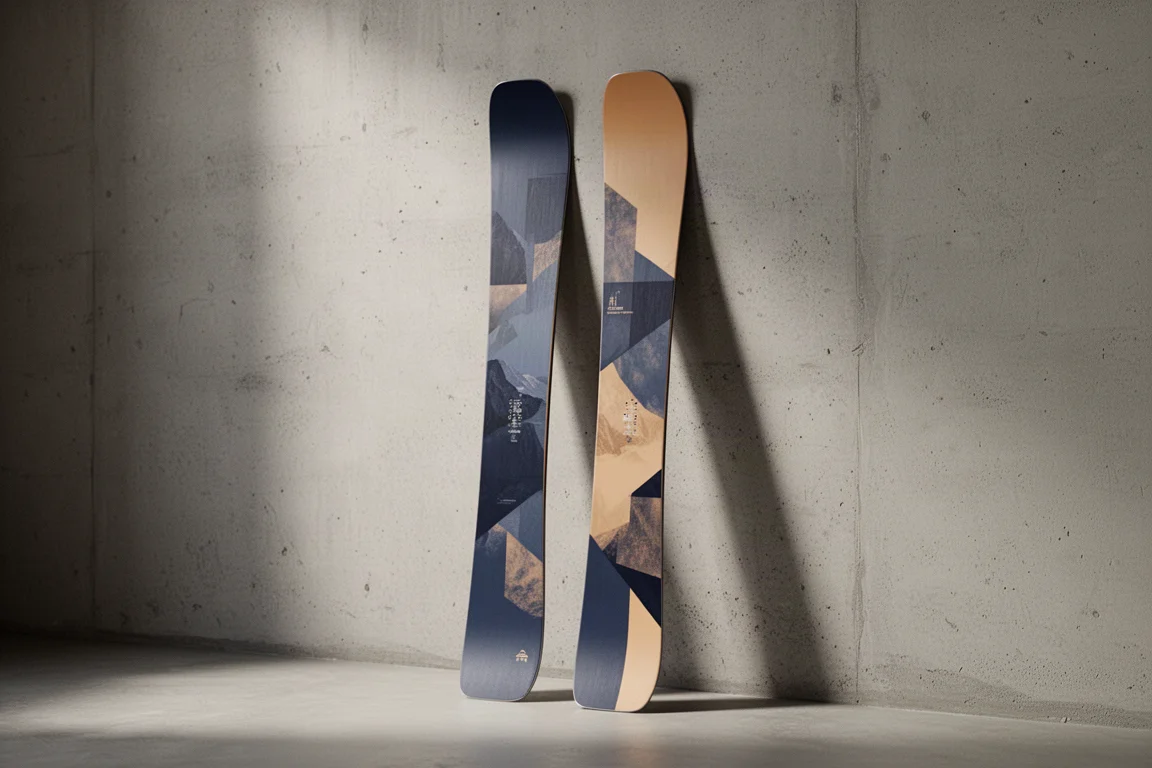
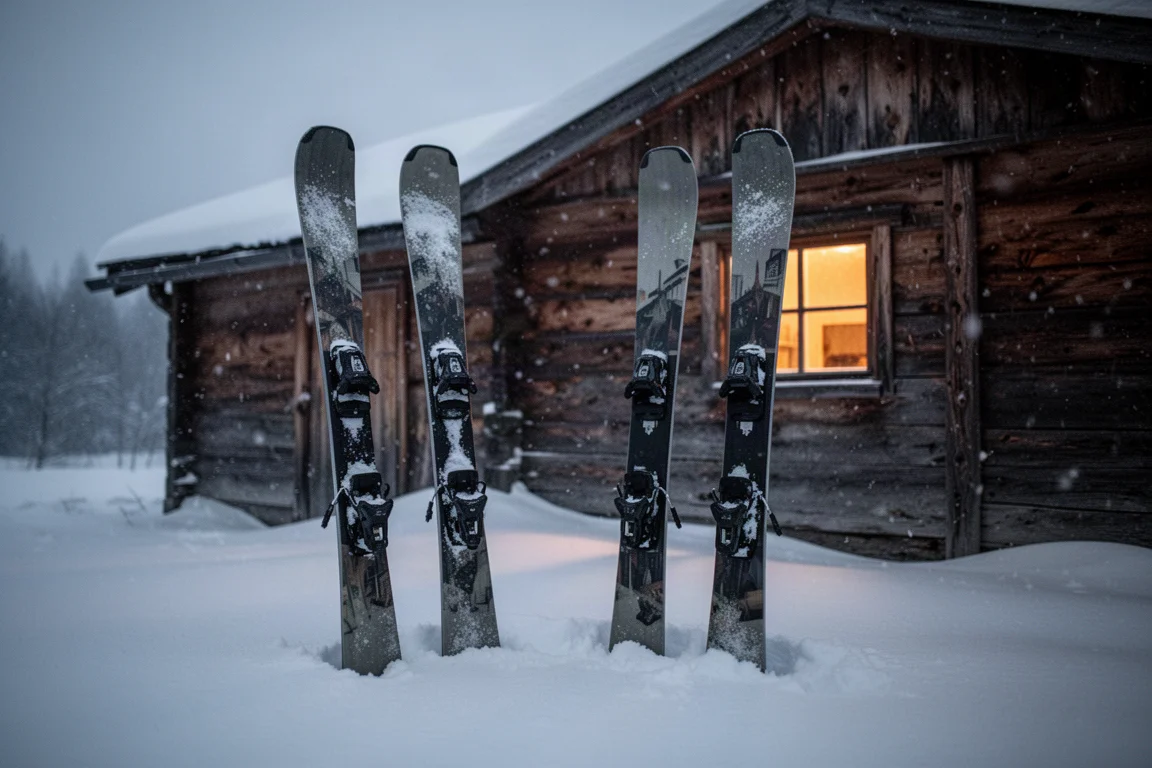
The Völkl Revolt 104 returns for 2027 with a fresh look and a familiar foundation. The construction carries over unchanged from previous seasons, while the topsheet and base graphics are new, and each ski in the pair gets its own distinct artwork. The new direction leans further toward artist-driven graphics than earlier versions, and the visual language sits comfortably with how the ski is meant to be ridden: freeride terrain, freestyle creativity, and soft snow.
What has not changed is the personality that has kept the Revolt 104 in the conversation. It is a sturdy, confident ski with a progressive flex that rewards a rider who likes to shape turns, work natural features, and stay playful in variable conditions.
Who the Revolt 104 Is For
This is a ski for riders who spend most of their time in softer snow and want to be in the air or working creative lines on the ground. The 104 mm waist leans clearly toward soft snow rather than hardpack precision, and the ride suits a swerve-oriented style where the ski is manipulated rather than simply driven.
It also fits riders who move through multi-dimensional snow, variable conditions, and more creative terrain. If that describes your season, the Revolt 104 makes a strong case for itself.
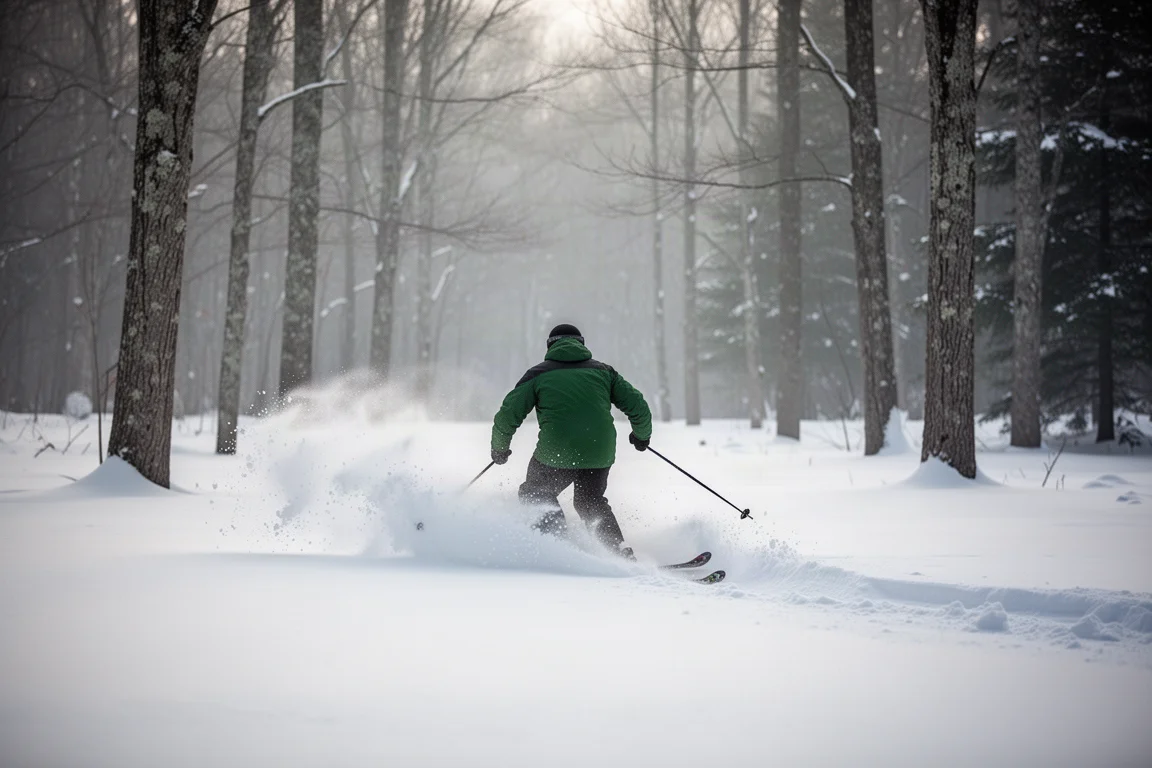
Riders who split their time between groomers and off-piste will still find it workable. It holds a carve turn fine on trail, but that is not where the design puts its emphasis.
Construction and Flex Pattern
The core is a multi-layer wood build. The thickness of the core profile is varied along the length, with that thickness extended through the tips and tails to shape how the ski behaves at the extremities. The result is a denser overall feel than the flex alone might suggest.
Flex sits on the flexible side, with a noticeable amount of give in the tail, yet the ski stays responsive. It feels sturdy and confidence-inspiring without ever overpowering the rider. It is not a terribly energetic ski, but the flex can be manipulated to produce whatever turn shape or style the rider has in mind, and that quality matters more here than raw rebound.
Weight lands at 1,999 g in the 180 cm length, essentially the 2,000 g mark, which lines up with the solid, planted character on snow.
Shape, Rocker, and Soft-Snow Character
Dimensions run 132 / 104 / 122, a 10 mm drop from tip to tail. For a freeride-oriented ski, that taper hints at playful steering rather than a locked-in, aggressive feel.
There is positive camber underfoot, a substantial amount of tip rocker, and a lot of splay. The splay and taper carry much of the story: the widest point sits well down into the ski, creating a wide shovel against a relatively narrow tail, especially at the very end.
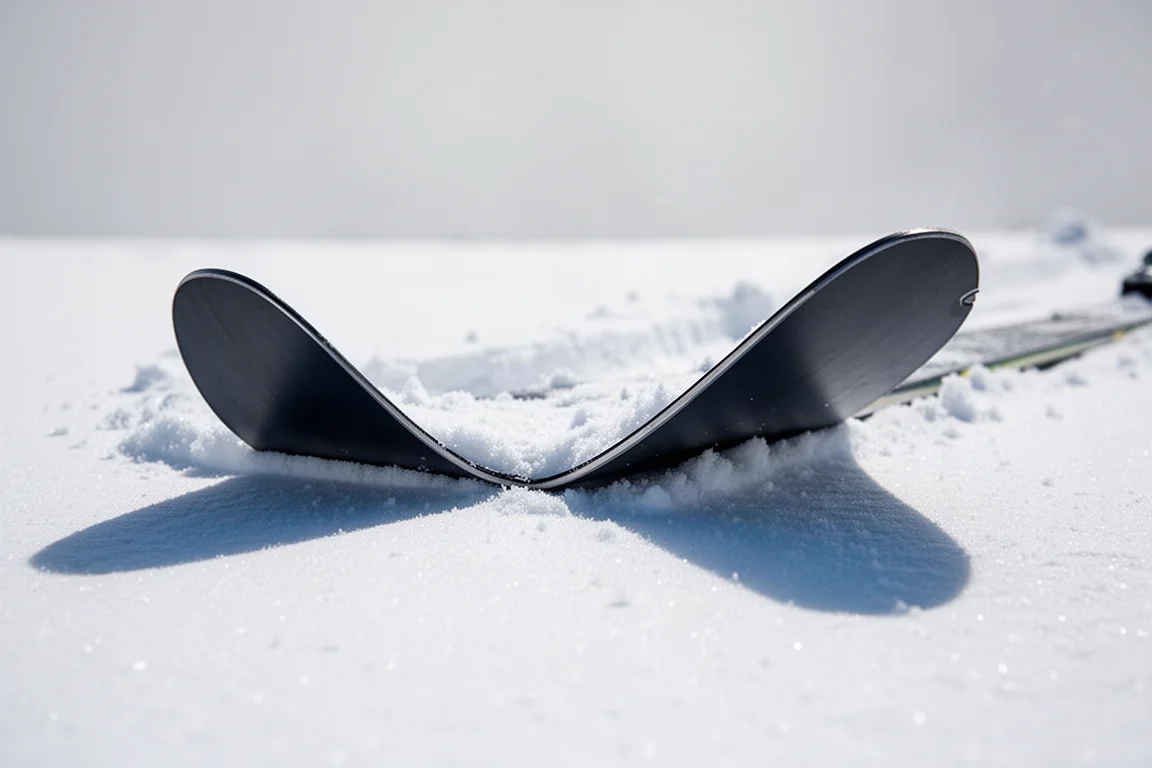
On snow, this shows up as a ski that is excellent in soft snow and comfortable in variable conditions. It will carve, but its real strength is in multi-dimensional terrain where the snow changes underfoot and the rider wants to make all sorts of different turn shapes.
Playful Steering and Freestyle Feel
The tapered tail works like a rudder, which makes direction changes feel light and lets wheelie-style skiing stay fully intact. That playful quality is one of the most impressive parts of the ride.
There is some park application here as well, though at this width the ski sits on the wider side for that use, so park riding becomes a matter of personal preference rather than an inherent strength.
Terrain Fit and Mount Point
The mount point sits well forward, roughly two and a half to three centimeters behind true center, which gives the ski a central mentality and a clear freestyle influence. It is happiest in wide-open spaces, wider open trees, and more open terrain, where the flex can be worked through a range of turn shapes.
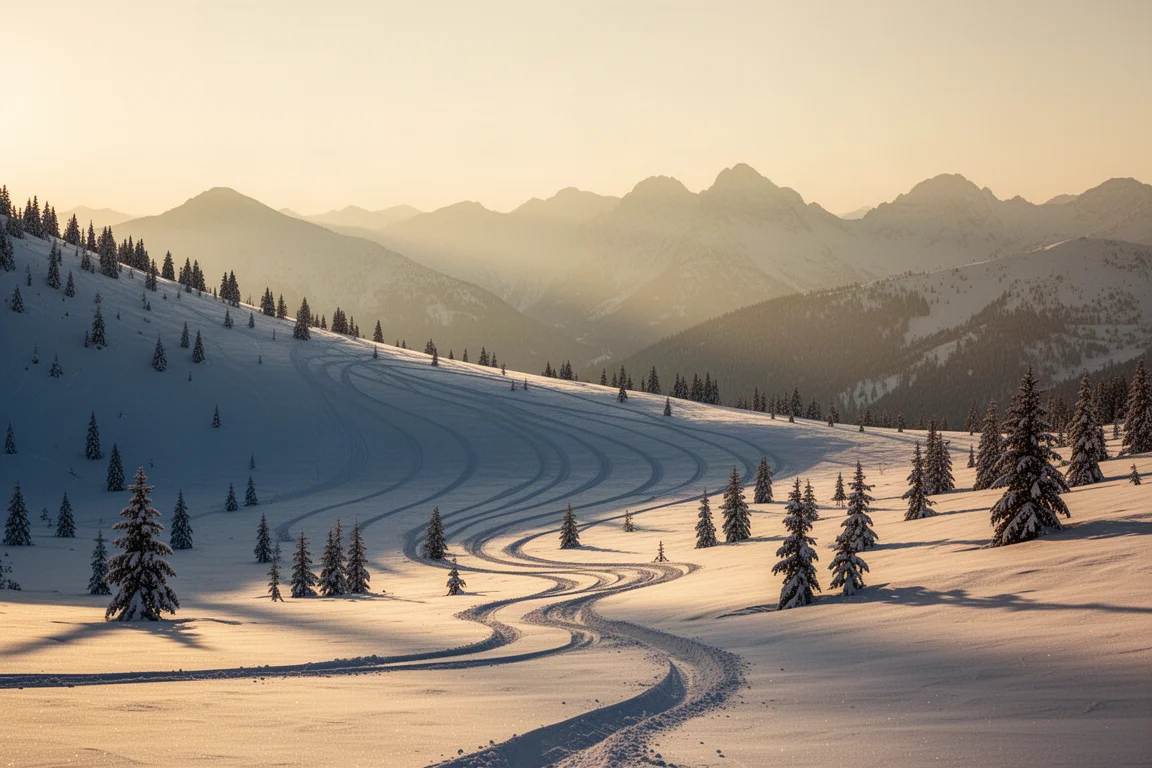
Tighter, more technical terrain is where the design gives up some ground. Riders who prioritize technical precision in confined spaces will find that the Revolt 104 trades some of that sharpness for creativity.
Things to Consider Before Buying
The trade-offs are straightforward. This is a soft-snow-leaning ski, so riders who mostly chase firm groomers should look elsewhere. The tail is narrow and tapered, which is part of what makes it playful but also part of why technical, tight terrain is not its strongest suit.
At just under 2,000 g in the 180 cm length, it carries real substance, and it does not deliver a lot of energy back to the rider. Those who want a snappy, high-rebound feel may prefer something livelier. Park riders should also weigh the 104 mm waist against their own preferences.
Buying Advice
Buy the Revolt 104 if your days revolve around soft snow, variable conditions, and open terrain, and if you want a ski you can bend and shape at will rather than one that dictates the turn. It rewards riders who like to be in the air, use natural features, and steer with the tail.
If your priority is technical precision in tight terrain or a strong carving bias on groomers, this is probably not the ski to build a quiver around. The graphics change for 2027, but the on-snow personality is the same one that has made the model a dependable choice for freestyle-minded freeriders.
Conclusion
The Völkl Revolt 104 returns with new artwork and the same confident, playful construction. Its multi-layer wood core, flexible tail, pronounced tip rocker, and forward mount point add up to a ski that is excellent in soft snow, great in wider open trees, and genuinely creative across variable terrain. Riders who want technical sharpness in tight spaces should look at other options, but for freestyle-influenced freeriding, the Revolt 104 remains a convincing pick.
Product link
View more details for Völkl Revolt 104
This product is mentioned in the review. Check the specifications, options, and compatibility before buying.
View more details for Völkl Revolt 104Further reading
Related Reviews

Skis
Armada Anti Matter 82 W Review: A Light, Approachable All-Mountain Carver
Armada's Anti Matter 82 W pairs a lightweight Karuba and carbon build with an easygoing all-mountain shape, aimed at intermediates through lighter-footed advanced skiers.

Skis
Armada Anti Matter 88W Review: A Light, Playful 88mm All-Mountain Ski Plus Two Alternatives
The Armada Anti Matter 88W returns unchanged in spirit from its Reliance 88C days, and it remains one of the most versatile 88mm skis around. We also look at the Nordica Santa Ana 87 and Anti Matter 92 W as alternatives.

Skis
Armada ARV 100 vs Atomic Bent 100: Which 100mm Freestyle Ski Should You Buy?
Two of the best all-mountain freestyle skis of the season compared: one leans playful and park-ready, the other holds up better everywhere else.