Skis
Volkl Racetiger GS Review: Race-Bred Carving for Expert Skiers
A detailed look at the Volkl Racetiger GS, a metal-laminated frontside carver that brings race room precision to strong skiers without the full demands of a race ski.
Introduction
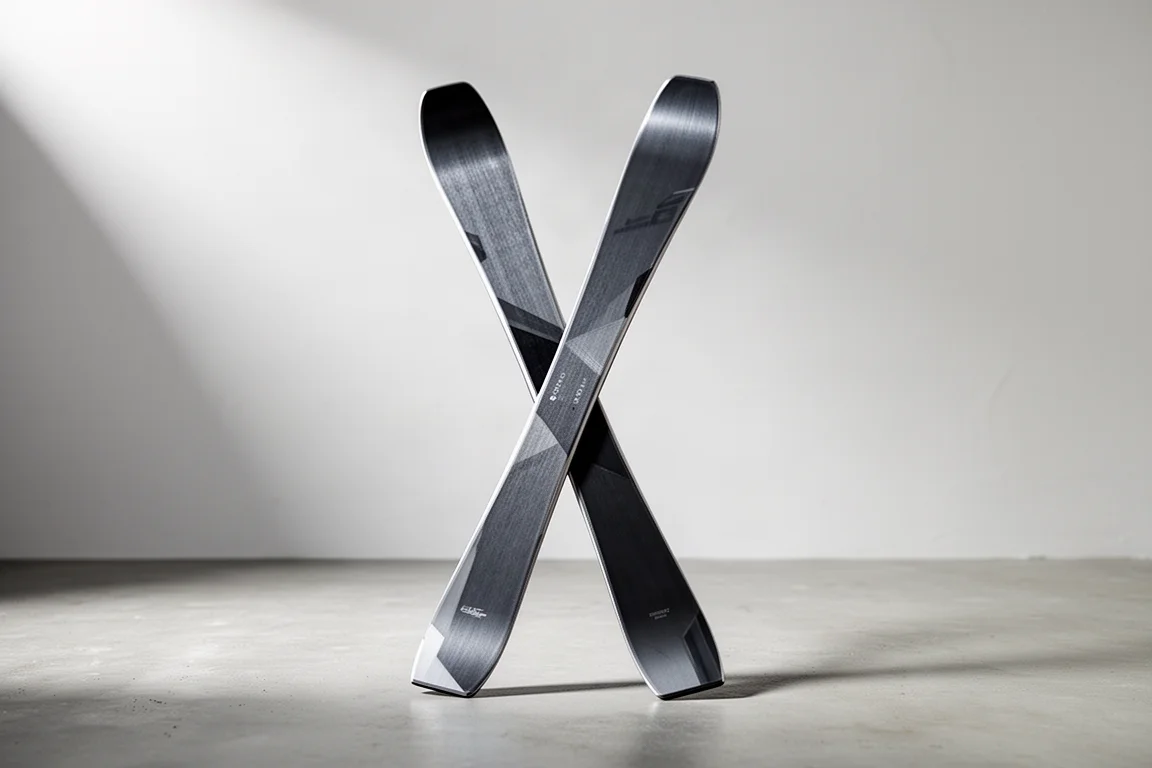
The Volkl Racetiger GS is a crisp, powerful carving ski aimed at people who spend most of their time on groomed terrain. It borrows heavily from race room design, then softens that formula just enough to stay usable for strong recreational skiers. Think of it as a beer league companion, or a frontside tool for someone who wants the feel of a race ski without the full commitment a dedicated race build demands.
The result sits at the high end of on-piste performance while remaining a friendlier version of a race ski. It is built with a multi-layer wood core, two full sheets of metal, 3D glass, and tailored carbon tips. Each of those pieces plays a role in how direct and precise the ski feels underfoot.
This guide covers who the Racetiger GS suits, what its construction delivers on snow, and the trade-offs worth weighing before you commit to a pair.
Who the Volkl Racetiger GS Is For
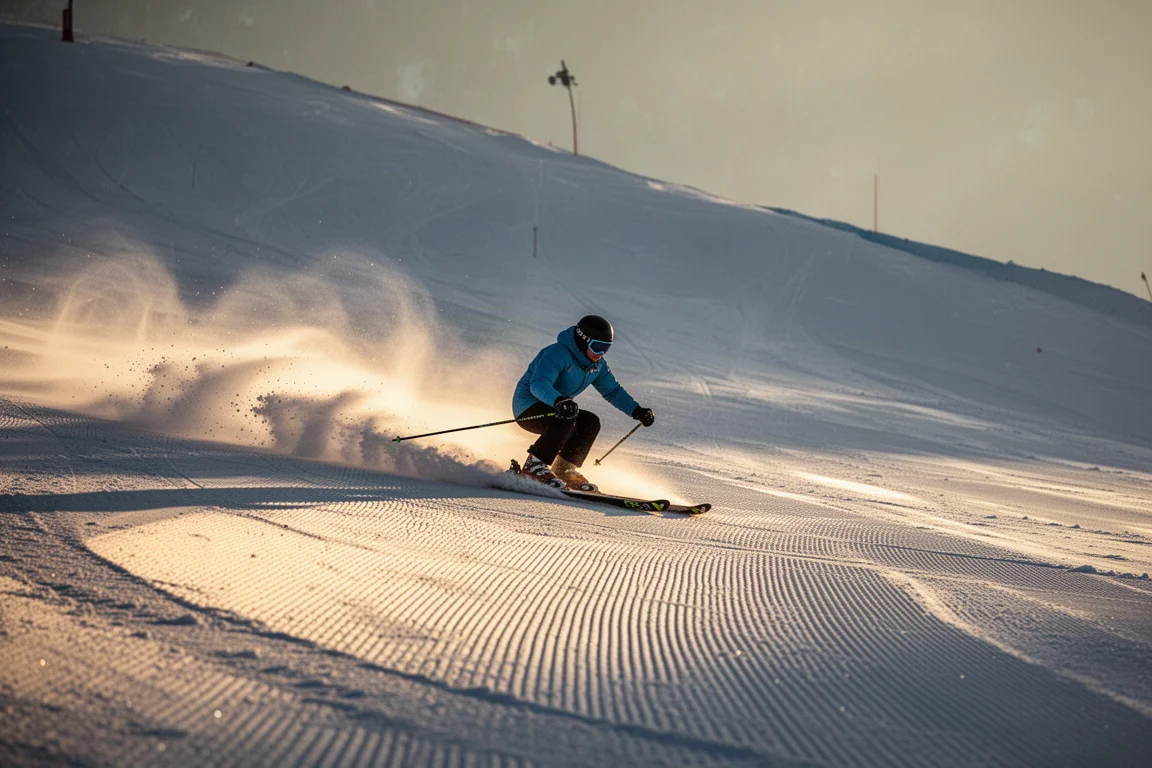
This ski makes the most sense for the former racer and the expert skier who wants a narrower platform underfoot. If your days are spent arcing turns on groomed runs, working through recreational race courses, or chasing clean carves from the top of the hill to the bottom, the shape and construction line up well.
It is also a sensible pick for the skier who wants that race room feel without the total demand of a full race ski. The design keeps the precision and the power, but trims some of the punishment that comes with a dedicated race build, which means mere mortals can get on it and actually enjoy the ride rather than having their legs ripped off.
Construction and Ride Character
Two full sheets of metal do most of the heavy lifting here, keeping the ski stiff, stable, and smooth. The multi-layer wood core and 3D glass round out the layup, while tailored carbon tips add torsional stiffness in the front of the ski. That combination means each movement you put in is transmitted directly to the snow.
The tailored carbon tips appear across a number of Volkl models and are effective at delivering precision through the entry phase of the turn without adding much weight. In practical terms, this ski shares its construction and style with the Deacon line, essentially a Deacon 67 in a more race-oriented shape.
Turn radius is 17.5 m in the 178 length, which is shorter than what a true race room ski carries. That shorter shape helps the ski complete the turn across the fall line, which is exactly what makes it useful on recreational race courses rather than only on a homologated race set.
Taken together, the layup keeps the ski predictable under a strong skier. The metal sheets supply the calm, planted feel, and the carbon in the tip sharpens the first part of the turn without making the ski feel nervous.
Main Strengths
The headline strength is how well this ski hooks up. It makes clean, round turns from top to bottom with a lot of power and precision behind them. A slight amount of tip rocker helps with the initiation phase rather than adding versatility, and a squared-off tail with very minimal splay keeps the ski on the snow for as long as possible.
A longer effective edge does a great job of keeping the ski smooth and stable throughout the turn, and that is what this build delivers. For a strong skier on hard snow, the feedback is direct and confidence-inspiring, and the ski stays settled as speed builds.
Things to Consider Before Buying
This is still a serious ski. Two full sheets of metal and a stiff, stable build reward a skier who is engaged and technically strong, and it is happiest when it is being driven rather than ridden casually. It is a more friendly version of a race ski, but it is not a beginner or intermediate platform.
The shape is also specialized. With a narrow waist, minimal tail splay, and only a slight tip rocker, this is a pretty standard ski for front side terrain and hard snow. If your season is mostly soft snow, trees, or off-piste lines, the Racetiger GS is not the tool for that job.
One more thing worth knowing: the 17.5 m radius is deliberately shorter than the longer turn shapes found on FIS homologated race skis. That is a benefit for recreational racing, but a skier chasing a true long-radius race feel should go in knowing the difference.
None of this makes the Racetiger GS a poor choice. It simply narrows the audience to skiers who ride groomed terrain often, ski with an active edge, and want precision more than flotation.
Terrain and Conditions It Suits
Groomed terrain and hard snow are the natural home. The ski holds an edge well and stays planted, which makes it a strong choice for early morning corduroy, firm afternoon conditions, and the set courses used for beer league racing.
Because the effective edge is long and the tail is squared off, the ski tracks cleanly through a full turn and stays settled at speed. That consistency is what makes it feel so predictable on the front side, and it is the quality that keeps showing up lap after lap.
Buying Advice
Match the ski to how you actually spend your days. If most of your laps are on groomed runs and you want a narrower, race-inspired carver with real precision, the Racetiger GS is a coherent choice. The 178 length with its 17.5 m radius is a useful reference point when you are thinking about turn shape and how much ski you want to manage.
If you are coming from a race background, the construction will feel familiar. If you are an expert skier who has never raced, expect a ski that asks for input but gives back a lot of energy and grip in return.
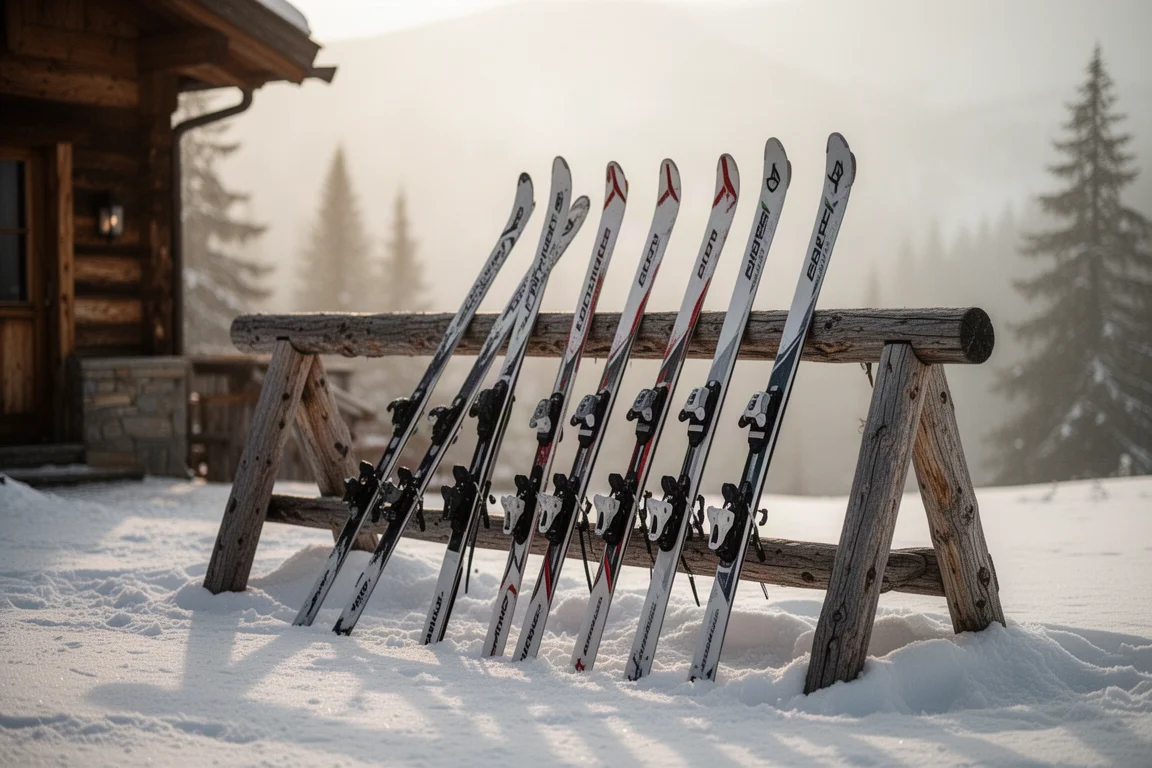
Whatever length you settle on, the priorities stay the same: pick it for groomed terrain, bring a strong and active technique, and let the metal and carbon do the rest. Riders who want one ski for every condition will be better served elsewhere, while riders who live on the front side will get exactly what they came for.
Conclusion
The Volkl Racetiger GS brings race room influence into a shape that recreational skiers can actually enjoy. It is stiff, smooth, and precise on groomed terrain, and it delivers clean round turns with plenty of power. For former racers and expert frontside skiers who want that race feel without the full demands of a race ski, it is a well-matched option.
Product link
View more details for Volkl Racetiger GS
This product is mentioned in the review. Check the specifications, options, and compatibility before buying.
View more details for Volkl Racetiger GSFurther reading
Related Reviews

Skis
Armada Anti Matter 82 W Review: A Light, Approachable All-Mountain Carver
Armada's Anti Matter 82 W pairs a lightweight Karuba and carbon build with an easygoing all-mountain shape, aimed at intermediates through lighter-footed advanced skiers.

Skis
Armada Anti Matter 88W Review: A Light, Playful 88mm All-Mountain Ski Plus Two Alternatives
The Armada Anti Matter 88W returns unchanged in spirit from its Reliance 88C days, and it remains one of the most versatile 88mm skis around. We also look at the Nordica Santa Ana 87 and Anti Matter 92 W as alternatives.

Skis
Armada ARV 100 vs Atomic Bent 100: Which 100mm Freestyle Ski Should You Buy?
Two of the best all-mountain freestyle skis of the season compared: one leans playful and park-ready, the other holds up better everywhere else.