Skis
Völkl Paragon 76 Review: A Frontside Carver With Race-Room DNA
The Völkl Paragon 76 carries over the Deacon 76 construction under a new name. Here is how the metal-laminate build, turn shape and binding system suit advanced frontside skiers.
Introduction
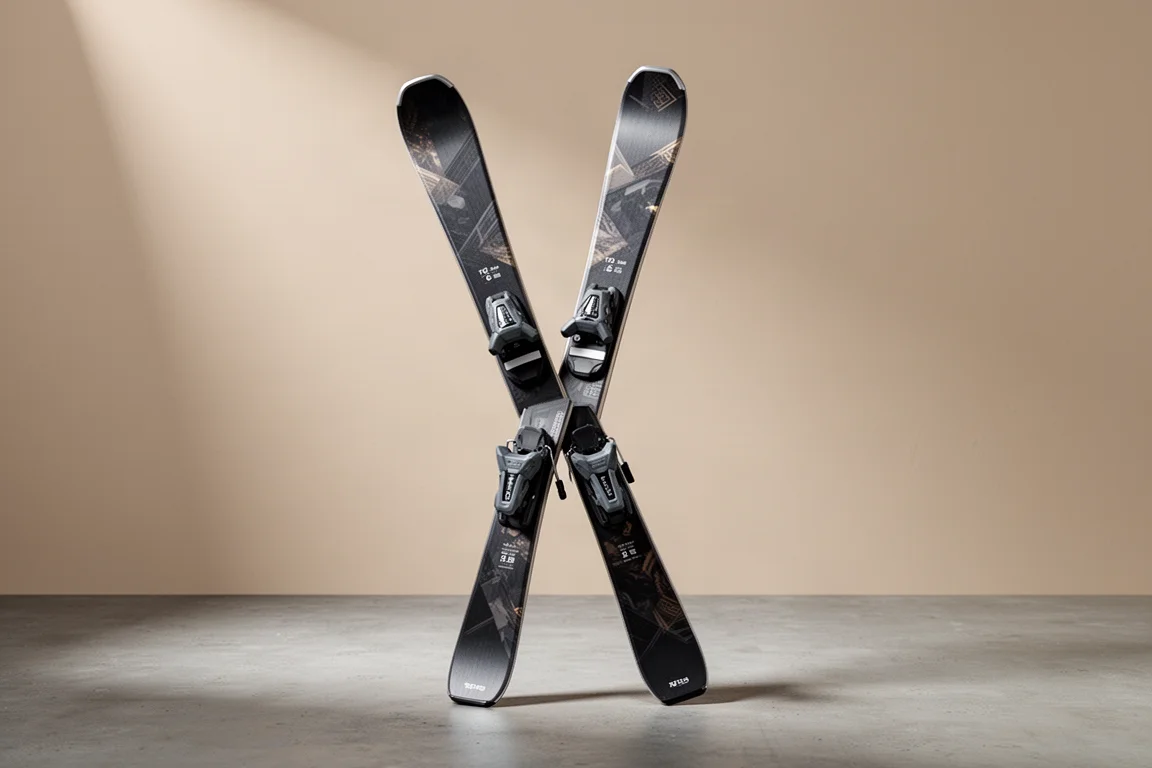
The Völkl Paragon 76 is a familiar ski wearing a new name. Its construction carries over directly from the Deacon 76 that previously occupied this slot in the range, and the Paragon badge now covers Völkl’s frontside and narrow all-mountain models. For anyone who has followed this category closely, the important point is that the build has not been reworked. The ski still takes notes from the brand’s race department in its construction and shaping, then adds features that make it easier to live with across a full day on the hill.
At 76 mm underfoot, the Paragon 76 sits in a width that works well in mixed, firm conditions. It is wide enough to stay composed when groomers soften through the day, whether that means packed snow building on itself or a warm afternoon turning the surface a little forgiving. It is also narrow enough to preserve the torsional stiffness and edge grip that make a carving ski feel immediate. Go narrower and the ski moves into pure race territory. Go wider and some of that edge hold and torsional stiffness is traded away.
Who the Völkl Paragon 76 Is For
This is a ski for advanced and expert skiers. The flex is stiff, the edge contact is long, and the build rewards someone who already knows how to tip a ski on edge and hold an arc. Former racers looking for a wider body profile and a more stable platform for all-day frontside skiing are the natural audience here, and the 76 mm width gives them a broader base to stand on than a dedicated race shape without abandoning firm-snow performance.
Main Strengths
What separates the Paragon 76 from the middle of the frontside pack is the way race-derived construction is paired with small refinements that add precision and energy rather than dulling the ski down.
Construction and Materials
The core is a multi-layer wood core, the same type of construction used in the Mantra series. Two full sheets of metal run through the ski, and that is a large part of why it holds so firmly on hard snow. A tailored carbon tip sharpens the entry phase of the turn: as the ski is tipped on edge, the carbon stringers pull it into the arc and bring the full sidewall into contact quickly. Fiberglass is wrapped around the edges in a three-dimensional format, and adding a layer that way increases both stiffness and energy along the length of the ski.
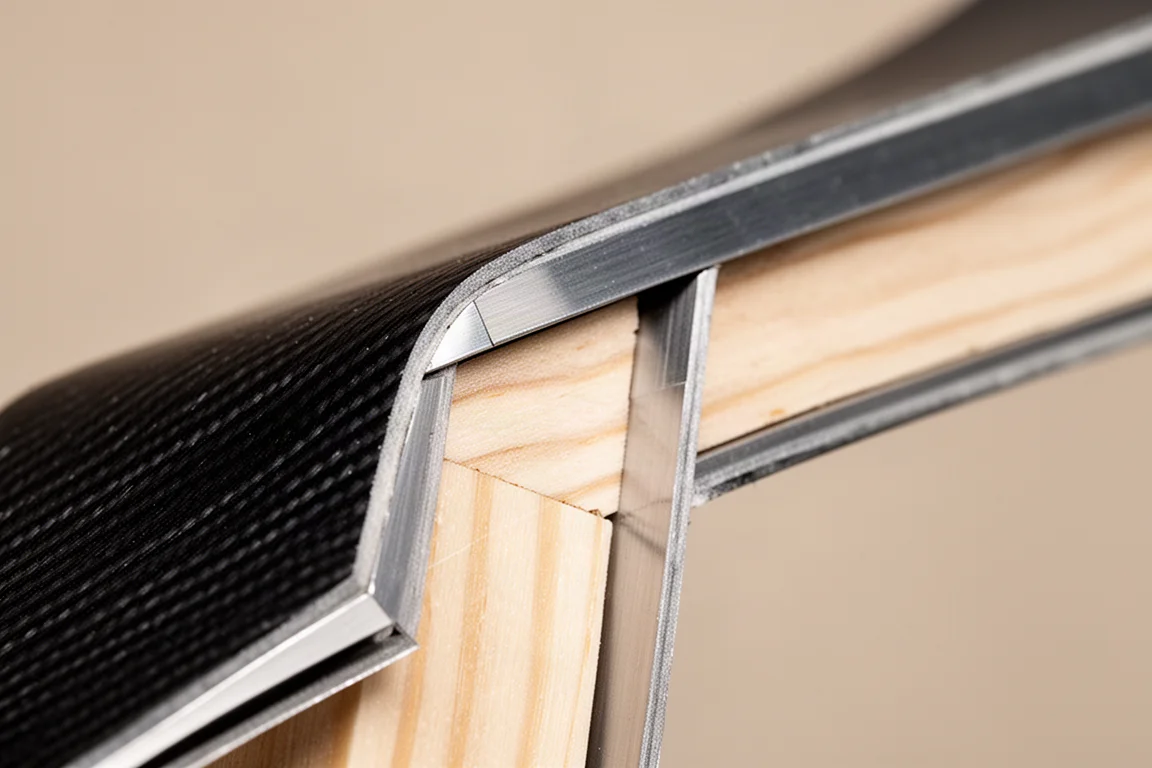
The result is a notably stiff flex and a full sidewall build. It stops short of the dense wood core found in the Master series, so the Paragon 76 remains a little more approachable than a pure race-room design while keeping the planted, connected feel that metal laminates provide.
Turn Shape and Rocker Profile
In a 176 cm length the Paragon 76 carries a 17.6 m turn radius. Völkl keeps its numbers consistent across the line, so that figure is a dependable guide to how the ski wants to be turned. Camber sits underfoot, with a modest tip rocker of roughly 2 mm when the ski is decambered, plus a small amount of rise in a squared-off tail. Tip-to-tail edge contact is long and free of taper.
That rocker is deliberately subtle. It eases initiation and helps the ski complete a turn cleanly, but once the edge moves past it the middle of the ski engages fully. On firm snow the platform feels powerful and planted, and the slight rise is there for ease of use rather than to soften the character of the ski.
Binding System
The Paragon 76 pairs with the Motion binding system, which uses a worm screw rather than a sliding track to position the binding along the ski. The practical benefit is a more consistent and solid connection between boot and ski, with less of the vagueness a track can introduce when the binding is moved back and forth.

For skiers who adjust their setup as conditions change, that difference is a meaningful upgrade rather than a minor detail, and it suits the overall planted feel of the ski.
Things to Consider Before Buying
- The stiff flex and metal construction ask for a skilled pilot. Less experienced skiers are likely to find it demanding rather than confidence-inspiring.
- The 76 mm waist is tuned for firm groomers and mixed frontside conditions. It is not a deep-snow shape.
- The tip rocker is minimal, so expect full edge engagement almost immediately rather than a loose, surfy feel at the top of the turn.
- It does not use the dense wood core found in the Master series, which is worth knowing if you are comparing models within the same range.
Buying Advice
If most of your days are spent on firm, groomed terrain with softer snow mixed in, 76 mm is a sensible width and this ski is built for exactly that combination. The 176 cm length with its 17.6 m turn radius suits a skier who wants a predictable, medium-to-long arc on piste, and the long, taper-free edge contact means the ski holds when the surface gets slick. Be honest about your ability before committing: this is a ski that gives back what you put into it, and a rider with solid technique will get far more from it than someone still building turn confidence.
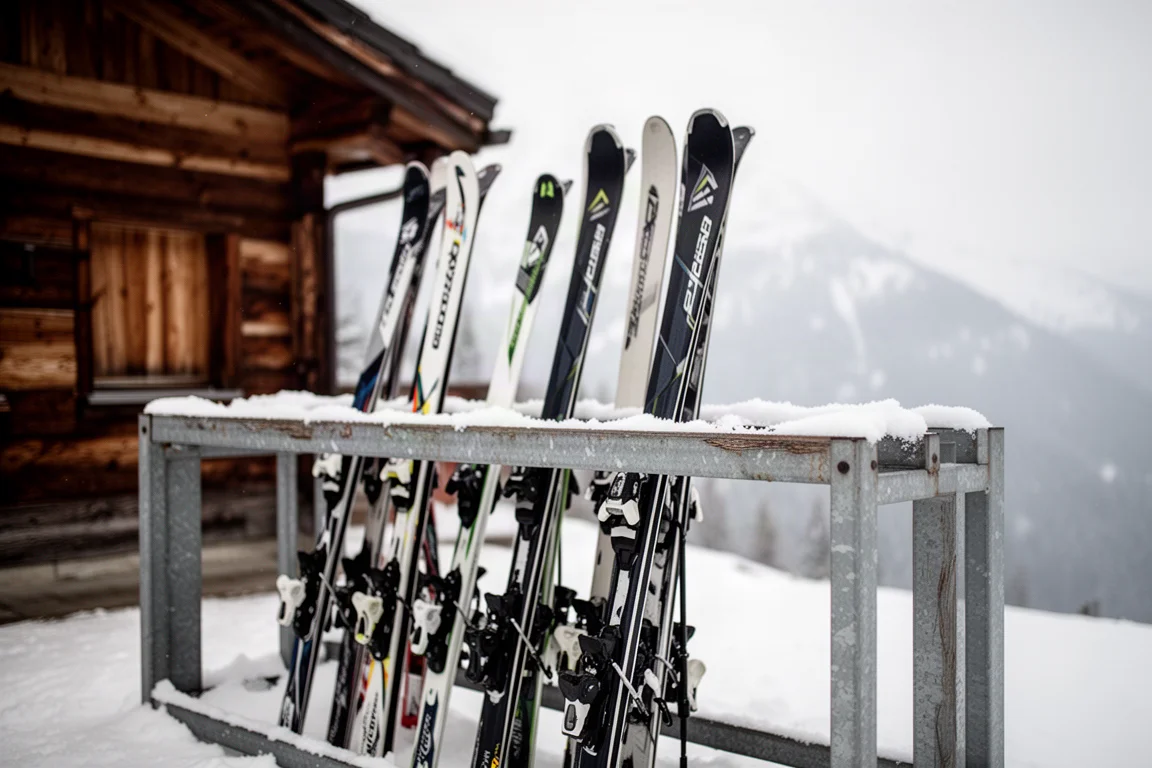
The right match is a skier who spends the majority of the season on groomers, values edge grip over float, and wants one frontside ski that stays composed from the first run to the last.
Conclusion
The Völkl Paragon 76 is not a new design so much as a well-established one under a clearer name. Its multi-layer wood core, twin metal sheets, carbon tip and three-dimensional fiberglass wrap add up to a stiff, precise frontside ski that rewards advanced technique and holds firmly on hard snow. The subtle rocker keeps it usable through initiation and completion, while the Motion binding system and consistent 17.6 m turn radius in the 176 cm length make its behaviour easy to predict. For expert skiers and former racers who want a wider platform for all-day carving, this is a convincing option to shortlist.
Product link
View more details for Volkl Paragon 76
This product is mentioned in the review. Check the specifications, options, and compatibility before buying.
View more details for Volkl Paragon 76Further reading
Related Reviews

Skis
Armada Anti Matter 82 W Review: A Light, Approachable All-Mountain Carver
Armada's Anti Matter 82 W pairs a lightweight Karuba and carbon build with an easygoing all-mountain shape, aimed at intermediates through lighter-footed advanced skiers.

Skis
Armada Anti Matter 88W Review: A Light, Playful 88mm All-Mountain Ski Plus Two Alternatives
The Armada Anti Matter 88W returns unchanged in spirit from its Reliance 88C days, and it remains one of the most versatile 88mm skis around. We also look at the Nordica Santa Ana 87 and Anti Matter 92 W as alternatives.

Skis
Armada ARV 100 vs Atomic Bent 100: Which 100mm Freestyle Ski Should You Buy?
Two of the best all-mountain freestyle skis of the season compared: one leans playful and park-ready, the other holds up better everywhere else.