Ski Reviews
Volkl Mantra 88 (2027) Review: A Sharper Evolution of a Cult Favorite, Plus First Turns on the Marker Griffin X
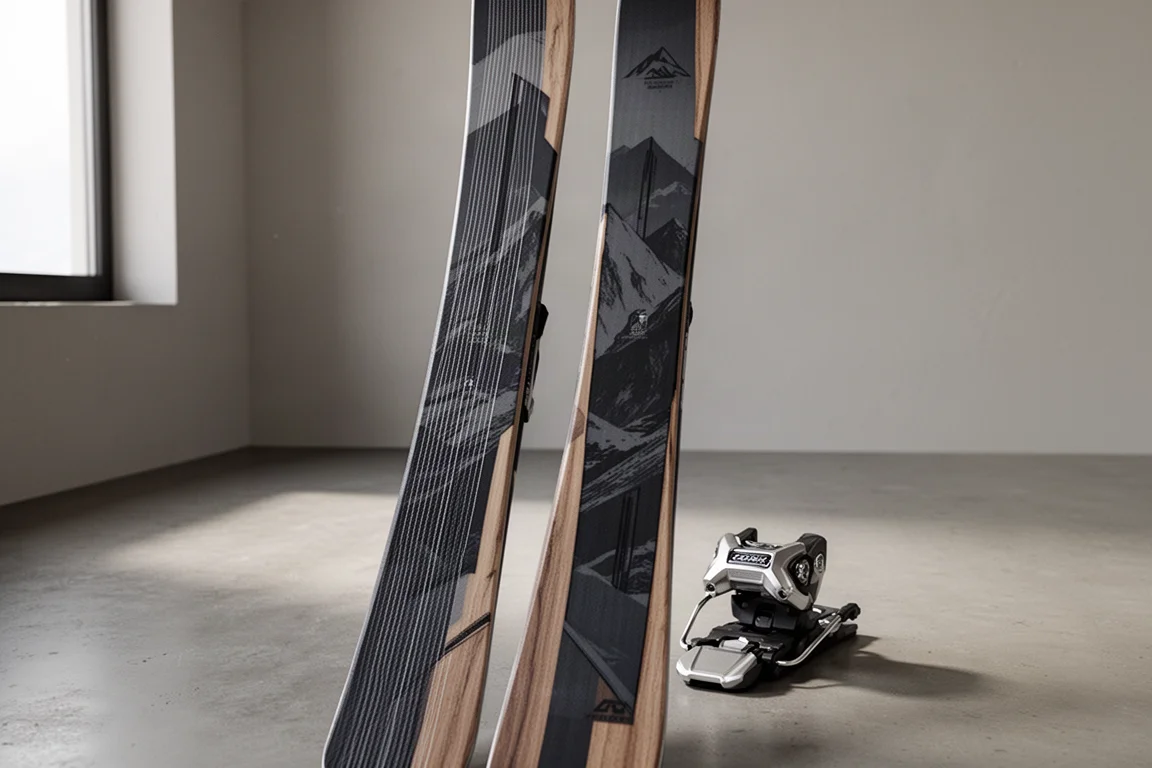
The 2027 Mantra 88 distills everything fans loved about the Kendo era into a quicker, more reactive all-mountain ski, and the new Marker Griffin X binding impresses on first impressions.
Introduction
Ask anyone who owns a Volkl Mantra 88 (or its predecessor, the Kendo) about their skis, and they will not stop talking about them. There is a genuine cult following around this line, and for the 2027 model year Volkl has done something interesting: rather than reinventing the ski, it refined it. The result is a denser, quicker, more reactive version of a ski people already loved, and after extended time on snow, it is easy to see why the following exists.
This generation also matters because the Kendo was folded into the Mantra line a couple of seasons ago. When that happened, the ski did not actually change at first. The last-year Kendo and the first-year Mantra 88 were the same ski. With the 2026/2027 generation, though, Volkl made real upgrades, and they show on snow.
One more note on transparency: demo skis were provided for testing, but no payment was involved and no feedback was shared with the brand. Everything below is an independent first-hand opinion, good and bad.
How We Assessed It
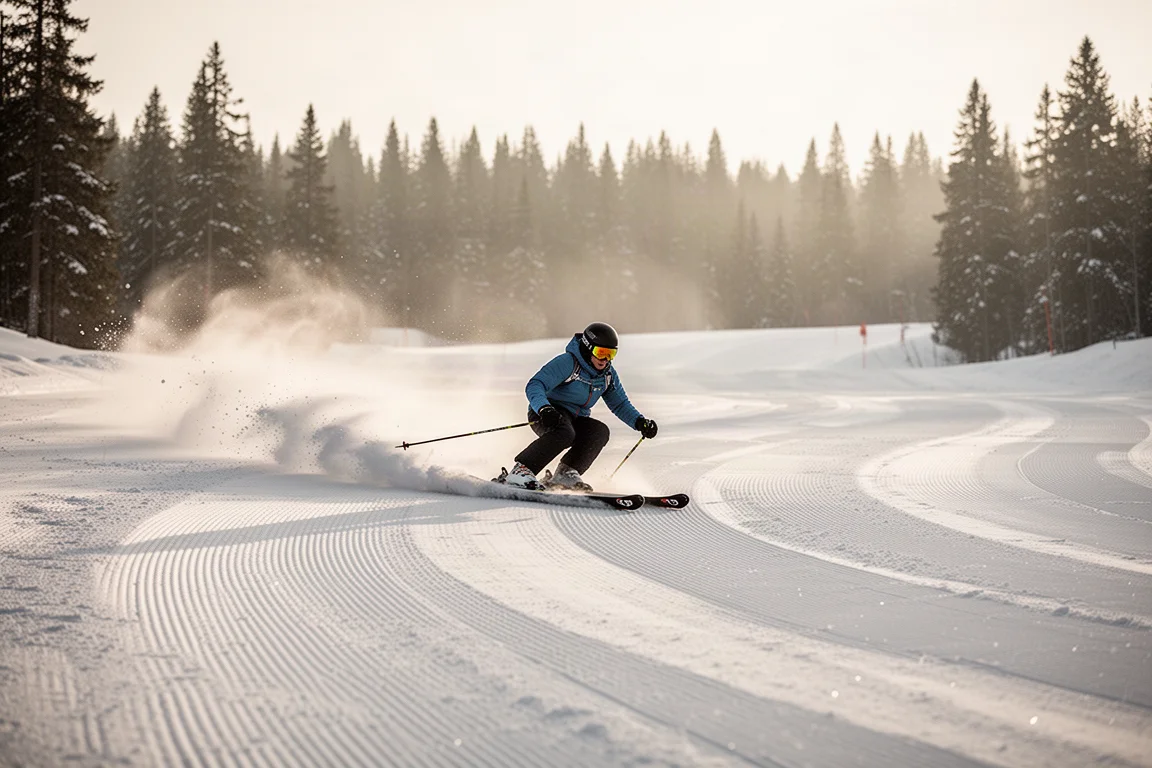
The test pair came in a 177 cm length with the Marker Griffin X binding mounted. The ski uses Volkl’s 3D radius concept, meaning multiple turn radii built into one platform: 29 m, 16 m, and 26 m. On paper, some commenters dismiss Volkl’s multi-radius approach as a gimmick. After real mileage, it is confidently not one.
The way to read it: depending on how you shift your skiing, you can find genuinely comfortable, locked-in optimal turns at different radii. Open GS-style turns feel smooth and stable, while steep pitches where you need to hop and throw quicker, slalom-like turns also feel natural. You shift your technique and the ski rewards you with a solid turn in its element, without having to wash out or force it.
Volkl Mantra 88: Construction and Technology
The wood core blends beech and poplar for durability, with lighter wood placed strategically throughout the ski to manage weight. Visible carbon stringers run through the tips and the rest of the ski, placed to address stress lines. In practice, that reads as reduced chatter and better composure in firmer conditions.
Volkl also applies its Tailored Titanal frame, which adjusts the shape and construction so the stiffness and feel stay consistent across every length. In the old days, a longer race ski could develop soft spots because you had more leverage; here, Volkl tunes the construction per length so a 177 cm and a longer ski deliver the same experience. It is a thoughtful approach, not just the same ski cut into different sizes.
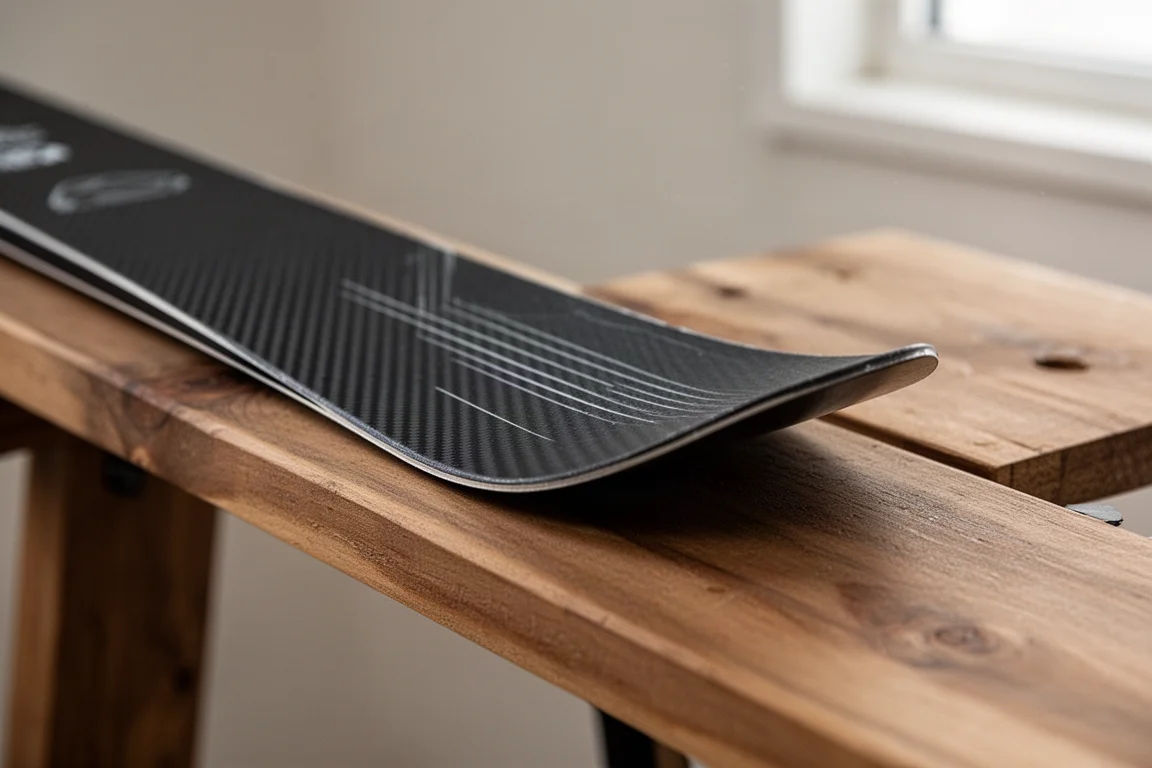
Other specs worth knowing: a PEX 2100 high-density polyethylene base, a slight (and generously labeled) twin tip that will not hang up if you ski a few meters backwards toward the lift line, a bit of early play in the tips, and modest camber that still delivers real pop and spring.
In hand, the ski is heavy and dense. On snow, that density transforms into an asset rather than a burden.
On-Snow Impressions: A Distilled Version of the Kendo
The Kendo was a legendary ski and an early favorite. The 2027 Mantra 88 keeps that personality but condenses it: quicker reaction, more spring, and noticeably lower latency between turns. It feels like the spirit of the Kendo distilled into something sleeker and higher performing, with a hint of carbon-driven energy in how it exits turns.
Specific wins noted over previous generations:
- The tail springs you out of the end of the turn better, something Volkl was not traditionally strong at.
- Latency between turns is much lower.
- Steep, short turns are a clear improvement, exactly the terrain where you need to throw quick turns to make a line fit.
- In mushy firm snow, you can start the next turn sooner and adjust your line more easily.
- In softened afternoon snow, you can really throw the ski across the hill.
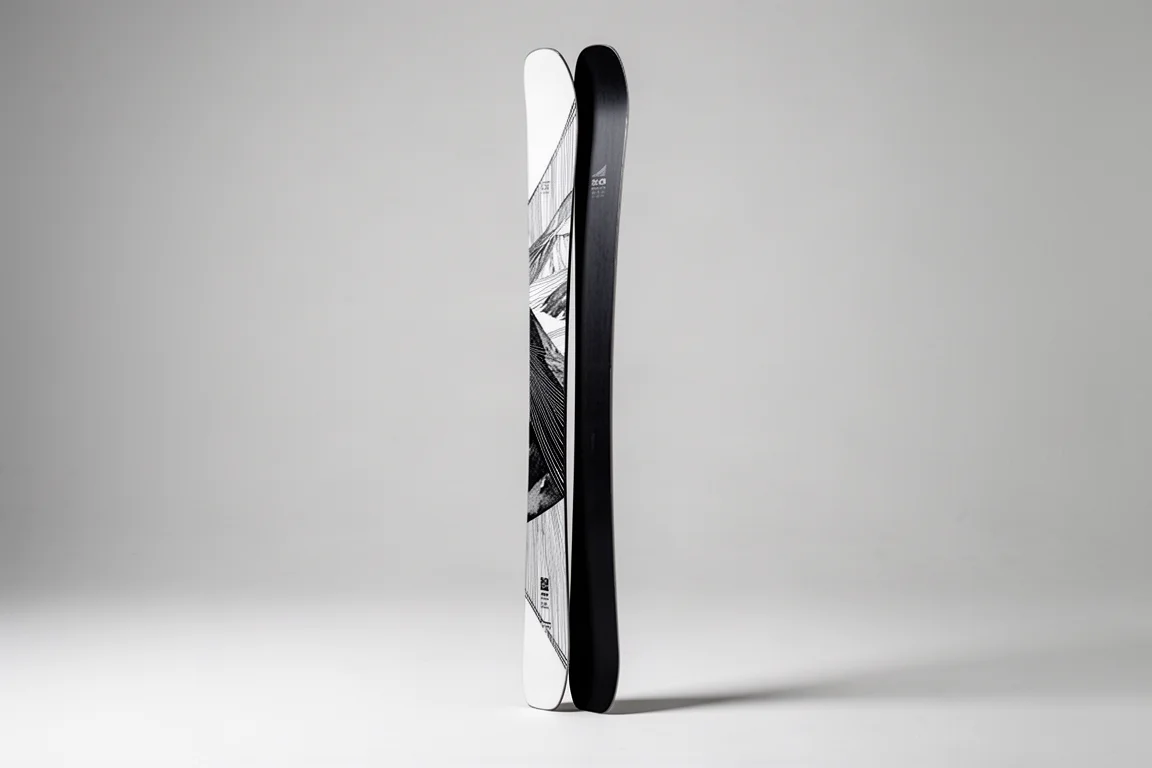
That tail energy matters for who this ski is for. Historically, skiers who liked spending time on their tails gravitated toward the Nordica Enforcer line. With more spring out of the turns, this ski should appeal to that audience too.
The bigger story is accessibility. The classic Volkl skier loves the bite of a turn directly underfoot, and that skier still gets the best experience here. But with quicker reaction and easier access to the turn, the ski opens up to a much wider range of skiers. Someone currently on a Blizzard Brahma or Anomaly 88, or even on skis where the Mantra never quite fit, should now at least have it in the conversation. You no longer need as much patience or strength to set up that mid-foot turn.
And the density still counts. This is a dense crud-cutter that excels in spring skiing: choppy, wet, variable snow gets sliced through while turns stay reactive. It is equally at home on firm and icy conditions. As a bad-conditions ski you can keep in the car and trust in anything, the value here is enormous. Build quality backs it up; older M7 Mantras used almost exclusively in poor conditions still look nearly new.
Where It Falls Short
No ski is perfect, and the sacrifices here are real, even if most are situational nitpicks.
First, speed management. The ski is powerful, dynamic, and very damp, and it picks up speed quickly without much warning. Set it in the fall line and it will go. Skiers who want a softer, more speed-averse experience, the type who might reach for something like a Black Crows Mirus Corpo, should look elsewhere. For a beginner or intermediate skier who does not yet know what to do with speed, that acceleration can be unsettling. You need to know what to do with the energy this ski generates.
Second, off-piste the tips feel a touch more touchy. The condensed performance means less ski coming through heavy, soft snow. In really soft conditions, you will want to finesse your turns and gradually carve in rather than rail on them. Compared with the older, tankier ski that bulldozed through everything, this version still plows through about 90 percent of it, but there are moments where finesse beats force.
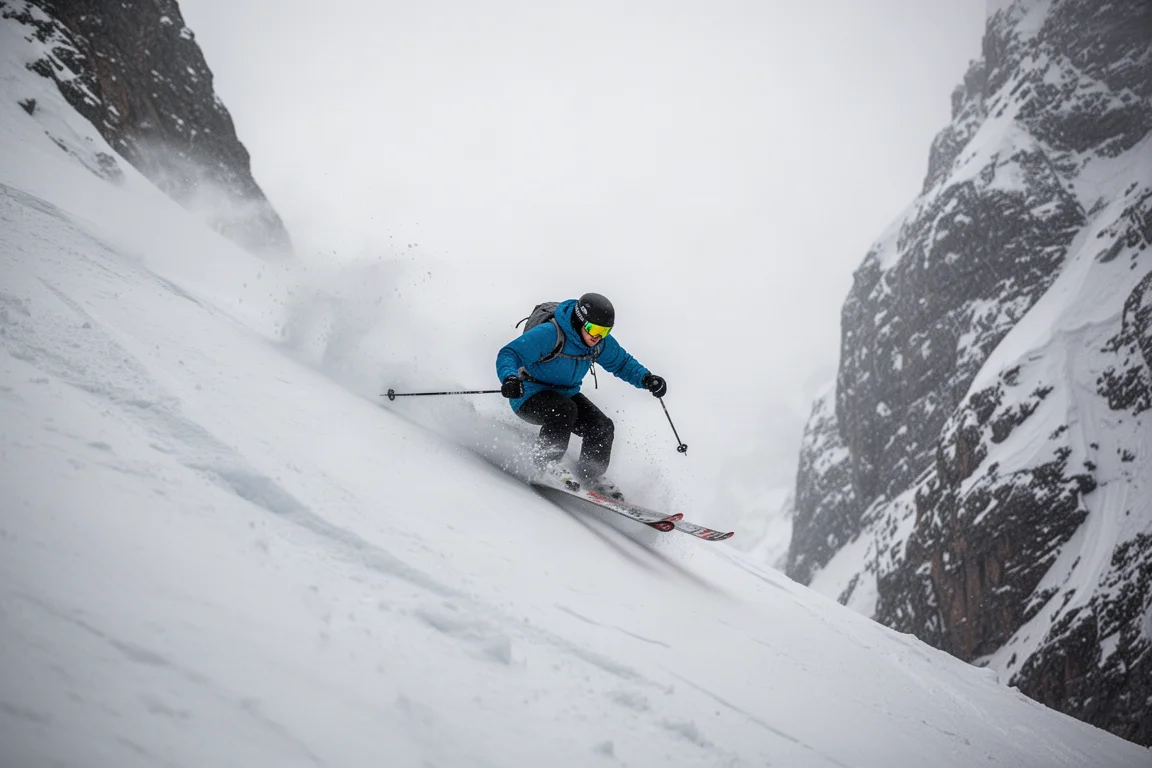
These are trade-offs, not dealbreakers. The payoff is a much more responsive, more reactive ski that does not feel slower and does not turn for you.
Marker Griffin X: First Impressions
Tested alongside the ski was the new Marker Griffin X, a compact binding that sits notably closer to the ski than the traditional Griffin. The specific model tested runs a DIN range of 4 to 12. The toe piece is a minimal design with a metal alloy housing where the boot sits and a side adjuster, while the heel piece is mostly plastic but reinforced with metal slots. Online photos undersell it; in person, it looks and feels premium.
The obvious comparison is the Look Pivot, and the Griffin X does feel different. Historically, Pivot-style bindings were not a favorite because of the bulk and the very low stand height, so expectations going in were cautious. The surprise: carving still worked well. There was plenty of feel, gradual turns came smoothly, and the connection to the ski was strong.
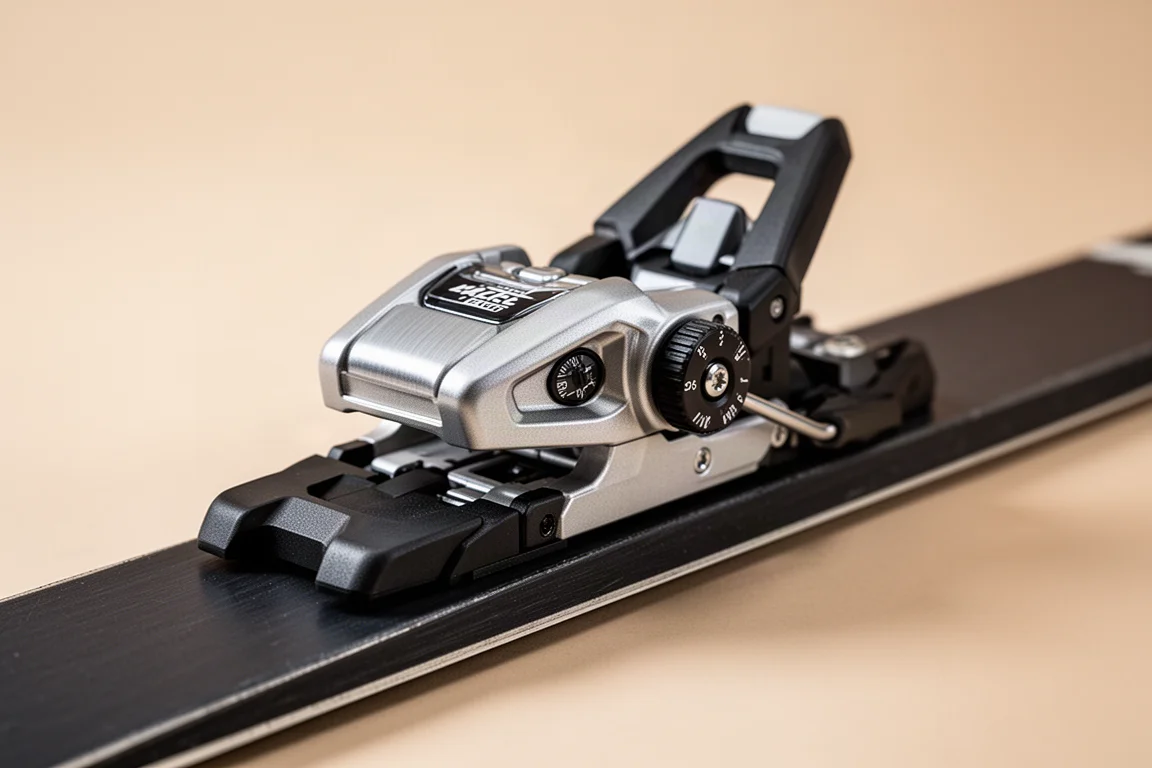
Personal preference still leans toward being a bit higher off the ski, so the standard Griffin likely remains the pick for that style. But for devoted Pivot fans, the Griffin X should be on the radar: it delivers a similar low-to-the-ski experience with less sacrifice to carving feel. It is a promising first impression that needs more mileage before a score, but it was genuinely impressive.
Buying Advice
At $849 retail, the Mantra 88 sits in the middle of the market for this category, and the construction quality justifies the price. Volkl durability has consistently been excellent, and after months of testing, the demo pair still looks nearly new.
Buy the Mantra 88 if you are a strong intermediate or expert skier who skis the whole mountain, values a damp, powerful ski, and wants quicker edge-to-edge performance without giving up the classic Volkl underfoot bite. It is a superb spring-skiing and bad-conditions tool that also handles firm snow with confidence. Skip it if you actively avoid speed, are earlier in your skiing journey, or spend most of your time in deep soft snow where you want a fatter, more forgiving platform.
Conclusion
The 2027 Volkl Mantra 88 earns a 9.4 out of 10. It takes everything the Kendo crowd loved, condenses it, and adds more power, more spring, and a faster reaction time, all while opening the ski to a broader audience. The small sacrifices in pure bulldozer density are easy to accept for the huge gains in carving and responsiveness. This was one of the best skis tested all year, and the Marker Griffin X looks like a compelling new option for low-profile binding fans. The cult following around this line did not come from nowhere, and this generation only strengthens it.
Further reading
Related Reviews
Ski Reviews
Armada Antimatter 108 Review: A Freeride Ski Built for Speed and Deeper Snow
The Armada Antimatter 108 carries over the beloved Declivity X 108 shape with new construction that adds compliance in soft snow and composure in crud, aimed squarely at strong, aggressive skiers.
Ski Reviews
Armada Antimatter 92 vs Invictus 92: Two All-Mountain Skis Compared
A closer look at two Armada all-mountain skis, one playful and nimble, the other composed and smooth, to help you pick the right one for your skiing.
Ski Reviews
Armada Antimatter 92W Review: A Smoother Take on a Proven All-Mountain Footprint
The Antimatter 92W keeps the trusted Reliance 92Ti footprint but softens the ride with a new metal construction, making it more versatile in softer snow without losing on-trail grip.