Skis
Völkl Deacon Master 72 Review: A Frontside Carver With Race Room DNA
A frontside ski with race-inspired construction, a 72 mm waist, and a 16.4 m turn radius, built for advanced and expert skiers who spend their time carving.
Introduction
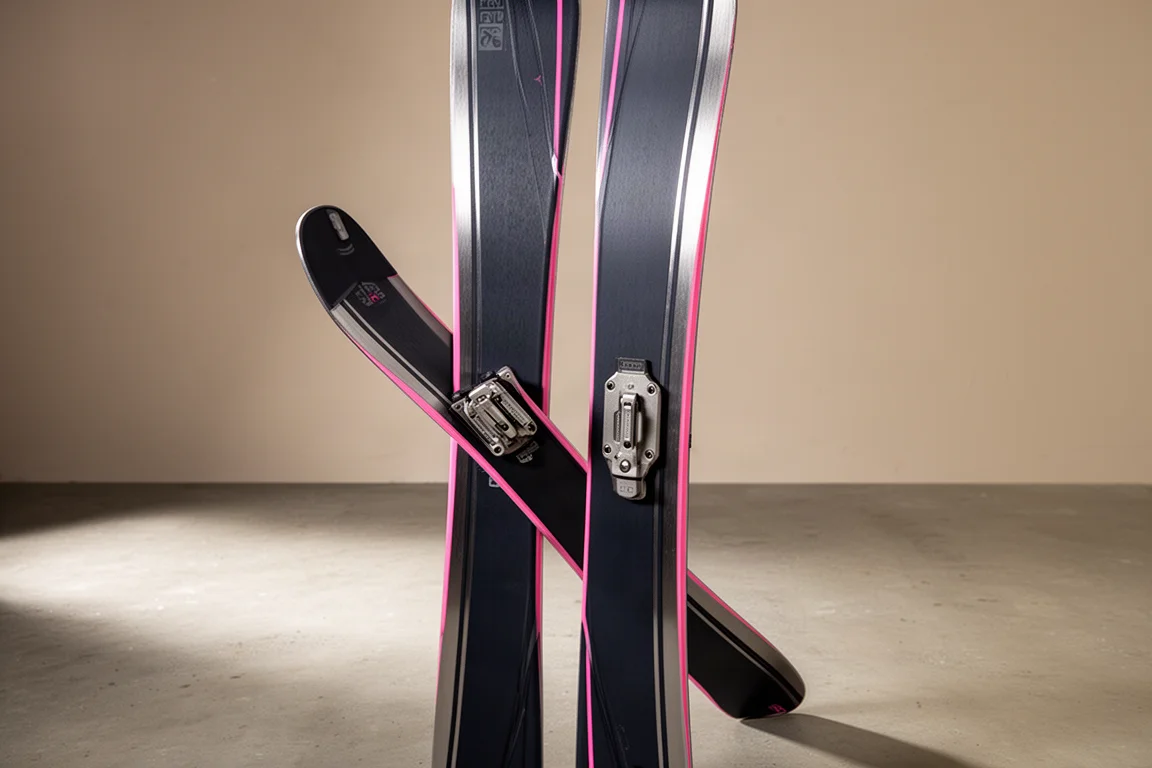
The Völkl Deacon Master 72 sits in a very specific corner of the ski market. It carries race room construction, meaning the same dense core materials and metal laminates used in competition skis, but wraps them in a shape that is slightly wider and a little more manageable than a true race ski. At 72 mm underfoot, with a 16.4 m turn radius and a full camber profile, it is built for the front side of the mountain and for skiers who want a race-like feel without a full race-ski commitment.
This review covers what the ski is made of, who it suits, and the practical details worth knowing before you commit to a setup.
Who This Ski Is For
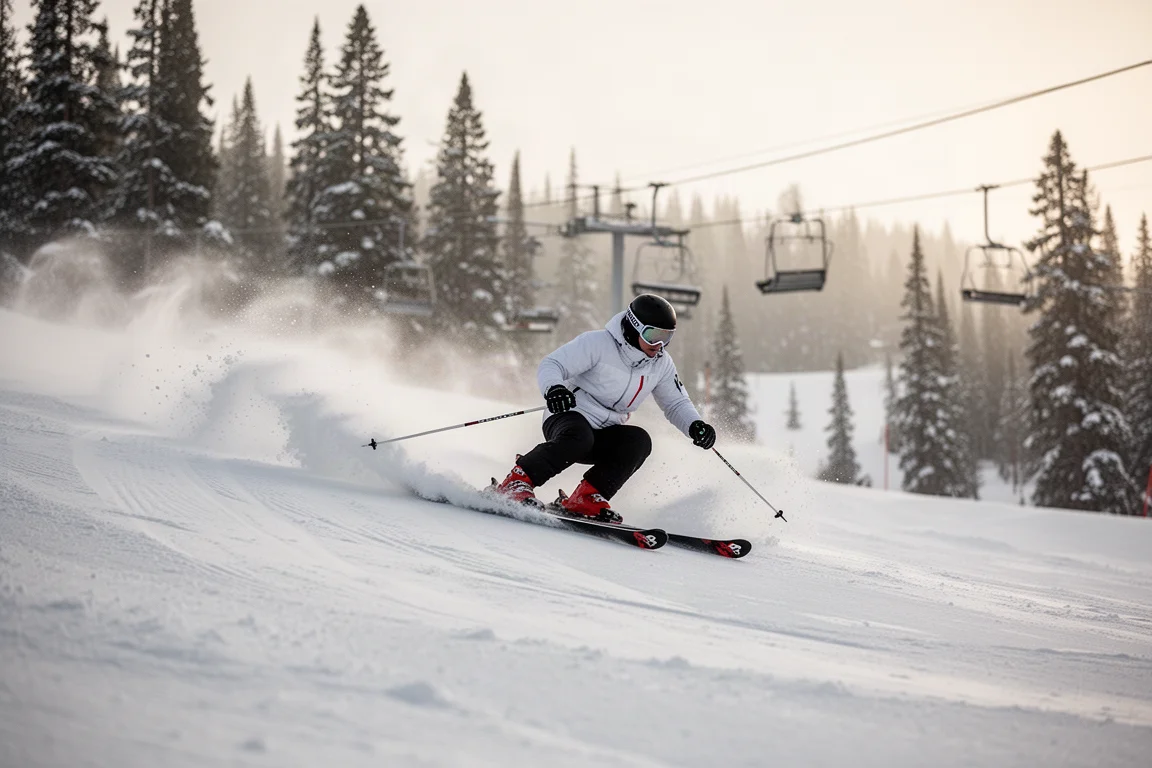
The Deacon Master 72 is aimed at advanced and expert skiers, including former racers, who spend most of their time on trail and want the highest possible performance feel from a frontside ski. It rewards a strong, precise style: the kind of skiing where the edge is engaged early and the turn is carried through cleanly rather than scrubbed.
If you are still building your technique, or if you want a light and forgiving ski for mixed terrain, this is not the easiest place to start. The build is stiff, the profile is full camber, and the waist is narrow. It is a ski that gives back exactly what the skier puts in.
Main Strengths: Race Room Construction and Frontside Performance
The core is a World Cup ash wood core, dense and strong, and it is paired with two sheets of metal. That combination gives the ski a very stable, high performance character with a firm hold on hard snow. It is a true race room build, and it behaves like one.
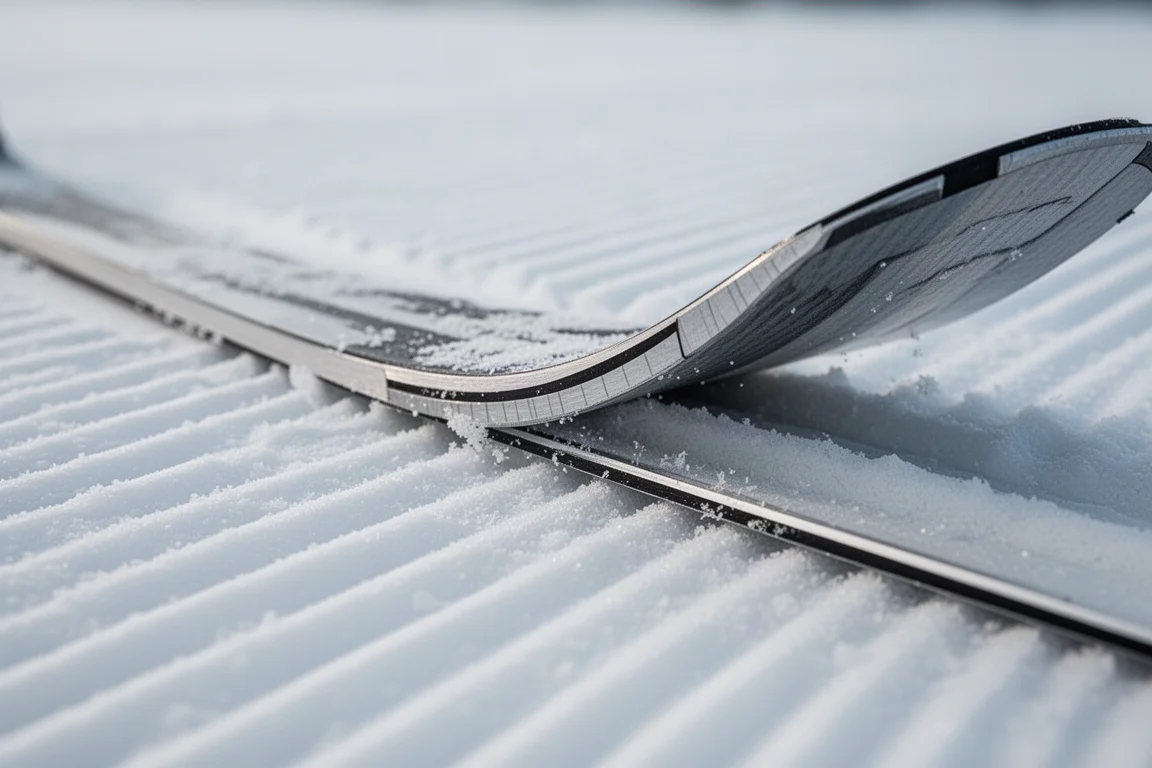
Two further construction details shape how that stiffness works on snow. Tailored carbon tips use carbon stringers positioned to adjust the torsional stiffness of the ski, which makes it more responsive and helps translate the energy a skier puts in directly to the edge. A 3D fiberglass laminate adds stiffness by running fiberglass horizontally and then bending it down over the edges, so the ski keeps its race room rigidity while staying quick edge to edge.
For a full cambered ski, that combination makes sense. Energy transfer is direct, and the ski stays planted when the turn is loaded.
Platform, Weight, and Binding Compatibility
The 72 mm waist puts this ski firmly in race-style territory, and the 16.4 m turn radius is the shorter of the Deacon Master family, close to the 15 m arc that race-oriented skiers tend to like.
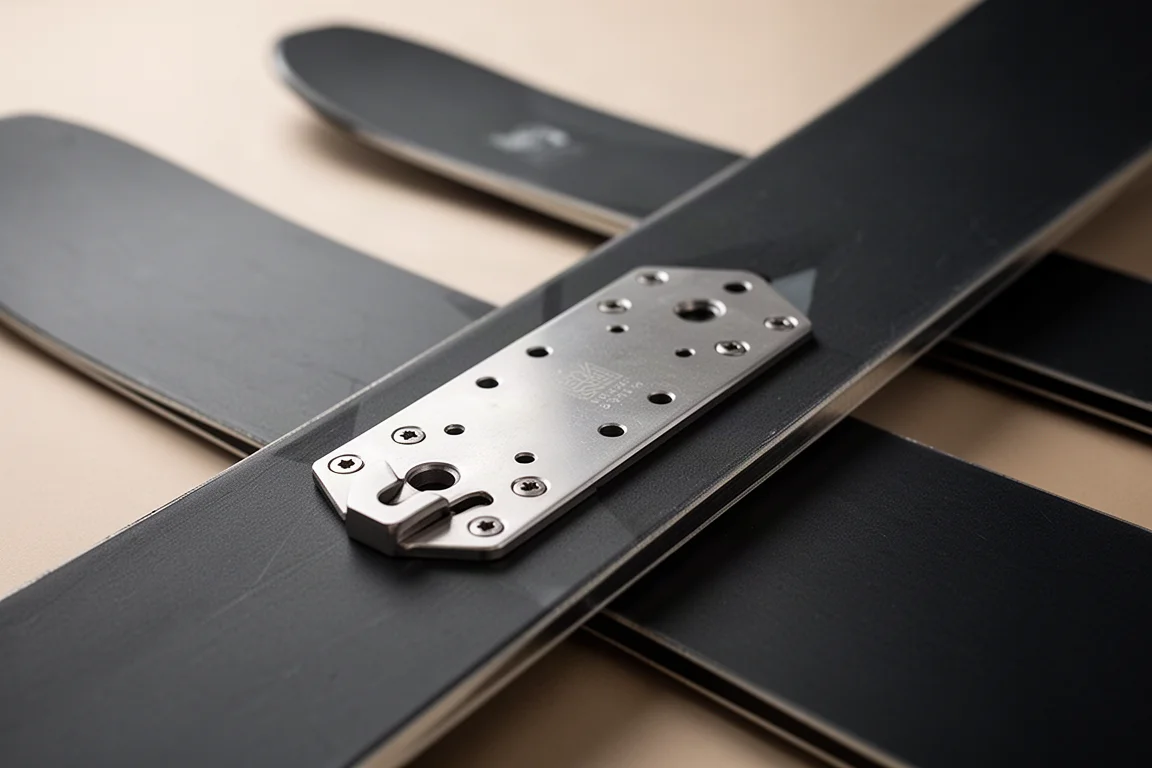
The ski is not light. The 178 cm length comes in at around 2,465 g, and the included Marker piston plate adds to that figure. The plate is a genuine performance plus, but it does limit binding choice to a Marker race binding. The upside is that it mounts directly into pre-drilled holes and matches the ski well. Pink sidewalls round out the look.
Things to Consider Before Buying
The most obvious consideration is weight. A dense ash core, two metal sheets, and a piston plate add up, so this is a ski you move with purpose rather than flick around.
Binding choice is the second point. Because the piston plate is part of the package, plan on a Marker race binding rather than an open choice of bindings.
The third consideration is the shape itself. At 72 mm underfoot with full camber, the Deacon Master 72 is at its best on groomed frontside terrain. Skiers who split their time between groomers and softer snow should think carefully about whether the narrower waist matches how they actually ski. Finally, the stiffness is real. This is a demanding ski for anyone below an advanced level.
The Wider Deacon Master 76
The Deacon Master 76 is the other option in the same family, and the difference between the two is straightforward: the 72 is the shorter-turning of the pair. If turn shape and quick edge-to-edge response on groomed terrain matter most to you, the 72 is the more focused choice.
Buying Advice
Buy the Deacon Master 72 if your days are built around carving clean, deep GS-style turns on the front side of the mountain and you want race room construction underfoot. It suits skiers with established technique who enjoy a firm, stable platform and want their input translated straight to the edge.
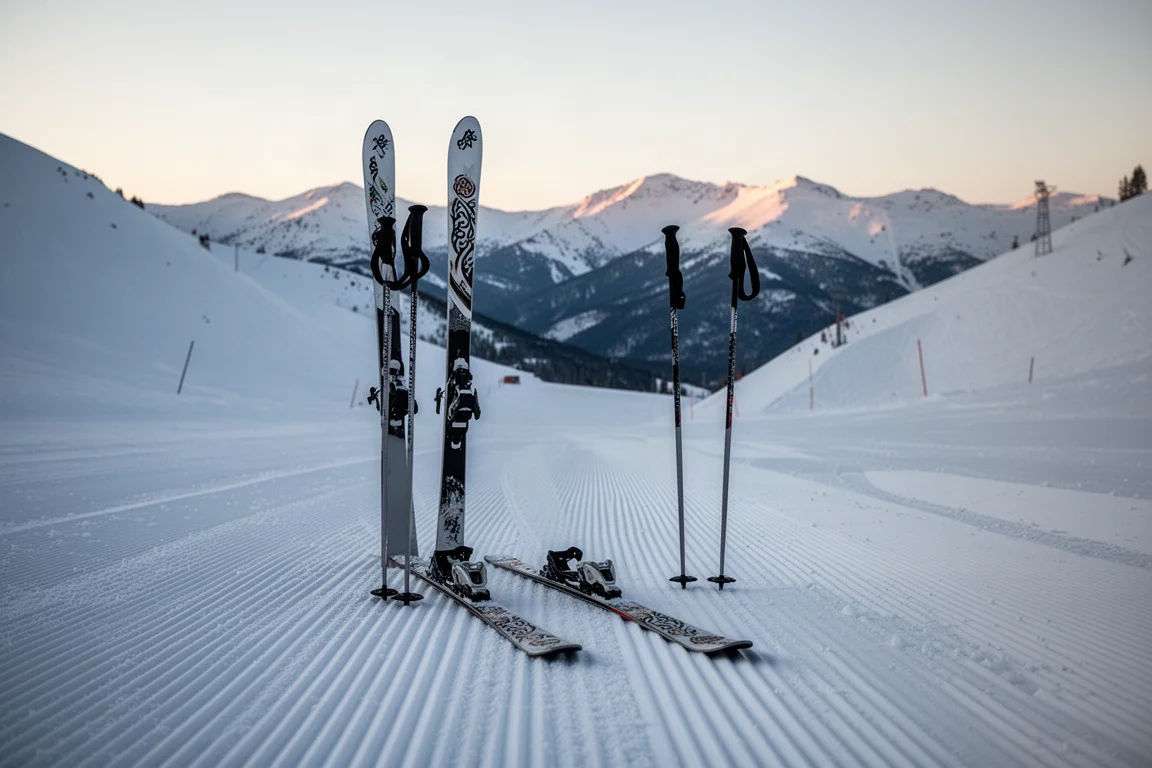
Be honest about your priorities. If you want a lighter ski, a more forgiving flex, or a wider platform for softer snow, this is not the tool for those days. If you want a frontside carver that behaves like a race ski without the full race-ski shape, the Deacon Master 72 is a strong match, and the piston plate with pre-drilled mounting keeps the setup process simple.
Conclusion
The Völkl Deacon Master 72 is a specialist, and it is honest about it. A World Cup ash core, twin metal sheets, tailored carbon tips, and a 3D fiberglass laminate deliver a stiff, stable, race-like ride on groomed terrain, while the 72 mm waist and 16.4 m turn radius keep it approachable for advanced and expert skiers. Understand the weight and the binding implications going in, and it is a convincing frontside choice for skiers who carve.
Product link
View more details for Volkl Deacon Master 72
This product is mentioned in the review. Check the specifications, options, and compatibility before buying.
View more details for Volkl Deacon Master 72Further reading
Related Reviews

Skis
Armada Anti Matter 82 W Review: A Light, Approachable All-Mountain Carver
Armada's Anti Matter 82 W pairs a lightweight Karuba and carbon build with an easygoing all-mountain shape, aimed at intermediates through lighter-footed advanced skiers.

Skis
Armada Anti Matter 88W Review: A Light, Playful 88mm All-Mountain Ski Plus Two Alternatives
The Armada Anti Matter 88W returns unchanged in spirit from its Reliance 88C days, and it remains one of the most versatile 88mm skis around. We also look at the Nordica Santa Ana 87 and Anti Matter 92 W as alternatives.

Skis
Armada ARV 100 vs Atomic Bent 100: Which 100mm Freestyle Ski Should You Buy?
Two of the best all-mountain freestyle skis of the season compared: one leans playful and park-ready, the other holds up better everywhere else.