Gravel Bikes
Vitus Adlar Review: A Carbon Gravel Bike Built for Adventure, Not Racing
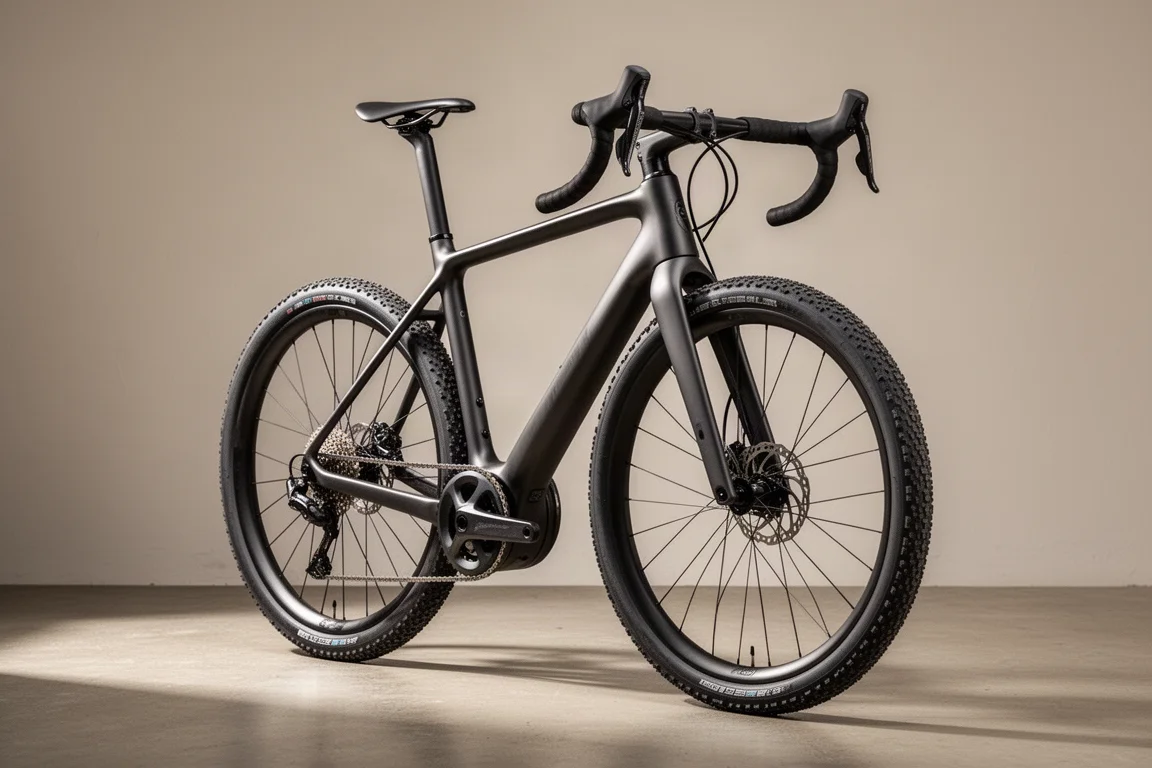
The Vitus Adlar pairs a burly carbon frame and mountain-bike-inspired geometry with a 35 kg load rating, making it a convincing tool for bikepacking and rough-terrain riding.
Introduction
The Vitus Adlar is a new carbon gravel bike, and it arrives at a moment when the gravel category has split into two fairly distinct camps. At one end sit the fast, race-oriented machines built for riders chasing high average speeds over long distances. At the other end sit the more rugged, adventure-focused bikes designed for bikepacking, big tyres, generous mounts and geometry that stays composed when the terrain gets loose.
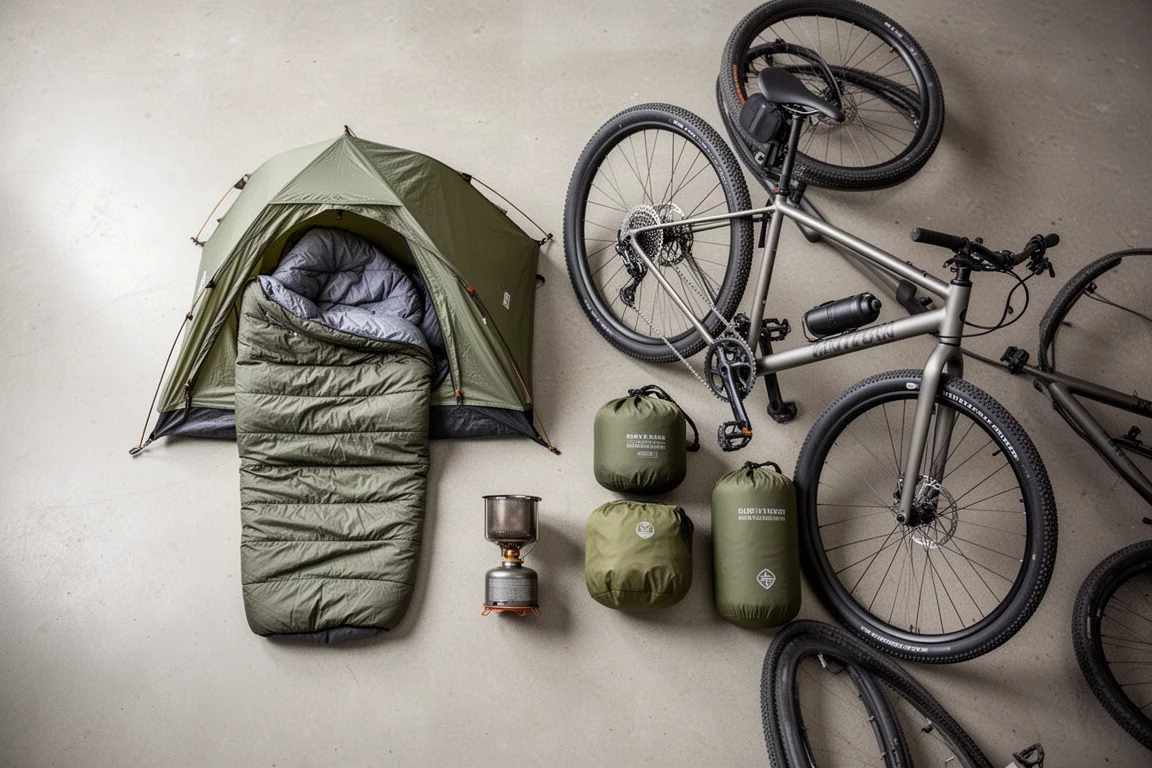
The Adlar clearly belongs to the second group. It is not heavy, it is carbon and it is stiff, so racing it is not out of the question. But it has been designed for the rider who is more interested in heading into the mountains, deserts, plains or forests with a tent, stove, food and everything else a week-long or three-week-long trip demands, rather than chasing a personal best.
The range is small, with just five models, and all of them share the same 1100 g carbon frame. There are no aluminium options. Pricing runs from $3,700 with an 11-speed GRX groupset up to $5,400 with a SRAM Rival AXS Explore build.
Who the Vitus Adlar Is For
The Adlar is aimed squarely at adventure riders. It suits people who want to load a bike with survival equipment and ride far from paved roads, and who value stability over outright pace when conditions turn rough.
It also makes a strong case for less experienced gravel riders. On rough tracks, steep descents and singletrack, the Adlar feels planted where a racier gravel bike can feel jittery and sketchy. If you are new to off-road riding and want a bike that looks after you, that composure is worth a lot. If you are already experienced off-road, the same qualities let you carry more speed and have more fun on technical trails, to the point where the bike makes good progress on trails you might otherwise choose a hardtail mountain bike for.
Frame Design and Load Capacity
The first thing that stands out is how chunky the frame looks. It borrows heavily from mountain bike design, with a large head tube and down tube, a very high front end, a small rear triangle and markedly oversized tube profiles. The bottom bracket area is big and reinforced, and the frame is deliberately beefed up throughout.
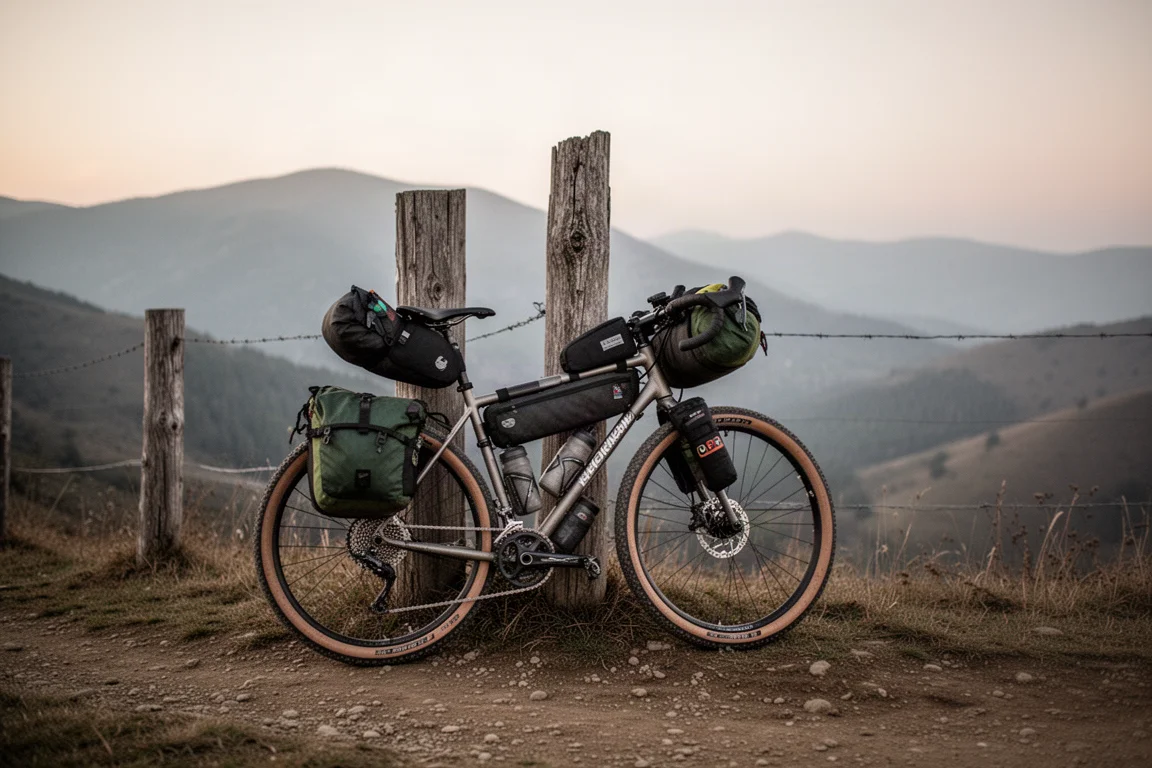
Tyre clearance is generous, with room for tyres up to 55 mm wide on 700c wheels. More importantly for adventure use, the frame is rated to carry a maximum load of 35 kg, which covers a tent, sleeping equipment, extra food and the rest of an extended kit list.
Vitus developed its own rack system for the front and rear, and the racks attach to the axles to increase load capacity. There are mounts across the frame for extra bottles and cages, mudguard mounts, and a top tube mount, so there is plenty of scope to configure the bike around the kind of riding and bikepacking setup you actually want.
Geometry and Handling
The geometry takes a clear leaf out of the mountain bike book. The head angle sits at 70 degrees, where a gravel bike would normally be around 71 or 72 degrees and a road bike closer to 73. On paper that is not a large difference, but out on the trail it changes the character of the bike noticeably.
The Adlar also has a long reach, and it is designed around a short stem and a very wide flared Ritchey handlebar. The fork is longer than you would normally find on a gravel bike, and it is designed so that a 40 mm travel suspension fork can be fitted if you want one.
The result is a rider position that sits high at the front and pushes weight back behind the bike. That is what gives the Adlar its confidence on steep, loose descents, and the slack head angle, long wheelbase, short stem and wide shallow drop bar combine to produce ample control through corners.
Ride Impressions on Rough Terrain
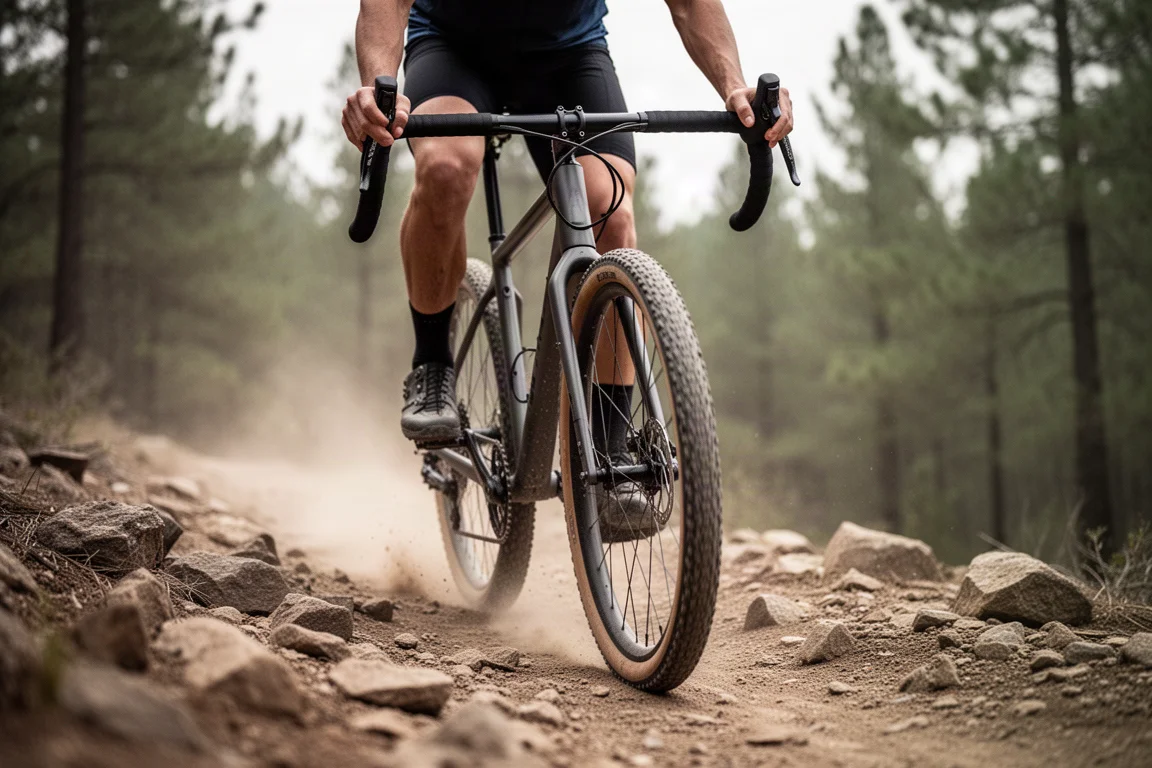
The high front end feels unusual at first, particularly for anyone used to a racy gravel bike with a much lower cockpit. On tarmac and smooth surfaces that feeling takes some adjusting to. The moment the bike leaves the road, it stops mattering.
On rough tracks, steep descents and singletrack, the geometry and handlebar come into their own. The bike feels stable and planted in situations where steeper, lower gravel bikes feel nervous, and the difference becomes more pronounced the rougher and rowdier the trail gets. The wide flared bar does look unconventional next to a standard handlebar, but in the woods it works extremely well. Because the front is high and the drops are shallow, the drops become genuinely usable, and their width and flare give a lot of leverage through corners.
Road miles linking trails together are handled capably as well. The 12-speed GRX drivetrain offers a good gear range, and the stock tyres roll fast on tarmac thanks to a smooth centre section, even at low pressures around 21 psi front and rear.
Tyres, Clearance, and Mud
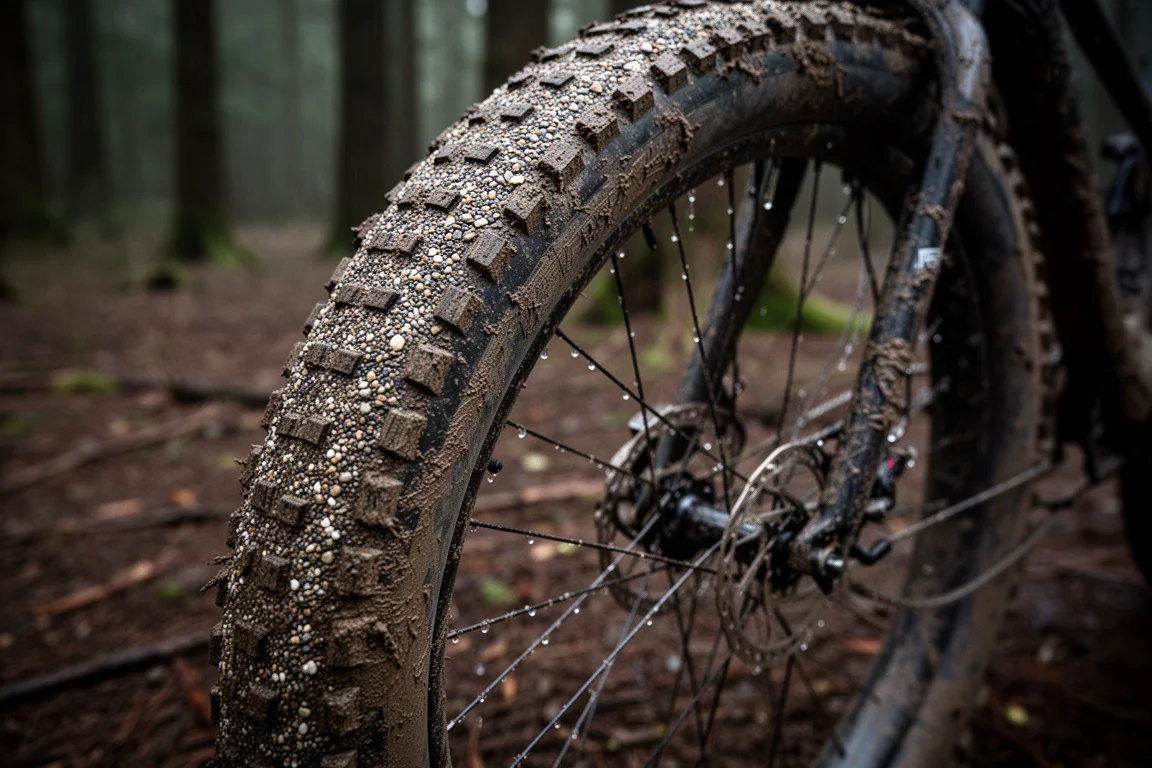
The stock tyres are the one area where the Adlar’s all-round brief shows its limits. On dry trails, hardpack and road they perform well. In deep mud they lose grip quickly, and that produces sketchy moments when the front washes out.
This is a hard problem for any manufacturer to solve, because a tyre has to work everywhere for everyone. But it is worth thinking of a bike like this as arriving on road-biased rubber: a tyre with a deeper, more aggressive tread would suit the Adlar’s intentions better and would not slow it down much on road or dry surfaces. If mud is a regular feature of your local riding, budgeting for a second set of tyres for winter is a sensible move.
Clearance held up well in wet conditions. Muddy as the trails were, the frame cleared without clogging, and clip-on mudguards fitted front and rear helped keep some of the spray off without causing any packing issues around the rear tyre or seat tube.
Things to Consider Before Buying
The Adlar uses a press-fit bottom bracket rather than a threaded one. For a bike intended for remote adventure riding, some riders will reasonably prefer the simpler maintenance and lower risk of a threaded bottom bracket.
The seatpost is a round 27.2 mm aluminium unit, which means dropper posts and aftermarket carbon posts are an easy swap. Comfort from the bike is already good, and the big tyres run at low pressures smooth out rough trails effectively, but a carbon post is an obvious upgrade path if you want more.
It is also worth remembering that the frame is the constant across the range while the build changes substantially. The model tested here uses a Shimano GRX 12-speed 1x setup, in-house MIK aluminium wheels, an in-house stem and seatpost, a Prologo saddle and a Ritchey handlebar. As configured, without pedals but with two cages fitted, it weighed 9.8 kg.
Buying Advice
Because all five models share the same 1100 g carbon frame, the choice comes down to groupset and finishing kit rather than frame quality. At $3,700 the entry build with 11-speed GRX covers the essentials. At $5,400 the SRAM Rival AXS Explore build adds electronic shifting, and the GRX 12-speed 1x build reviewed here sits in that structure as a strong middle option for riders who want a wide range and simple, reliable shifting.
The decision worth making early is tyre choice. If your riding is mostly dry, hardpack and road, the stock rubber is fine and the Adlar is ready to go. If you ride in mud regularly, factor a second, more aggressive set of tyres into your budget and keep the faster ones for summer.
Conclusion
The Vitus Adlar takes a clear position in the gravel market. It is not a race bike, and it is not trying to be. What it offers instead is a stiff, reinforced carbon frame with a 35 kg load rating, generous clearance for tyres up to 55 mm, a rack system designed to carry real luggage, and geometry that keeps the bike composed when the terrain turns steep, loose and technical.
For riders planning loaded adventures, or for anyone who wants more stability and confidence off-road than a racy gravel bike provides, the Adlar makes a compelling case. Just plan on choosing your tyres to match the conditions you actually ride.
Product link
View more details for Vitus Adlar
This product is mentioned in the review. Check the specifications, options, and compatibility before buying.
View more details for Vitus AdlarFurther reading
Related Reviews
Gravel Bikes
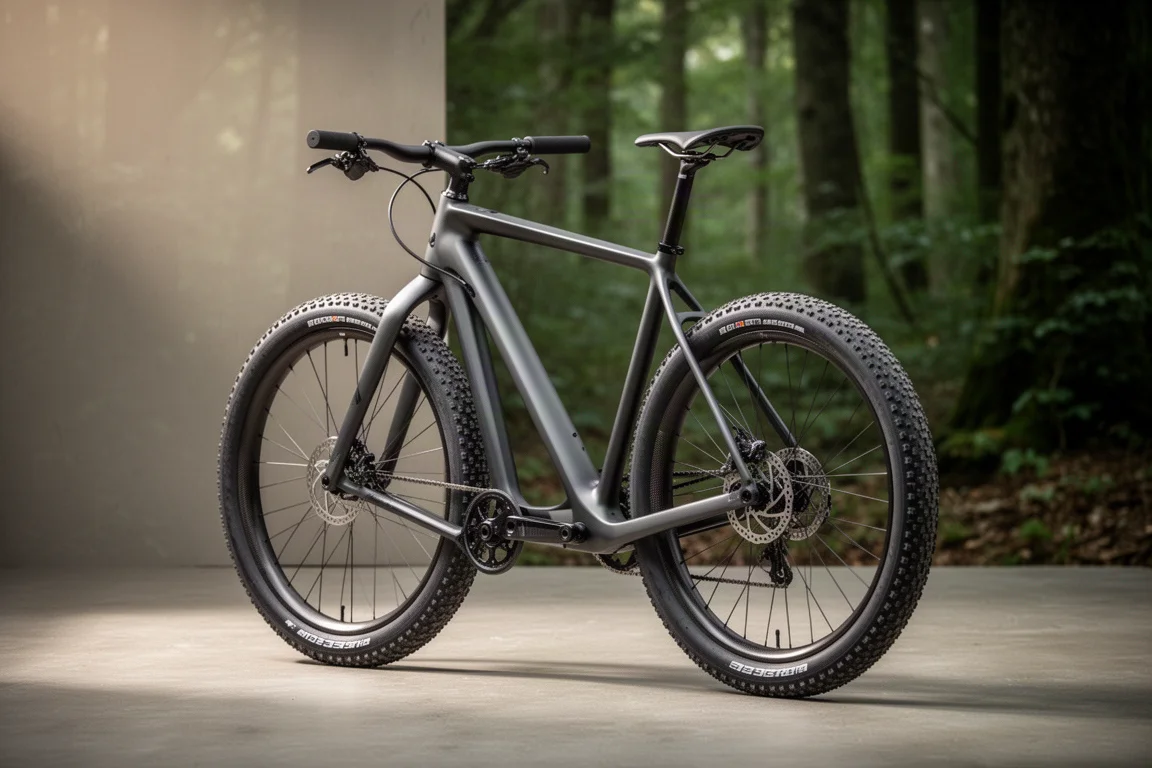
3T Exploro Ultra Review: A Fast Gravel Bike Built for Big Tyres
A close look at the 3T Exploro Ultra, an aero carbon gravel bike designed around wide tyres, with road-like handling, a 980 g frame and genuine rough-terrain capability.
Gravel Bikes
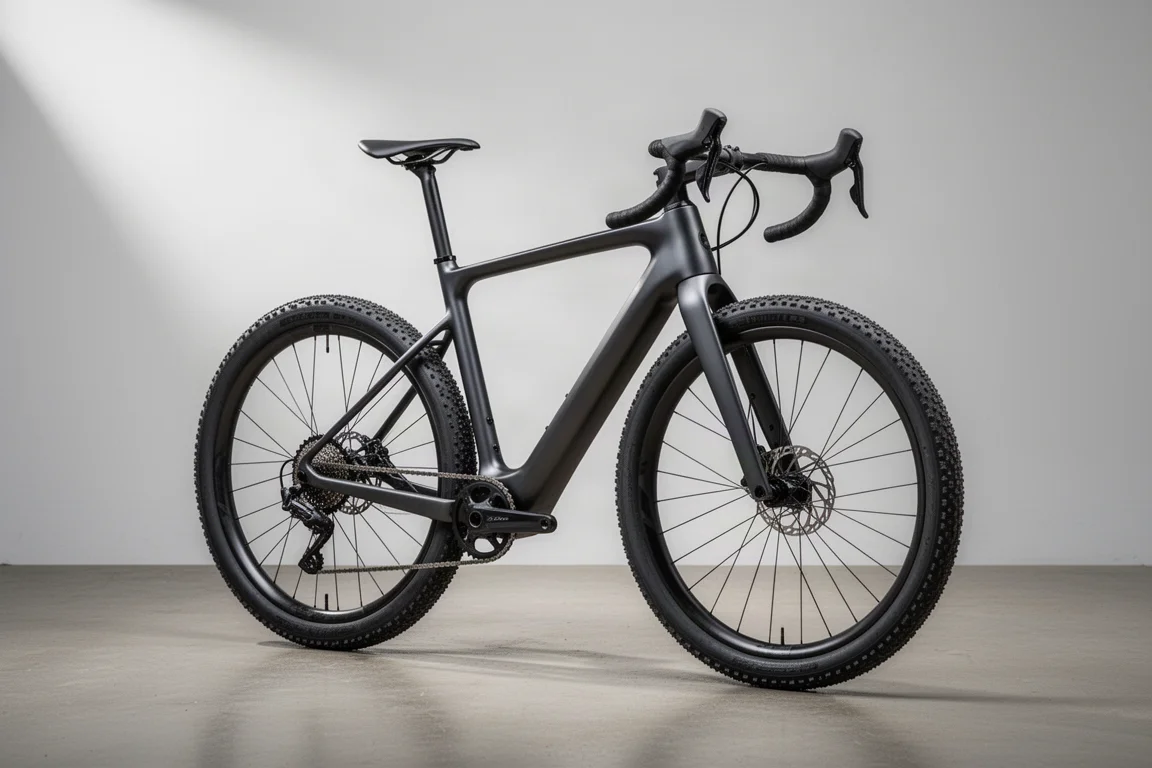
3T Extrema Italia Review: Aero Gravel Speed With Room for 57 mm Tires
The 3T Extrema Italia pairs an aero frame with huge tire clearance, Italian-made carbon and a more comfortable ride than the RaceMax. Here is what to know before buying.
Gravel Bikes
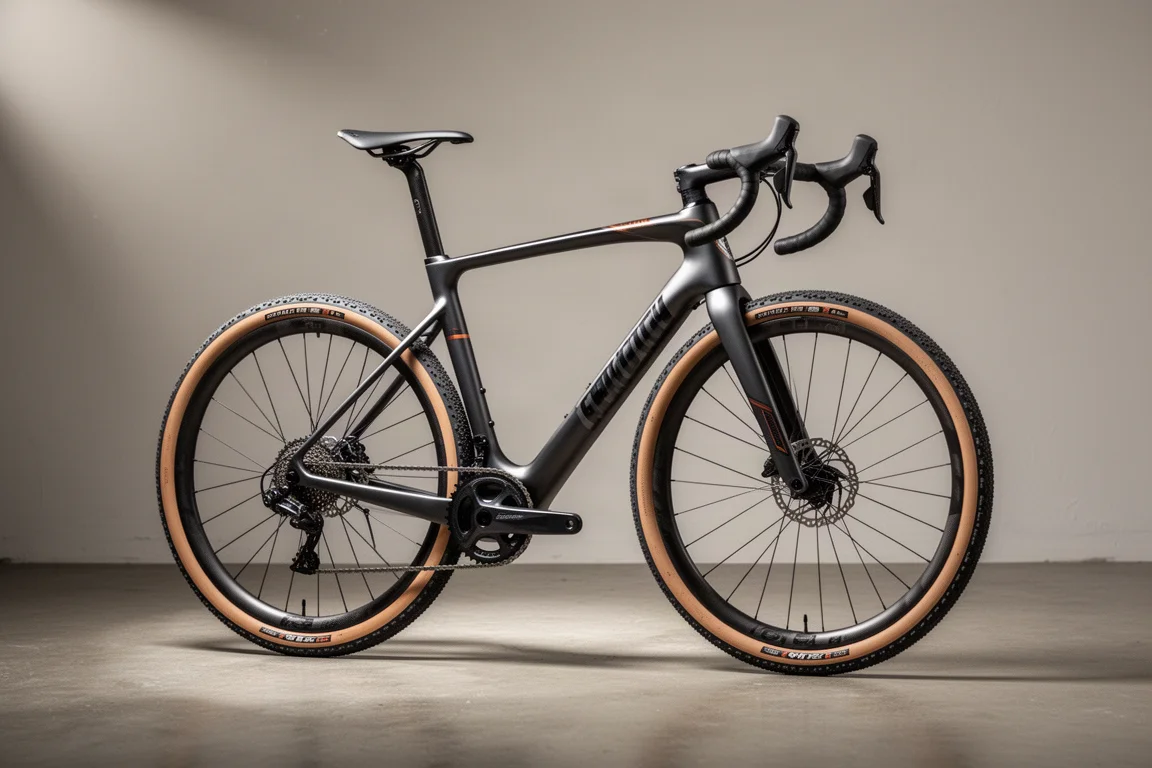
3T Race Max 2 Italia Review: An Aero Gravel Race Bike Made in Italy
A closer look at the second-generation 3T Race Max 2 Italia, covering its aero updates, ride character, tire clearance, internal storage and who it suits.