Tools & Accessories
Two Viral Tool Hacks Put to the Test: Torque Multiplier vs Drill Impact Adapter
We look at two popular social media tool accessories, a torque multiplier lug nut wrench and a drill-to-impact adapter, and assess what the testing actually revealed.
Introduction
Social media is full of tool hacks that promise outsized results from cheap accessories. Two of the most watched are a hand-crank torque multiplier claimed to remove lug nuts with almost no effort, and an adapter that turns an ordinary cordless drill into an impact wrench. Bench testing with calibrated equipment tells a very different story for each.
The Torque Multiplier: Big Claims on Paper
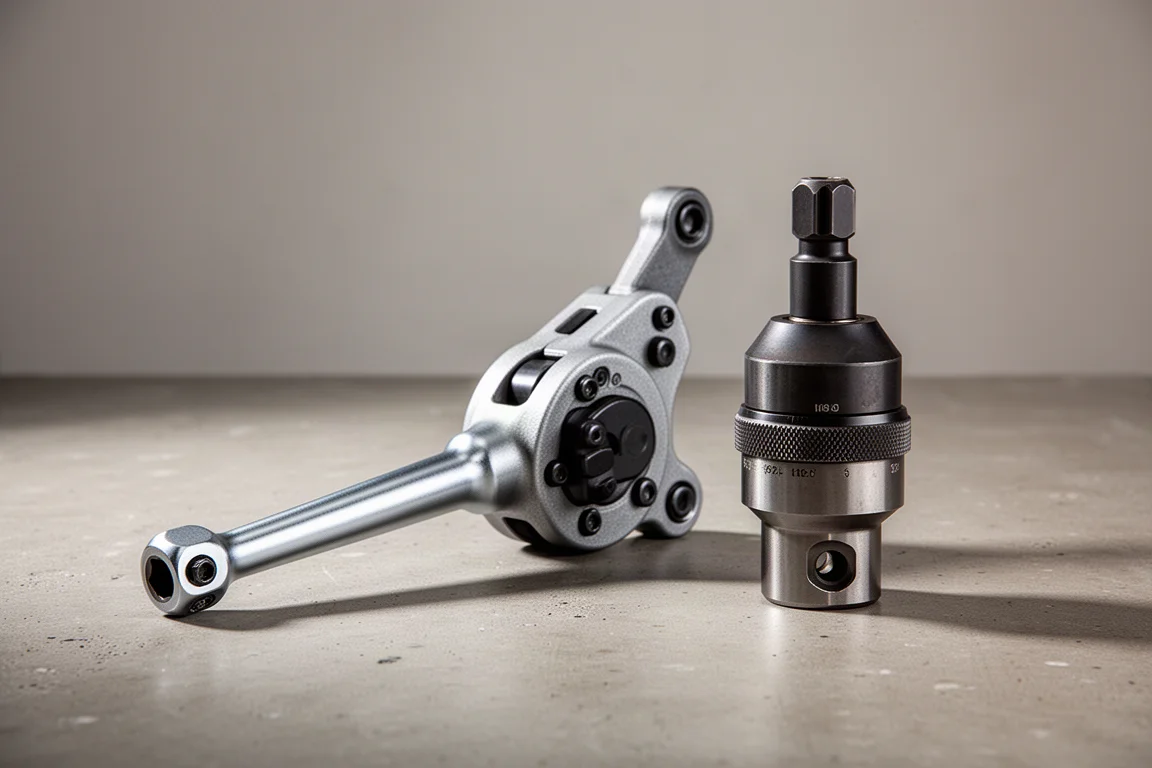
The “3,200 Nm” lug nut remover is the classic grandfather-era labor saving wrench, promising up to 2,360 ft-lbs of torque from a hand crank. Inside, it uses a double planetary gear reduction with two planet gears per stage, set up as a 16:1 ratio. On paper, applying 50 pounds of force to the six-inch lever should produce around 400 ft-lbs at the output with zero losses.

Reality is less generous. On a calibrated test rig, the best result came in at roughly 190 to 195 ft-lbs with considerable effort, far more effort than a normal hand tool would need for the same job. The listing itself is inconsistent, claiming both 2,360 ft-lbs and 800 Nm (about 588 ft-lbs), and the real-world feel suggests the lower figure is closer to the truth. A basic breaker bar costing around 20 dollars performed better.
There is also a fundamental design problem: because of the reaction arm, it cannot be used to tighten lug nuts. Anyone who owns a tool capable of reinstalling the wheel to proper torque already owns something that can loosen the nuts just as effectively. As a roadside hack, it is hard to recommend.
The Mastercraft Drill Impact Adapter: The Sleeper Hit
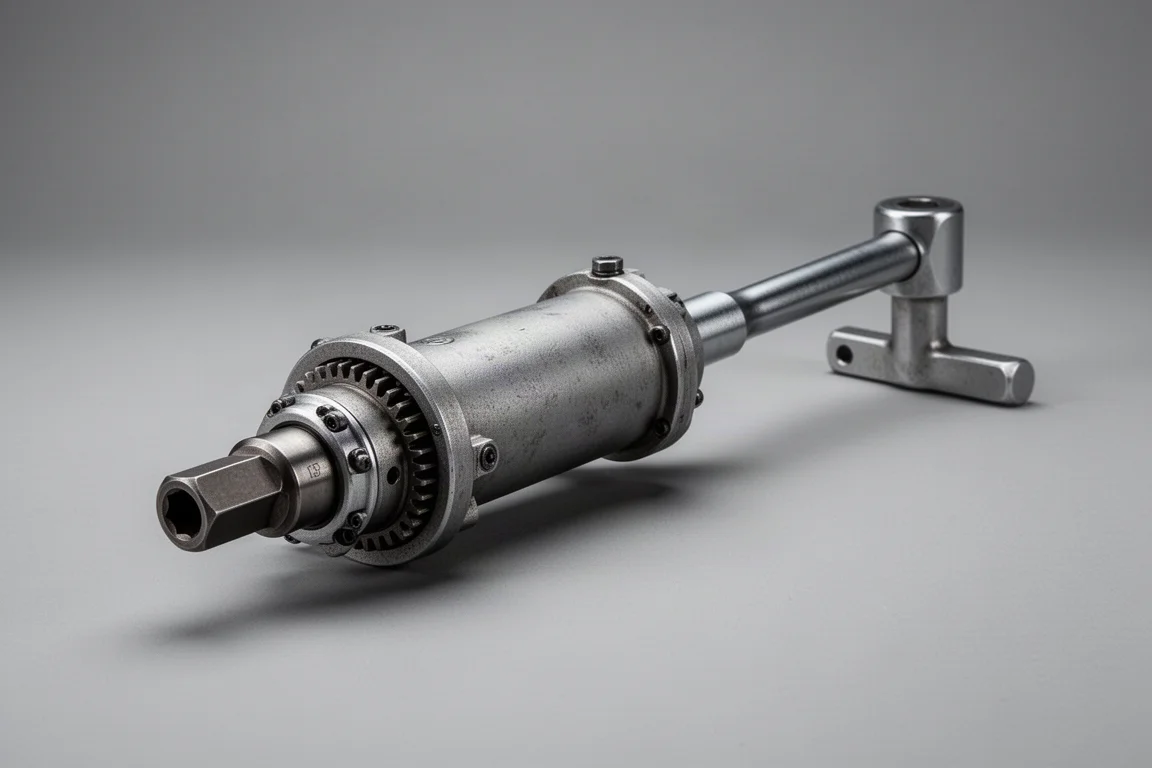
This adapter claims a hand drill can remove 100 ft-lb lug nuts. The Mastercraft version, sold in Canada and now discontinued at an original price of around 40 dollars, stands out for two reasons: it is larger than most, and its hammer spring tension is adjustable, letting you tune it to your drill’s power and your task.
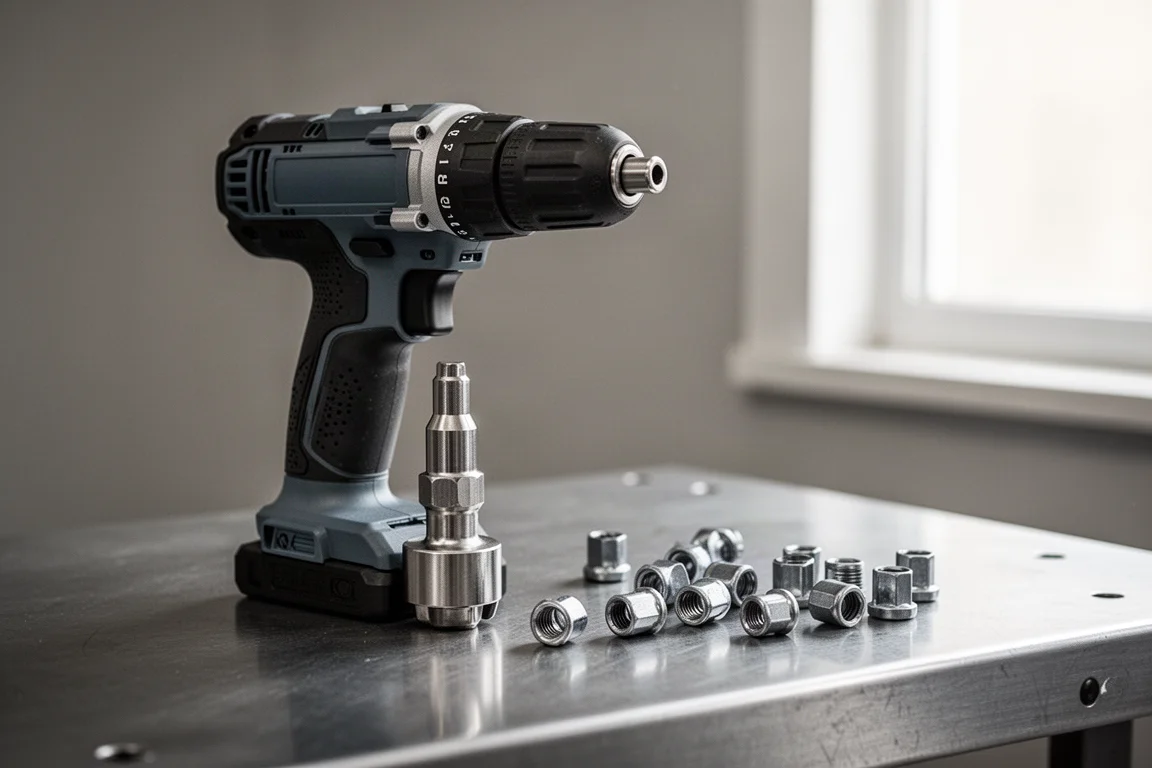
Early drill adapters were designed for the weak cordless drills of a decade ago, so the real question was whether one could keep up with a modern high-output drill. The answer surprised everyone. With a top-tier DeWalt DCD999 in low gear with the spring tension maxed, the adapter produced about 113 ft-lbs. In high gear with a Milwaukee 2704, it reached 269 ft-lbs, approaching mid-torque impact wrench territory.
But the headline number came from the DeWalt in its best configuration: 467 ft-lbs in a five-second working test, just above the most powerful mid-torque impact wrench on the market and just under a Craftsman V20 half-inch high-torque. A 15-second maxed-out run pushed it to 575 ft-lbs, with reverse output landing between a flagship mid-torque and a 40V Makita XGT. That is entry-level brushless high-torque power from a drill adapter.
Inside the Design
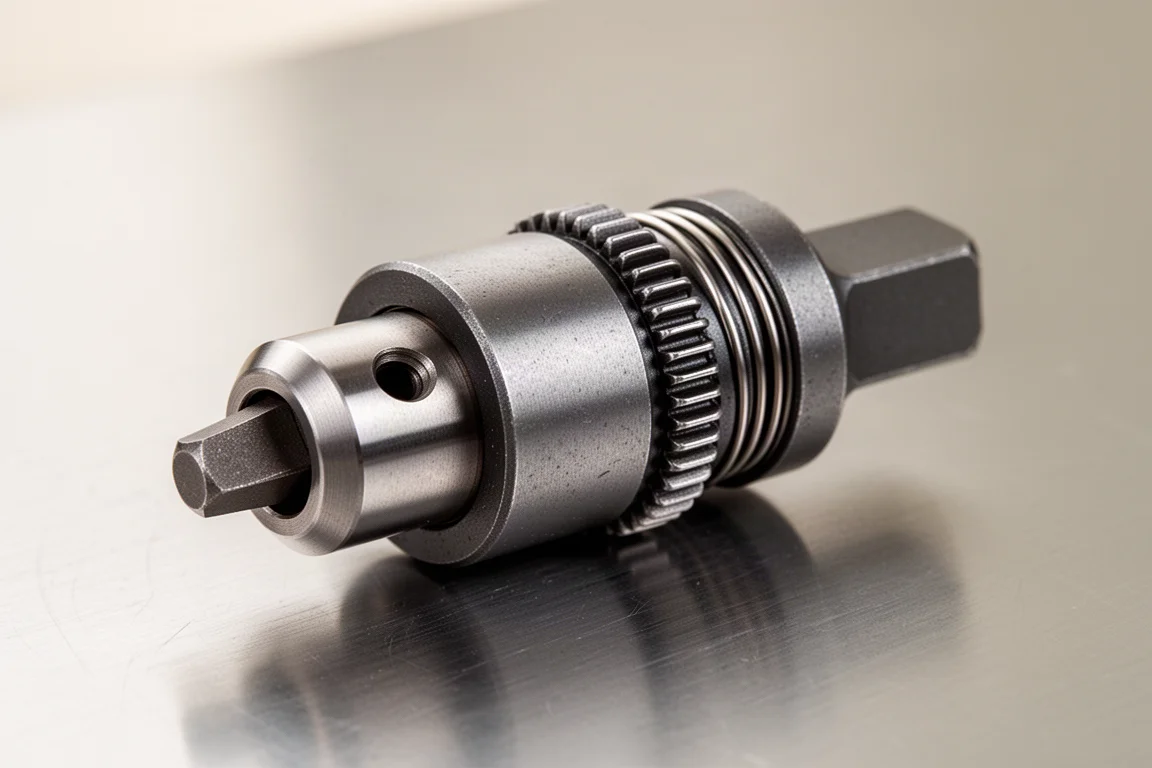
The plastic housing makes the adapter easy to open. Inside sits a conventional spring and cam impact mechanism, old school in its anvil design but with a hammer far larger and more solid than expected for something meant to be driven by a drill. The spring is decently sized, and the adjustable collar threads down to squeeze the spring, changing how hard and how fast the hammer is forced over the anvil dog.
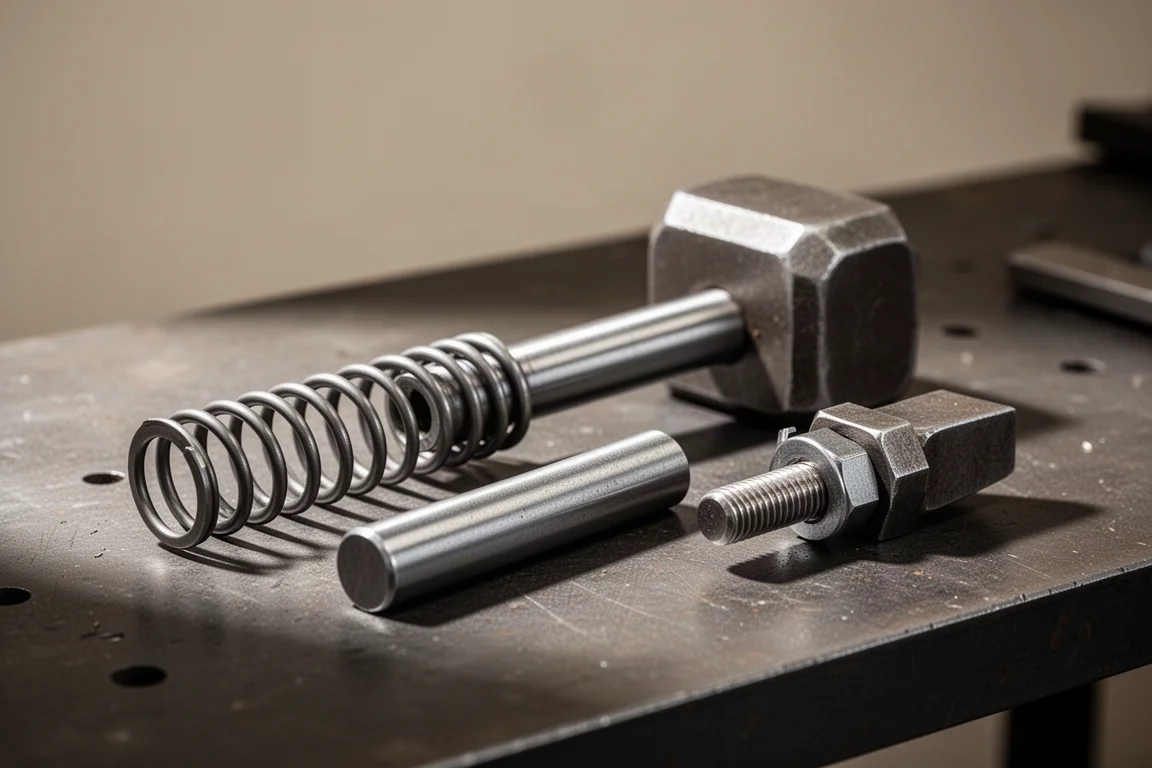
High-speed footage showed the mechanism striking over 2,000 times per minute with a modern drill, with hammer speed exceeding that of an M18 high-torque impact. In reverse, the hammer occasionally hit the top of the anvil dogs and interrupted the rhythm, but unlike a factory impact, you can simply back off the spring tension to tune that behavior out. The core insight is that speed, not just blow frequency, is what juices a hammer mechanism, and modern drills deliver far more of it than the drills this design was originally built for.
Real-World Lug Nut Performance
Put against 1.5-inch lug nuts that had not been moved in a long time, the adapter still managed around 500 ft-lbs in its best setup. That is genuine Lug nut-loosening headroom, not just bench numbers.
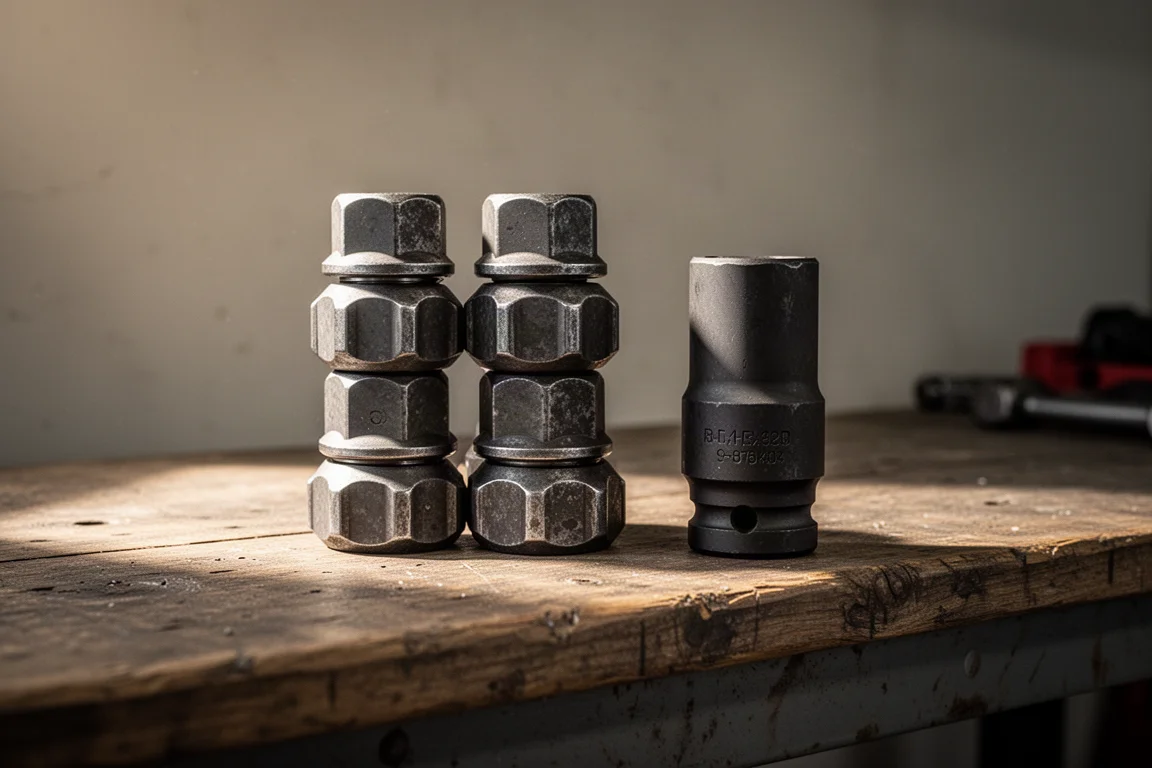
The honest caveat is that this particular Mastercraft unit is discontinued, and similar adapters vary widely in quality. If you find one, treat it as a fun and surprisingly capable accessory for the right drill, not a full replacement for a dedicated impact wrench, and note that one tested sample could not be run by hand at all. The idea, however, clearly works far better than its viral reputation suggests.
Conclusion
Of the two viral hacks, only one earns its keep. The torque multiplier overpromises, underdelivers, and cannot even reinstall the wheel it helps remove. The drill impact adapter, especially the adjustable-spring Mastercraft version, is the genuine surprise: a cheap, clever accessory that turns a strong modern drill into something approaching mid-torque and even entry-level high-torque impact performance. Buy the adapter if you can find one, skip the multiplier, and keep using your breaker bar.
Further reading
Related Reviews
Tools & Accessories
Best Schrader Air Chucks for a Leak-Free Seal: Three Options Compared
A hands-on seal test comparing the Lock N Flate Schrader Valve Inflator against the Lezyne Air Chuck and Artisan Factory Air Chuck, with a clear winner for leak-free performance.
Tools & Accessories
Best Bit Storage Sets: Six Options Compared for Everyday Use
Six bit sets and storage cases, from Milwaukee Shockwave to Plano, with honest notes on what works and what does not.

Tools & Accessories
Best Tool Totes: Veto Pro Pac CTX-L, CTX-LC and the Husky 14-Inch Budget Pick
Three open-top tool totes compared on build quality, materials, and value, from a $29 Husky bargain to Veto Pro Pac's large-format CTX-L.