Hand Tools
Vintage vs Modern Ratchets and Adjustable Wrenches: Which Hand Tools Are Worth Buying Today
We compare modern ratchets and adjustable wrenches against century-old originals on arc swing, back drag, torque, and durability to find the best buys today.
Introduction
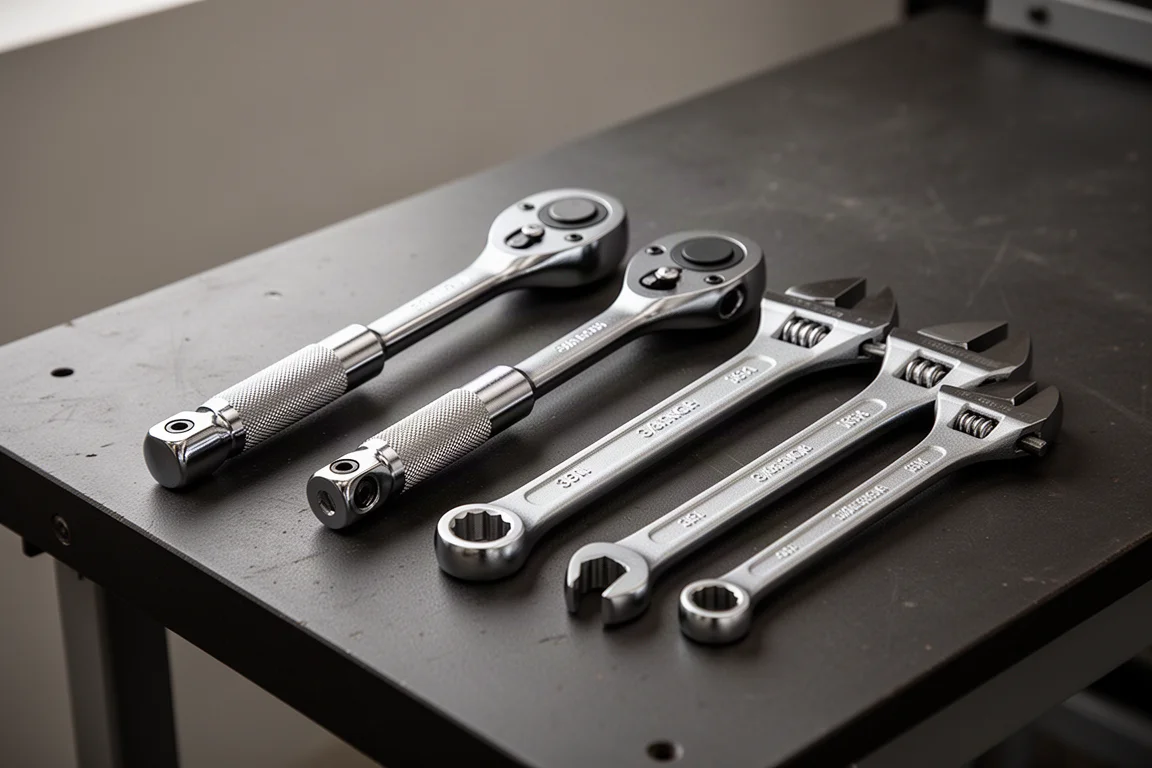
Vintage tools have a reputation for outlasting their owners, but reputation and real performance are not the same thing. To settle the question, a head-to-head showdown put century-old ratchets and adjustable wrenches directly against their modern counterparts in tests covering arc swing, back drag, gearbox slop, head size, torque output, and ultimate failure load.
The short version: vintage tools surprised in precision, but modern tools won where it counts for a buyer today. This guide breaks down the modern tools worth purchasing, what the vintage benchmarks revealed, and which ones make the most sense for your toolbox.
How We Evaluated the Tools
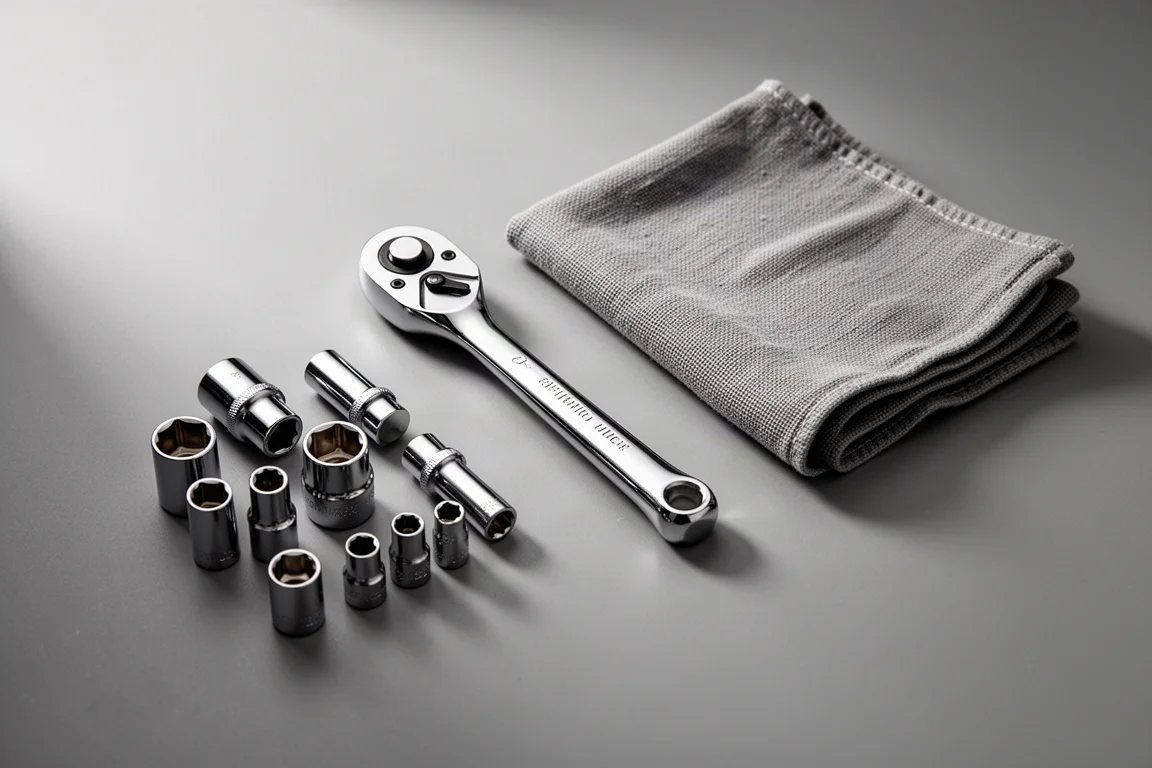
Each ratchet was tested in a simulated 30-degree workspace, counting how many right-to-left passes it took to complete a full 360-degree fastener rotation. Back drag was measured by lifting a weighted socket until the gear set advanced. Direction-change force, head dimensions, and destructive failure load completed the ratchet scorecard.
The adjustable wrenches were judged on jaw capacity, up-and-down and side-to-side slop, how much the jaws backed off under vibration from a compact impact wrench, torque on soft coupling nuts, and failure load. All tools in the ratchet category shared a 3/8-inch drive.
Best Premium Ratchet: Snap-on 3/8-Inch Drive
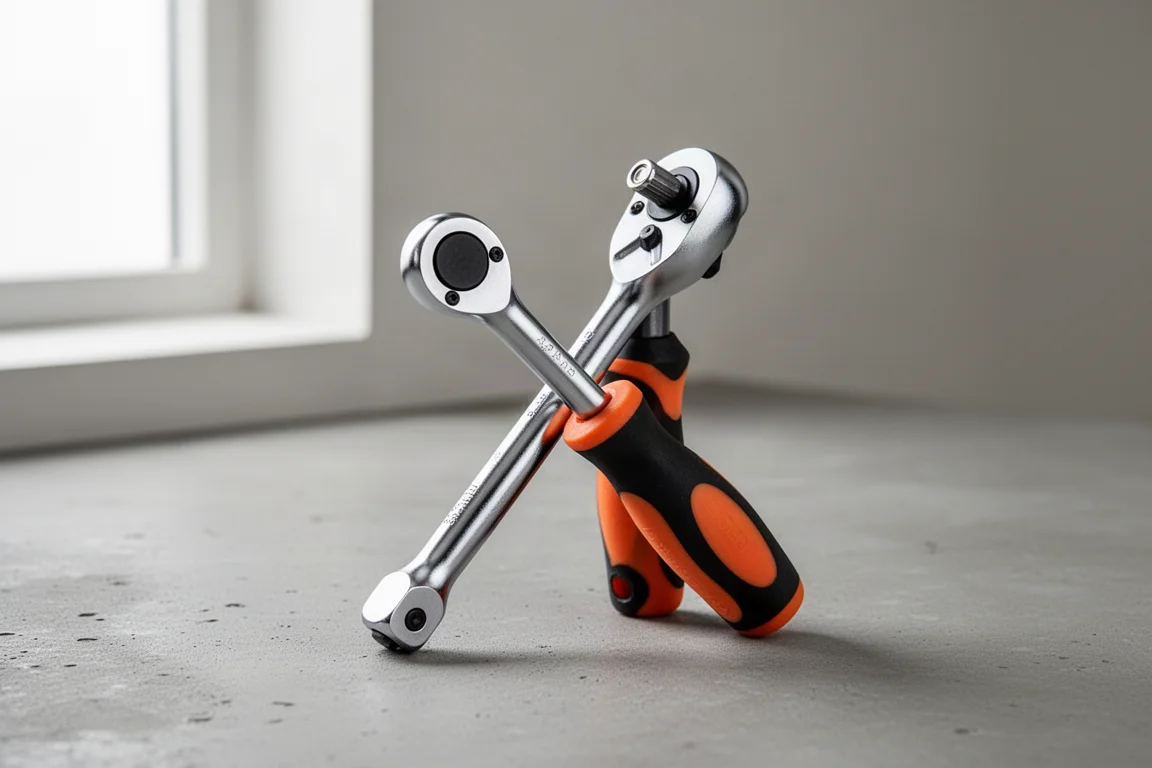
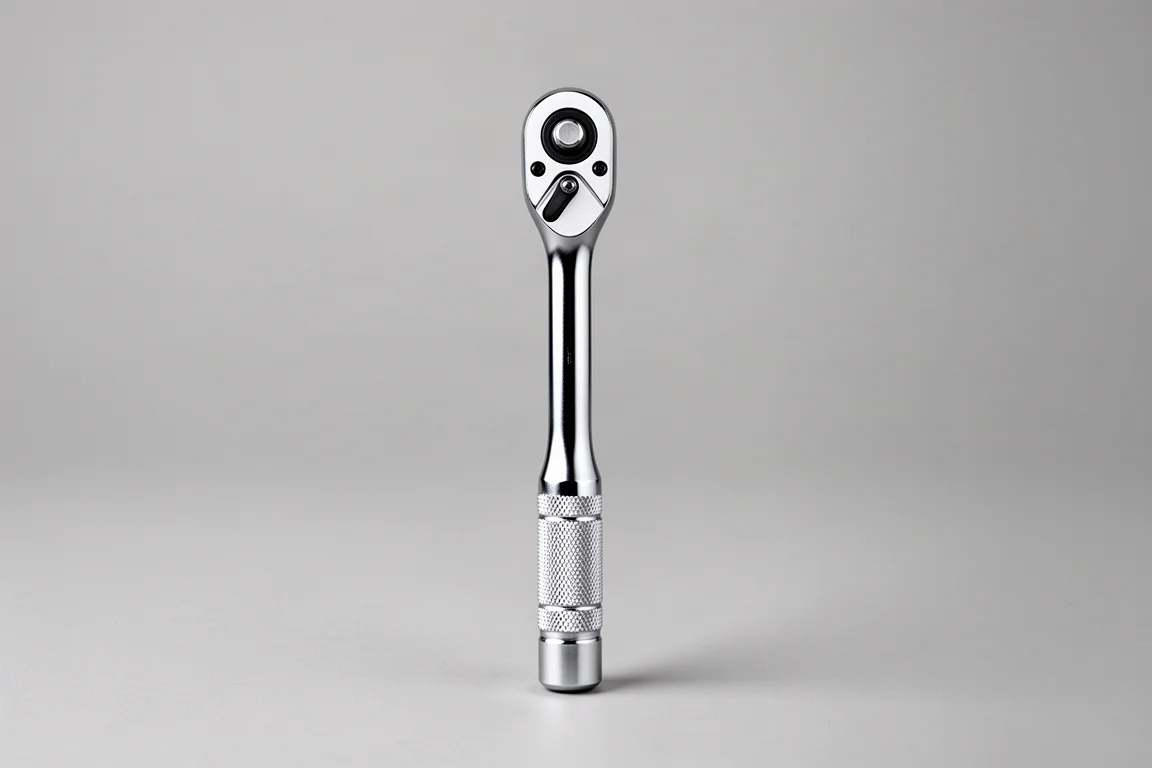
The modern Snap-on claims a 100-tooth gear with a 3.6-degree swing arc, a low-profile head for tight spaces, and a sealed head that keeps lubricants in and contaminants out. The contoured handle is trademarked for comfort, and it is made in the USA. In testing it posted the best overall finish, completing the tight-space test in just 20.2 passes, only one pass better than its 100-year-old ancestor.
It also survived the durability test with an internal gear failure only at 298 ft-lbs, more than double what the vintage Snap-on managed. The trade-offs: noticeable back drag at 472 g, a stiff directional lever requiring 356 g of force, and a higher price. If you want the strongest all-around ratchet in the lineup, this is it.
Best Budget Ratchet: SATA 3/8-Inch Drive
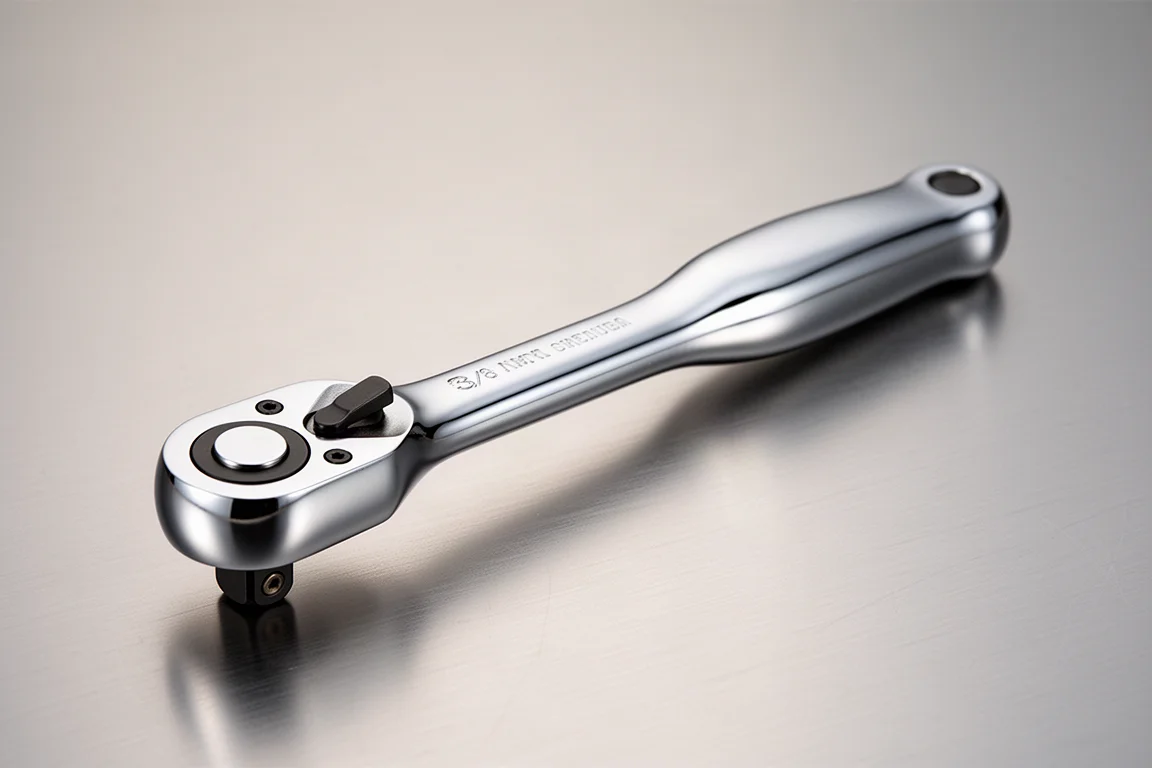
At around $15, the SATA is a 72-tooth ratchet with a claimed 5-degree swing arc, dual-material grip, and a flush lever for one-handed operation. Its gearbox is looser than the Snap-on units, but that slop actually helped in the back-drag test, where it managed a very respectable 366 g, third best overall.
It finished the tight-space test at 24 passes, tied with a vintage SK tool, and survived to 268.4 ft-lbs before the main drive broke, with the pawl still intact. The head is compact too, about 7% larger than the new Snap-on in total area. For the money, it is hard to argue with.
Best Mid-Range Ratchet: GearWrench 120XP
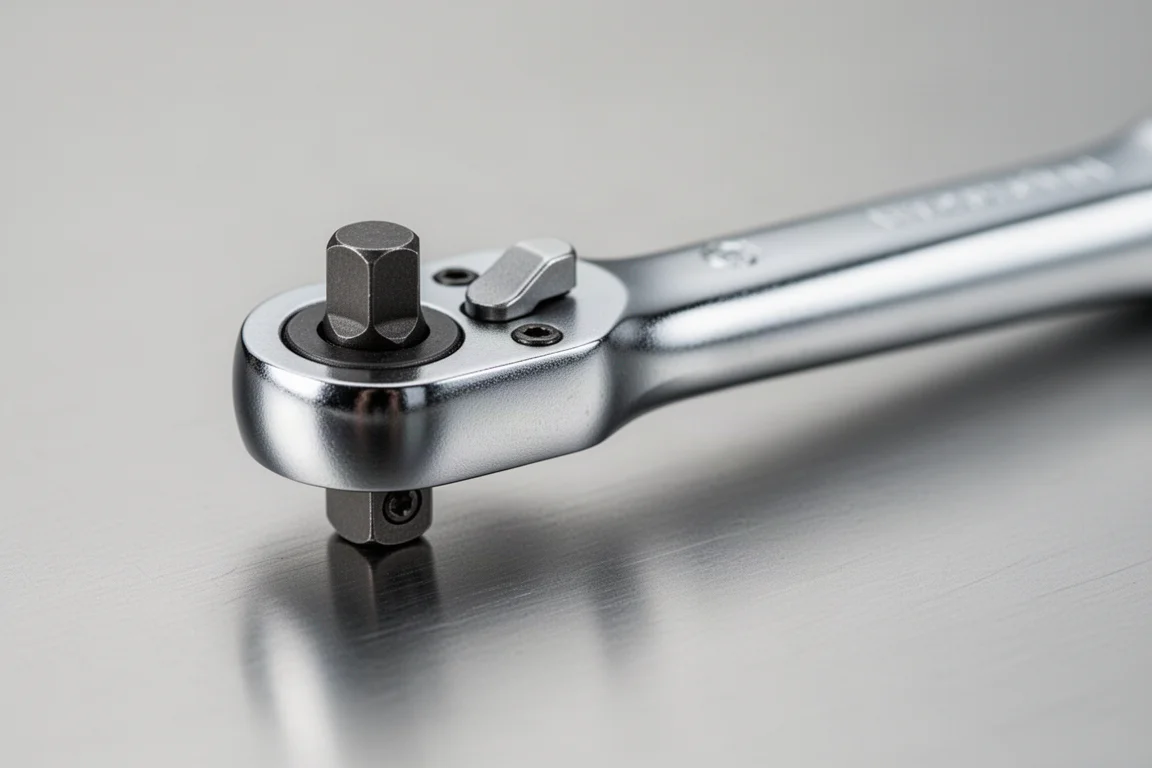
The GearWrench 120XP uses double-stacked pawls that alternately engage a 60-tooth gear, offering a claimed 3-degree ratcheting arc, an enclosed head for extreme resistance to dirt infiltration, and a low-profile head. It is made in Taiwan.
In this round of testing it recorded 23.9 passes in the tight-space test and posted the highest back drag at 678 g, hurt by two pawls dragging on the main gear. It also required the most force to switch directions at 414 g. Where it shone was durability: it took flight at 301.9 ft-lbs without breaking, and on the second attempt the drive broke at 296 ft-lbs with the main gear and both pawls still in good shape. Choose it if long-term strength matters more than finesse.
Best Budget Adjustable Wrench: Craftsman
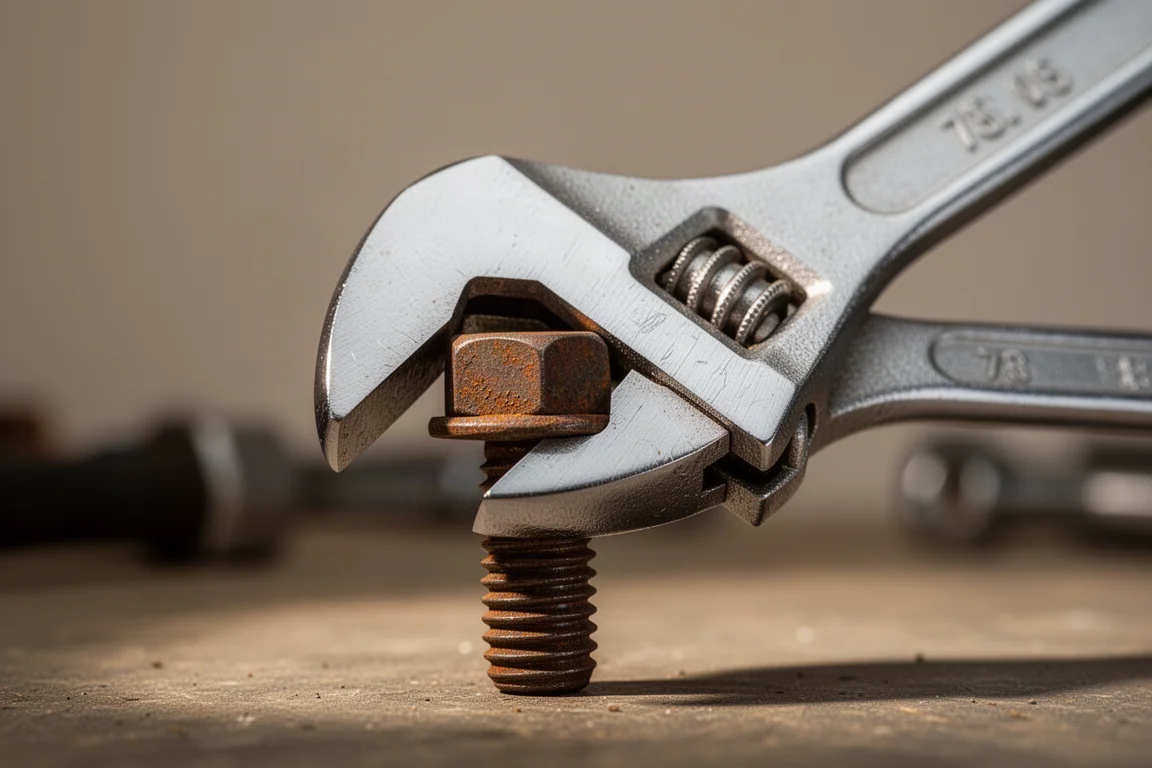
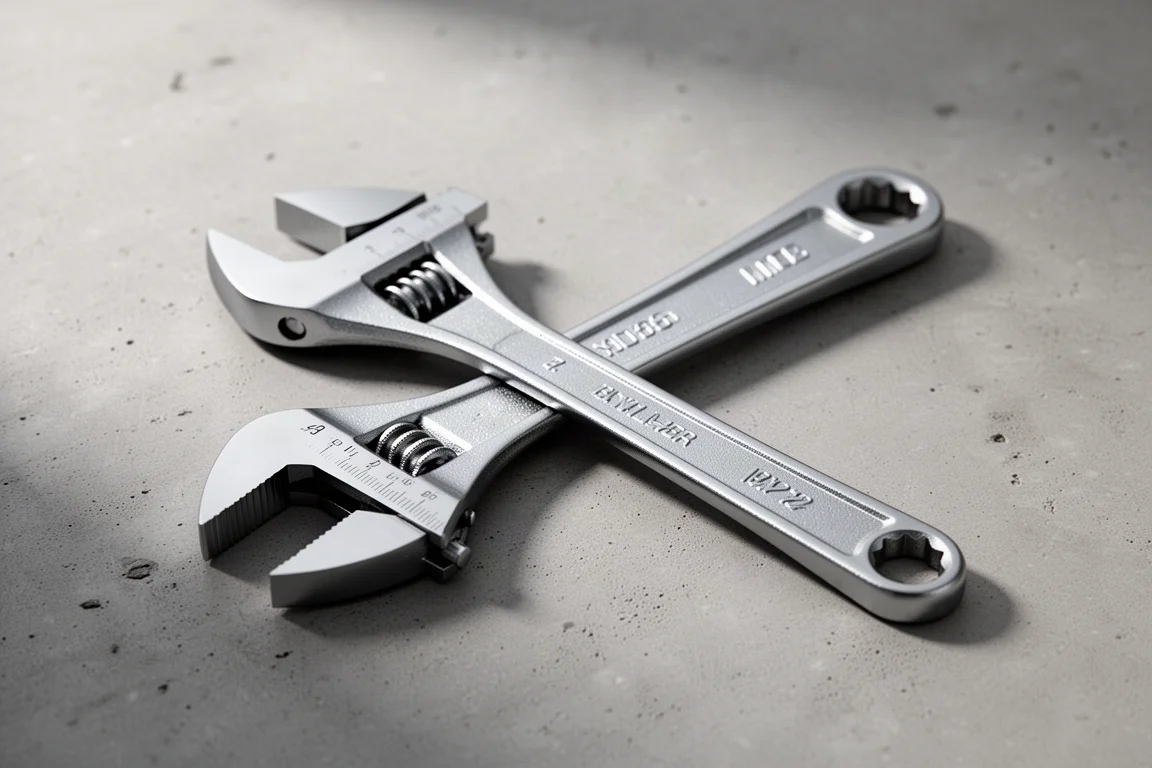
The Craftsman costs around $19 and advertises wide-opening jaws, a chrome finish for corrosion resistance, metric and SAE scales, and ASME-spec compliance. It is made in India and weighs 440 g, with a measured jaw opening just under the advertised 1-3/8 inches at 1.36 inches.
It backed off only 0.3 mm under vibration and delivered 1,004 inch-pounds of torque on the smaller coupling nut, then topped the entire field at 1,654 in-lbs on the 5/8-inch nut, with a lower jaw that refused to stretch. It finally let go at just over 800 pounds of failure load. For an inexpensive wrench, the build quality is genuinely impressive.
Best Mid-Range Adjustable Wrench: SK Tools
At $41, the SK Tools adjustable wrench features a cobalt-based coating to prevent rust and corrosion and comes with a full lifetime warranty. There is no country-of-origin marking on the tool itself. It is relatively light at 410 g with the smallest jaw capacity of the new wrenches at 1.26 inches.
Its slop figures were good, at 0.91 mm up-and-down and 0.75 mm side-to-side, and it produced 963.6 in-lbs on the smaller nut and 1,472 in-lbs on the larger one. In the failure test the lower jaw stretched heavily and the wrench escaped the tester at just over 600 pounds, leaving the worm drive frozen. A solid performer, but the vintage wrenches in its price neighborhood set a high bar.
Best Overall Adjustable Wrench: Milwaukee
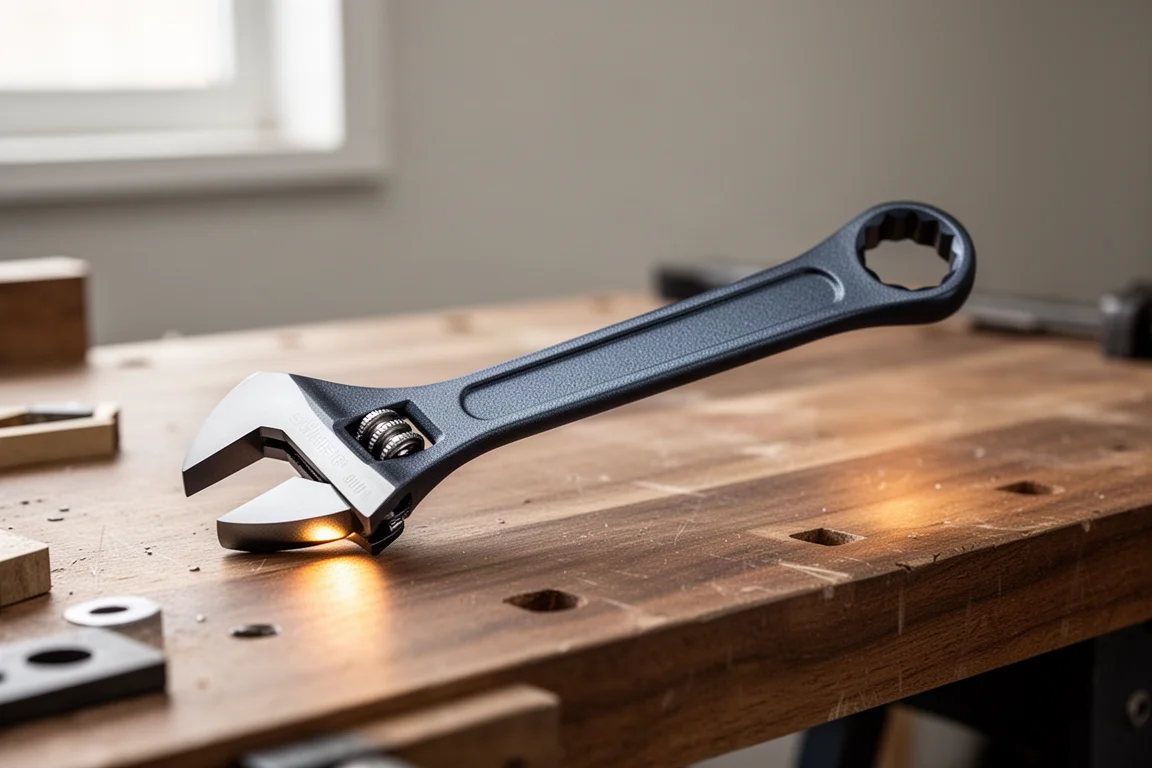
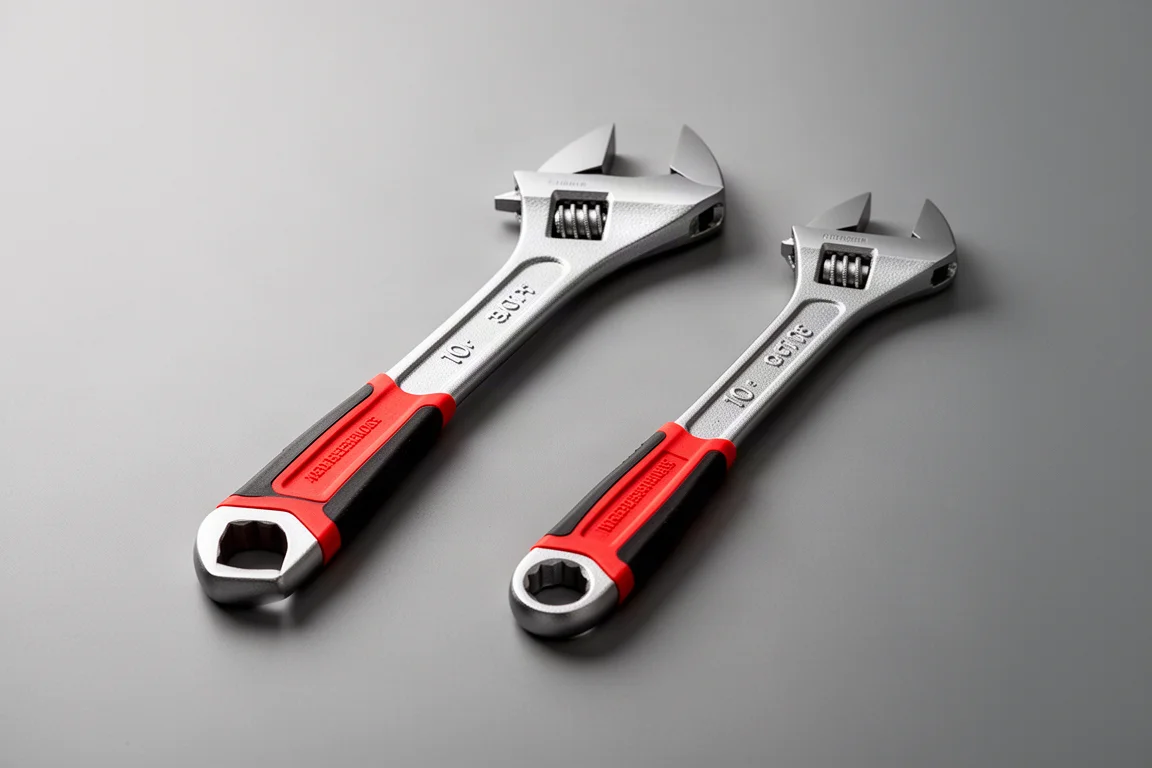
The Milwaukee wrench sells for $33 for two wrenches and claims smooth adjustment-screw gears, jaws that will not back off, and parallel jaws that resist slipping or damaging finished surfaces. It is made in Taiwan, and the 10-inch version weighs 506 g.
It offered the most jaw capacity of any new wrench at 1.43 inches, the second-best slop figures behind a vintage Signet, and it took the lead in the vibration test with only 0.22 mm of backing off. Torque output led everything tested at 1,182 in-lbs, and it posted the best failure load of the new wrenches at around 867 pounds, though the worm drive failed catastrophically. With an average finish of 2.3 across the graded categories, it was the top adjustable wrench overall.
What the Vintage Tools Taught Us
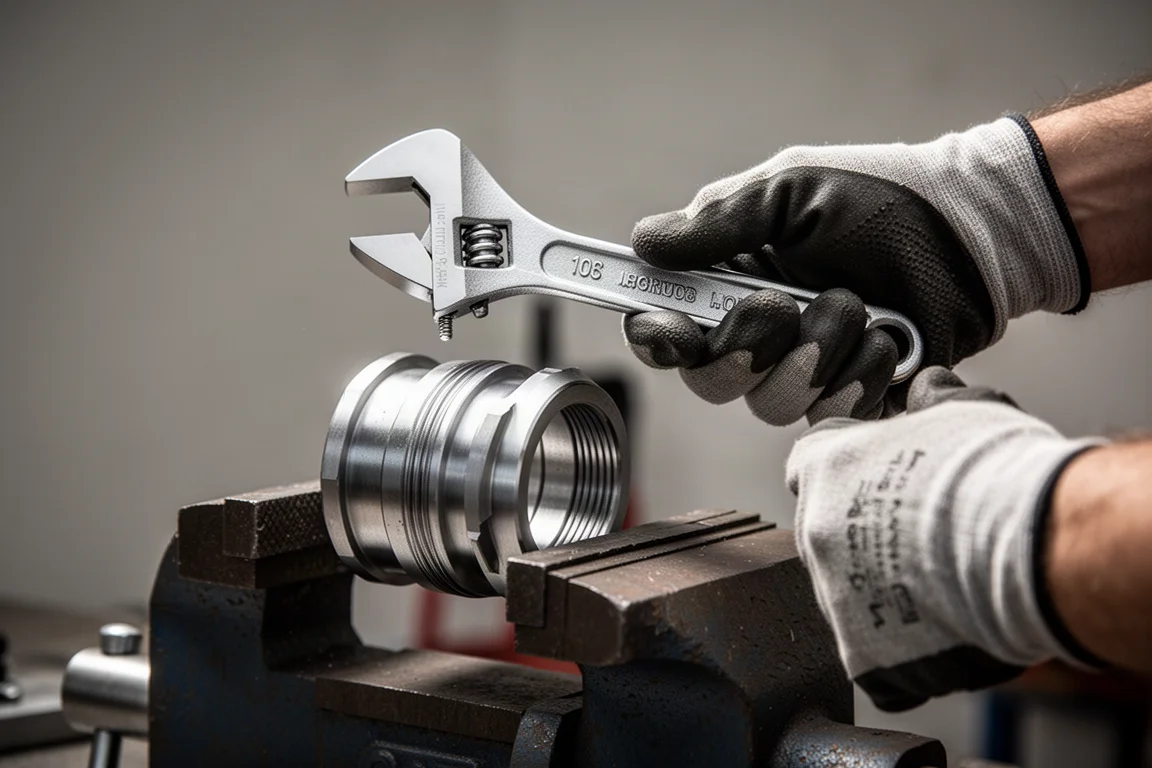
The vintage Snap-on ratchet, roughly 100 years old and built in Kenosha, Wisconsin, aced the back-drag test at just 246 g and needed only 80 g of force to change directions, with almost no gearbox slop and a very compact head. The vintage SK Tools ratchet came second in back drag at 312 g. Yet the old ratchets failed early under load, with the vintage Snap-on giving up at only 122.4 ft-lbs.
On the wrench side, a 1920s-era Pexto Girard survived a 1,620-pound pull before the test was ended for safety, and an antique Ford wrench hit 1,133 pounds. The vintage Signet, built in Buffalo, New York, posted nearly zero jaw slop at 0.08 mm. The lesson: old tools were engineered with remarkable precision and toughness, but modern tools balance that precision with far better durability and refinements like sealed heads and low-profile designs.
Buying Advice
For ratchets, buy the modern Snap-on if budget is secondary and you want the best overall performer with the highest strength margin. The SATA is the obvious value pick at around $15, and the GearWrench 120XP suits anyone prioritizing an enclosed, dirt-resistant head and strong failure load. Avoid relying on vintage ratchets as daily drivers; their low back drag is lovely, but their internal wear makes them a gamble.
For adjustable wrenches, the Milwaukee two-pack is the smartest overall purchase, combining top torque, minimal jaw back-off, and the best capacity among new wrenches. The Craftsman is the standout budget option, and the SK Tools adds a lifetime warranty and corrosion-resistant coating if you want something lighter. If you ever stumble on a vintage Signet or Pexto at a flea market, grab it, but treat it as a collectible first and a tool second.
Conclusion
A century of engineering did move the needle, just not always in the directions marketing suggests. Modern ratchets won on durability and head size, while vintage designs still lead on back drag and gearbox refinement. Among adjustable wrenches, modern tools dominated outright, with the Milwaukee and Craftsman delivering performance the antiques could not match in turning power. Buy modern for daily work, and appreciate vintage for what it still gets right.
Further reading
Related Reviews
Hand Tools
Best Diagonal Cutters 2026: 16 Pliers Tested for Cutting Power and Durability
We put 16 diagonal cutters through nail, screw, drill bit, and hex key tests to find the best value picks for your toolbox.
Hand Tools
Best Hex L Key Sets 2026: Nine Sets Tested for Real-World Torque
Nine hex L key sets from budget to premium, tested for torque, fit, and durability. See which sets deliver real performance and which ones to skip.
Hand Tools
Best Locking Pliers 2026: Top Picks Tested for Grip and Durability
We tested 18 brands of 10-inch locking pliers for grip strength, jaw bite, build quality, and ease of release to find the best options for tough jobs.