Hand Tools
Vim Tools DD3 and DD2 Dual Drive Micro Ratchets: Two Clever Tools Worth a Look
A closer look at the Vim Tools DD3 and DD2 dual drive micro ratchets, two compact ratcheting drivers with fixed-bit ends, adapters, and surprisingly tight tolerances.
Introduction
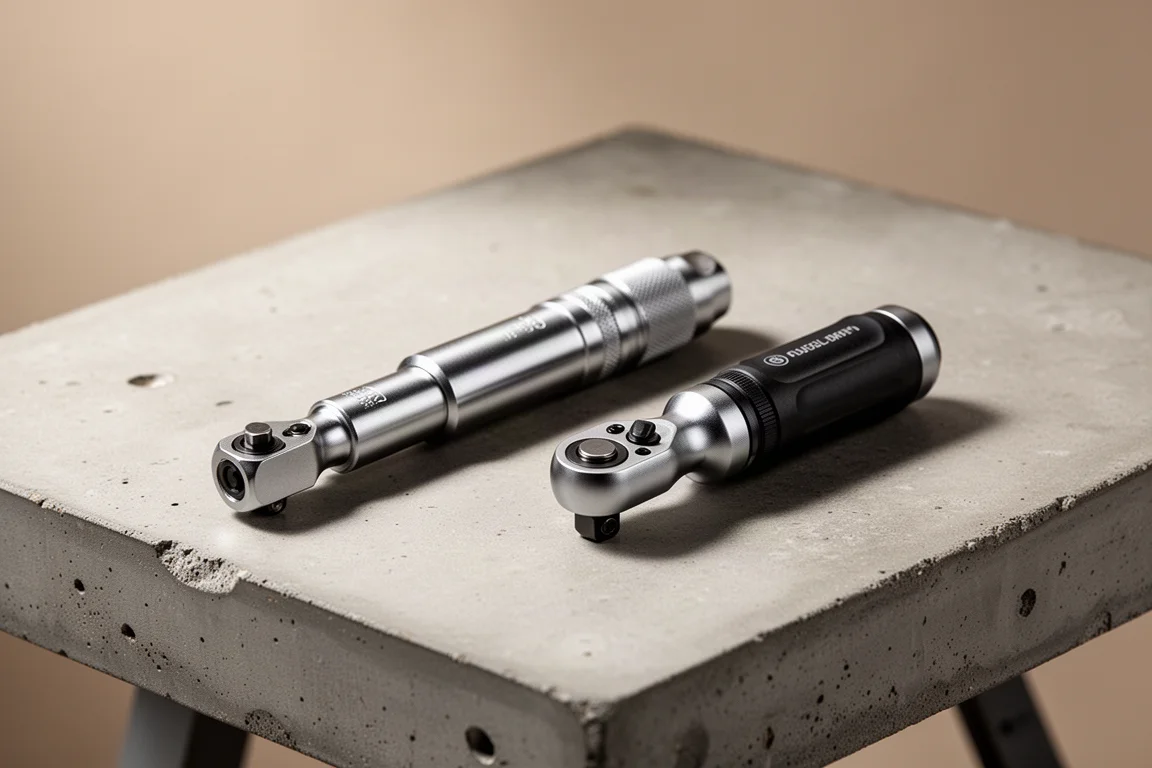
Vim Tools makes a pair of dual drive micro ratchets, the DD3 and the DD2, that pack a surprising amount of function into a very small footprint. The idea is simple: each tool combines a ratcheting driver on one end with a fixed-bit drive on the other, so one pocketable piece of steel can cover more jobs than its size suggests. They are not cheap, and they are not something most people strictly need, but they are well made, cleverly presented, and genuinely fun to use.
The Vim Tools DD2: The Small One That Started It
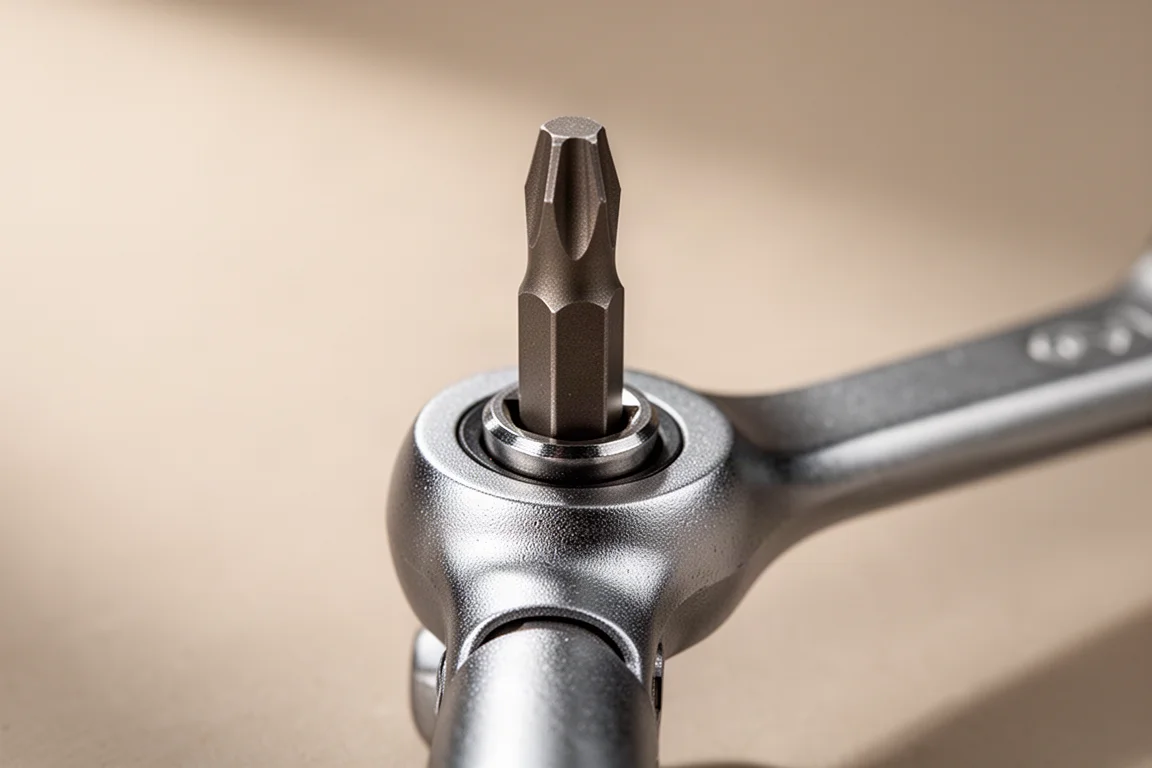
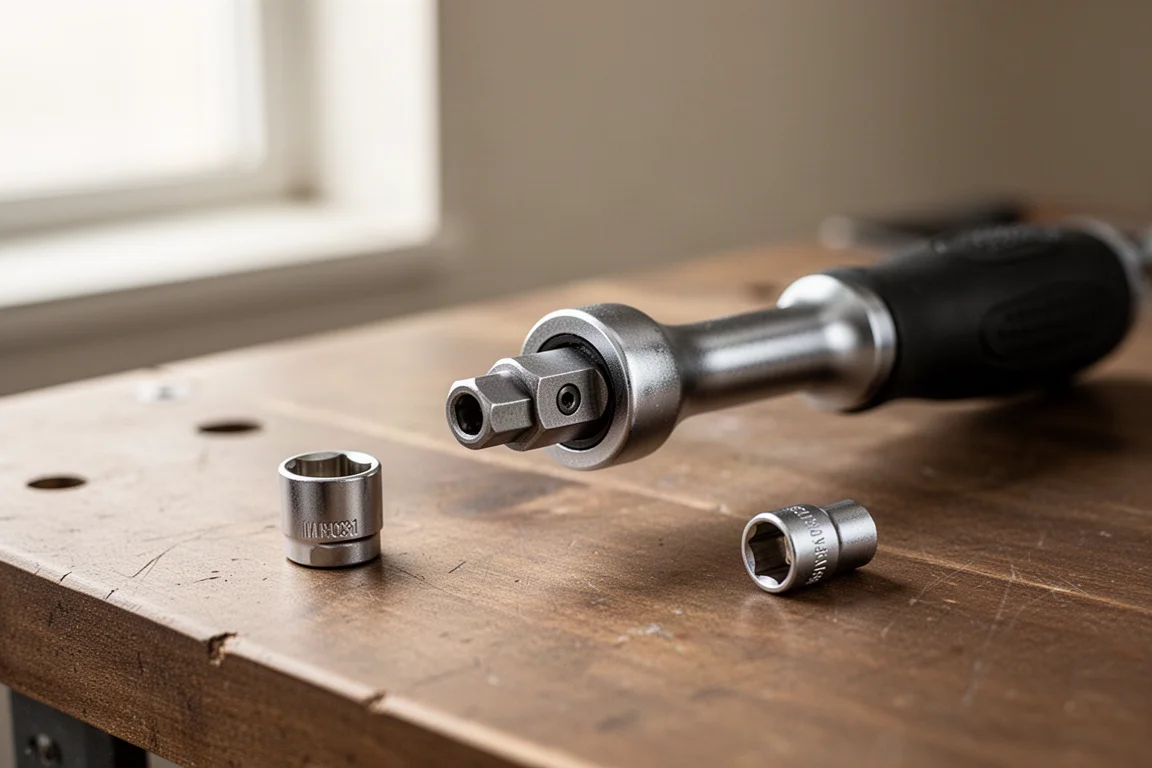
The DD2 is the compact version of the pair. One end carries a quarter-inch drive, while the other end is a quarter-inch hex socket that accepts hex screwdriver bits. Drop a bit in and you have a small, reversible ratcheting driver with a tight, positive feel. The bit grip is impressively snug, the kind of fit that inspires confidence when you are working in awkward positions.
The quarter-inch drive on the other end also lets you attach the DD2 to a larger ratchet or spinner, effectively turning it into an extension or a compact secondary handle. That flexibility is a big part of why this little tool earns its spot in a toolkit.
Why the Fixed-Bit Ends Are the Real Trick
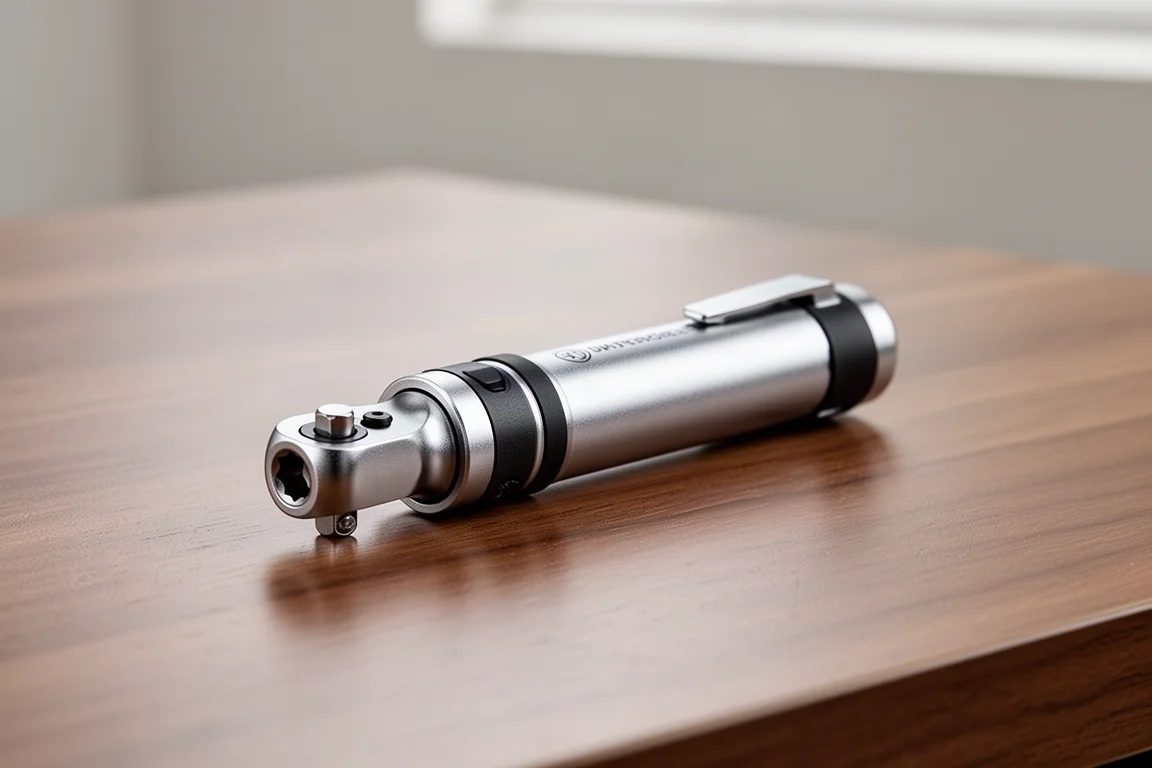
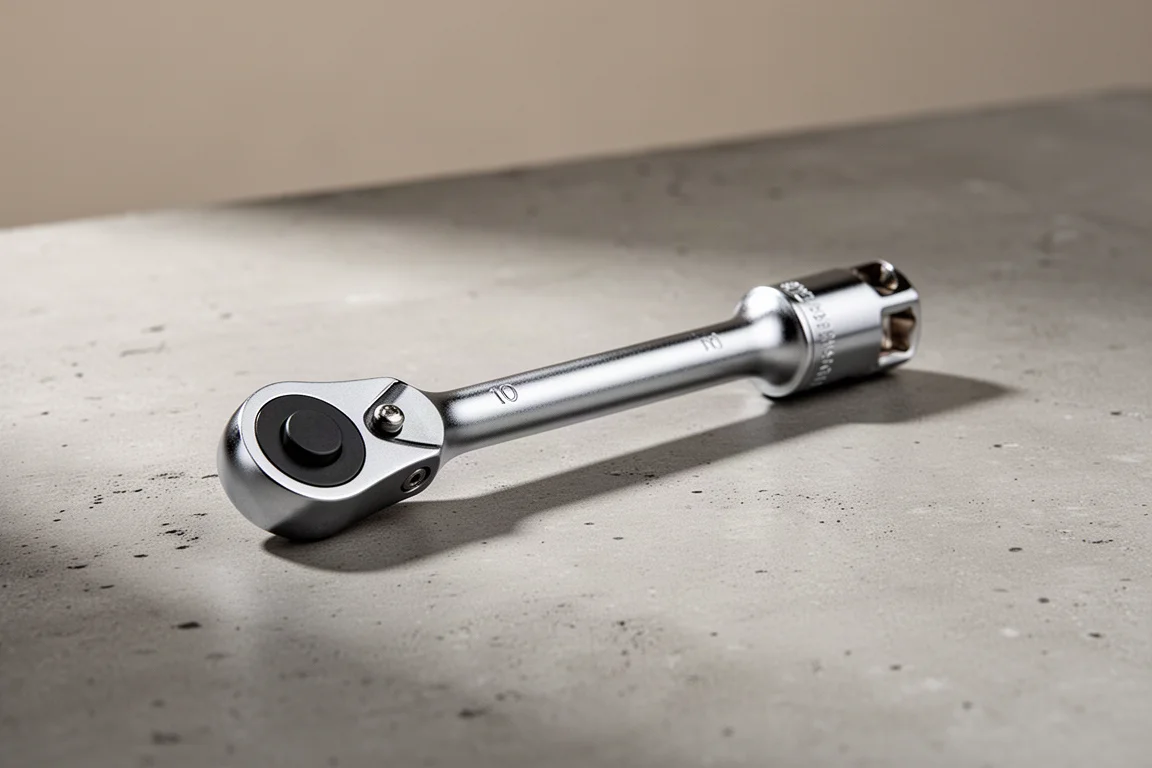
The fixed ends are what set these tools apart from ordinary micro ratchets. On the DD2, the quarter-inch hex end is effectively a built-in bit holder, and with the included adapter it can even take a small socket, letting you use it as a ratcheting socket driver when space is tight.
The DD3 takes a similar approach at a larger scale. One end carries a three-eighths-inch drive, while the other is a fixed 10 millimeter end, which is arguably the single most useful fixed size for anyone who works on cars, bikes, or anything held together with metric fasteners. Pull off the fixed 10 millimeter piece and you can drop in a 10 millimeter socket or run a socket on the drive end instead.
Everyday Carry Appeal and Build Quality
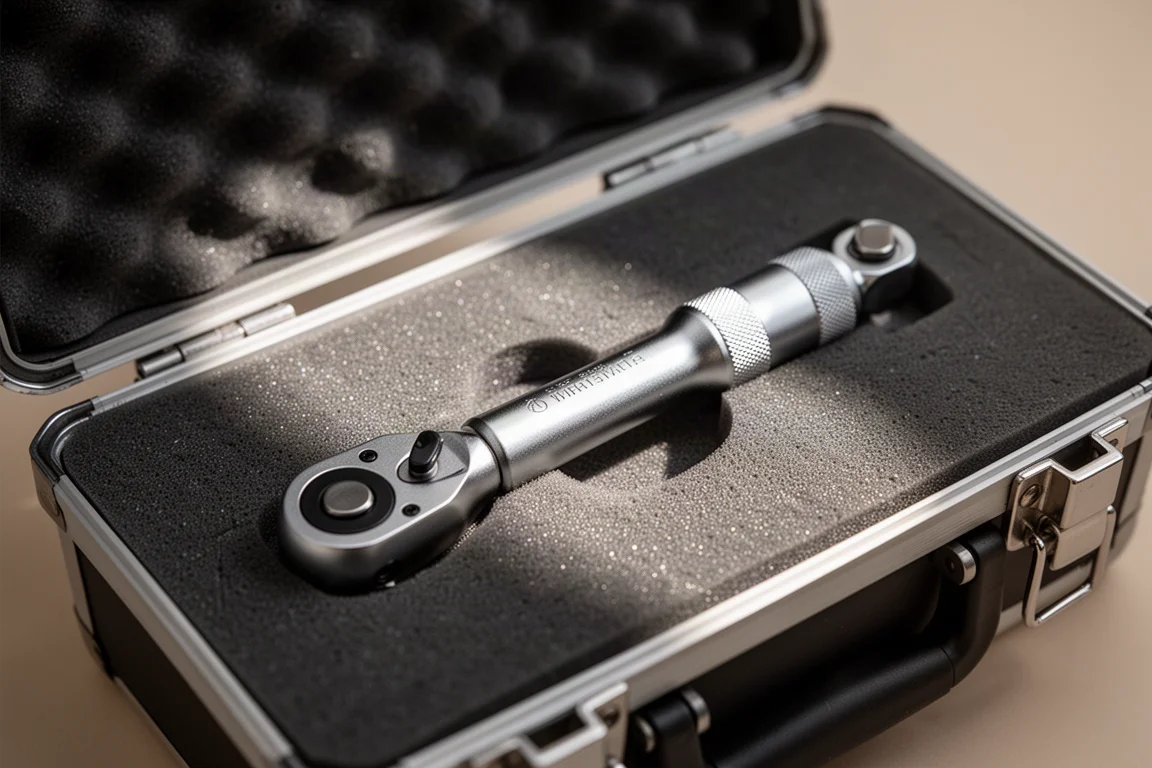
Both tools are packaged beautifully in foam-lined cases, and the presentation matches the quality of the machining. The fit and finish are tight in the best sense: the ball detents seat deeply, bits and sockets grab firmly, and nothing wobbles or rattles. Several owners describe these as slick little tools that feel almost like jewelry, which is not far off.
The DD2 in particular has become a favorite for everyday carry setups. Because it is so small, it slips into a bag or pocket without a second thought, yet it can still drive bits, take a socket via the adapter, or attach to a bigger ratchet for added reach.
Things to Consider Before Buying
Neither tool is inexpensive, and it is fair to ask what you would actually use them for. The honest answer is that these are convenience and flexibility tools rather than necessities. The fixed 10 millimeter end on the DD3 is probably the most practically useful feature of the pair, especially paired with an extension or a breaker bar. The DD2 makes more sense as a compact everyday carry ratchet or as a space-saving backup driver.
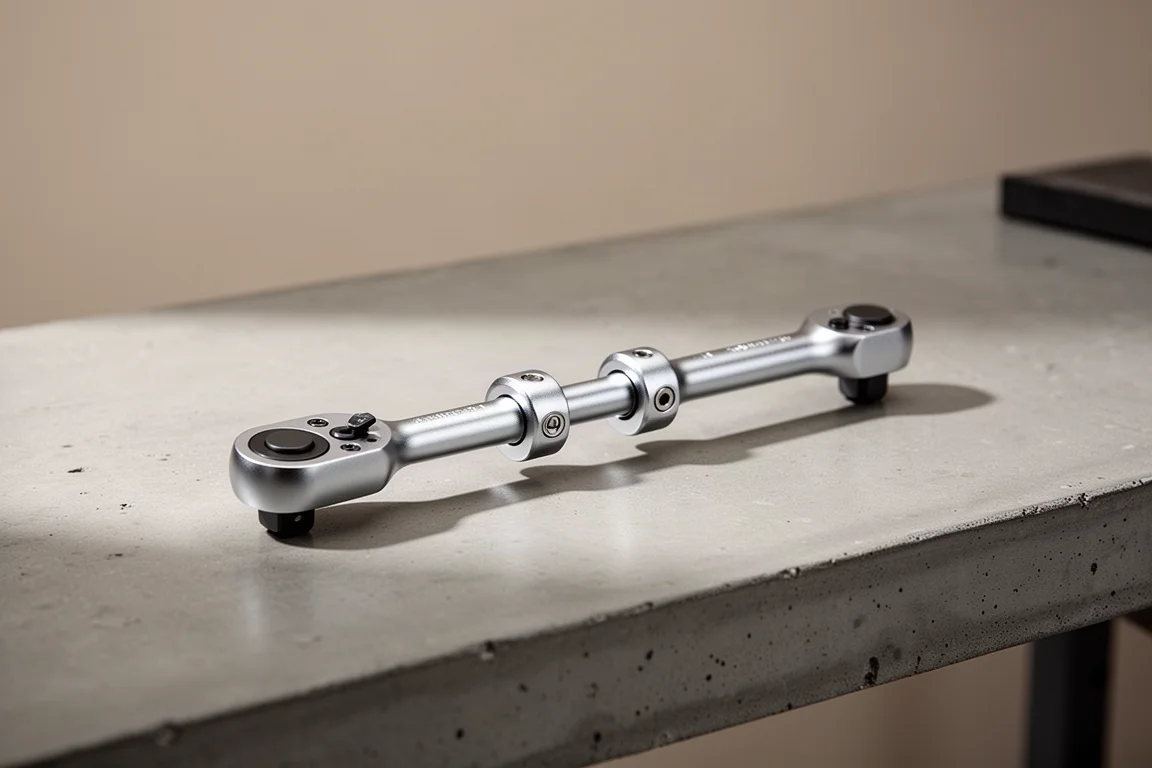
If you already own quality micro ratchets with flex heads, these overlap somewhat, though the fixed-bit ends and the ability to link tools together give them extra options that standard ratchets do not offer.
Buying Advice: Which One Should You Pick?
If you only want one, the DD2 is the easier recommendation. It is the tool that convinced many owners to buy the second one, and its quarter-inch hex end plus adapter covers the widest range of quick jobs. The DD3 earns its place if you regularly work with 10 millimeter fasteners or want the three-eighths-inch drive for heavier tasks.
Using them together is part of the appeal too. The drives on each end mean the two tools can connect to each other or to other ratchets in your collection, creating short, rigid assemblies for tight spaces.
Conclusion
The Vim Tools DD3 and DD2 are niche tools done very well. They are tightly machined, thoughtfully packaged, and more versatile than their size suggests, with fixed-bit ends, adapters, and reversible ratcheting heads that open up real options in cramped work. They are not cheap and not essential, but for anyone who enjoys well-made compact tools, they are an easy pair to like.
Further reading
Related Reviews
Hand Tools
Best Diagonal Cutters 2026: 16 Pliers Tested for Cutting Power and Durability
We put 16 diagonal cutters through nail, screw, drill bit, and hex key tests to find the best value picks for your toolbox.
Hand Tools
Best Hex L Key Sets 2026: Nine Sets Tested for Real-World Torque
Nine hex L key sets from budget to premium, tested for torque, fit, and durability. See which sets deliver real performance and which ones to skip.
Hand Tools
Best Locking Pliers 2026: Top Picks Tested for Grip and Durability
We tested 18 brands of 10-inch locking pliers for grip strength, jaw bite, build quality, and ease of release to find the best options for tough jobs.