Gravel Bikes
Villia Rave SLR Review: A Fast Gravel Bike That Also Works as a Road Bike
The Villia Rave SLR is a carbon gravel platform that can be built as a road bike or a gravel bike. Here is how it is specced, who it suits, and what to weigh up before buying.
Introduction
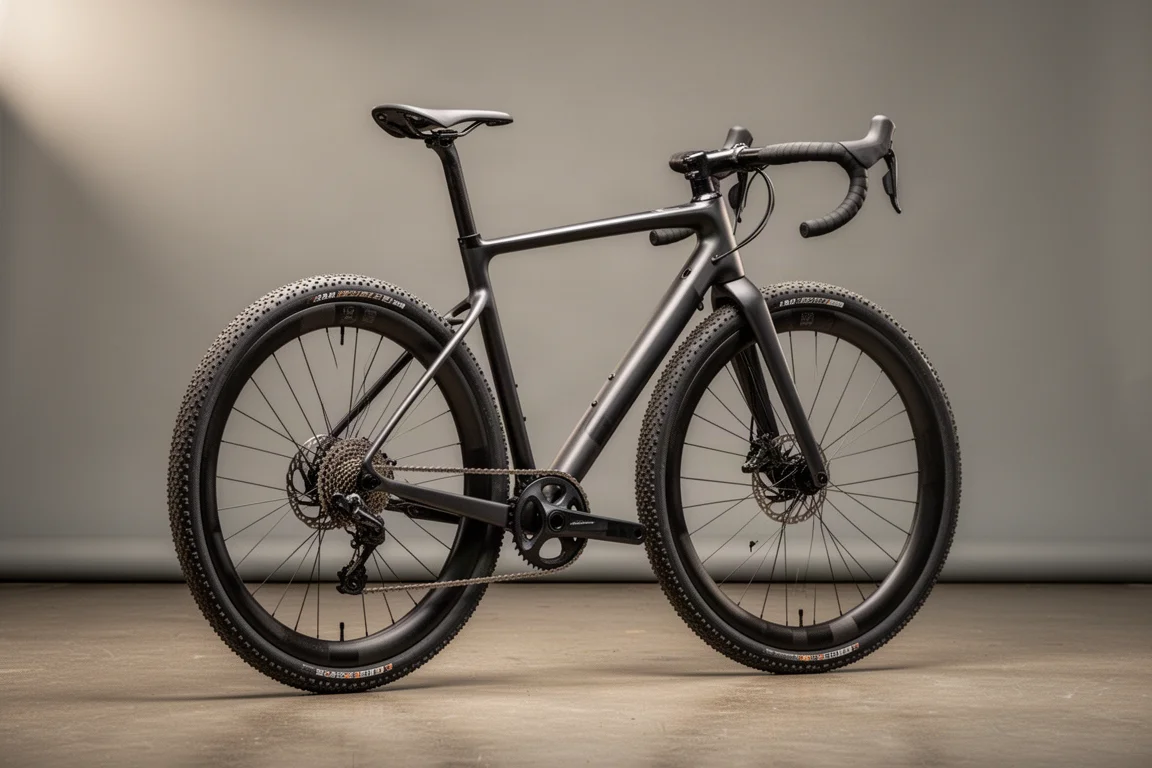
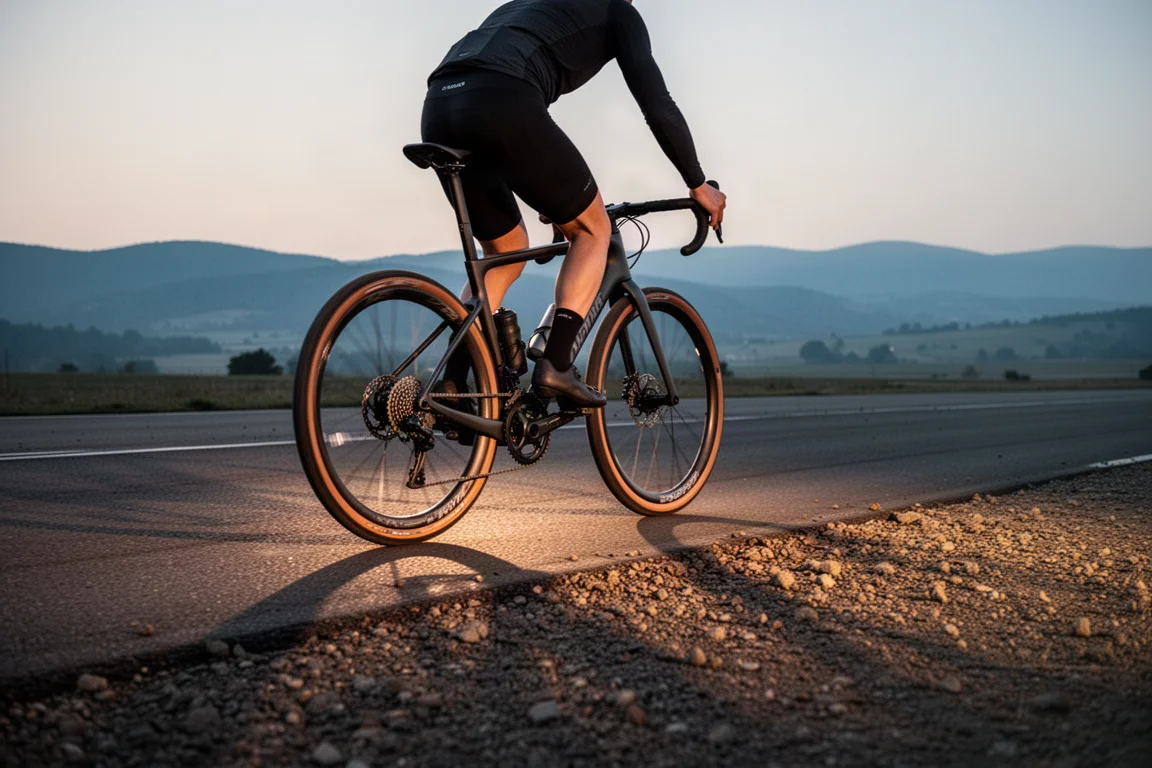
The Villia Rave SLR is a new carbon platform that can be built up in two genuinely different ways. Choose a road groupset and you get road handlebars. Choose a gravel groupset and you get the J-Bar, the flared integrated bar borrowed from Villia’s Yana gravel bike. The frameset is the same either way, which makes the Rave SLR an interesting option for riders who want one fast bike to cover tarmac and loose surfaces without owning two.
This first look runs through how the bike is specced, how it is meant to be ridden, and what to think about before ordering. The build described here is a size small, and it differs slightly from the earlier Innovation Lab version of the frameset.
Who This Bike Is For
The Rave SLR is aimed squarely at riders who want a fast gravel bike that still behaves like a road bike. The geometry stays close to Villia’s racing road frames, with a very slightly higher stack and a very slightly shorter reach. You still sit in quite an aggressive position, which is exactly what you want if speed matters more to you than upright comfort.
That makes it a strong fit for riders who split their time between tarmac and light gravel, or who race gravel and want a platform that feels quick on the road sections of a course. It is a less natural choice for anyone looking for a relaxed, upright, load-carrying tourer.
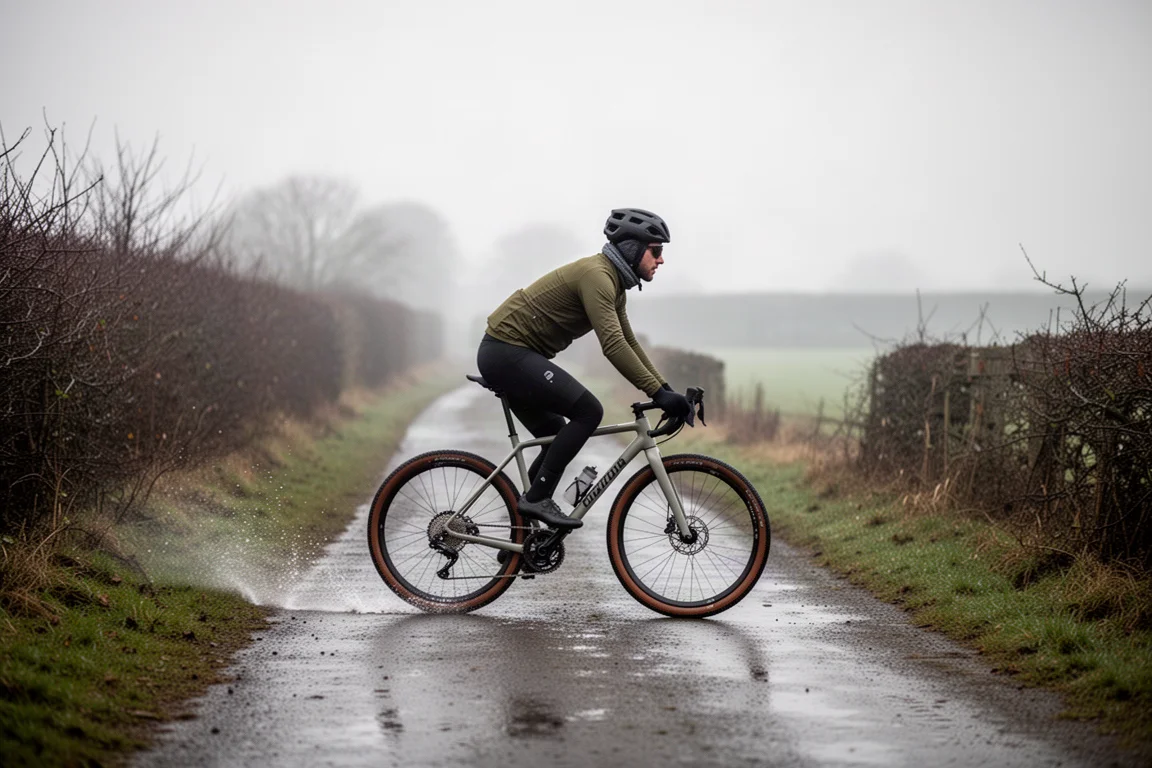
Because the frameset is offered in both road and gravel builds, the decision is really about which version matches your riding rather than about whether the frame itself is right. Riders who mostly ride paved roads but want the option of wider tyres have a clear path here, and so do gravel riders who want road-bike sharpness.
Main Strengths
The headline strength is speed. First impressions after roughly an hour of climbing and descending are that the bike is very fast, and the position encourages you to push rather than sit up and cruise. That is a meaningful quality in a gravel bike, where so much of the field trades pace for stability.
The gear range is another practical plus. The double chainset runs 46/30 with an 11-32 cassette, which is a wide spread for a bike of this type and should cover everything from steep loose climbs to fast tarmac descents. Disc rotors are 160 mm front and rear, which is generous stopping power for gravel riding.
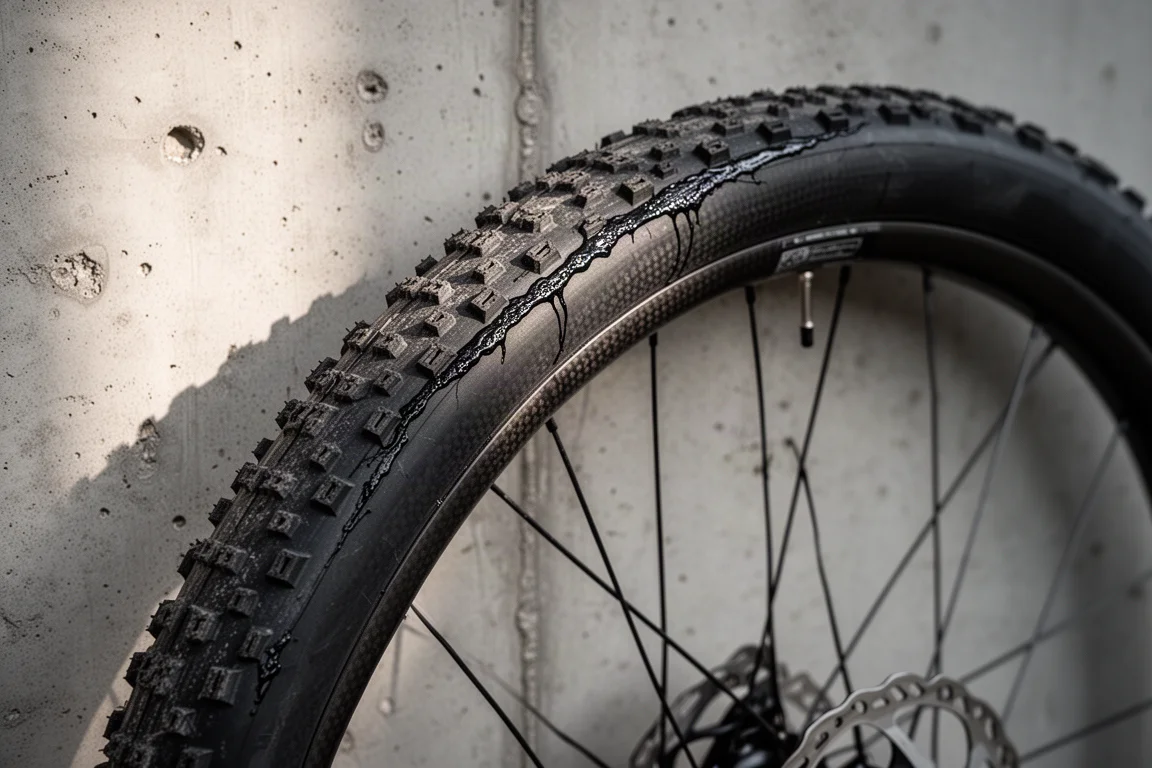
The wheels are carbon gravel wheels that are light and wide, which suits the intended use well. They are fitted with 33 mm Hutchinson Toro cyclocross tyres set up tubeless with Stan’s Race sealant, a thick formula that has sealed punctures reliably in off-road use. Whether it performs as well in a lower-volume tyre at slightly higher pressure is still an open question.
The finishing kit is thoughtful. The saddle is a Prologo AGX, a short-nose design with a central cutout that felt reasonably comfortable on the first ride but needs more testing. The seatpost is integrated and developed with Ritchey, and it hides the battery for the Shimano GRX Di2 groupset inside. The pedals are Garmin Rally units that double as a power meter, so you can see your wattage in real time. Bottle cages are Fidlock magnetic holders, with one piece on the frame and one on the bottle, which keeps the frame looking clean when the bottle is removed and holds up well over rough ground.
Frame, Geometry and Ride Position
The gravel build uses the J-Bar, the flared integrated handlebar from the Yana. It measures about 40 cm at the shifters and 43 cm at the drops, so the flare is significant. Looking down at the bar it appears very wide, yet the moment your hands are on it, it does not feel like a particularly wide bar at all. It has been comfortable so far, though it has not yet been ridden on anything technical.
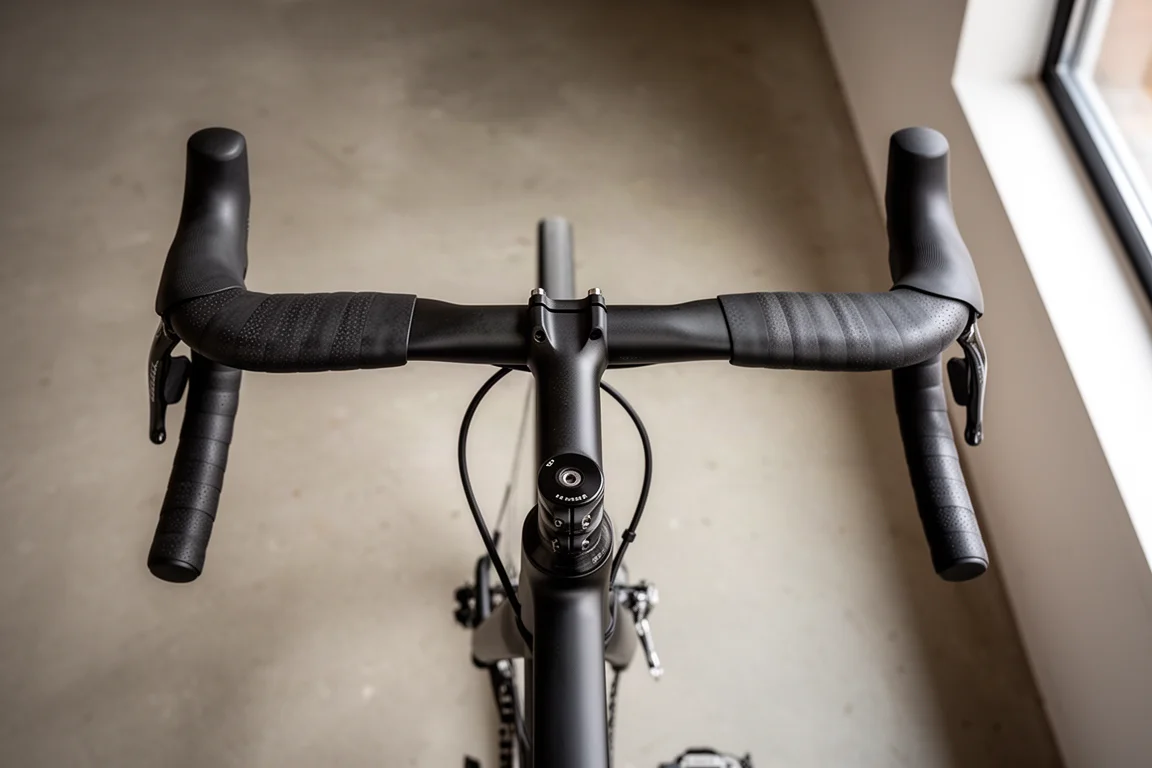
There is a geometry detail worth knowing. The J-Bar’s stem has a fairly positive angle, so the resulting handlebar position sits slightly higher than the road version, which uses a much more neutral stem. For gravel riding, a higher bar position is often what you want anyway. On this build the bar has been slammed, since the frame geometry is so similar to the racing road bikes, and it ends up in the perfect position.
Things to Consider Before Buying
The main consideration is the same one that makes the bike appealing: the two build options. Deciding between the road version and the gravel version is the first decision, and it changes the handlebar, the groupset and the bar height. If you want the flared J-Bar and the higher front end, the gravel build is the one to choose.
The second consideration is the riding position. The stack is only slightly higher and the reach only slightly shorter than the road frames, so this is not a relaxed geometry. Riders who want a more upright, endurance-oriented ride will find the Rave SLR aggressive. That is deliberate, and it is the reason it feels so quick, but it is worth being honest about your own priorities before ordering.
Third, some elements are still unproven over time. The saddle has only seen one ride, and the flared bar has not been tested on technical terrain yet. The tyres are cyclocross rubber, which is a fast and capable choice on mixed surfaces but not the same as a wider gravel-specific tyre.
Component Choices to Think About
It is worth thinking through the spec as a whole rather than part by part. The tubeless setup, the wide-range double chainset and the 160 mm rotors all point in the same direction: a bike built to be ridden fast on loose surfaces without giving up road manners. The integrated seatpost keeps the lines clean and houses the Di2 battery, which is elegant but does mean fewer easy swaps down the line.
If you already run a power meter on another bike, the Garmin Rally pedals are a neat solution because they move across bikes and give you the same data here. If you prefer a conventional saddle or a different bar width, those are the parts to plan around before you commit to a build.
Buying Advice
The Rave SLR makes the most sense for riders who already know they want a fast, road-like position on gravel, and who value a single bike that can be configured for the surfaces they actually ride. Choose the road build if paved roads dominate and you only occasionally head off tarmac. Choose the gravel build with the J-Bar if loose surfaces are a regular part of your riding and you want the flared, slightly higher cockpit.
Because the geometry sits so close to a racing road frame, this is not the bike to buy if your goal is long, upright comfort. It is the bike to buy if speed is the point and you want that speed to survive the transition from tarmac to gravel.
Conclusion
The Villia Rave SLR is a fast, road-bike-feeling gravel platform with a genuinely useful choice of builds, a wide gear range, generous braking and a well-considered finishing kit. First impressions after limited riding are strongly positive on pace, while the saddle, the flared bar on technical ground and the long-term behaviour of the tubeless setup are all things that deserve more time before firm conclusions. If you want a gravel bike that refuses to feel slow, this is a platform worth a serious look.
Product link
View more details for Villia Rave SLR
This product is mentioned in the review. Check the specifications, options, and compatibility before buying.
View more details for Villia Rave SLRFurther reading
Related Reviews
Gravel Bikes
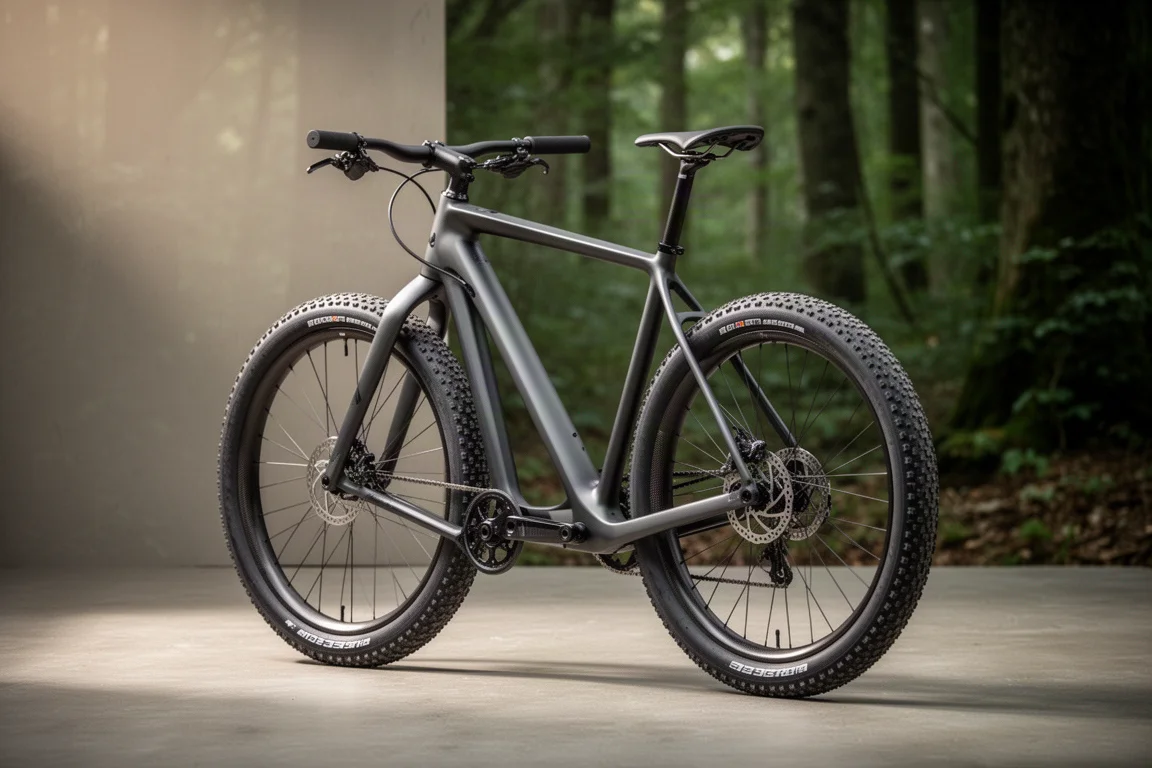
3T Exploro Ultra Review: A Fast Gravel Bike Built for Big Tyres
A close look at the 3T Exploro Ultra, an aero carbon gravel bike designed around wide tyres, with road-like handling, a 980 g frame and genuine rough-terrain capability.
Gravel Bikes
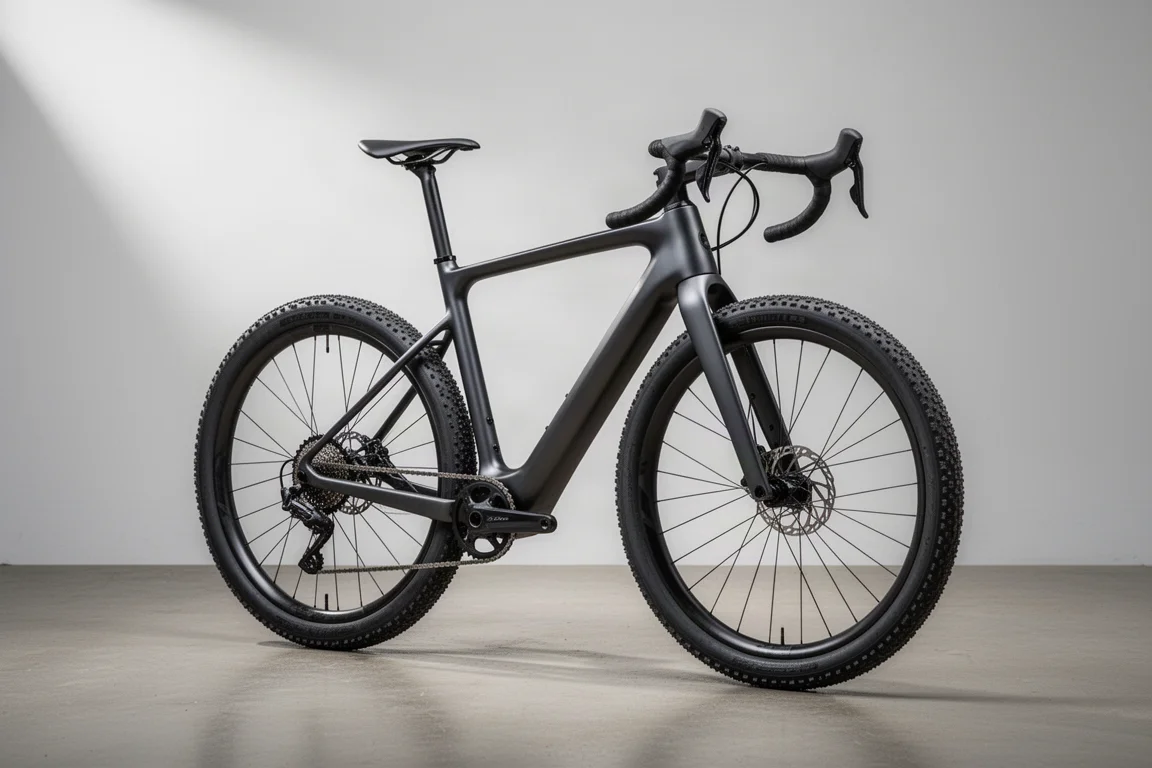
3T Extrema Italia Review: Aero Gravel Speed With Room for 57 mm Tires
The 3T Extrema Italia pairs an aero frame with huge tire clearance, Italian-made carbon and a more comfortable ride than the RaceMax. Here is what to know before buying.
Gravel Bikes
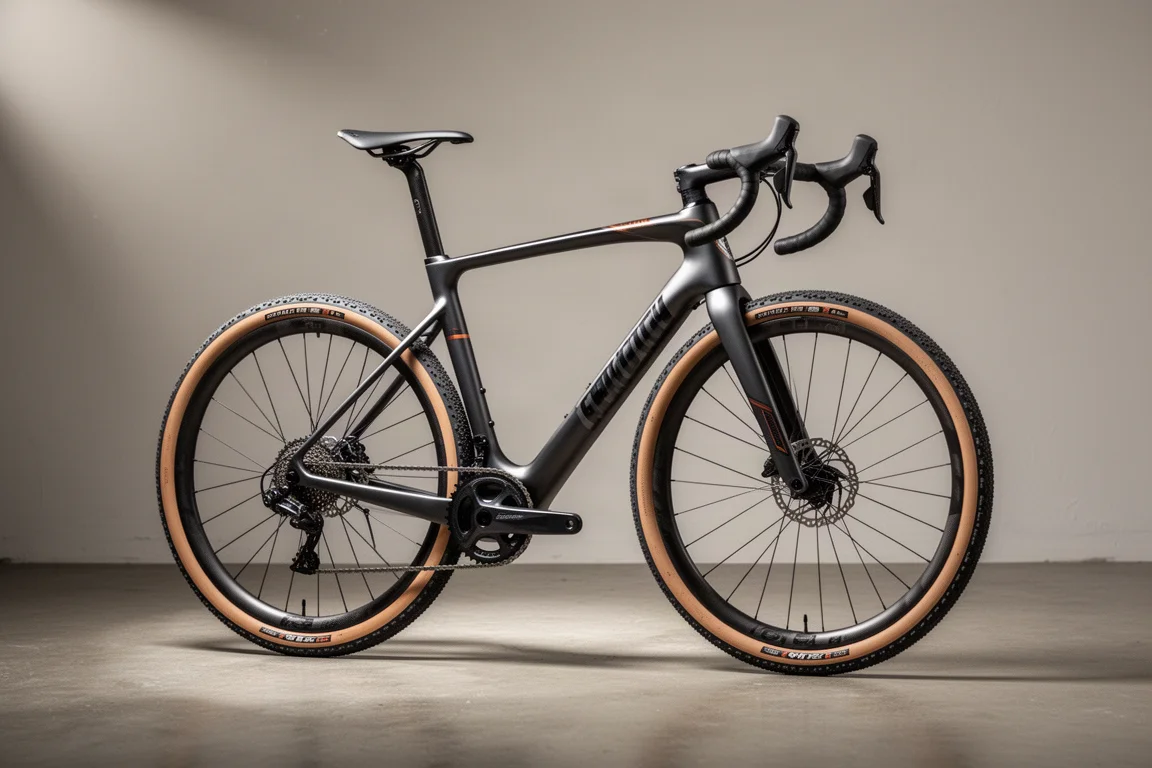
3T Race Max 2 Italia Review: An Aero Gravel Race Bike Made in Italy
A closer look at the second-generation 3T Race Max 2 Italia, covering its aero updates, ride character, tire clearance, internal storage and who it suits.