Everyday Carry
Victorinox 1897 Heritage Edition Replica vs Spartan: Two Swiss Army Knives, Two Very Different Missions
A limited edition replica of the original 1897 Swiss Officer's Knife, and the affordable Spartan that still carries the same tool set 125 years later.
Introduction
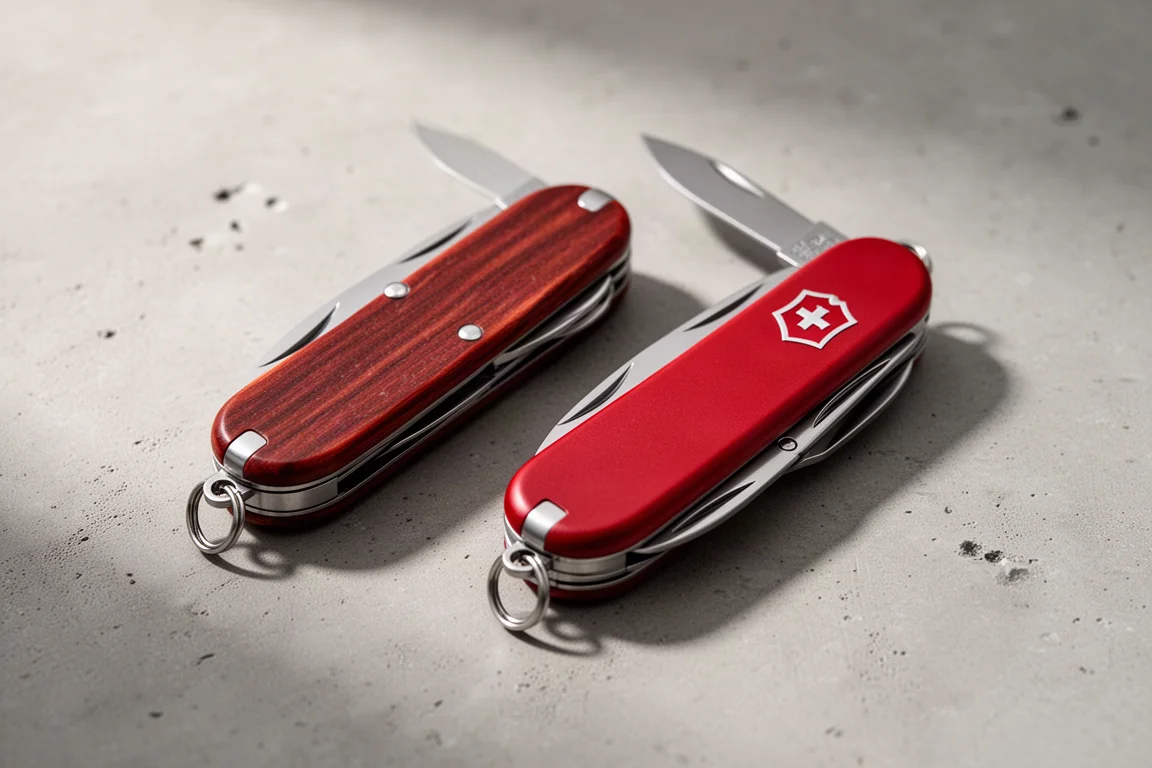
If you have ever wondered what the very first Swiss Army knife looked like, Victorinox has answered the question with a limited edition replica of the 1897 Swiss Officer’s Knife, created to mark 125 years since the original launched. Alongside it sits the Victorinox Spartan, the affordable knife that has carried essentially the same tool set through the decades. These two knives serve completely different buyers: one is a collector’s piece steeped in history, the other is one of the best value everyday tools you can buy.
Heritage and Design: The 1897 Replica
The story begins in 1884, when founder Karl Elsener opened a cutler’s workshop in the Swiss village of Ibach, under the company name Elsener Schwyz. Thirteen years later, in 1897, the Swiss Officer’s Knife was born, and that was the start of the Swiss Army knife as we know it today.
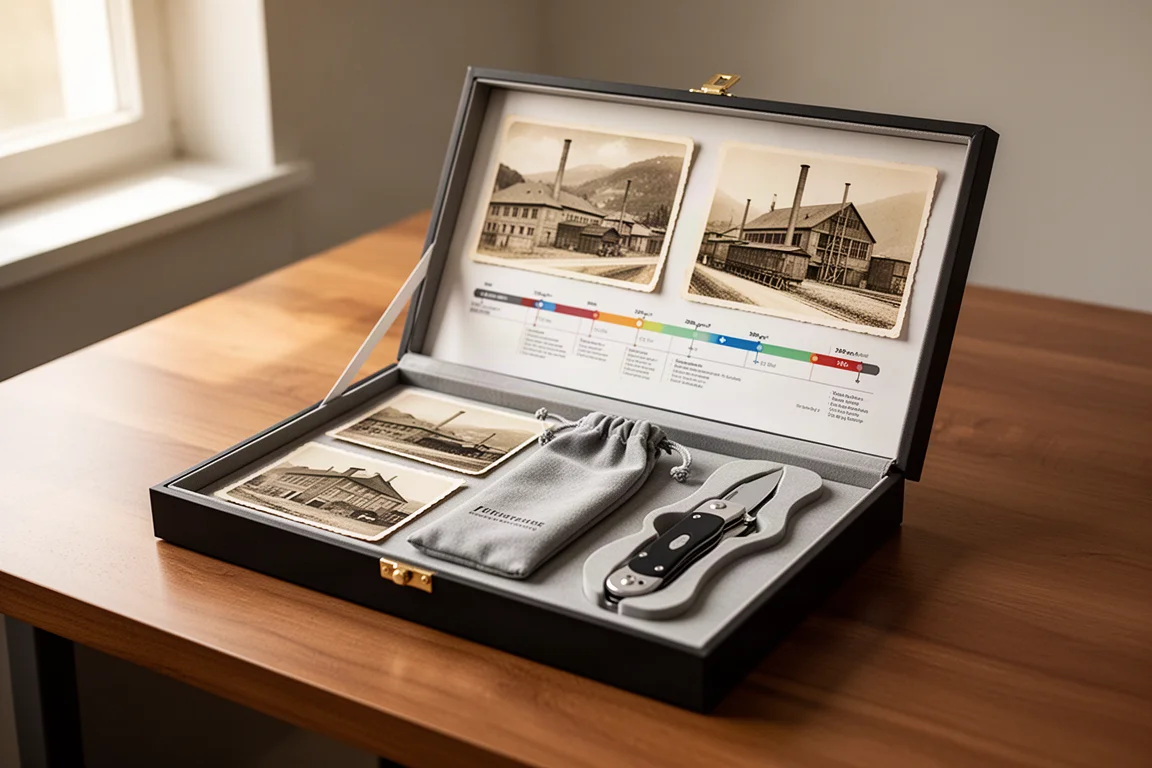
The replica’s packaging is exceptional by Victorinox standards. A sleeve references both 1897 and 2022, the box opens to reveal vintage photographs of the Ibach factory, a brief timeline, and the knife held in what Victorinox calls a time capsule. Each knife carries a four-digit serial number out of a total limited run of 9,999, along with a warranty, instructions, and a certificate of authenticity.
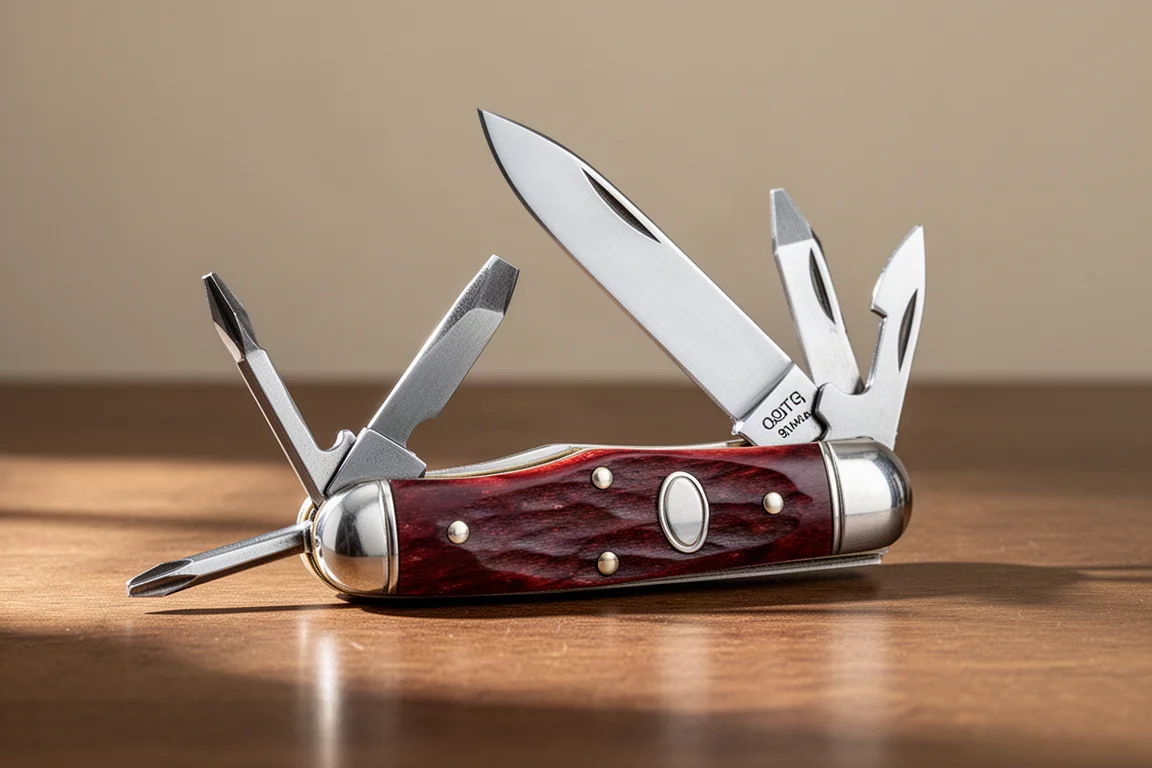
First impressions of the knife itself are excellent. The fit and finish are exceptional, and while the scales look like wood, they are actually vulcanized fibre, the same cellulose-based plant material used on the original 125 years ago. There are no resins or glues in it; plastic had not yet been invented when the original launched. Designed as a tough, hard-wearing military work knife, vulcanized fibre scales are stronger than wood and were a fairly recent innovation of the day. It is a real testament to Victorinox that they went to the trouble of using this material to maintain authenticity.
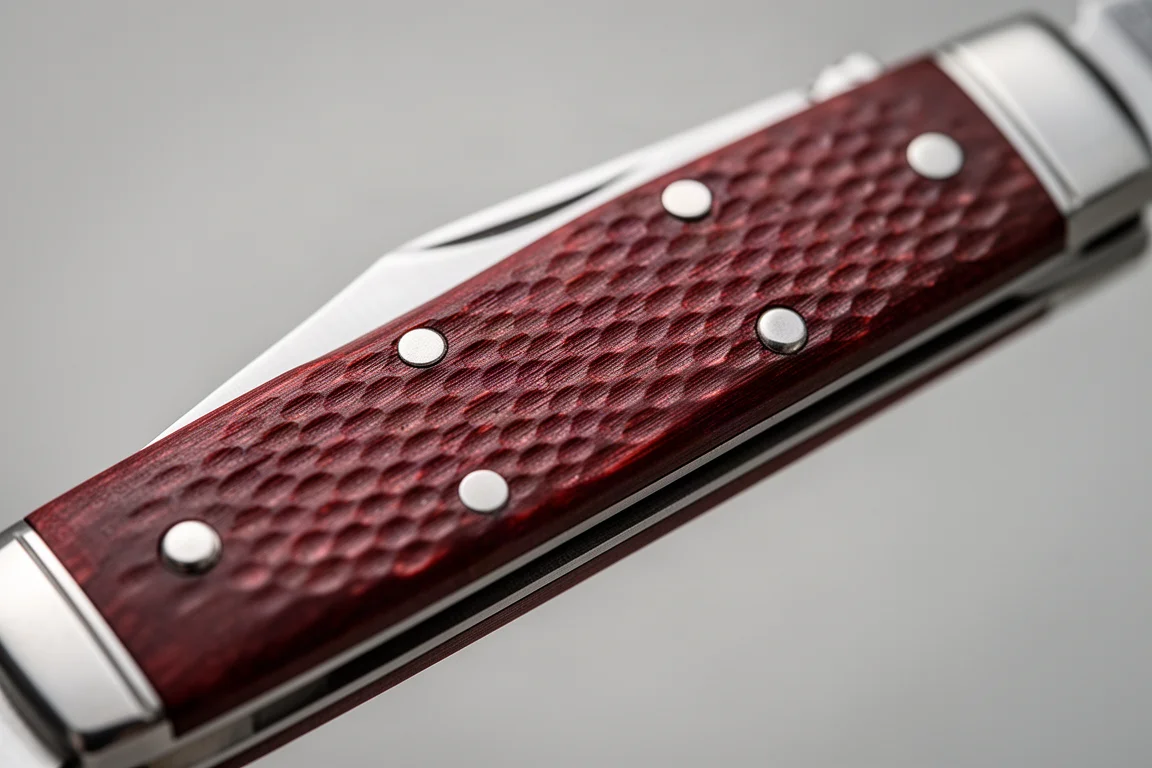
The knife measures 91mm, exactly the same as the medium-sized Victorinox of today, and weighs 83 grams. It feels heavy, robust, and genuinely solid in the hand. The pins and liners are nickel silver, just like the original. There are no scale tools and no keyring loop, which came much later, and no Victorinox shield, because at that stage the company was not yet called Victorinox. The crossed-shields logo appeared around 1909, and the name Victorinox itself arrived in 1921, combining Elsener’s mother’s name, Victoria, with inox, the term for the newly created stainless steel.
That points to the big difference between the original and this replica: the original used carbon steel, while the replica uses stainless steel.
The Tool Set: A Window into 1897
The main blade is sometimes referred to as a spear point or drop point, and its shape appears slightly narrower around the mid-section than the original. The tang stamping is representative of the original Elsener Schwyz branding. Alongside it sits a screwdriver, pry tool, and scraper; a very thick, very practical tool. There is no bottle opener or other functionality, because all of that came later.
The can opener is the original pattern and works in a very different way to modern versions. You pierce the side of the can near the top, push the tool in, and lever your way around, with the cutting edge slicing into the side while the outer part holds onto the can. It is a completely different approach to opening cans than we see today.
The secondary blade has a clip point profile, which is a nice touch. Having two different profiles gives you an advantage depending on the task, rather than carrying two identical blades of different sizes. As with today’s knives, the main blade is offset so the smaller blade can sit alongside it in the single layer.
On the back side there is a very nice awl-style reamer, quite a fat tool that feels really substantial. Compared with the modern reamer, the old one is actually longer and thicker. The modern version adds a sewing eye and a blade edge, showing how Victorinox has gradually added functionality to justify each tool’s place, but this older pattern still looks thoroughly capable.
The final tool is the corkscrew, and it is very different from the corkscrews of today. This is truly like a screw, and the design looks stylish and true to the period. The trade-off is that it has more propensity to damage a cork, because it effectively drills out the cork rather than gripping it. The modern hollow corkscrew grips better and doubles as storage for extras like fire tinder and an eyeglass screwdriver, functionality the replica cannot offer.
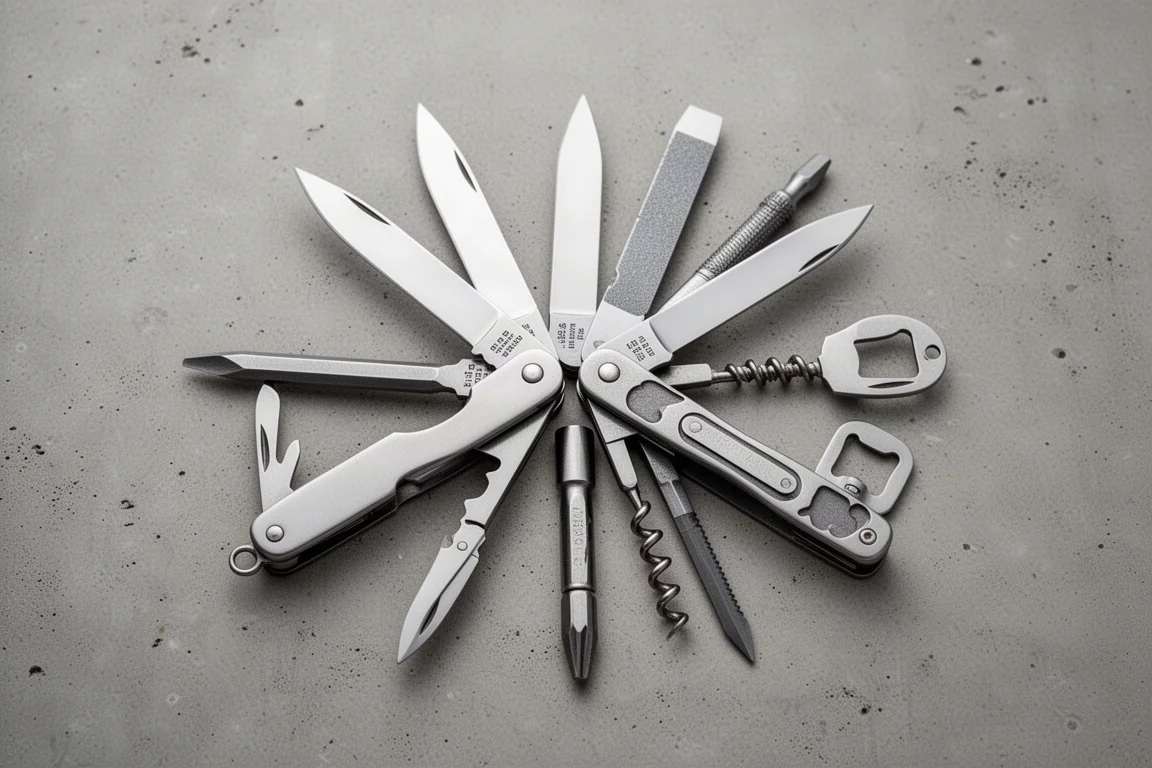
Under the corkscrew you will find laser printing reading 1897 and the individual serial number out of 9,999. Ten thousand sounds like a lot, but Victorinox produces around 45,000 knives a day, roughly ten million folding knives a year, so 10,000 is a drop in the ocean. Every tool on this replica was created from scratch: planning, designing, tooling, production, and finishing. That enormous investment for a relatively small run feeds directly into the price. In the UK it lists at £306 including VAT, and the selling price in America is reported as $500. Stock sold out in Europe from launch day, and one example has already been listed secondhand at five times the original price.
The Practical Alternative: Victorinox Spartan
If you love the functionality of the original but cannot stretch to the replica, the Victorinox Spartan is the knife that has followed this tool set through the last 125 years. It matches the core functionality of the 1897 knife and costs just £23 in the UK, which sounds like amazing value on balance.
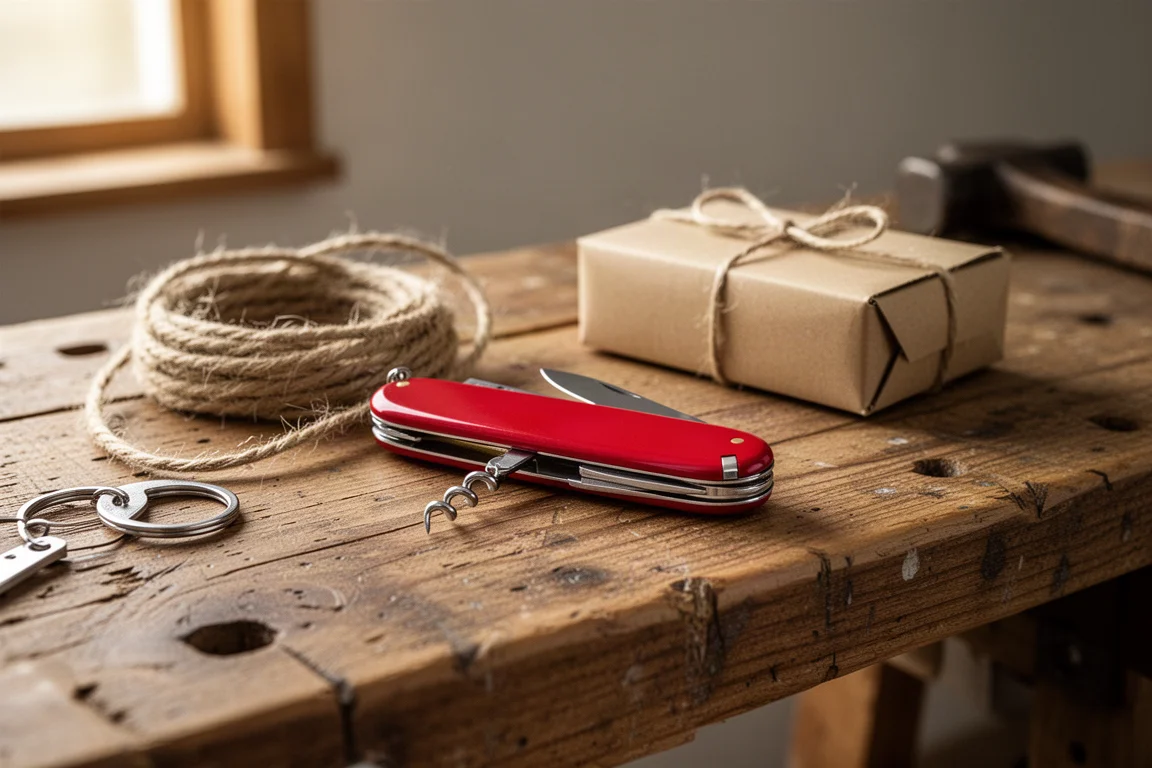
It is a 91mm two-layer knife with the familiar modern tool set, including the current-style corkscrew, and it is the sensible choice for anyone who actually wants to use their knife daily rather than display it.
For what it delivers, the Spartan remains one of the most accessible entry points into the Victorinox lineup.
Buying Advice
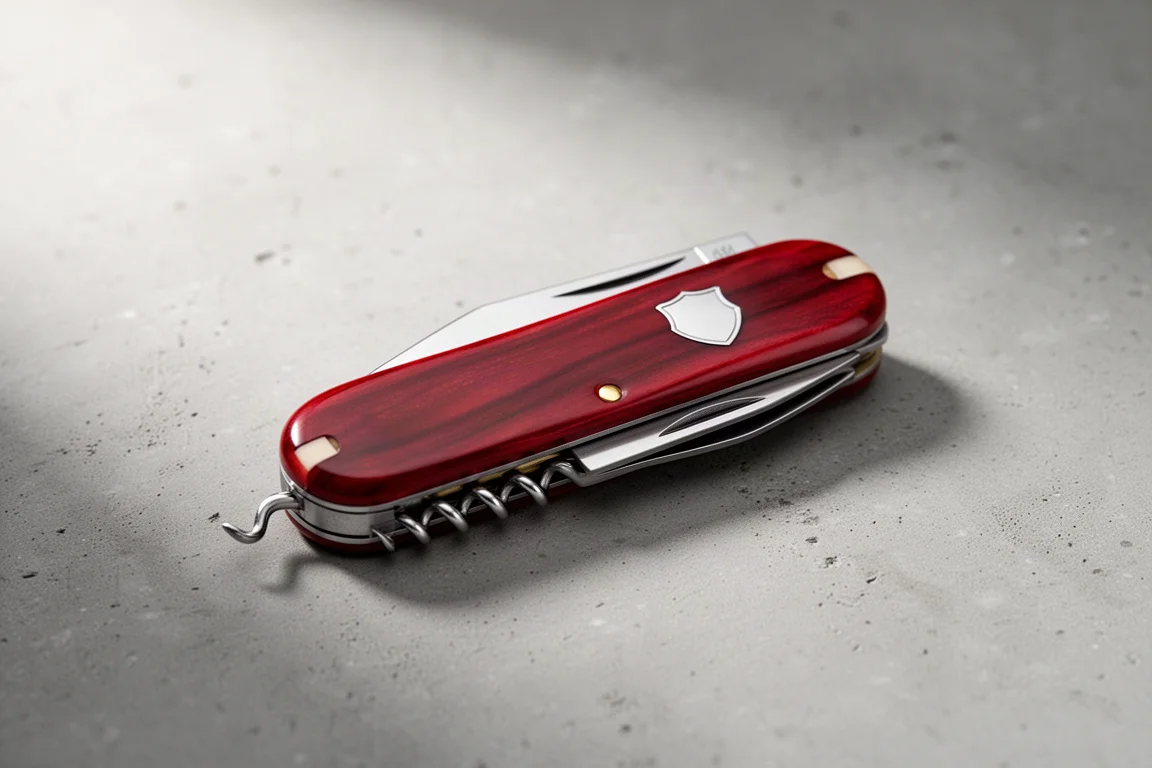
Choose the 1897 Heritage Edition Replica if you are a collector, a fan of Victorinox history, or someone who appreciates exceptional craftsmanship and is happy to pay a premium for a numbered limited edition. Be prepared for limited availability, as stock has been scarce since launch. Choose the Spartan if you want a genuinely usable everyday knife with the classic tool set at a fraction of the price. For most buyers who intend to carry and use their knife, the Spartan is the rational pick; the replica is about heritage, not practicality.
Conclusion
The 1897 Heritage Edition Replica is a beautiful piece of work and a remarkable act of historical fidelity, from the vulcanized fibre scales to the period-correct tools and packaging. The Spartan, meanwhile, proves how well the original formula has held up over 125 years. One is a collector’s treasure, the other an everyday workhorse, and both honor the knife that started it all.
Further reading
Related Reviews

Everyday Carry
Everyday Gear That Deserved a Second Look
A roundup of solid everyday carry items: watches, pens, a pencil, a knife, and a smart ring that each earned a place on the table.

Everyday Carry
KORE Tactical Bifold Wallet Review: A Durable Everyday Carry Option
A close look at the KORE Tactical Bifold Wallet, a reinforced nylon wallet with magnetic closure and room for cards, cash, and IDs.

Everyday Carry
Krabby Wallet Review: A Slim, Simple Carry That Has Stood the Test of Time
A closer look at the Krabby Wallet, a slim canvas and elastic design with a loyal following and a simple, functional approach to everyday carry.