Golf Equipment
Vice VGI O2 Driving Iron Review: Budget Club That Keeps Up With Premium
A $179 driving iron that goes head-to-head with a $429 custom club. We test distance, forgiveness, workability, aesthetics, and value.
Introduction
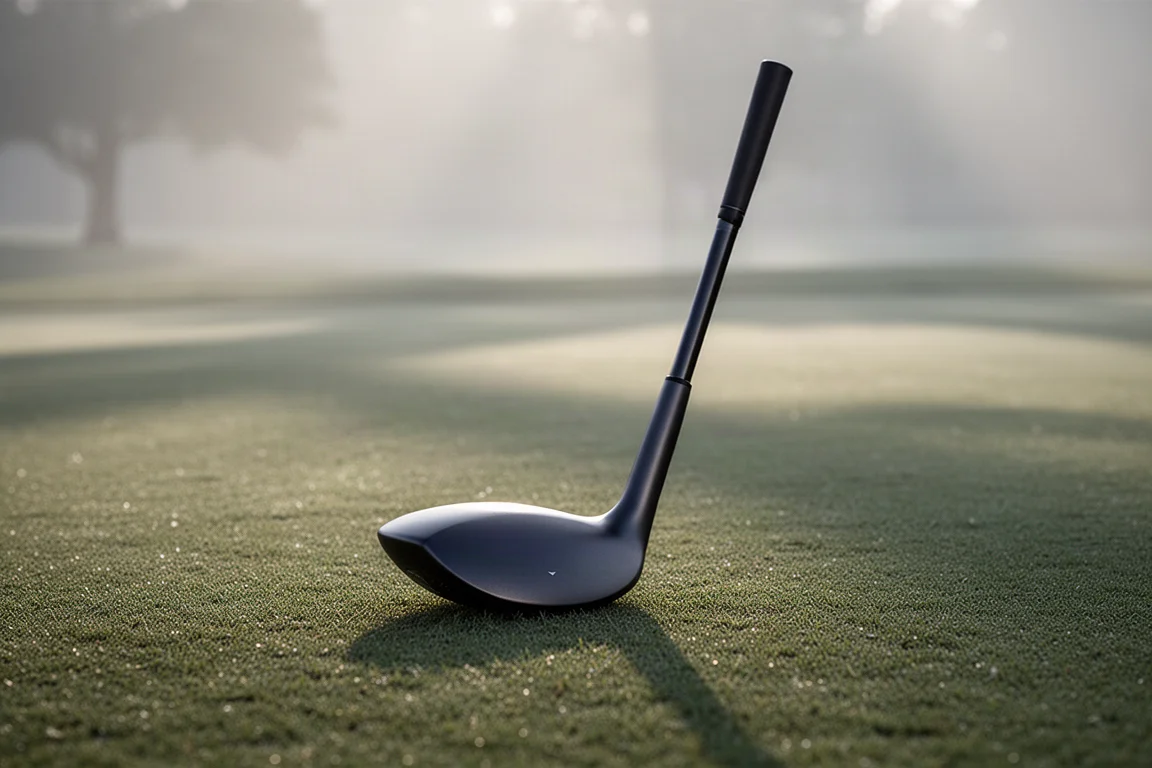
Budget golf clubs often get dismissed before they even reach the first tee. The assumption is that a direct-to-consumer brand cannot possibly compete with the big names charging two or three times as much. The Vice VGI O2 driving iron challenges that assumption head-on. At $179, it is priced as a value option, but it is built to handle real golf. We put it through a full battery of tests against a custom PXG Gen 8 driving iron that costs $429, and the results were closer than expected.
First Impressions
The VGI O2 is noticeably light in hand. That is the first thing you feel when you pick it up. Vice markets this as a draw-based driving iron, which means there is a small amount of offset built into the head. If you tend to slice the ball, that draw bias can help you square the face and turn the ball over more reliably. If you already play a draw, it is not necessarily a problem, but it is worth knowing before you buy.
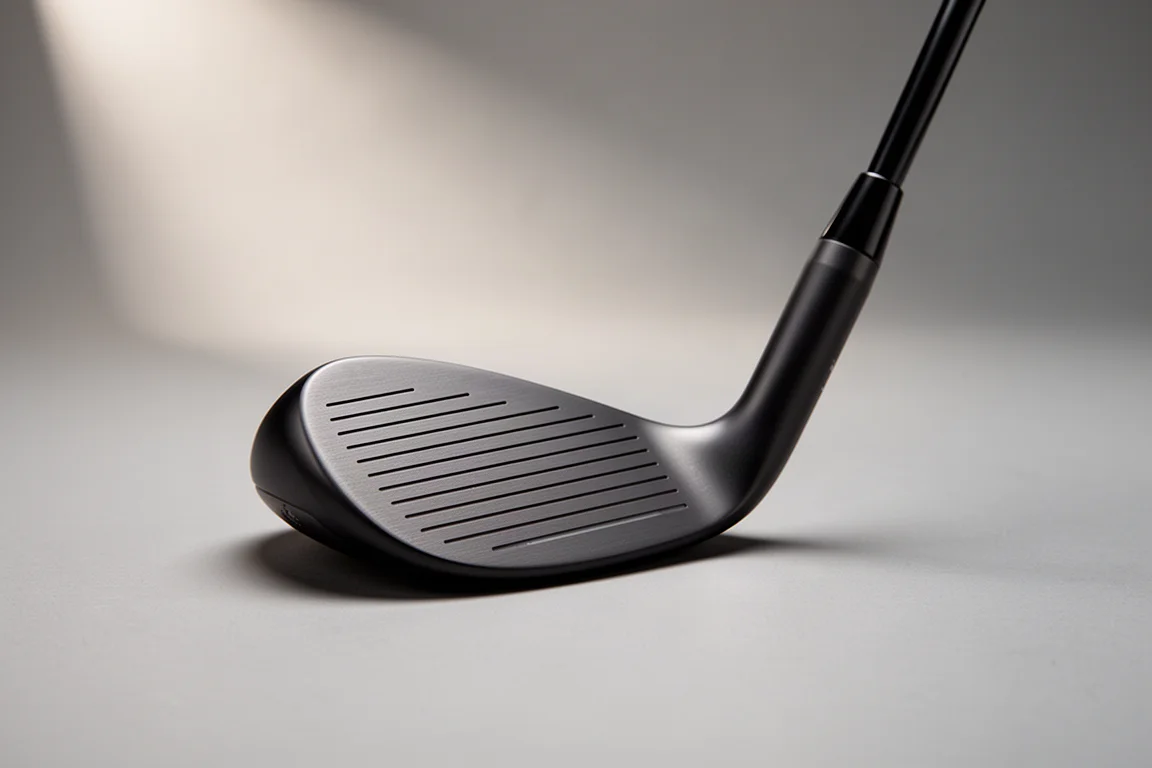
Looking down at address, the club has a clean, confidence-inspiring shape. The head is compact but not tiny, and the offset is subtle rather than exaggerated. It is a good-looking club at address, with a profile that feels familiar to anyone who has played a modern driving iron. The light overall weight is the main adjustment, especially if you are used to a heavier club in this slot.

The sound is the most distinctive part of the experience. This club produces a higher-pitched, almost tingy sound at impact, closer to a fairway wood than a traditional iron. It is not unpleasant, but it does make it harder to tell exactly where you struck the ball by sound alone. You have to rely more on feel, and the feel is soft and forgiving even on less-than-perfect strikes.
Distance and Forgiveness Testing
We tested the VGI O2 across multiple shots, tracking club head speed, ball speed, smash factor, and estimated carry with a launch monitor. The numbers were consistent and respectable. On a well-struck shot, club head speed came in around 94 to 96 mph, ball speed around 133 to 137 mph, and estimated carry between 203 and 212 yards. With roll out on firm fairways, total distance reached 219 to 225 yards.
The forgiveness is genuinely impressive. One severe toe-side mishit still produced a ball that finished in the right center of the fairway, with only a modest loss of distance. The club twists a little in your hands on off-center hits, but the results stay playable. That is exactly what you want from a driving iron, which is often used on tight holes where missing the fairway is costly.

Peak height is a slight limitation. The VGI O2 launches on a medium trajectory, and on some shots it did not quite reach the height we wanted. That is partly a function of the stock shaft and head combination. The PXG, with its heavier build and premium shaft, produced noticeably higher launch conditions. For most amateurs, the medium flight is acceptable, but if you need to carry a ball over trouble or stop it quickly on soft greens, this club may come up a little short.
Workability and Shot Shaping
Driving irons are not just for straight shots. Better players use them to shape the ball, keep it low under the wind, and chase roll out on firm fairways. The VGI O2 handles these tasks well. Despite the draw bias, we were able to hit a controlled fade by setting up slightly more off the front foot and taking a slightly outside-to-in swing path. The ball moved right to left as intended, and the shot was repeatable.
The tighter draw is even easier to produce. Aiming at a target on the right and letting the ball bend back to the left worked exactly as planned, with plenty of roll out once it landed. This is a club that rewards a confident swing and gives you the tools to work the ball both directions, even if the draw is the natural shape.

The main caveat is feedback. Because the sound is so high-pitched, it is harder to know if you caught the ball dead center. You can feel it, but the audio cue is less informative than on a traditional iron. For a better player who relies on feedback to refine their striking, this is a real consideration. It does not ruin the experience, but it is a noticeable difference compared to a premium club.
Head-to-Head: Vice VGI O2 vs PXG Gen 8
The direct comparison was the most revealing part of the test. The PXG Gen 8, set up with a Tour AD shaft, costs $429. That is more than double the price of the Vice. On paper, you would expect a significant gap in performance. In practice, the gap was minimal.
In a controlled head-to-head with matched swing speeds, the PXG produced slightly higher ball speeds and a touch more carry on its best shots. The PXG also launched higher, which helped it hold its line and stop a little sooner. But the Vice was right there. Its best shots carried 203 to 207 yards, and one shot actually finished longer than the PXG’s longest, at 222 yards, thanks to favorable roll out.
Dispersion was tight for both clubs. The PXG’s three shots were grouped closely together, but the Vice was not far behind. For a $179 club, that level of consistency is remarkable. The PXG is the better club in terms of feel and feedback, and it offers a slightly higher ceiling on flushed shots, but the Vice closes most of the gap at a fraction of the price.
Value and Verdict
The VGI O2 earns a perfect score for value. At $179, it competes with a club that costs more than double the price. That is not something we expected to see, and it is a genuine win for budget-conscious golfers. Vice also offers a 30-day on-course trial period, which is a useful safety net when buying a direct-to-consumer club you cannot test in a big box store.
The caveats are real. This is not a club for high handicappers. You need to be a 15 handicap or better to get consistent results, and it is really best suited to single-digit players. It is also a situational club. Driving irons shine on windy courses and firm, fast conditions where roll out is your friend. On soft, wet courses, a hybrid or fairway wood may be a better choice.
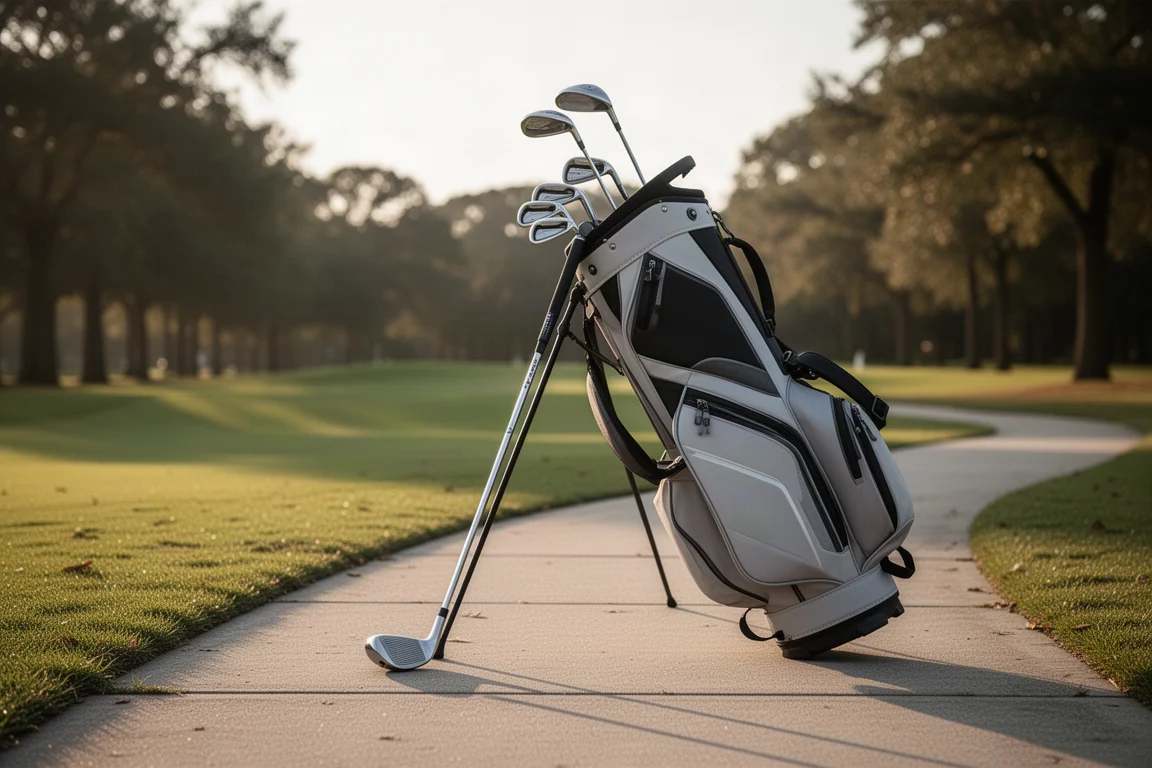
For the right player, the Vice VGI O2 is an outstanding value. It delivers solid distance, excellent forgiveness, and genuine workability at a price that undercuts the premium competition. The sound and feedback are the only real compromises, and they are easy to accept when you see the results on the course.
Conclusion
The Vice VGI O2 driving iron proves that budget clubs can hang with the big names. It is not the longest club in the bag, and it does not offer the refined feel of a $429 custom build, but it delivers performance that is remarkably close at a fraction of the price. If you are a single-digit handicapper looking for a driving iron without breaking the bank, this is one of the best options available.
Further reading
Related Reviews

Golf Equipment
Astral Golf Putter Review: A Customizable Putting System Worth Your Attention
Astral Golf's adjustable hosel system and interchangeable faces let you build a putter that matches your stroke. Here's how it performs on the course.

Golf Equipment
Ben Hogan BHM03 Putter Review: A Striking Design That Performs
The Ben Hogan BHM03 combines multi-material construction, a refined look, and a reasonable price. Here is how it performed during a real round.

Golf Equipment
Best Drivers of 2026: Ten Models Ranked and Reviewed
A data-driven ranking of the ten best drivers of 2026, covering distance, forgiveness, workability, aesthetics, and value.