Gravel Bikes
Ventum GS1 Review: Carbon Gravel Speed With Electronic Shifting
A direct-to-consumer carbon gravel bike with electronic shifting at a value price, plus the fit, comfort and mounting trade-offs worth knowing first.
Introduction
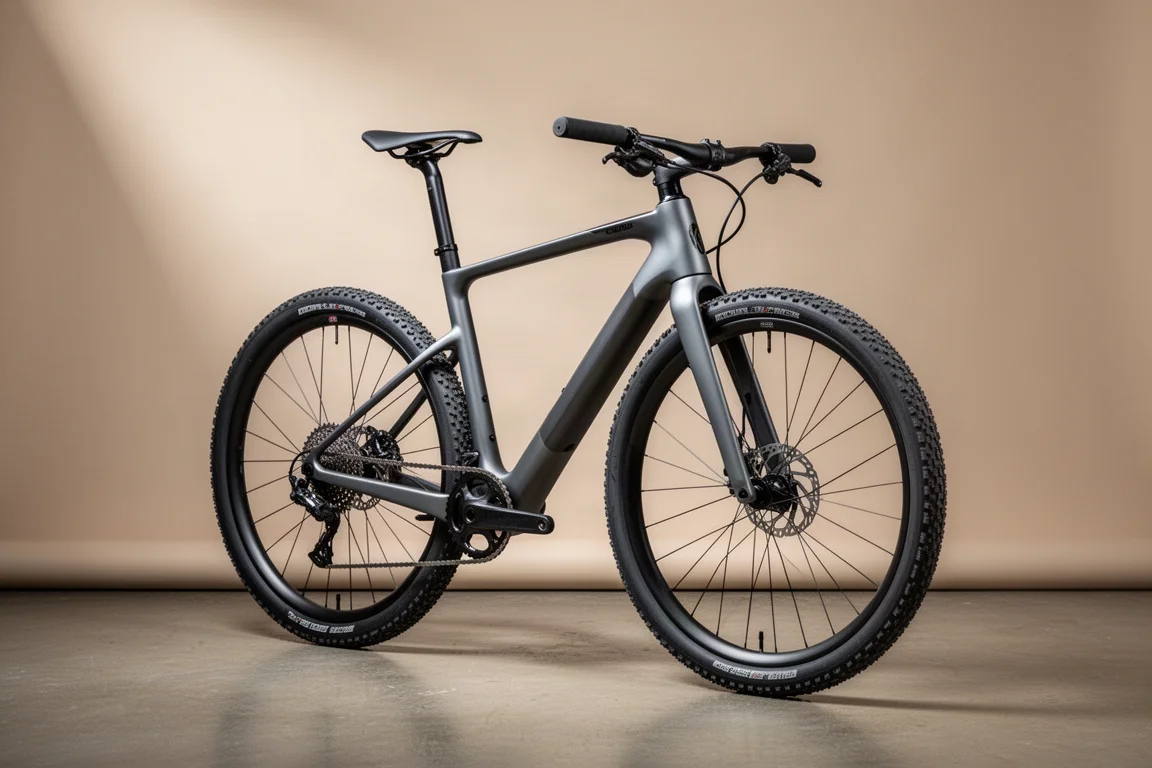
Carbon gravel bikes with electronic shifting have traditionally sat well above the three-thousand-dollar mark, so the Ventum GS1 is notable for bringing that combination within reach. It pairs a full carbon frame and fork with an electronic groupset, and Ventum sells the bike direct rather than through dealers, which is the main reason the price lands where it does. On paper it reads like a race machine. On the trail it behaves like one too.
This review covers what you actually get, how the bike performs across gravel, singletrack and tarmac, and where the compromises sit, so you can judge whether it matches the riding you do.
What You Get for the Money
The frame and fork are both carbon, and the build is finished with WTB wheels, tires and saddle alongside an FSA bar and stem. The groupset is electronic, and it is the most affordable electronic option from SRAM, which is the single biggest reason this bike stands out at its price. Carbon gravel bikes from larger brands at a similar price generally come with mechanical shifting instead.

The frame reads as a modern gravel race design. Cable routing is semi-internal at the front, the down tube is aero-shaped, and both the rear stays and the chainstays are dropped to free up clearance. Tire clearance is 48 mm, which is generous for most riders and covers a wide range of rubber.
Frameset details include a T47 threaded bottom bracket and a SRAM UDH compatible dropout, both sensible choices for long-term serviceability and future drivetrain compatibility. The fork dropout carries an adjustable flip chip that changes fork rake and trail between 45 mm and 50 mm, letting you tune steering speed to the terrain and your own preferences.
Ventum sells direct, so the bike arrives at your door in a box rather than through a local shop. That is where the value comes from, and it also means you cannot test ride one around a car park before committing.
Who This Bike Is For
This is a bike for riders who want to go fast on gravel and are comfortable buying online without a shop demo. The geometry sits in the middle of the gravel spectrum, neither aggressively progressive and slack nor conservative and upright, and the ride quality reflects that balance. It suits racers, fast group riders and anyone who wants a single bike that handles gravel tracks, singletrack and tarmac without feeling compromised on any of them.
It is less suited to riders who prioritise bikepacking capacity or year-round commuting. Mounts are limited to a top tube bento box position and an extra bottle cage under the down tube, and there are no fender mounts at all.
How the Ventum GS1 Rides
The frame and fork are stiff, and power transfer is strong. Sprints out of corners feel sharp, and the bike carries speed well on gravel and tarmac alike. Handling is agile without being nervous, and the geometry keeps things predictable across loose gravel, rocky tracks and tighter singletrack. The short stem keeps steering light and quick, while the reach to the hoods remains comfortable.
Comfort lands in the middle of the gravel field. It is smoother than some stiffer race-oriented bikes, but it is not as compliant as the most comfort-focused gravel models. The WTB tires roll quickly and quietly on tarmac, which makes road sections feel closer to a road race bike than a compromise.
Weight is 8.6 kg on the scales in a size ML without pedals. That is not featherweight, but it is competitive for the build and the price, and climbing performance does not suffer as much as the number alone might suggest.
Main Strengths
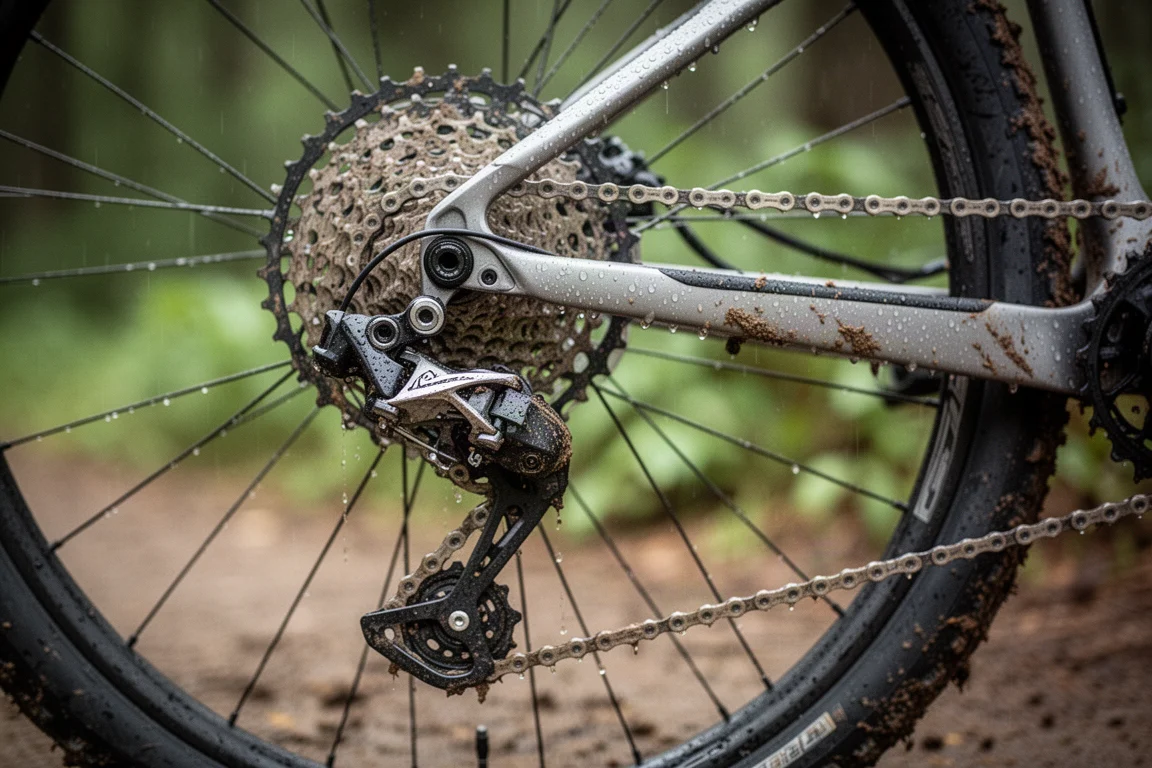
Electronic shifting is the headline. Shifts are a simple button press, and the system is easy to live with day after day. There are no cables to wear out or snap, and a clutch mechanism in the rear derailleur keeps the chain from bouncing around on rough ground. The gear range from the 1x setup has proven adequate for hilly terrain.
The brakes are powerful, and the hoods are compact and ergonomic. The bar and stem are a two-piece design, so you can swap in a longer stem or a different handlebar without changing the whole cockpit. Branded WTB and FSA components are a welcome sight at this price point.
The flip chip in the fork dropout is a genuinely useful tuning option. You can leave it as delivered and the bike rides well, or adjust it to sharpen or calm the steering depending on the terrain you ride most.
Things to Consider Before Buying
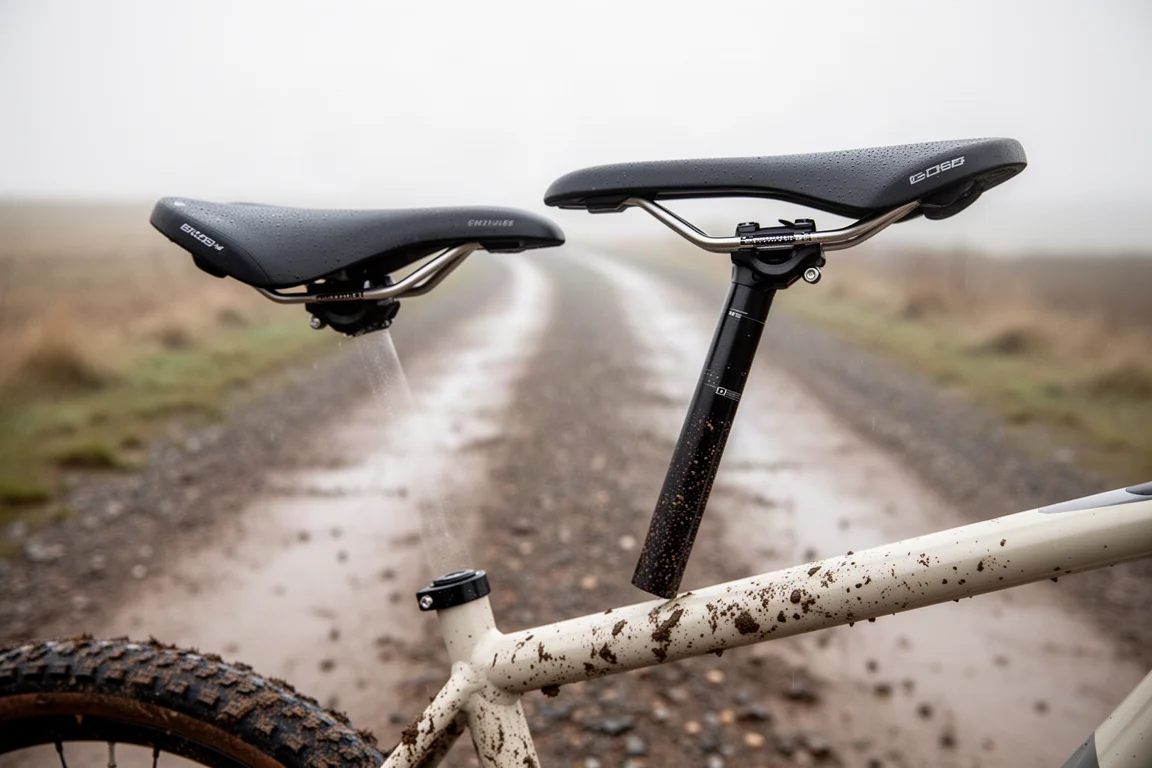
The near-horizontal top tube looks great but limits how much seatpost sits outside the frame, which in turn limits how much the post and saddle can flex. A more sloping top tube would add comfort at the saddle. The D-shaped seatpost is another constraint, since it rules out most dropper posts and suspension seatposts, though a suspension stem remains an option.
Tire clearance is generous at 48 mm, but the bike ships with 40 mm tires. A 45 mm tire would likely suit the intended rider better, trading a little speed and weight for noticeably more comfort on rough surfaces.
The missing fender mounts are the most significant omission for anyone who wants year-round versatility. The blanking plate on the seat tube, which covers the front derailleur mount if you run 1x, is also not colour matched to the frame, a small cosmetic detail that stands out on an otherwise tidy build.
Setup, Fit and Upgrade Options
The bike is built around 1x, but it can take a front derailleur if you prefer a 2x setup. The fork flip chip is worth experimenting with once you have ridden your regular terrain a few times, since a small change in trail noticeably alters how the steering feels.
Because the bike arrives direct, sizing deserves care. Measure against the geometry chart and compare with a bike you already ride rather than guessing. Upgrades that make the most difference here are wider tires for comfort and a suspension stem if you spend long days on rough surfaces.
Buying Advice
At around $3,000, the Ventum GS1 is easy to recommend. The combination of a carbon frame and fork with electronic shifting is difficult to match at this price, and the ride quality backs it up with real speed and solid handling. If you are shopping with a budget in this region and you want a fast, race-oriented gravel bike, this one belongs near the top of your shortlist.
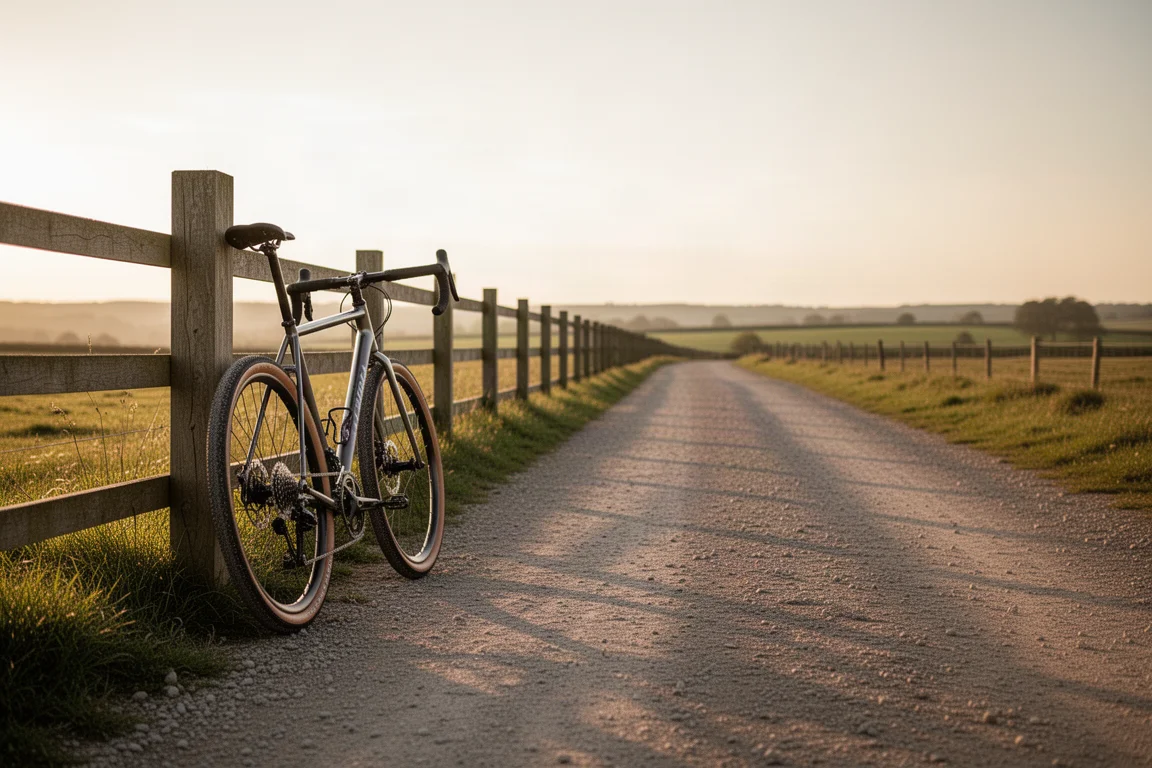
It makes the most sense for riders who value performance and shifting quality above mounting options and maximum comfort. If you need fenders, fork mounts for extra bags, or the option of a dropper post, other gravel bikes will serve you better. For everyone else, the case for the GS1 is straightforward.
Conclusion
The Ventum GS1 delivers a carbon frameset and electronic shifting at a price where most rivals still offer mechanical groupsets. It is fast, stiff and well balanced, with practical details like a threaded bottom bracket and an adjustable fork flip chip. The trade-offs are limited mounting points, a seatpost design that restricts dropper and suspension options, and 40 mm tires that could be wider for the rider this bike targets. If those compromises do not affect your riding, this is a compelling and confident choice.
Product link
View more details for Ventum GS1
This product is mentioned in the review. Check the specifications, options, and compatibility before buying.
View more details for Ventum GS1Further reading
Related Reviews
Gravel Bikes
3T Exploro Ultra Review: A Fast Gravel Bike Built for Big Tyres
A close look at the 3T Exploro Ultra, an aero carbon gravel bike designed around wide tyres, with road-like handling, a 980 g frame and genuine rough-terrain capability.
Gravel Bikes
3T Extrema Italia Review: Aero Gravel Speed With Room for 57 mm Tires
The 3T Extrema Italia pairs an aero frame with huge tire clearance, Italian-made carbon and a more comfortable ride than the RaceMax. Here is what to know before buying.
Gravel Bikes
3T Race Max 2 Italia Review: An Aero Gravel Race Bike Made in Italy
A closer look at the second-generation 3T Race Max 2 Italia, covering its aero updates, ride character, tire clearance, internal storage and who it suits.