Gravel Bikes
Van Rysel RCRG vs EDRG: Two New Gravel Bikes Compared
Van Rysel has launched two gravel bikes at once, an aero race machine and a cargo-friendly adventure build. Here is how the RCRG and EDRG differ and who each one suits.
Introduction
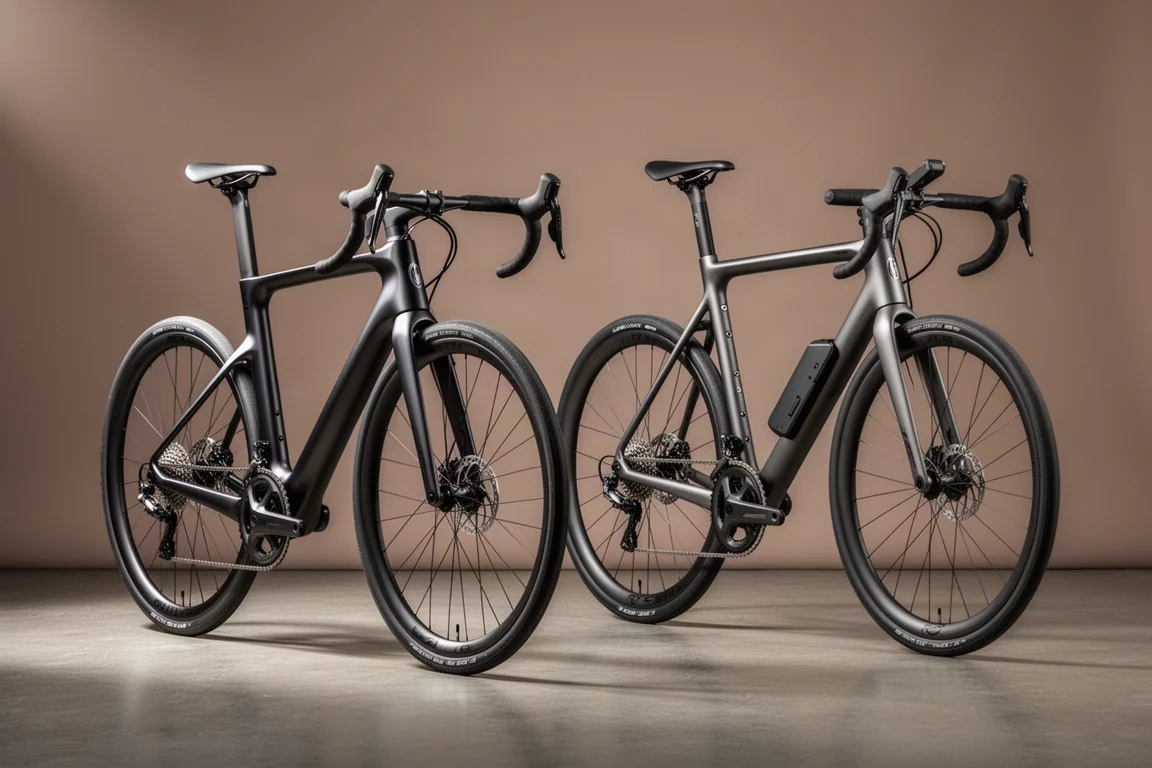
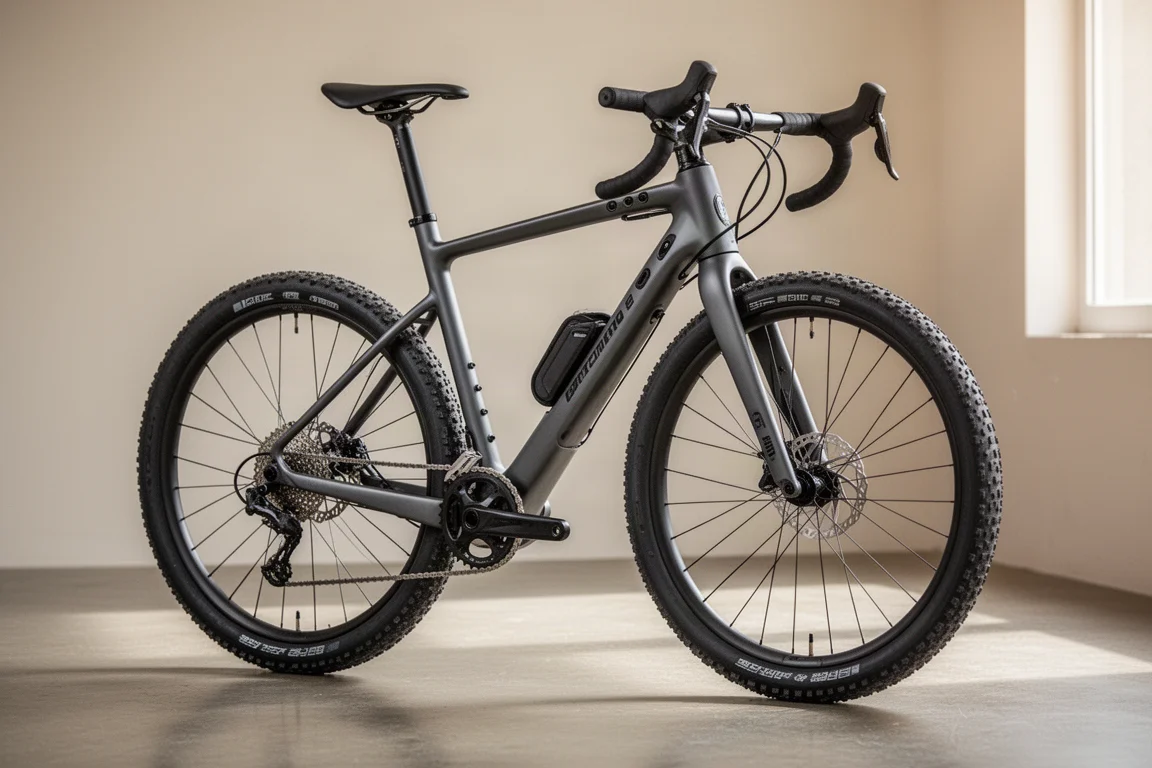
Van Rysel has added two new gravel bikes to its range at the same time, and the pair sits at opposite ends of the category. The RCRG is an aerodynamic gravel race bike built around speed. The EDRG is a more versatile machine aimed at adventure riding, bikepacking, and general all-round use.
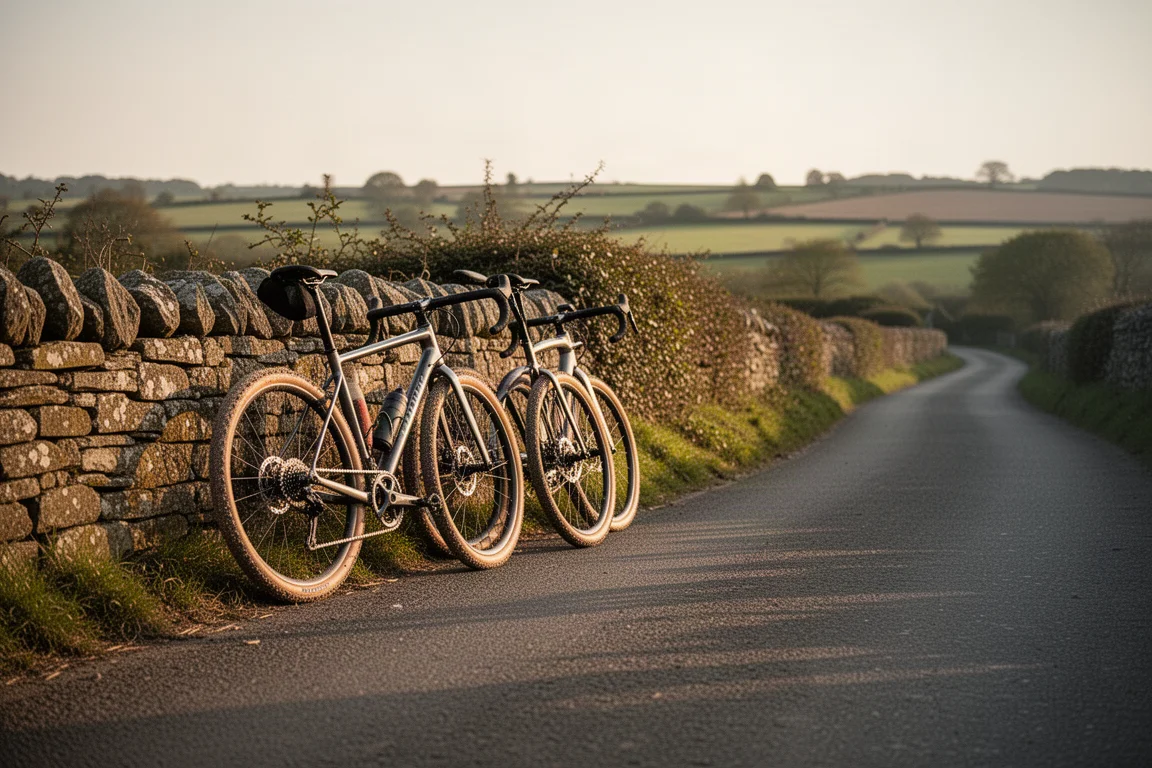
Both bikes share the same 50 mm tire clearance front and rear, but almost nothing else about them is identical. That split is intentional. Gravel racing has become faster and increasingly aerodynamic, while bikepacking and long-distance adventure riding reward comfort, cargo capacity, and mounting points. Two bikes, each tuned for one of those priorities, avoid the compromises that come with asking a single frame to do both well.
What Van Rysel Launched Today
The RCRG is positioned as a ground-up design for what an aero gravel race bike should be, aimed at events where average speeds keep climbing and aerodynamics matter more each season. The EDRG takes the other path, prioritising comfort, exploration, and the ability to carry luggage.
Van Rysel says the EDRG was developed over two years with 30 riders and more than 25,000 km of testing. The programme reportedly included an unsupported 10,000 km ride across Europe before the final sign-off, which is a substantial validation distance by any standard.
Van Rysel RCRG: The Aero Gravel Race Bike
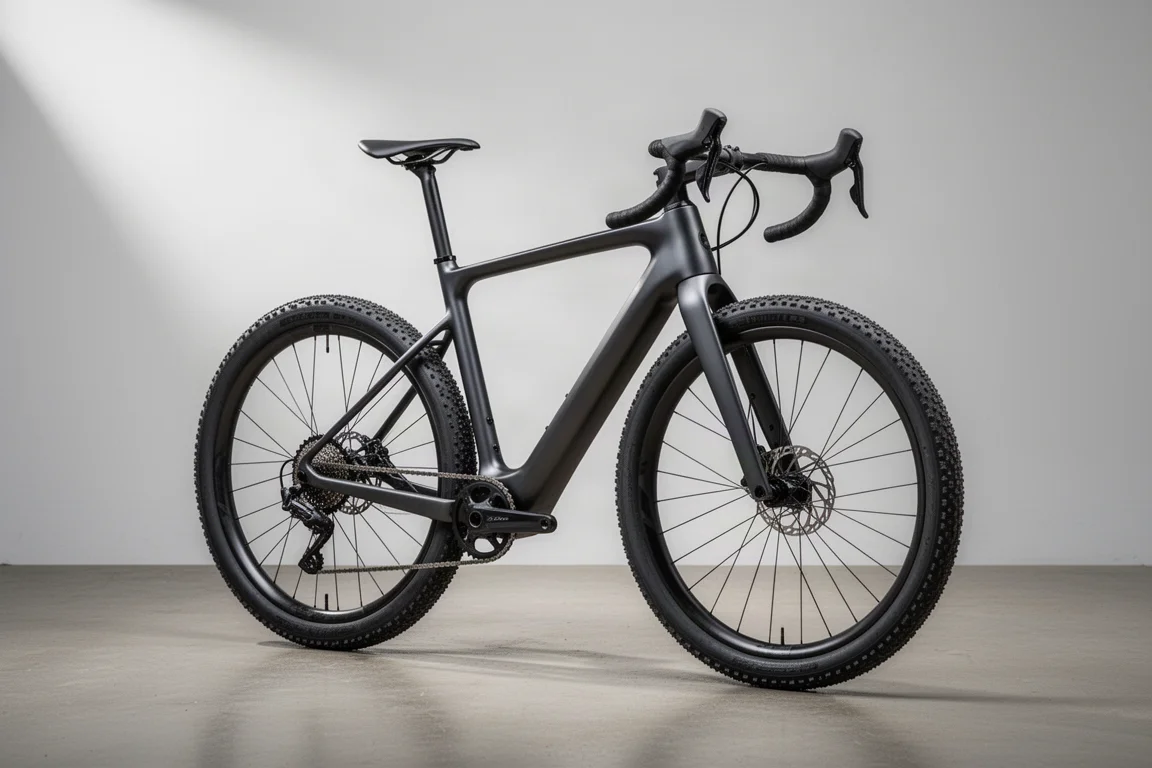
The road bike influence is visible in every tube profile. The RCRG has a deep, aero-looking front end, a heavily shaped down tube, dropped seatstays, and a one-piece cockpit on the top-level SRAM Red eTap AXS build. Van Rysel says its own CFD and wind tunnel work produced a saving of 8.6 W over the previous GCR gravel bike, which was not an aerodynamic design.
That figure deserves some context. Van Rysel has not published the parameters behind the test, including speeds and yaw angles, and there is no benchmarking against other bikes. The gain is real in direction, but the number alone is difficult to weigh against rival claims.
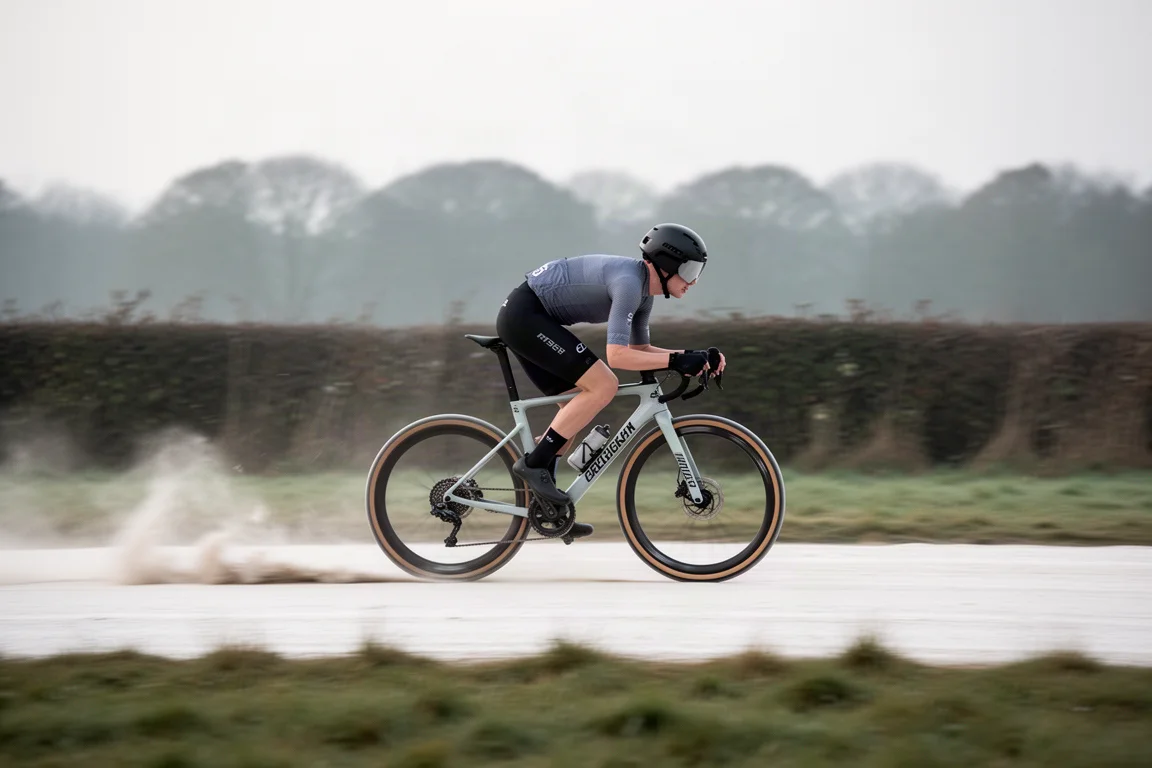
Weight was clearly another target. Van Rysel claims 885 g for a size medium frame without paint and 415 g for the fork. A complete bike with a SRAM Red eTap groupset is claimed at 7.7 kg, which is heavier than several similarly specified top-tier gravel race bikes in the 7.1 kg to 7.2 kg range. The aero priority appears to have taken precedence over the scale.
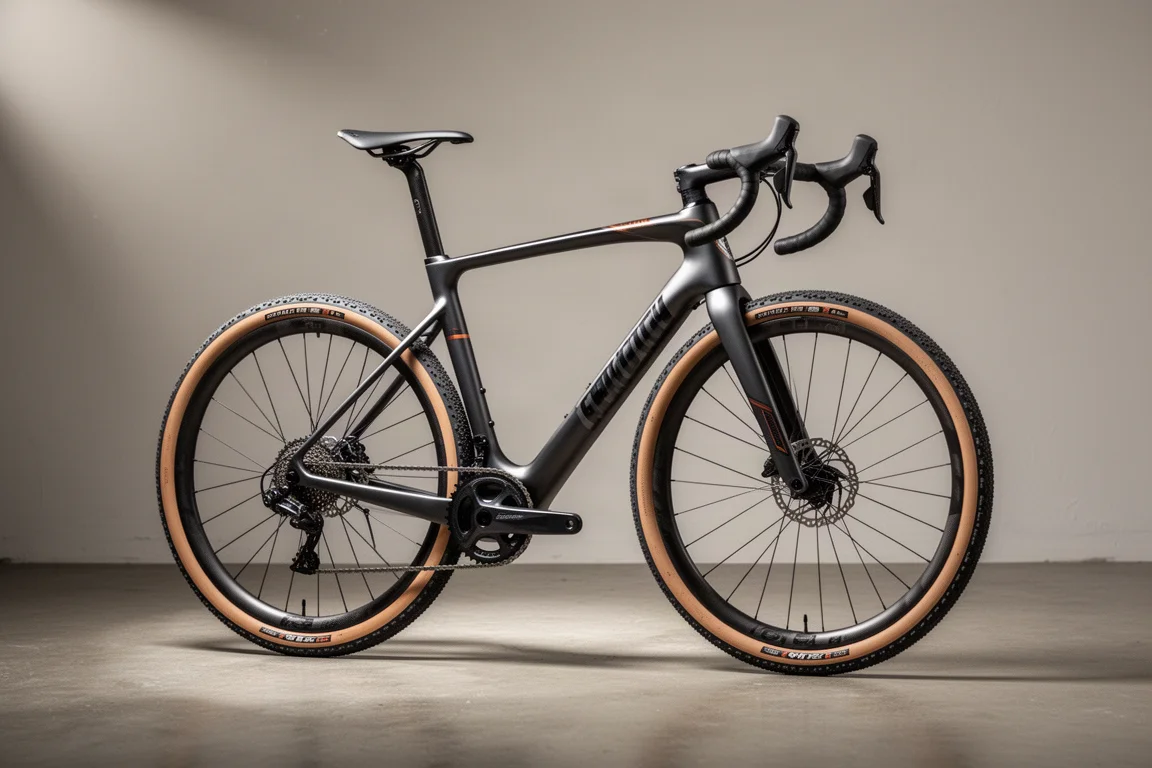
Tire clearance is 50 mm front and rear, narrower than the 55 mm and 57 mm figures seen on other race-focused gravel bikes. One explanation is drivetrain flexibility: the RCRG can still run a two-by setup, where many race bikes go one-by only to free up space for bigger tires. There is a UDH dropout for SRAM drivetrains, and one-by chainring clearance runs up to 52 teeth.
Van Rysel EDRG: The Versatile Adventure Option
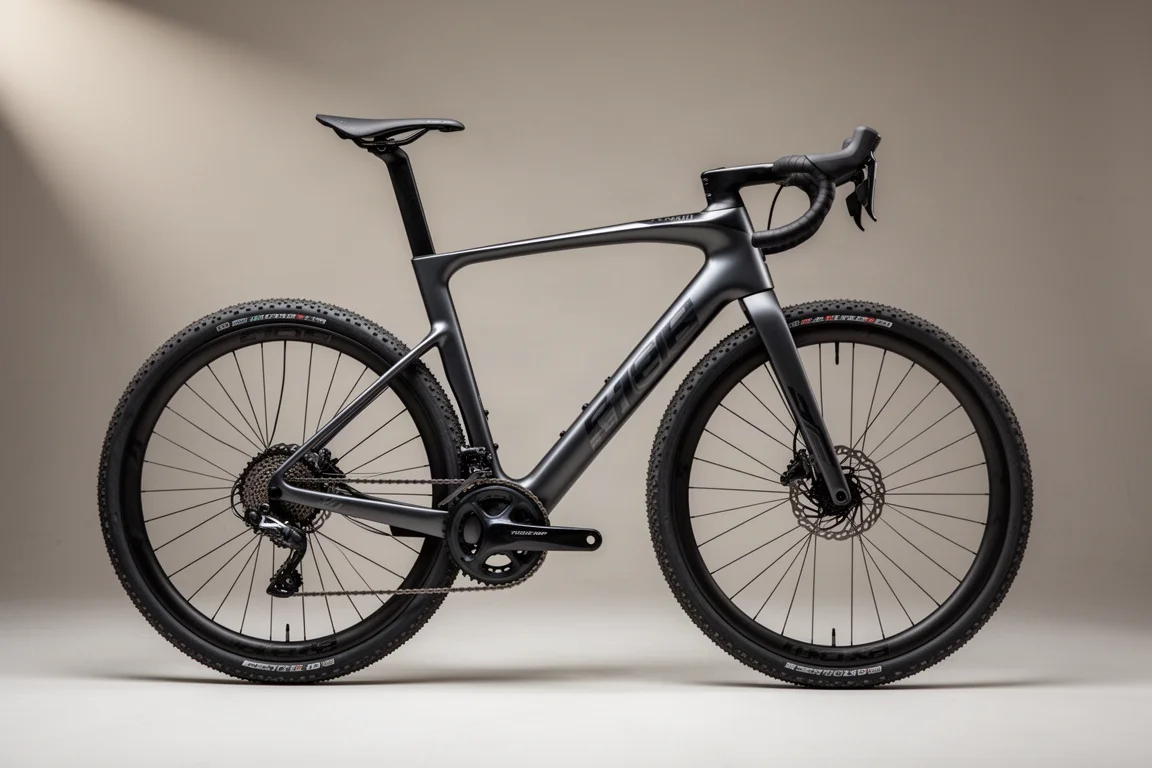
The EDRG takes the opposite approach. Van Rysel fits 15 mounts across the frame and fork for mudguards, bags, and fenders, which turns the bike into a genuine load-carrying platform. Cable routing is semi-internal rather than fully integrated, and the frame shapes are clearly less aero-optimised than the race bike.
Tire clearance matches the RCRG at 50 mm front and rear. On this bike, a wider figure would have made more sense, since the ability to run a wide tire alongside mudguards opens up winter road riding as well as mixed-surface use. As it stands, 50 mm is the shared ceiling across the range.
One of the more useful details is the in-frame storage. A compartment at the top of the down tube, separate from the bottle cages, holds a spare tube, pump, and multi-tool, and it arrives pre-loaded with those items. Many bikes at this level ship with an empty neoprene sleeve, and finding tools small enough to fit inside a frame can be genuinely awkward, so a stocked compartment is a meaningful value-add.
Van Rysel also offers a version with a RockShox Rudy suspension fork for riders who want more cushioning up front, which pairs sensibly with narrower tires. The bike ships with a 45 mm tire and rolls on Van Rysel’s own 1,600 g carbon wheels, the VR 32. That follows a pattern set by several large brands that now build wheels under their own name, and it gives the EDRG a coherent, cost-controlled build.
Aero Data, Weight, and Tire Clearance
Across both bikes, the numbers tell a consistent story about priorities. Van Rysel chased aerodynamic efficiency and low frame weight on the RCRG, and it accepted a narrower tire clearance to keep two-by drivetrain compatibility. On the EDRG, it invested in mounts, storage, and rider comfort instead, and let the aerodynamics slide.
The 8.6 W aero claim is the kind of figure that should be read carefully. Without published test parameters or a benchmark against comparable bikes, it establishes that the new frame is faster than the old one rather than how it stacks up against the current generation of aero gravel race frames.
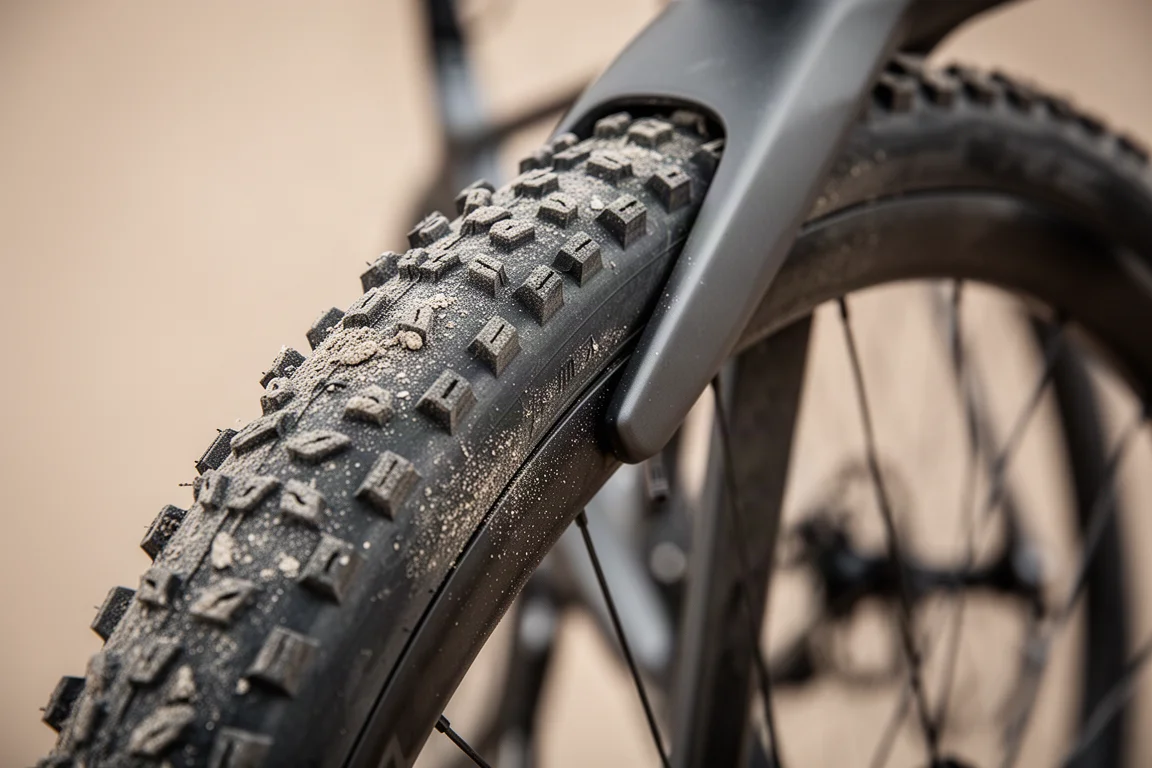
The shared 50 mm clearance is the single detail most likely to divide riders. It is workable for most gravel conditions, and it keeps the race bike compatible with two-by groupsets. Riders who regularly ride very loose or rocky terrain, or who want maximum volume with mudguards fitted, may find themselves wishing for more room. It is worth deciding how much that matters before committing.
One Bike or Two? The Case for a Two-Bike Lineup
Gravel has expanded enormously over the past decade. A full racing scene now exists around events like Unbound and Tracker, while a parallel world of bikepacking adventures and unsupported long-distance routes keeps growing. The two disciplines pull frame design in different directions: racing wants an aggressive position and minimum frontal area, while adventure riding wants an upright posture, luggage capacity, and fender mounts.
Brands have answered that tension in different ways. Some offer a single model intended to cover everything, others offer two or three distinct bikes. Van Rysel has chosen the two-bike route, and the RCRG and EDRG genuinely reflect the two sets of requirements rather than being lightly differentiated versions of the same frame.
The trade-off lands hardest on riders who do both. Someone who races seriously one weekend and loads up for a bikepacking trip the next will find that neither bike is ideal for the other job: the race bike lacks mounts and storage and has a more committed position, while the adventure bike gives away aerodynamic efficiency. For that rider, a single all-round gravel frame, carbon or steel, can be the more practical answer. Riders who lean clearly toward racing or toward adventure, however, get a more focused bike with the two-model approach.
Buying Advice: Which Van Rysel Gravel Bike Suits You
Choose the RCRG if racing, speed, and aerodynamic efficiency come first. It is the bike for riders who want a two-by drivetrain on a gravel race frame, who are comfortable with 50 mm clearance, and who value the wind tunnel development story even while treating the 8.6 W figure with appropriate caution. Be aware that the claimed 7.7 kg build weight is on the heavier side for a top-tier race bike.
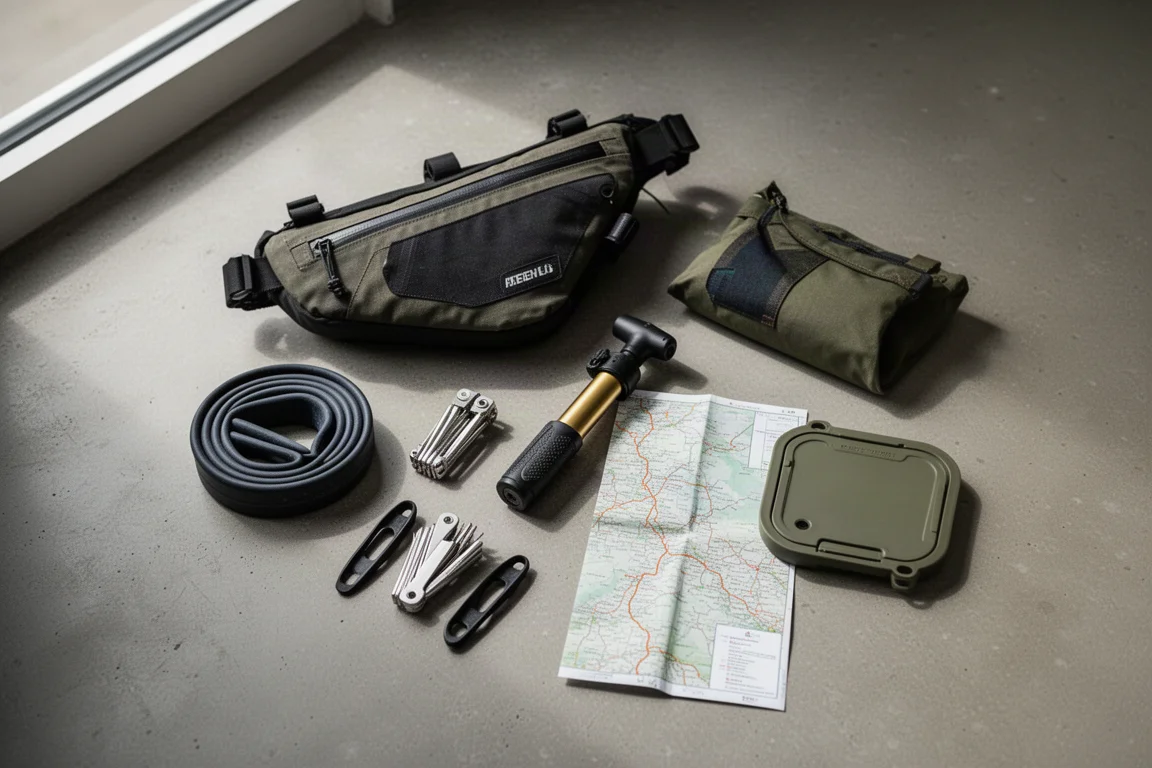
Choose the EDRG if your riding is built around comfort, distance, and carrying gear. The 15 mounts, the pre-loaded in-frame storage, the semi-internal routing, and the optional RockShox Rudy suspension fork all point to a bike designed to be lived with rather than raced. It is also the more logical choice for riders who want one gravel bike that handles commuting, winter road miles, and weekend loaded trips.
Pricing was not finalised at the time of the launch, so regional figures should be checked directly. Van Rysel pricing has been very competitive in the road range, and entry gravel builds were reported to start at just over £2,000 with a Shimano GRX groupset, which puts the range in a strong position against comparable carbon gravel bikes.
Conclusion
The RCRG and EDRG are a clear demonstration of how wide gravel has become. One is built for speed, the other for distance and cargo, and Van Rysel has kept the two designs genuinely distinct rather than blurring them together. Riders who know which side of gravel they sit on will find a well-targeted option here. Riders who want to race and bikepack on the same bike should weigh carefully whether a more versatile single frame would serve them better, but for everyone else the choice comes down to a simple question: speed or adventure.
Further reading
Related Reviews
Gravel Bikes
3T Exploro Ultra Review: A Fast Gravel Bike Built for Big Tyres
A close look at the 3T Exploro Ultra, an aero carbon gravel bike designed around wide tyres, with road-like handling, a 980 g frame and genuine rough-terrain capability.
Gravel Bikes
3T Extrema Italia Review: Aero Gravel Speed With Room for 57 mm Tires
The 3T Extrema Italia pairs an aero frame with huge tire clearance, Italian-made carbon and a more comfortable ride than the RaceMax. Here is what to know before buying.
Gravel Bikes
3T Race Max 2 Italia Review: An Aero Gravel Race Bike Made in Italy
A closer look at the second-generation 3T Race Max 2 Italia, covering its aero updates, ride character, tire clearance, internal storage and who it suits.