Gravel Bikes
VAAST A1 Review: A Super Magnesium Gravel Bike That Punches Above Its Price
The VAAST A1 pairs a super magnesium frame with SRAM Apex 1x for £1,899, aiming at carbon-like weight with a livelier ride than aluminium.
Introduction
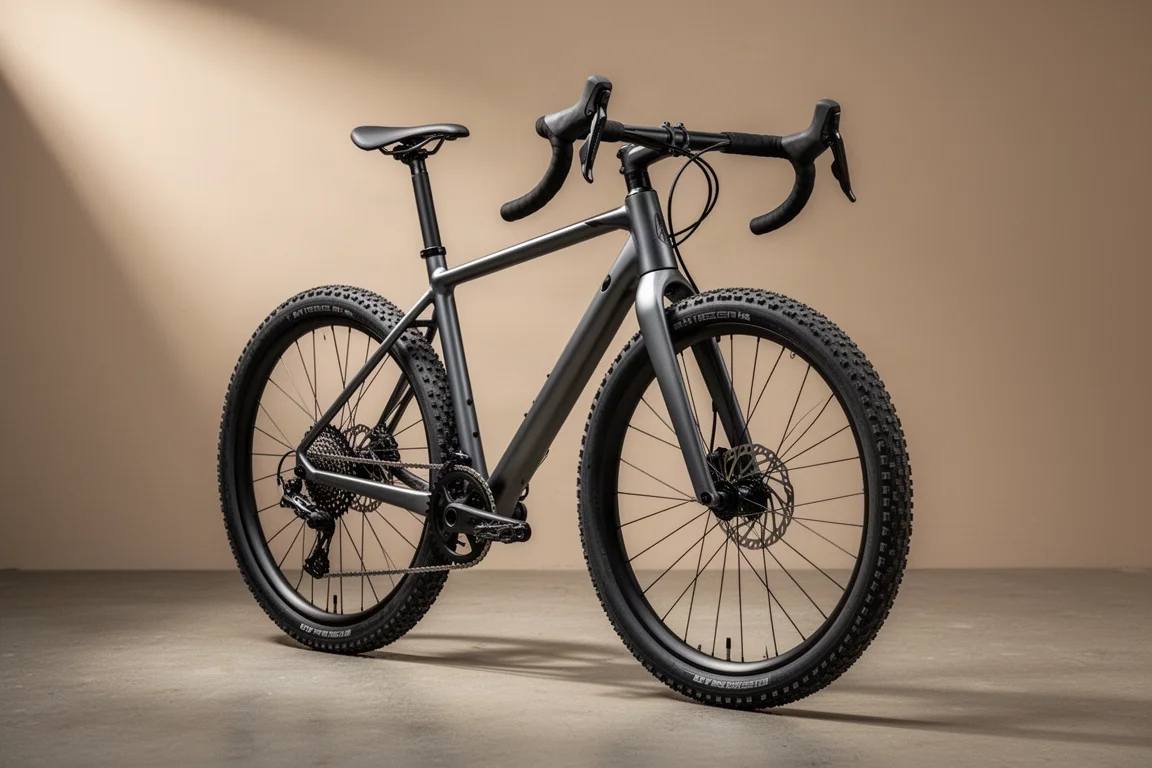
The VAAST A1 is a gravel and all-road bike built around a super magnesium frame, a material the brand claims can deliver the performance and weight of carbon fibre at a price much closer to that of aluminium. It is a bold claim, especially for a material with a patchy reputation in cycling history.
That history is real. Magnesium frames have appeared before, including the Kirk Precision and the Pinarello Dogma that went on to win a Tour de France in the early 2000s, but the material never established a lasting place alongside carbon, aluminium, steel and titanium. The A1 uses a different alloy, marketed as super magnesium and known more technically as AE81, which stands for aluminium plus rare earth elements. The mix is 8 percent of the former and 1 percent of the latter.
On paper the proposition is clear: a frameset claimed at around 1,200 grams, complete bike weight of 9.65 kg in a size medium, SRAM Apex 1x gearing, and a UK price of £1,899. That puts it lighter than a comparable aluminium gravel bike and cheaper than a carbon one. The question is whether the ride lives up to the numbers.
Who This Bike Is For
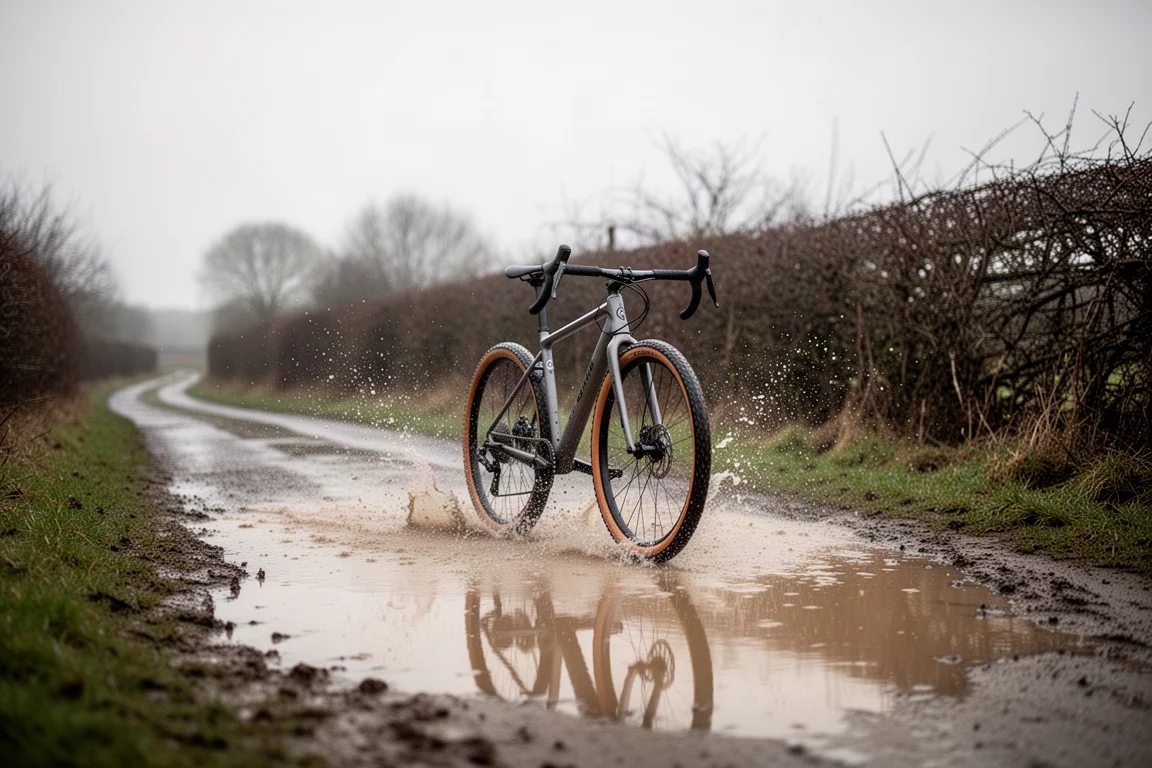
The A1 is aimed at riders who want a single bike that handles road miles, woodland trails, and mixed surfaces without committing to a carbon price tag. The build includes mounts for bikepacking accessories, mudguard mounts, and enough tyre clearance for genuinely rough terrain, so it suits year-round riders who want one dependable machine rather than a specialist race bike.
It is also relevant for anyone weighing up frame materials with an eye on weight and cost at the same time. Compared with aluminium, the super magnesium frame is described as less stiff but stronger and less dense, which allows a lighter frame with good compliance. Compared with carbon, the claimed weight is close but the price is far lower.
Where it fits less well is with riders who want the longest, slackest geometry available. The A1 is shorter and steeper than many progressive modern gravel bikes, so it favours quick, agile handling over high-speed stability on rough descents.
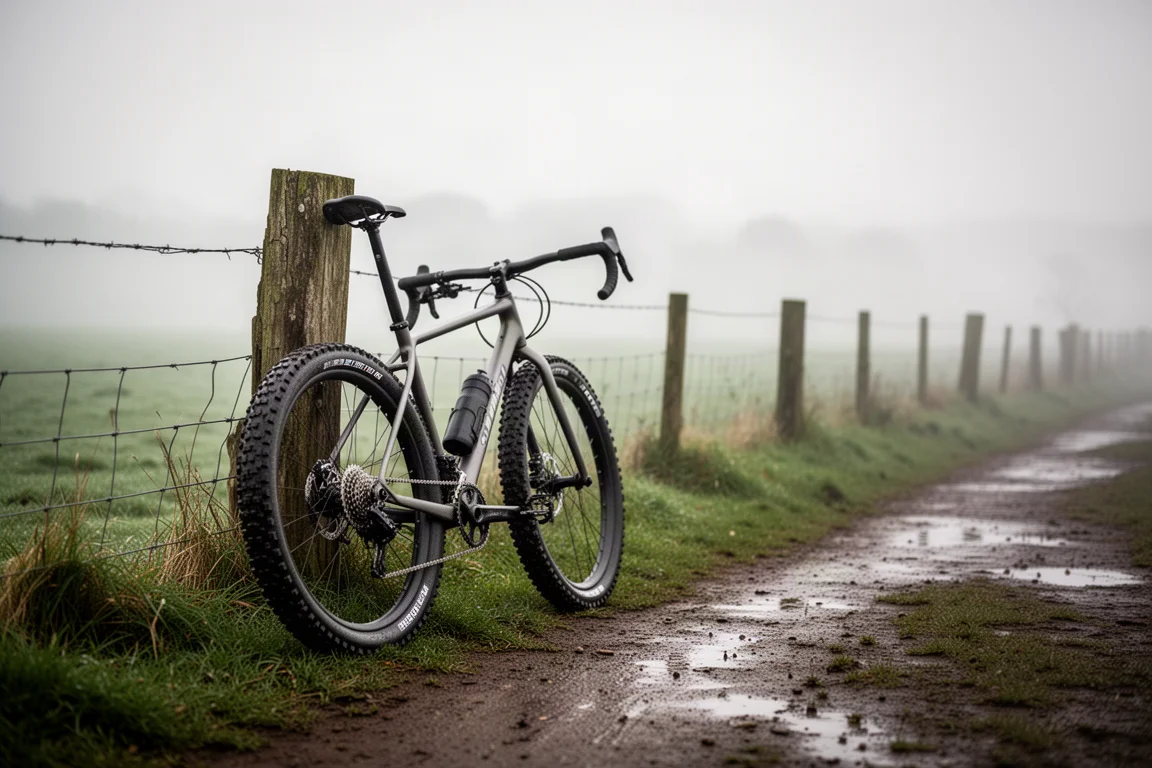
Riders who spend most of their time on technical, fast descents may want to look at longer-front-centre designs, while those who ride tight woodland trails, back lanes, and mixed commuting routes will find the A1’s responsiveness immediately rewarding.
Ride Quality and Frame Feel
The standout quality of the A1 is how smooth it feels for a metal frame. It is not quite as buttery as a good carbon frame, but it is noticeably smoother than aluminium, and it does a convincing impression of a well-made titanium bike over bumps and rough surfaces.
Two things stand out. First, the frame isolates the rider from big impacts and high-frequency vibration without filtering out so much that the ride becomes numb. There is still enough feedback to keep the bike engaging and lively, which is a criticism sometimes levelled at very well-damped carbon frames. Second, it feels springy and peppy rather than planted and inert, which makes it fun to ride rather than merely comfortable.
That smoothness arrives despite relatively narrow tyres by gravel standards, a 37 mm WTB Riddler, plus an aluminium handlebar and seat post. Wider rubber at 40 mm or 42 mm would be a reasonable future change, but the frame does enough on its own that there is no urgency to swap immediately.
The one area where the frame gives ground is drivetrain stiffness under hard efforts. When really cranking on the pedals or loading the handlebars through a turn, there is a slightly soft sensation. It is not flexing or wallowing, but it is not as sharp and precise as the best carbon or aluminium frames. Off-road, that mild compliance is rarely a disadvantage.
Frame, Geometry, and Handling
The A1 was first launched roughly two years ago and has since received updates based on feedback from the original model. It is a 1x and 2x compatible frame, and to keep front derailleur clearance alongside wide tyres, the drive side chainstay is dropped using a 3D forged element. That detail gives the frame a distinctive profile and makes the wide-tyre, two-by option workable.
Cable routing for gears and brakes is internal, running through the fork into the down tube and out at the bottom bracket along the chainstays. There is a pronounced bump on the down tube where the lines enter. It is not the most elegant solution, but nothing rattles while riding, so it does the job.
Handling is quick rather than steady. On tight, twisty woodland trails the bike turns direction with very little hesitation, darting from corner to corner and steering fast. Riders who value nimbleness and agility will appreciate that character. It is a little steeper and shorter than more progressive gravel geometry, which trades some high-speed composure for immediacy.
Fit is worth a closer look, because only four frame sizes are offered. On a size medium, the cockpit felt slightly cramped: a short stem sharpens the steering nicely, but more reach would have suited the overall position better. Anyone near a size boundary should check the geometry chart carefully before ordering.
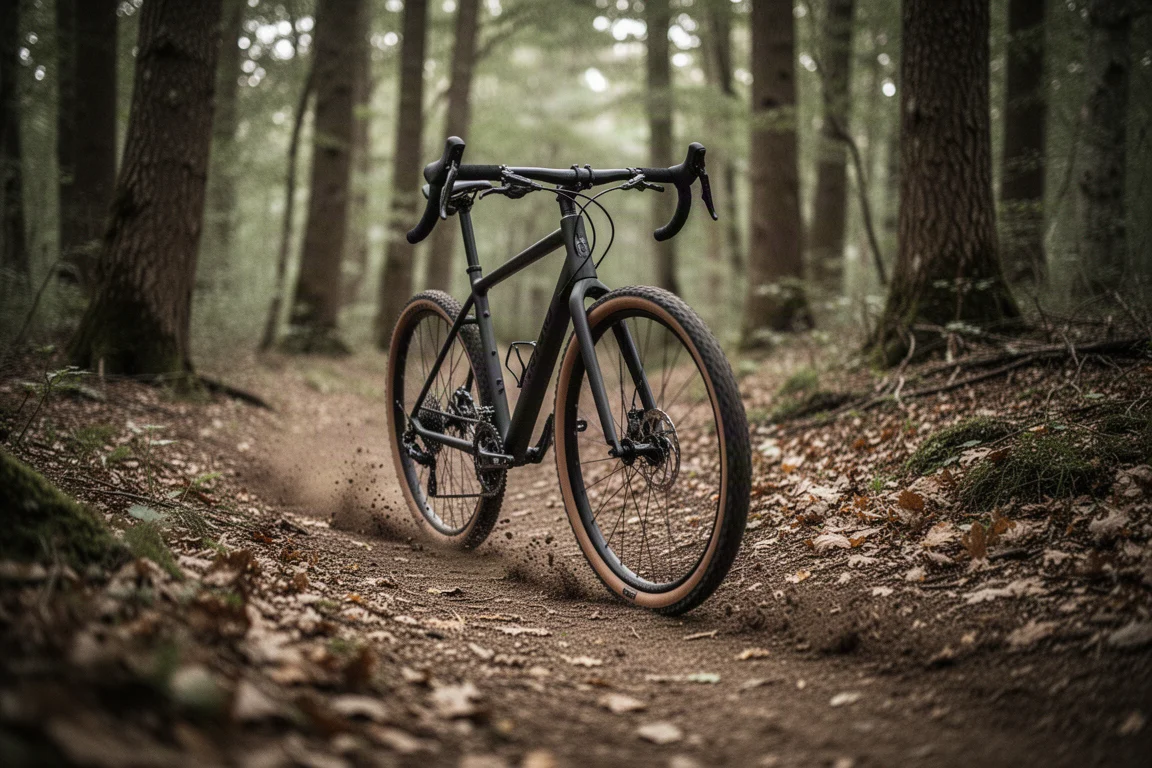
That fast steering does mean the bike asks for a bit more attention when the terrain gets loose or steep, which is the natural trade-off of a shorter, steeper platform.
Tire Clearance, Mounts, and Build Details
Versatility is one of the strongest arguments for the A1. Tyre clearance runs to 700 x 42 mm or 650 x 52 mm, so owners can choose large wheels with moderately wide tyres, or smaller wheels with very high-volume rubber, depending on the terrain they ride most.
Mounts are generous. There are accessory points for extra cages and bottles on the fork and down tube, plus mudguard mounts, which together make the bike a credible year-round machine for wet winter riding. Fenders, fat tyres and a do-everything attitude add up to a genuinely practical all-road setup.
The test build pairs a SRAM Apex 1x groupset with WTB wheels and matching tyres, plus a finishing kit that looks well judged for the money. Internal routing keeps the lines tidy, and the overall assembly is neat where it matters.
Weight, Price, and Value
The complete bike weighs 9.65 kg in a size medium. That is lighter than a similarly specified but more expensive aluminium gravel bike such as the Cannondale Topstone alloy, and it lands close to carbon rather than aluminium territory.
Context helps here. The claimed 1,200 g frameset weight sits between a lightweight carbon gravel frameset at just over 1,000 g and an alloy version of the same platform at 1,540 g. Carbon can go well below a kilo, but frames in the 600 g to 700 g range cost enormous sums, often more than the entire A1. The A1 instead occupies a middle ground where the weight penalty is modest and the price advantage is large.
At £1,899 in the UK, the SRAM Apex 1x build offers a lot: a frame lighter than aluminium, a groupset that covers mixed terrain, WTB wheels and tyres, and mounts for bikepacking and mudguards. Riders who want to spend more can choose higher-end SRAM builds or Shimano GRX options in both 1x and 2x configurations.
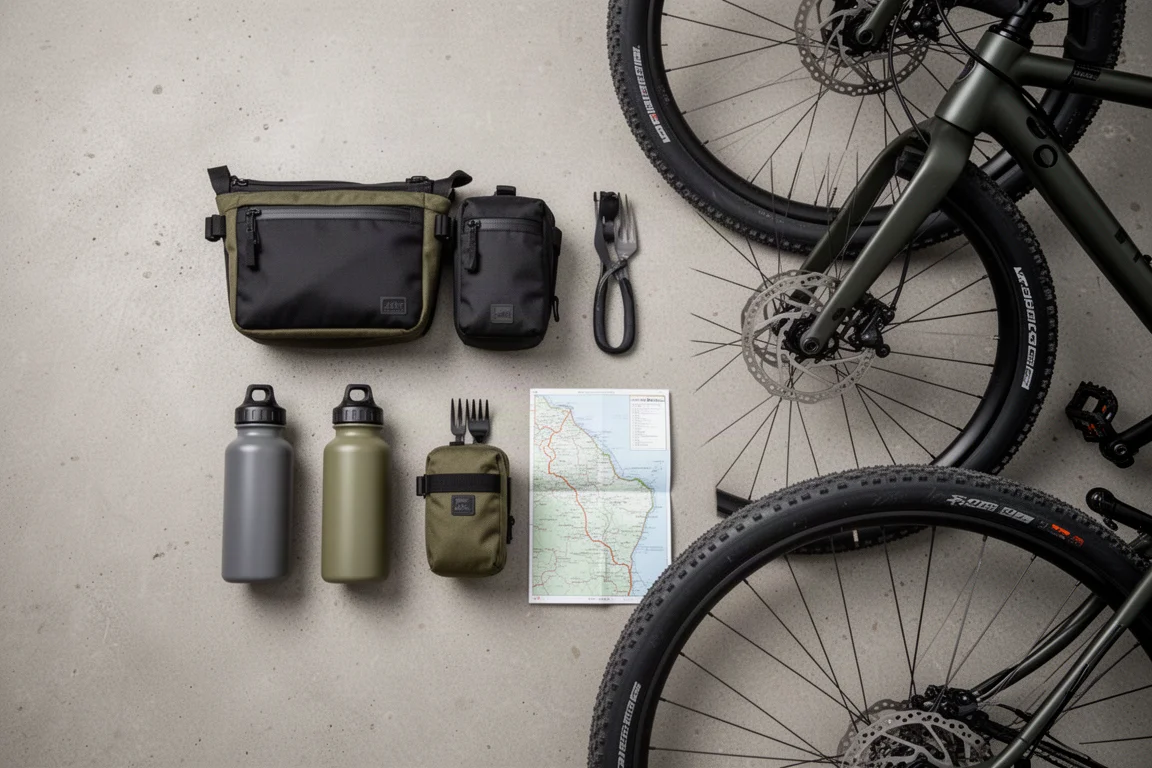
For anyone shopping on the combined criteria of weight and price, that package is difficult to argue with.
Material Durability and Environmental Notes
Magnesium has two historical reputations to overcome: corrosion and, less seriously, a tendency to be talked about as flammable. On the second point, the practical reality is undramatic. This is not a firework, and a magnesium frame is far more likely to melt than to explode, so it should not be a genuine concern for buyers.
Corrosion is the more meaningful question. VAAST addresses it with a plasma treatment that applies a ceramic coating to the inside and outside of the frame. Long-term durability through wet winters and muddy riding will only be proven over time, and a few weeks of riding is not enough to verify it either way.
The environmental case is more clearly defined. Magnesium is described as easier to extract from the Earth, less energy intensive to work with, and easier to recycle than both carbon fibre and aluminium. That is a meaningful distinction at a time when buyers are paying more attention to the footprint of new bikes, and the brand promotes it prominently.
The packaging reinforces the message. The A1 arrives in a box with no plastics at all, just cardboard and paper that can be recycled easily. For riders who care about the environmental impact of their frame material, this is a real consideration rather than marketing gloss.
Things to Consider Before Buying
- Geometry is the main compromise. The A1 is shorter and steeper than many modern gravel bikes, which favours agility over stability at speed on rough ground.
- Only four sizes are available, and a size medium felt slightly cramped in testing. Check reach and stack against a bike you already know before ordering.
- The frame feels a touch soft under hard pedalling or aggressive cornering, so riders chasing maximum drivetrain stiffness should weigh that against the ride comfort.
- Corrosion resistance relies on the brand’s ceramic plasma coating, a claim that cannot be confirmed from short-term use.
- Tyres are 37 mm as standard. They work well with the frame, but riders who want a plusher ride may plan for 40 mm or 42 mm rubber later.
Buying Advice
The A1 makes the strongest case for itself against aluminium. Compared with most aluminium gravel bikes, it is lighter, smoother over rough surfaces, and more involving to ride, and the price sits in a similar bracket. Compared with titanium, it holds up well on ride quality. Compared with carbon, it concedes ultimate weight and pinpoint precision, but it costs far less and is more engaging to ride than a heavily damped carbon frame.
The value calculation is straightforward. A £1,899 complete bike at 9.65 kg, with wide tyre clearance, bikepacking mounts, mudguard mounts, and a finish that supports year-round riding, is a genuine sweet spot for riders who want one bike to cover road and off-road miles.
If the geometry matched more progressive modern gravel bikes, the A1 would be even more compelling. As it stands, the ride quality, specification, and price all hold up in real-world use, and the material’s lower environmental impact is a meaningful bonus. Riders who prioritise nimble handling and all-round versatility over slack, descent-focused geometry should feel confident choosing this bike.
The one thing worth doing before purchase is a careful size check, since the geometry and the limited size range are the areas most likely to affect long-term satisfaction.
Conclusion
The VAAST A1 is a convincing demonstration that super magnesium deserves a place alongside the established frame materials. It delivers a smooth yet lively ride, weight close to carbon, a price closer to aluminium, wide tyre clearance, plenty of mounts, and a lower environmental footprint than carbon or aluminium.
It is not perfect. The geometry is less progressive than the best modern gravel bikes, the size range is limited, and the frame gives away a little stiffness under hard efforts. None of those issues undermine what the bike does well. For riders who want one versatile, comfortable, and genuinely fun gravel bike at a sensible price, the A1 is an easy recommendation.
Product link
View more details for VAAST A1
This product is mentioned in the review. Check the specifications, options, and compatibility before buying.
View more details for VAAST A1Further reading
Related Reviews
Gravel Bikes
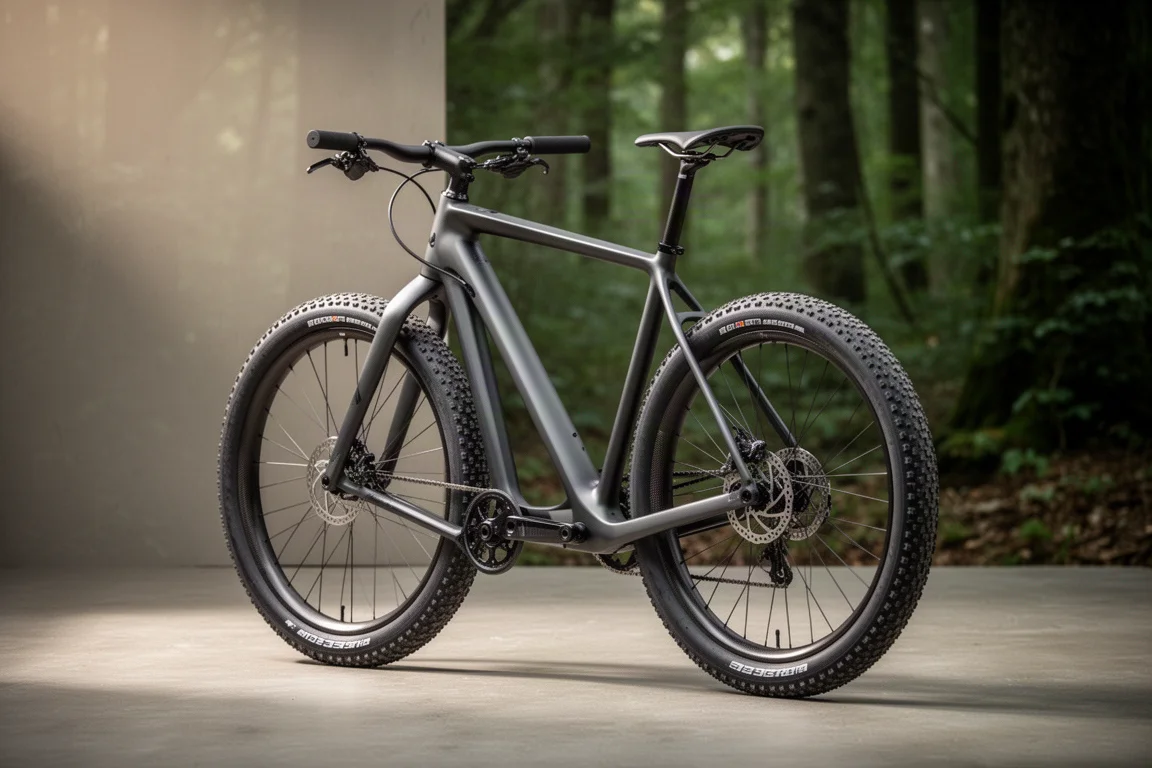
3T Exploro Ultra Review: A Fast Gravel Bike Built for Big Tyres
A close look at the 3T Exploro Ultra, an aero carbon gravel bike designed around wide tyres, with road-like handling, a 980 g frame and genuine rough-terrain capability.
Gravel Bikes
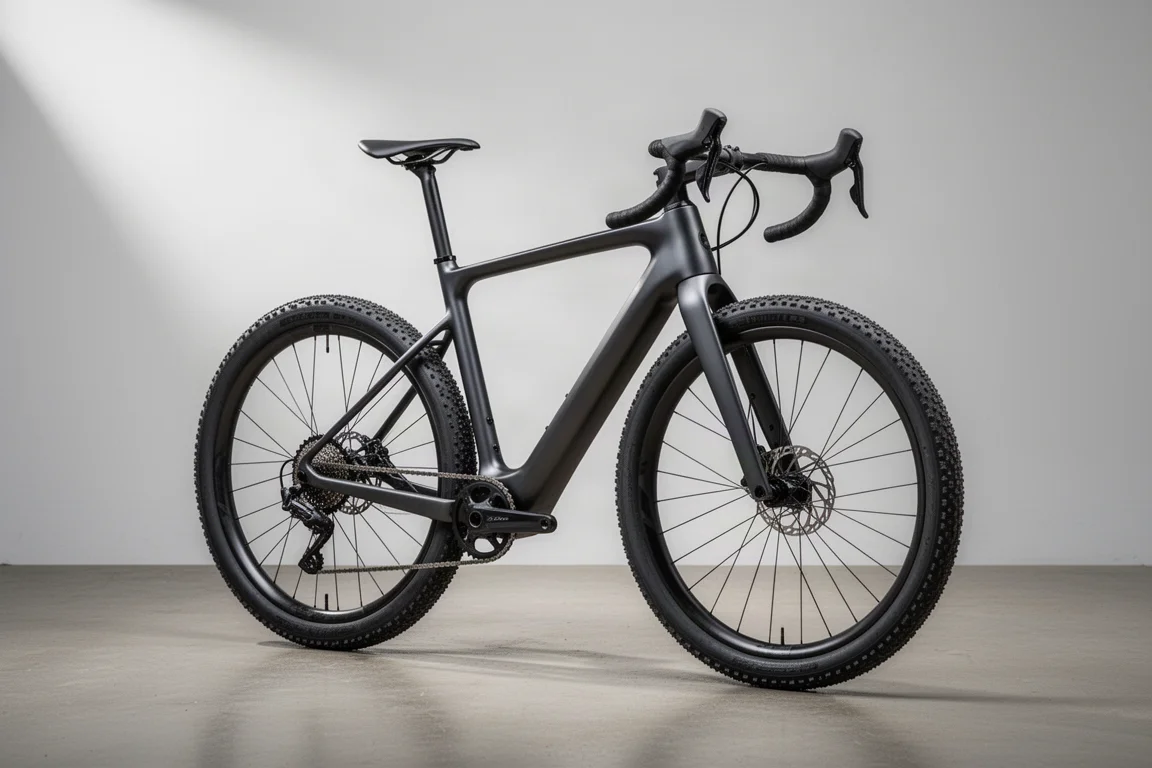
3T Extrema Italia Review: Aero Gravel Speed With Room for 57 mm Tires
The 3T Extrema Italia pairs an aero frame with huge tire clearance, Italian-made carbon and a more comfortable ride than the RaceMax. Here is what to know before buying.
Gravel Bikes
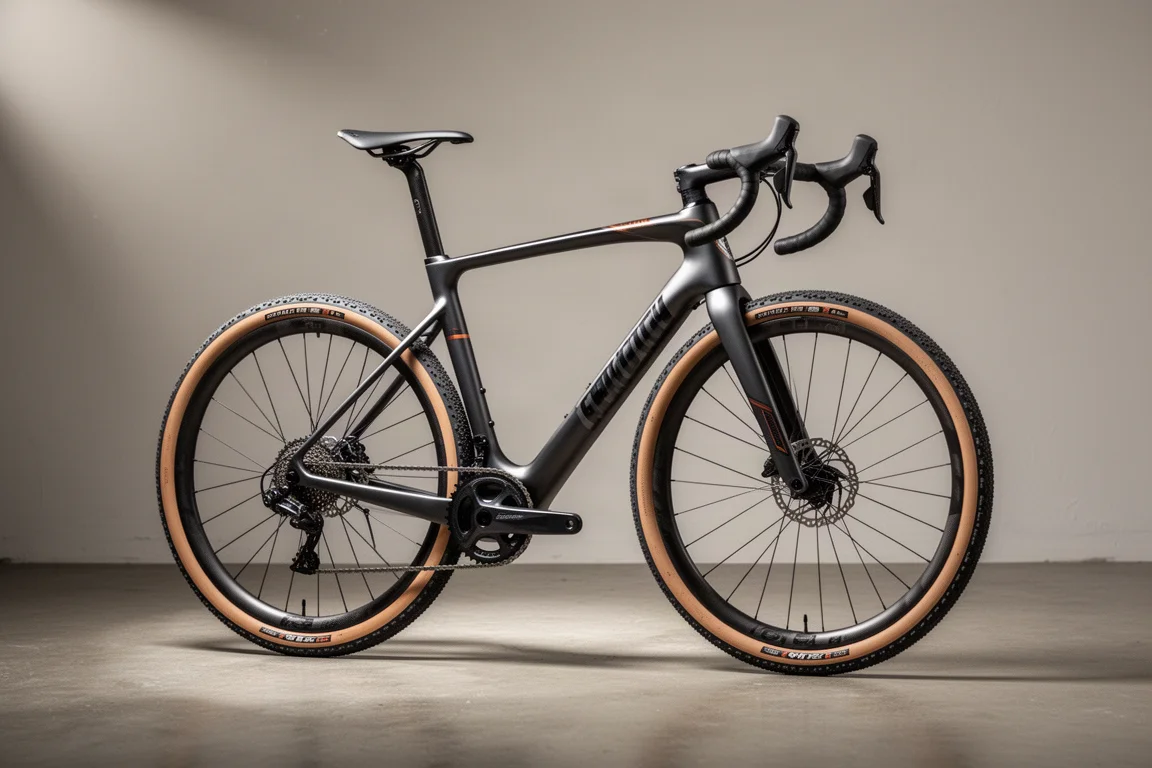
3T Race Max 2 Italia Review: An Aero Gravel Race Bike Made in Italy
A closer look at the second-generation 3T Race Max 2 Italia, covering its aero updates, ride character, tire clearance, internal storage and who it suits.