Snowboarding
Underrated Snowboards: Eight Solid Picks That Fly Under the Radar
Eight snowboards that deserve more attention than they usually get, with notes on who each one suits and what to weigh before buying.
Introduction
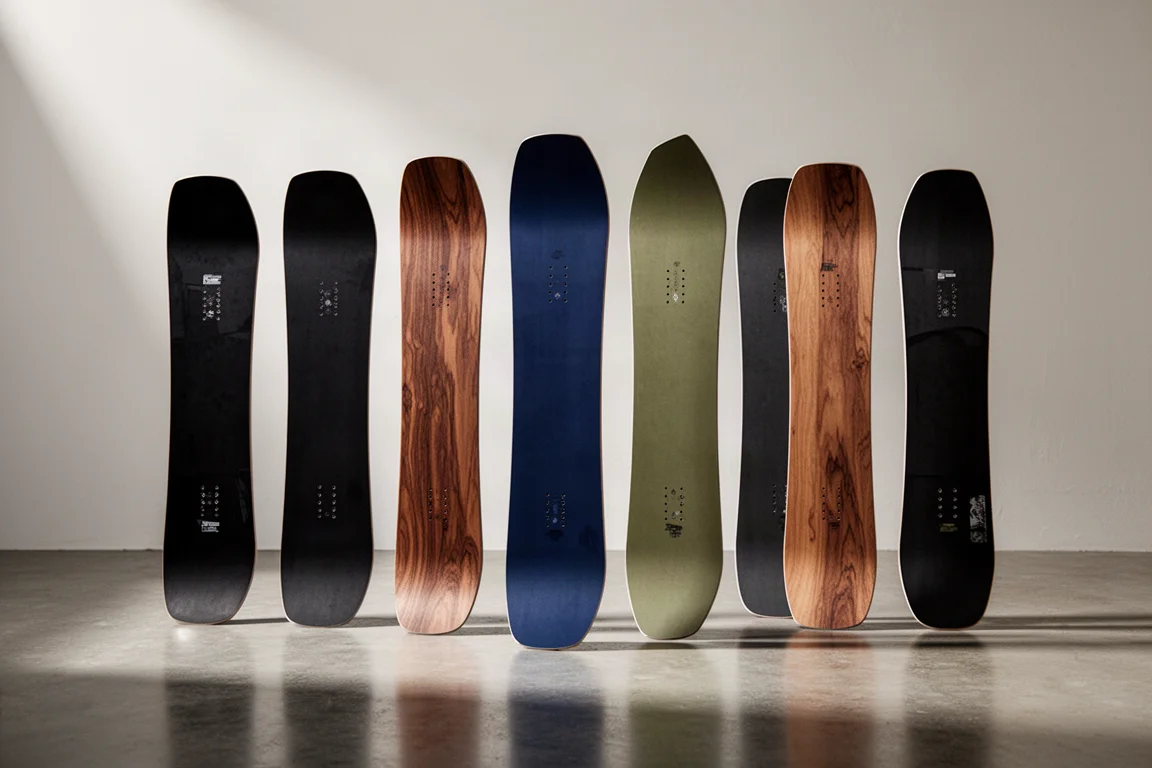
Not every strong snowboard gets a loud launch. Some of the most rewarding decks sit quietly in a brand lineup while attention goes elsewhere, and they often stay available well past the point when the headline models sell out. The eight boards below all fall into that category. They span a genuinely broad range of shapes and intentions, from forgiving directional twins to aggressive freeride decks, so there is a good chance one of them matches the way you actually ride.
This is not a ranking of the most capable boards ever built. It is a list of boards that are easy to overlook and hard to regret, provided you understand what each one is designed to do.
How These Boards Were Chosen
Three things mattered here. First, versatility: each of these boards handles more than one kind of terrain without feeling compromised. Second, accessibility: a board can be highly capable and still be demanding, and the picks below lean toward decks that reward a wide range of riders rather than only experts. Third, availability: several of these are produced in small numbers or carried by a limited number of shops, which is often exactly why they go unnoticed.
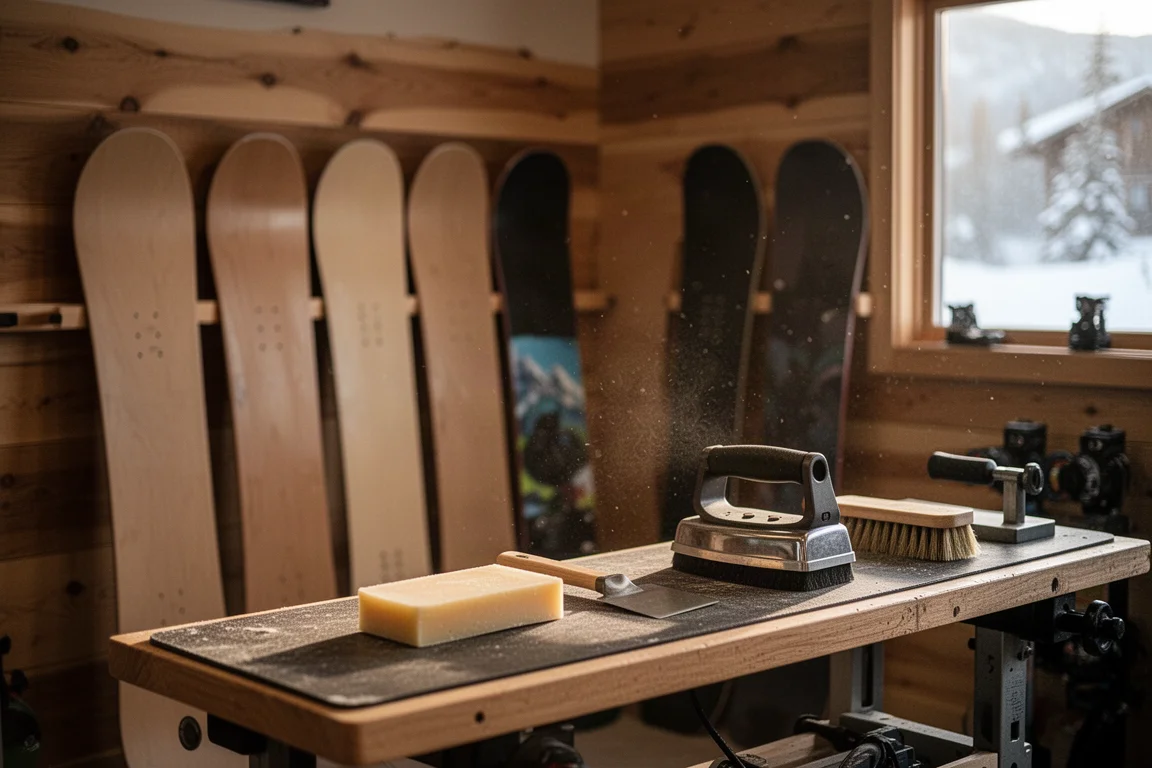
Build quality carried weight too. Two of the picks come out of the same production facility, and the construction and sidewall durability that come with it were a consistent theme across the list.
Ride Shadowban: The Reliable All-Rounder
The Shadowban is the definition of a board you can hand to almost anyone. It uses a directional twin shape, which means it rides comfortably in both directions while still giving you a slightly longer nose for float. It is not an overly demanding deck, and it is not an underperformer either. It simply does everything at a solid level.
That range is the point. You can take it into powder, lay it over on a groomer, or spend a session in the park, and it will handle all three without complaint. The trade-off is visibility: within the Ride lineup it tends to sit behind more heavily promoted models, so it does not get the attention its versatility deserves.
Public Dispute: Classic Camber Feel
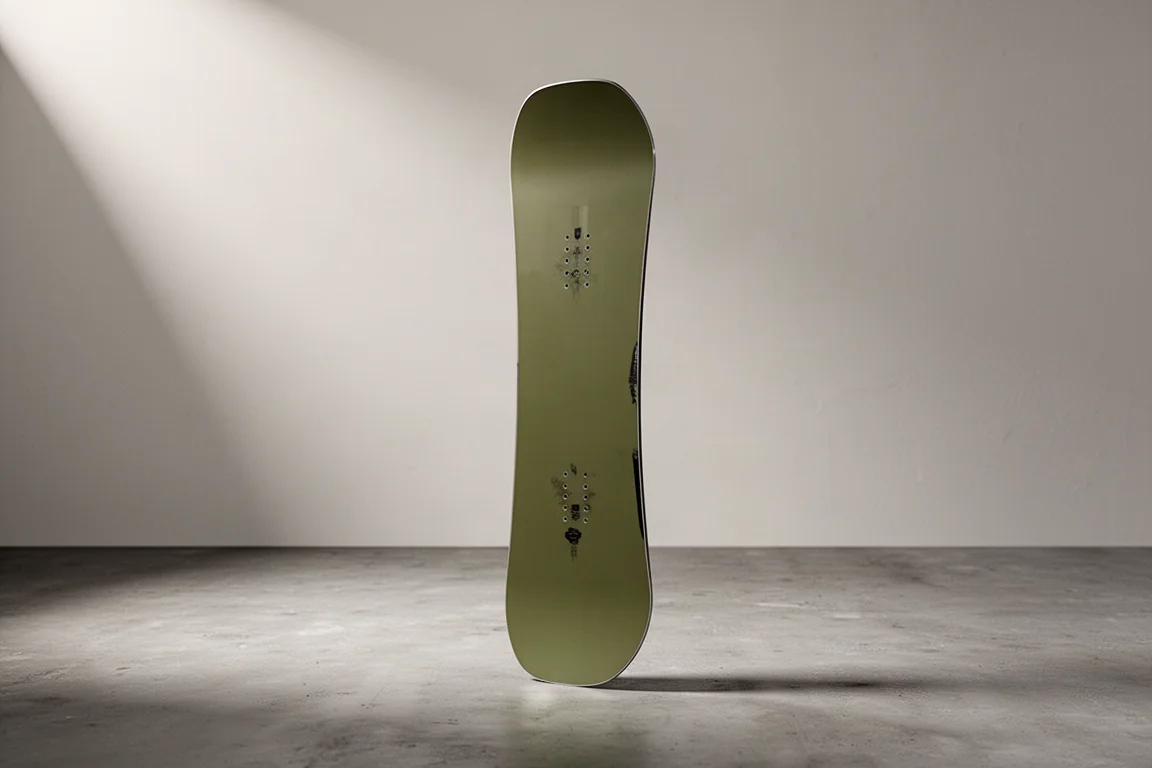
If you grew up riding camber and miss the way it loads and releases, the Dispute is worth tracking down. It is a traditional cambered board in the best sense: predictable, familiar, and immediately comfortable. Riders who have spent time on it describe the feeling of having ridden it forever, which is a good sign for a deck you plan to keep for years.
Public is not a large brand, and that shapes the buying experience in two ways. You will not see these boards everywhere, and finding one may take some effort. The upside is that you are unlikely to run into three other people on the same board at your local hill.
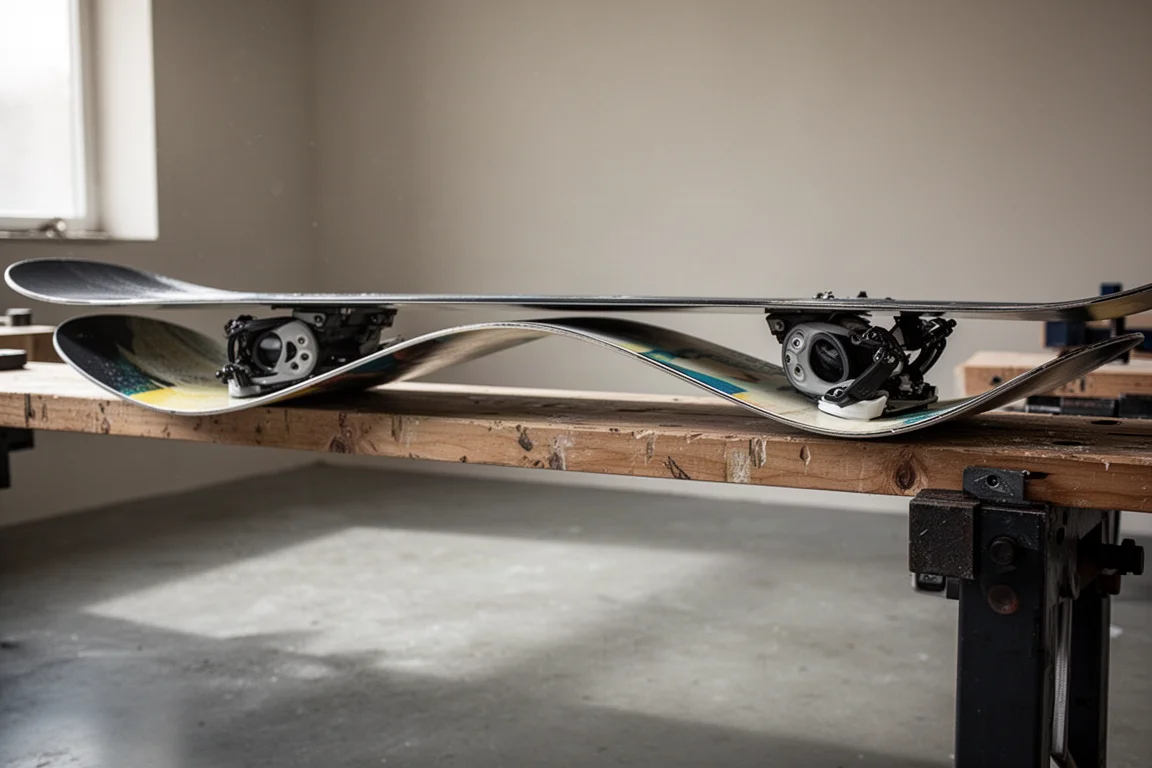
The camber profile rewards an active, engaged riding style rather than a relaxed one, so it suits riders who like feeling the board work beneath them on every turn.
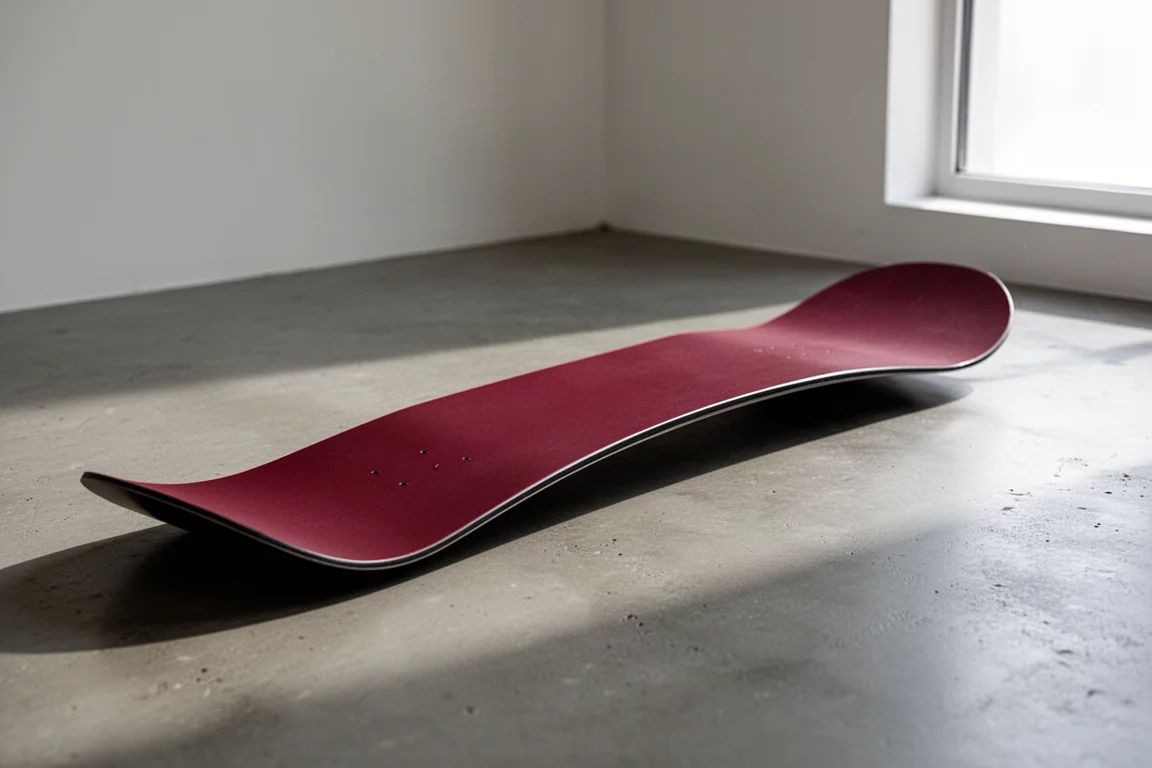
Yes Pick Your Line on Ink: Damp, Snappy, and Overlooked
This is specifically the Pick Your Line on Ink rather than the standard Pick Your Line, and the differences are meaningful. It is more damp, it has more snap, and its shape works better across a wider range of conditions. The result is a board that charges when you want it to and stays playful when you do not.
It handles trees well, floats predictably in soft snow, and still carves a clean turn. The most common reason riders pass it over is cosmetic: the graphic divides opinion. That is a strange reason to skip a board this capable, especially when the brand’s promotional energy tends to go toward other models in the range.
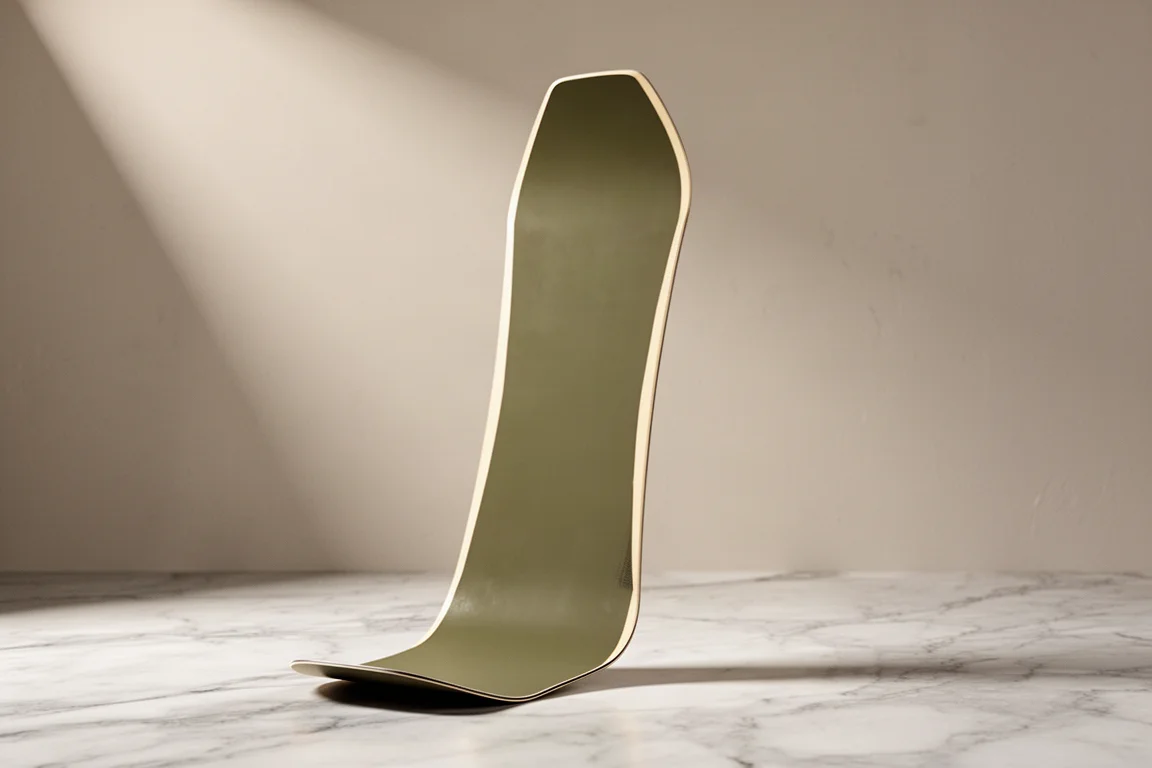
Nerd Superposition: Limited Runs, Strong Build
Nerd Snowboards is a relatively new name, and the Superposition is released in limited quantities, which means availability is genuinely unpredictable. If you find one, it is a board that covers an unusually wide spread of riding: it can serve as a party board, handle rails, carve, float in powder, and hold its own in the park if that is where the day takes you.
The shape is fun and distinctive, and it will not appeal to everyone. The construction is the real argument in its favor. It is built at GP87, and the sidewall holds up well to impact, which matters for a board that is likely to see rails and boxes.
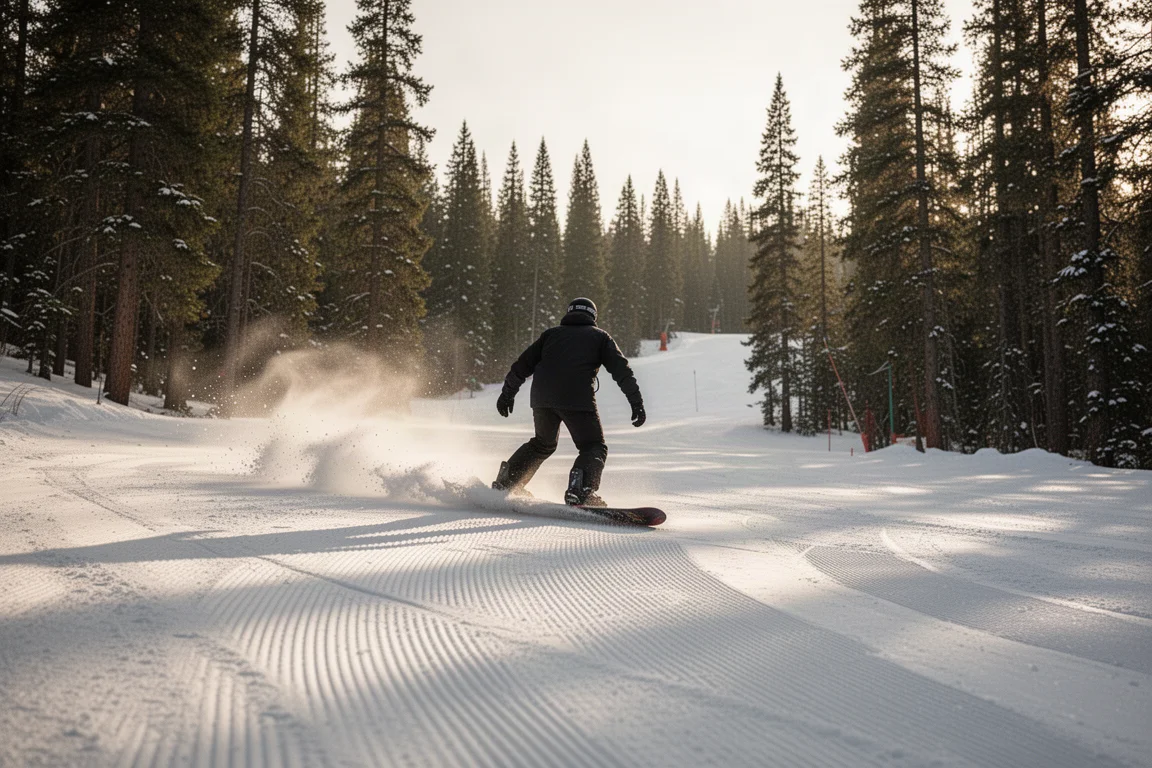
That durability, combined with a limited production run, makes it a reasonable pick for riders who value something a little different and are willing to look for it.
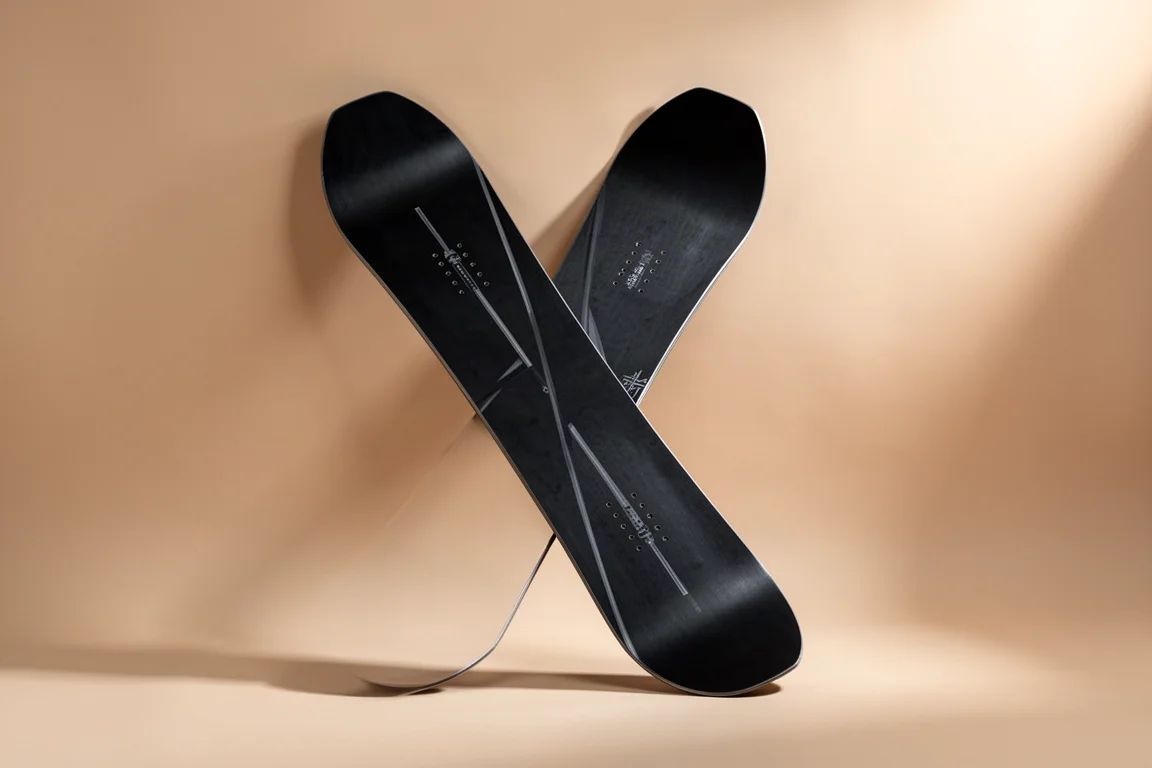
Borealis Artifact: The Standout All-Mountain Freeride Deck
The name is easy to mix up with a similarly named board from another brand, but this is a different deck entirely: burlier, more aggressive, and built for a different kind of riding. It is an all-mountain freeride board with freestyle elements worked into it, and it is the most compelling option on this list.
Built at GP87 and drawing on the technology available there, it delivers a damp ride with real snap and response. It manages to feel lively and composed at the same time. You can rail a turn on it, take it through powder, ride it in the park if you insist, and throw a high-speed butter with a bit of extra effort. It takes more input to engage than a softer deck, and it repays that input generously.
The reason it stays under the radar is straightforward. Borealis is a French brand, and the boards are harder to find as a result. Riders who do track one down tend to come away impressed.
Honorable Mentions Worth a Look
Three more boards came close to making the main list. All of them are solid options in the right circumstances, and each one solves a slightly different problem.
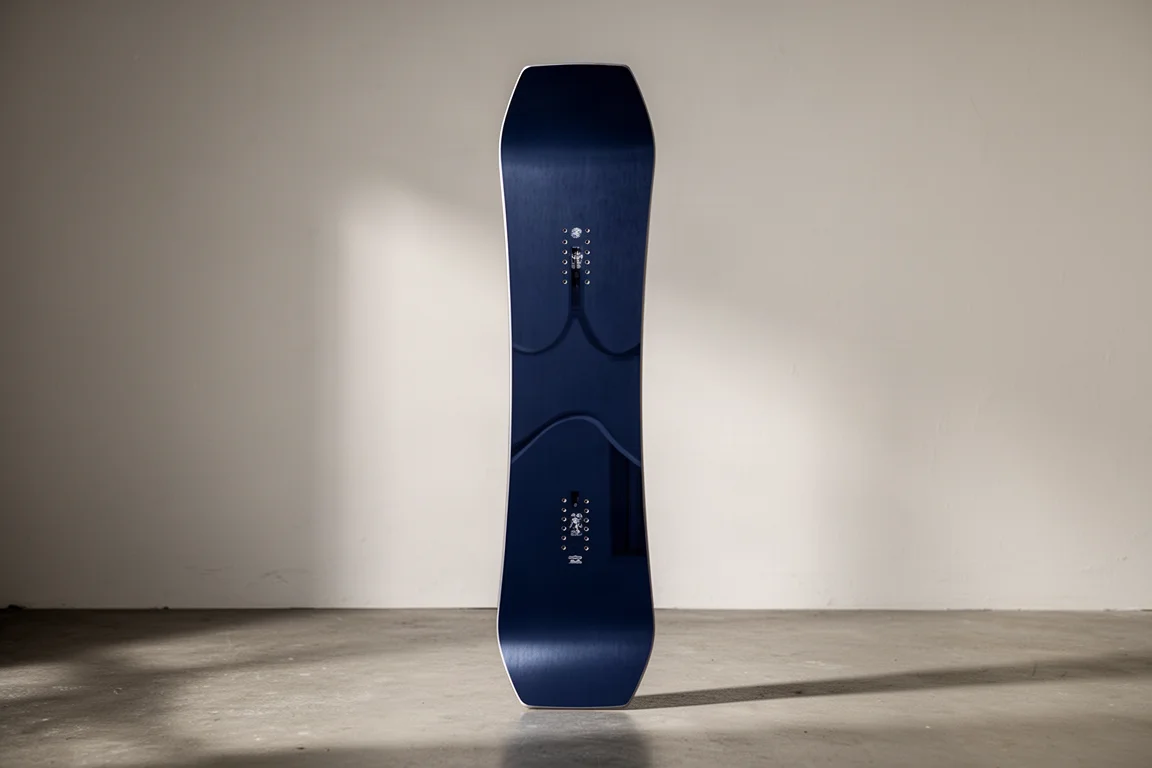
Rome Stale Cruiser
If your idea of a good day involves cruising and playful, low-consequence riding, the Stale Cruiser is built for exactly that. It keeps its focus narrow and does that one job well.
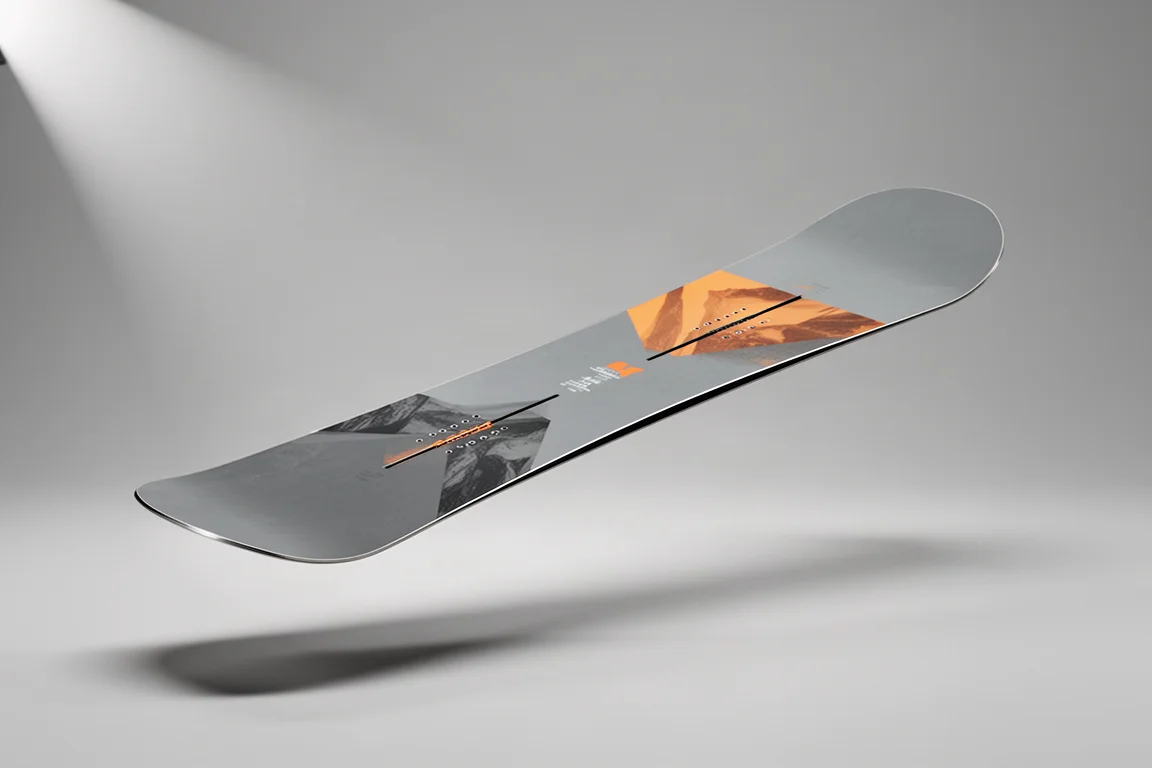
Endeavor Board of Directors
A cambered all-mountain board with a subtle 3D shape in the tips, which adds a little float and forgiveness to a profile that is otherwise traditional. It is a good fit for riders who want camber feel without a punishing edge.
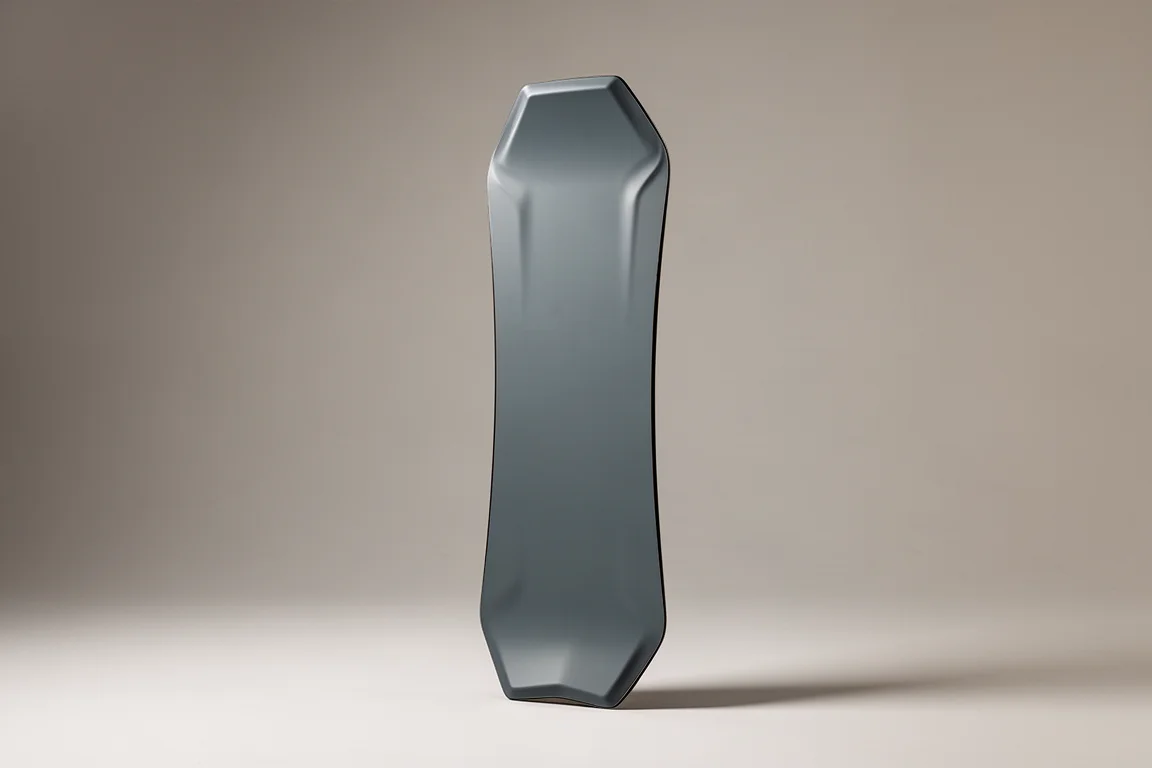
Nitro Dinghy
A volume-shifted board aimed at riders with larger feet, giving you a wider platform without stretching the length. Nitro’s recent lineup overhaul has pushed it toward the background, but it remains a smart answer for the right rider.
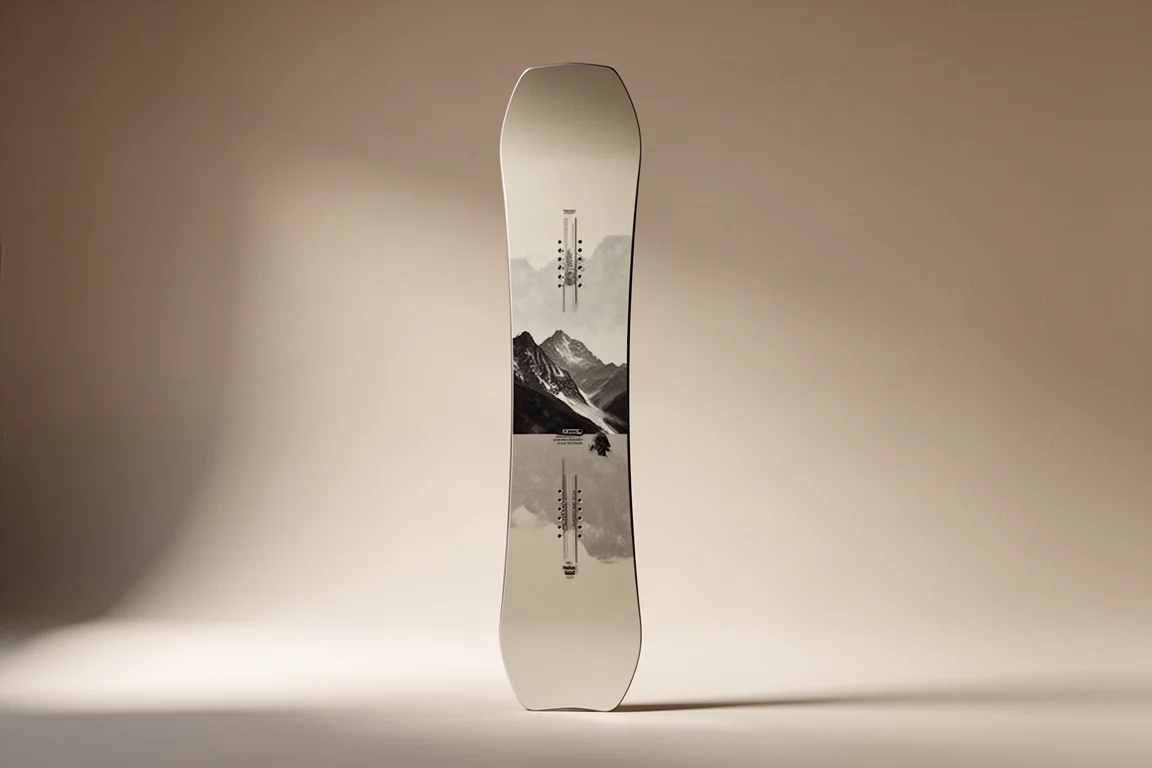
Buying Advice: Matching the Board to Your Riding
The most useful question is not which of these is best, but which one fits how you ride most often. If you want a single board that handles everything reasonably well and never feels like a chore, a directional twin like the Shadowban is the low-risk choice. If you miss the feel of camber and want a board that engages you on every turn, the Dispute is the one to seek out.
Riders who want one deck that can charge hard and still play in the trees should look closely at the Pick Your Line on Ink. Those who prioritize durability and something less common should consider the Superposition, keeping in mind that availability is limited. And if you want the most capable all-mountain freeride option here, the Artifact is the pick, provided you are prepared to hunt for a brand with a smaller footprint.
Two practical notes before you buy. First, check whether the board is in stock locally, because several of these are distributed narrowly and waiting too long can mean missing the season entirely. Second, match the flex and profile to your ability and riding style rather than to how the board looks, since several of these decks are more capable than their low profile suggests.
Conclusion
None of these boards needs a marketing push to be worth your money. They earn their place through how they ride: predictable, versatile, and built to last. If you are looking for a board that does not look like everyone else’s and performs across the whole mountain, this list is a good place to start your search.
Further reading
Related Reviews

Snowboarding
2025 Snowboard Gear List: Five Picks That Earned Their Place on the Mountain
From Zeiss-lens goggles to a hybrid step-in binding, here are five pieces of 2025 snowboard gear that held up across a full season of riding.

Snowboarding
2026 Snowboard Gear List: Boards, Bindings, Boots and Outerwear Worth a Look
A season-ready snowboard setup built from the bottom up: base layers, Strafe outerwear, Ride and Union boots, Union bindings, and two new Capita boards.

Snowboarding
32 Cold World Review: A Playful Hybrid Camber Board for Park Laps
The 32 Cold World blends classic camber underfoot with flat nose and tail sections for a predictable, butter-friendly ride aimed at intermediate park riders.