Hiking Gear
Ultralight Cold-Weather Gear: 12 Pieces That Cheat the Cold
Twelve lightweight hiking and backpacking pieces, from Primaloft Active layers to hydrophobic down and merino basics, that add real warmth without adding bulk.
Introduction
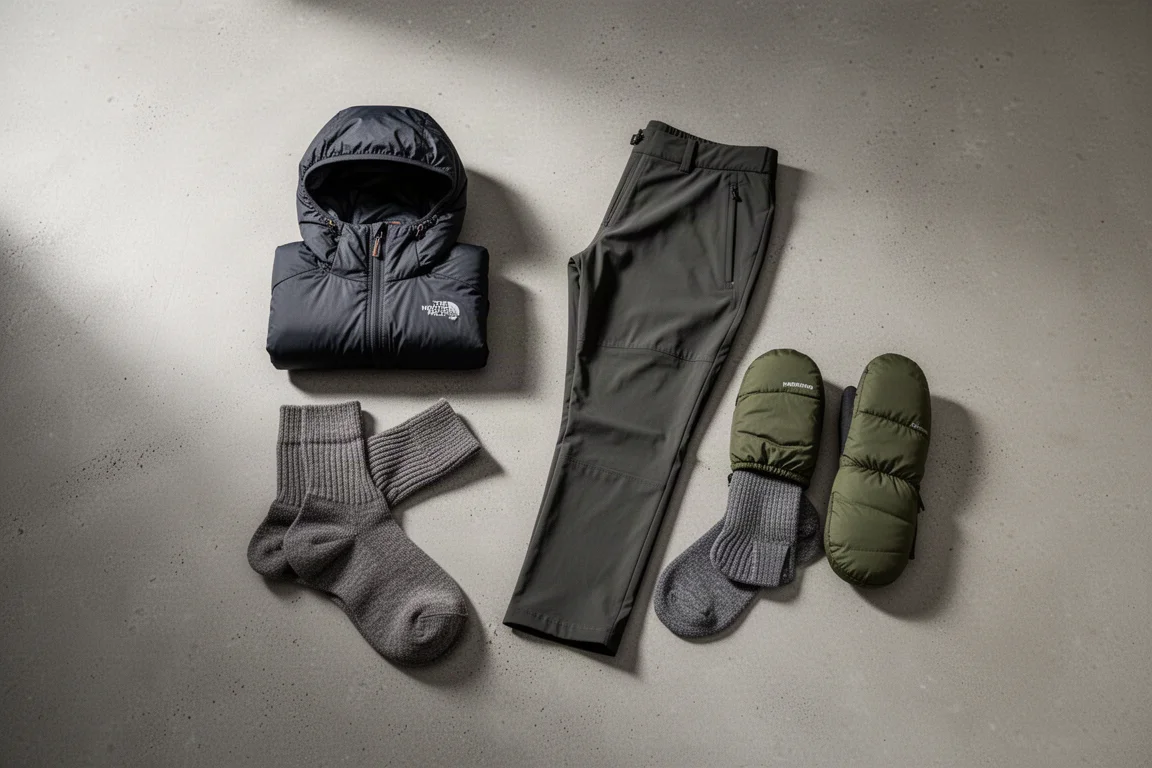
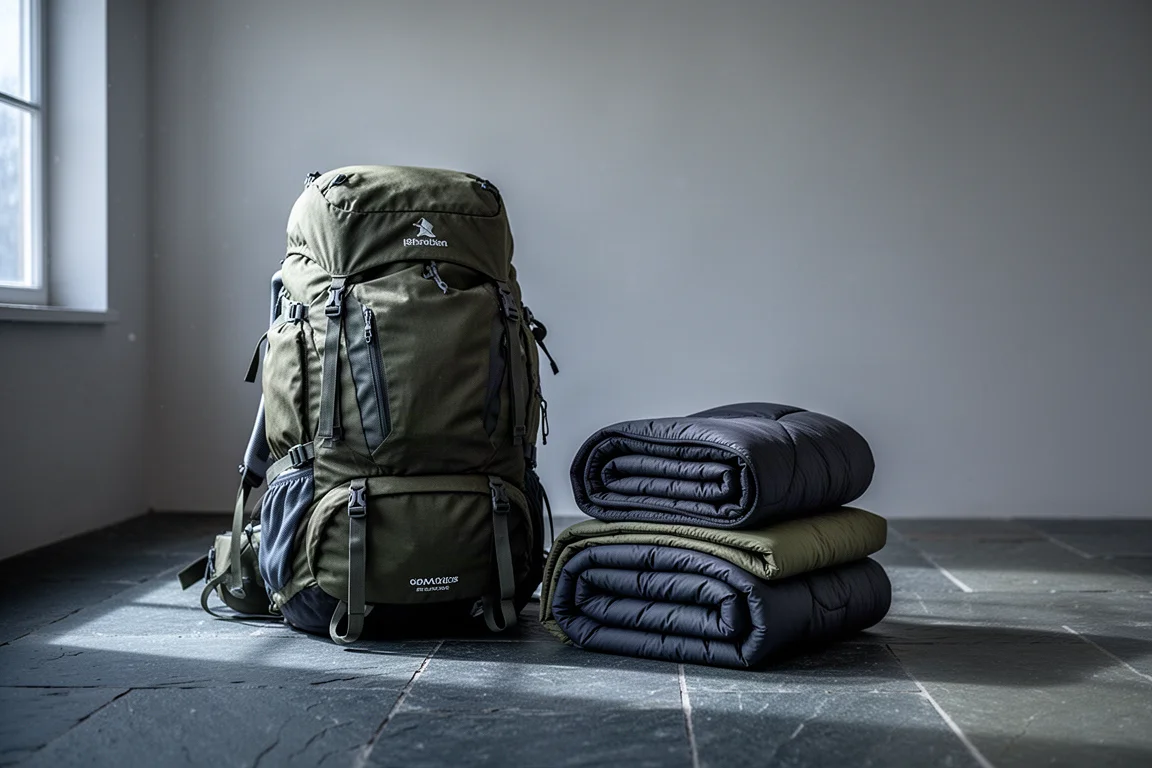
Ultralight backpacking and cold weather have a long-running argument: you can carry a light pack, or you can stay warm, but rarely both. The gear in this roundup is the answer to that argument. Every piece here was chosen for warmth per gram, and most of it compresses small enough to sit at the bottom of a pack without taking over the load.
Three material families do the work: merino wool, down, and Primaloft synthetic insulation. They behave differently, they layer differently, and they suit different conditions. What follows is a practical walkthrough of each item, what it does well, and where it asks for a compromise.
What Makes Ultralight Cold-Weather Gear Work
Merino wool is where a warm system starts. It regulates temperature, moves moisture away from the skin, resists odour and stays comfortable across long days. It is also soft, breathable, antimicrobial, antistatic and lightweight, and the fibre itself is renewable. A good merino base layer is the least exciting purchase in a kit and often the most important one.
Down remains the warmest insulation for its weight. Hydrophobic treatments help it hold its loft when damp, although down is never waterproof and needs a wind-resistant, breathable face fabric to perform at its best. Primaloft sits between the two: synthetic fibres woven through a mesh structure that are extremely light for the warmth they trap, and that keep insulating when wet. The same fabric turns up in accessories light enough to weigh as little as 16 g.
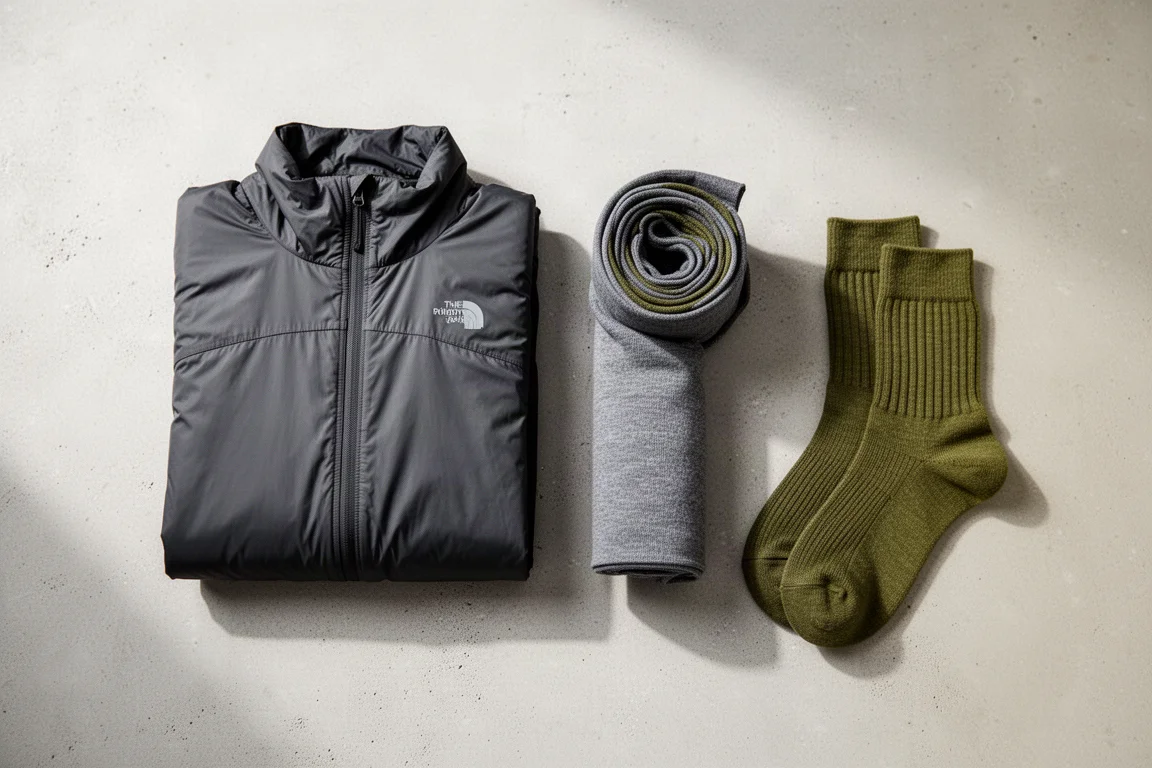
Pack size matters as much as weight. A warm layer that will not compress forces a bigger rucksack, and a bigger rucksack adds weight back into the system. That is why the pieces below are judged on both numbers: what they weigh, and how much room they take once they are stuffed away. Cold-weather layering also benefits from redundancy, so several of these items are designed to work together rather than replace each other.
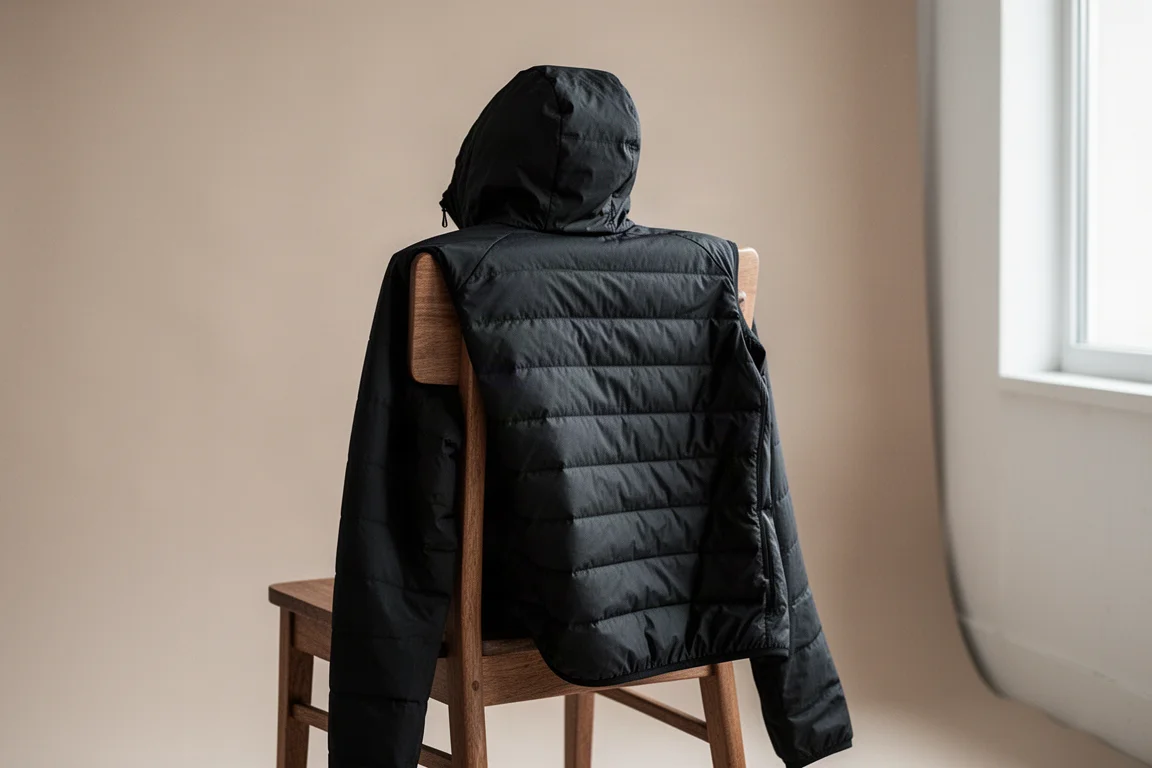
OMM Core Hoodie
At around 116 g, the Core Hoodie is one of the lightest insulated hoodies in this selection. It uses Primaloft Active, the mesh-woven synthetic insulation, and it packs down to a fraction of the size of a typical fleece top. For backpacking, that combination is hard to argue with.
It is not a standalone layer. It performs best with a merino base layer underneath, or with another layer over the top, and worn both ways it is genuinely warm for its weight. Treat it as a highly compressible mid layer rather than a replacement for one.
OMM Core Tights
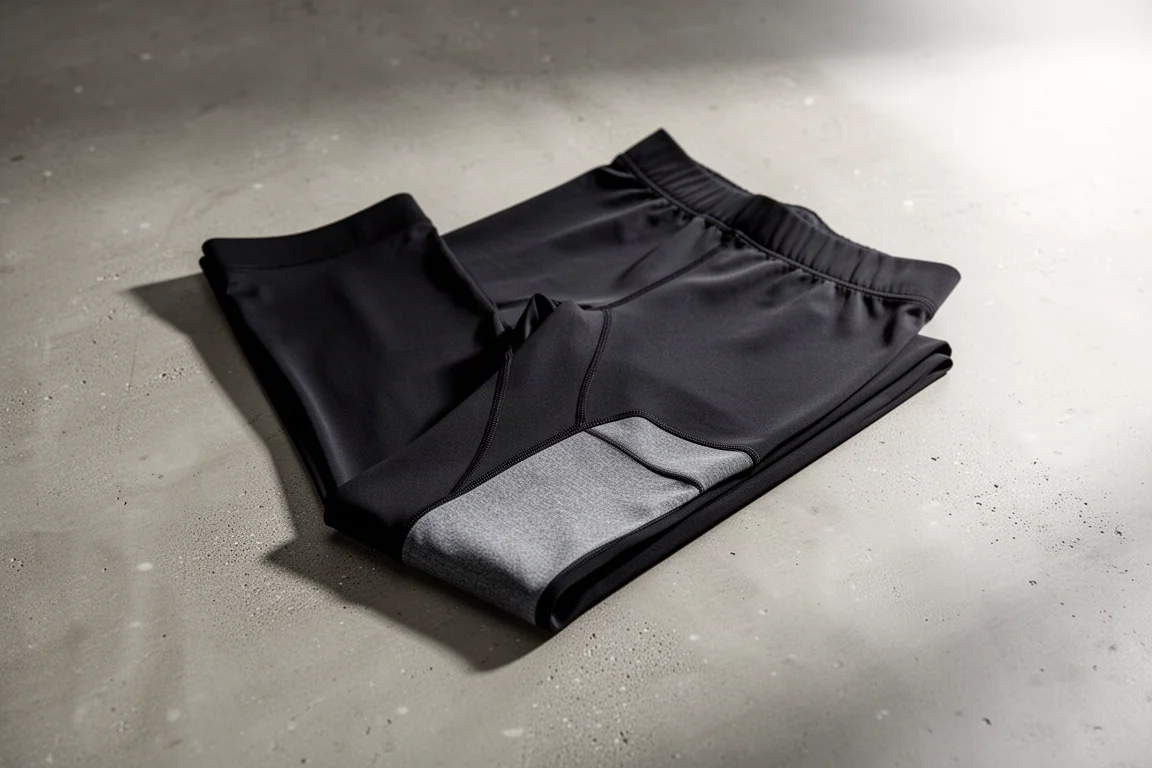
The Core Tights weigh around 130 g and are deliberately simple. They combine more than one fabric to keep weight down, and they are designed to be worn on their own. The silhouette leans towards a traditional long john, so they work best as a base or mid layer rather than as a standalone style piece.
For backpacking they are a straightforward win: they pack down very small, add almost nothing to pack weight, and give the legs a warm foundation under insulated trousers.
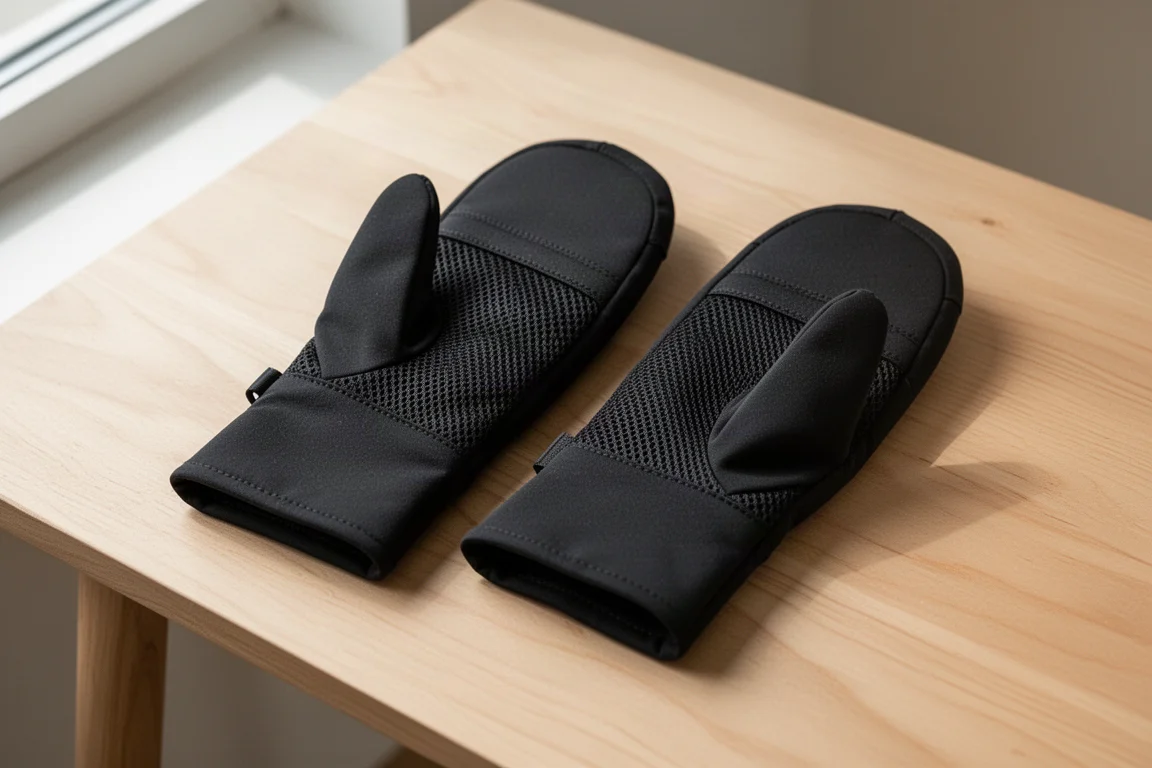
OMM Mitts
Around 30 g for the pair, the Mitts use the same Primaloft Active fabric as the hoodie and tights. They trap heat remarkably well for something so minimal, and they disappear into a pocket when they are not needed.
They are best understood as active insulation for the hands on cool-weather hikes and around camp rather than a full winter glove. Paired with a merino liner or a shell, they extend comfortably into colder conditions.
OMM Rotor Hooded Jacket
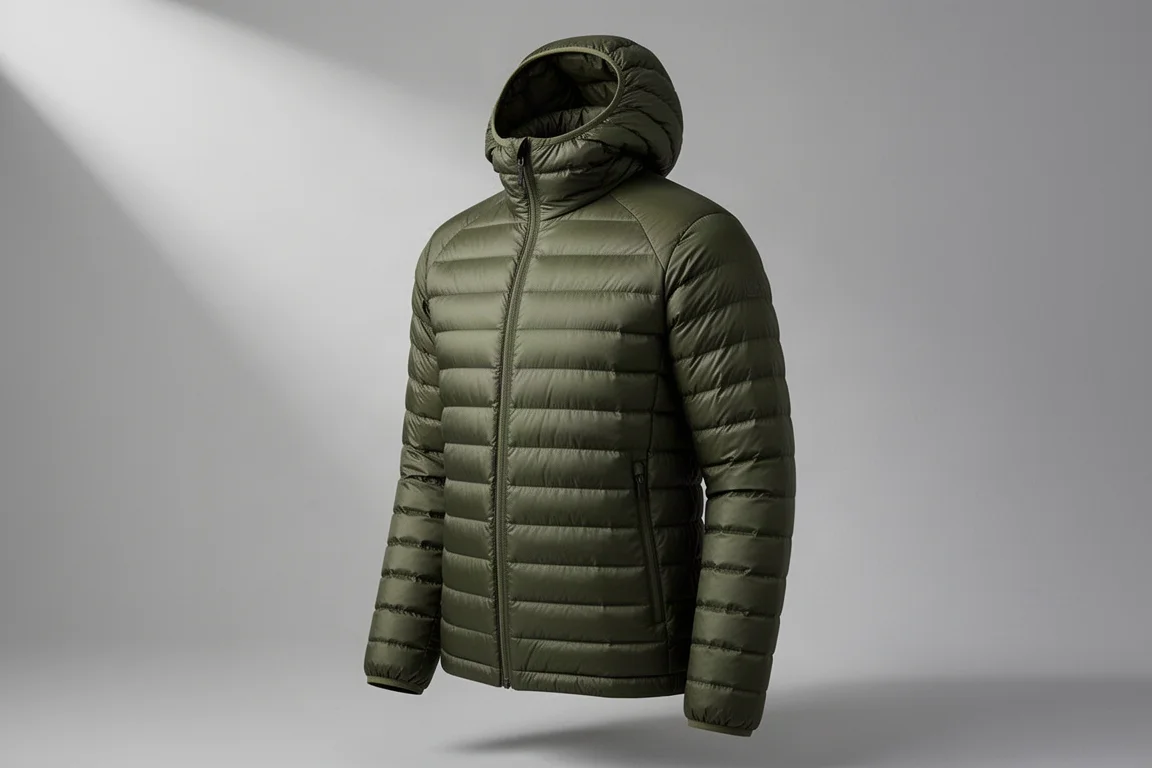
The Rotor Hooded Jacket is built on Primaloft Active and is windproof, water resistant and breathable. Because it is fully synthetic, it keeps working when it gets damp, and it stays warm even when wet. It packs into its own pocket, and at around 340 g it disappears into a pack.
The feel is the surprise. It comes across as very down-like, about as close as a synthetic layer gets to the real thing, which makes it a sensible option for damp, changeable conditions where down would be a risk.
OMM Rotor Pants
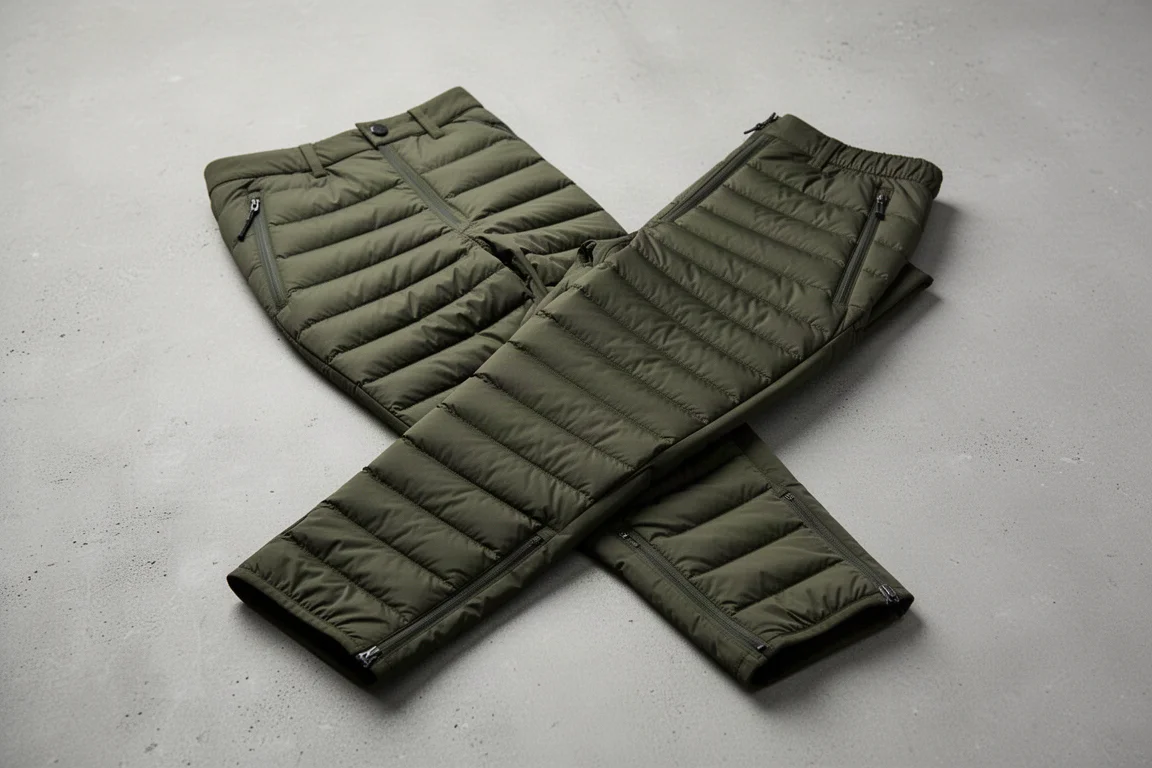
The matching Rotor Pants weigh around 270 g and share the same insulation approach. Full-length zips run up the inside of the legs, which is less convenient than an outside placement, but it is the comfort that stands out.
They are warm enough to sleep in, and they add enough insulation to make a lighter sleep system viable. If you want to shave weight from your sleeping bag without shivering through the night, trousers like these are one of the simplest ways to do it.
OMM Barrage Jacket
At around 400 g, the Barrage Jacket combines two jobs in one garment: insulation and a fully waterproof shell. It uses Primaloft Gold insulation with a fully taped zip, fleecy hand-warmer pockets and a well-shaped hood. The baffled construction appears to use a heat-reflective foil layer similar to the one found in sleeping pads.
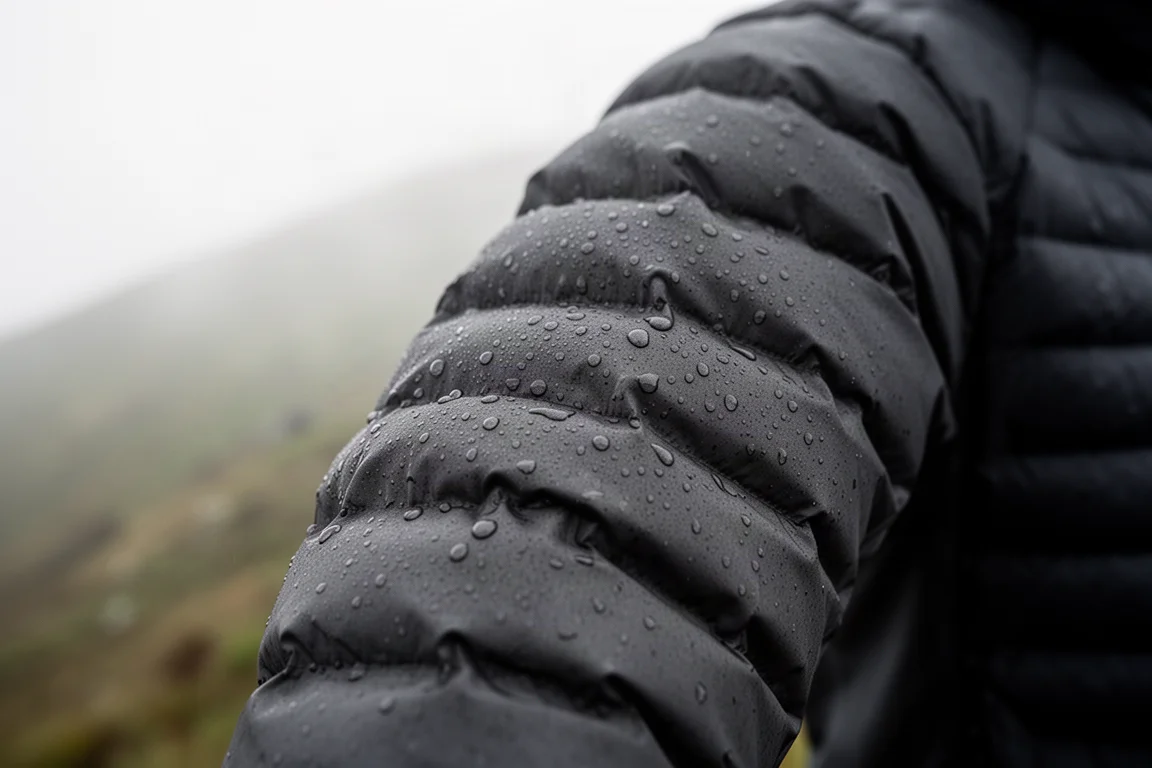
For its weight it packs down small and is easy to wear, and the warmth is far greater than the looks suggest. The trade-off is a crinkly fabric that is noticeable at first, and a single-piece design that replaces a hard shell plus an insulating mid layer rather than complementing them.
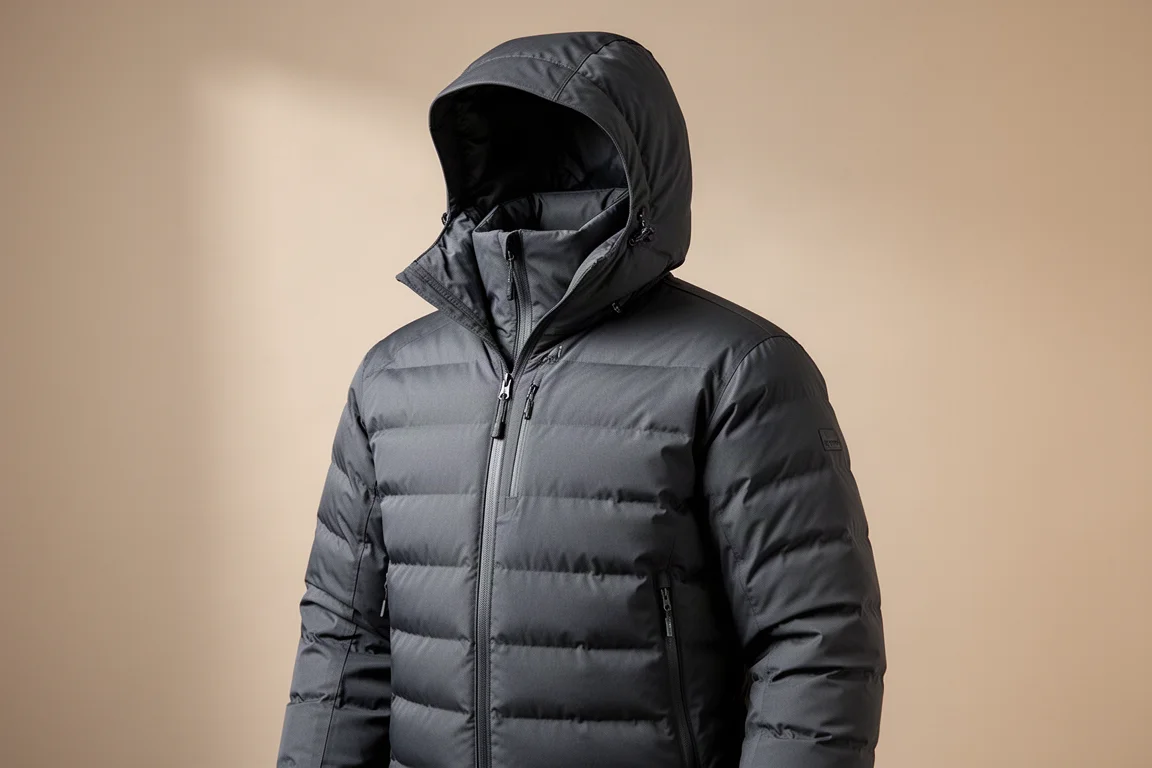
Rab Microlight Alpine Down Jacket
The Microlight Alpine carries around 466 g of jacket weight and roughly 153 g of 700 fill power Nikwax hydrophobic down. The face fabric is Pertex Quantum, which is windproof and breathable, and the jacket retails around 210 and is frequently discounted across a wide range of colours.
The fit is a highlight: a well-shaped hood, a high collar, effective cinching and a length that stays fitted without feeling tight. It packs into its own stash bag, which makes it a natural backpacking layer. Hydrophobic down holds its loft when damp, but the jacket is not waterproof, and below roughly -5 °C a heavier down piece makes more sense.
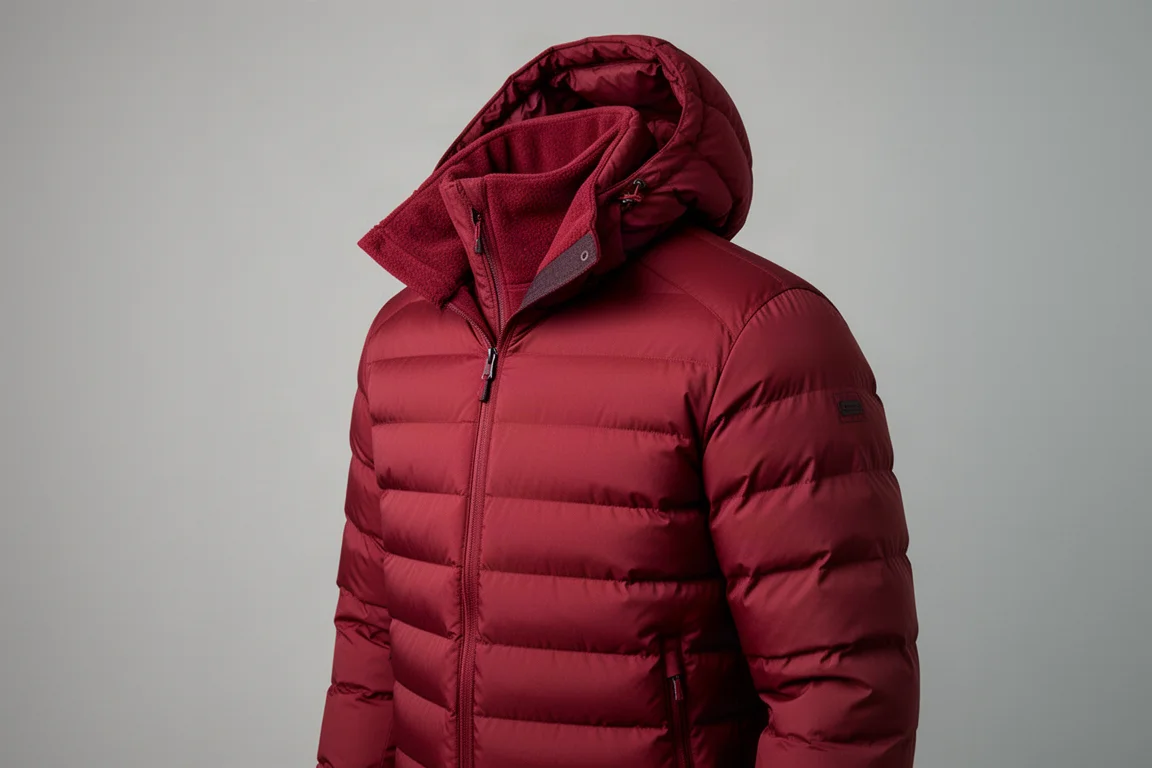
Mountain Equipment Lightline Jacket
When temperatures drop past about -5 °C, this is the step up. The Lightline carries substantially more down insulation than the Microlight Alpine and is noticeably warmer as a result.
That extra warmth comes with more bulk, so it suits the coldest trips and winter conditions rather than three-season packing. Kept in the pack as a camp layer, it is the difference between a cold evening and a comfortable one.
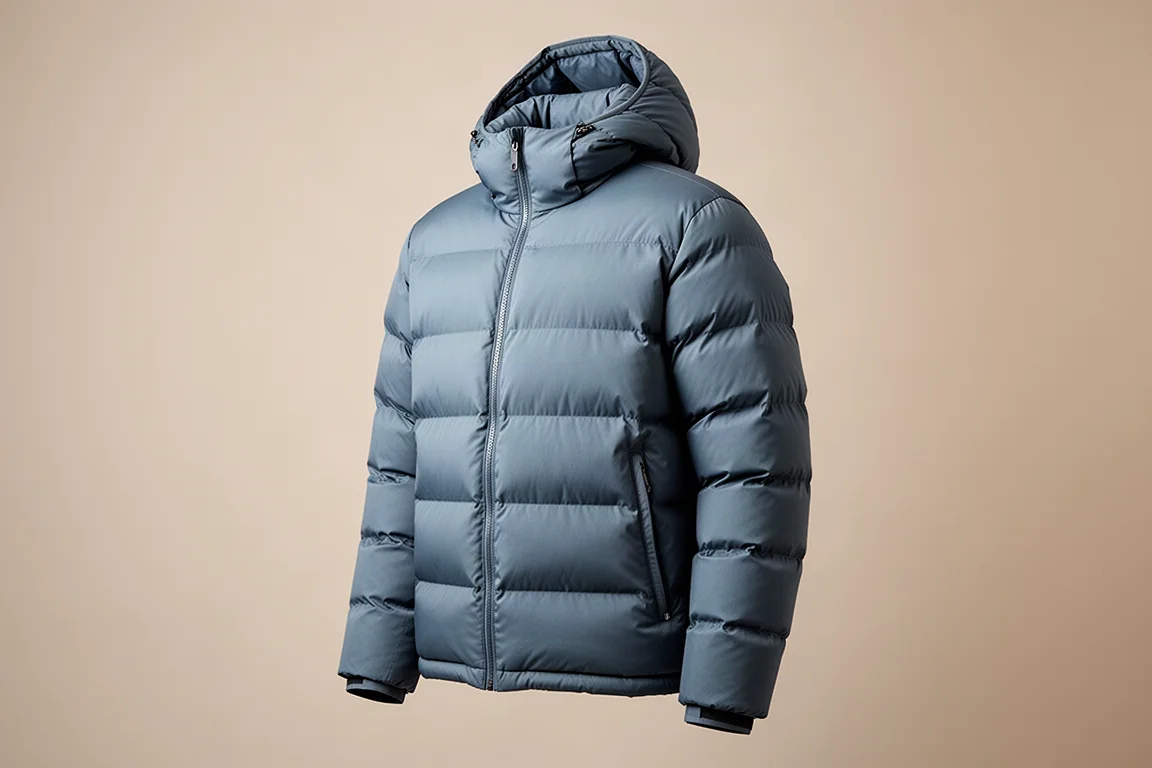
Rab Argon Down Pants
The Argon Down Pants weigh around 375 g, of which roughly 160 g is 800 fill power Nikwax hydrophobic down. That is a higher grade of down than the Microlight Alpine jacket uses, and the loft is generous throughout the leg.
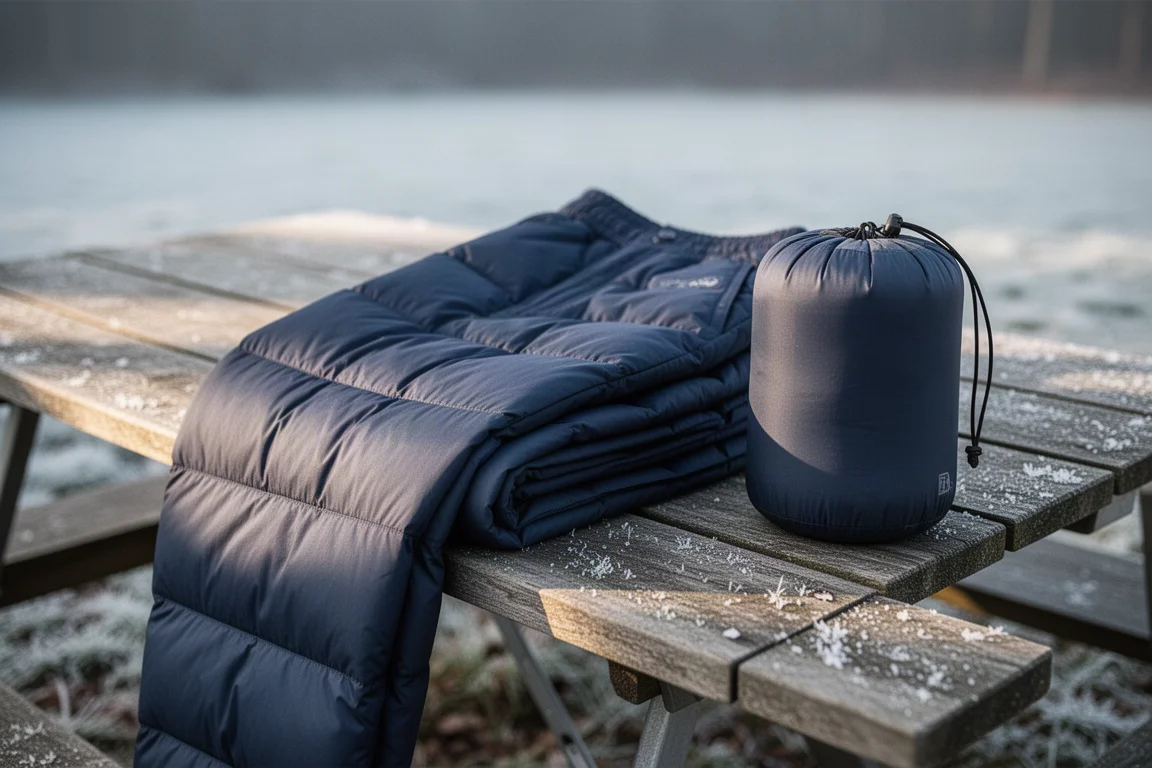
In windchill around -13 they keep the legs comfortable, which is exactly what down trousers are for. They pack down very small for the warmth they deliver, and by any measure they are a luxury item: the kind of purchase that turns a cold camp into a pleasant one.
Naturehike Down Pants
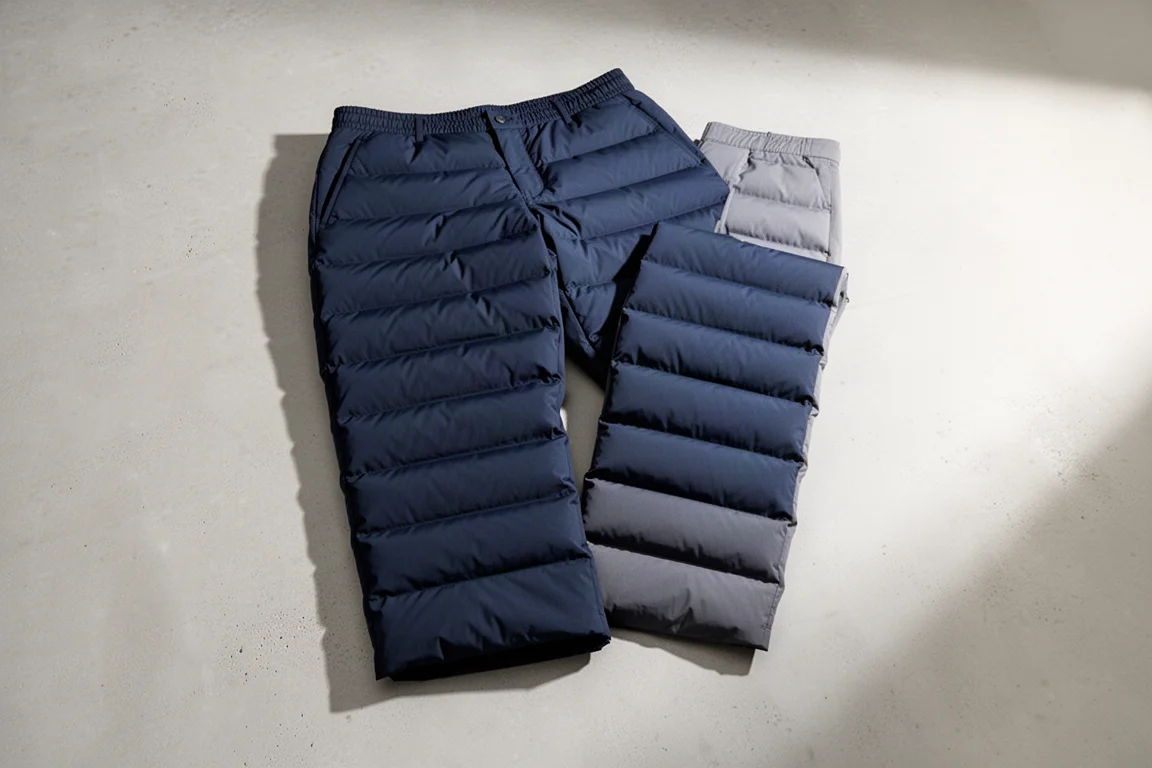
There is a much cheaper route into down trousers, and the Naturehike option at around 70 is a sensible entry point. The insulation is lightweight and packs down well, and the value is hard to beat for occasional cold-weather use.
The compromise is fit. The cut is not as refined as the premium alternative, which is the main reason to spend more if down trousers will be a regular part of your kit.
Darn Tough Socks
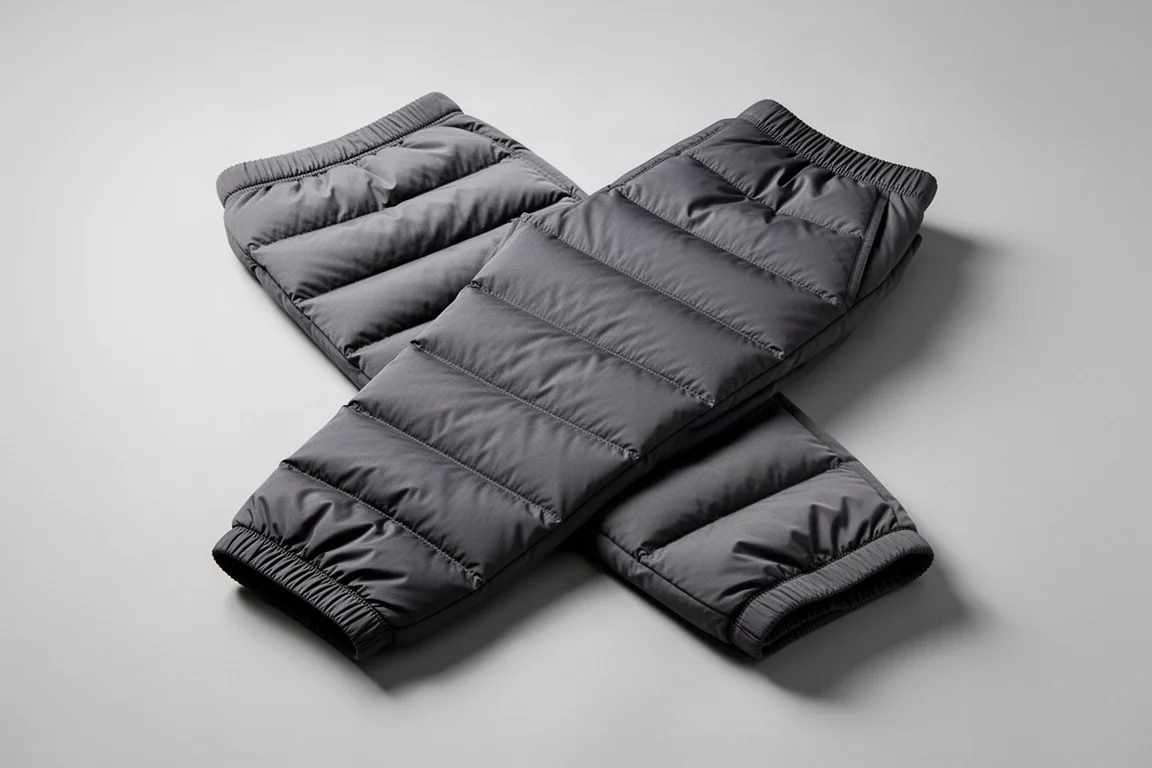
Merino wool socks are the least glamorous part of a cold-weather system and one of the most effective. Darn Tough socks are a benchmark in that market, and they come with a lifetime guarantee. The merino fibre brings temperature regulation, moisture wicking, odour resistance, durability, breathability, antimicrobial and antistatic properties, softness, low weight and a renewable material base.
Modern sock technology has also made bulky knee-length hiking socks largely unnecessary. Normal-height socks now do the job: they keep feet breathing, comfortable and warm, and they still insulate if they get wet.
1000 Mile Socks
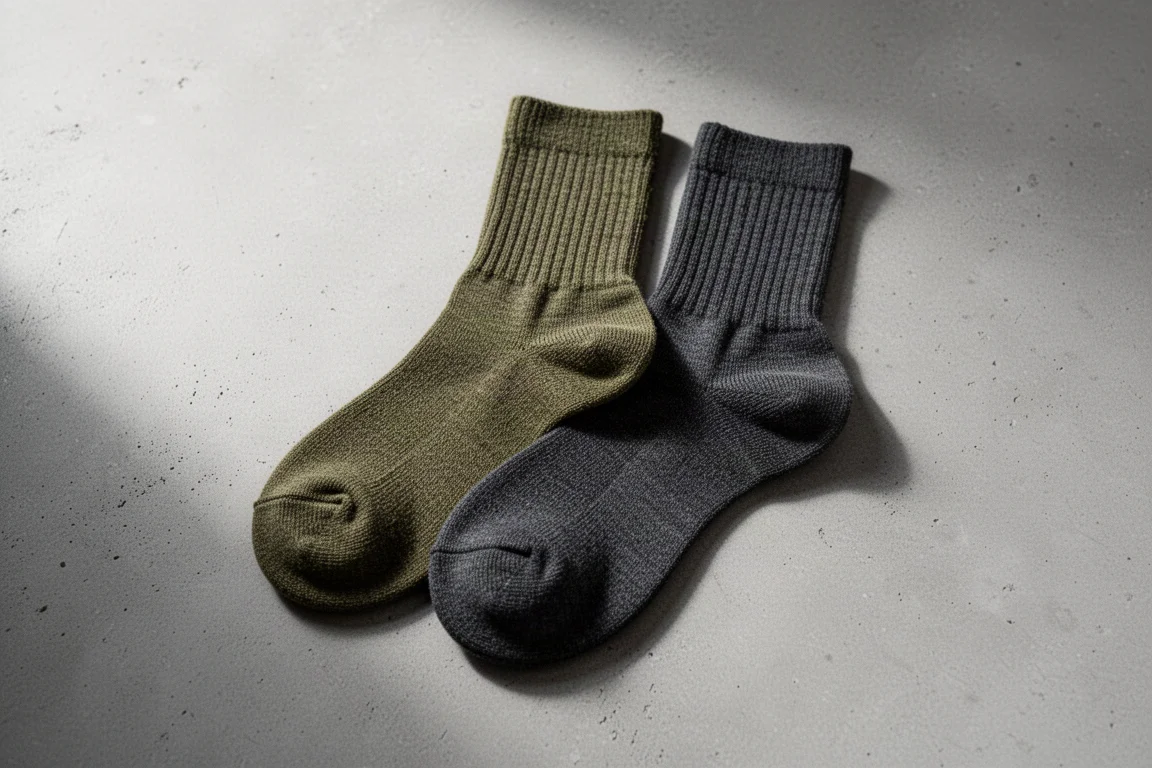
The 1000 Mile socks sit just behind Darn Tough on performance and are typically a little cheaper. They share the same merino benefits, including temperature regulation and moisture management, and they are an excellent choice for hikers who want premium comfort without the premium price.
Between the two brands, the decision usually comes down to budget and fit preference rather than a meaningful gap in quality. Buying a few pairs of each is a reasonable way to find out which suits your feet.
Buying Advice
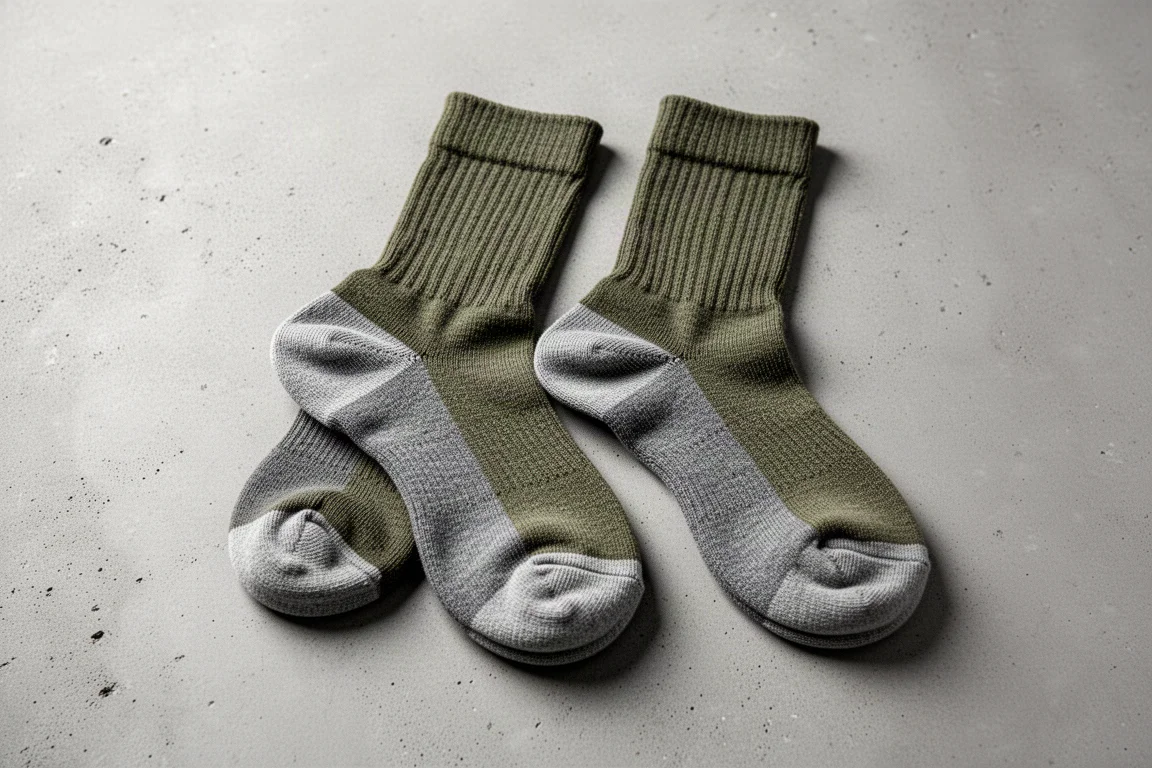
The honest downside of this kit is cost. Every item here is a serious investment, and the complete set adds up to roughly the price of a high-end solo tent. The counter-argument is comfort: warm, comfortable clothing makes cold, wet trips far more enjoyable, and that makes them far more likely to happen across all four seasons.
If you build the system gradually, start with the base layers and socks, then add insulation from the inside out. Base layers and merino accessories are the foundation, the lightweight synthetic pieces handle damp and changeable conditions, and down takes over when the temperature genuinely drops.
Cheaper alternatives are worth considering, particularly for down trousers, where budget options perform well enough for occasional use. The one piece that justifies its price most clearly is an insulated waterproof jacket, because it replaces two separate items and removes a layer from the packing list entirely.
Conclusion
Ultralight gear that cheats the cold is not about one miracle product. It is a system: merino next to the skin, a light synthetic mid layer that keeps working when damp, hydrophobic down for the coldest nights, and down trousers or an insulated waterproof jacket for camp. Each piece is chosen because it adds warmth without adding bulk, and together they make a light pack possible in conditions that would otherwise demand a heavy one.
Start with the pieces that match the trips you actually take, add the rest over time, and the pack gets lighter while the nights get warmer.
Further reading
Related Reviews
Hiking Gear
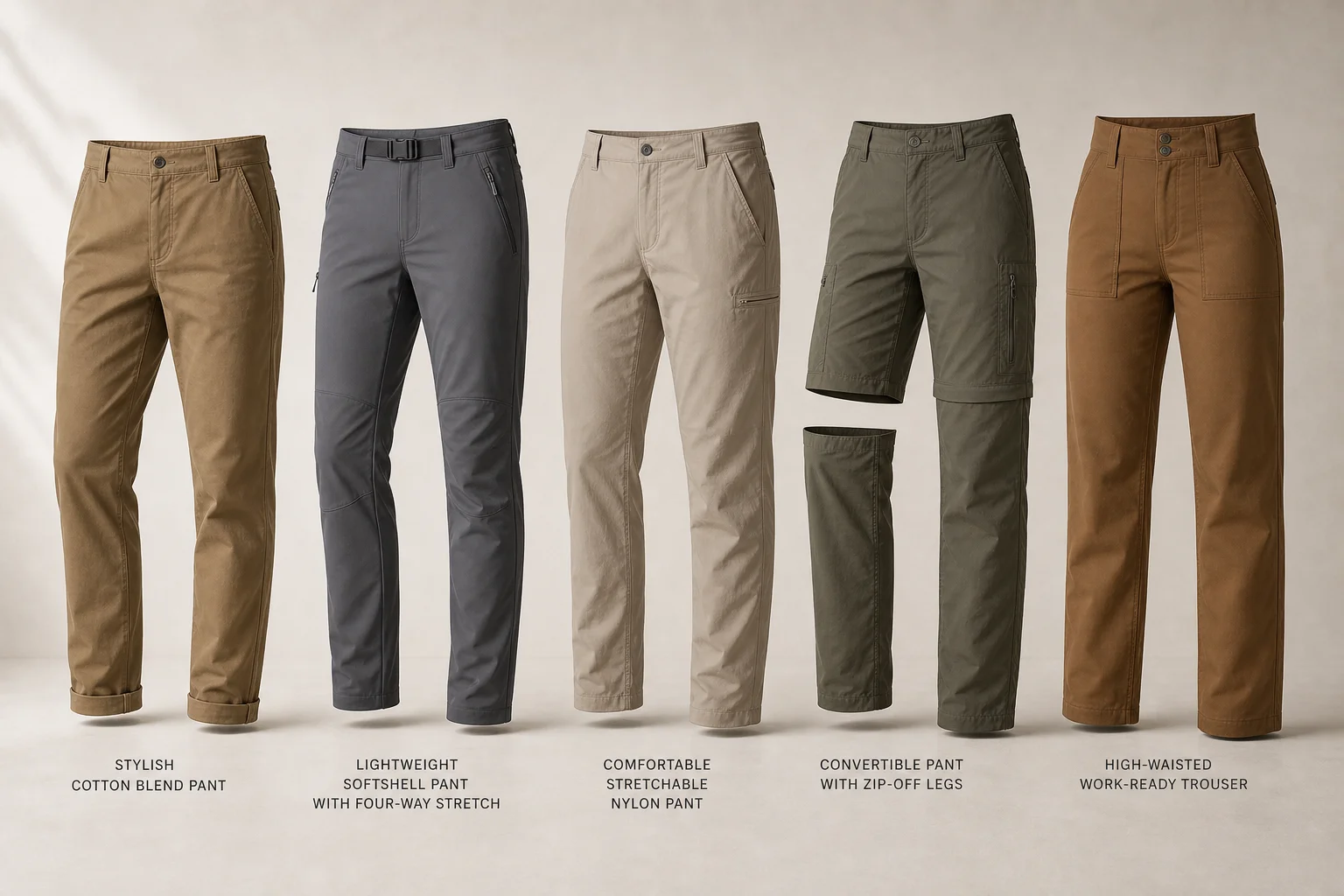
Best Hiking Pants on Amazon: Five Practical Options for Different Needs
A practical review of five hiking pants with clear strengths and trade-offs, from lightweight convertible styles to durable work-ready trousers.
Hiking Gear
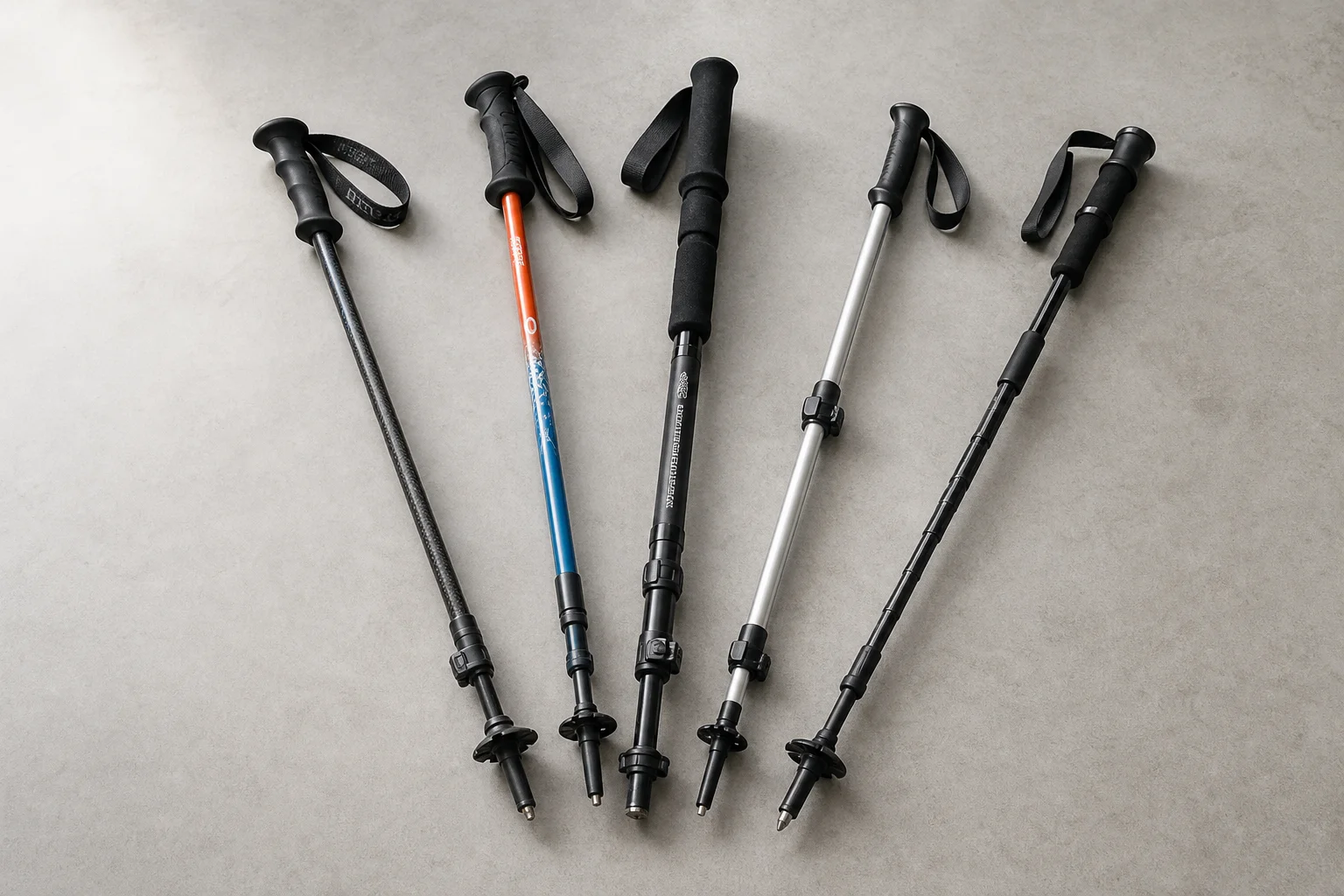
Best Hiking Poles 2026: Five Options for Different Trail Needs
A practical review of five hiking poles, from lightweight carbon designs to versatile all-terrain options, with clear strengths and trade-offs for each.
Hiking Gear
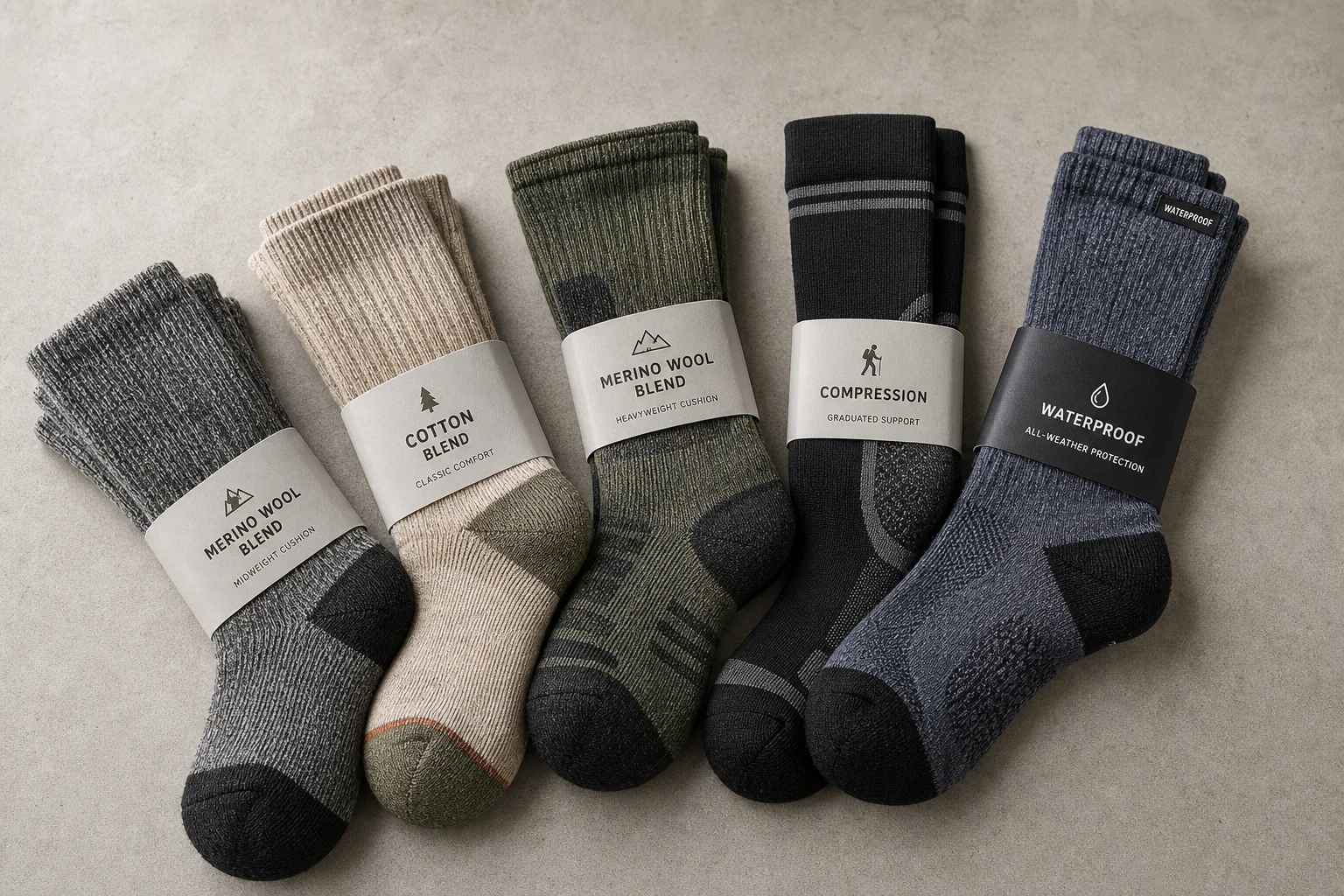
Best Hiking Socks 2026: Five Top Choices for Different Trail Needs
A practical roundup of five hiking socks, from lightweight merino options to heavy-duty compression styles, with clear guidance on which suits your outdoor activity.