Camping Chairs
Ultralight Backpacking Chairs Compared: Msnelli, Helinox Zero, and Nemo Moonlander
A practical comparison of three ultralight backpacking chairs, led by the carbon fiber and Dyneema Msnelli Ultra-Light Chair, with the Helinox Zero and Nemo Moonlander as alternatives.
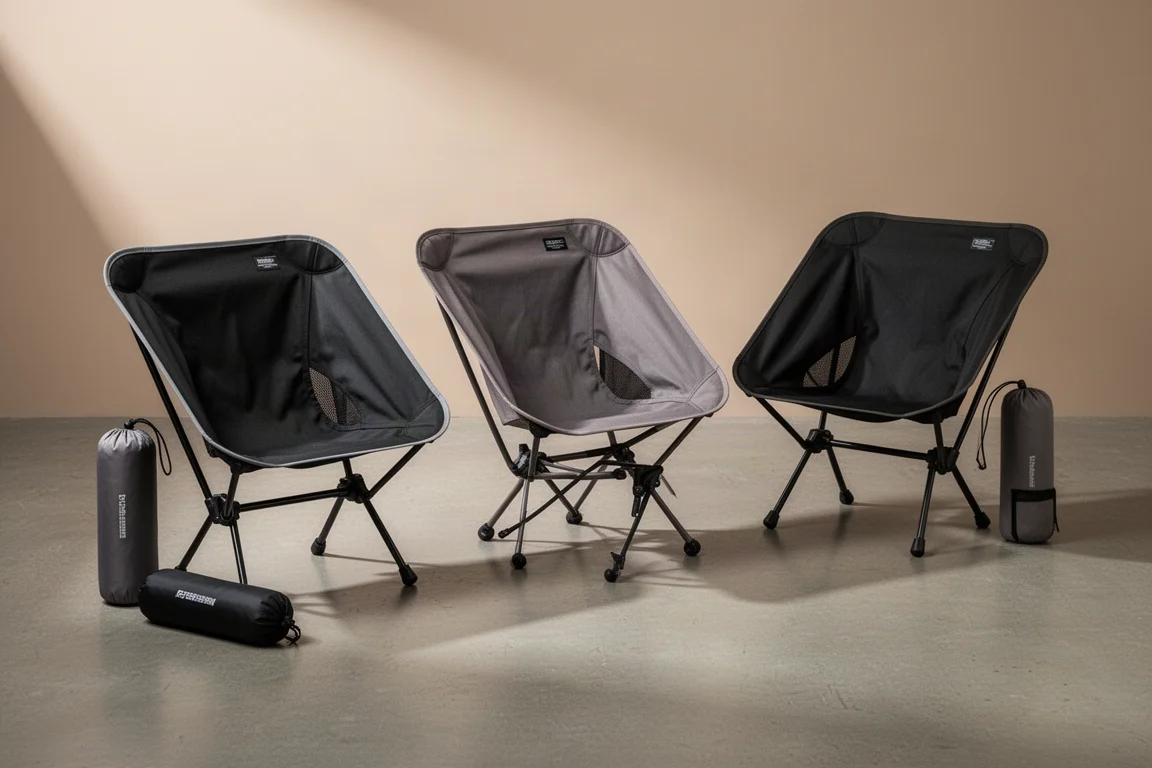
Introduction
Finding a backpacking chair that earns its place in a pack is harder than it sounds. Weight matters, packed volume matters, price matters, and none of it counts for much if the seat is uncomfortable after a long day on the trail.
The Msnelli Ultra-Light Chair is worth a close look because it pairs high-end materials with a low price. The frame is carbon fiber, the seat is Dyneema fabric, the feet are designed not to sink into soft ground, and the chair is rated to support 330 lb at $62. That combination is rare enough that it makes sense to compare it directly against two other ultralight options: the Helinox Zero and the Nemo Moonlander.
What Matters in an Ultralight Backpacking Chair
Four points decide whether a chair gets carried or left at home.
Weight comes first. A heavy chair stays behind, however comfortable it is. Packed size comes next, because a chair that swallows a quarter of your backpack is a chair you will resent. Cost matters as well, since an expensive chair that never leaves the closet is worse value than a cheap one you use on every trip. Comfort closes the loop: a seat that digs into your legs or forces a single position is not worth carrying.
There is a practical argument for bringing a seat at all. In wet, rainy country, a chair means you are not sitting on a soaked stump, log, or rock, and you are not spending the evening in damp clothing.
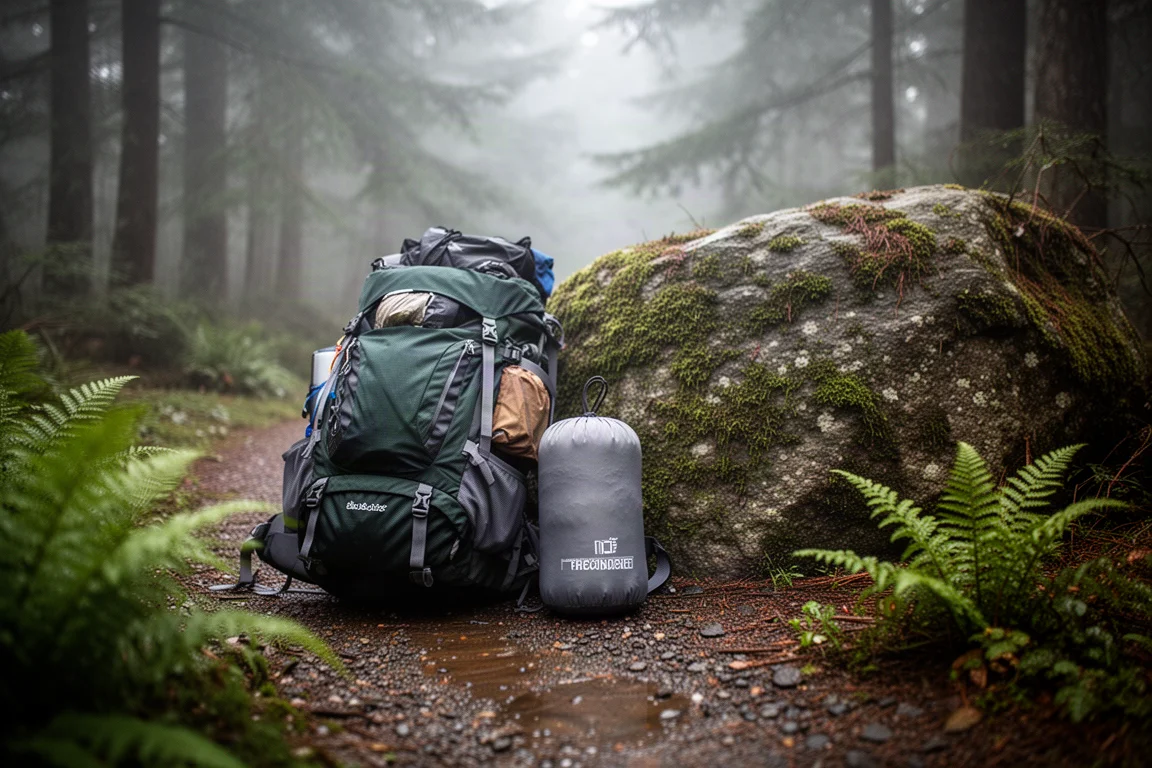
Each chair below answers those four points differently. One leans on advanced materials and a low price, one leans on minimal weight and minimal packed size, and one matches the first on weight while asking considerably more money.
Msnelli Ultra-Light Chair: Design and Materials
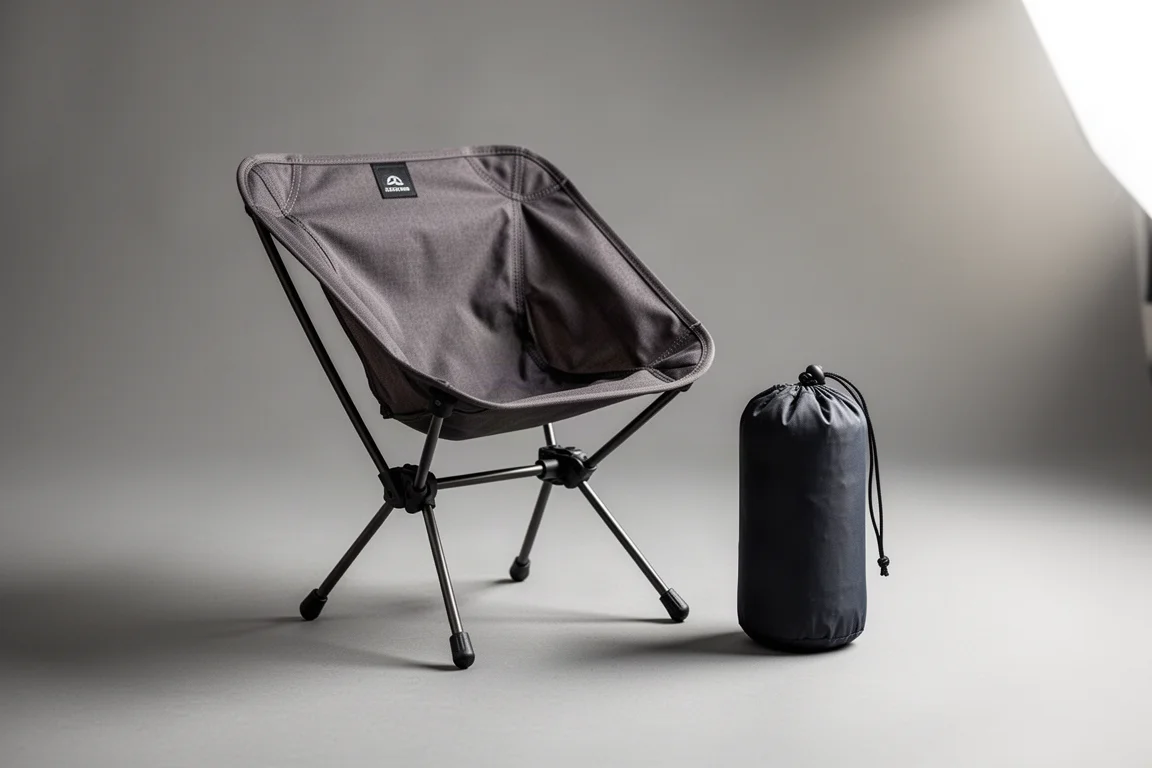
The Msnelli chair is built around two materials that rarely appear at this price. The frame is carbon fiber, chosen for strength at very low weight, and the seat is Dyneema, an ultralight, high-strength fabric. The connection points are nylon resin, and the chair comes in one color: black.
The measurements are just as interesting. Packed, the chair measures roughly 17 by 5 inches, so it slides in beside a sleeping bag or tent without much argument. Set up, it stands 26 inches tall, 22.5 inches wide, and 21 inches deep, making it noticeably wider and slightly deeper than a typical folding camp chair. The chair alone weighs 1 lb 9 oz, and 1 lb 12 oz with its storage bag. It is rated to support up to 330 lb.
Two details stand out. The storage bag is deliberately oversized, with a single zipper, two grab handles, and two loops for attaching it to a backpack. That matters more than it sounds, because undersized bags keep the listed weight low but turn packing up into a fight. The second detail is the set of built-in anti-sink feet, which keep the legs from disappearing into soft ground.
Msnelli Ultra-Light Chair: Comfort, Setup, and Real-World Use
Setup follows the same process as almost every folding camp chair, and breaking it down is just as quick.
In use, the seat is comfortable. The frame and the fabric do not bite into your legs, and you can lean forward or recline without discomfort. The natural seating position is fairly reclined, though sitting upright is possible. One trait is worth knowing before you buy: the fabric is somewhat slick, so sitting up straight usually means bracing with your feet rather than relying on grip.
Build quality looks strong. The chair shows no loose threads, and the stitching and finish appear clean. The storage bag had a single loose thread, which is a minor detail. There are also no pockets, a deliberate simplification rather than an oversight. Pockets on camp chairs are often too small or too tight to be useful, so their absence costs less than it first appears.
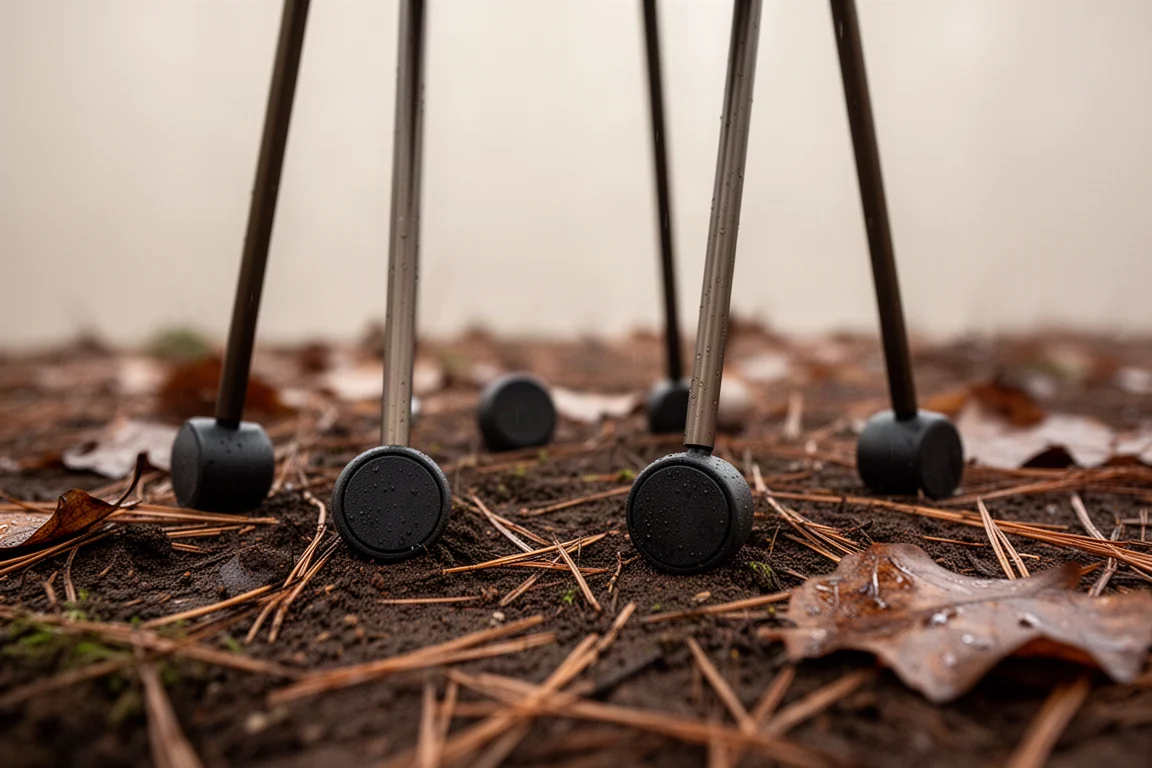
Long-term durability is the open question. The materials and construction look right, and the weight rating is well above the roughly 220 lb typical of folding camp chairs, but how the seat and frame hold up over a full season of use is something only trail time will answer. At $62, that is a reasonable thing to keep an eye on rather than a reason to walk away.
For backpackers who want a full-size seat that still disappears into a pack, this is the most compelling option of the three.
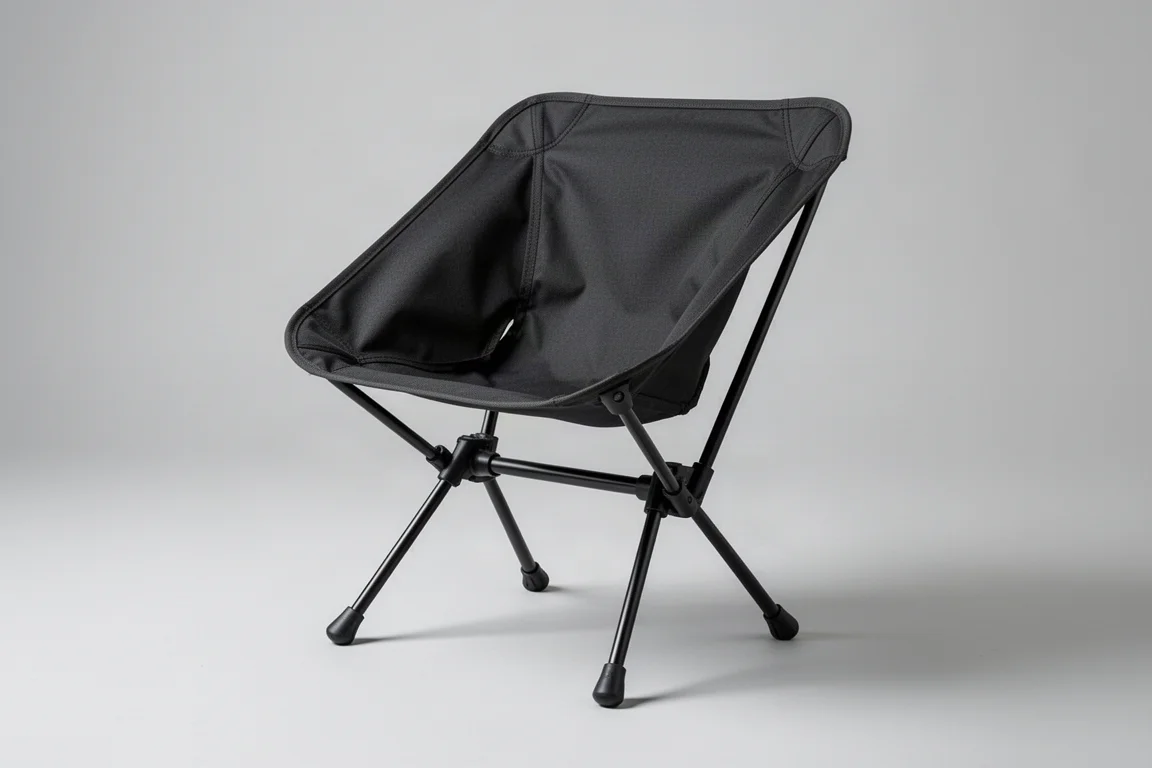
Helinox Zero: Lighter and Smaller at a Higher Price
The Helinox Zero is the most minimal chair here. It weighs about 1.1 lb, which is lighter than the Msnelli chair’s 1 lb 9 oz, and it packs a whole lot smaller. If saving every ounce and every cubic inch is the priority, that is a genuine advantage.
The trade-offs are price and seating area. The Helinox Zero costs about $150, well above the $62 Msnelli chair, and its smaller footprint means a smaller seat. Hikers who count grams and rarely sit for long may find that trade worthwhile. Anyone who wants to settle into a chair at the end of the day will notice the difference in size more than the difference in weight.
Nemo Moonlander: Nearly Identical Weight, Higher Price
The Nemo Moonlander is the closest competitor on weight. Its weight is nearly identical to the Msnelli chair’s, but it costs about $130 more. Since both chairs put essentially the same load on your back, that gap is the clearest illustration of what the Msnelli chair’s price buys.
That does not make the Moonlander a poor choice. It is an ultralight seating option from a larger outdoor brand, and brand familiarity, support, and design details matter to plenty of buyers.
The decision here is straightforward. If the weight is close to identical and the price is not, the extra money is buying brand and design rather than a lighter carry.
Value Notes and Who Each Chair Suits
Set the three chairs side by side and the picture is clear.
The Msnelli Ultra-Light Chair is the value pick. A carbon fiber frame, a Dyneema seat, anti-sink feet, an oversized storage bag, a 330 lb rating, and 1 lb 9 oz of carry weight at $62 is an unusual combination, and it is the only one of the three that offers a full-size seat at a budget price.
The Helinox Zero is the specialist. It is the lightest and the most compact, and it costs about $150. Choose it when packed volume and carry weight outrank everything else, and accept the smaller seat that comes with that.
The Nemo Moonlander is the brand-name alternative. It matches the Msnelli chair closely on weight and asks roughly $130 more, so it suits buyers who value a larger outdoor brand and its design approach enough to pay the difference.
Buying Advice
Start with the honest question: how often will you actually carry a chair? If the answer is most trips, weight and packed size should lead the decision, and comfort should be the tiebreaker.
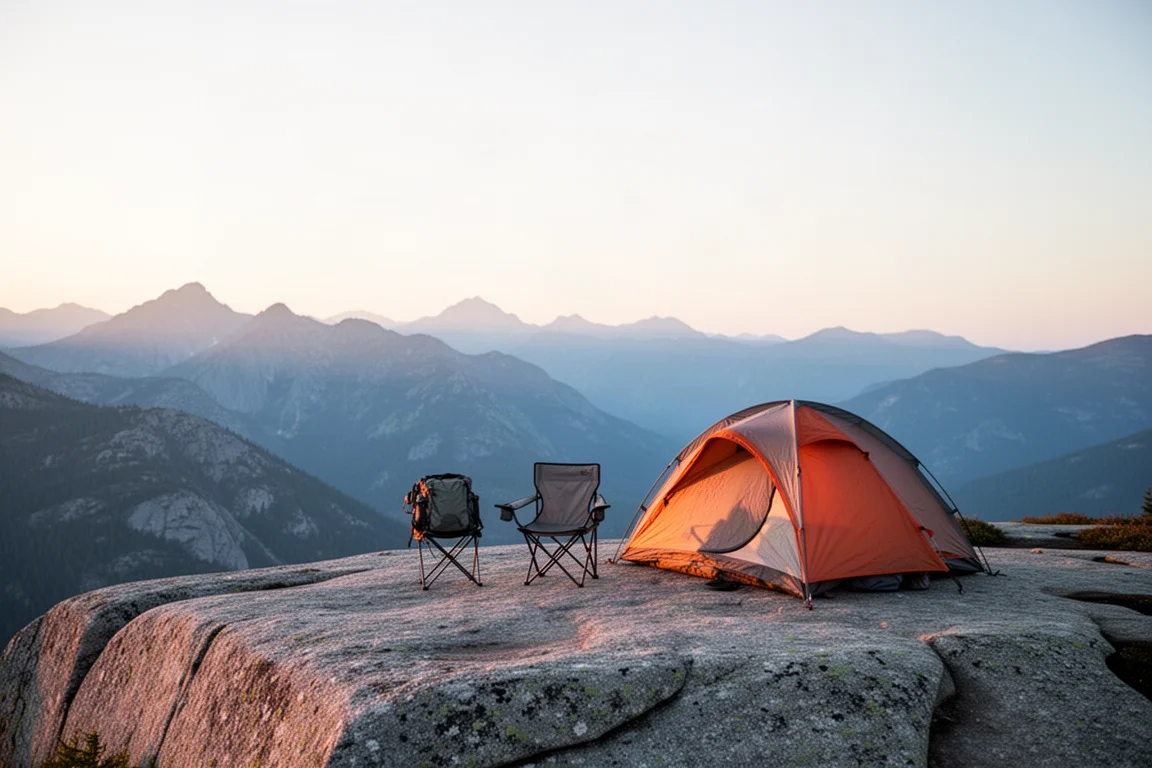
If you want one chair that works for both backpacking and car camping, a full-size seat with a high weight rating is the safer choice, and the Msnelli chair fits that brief at a low price. If you are trimming grams for long-distance trips and rarely sit for more than a few minutes, a lighter, smaller chair like the Helinox Zero makes more sense despite the higher cost.
Weight rating deserves a second look for anyone larger or anyone who shares gear. A 330 lb rating is generous for this category, where many folding camp chairs stop around 220 lb.
Finally, check the packed dimensions against your backpack before you buy, and confirm the return window if you are ordering online. Fit and seating position are personal, and no specification sheet settles them.
Conclusion
The Msnelli Ultra-Light Chair is the standout of this comparison. It carries high-end materials, a 330 lb rating, an oversized storage bag, and anti-sink feet at a price far below the other two, and it does so without giving up seat size. Its slick fabric and unproven long-term durability are the details to weigh, but neither undercuts the value on offer.
The Helinox Zero remains the choice for minimalists who want the lightest and smallest chair they can get. The Nemo Moonlander is the option for buyers who prefer a larger brand and are willing to pay about $130 more for a very similar carry weight.
Further reading
Related Reviews
Camping Chairs
ALPS Mountaineering Rendezvous Chair Review: Fast Setup, Compact Pack, Real Trade-Offs
A practical look at the ALPS Mountaineering Rendezvous Chair: measured seat dimensions, setup and pack-away speed, materials, and who it genuinely suits.
Camping Chairs
Best Lightweight High-Back Camping Chairs: Helinox Sunset vs REI Flexlite Camp Dreamer vs Big Agnes Big Six
A measured comparison of three lightweight high-back camp chairs, covering setup times, seat dimensions, breathability, storage, materials, warranty, and price positioning.
Camping Chairs
Best Oversized Camp Chairs: ALPS King Kong vs Coleman vs YETI Trailhead
Four of the largest camp chairs compared on seat size, seat support, materials, storage, portability, and price, with clear guidance on which one is worth buying.