Running Gear
Ultra Running Gear Race Test: Five Pieces of Kit Put Through a 56K Mountain Ultra
Five products tested over nearly eight hours of wet, technical Lake District trails: two Garmin watches, a carbon-plated trail shoe, bone conduction headphones, and running sunglasses.
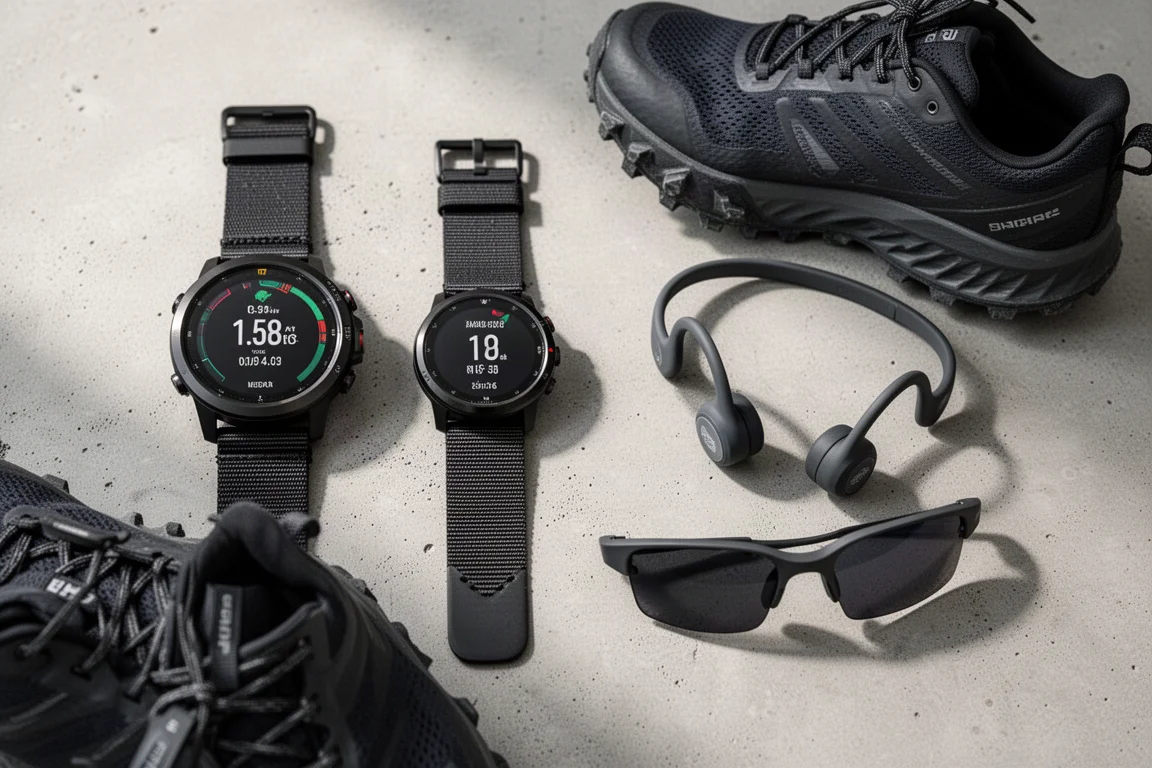
Introduction
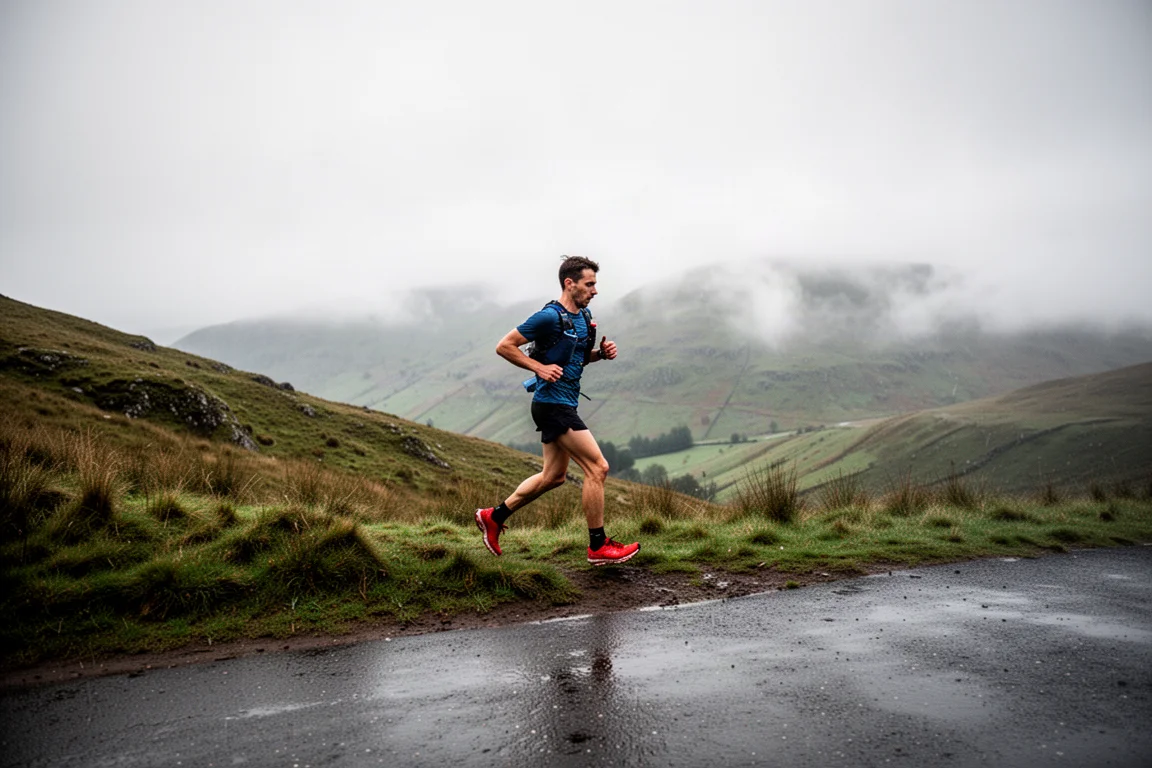
Testing running gear in ideal conditions is easy. Testing it across nearly eight hours, 56 kilometres, and roughly 2,300 metres of climbing on wet, technical Lake District trails is a far better filter. This race test put five products through exactly that: two Garmin watches run side by side on the same course, a carbon-plated trail shoe, a pair of bone conduction headphones, and a set of running sunglasses.
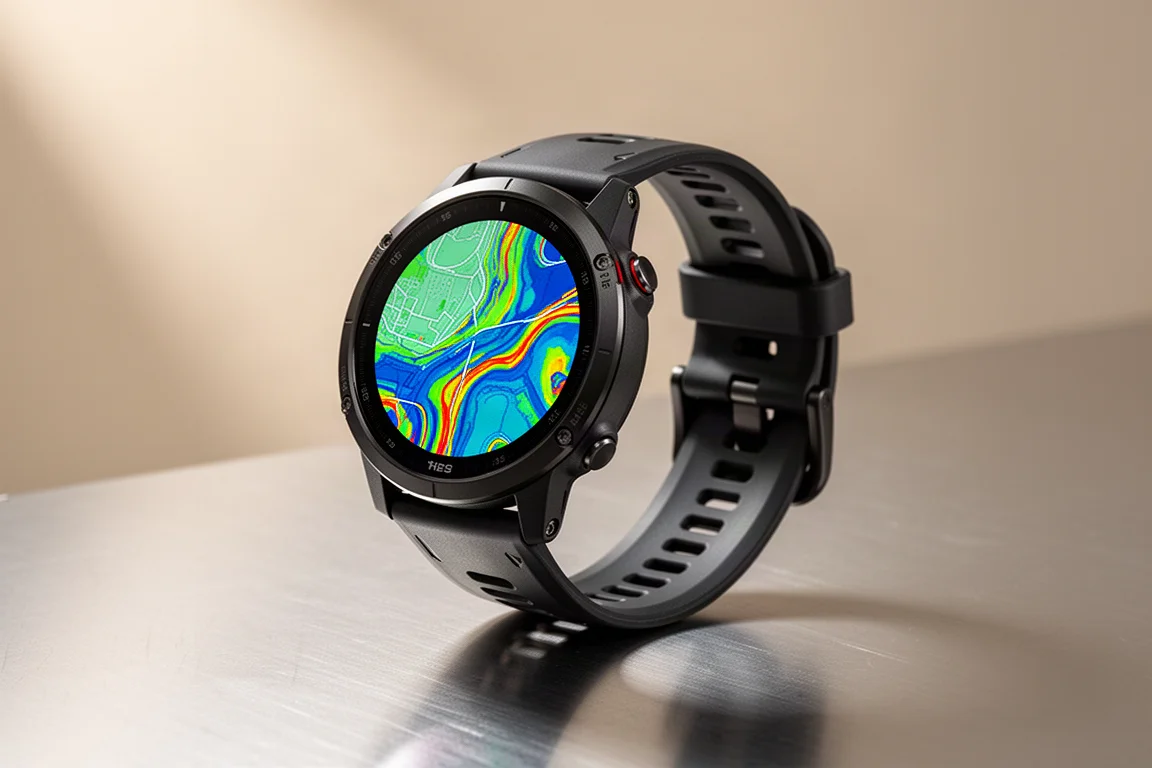
Garmin Fenix 8 AMOLED 51mm
The Fenix 8 AMOLED 51mm was run against the Enduro 3 in identical GPS and general settings, with the full race route loaded for real-time map navigation throughout. The standout advantage is the big, bright AMOLED screen, which made following the course and reading map detail noticeably better during the race. Both watches were easy to read in most light, but the Fenix display made route navigation a much better overall experience.
On accuracy, the Fenix 8 recorded 35.99 miles against an official course distance of 35.1 miles, with total elevation of 2,289 metres. Over 8 hours of racing with continuous mapping, it burned 15% battery, which was a pleasant surprise given the display. Optical heart rate had occasional wobbles, spiking above and dipping below a chest strap benchmark at aid stations, but the drift was far milder than on the comparison watch.
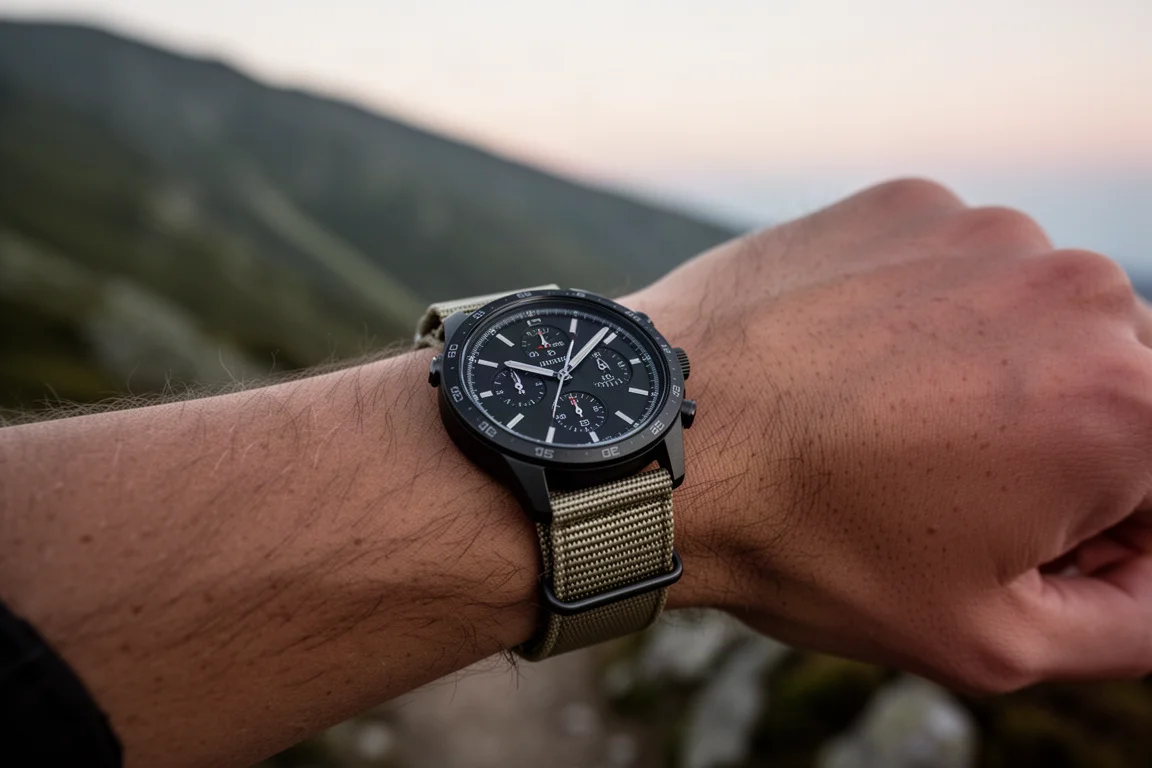
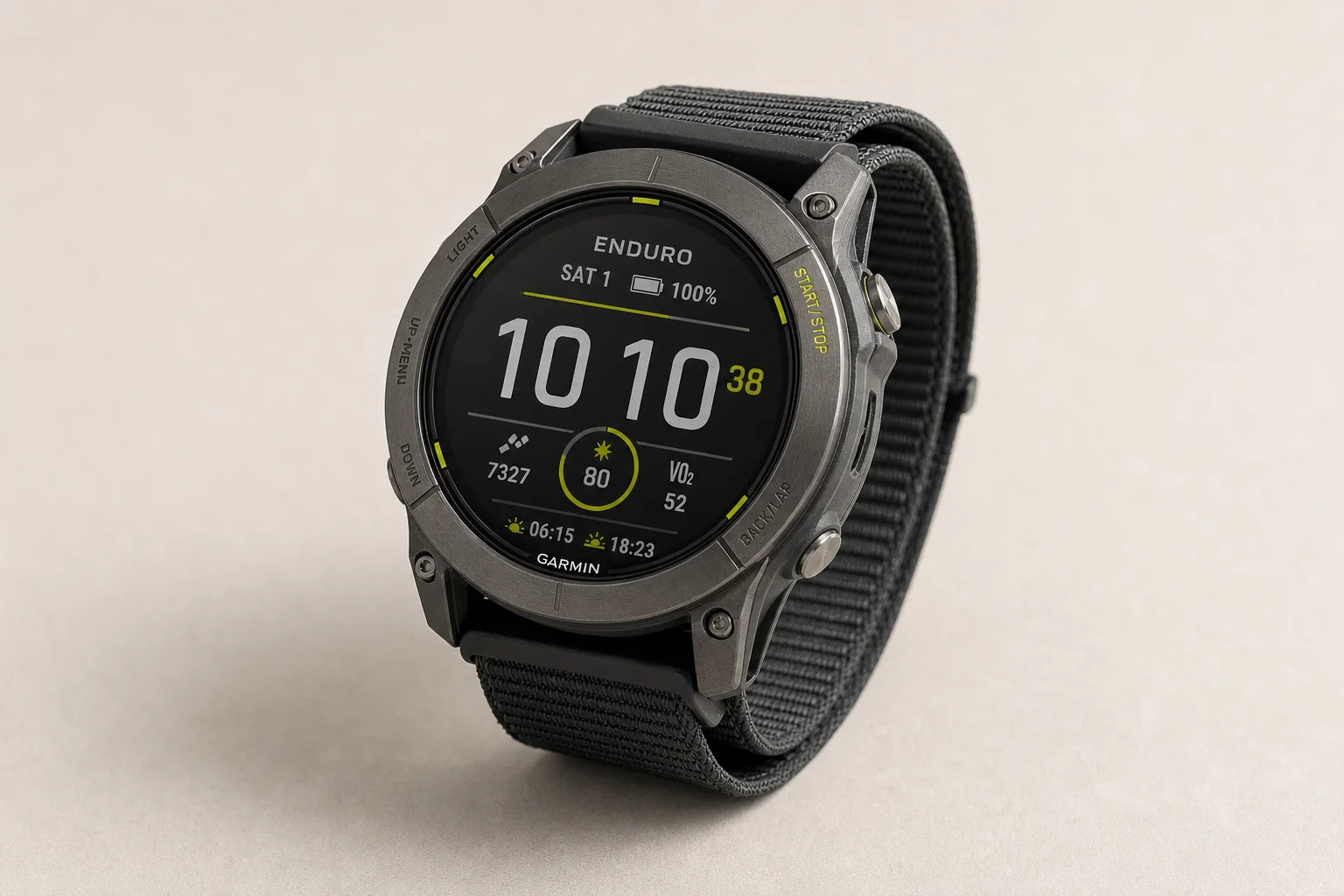
Garmin Enduro 3
The Enduro 3 was the more comfortable of the two watches over the full race distance. It is lighter on the wrist, and the nylon strap allows the kind of micro adjustments that hole-punch silicone straps do not, which proved genuinely useful across a long ultra where fit changes as the day goes on.
Battery burn was almost identical to the Fenix at 14% over the 8 hours, even with mapping active, and GPS distance came in at 35.8 miles with 2,253 metres of elevation. Track quality was reliably pinned to the trails with few deviations. The main trade-off was optical heart rate: the sensor struggled more than the Fenix, including a long period in the final three hours where readings ran far higher than the chest strap reference. The screen also occasionally needed the backlight fired up for visibility in some conditions.
ASICS MetaFuji Trail
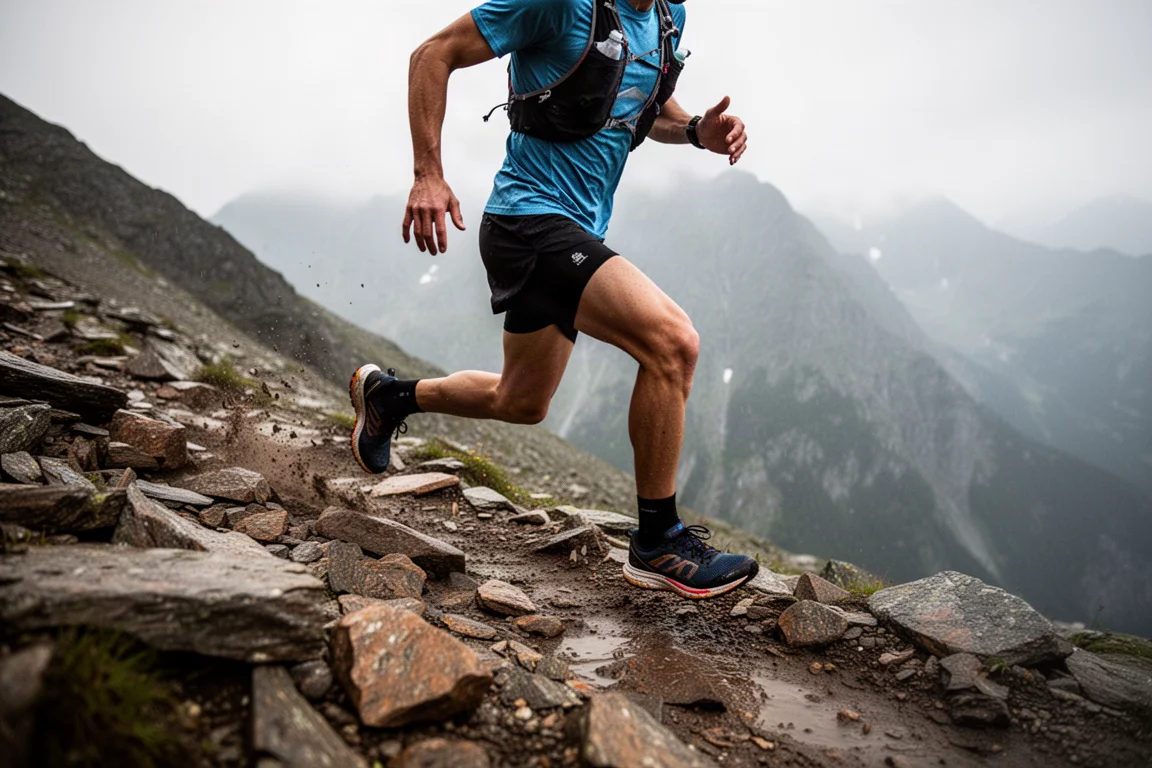
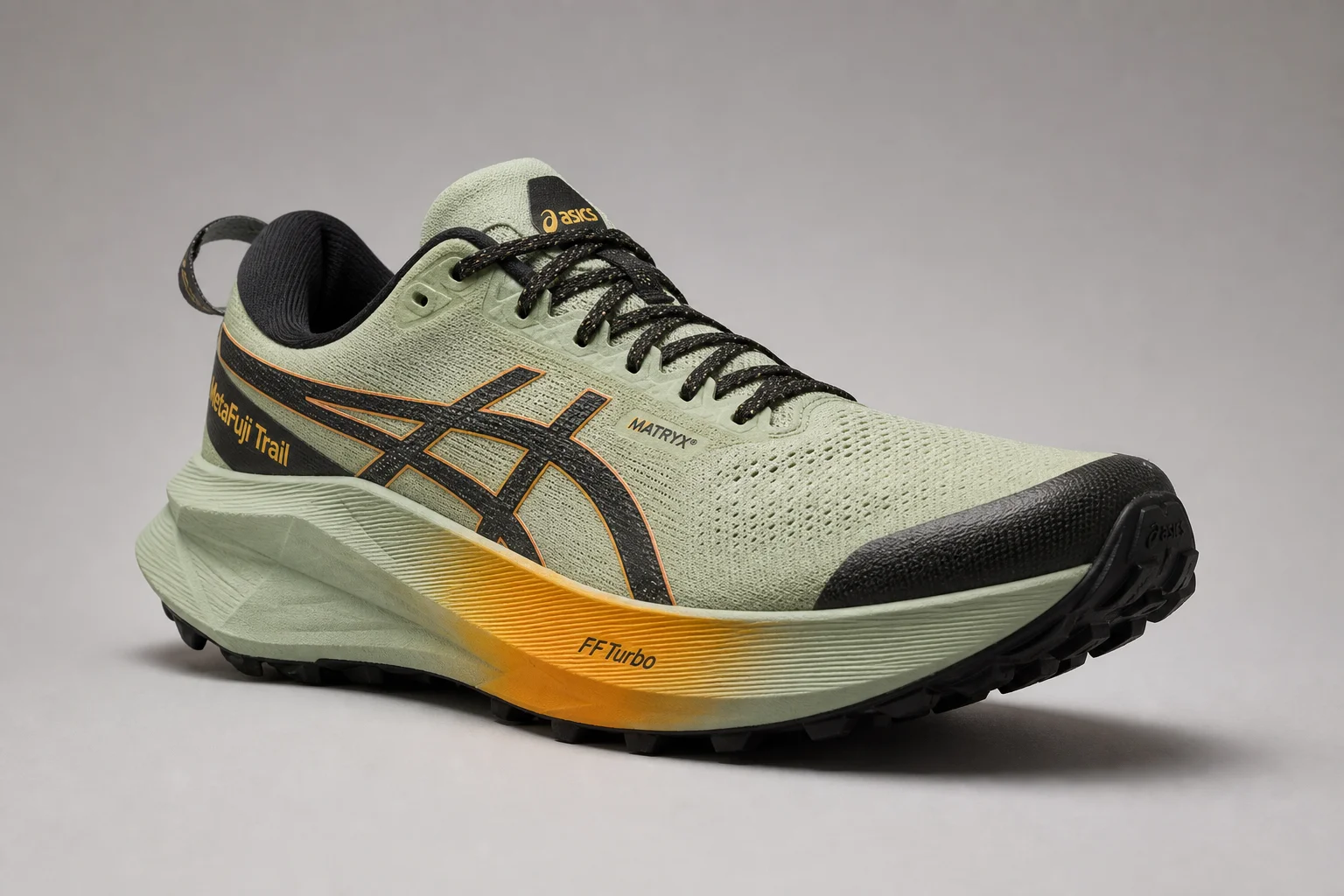
The MetaFuji Trail is a carbon-plated trail shoe with a lot of energy, and that character cuts both ways. On runnable, stony trail sections it came to life and performed really well. On steep, wet grass climbs, grip faded, and on the steep, technical, rock-strewn descents the shoe became a genuine problem: a fairly big, wobbly stack with too much bounce and not enough stability, producing constant ankle roll and a feeling of not being in control.
Comfort, however, was excellent. After eight hours on foot there were no hot spots, no blisters, and no toe bashing. The shoes did slip a little early on and needed retying for a more secure lockdown, with slightly more heel movement than ideal. The verdict: choose these for runnable trails you can attack, not for steep, slippery, technical ground. Less technical runners may find them simply too lively on proper descents.
Shokz OpenRun Pro 2
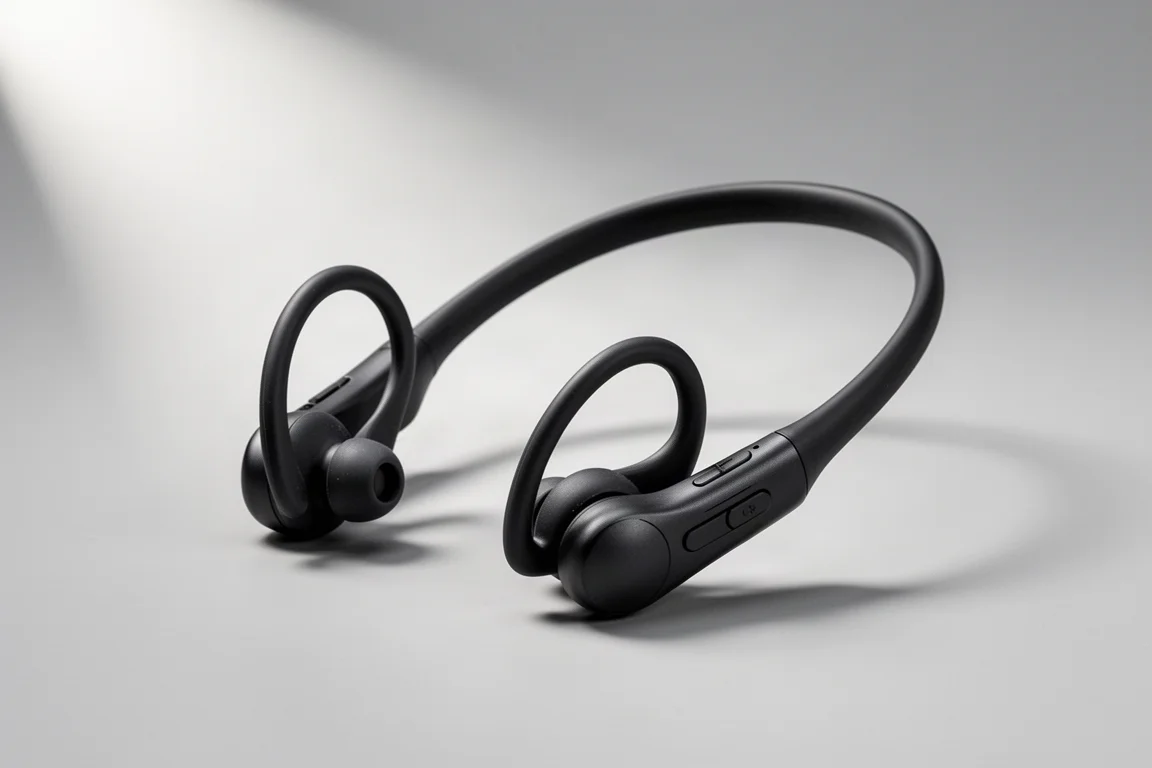
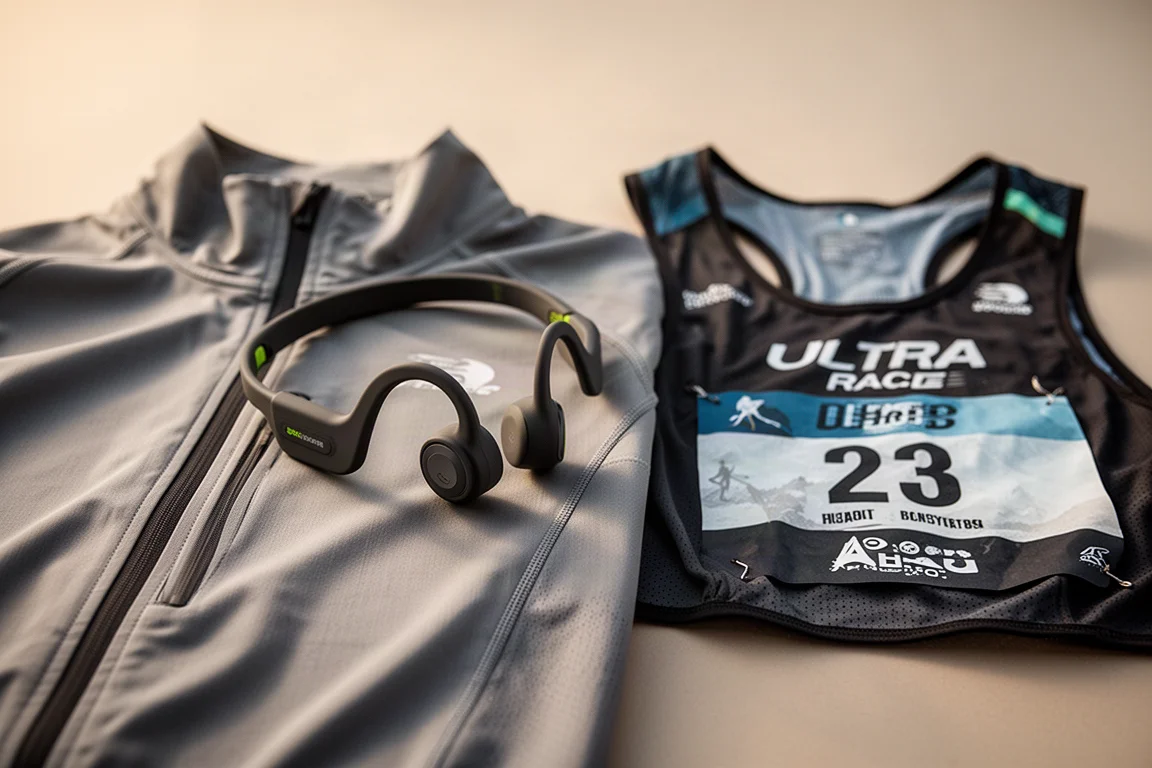
The OpenRun Pro 2 bone conduction headphones were worn for the entire eight-hour race, chosen for the balance of staying tuned to the surroundings while still having music available. The neck band design is the real win for ultra use: drop them around your neck and forget them, then flip them back on mid-stride without fumbling with a case or a belt. They also stayed put through steep descents, where in-ear buds tend to fall out.
Music was used only about 30% of the time, which consumed 30% of the battery, making these short-ultra friendly, though very long runners may need more. Audio quality was standard for bone conduction, less rich than in-ears, and high on exposed wind the sound lacked punch to cut through, though it was nicely solid in the valleys. They survived 30 minutes of torrential rain without issue, holding up well to their IP55 water rating.
Nike Flyfree
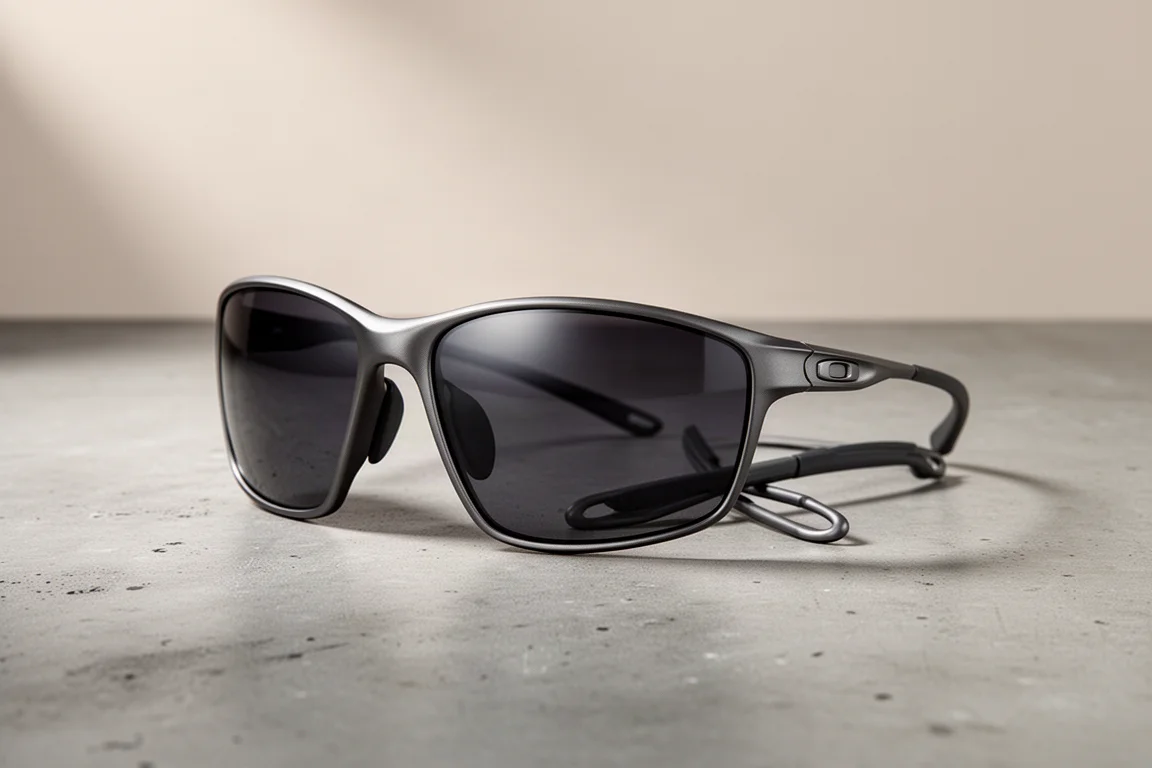
The Nike Flyfree sunglasses earned their place with clever interchangeable lenses: a road tint designed to block bright reflected light from hard surfaces, and a terrain tint that increases contrast for better perception on uneven trails. Swapping tints for different conditions is a genuinely practical feature for mixed mountain courses.
They are light, with good coverage and a nicely adjustable nose bridge that helps get a secure fit on awkward face shapes. The flexible arms hold well, with almost zero bounce even on the steepest descents of the race. The main drawback was occasional fogging of the lenses, mostly when breathing hard on steep climbs, and they sit at a price well above what many runners usually spend on sunglasses. If you look after your gear better than most and want versatile running shades, they are worth a look.
Overall Buying Advice
Match each product to the terrain you actually run. The Fenix 8 AMOLED is the pick if screen quality and navigation matter most, while the Enduro 3 rewards runners who prioritise comfort and strap adjustability over long distances. The MetaFuji Trail belongs on runnable trails, not steep technical descents. The OpenRun Pro 2 suits shorter ultras where situational awareness matters, and the Nike Flyfree suits runners who want adaptable lens tints and are happy to pay for them.
Conclusion
Across eight wet, punishing hours in the Lakes, every product here showed a clear strength and a clear limit. The watches both tracked the course accurately with impressively similar battery burn, the shoes delivered comfort but warned against over-aggressive terrain, and the headphones and sunglasses proved durable, practical race companions. Choose based on where you run, and each of these can earn its place in a race kit.
Further reading
Related Reviews
Running Gear
Best Running Caps 2026: Nine Tested Options for Summer and Winter
A comprehensive guide to nine running caps tested across different conditions, from lightweight summer options to waterproof winter choices.
Running Gear
Best Running Caps: A Guide to Summer and Winter Options
A comprehensive review of nine running caps for different conditions, styles, and preferences, from lightweight summer options to waterproof winter choices.
Running Gear
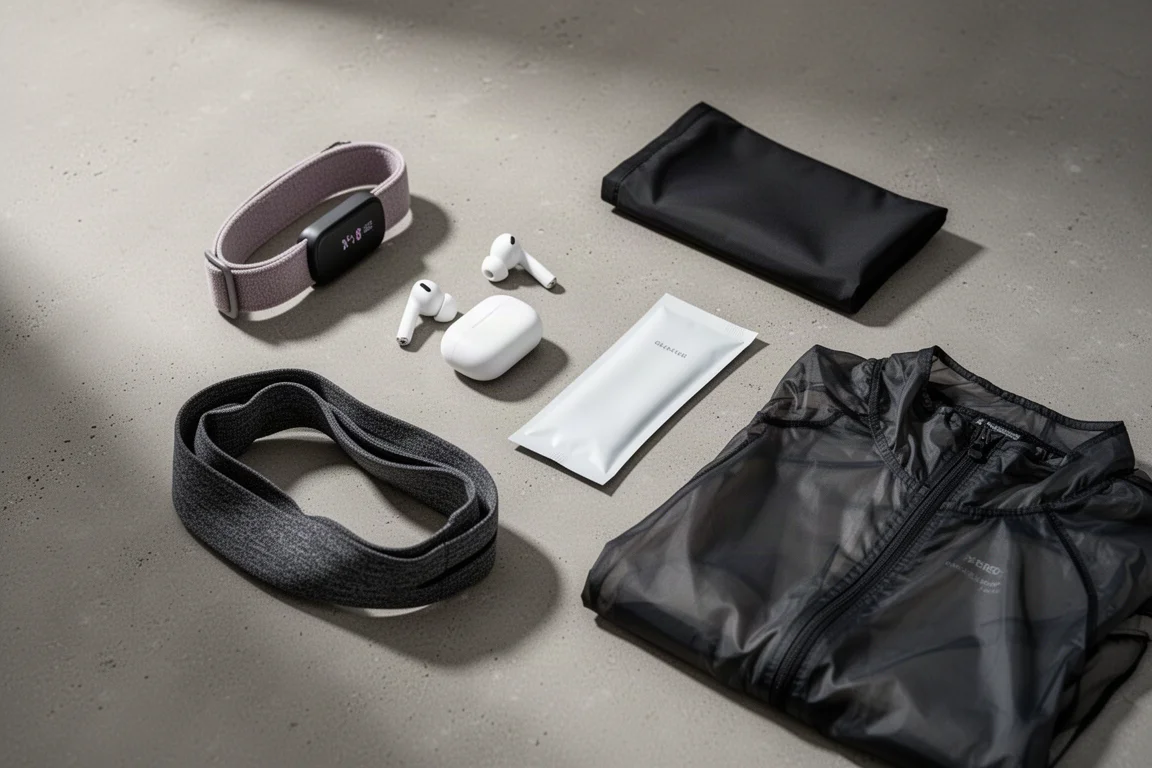
Best Running Gear 2026: Five Picks That Earn Their Place
Five running upgrades covering heart rate, audio, fuelling, carrying and weather protection, with the trade-offs worth knowing before you buy.